
Tabelog 100 #23
Our verdict
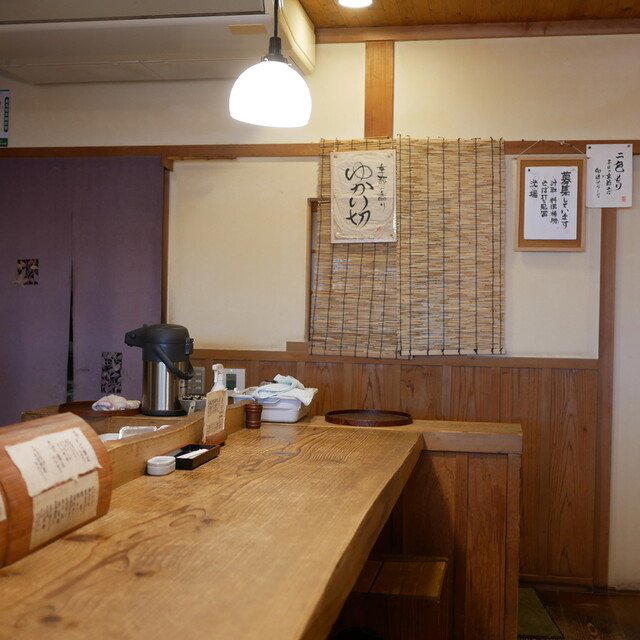
Fukuoka’s curry scene has a serious lunch-counter wing, and GARAM sits firmly inside it: six counter seats, reservations unavailable, cash-only payment, and a JPY 1,000–1,999 spend. Its repeated Tabelog Curry WEST 100 selections, including 2024, place it among western Japan’s closely watched curry rooms rather than casual fallback lunches.

Pearl is the En Primeur Club membership app, where members save venues, book tables and use the concierge.
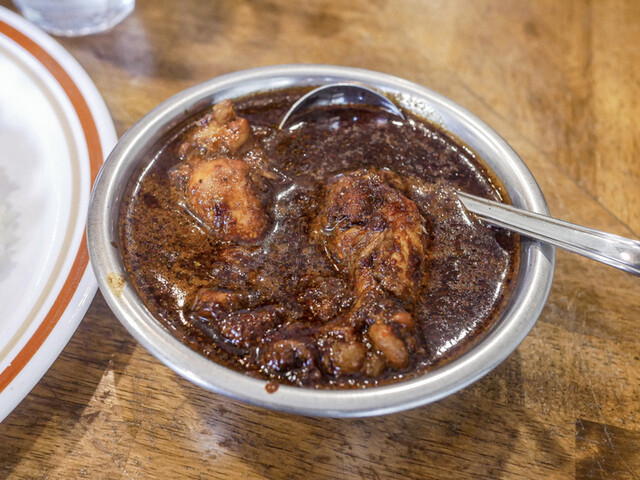
The approach feels focused before the food is even part of the calculation: GARAM is best understood through its curry identity, its Fukuoka setting, and the kind of attention that a specialist restaurant can command without needing a broad concept. In Fukuoka, where visitors can easily build itineraries around many different dining styles, curry specialists like GARAM make a different argument for the city: an accessible meal can still carry intent, and a clear category can say more than a sprawling one.
Japanese curry culture has never been a single tradition. It runs from home-style roux and railway-station cutlets to spice-led kitchens that borrow from South Asian structures without becoming orthodox Indian restaurants. Fukuoka’s version is especially interesting because the city is already comfortable with highly specialized dining formats. A curry-focused restaurant does not feel out of scale here; it fits a local habit of treating focused rooms as serious culinary addresses.
A focused curry restaurant shaped by menu discipline
The useful way to read this restaurant is through category rather than abundance. GARAM is listed for curry and Indian curry, which matters: it signals a kitchen working in the overlap between Japanese curry culture and spice-forward cooking rather than in a more general dining lane. The appeal is tied to focus, directness, and a clear reason to visit.
That format also changes the meaning of value. Fukuoka has plenty of restaurants where the bill rises quickly through courses, wine pairings, or premium seafood. In the same city, comparison venues such as Tatsu Sho and Hinai Matomi sit in higher-end dining conversations, with more formal meal structures. GARAM belongs to another tier: the specialist curry meal, where the case for attention rests on clarity, accessibility, and a tight kitchen identity rather than luxury signals.
The Tabelog Hyakumeiten recognition in 2024 is the main external credential. In a category crowded with regional specialists, inclusion is a useful signal. It places the restaurant inside a broader curry conversation, not merely within a local lunch map. Its listed Tabelog score of 3.76 gives that recognition an additional public-facing reference point.
Visibility gives the restaurant another form of authority without needing to turn the meal into a luxury production. Fukuoka’s dining fashion changes quickly, especially as new cafés, ramen rooms, and casual bars keep rotating through the city. A curry restaurant that remains part of the conversation is working from a sharper proposition than novelty. The appeal does not need to be sprawling; it is the confidence of a place that knows its field.
Why Fukuoka's curry specialists reward planning
Curry is often treated by travellers as the easy meal between reservations. That assumption can fail with popular Japanese specialists. Timing, queues, and payment habits may shape the experience as much as the plate. Those details are not always inconveniences around the meal; they can be part of the operating model. The restaurant is best approached by diners who can move with its cadence.
For visitors building a broader Fukuoka itinerary, the restaurant makes sense as a purposeful curry stop rather than a backup plan. Fukuoka is dense enough to pair with other meals and visits, but the focused nature of the restaurant means flexibility matters. It is also useful to think of it alongside the city’s broader specialist network: other spice-focused kitchens, local Japanese dining rooms, and small-format restaurants across Fukuoka. Together, they show why Fukuoka dining should not be reduced to noodle queues and fish markets.
The practical read is simple: this is a curry meal with recognition behind it, not a leisurely luxury restaurant. Travellers who prefer private rooms, large tables, and a highly flexible format may want to choose carefully. Diners who like specialist cooking, clear categories, and meals where the format keeps attention on the plate will understand the appeal quickly.
Where it fits in a wider Japan itinerary
GARAM is also a useful corrective to how premium travel often frames Japan. Not every serious meal requires a tasting menu, a sommelier, or a months-ahead reservation. Some of the country’s most instructive food experiences are built from narrow specialization and low ceremony. That is especially true in curry, a category where the ceiling is not defined by luxury ingredients but by balance, heat, rice, texture, and repetition.
Readers mapping the city can start with Our full Fukuoka restaurants guide, then build the rest of the trip through Our full Fukuoka hotels guide, Our full Fukuoka bars guide, Our full Fukuoka wineries guide, and Our full Fukuoka experiences guide. For cross-city comparison, the same specialist instinct appears in different forms across Japan and beyond: focused menus, casual rooms, and restaurants where repetition becomes the real craft.
The editorial verdict is not that this restaurant replaces Fukuoka’s acclaimed high-end dining. It does something more specific: it shows how a curry format can carry the same discipline travellers usually seek in more expensive rooms. For a city meal with low ceremony, accessible pricing, and a serious reputation, that is the point.
Frequently asked questions
Can I bring kids to GARAM?
GARAM is best understood as a curry-focused restaurant in Fukuoka. It may suit diners comfortable with focused, casual formats better than those looking for a long, flexible family meal.
How would you describe the vibe at GARAM?
GARAM is a focused curry restaurant in Fukuoka. The emphasis is on curry rather than on extended dining ceremony.
What should I budget for a meal at GARAM?
Pricing at GARAM is listed as JPY 1,000 - JPY 1,999.
Is GARAM open every day?
Specific opening hours are not provided here. Check current local listings before going, especially if you are building a tight Fukuoka itinerary.
What's the address for GARAM?
GARAM is located in Fukuoka.
What has GARAM built its reputation on?
Its reputation rests on its curry focus and Tabelog recognition, including Tabelog Hyakumeiten recognition in 2024. Its listed Tabelog score is 3.76.
City Peers
Side-by-side context: comparable cuisine and price.
| Venue | Cuisine | Price | Awards | Notes |
|---|---|---|---|---|
| GARAMThis venue (the venue you are viewing) | Japanese Kashmir-style curry counter | $10–20 | Tabelog 100 #23 | Not listed |
| Tatsu Sho | Sushi Omakase | Not listed | Tabelog 100 #30 | JPY 20,000 - JPY 29,999 JPY 10,000 - JPY 14,999 |
| 嗣味 | Modern Japanese Omakase | $200–300 | Not listed | Not listed |
| Unazen | Traditional Japanese Unagi | $100–150 | Tabelog 100 #42 | Not listed |
| Hinai Matomi | Seasonal Soba & Nabe Kaiseki | $50–100 | Tabelog 100 #15 | JPY 10,000 - JPY 14,999 JPY 2,000 - JPY 2,999 |
| Restaurant SNOW | French-New Nordic Innovative | $100–150 | Tabelog Bronze #365 | Not listed |
Recognition history
Dated appearances from independent guides and award organizations, with the underlying list record or original source where available.
Tabelog 100 #23 · No. 23
Tabelog · Tabelog 100 - Curry - WEST - 2024
Continue exploring
More in Fukuoka
Restaurants in Fukuoka
All restaurants in Fukuoka →

Details
- Cozy
- Intimate
- Solo
- Casual Hangout
- After Work
- Chefs Counter
- Standalone
- A La Carte
- Counter Dining
Current opening hours
- Monday
- 12–3 PM
- Tuesday
- 12–3 PM
- Wednesday
- Closed
- Thursday
- 12–3 PM
- Friday
- 12–3 PM
- Saturday
- 12–3 PM
- Sunday
- Closed
Hours can change for holidays and private events. Hours as of .
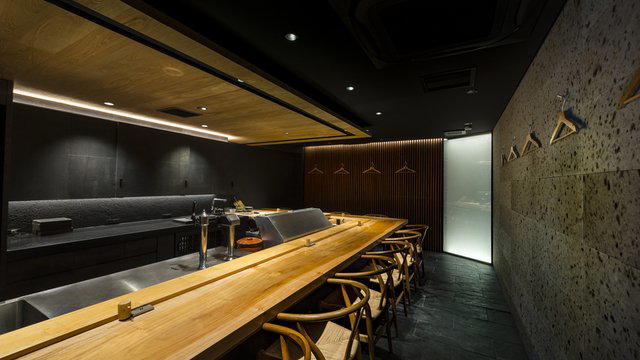
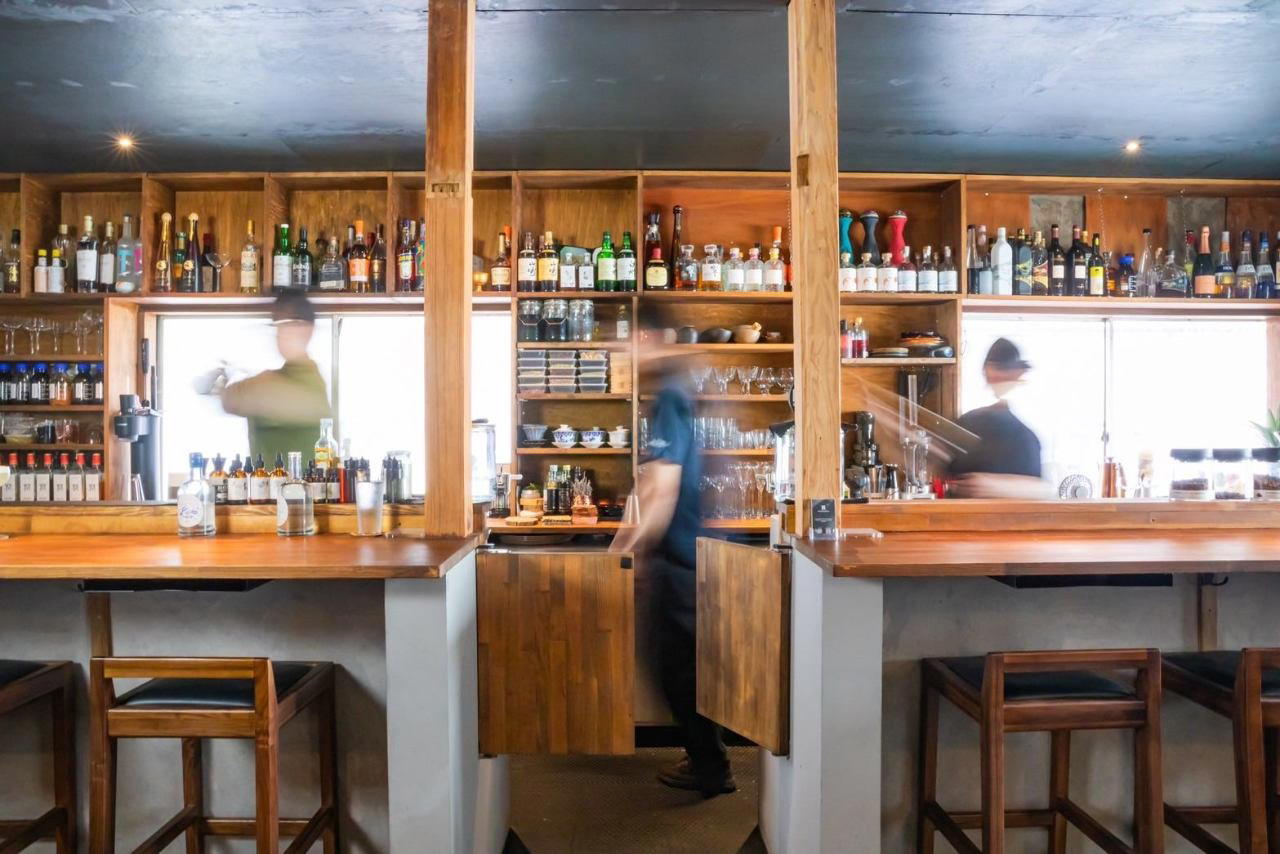
A small, counter-only space with a simple, almost austere interior where guests sit side by side in close quarters, focusing on the aroma of simmering curry and the interaction with the chef.