Furancho La Zapatería

Michelin Bib Gourmand
Our verdict
A Michelin Bib Gourmand-recognised spot in Icod de los Vinos where Galician and Canarian ingredients share the same plate, linked by a supply chain that runs fresh produce from Fisterra on Galicia's Atlantic coast to Tenerife every other day. The façade mimics the glass frontage of a traditional shoe shop; the cooking inside is considerably less conventional. Cash only.

Pearl is the En Primeur Club membership app — saves, bookings, and concierge access live there. Same editors, same standards.
- Address
- P.º Canarina, 38430 Icod de los Vinos, Santa Cruz de Tenerife, Spain
- Phone
- +34 672 69 22 26
- Hours
- Mon–Tue ClosedWed 1–4 PM, 7:30–10 PMThu 1–4 PMFri–Sat 1–4 PM, 7:30–10 PMSun 1–4 PM
- Directions
- Get directions
The menu
What to order
- Octopus empanadas
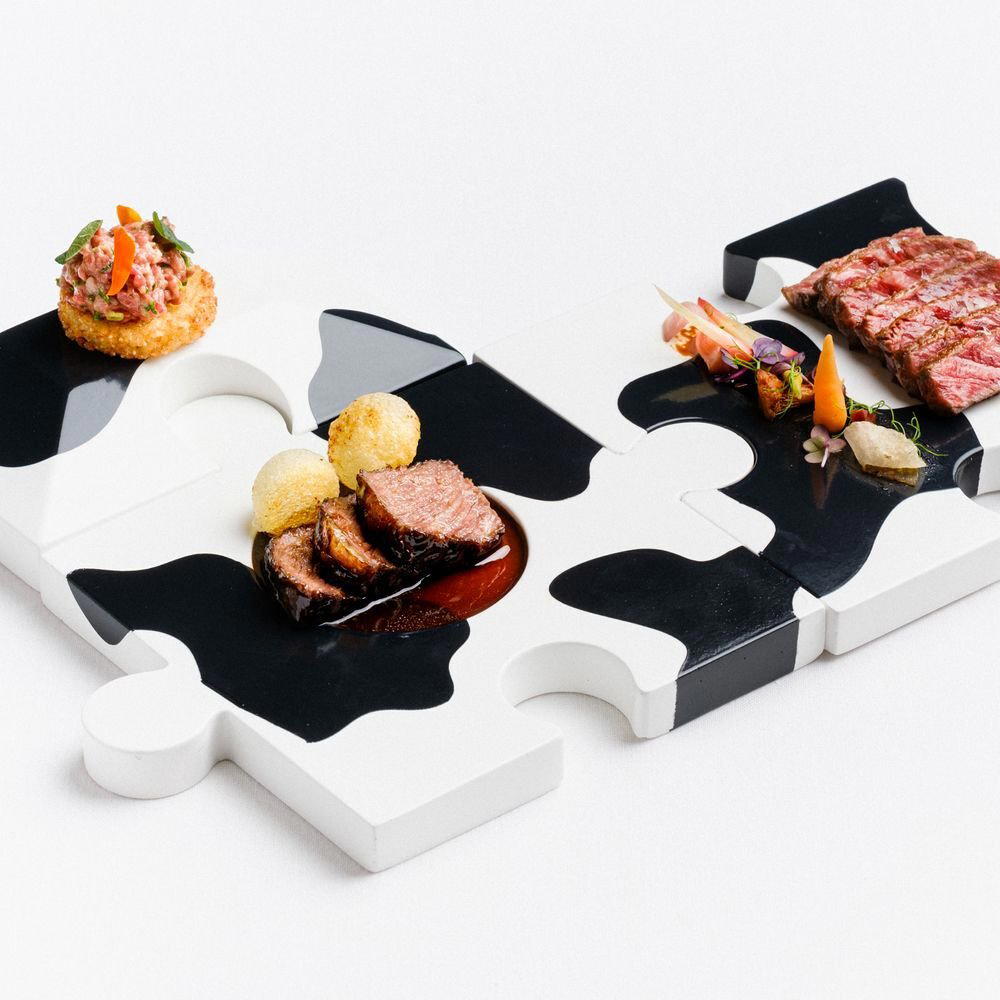
- Entrecôte of Galician veal
- Mussels with mojo sauce
Where the Atlantic Northwest Meets the Canarian Table
Tenerife's dining identity is shaped primarily by its volcanic soil, its proximity to the African coast, and a tradition of mojo-dressed everything. Galician cuisine, with its cold-water shellfish, slow-cooked pulpo, and fat-marbled veal, operates on an entirely different register. The fact that these two traditions can coexist on a single menu in a small street-level dining room in Icod de los Vinos — and that Michelin's inspectors have taken notice — says something worth examining about how regional Spanish cooking travels and what happens when it lands somewhere equally ingredient-driven.
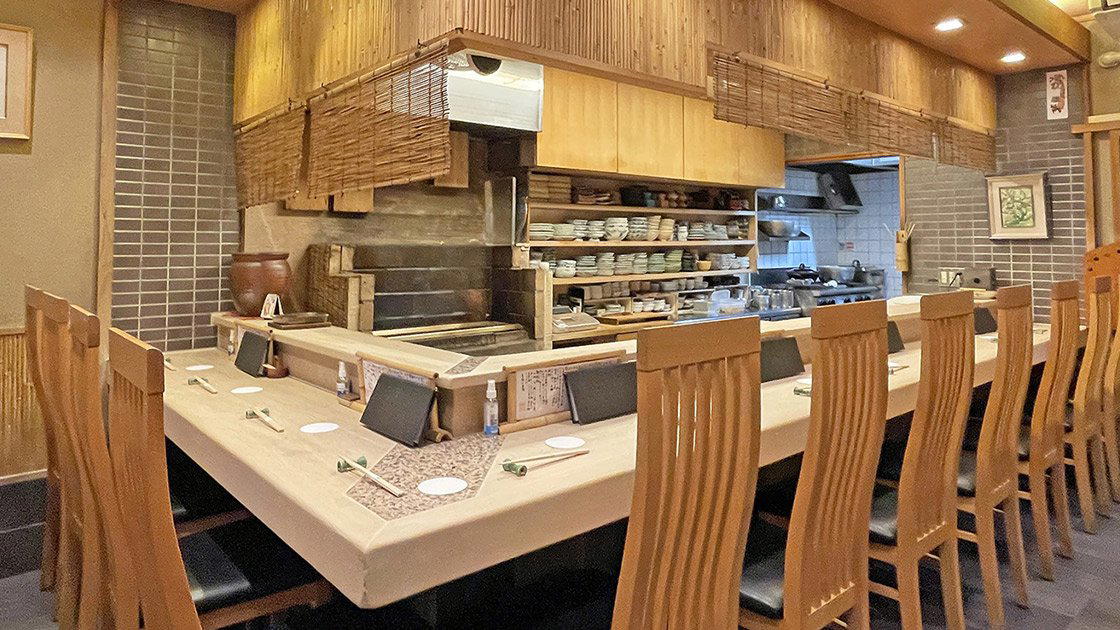
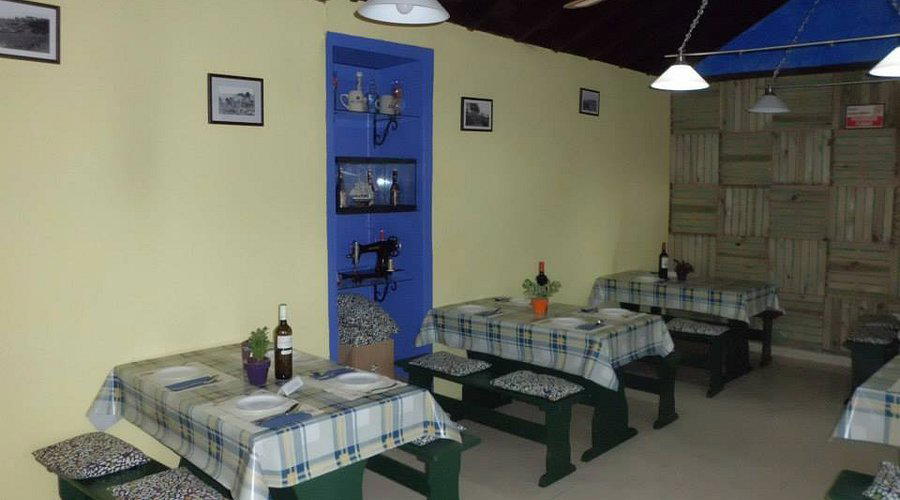
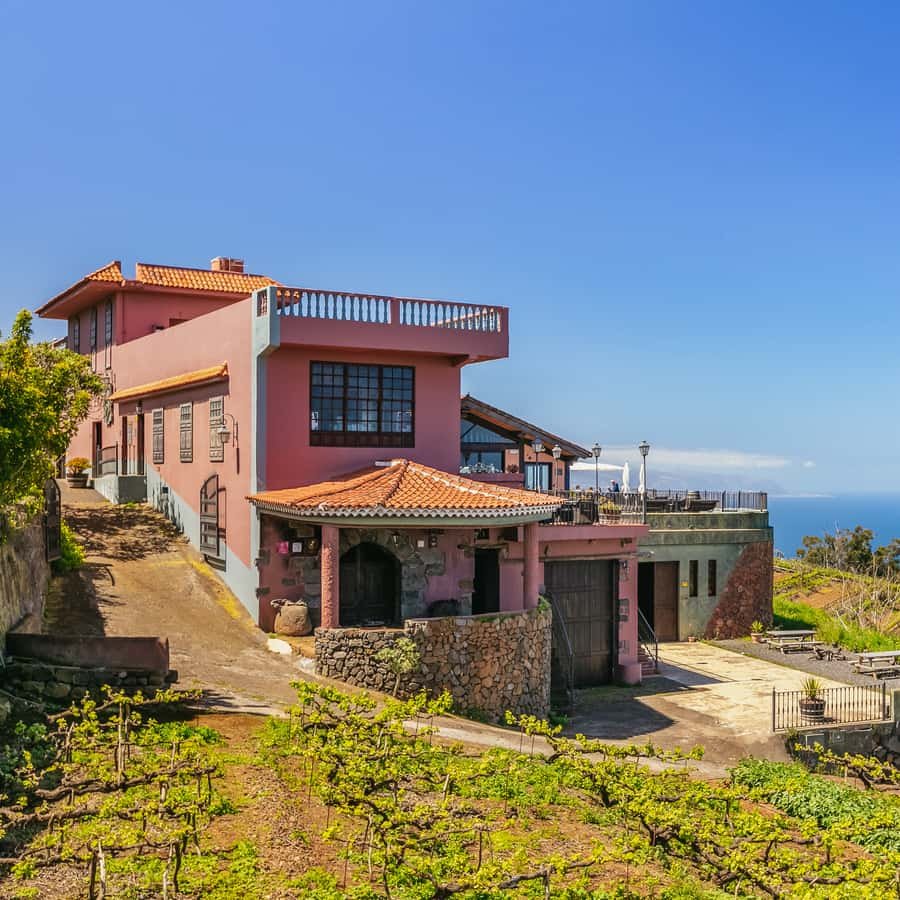
Furancho La Zapatería occupies a distinctive position in this conversation. The restaurant's colourful façade, designed to evoke the glass-fronted display windows of an old shoe shop (zapatería means shoe shop in Spanish), announces a particular kind of self-awareness: this is a place comfortable with its own eccentricity. Step inside, and the décor stays simple. The room does not ask you to be impressed by it. The cooking does the work instead.
The Supply Chain Is the Concept
What gives the menu its coherence is not a written philosophy or a tasting-menu format but a logistics arrangement that most restaurateurs would consider impractical. Galician products arrive from Fisterra, on the western tip of La Coruña province, every other day, brought in by the owner's brother. Fisterra, sitting at the end of the Camino de Santiago on Spain's Atlantic edge, is among the country's most reliably sourced points for cold-water shellfish and seafood. That supply link, maintained at the small scale of a single-family network, is what allows the kitchen to put Galician scallops and veal on the same plate as Canarian mojo without either element feeling imported or approximate.
This cross-regional model is rarer than it sounds. Most Galician restaurants operating outside Galicia compromise on sourcing, substituting local product or relying on frozen supply. The every-other-day rhythm here keeps the Galician half of the menu honest, and it positions La Zapatería in a very specific niche: not a Galician restaurant transplanted to the Canaries, and not a Canarian restaurant with Galician affectations, but something that requires both coastlines to function.
What Michelin's Bib Gourmand Recognition Actually Means Here
The Bib Gourmand is Michelin's designation for restaurants offering what its inspectors consider good cooking at prices below the starred tier. In 2025, La Zapatería holds that designation, which places it in a category defined by value-to-quality ratio rather than technical ambition or theatrical presentation. Spain's Bib Gourmand list is competitive: the country that produces Arzak in San Sebastián, El Celler de Can Roca in Girona, Azurmendi in Larrabetzu, DiverXO in Madrid, Cocina Hermanos Torres in Barcelona, Mugaritz in Errenteria, Martin Berasategui in Lasarte - Oria, Quique Dacosta in Dénia, Ricard Camarena in València, Aponiente in El Puerto de Santa María, Atrio in Cáceres, and Cocina Hermanos Torres in Barcelona at its upper end also produces a Bib tier that is not handed out for generic competence. A single-price-range restaurant in a small Tenerife town earning that recognition signals that the cooking is doing something the inspectors found worth returning to document.
On the Menu: Where the Two Coastlines Overlap
Dishes that define the kitchen's approach are the ones where Galician and Canarian elements meet directly rather than appear side by side. The mussels with mojo sauce place a quintessentially Galician bivalve inside a sauce tradition that is specifically Canarian, mojo being the archipelago's defining condiment, made with garlic, oil, and either red chilli or green herbs. Grilled scallops sourced from the Galician supply chain arrive in the context of a kitchen that understands both how to treat the shellfish and how to season for an island palate.
Octopus empanadas extend the combination further: empanadas are Galicia's most exported food format, and pulpo is the ingredient Galicia is most associated with internationally. Placing that combination inside a Canarian context, where frying culture and warm-climate produce dominate, produces something that reads as genuinely fused rather than merely coexistent. The entrecôte of Galician veal represents the other end of the supply chain: the land-based product that travels alongside the seafood and keeps the menu from being purely oceanic.
For broader context on how Galician cooking performs at its most ambitious, As Garzas in Barizo and Ceibe in Ourense both operate within the home region and offer points of comparison for how the same culinary tradition functions on its own ground.
The Room and the People Running It
The dining room is run as a family operation: Emma in the kitchen, Alberto in the front of house. This division is common in small Spanish restaurants and usually produces a particular kind of service rhythm, attentive because the people serving know exactly what is coming out of the kitchen, personalised because the stakes of the interaction are direct rather than mediated through a management layer. The room's simple décor places the emphasis squarely on the plate and the conversation, which suits a restaurant at the budget end of the price range without feeling like a compromise.
The cash-only policy is a practical detail worth noting before arrival. It is not unusual in smaller Spanish restaurants, particularly in towns outside the main tourist circuits, but it requires preparation. Icod de los Vinos has ATM access, so the constraint is manageable with modest planning.
Planning a Visit
Icod de los Vinos sits on Tenerife's northwest coast, better known among visitors for its ancient dragon tree than its restaurant scene. That relative obscurity is part of what makes La Zapatería worth the drive from the island's southern resorts or Santa Cruz. The price range sits at the single euro-sign level, making this one of the most accessible Michelin-recognised meals on the island.
For those building a full day or weekend in the area, our guides to [Icod de los Vinos restaurants](), [hotels](), [bars](), [wineries](), and experiences cover the wider context of what the town offers beyond the plate.
Frequently asked questions
Is Furancho La Zapatería okay with children?
The format suits families reasonably well. It is a small, informal family-run restaurant at the budget end of the price range (€), operated by a couple in a relaxed neighbourhood setting in Icod de los Vinos. The straightforward menu of grilled seafood and empanadas translates easily for younger diners, though the compact space and cash-only policy are worth factoring in before you go.
What is the atmosphere like at Furancho La Zapatería?
The room is modest in decor but specific in character: the colourful façade recreates the glass frontage of a former shoe shop, which gives it a streetside identity unusual for this part of Tenerife. Inside, Alberto runs the front of house while Emma cooks, keeping service personal and direct. Michelin's Bib Gourmand inspectors noted the simplicity of the setting while calling the kitchen highly original.
What's Furancho La Zapatería known for in terms of accolades?
Furancho La Zapatería has received recognition including: A Galician restaurant on Tenerife that, despite its simple decor, is highly original. Behind its colourful façade, which recreates the glass frontage of an old shoe shop, the friendly couple running it (Emma is in the kitchen; Alberto in th….
What dish is Furancho La Zapatería famous for?
Michelin's own recognition of the restaurant singles out several dishes: the octopus empanadas, the entrecôte of Galician veal, grilled scallops, and mussels prepared with a Canarian mojo sauce. The mussels in mojo are perhaps the clearest expression of what the kitchen does — Galician product, specifically sourced via Fisterra in La Coruña, finished with an ingredient native to the Canary Islands.
A Quick Peer Check
| Venue | Cuisine | Price | Awards |
|---|---|---|---|
| Furancho La ZapateríaThis venue — the venue you are viewing | Galician-Canarian | $30–50 | Michelin Bib Gourmand |
| Aponiente | Progressive - Seafood, Creative | Not listed | Michelin 3 Star |
| Arzak | Modern Basque, Creative | Not listed | Michelin 3 Star |
| DiverXO | Progressive - Asian, Creative | Not listed | Michelin 3 Star |
| El Celler de Can Roca | Progressive Spanish, Creative | Not listed | Michelin 3 Star |
| Quique Dacosta | Creative | Not listed | Michelin 3 Star |
Recognition history
Dated appearances from independent guides and award organizations, with the underlying list record or original source where available.
Michelin Bib Gourmand
Michelin
Full recognition history (3 entries)
Michelin Bib Gourmand
Michelin
Michelin Bib Gourmand
Michelin
Continue exploring
More in Icod de los Vinos
Restaurants in Icod de los Vinos
Browse all →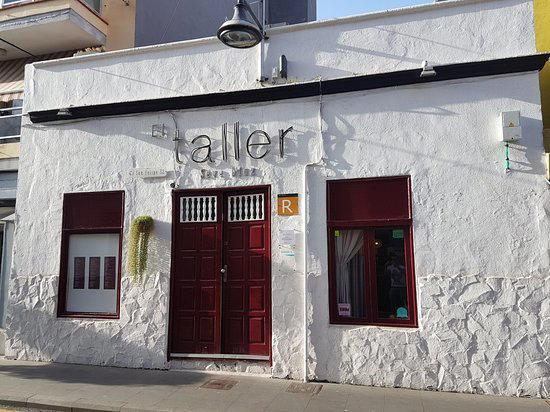
Bars in Icod de los Vinos
Browse all →
Hotels in Icod de los Vinos
Browse all →



Wineries in Icod de los Vinos
Browse all →

Details
- Rustic
- Cozy
- Casual Hangout
- Family
- Standalone
- Local Sourcing
- A La Carte
- Small Plates
- Wine
- Vegetarian Friendly
Current opening hours
- Monday
- Closed
- Tuesday
- Closed
- Wednesday
- 1–4 PM, 7:30–10 PM
- Thursday
- 1–4 PM
- Friday
- 1–4 PM, 7:30–10 PM
- Saturday
- 1–4 PM, 7:30–10 PM
- Sunday
- 1–4 PM
Hours can change for holidays and private events. Last verified .
Simple decor with colourful façade recreating an old shoe shop, cosy and casual atmosphere with friendly family service.