Fuji at Newton
Our verdict
Fuji at Newton occupies a specific position in Newton's dining scene: a Japanese restaurant at 239 Walnut St, Newtonville, where the menu architecture tells a clearer story than any single dish. For visitors orienting themselves in Boston's western suburbs, it sits within a small cluster of destination-worthy independents that collectively define Newton's table identity.

Pearl is the En Primeur Club membership app — saves, bookings, and concierge access live there. Same editors, same standards.
- Address
- 239 Walnut St, Newtonville, MA 02460
- Phone
- (617) 916-0267
- Hours
- Mon–Thu 11 AM–9 PMFri–Sat 11 AM–9:30 PMSun 11 AM–9 PM
- Website
- fujiatnewton.com
- Directions
- Get directions
- Booking
- Book on OpenTable

The menu
What to order
- Salmon Wonton Chips
- Secret to Success
- Fuji Don
Japanese Dining in Newton's Suburban Frame
Walnut Street in Newtonville moves at a pace that Boston's inner neighborhoods don't. The commercial strip is modest, largely residential in character, and the restaurants along it tend to reflect a community that values regularity over occasion dining. Fuji at Newton sits inside that context, at 239 Walnut St, and the address alone signals something: this is not a downtown flagship chasing press attention. It is a neighborhood Japanese restaurant, which in the greater Boston area means something specific — a format that has historically filled a different function than the omakase-counter boom reshaping the city's core.
That distinction matters when thinking about what Japanese dining in American suburbs actually represents. The suburban Japanese restaurant evolved differently from its urban counterpart. Where urban formats tilted toward theater — kaiseki progressions, chef-curated tasting sequences, the kind of credential-heavy presentations you find at places like Atomix in New York City, the suburban format prioritized breadth and accessibility. Menus grew wide: sushi alongside cooked dishes, teriyaki alongside ramen, lunch specials calibrated to the midweek office crowd. The question worth asking about any suburban Japanese restaurant is whether its menu architecture is doing something more considered, or whether it is simply covering all bases.
What the Menu Structure Reveals
Menu architecture in Japanese restaurants is a diagnostic tool. The ratio of sushi to cooked dishes, the presence or absence of a dedicated omakase or chef's selection format, the treatment of appetizers versus the main card, each signals where a restaurant is positioning itself and for whom. A menu that runs from edamame and gyoza through a full sushi roster and on to teriyaki and noodles is making a deliberate choice about inclusivity over specialization. That choice serves families, mixed-preference groups, and the recurring local diner who wants reliable options across multiple visits.
This is a different ambition from the focused single-track programs at destination restaurants like The French Laundry in Napa or Single Thread Farm in Healdsburg, where the menu is the argument and the argument admits no concession. Those formats demand a diner's full commitment. The suburban multi-section menu, by contrast, is designed around optionality, the person ordering a chirashi bowl while their companion orders a bento, or the table that treats the appetizer list as a shared grazing platform. It is a format with its own discipline, and the quality of execution within that format is what separates the credible from the merely convenient.
Newton's dining scene supports this variety. A neighborhood that includes Blue Ribbon BBQ, Ninebark, and the ice cream institution Cabot's is not constructing a single culinary identity, it is layering independent operators across formats, price points, and occasions. Blue Salt and Buttonwood extend that range further. Within this spread, a Japanese restaurant functions as a reliable anchor: a format that travels well across demographics and dining purposes, from weeknight families to weekend date nights.
The Boston Suburb Japanese Restaurant in Broader Context
Boston's Japanese dining scene has stratified over the past decade. The city's inner core, particularly around Downtown Crossing and the South End, has seen serious omakase counters and izakaya-leaning concepts absorb significant press attention. The suburban ring has developed on a different track: longer-established, more formula-driven, and serving a population that is consistently high-income but dining for different reasons than the destination-seeker flying in for a specific counter.
Newton specifically sits in one of Massachusetts's wealthiest communities, which creates a particular kind of expectation around restaurant quality without necessarily pushing formats toward the experimental. The diner demographic rewards consistency and execution over novelty. This is the environment in which a restaurant like Fuji operates, where being a reliable, well-executed Japanese option carries more commercial value than conceptual ambition. The comparison point is not Le Bernardin in New York City or Providence in Los Angeles, but rather the set of suburban Japanese restaurants across the Boston metro that compete on freshness, consistency, and the quality of their rice and fish sourcing.
The Boston area's access to Atlantic seafood also shapes how suburban Japanese restaurants here differ from their counterparts in, say, Chicago's suburban ring. Proximity to fishing supply chains running through New England ports gives local Japanese restaurants a structural advantage in sourcing that shows up most clearly in sashimi quality and the freshness of daily specials. It is a contextual advantage that good operators know how to press.
Planning a Visit
Fuji at Newton is located at 239 Walnut St, Newtonville, MA 02460, placing it in the Newtonville village center. Newtonville has commuter rail access via the MBTA Commuter Rail's Framingham/Worcester Line, which makes the restaurant reachable from Boston's South Station without a car, a practical consideration that extends the venue's reach beyond its immediate neighborhood. For full context on where Fuji fits within Newton's wider dining choices, the EP Club Newton restaurants guide maps the scene across formats and price points.
Frequently asked questions
Is Fuji at Newton a family-friendly restaurant?
Fuji at Newton sits on Walnut Street in Newtonville, a residential village center where the pace and clientele skew heavily local. Japanese restaurants in this format typically draw families alongside couples and solo diners, though the specifics of seating layout and children's menu options are best confirmed directly with the venue before visiting.
What should I expect atmosphere-wise at Fuji at Newton?
Newtonville's Walnut Street commercial strip is modest in scale and largely residential in character, and Fuji fits that register. Expect a neighborhood dining room rather than a destination showcase — the kind of place where regulars know the menu and the room operates without theatrics.
How does Fuji at Newton compare to Japanese restaurants closer to downtown Boston?
Boston's Japanese dining scene has stratified considerably, with the city's inner core around Downtown Crossing and the South End capturing higher-profile omakase and izakaya concepts. Fuji at Newton, located at 239 Walnut St in Newtonville, occupies a different position — a neighborhood-scale Japanese restaurant serving the Newton suburbs, where the competition set is other suburban venues rather than the city's destination counters. For residents in Newton and surrounding towns with commuter rail access, that proximity is the practical draw.
What should I order at Fuji at Newton?
Without current menu documentation on record, the safest approach is to check directly with the restaurant at 239 Walnut St, Newtonville, MA 02460. In Japanese restaurants of this suburban format, the balance between sushi, cooked dishes, and any omakase option is a reliable indicator of where the kitchen's focus lies — worth asking about when you call ahead.
What's Fuji at Newton's location?
Fuji at Newton is located at 239 Walnut St, Newtonville, MA 02460, Newton.
Do I need a reservation for Fuji at Newton?
For a neighborhood restaurant in Newtonville's village center, walk-in availability tends to vary by day of week and season. Contacting the venue directly at 239 Walnut St before peak dining hours is the practical approach.
What is Fuji at Newton known for?
Fuji at Newton functions as a Japanese dining anchor in Newtonville, a Newton village with commuter rail access that draws residents from across the western Boston suburbs. Its position on Walnut Street places it within a modest commercial strip where sit-down Japanese restaurants of this type serve a consistent local clientele rather than destination-driven visitors from the city.
Recognition, Side-by-Side
Comparable venues nearby, for context on price, style, and recognition.
| Venue | Cuisine | Price | Notes |
|---|---|---|---|
| Fuji at NewtonThis venue — the venue you are viewing | Modern Upscale Japanese | $30–50 | Not listed |
| Blue Ribbon BBQ | Southern Barbecue | $20–30 | West Newton |
| Ninebark | Modern American | Not listed | West Newton |
| Cabot's | Classic American Comfort Food & Ice Cream Parlor | $10–20 | Newtonville |
| Blue Salt | Mediterranean-Eastern European Fusion | $30–50 | West Newton |
| Buttonwood | Rustic American | Not listed | Newton Highlands |
Continue exploring
More in Newton
Restaurants in Newton
Browse all →
Bars in Newton
Browse all →
Hotels in Newton
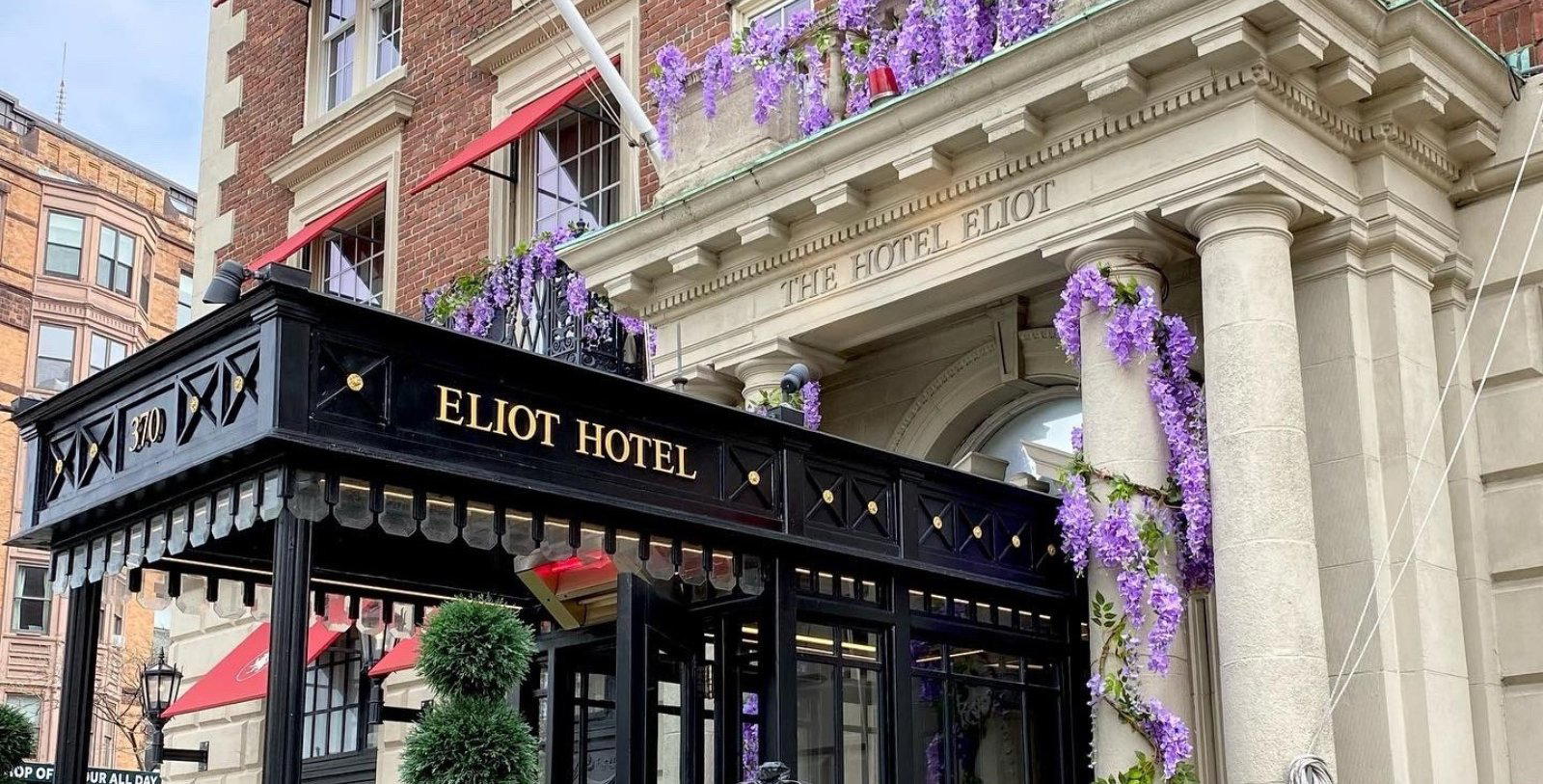
Browse all →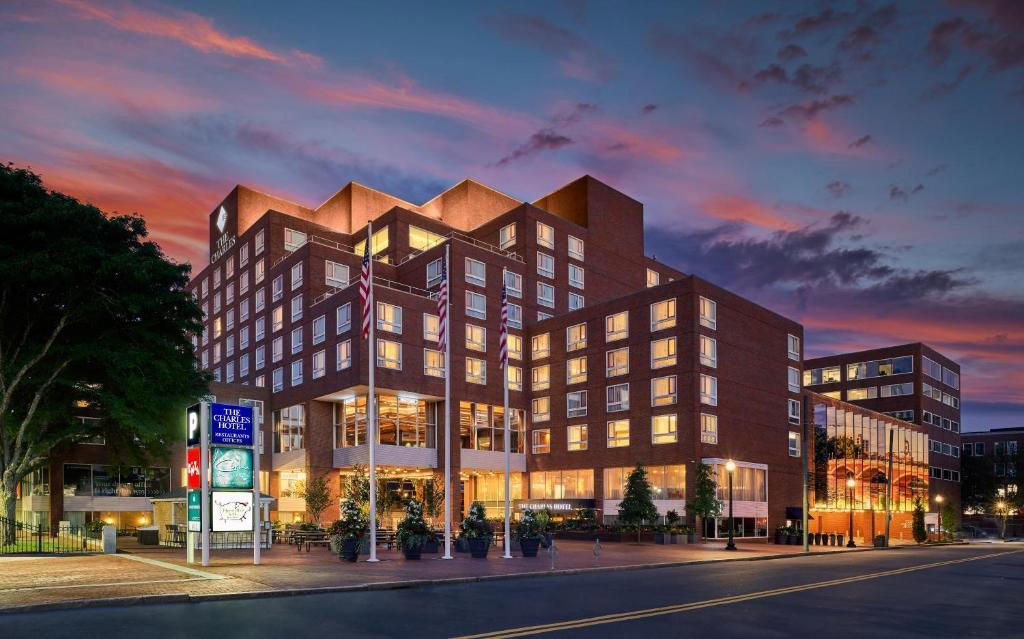
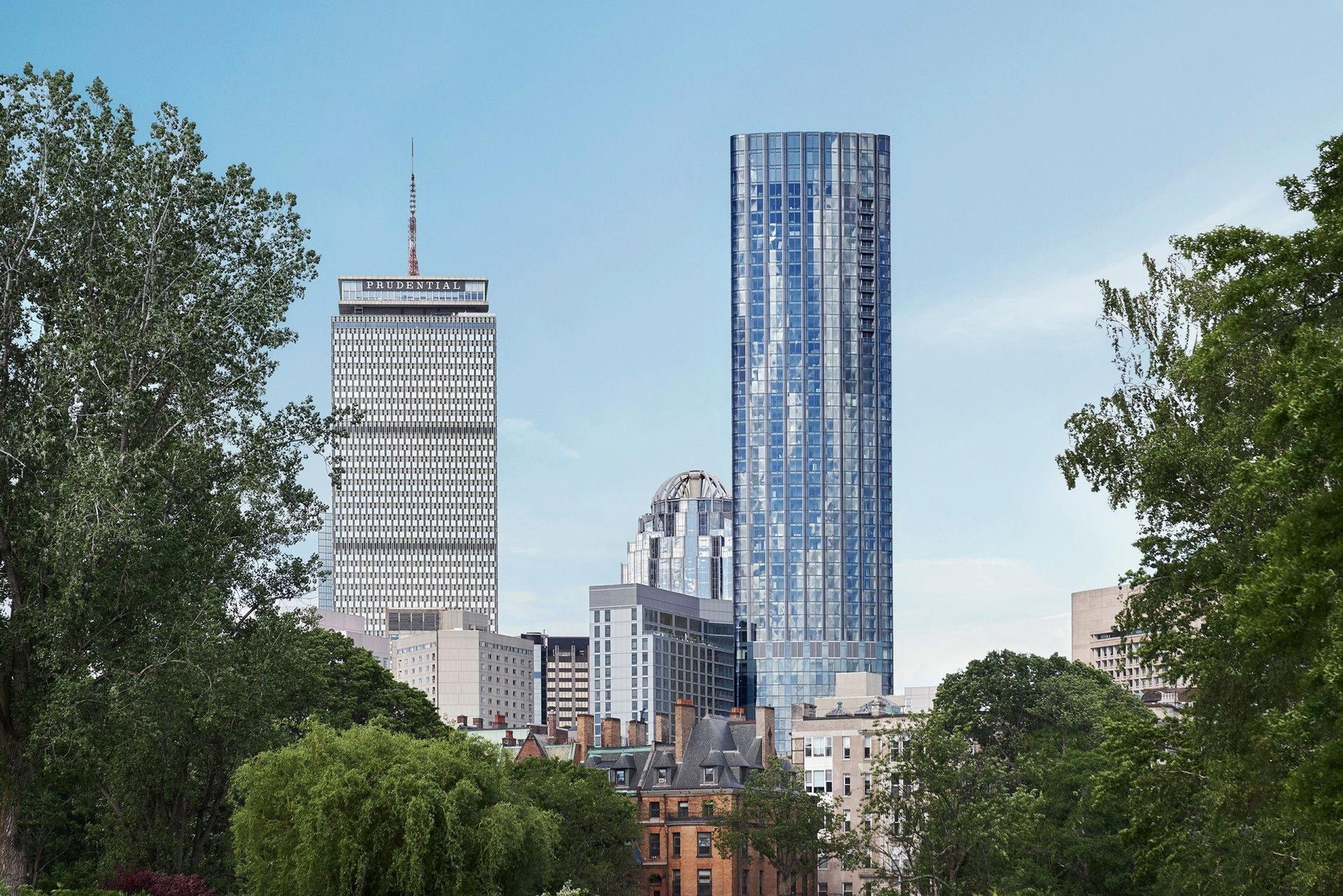
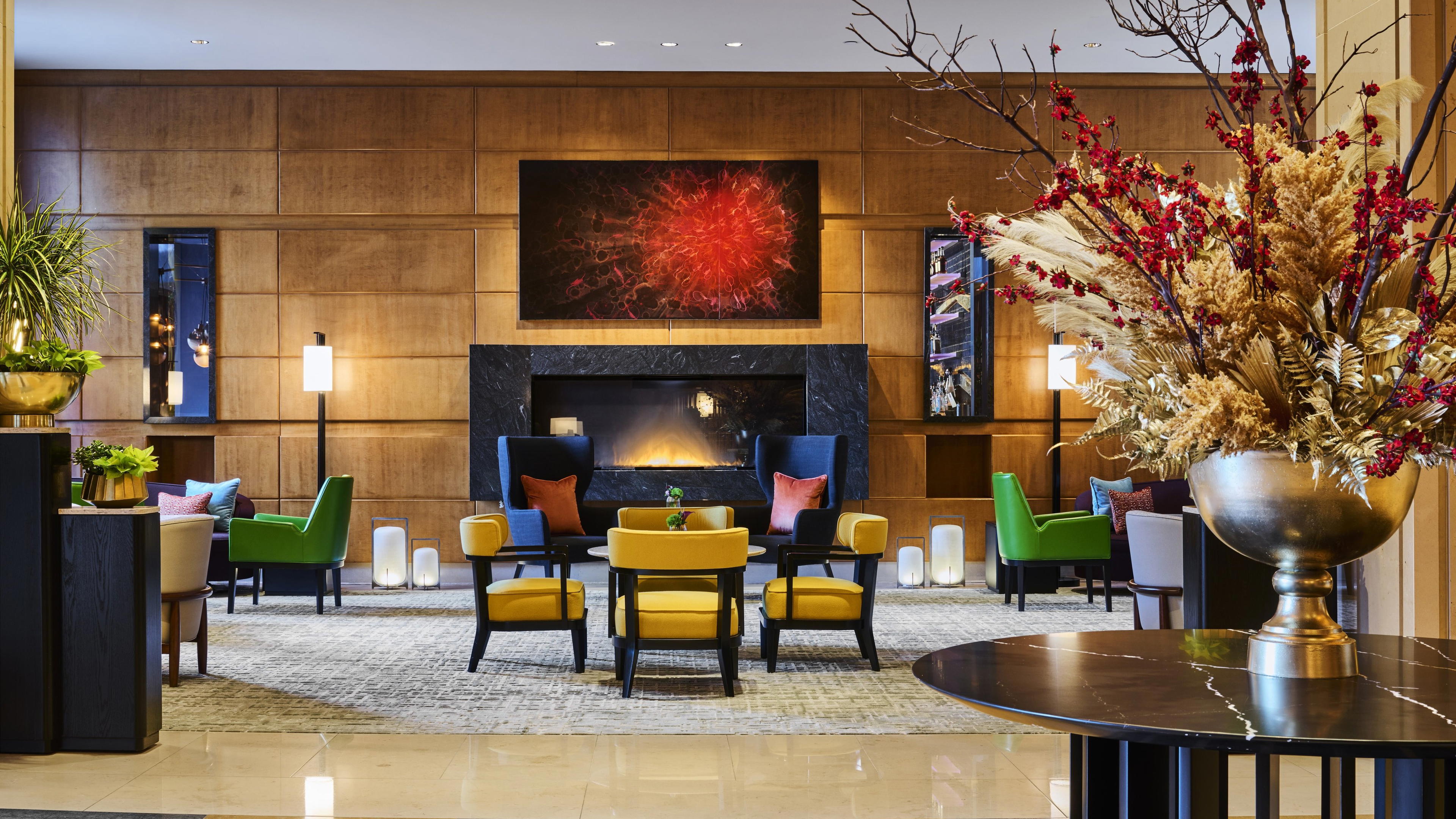

Wineries in Newton
Browse all →
Details
- Modern
- Elegant
- Cozy
- Date Night
- Group Dining
- Open Kitchen
- Terrace
- Craft Cocktails
- Sake Program
- A La Carte
- Omakase
- Vegetarian Friendly
- Gluten Free Options
Current opening hours
- Monday
- 11 AM–9 PM
- Tuesday
- 11 AM–9 PM
- Wednesday
- 11 AM–9 PM
- Thursday
- 11 AM–9 PM
- Friday
- 11 AM–9:30 PM
- Saturday
- 11 AM–9:30 PM
- Sunday
- 11 AM–9 PM
Hours can change for holidays and private events. Last verified .
Tranquil and calm ambience with ultramodern upscale Japanese cuisine and moderate noise levels.