Blue Salt
Our verdict
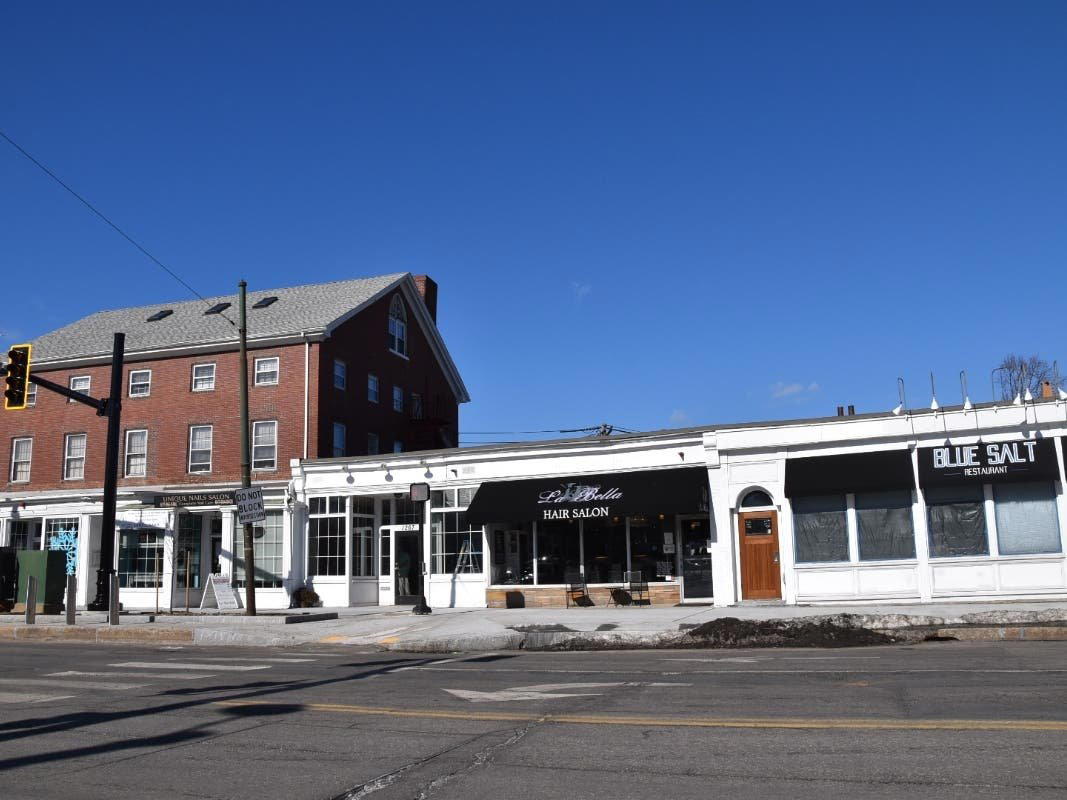
Blue Salt occupies a corner of West Newton's Washington Street dining corridor, where the suburb's appetite for seafood-forward cooking meets a neighborhood-scale format. Sitting alongside Newton restaurants like Buttonwood and Fuji at Newton, it draws regulars who prioritize proximity to a reliable fish program without crossing into the city. The address at 1255 Washington St anchors it firmly in the residential dining tier that defines much of Newton's restaurant scene.

Pearl is the En Primeur Club membership app — saves, bookings, and concierge access live there. Same editors, same standards.
- Address
- 1255 Washington St, West Newton, MA 02465
- Phone
- (617) 466-3174
- Hours
- Mon ClosedTue–Thu 11 AM–10 PMFri–Sat 11 AM–11 PMSun 11 AM–10 PM
- Website
- bluesaltrestaurant.com
- Directions
- Get directions
- Booking
- Book on OpenTable
The menu
What to order
- Chicken Kabobs
- Beef Kabobs
- Brazilian Seafood Stew
- Borscht
- Tuna Tartare
- Pesto Pasta
Where West Newton's Seafood Appetite Finds a Neighborhood Address
Washington Street in West Newton runs through one of the most reliably residential dining corridors in the Boston suburbs. The strip does not chase the city's tasting-menu ambitions or its cocktail-bar theatrics. Instead, it absorbs the specific needs of a neighborhood that wants somewhere dependable for a Thursday dinner or a Sunday with family, and it produces restaurants calibrated to that rhythm. Blue Salt, at 1255 Washington St, sits inside that pattern. The name signals an orientation toward the sea, which places it in a culinary tradition with deep roots in the New England coast, where salt-cured, brined, and ocean-sourced ingredients have shaped the regional table for centuries.
New England Seafood Cooking and What It Demands of a Kitchen
The cultural weight of seafood cooking in the northeastern United States is easy to underestimate. The tradition runs from the chowder houses of the Cape through the raw bars of Boston's waterfront to the haute fish programs at places like Le Bernardin in New York City, where precision in temperature and texture defines the entire enterprise. At the neighborhood level, the pressure is different: a fish restaurant in a suburb must answer to a local clientele that knows what fresh looks and tastes like, because proximity to Boston's seafood supply chain means expectations are set against a competitive baseline. That baseline is higher here than in many American cities. The dining public in Newton and its surrounding towns is not a soft audience for mediocre fish.
That cultural specificity matters when reading any seafood-forward address in this corridor. The question is not just whether a kitchen can cook fish, but whether it understands the New England context: the preference for direct preparation that respects the product, the suspicion of over-elaboration, and the value placed on sourcing transparency. Restaurants that navigate this well, across the country, tend to anchor their identity in a clear point of view about where the fish comes from and how little needs to happen to it between ocean and plate. Compare that approach with the hyper-sourced philosophy at Blue Hill at Stone Barns in Tarrytown or the California precision of Single Thread Farm in Healdsburg, and the regional differences in how kitchens express provenance become legible.
Newton's Dining Tier and Where Blue Salt Sits Within It
Newton's restaurant scene occupies a particular position in the Greater Boston orbit. It is not Cambridge, which carries university density and a higher tolerance for experimental formats. It is not the South End, which has absorbed enough of Boston's dining ambition to function almost like a neighborhood of New York. Newton is residential in a considered way: well-resourced, consistent in its expectations, and served by a dining corridor that tends toward the reliable rather than the speculative. The restaurants that sustain themselves here tend to do so by building a loyal local following rather than pulling destination traffic from across the metro.
Within that context, Blue Salt shares a corridor with Buttonwood, Fuji at Newton, Cabot's, and the smoke-driven program at Blue Ribbon BBQ. A seafood name in this corridor is making a distinct claim: that the neighborhood wants dedicated fish cooking, not fish as one section of a broad American menu. That is a narrower bet, and it requires the kitchen to deliver consistently on a focused premise. For comparison, the broader American conversation about chef-driven seafood restaurants, from Providence in Los Angeles to the Gulf-coastal tradition represented by Emeril's in New Orleans, shows how differently a seafood identity can be expressed depending on the regional culture it answers to.
What the Suburban Fish Restaurant Format Requires
The format that works in a neighborhood like West Newton differs structurally from the high-intensity omakase model of Boston proper or the prix-fixe architecture of destination restaurants like The French Laundry in Napa, Smyth in Chicago, or Addison in San Diego. The suburban a la carte format asks for range: the ability to serve a table that wants a shared appetizer and two different fish mains alongside a table that wants only a bowl of chowder. That flexibility is harder to execute than a fixed menu, because it requires the kitchen to maintain quality across a broader set of preparations simultaneously. The restaurants that do it well in New England tend to treat their sourcing as the editorial spine, letting the fish of the season determine what appears rather than building a static menu around year-round commodity proteins.
This is also where the cultural roots of New England seafood cooking assert themselves most directly. The tradition is not about elaboration; it is about respect for the catch. That ethos surfaces in the whole-fish preparation styles common to the region, in the preference for local shellfish on ice over imported alternatives, and in the seasonal logic that shifts the menu as the waters change through the year. The same instinct toward terroir-driven restraint appears in a very different register at Atelier Moessmer Norbert Niederkofler in Brunico, where the Alpine sourcing philosophy produces a similarly product-first result. The cultural distance between a Massachusetts fish house and a Dolomites kitchen is considerable, but the underlying logic, that the ingredient should lead the cook, connects them across geography.
For a broader view of Newton's dining options, including how this corridor compares across cuisine types and price points, see our full Newton restaurants guide. Those looking to benchmark against chef-driven formats in other American cities might also consult Lazy Bear in San Francisco or the Korean fine-dining precision of Atomix in New York City, both of which represent the opposite end of the spectrum from neighborhood dining, and both of which clarify, by contrast, what the suburban format asks of its kitchens.
Similarly, Ninebark offers another Newton address worth considering for those building a broader picture of the local dining circuit.
Planning Your Visit
Blue Salt is located at 1255 Washington St, West Newton, MA 02465, on a commercial stretch of Washington Street that is walkable from West Newton station on the MBTA Commuter Rail, making it accessible from downtown Boston without a car. For current hours, booking availability, and menu details, contacting the restaurant directly or checking current listings is the most reliable approach, as specific operational details are subject to change.
Frequently asked questions
What part of town is Blue Salt in?
Blue Salt is located at 1255 Washington St, West Newton, MA 02465, Newton.
Is Blue Salt a reasonable choice for a seafood dinner if I'm arriving by commuter rail from Boston?
Blue Salt sits at 1255 Washington St, West Newton, MA 02465, within practical reach of West Newton commuter rail station on the MBTA Framingham/Worcester Line. For Boston-based diners, that rail connection makes the restaurant accessible without driving into a suburb that offers limited public transit otherwise. A seafood-focused kitchen at this address gives commuter-rail diners a clear reason to make the trip rather than defaulting to a Back Bay or Seaport alternative.
What do regulars order at Blue Salt?
Confirmed menu data for Blue Salt is not on file, so specific dish-level recommendations fall outside what we can stand behind. What the New England seafood format consistently rewards, at addresses like this one in West Newton, is a kitchen's handling of local fin fish and shellfish rooted in the regional tradition running from South Shore chowder houses to Boston's waterfront. The Washington Street location suggests a menu built for repeat neighborhood visits rather than a single-occasion tasting event.
Can I walk in to Blue Salt?
West Newton is walkable from West Newton commuter rail station, making Blue Salt at 1255 Washington St accessible without a car from Boston. Walk-in availability at Newton neighborhood restaurants shifts considerably between midweek and weekend evenings — Friday and Saturday seatings at seafood-focused addresses in this corridor tend to fill with regulars who plan ahead. Calling ahead or arriving early on a weeknight improves your odds of a same-evening table.
What is Blue Salt known for?
Blue Salt is positioned as a seafood-forward address in West Newton, operating within the New England tradition of fish-centered cooking that has defined the northeastern dining corridor for generations. Its location on Washington Street places it in one of the more settled residential dining stretches of the Greater Boston suburbs, where a reliable neighborhood seafood restaurant fills a role that destination-driven Boston proper addresses do not. Specific awards and chef credentials are not on file with EP Club at this time.
Cost and Credentials
Comparable venues nearby, for context on price, style, and recognition.
| Venue | Cuisine | Price | Notes |
|---|---|---|---|
| Blue SaltThis venue — the venue you are viewing | Mediterranean-Eastern European Fusion | $30–50 | Not listed |
| Ninebark | Modern American | Not listed | West Newton, Modern American |
| Buttonwood | Rustic American | Not listed | Newton Highlands, Rustic American |
| Fuji at Newton | Modern Upscale Japanese | $30–50 | Newtonville, Modern Upscale Japanese |
| Cabot's | Classic American Comfort Food & Ice Cream Parlor | $10–20 | Newtonville, Classic American Comfort Food & Ice Cream Parlor |
| Blue Ribbon BBQ | Southern Barbecue | $20–30 | West Newton, Southern Barbecue |
Continue exploring
More in Newton
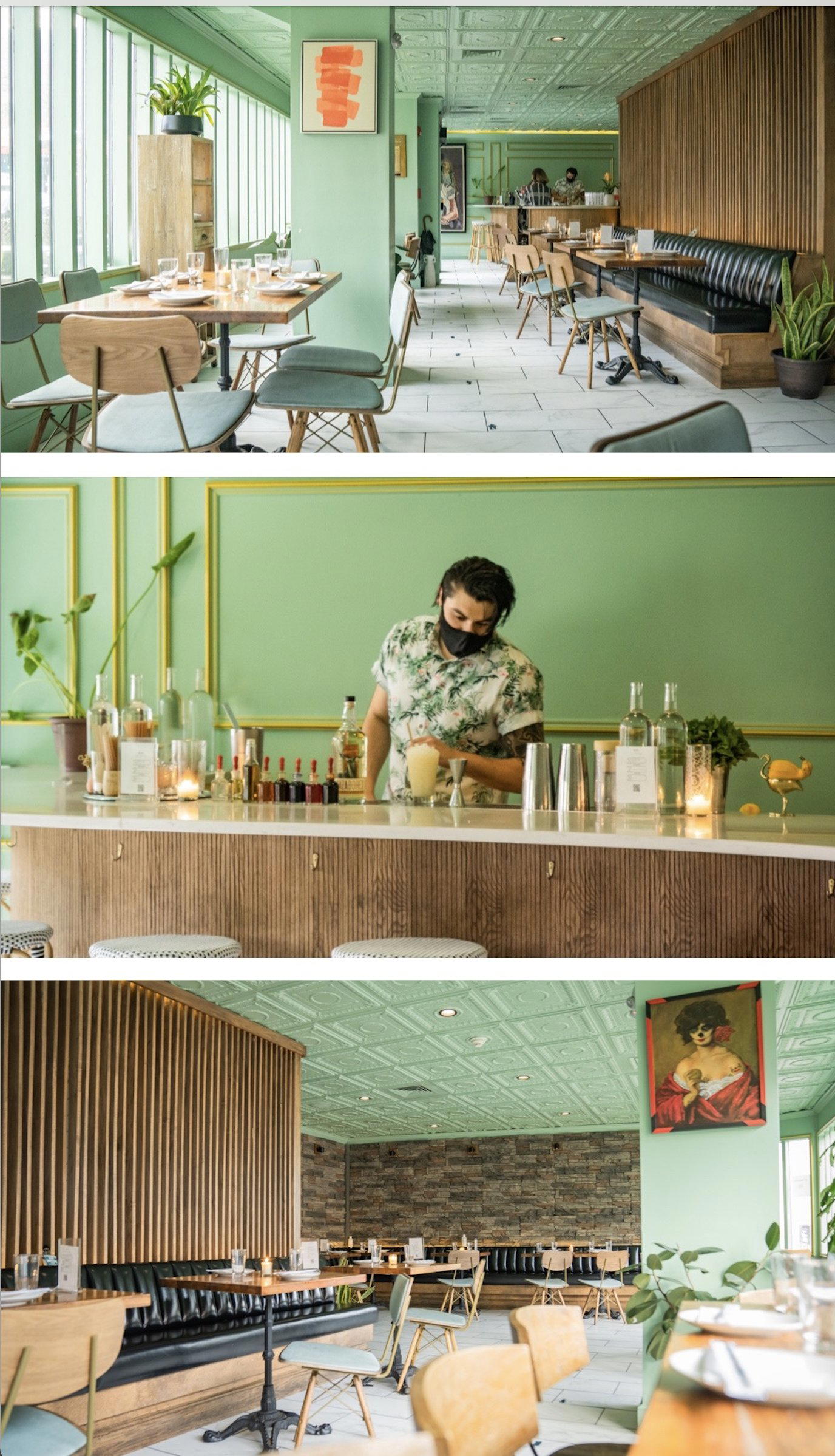
Restaurants in Newton
Browse all →
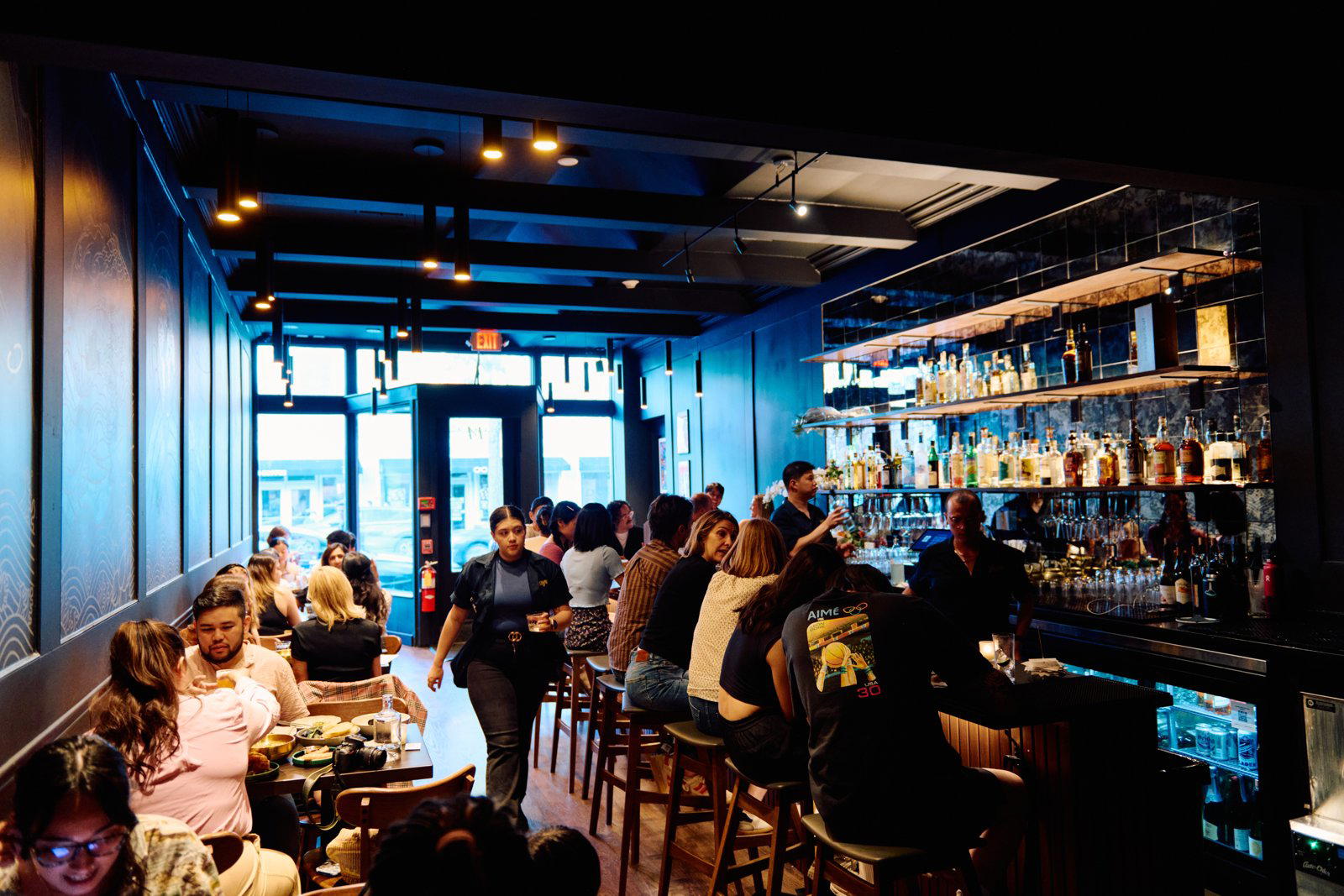
Bars in Newton
Browse all →
Hotels in Newton
Browse all →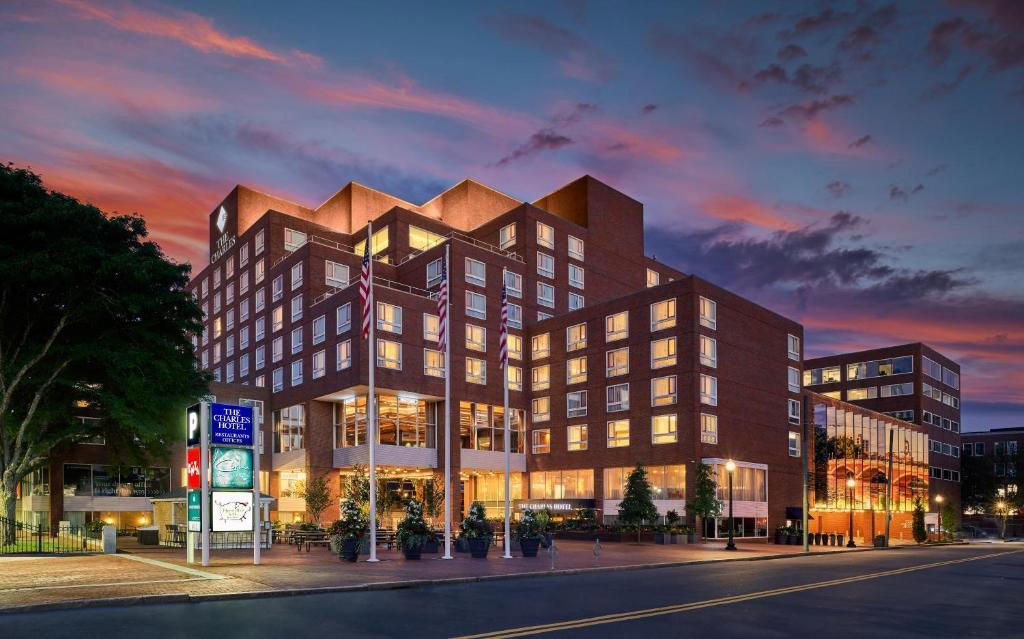
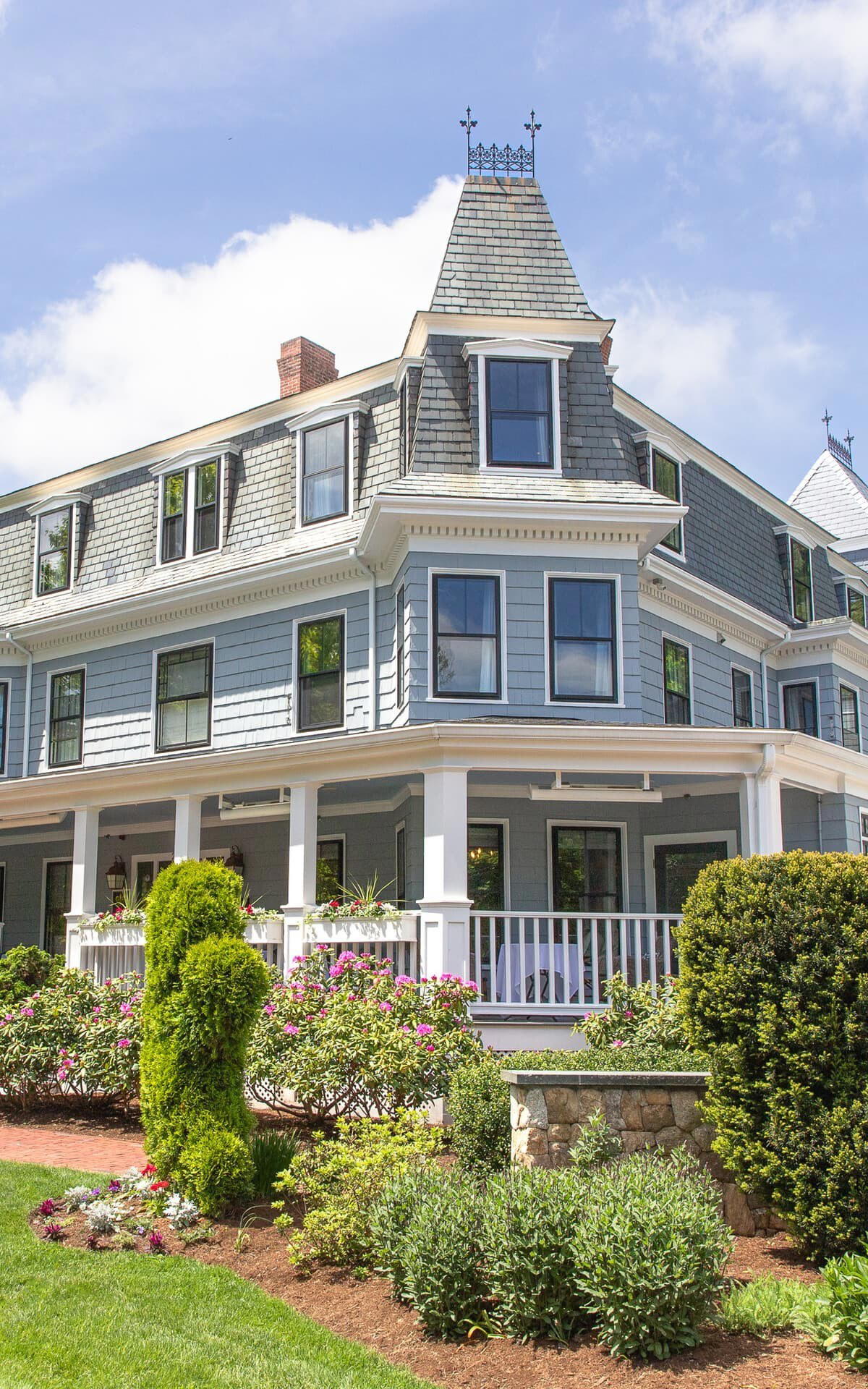
Wineries in Newton
Browse all →
Details
- Cozy
- Lively
- Casual Hangout
- Group Dining
- Date Night
- Family
- Live Music
- Craft Cocktails
- A La Carte
- Cocktails
- Vegetarian Friendly
Current opening hours
- Monday
- Closed
- Tuesday
- 11 AM–10 PM
- Wednesday
- 11 AM–10 PM
- Thursday
- 11 AM–10 PM
- Friday
- 11 AM–11 PM
- Saturday
- 11 AM–11 PM
- Sunday
- 11 AM–10 PM
Hours can change for holidays and private events. Last verified .
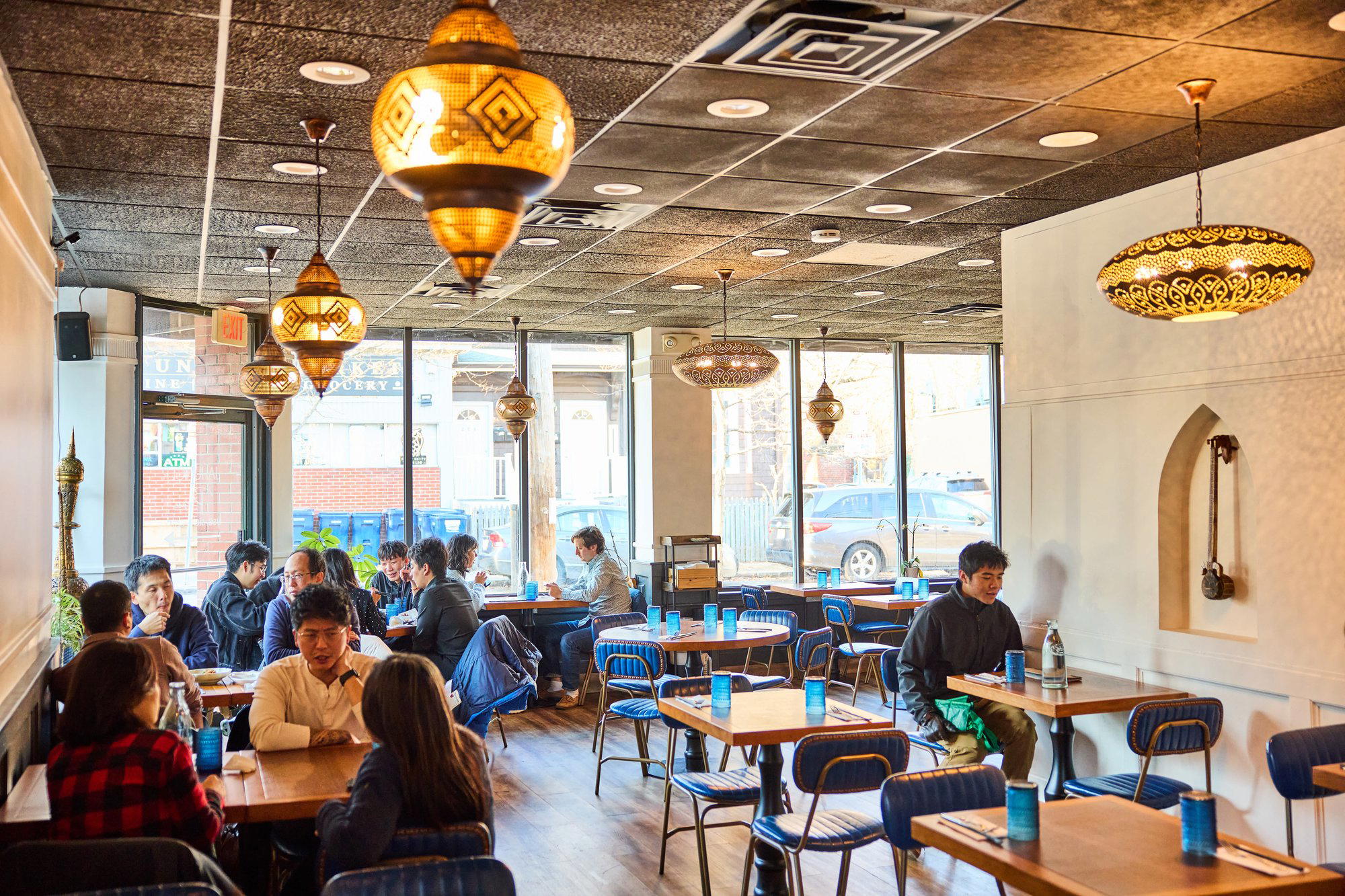
Warm, comfortable, and unpretentious with blue decor; relatively low noise level during dinner service with occasional live saxophone music and karaoke later in the evening.