
Tabelog 100 #17
Our verdict
French Kashi 16 Ku belongs to Fukuoka’s serious sweets culture rather than its ramen-and-yatai shorthand. The Yakuin address combines cake-shop precision with a kissa thread, backed by repeated Tabelog Sweets WEST 100 selections and a compact counter format that rewards planning over spontaneity.

Pearl is the En Primeur Club membership app — saves, bookings, and concierge access live there. Same editors, same standards.
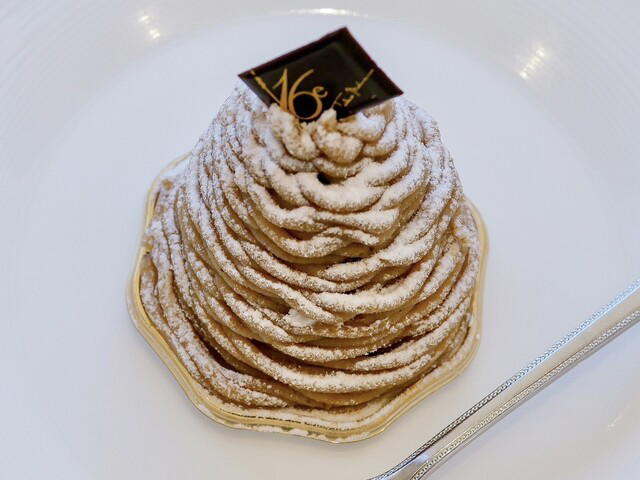
The menu
What to order
- Dacquoise
- Gateaux assortments
- Seasonal fresh cakes
- Ice cream & sorbet
- Galette bretonne
Fukuoka’s quieter streets can change the tempo of eating in the city. Away from the station-side rush and late-night yatai circuits, the setting suits a different kind of stop: daytime, measured, and built around cake rather than a full meal. French Kashi 16 Ku fits that rhythm, with a cake-and-kissa identity that places it in the city’s smaller but serious sweets register.
Fukuoka is often read through ramen, mentaiko, motsunabe, and izakaya density, but its dessert culture has its own grammar. The city has long absorbed French and Japanese café habits without turning them into spectacle. In that context, a cake shop with a kissa dimension is not a side note; it is part of how locals use the city between lunch, errands, and the early evening close of many specialty shops.
Fukuoka's pastry lane, not the late-night Fukuoka script
The useful comparison is not with Fukuoka’s high-ticket dining rooms. Kaiseki addresses such as Imoto, sushi counters such as Chikamatsu, and tempura specialists such as Tempura Tenko operate in a different reservation and spending category. French Kashi 16 Ku sits closer to the everyday luxury end of the market, where repeat local attention matters because the format is modest and the purchase is usually brief.
That modesty is the point. Cake shops in Japan often carry a dual role: retail counter, gift source, and small café in one. The kissa element matters because it connects the place to a slower Japanese coffee-shop tradition rather than to the quick-service dessert bar model. The category listed here, cake and kissa, tells the reader how to approach it: less as a meal replacement, more as a planned pause in Fukuoka.
The trust signal is clear. Tabelog Hyakumeiten recognition in 2023 places the shop in a broader sweets conversation rather than a purely casual one. Tabelog’s Hyakumeiten lists are not Michelin stars, and they should not be treated as the same kind of award. They are useful because they identify depth in specialist categories, especially in Japan, where pastry, soba, curry, ramen, and tonkatsu are often judged within their own fields.
For travellers building a Fukuoka eating day, that distinction helps. A ramen lunch, a seafood izakaya dinner, and a cake stop do not compete for the same appetite. They map different sides of the city. For broader planning across the city, Our full Fukuoka restaurants guide is the right starting point, while longer stays can be paired with Our full Fukuoka hotels guide, Our full Fukuoka bars guide, Our full Fukuoka wineries guide, and Our full Fukuoka experiences guide.
A compact counter changes the way to plan
Specialist sweets shops reward different timing from restaurants. The smart move is to treat the visit as a narrow-window errand rather than a casual afterthought. Formats built around cake and coffee can feel relaxed once inside, but the decision-making happens before arrival: what part of the day, how much appetite to reserve, and whether the stop is for coffee, cake, or something to carry away.
That planning lens also separates French Kashi 16 Ku from fruit-parlor culture. PRINCE of the FRUIT, another Fukuoka comparison point, signals a more dessert-as-destination pattern. Here, the appeal is quieter: cake-shop craft, kissa pacing, and a Fukuoka setting that does not need the ceremony of a full tasting menu. The value lies in precision at a smaller scale.
Fukuoka’s dining range makes those choices sharper. A visitor might spend one day tracing spice, casual counter cooking, local comfort, and seafood-led meals, then make room for a sweets stop that does not flatten the day into one long restaurant crawl. French Kashi 16 Ku works best when treated as its own small appointment rather than as an afterthought between larger bookings.
The city is also part of a wider Japanese pattern: specialist shops often focus on a narrow category and let reputation accumulate through consistency rather than expansion. That is why sweets-list recognition carries weight here. It suggests durability in a field where novelty can be loud, but regular customers and regional selectors tend to reward execution over concept.
How to read this stop inside a wider Japan itinerary
Travellers crossing Japan should resist comparing every dessert or café stop against Tokyo scale. Fukuoka’s strength is compactness: distinct pockets of the city, good transit access, and enough culinary range to support short, purposeful detours. French Kashi 16 Ku is especially suited to this because it reads as a focused sweets address rather than a visitor funnel.
For a national route, a cake-and-kissa stop in Fukuoka can sit alongside different casual formats elsewhere in Japan, from grilled meat and sushi counters to cafés, curry shops, and regional comfort food. For readers extending the route beyond Japan, Japanese food formats abroad offer another useful comparison point: they show how familiar categories travel and change outside their home context.
The editorial verdict is practical rather than sentimental: this is a disciplined sweets stop for travellers who plan their day with the same care they give dinner. Its appeal depends less on spectacle than on category strength, regional recognition, and the way Fukuoka can slow down without leaving the city’s dining conversation.
Frequently asked questions
Is French Kashi 16 Ku more mid-range or high-end?
Pricing at French Kashi 16 Ku is listed as JPY 1,000 - JPY 1,999 JPY 1,000 - JPY 1,999 View spending breakdown.
What days is French Kashi 16 Ku closed?
Specific opening days and hours should be confirmed directly with French Kashi 16 Ku before visiting.
Where is French Kashi 16 Ku located?
Fukuoka.
What's French Kashi 16 Ku best at?
Its clearest strength is the cake-and-kissa format, which keeps the experience focused on sweets and coffee-shop pacing. The Tabelog Hyakumeiten 2023 recognition gives it a hard credential, and its Fukuoka setting makes it an easy fit for a planned dessert stop.
Cuisine Context
Comparable venues to calibrate price, style, and recognition.
| Venue | Cuisine | Price | Awards | Notes |
|---|---|---|---|---|
| French Kashi 16 KuThis venue (the venue you are viewing) | Traditional French patisserie and cakes | $10–20 | Tabelog 100 #17 | Not listed |
| I’m donut? Fukuoka ten | Modern Japanese donut & bakery café | $10–20 | Tabelog 100 #52 | Chūō |
| Restaurant Hana no Ki | Classic French Fine Dining | $50–100 | Tabelog 100 #66 | Chūō |
| Cafe Ospitale | Italian cafe specializing in Neapolitan sfogliatella | $10–20 | Tabelog 100 #10 | Hakata |
| CHOCOLATE SHOP Honten | Traditional Japanese chocolate & cake shop | $1–10 | Tabelog 100 #81 | Hakata |
| Restaurant Arena | Modern French Gastronomy | $150–200 | Tabelog Bronze #358 | Chūō |
Recognition history
Dated appearances from independent guides and award organizations, with the underlying list record or original source where available.
Tabelog 100 #17 · No. 17
Tabelog · Tabelog 100 - Sweets - WEST - 2023
Continue exploring
More in Fukuoka
Restaurants in Fukuoka
All restaurants in Fukuoka →
Details
- Classic
- Cozy
- Well Known
- Solo
- Family
- Casual Hangout
- Celebration
- Standalone
- Design Destination
- Local Sourcing
- A La Carte
- Counter Dining
- Coffee
- Tea
Current opening hours
- Monday
- Closed
- Tuesday
- Closed
- Wednesday
- Closed
- Thursday
- 10 AM–6 PM
- Friday
- 10 AM–6 PM
- Saturday
- 10 AM–6 PM
- Sunday
- 10 AM–6 PM
Hours can change for holidays and private events. Last verified .
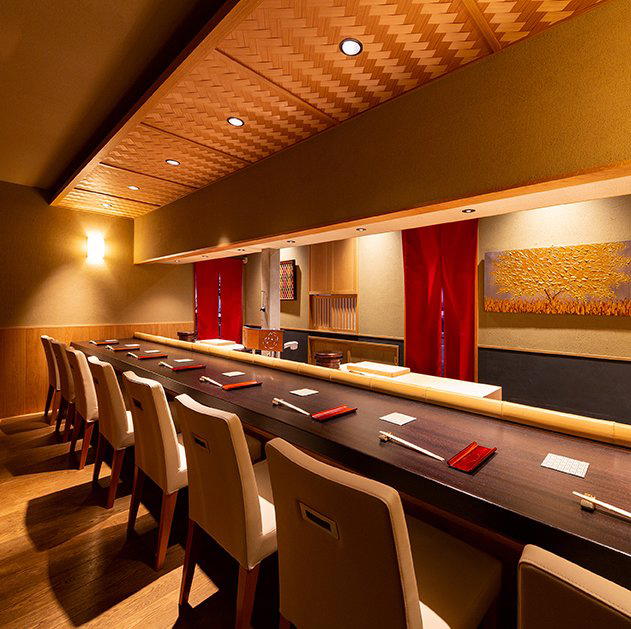
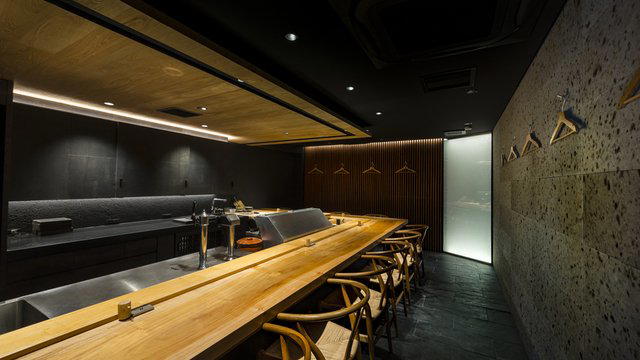
A small, classic Japanese-French patisserie with counter seating only, focused on takeaway cakes and baked goods; the atmosphere is calm and nostalgic rather than trendy, with a quiet tearoom feel on weekends.