

Star Wine List · White Guide Sweden Restaurants - Very Fine Level
Our verdict
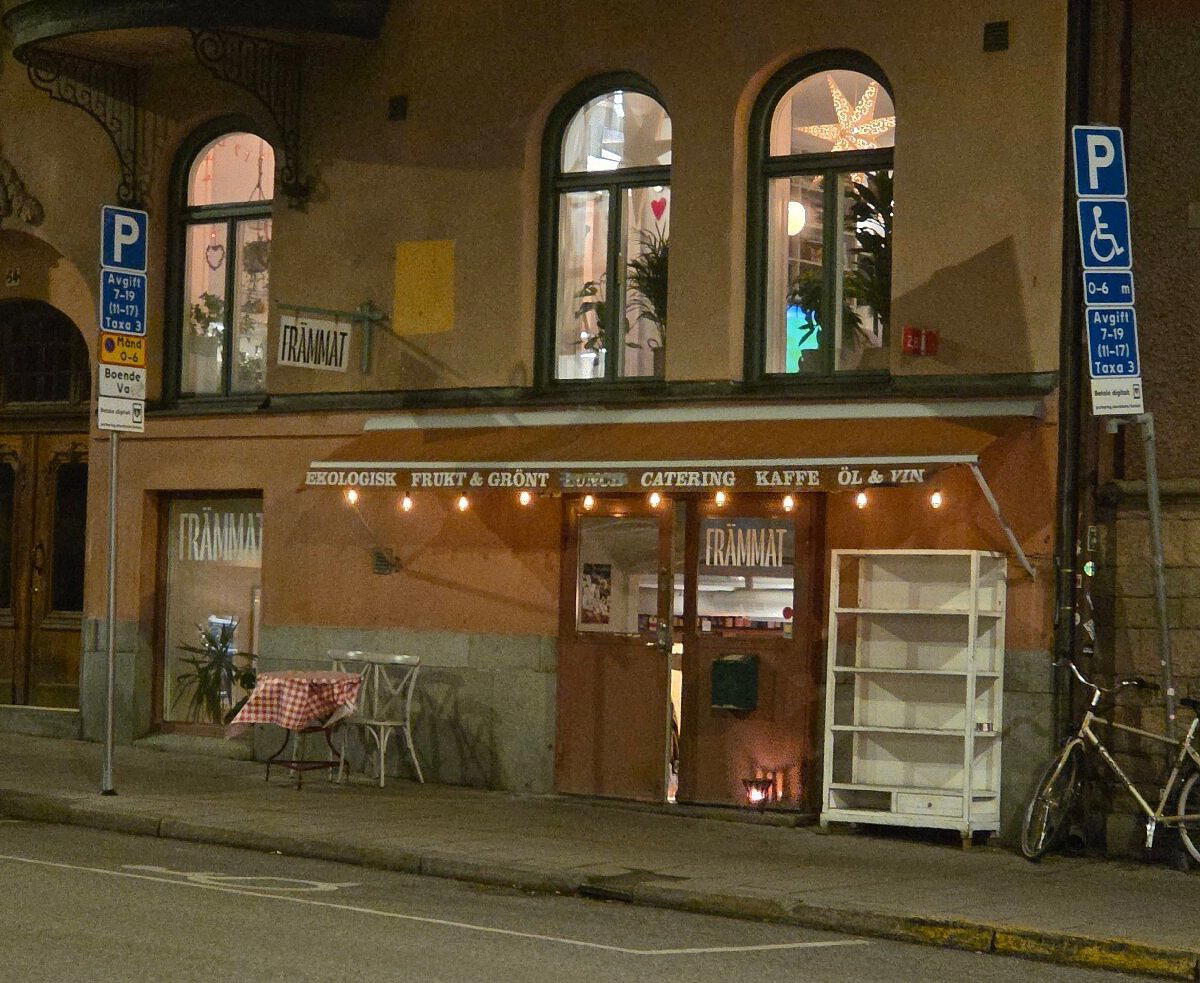
Främmat occupies a quiet stretch of Dalagatan in Stockholm's Vasastan district, earning a White Star recognition from Star Wine List in early 2025 for a wine program that rewards attention. The address places it among the neighbourhood's less theatrical dining options, which tends to attract a crowd that comes for the glass rather than the occasion. A reference point for wine-led dining north of the city centre.

Pearl is the En Primeur Club membership app — saves, bookings, and concierge access live there. Same editors, same standards.
- Address
- Dalagatan 54, 113 24 Stockholm, Sweden
- Phone
- +46 76 835 35 52
- Hours
- Mon–Thu 5:30–11 PMFri 5–11 PMSat 1–11 PMSun Closed
- Website
- frammat.com
- Directions
- Get directions
The menu
What to order
- Crispy_chicken_skin
- Sole_meuniere
- Cod_carpaccio
Vasastan's Quieter Register
Stockholm's restaurant conversation tends to cluster around a handful of addresses: the three-Michelin-starred kitchen of Frantzén, the grand dining room of Operakällaren, the modern European ambitions of AIRA. These are rooms that announce themselves. Dalagatan 54, where Främmat sits, does not. The street is residential Vasastan, the kind of block where the buildings are early twentieth century and the foot traffic is local. Approaching on foot, there is no theatrical signage, no canopied entrance, no queue stretching toward the corner. That restraint is not accidental; it is the operating mode of a category of Stockholm dining that has grown steadily over the past decade, favouring regulars over first-timers and wine lists over tasting-menu theatrics.
A White Star and What It Signals
In January 2025, Star Wine List published Främmat with a White Star designation. Star Wine List evaluates restaurants specifically on the quality and depth of their wine programs, awarding stars on a scale that runs from recognition to the highest accolade. A White Star entry in early 2025 places Främmat in a defined tier within Stockholm's wine-led dining scene, one that sits below the city's most decorated cellars but above restaurants where wine is an afterthought to the kitchen. For Stockholm's full restaurant picture, the Star Wine List geography matters: the city now has a coherent cohort of wine-focused independent rooms, and Främmat's inclusion in that cohort is the clearest single credential available from the public record.
The significance of wine-program recognition in Stockholm extends beyond the glass. Across Scandinavia, the restaurants that have invested most seriously in sustainable sourcing and low-intervention producers tend to be the same rooms building serious wine lists. The correlation is not incidental. Natural and biodynamic wine culture, which has moved from fringe to mainstream in Nordic cities over roughly fifteen years, carries with it a set of values about agricultural practice, minimal processing, and supply-chain transparency that maps directly onto contemporary sourcing ethics in the kitchen. Frem mat's White Star recognition places it inside that broader current, even if the specific details of its sourcing approach require verification on the ground.
The Sustainability Current Running Through Stockholm Dining
Stockholm has become one of Europe's more coherent cities for tracing the line between wine culture and environmental consciousness. Restaurants across price tiers have restructured their procurement around shorter supply chains, reduced waste protocols, and partnerships with producers who can document farming practice. At the higher end, Aloë and Adam / Albin have built reputations that connect New Nordic ingredient discipline to explicit environmental commitments. The same current, at a less decorated register, flows through neighbourhood rooms like the one on Dalagatan.
Sweden's geography makes this easier than in many countries. The growing network of small-scale producers within a few hours of Stockholm, the country's established culture of foraging and preservation, and the regulatory environment around food labelling all create conditions where ingredient provenance is easier to trace and communicate. For a wine-led room in Vasastan, the natural alignment is with producers who operate on similar principles: low-intervention viticulture, small-batch bottling, documented farming.
Broader Swedish dining patterns are worth noting here. Rooms that earn recognition from specialist wine publications tend to attract guests who research before they book, who ask questions about producers at the table, and who treat the wine list as a primary reason to visit rather than an accompaniment to the food. This changes the dynamic of service, of pace, and of the kind of food that makes sense on the menu. The tendency in such rooms is toward dishes that complement rather than compete with the glass, restraint-led cooking where acidity, texture, and seasoning are calibrated to work with natural wines rather than against them.
Placing Främmat in the Regional Picture
The strongest wine and sustainability-oriented dining in Sweden does not concentrate entirely in Stockholm. The country's southern reaches have produced several of the most discussed rooms in Scandinavian dining. Vollmers in Malmö and VYN in Simrishamn have built programs around local producers and environmental transparency. ÄNG in Tvååker and Knystaforsen in Rydöbruk represent the rurally anchored end of the same movement, where proximity to land is not a marketing claim but a literal condition of the kitchen. Signum in Mölnlycke and PM & Vänner in Växjö extend the pattern into the country's middle regions. Internationally, the wine-and-sourcing alignment that defines this tier of European dining has counterparts in rooms as different in scale and style as Le Bernardin in New York City and Emeril's in New Orleans, where ingredient sourcing and program depth have served as defining credentials across decades.
Within Stockholm, the neighbourhood context reinforces Främmat's positioning. Vasastan is not Östermalm, where rooms tend toward formality and occasion dining. It is a district of long-standing independent businesses, a mix of professions, and a guest profile that tends toward knowledgeable rather than performative. A wine-focused room on Dalagatan competes in a different register than the city's high-ticket tasting menus, and that register is increasingly well-populated. The question for any new entrant earning its first Star Wine List recognition is whether the list has enough depth across styles and producers to sustain repeat visits, and whether the kitchen program complements that ambition. The White Star suggests the wine side of that equation is at least partially answered.
Planning a Visit
Främmat is at Dalagatan 54 in Vasastan, a walkable distance from Odenplan and well-served by the city's public transit. For visitors using Stockholm as a base for wider exploration, accommodation options across the city range from the central to the neighbourhood-integrated. Those wanting to extend a visit around bars and wine should consult Stockholm's bar guide; the city's natural wine bar culture has grown in parallel with the restaurant scene and shares many of the same producers. Stockholm's winery context and broader experiences guide provide additional orientation for those building a full itinerary. Given the Star Wine List recognition came in January 2025, Främmat is at an early point in its public profile; booking ahead is the safer approach, though the residential neighbourhood format suggests the room is not operating at the reservation pressure of Stockholm's most decorated tasting-menu counters.
Frequently asked questions
What awards or recognition does Främmat have?
Främmat has received recognition including: Främmat is a restaurant in Stockholm, Sweden. It was published on Star Wine List on January 8, 2025 and is a White Star..
Where exactly is Främmat?
Främmat is located at Dalagatan 54, 113 24 Stockholm, Sweden, Stockholm.
What should I eat at Främmat?
Dish-level specifics are not part of the confirmed public record for Främmat. What is documented is a Star Wine List White Star awarded in January 2025, a designation that evaluates restaurants on wine program quality — so the kitchen is most credibly approached as a complement to a serious glass list, not the other way around.
Can I walk in to Främmat?
No booking policy is confirmed in the public record. Vasastan wine rooms at this tier — White Star on Star Wine List as of January 2025 — tend to draw a local following that fills covers early in the week. A reservation made in advance is the lower-risk approach, particularly on weekends.
What's the defining dish or idea at Främmat?
The defining credential is the wine program: Främmat received a White Star from Star Wine List in January 2025, placing it among a select group of Stockholm addresses recognised specifically for list quality rather than kitchen pedigree alone. In a city where wine culture and sustainability thinking increasingly shape how restaurants are evaluated, that designation carries practical weight.
Where the Accolades Land
Comparable venues nearby, for context on price, style, and recognition.
| Venue | Cuisine | Price | Awards | Notes |
|---|---|---|---|---|
| FrämmatThis venue — the venue you are viewing | Modern French Bistro | $50–100 | Star Wine List · White Guide Sweden Restaurants - Very Fine Level | Not listed |
| Chez Jolie | Classic French Bistro | $50–100 | Star Wine List · White Guide Sweden Restaurants - Masters Level | Östermalm |
| Brasserie Bobonne | Classic French Brasserie | $50–100 | Star Wine List · White Guide Sweden Restaurants - Fine Level | Östermalm |
| Bistro Mirabelle | French Bistro | Not listed | Star Wine List · White Guide Sweden Restaurants - Very Fine Level | Vasastan |
| The Sparrow Bistro | French Bistro | $50–100 | Not listed | Östermalm |
| Grodan | French-Swedish Fine Dining | $50–100 | Not listed | Östermalm |
Recognition history
Dated appearances from independent guides and award organizations, with the underlying list record or original source where available.
Star Wine List
Star Wine List
White Guide Sweden Restaurants - Very Fine Level
White Guide
Continue exploring
More in Stockholm
Restaurants in Stockholm
Browse all →
Bars in Stockholm
Browse all →
Details
- Intimate
- Cozy
- Trendy
- Modern
- Date Night
- Special Occasion
- Group Dining
- Open Kitchen
- Natural Wine
- Local Sourcing
- Small Plates
- A La Carte
- Natural Wine
- Vegetarian Friendly
Current opening hours
- Monday
- 5:30–11 PM
- Tuesday
- 5:30–11 PM
- Wednesday
- 5:30–11 PM
- Thursday
- 5:30–11 PM
- Friday
- 5–11 PM
- Saturday
- 1–11 PM
- Sunday
- Closed
Hours can change for holidays and private events. Last verified .
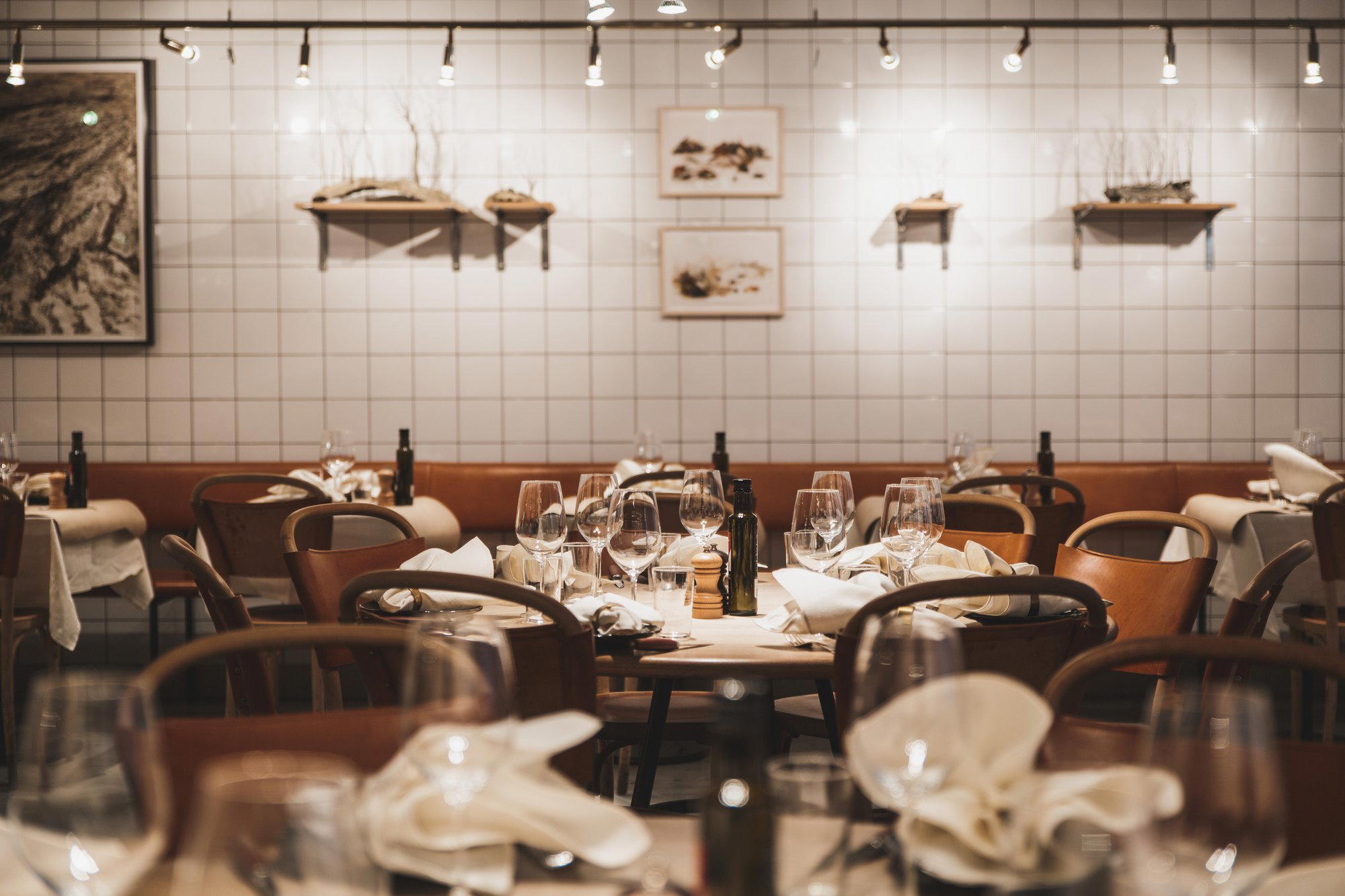
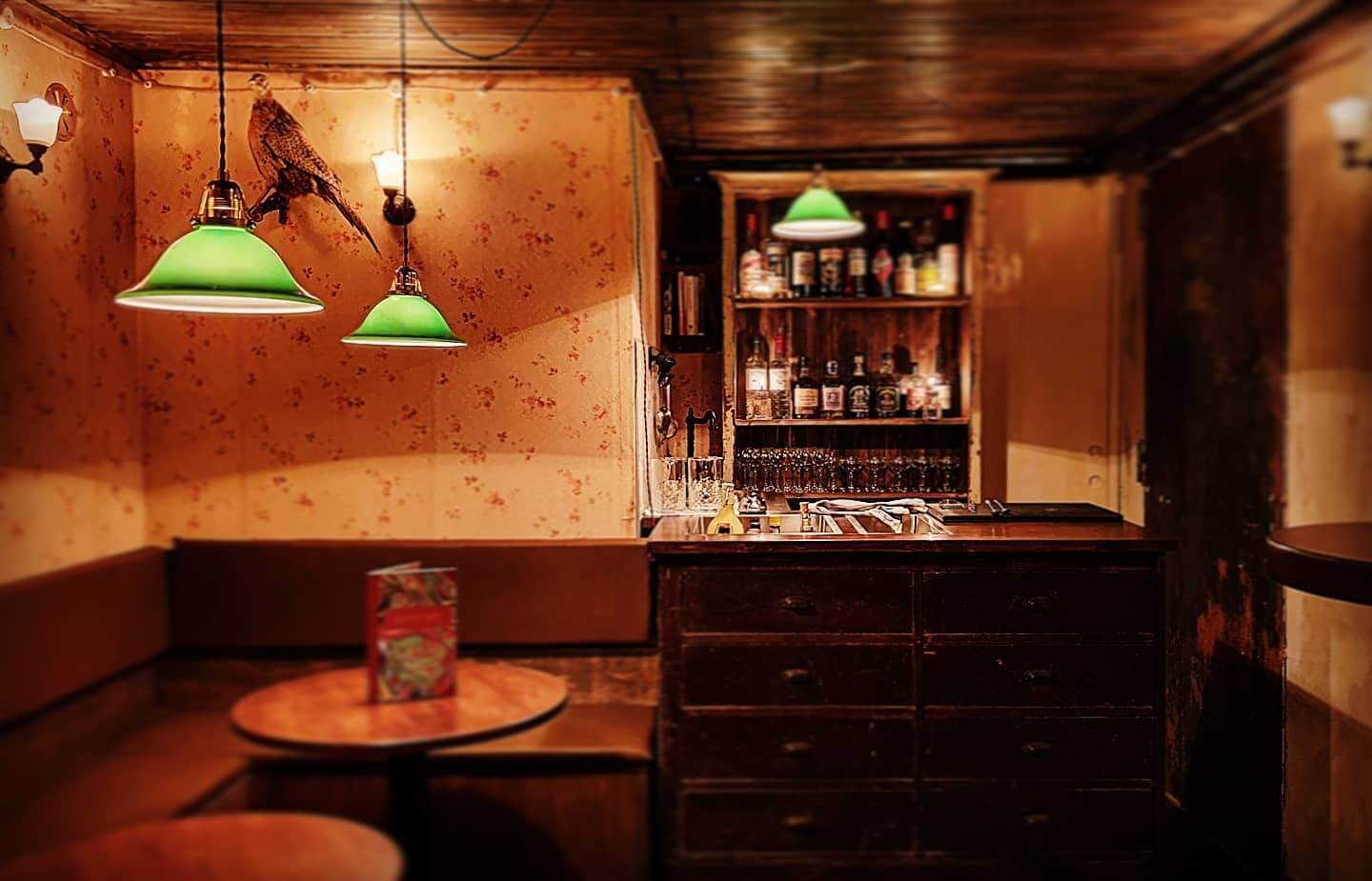
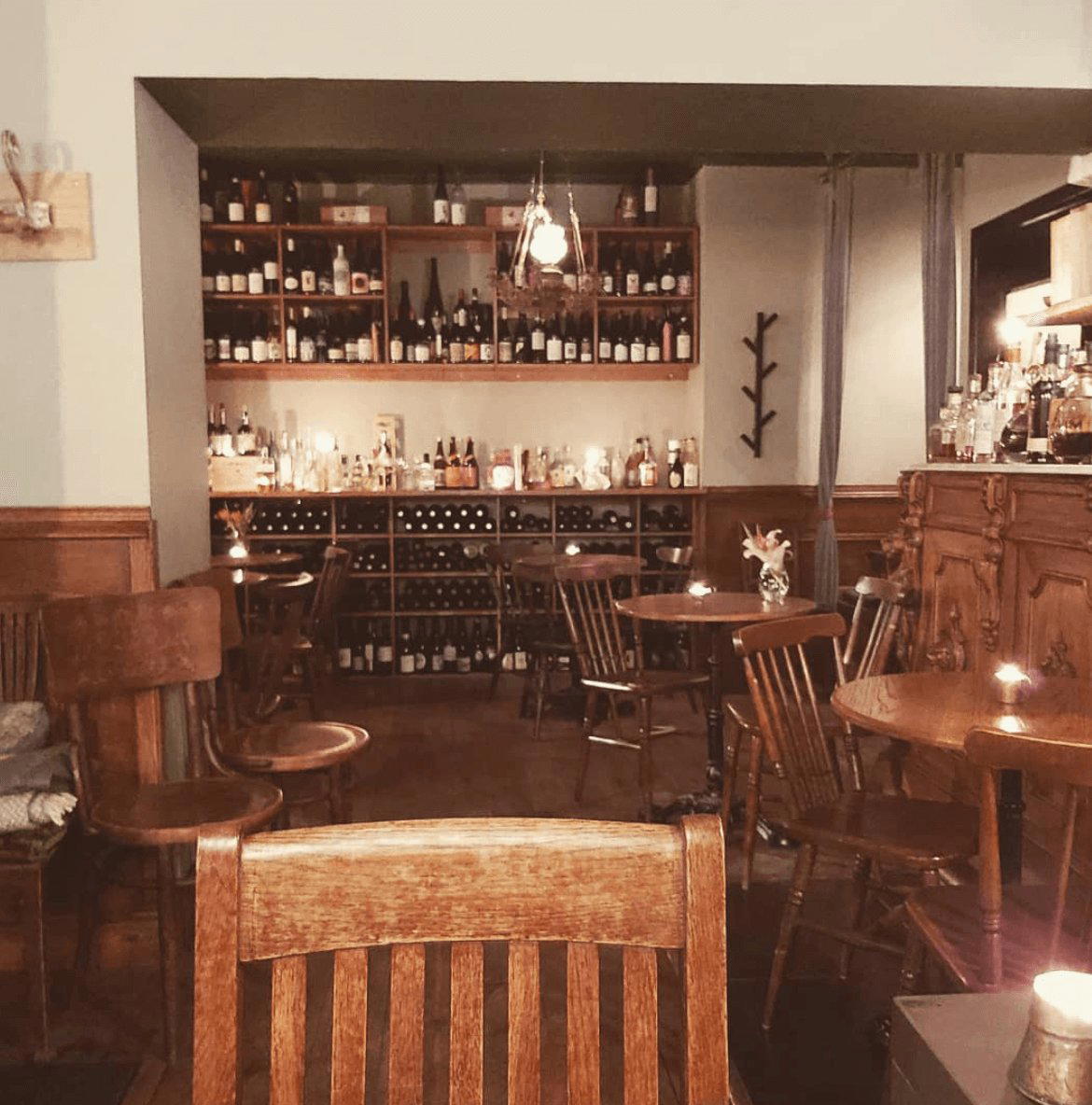
Cozy Parisian-style bistro with warm, laid-back atmosphere, visible open kitchen, and buzzy energy.