The Inn on Biltmore Estate


Set on 8,000 acres outside Asheville, The Inn on Biltmore Estate offers access to America's largest private residence alongside yoga, guided hikes, carriage tours, and farm-to-table dining sourced from the estate's own working land. The property holds,700 reviews. It runs quieter in winter and at full pace through summer and the holiday season.
Pearl is the En Primeur Club membership app — saves, bookings, and concierge access live there. Same editors, same standards.
- Address
- 1 Antler Hill Rd, Asheville, NC 28803
- Phone
- +1 800-411-3812
- Website
- biltmore.com
- Directions
- Get directions
 Saves & bookings on Pearl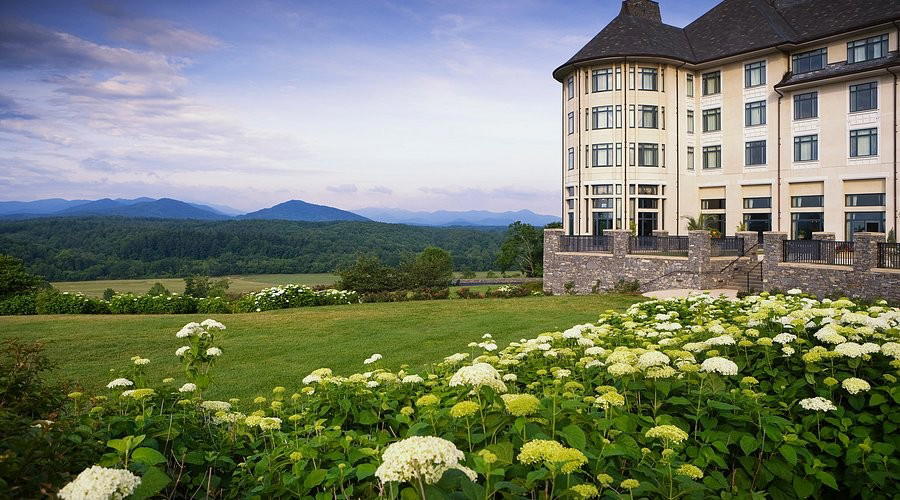
The Scale of the Setting
America's great estate hotels occupy a specific category: properties where the grounds are as much the product as the rooms. The Inn on Biltmore Estate sits firmly in that tier. The 8,000-acre working estate surrounding it includes manicured gardens, stables, sustaining farms, and the Vanderbilt-era château that remains the largest private residence in the country. Arriving here, the built environment recedes. What you move through first is space, then landscape, then architecture. That sequence defines the experience before you've checked in.
Within the American luxury retreat category, the Inn occupies a middle position between highly curated small-scale properties and full-service resort complexes. Compared to the intimate key counts of places like Post Ranch Inn in Big Sur or Amangiri in Canyon Point, the Inn operates at greater volume, but the scale of the estate absorbs the guest count in a way that smaller properties on tighter land cannot replicate. The Blue Ridge Mountains form the backdrop on the property's back side, and rooms on higher floors facing that direction carry particularly consequential views on the entire footprint.
Wellness Without Performance
The wellness programming at the Inn reflects the broader shift in how estate and mountain resort hotels have reframed outdoor activity: less as amenity, more as the primary draw. Yoga, guided hikes through the estate grounds, and the summer film series at Antler Hill Village are all included with a stay, a detail that matters when calculating the actual value proposition against the room rate. Guests do not need to assemble an itinerary from scratch. The estate's calendar does that work.
The retreat-oriented model at the Inn aligns with what properties like Canyon Ranch Tucson or Sage Lodge in Pray have built around: an environment that makes slowing down the path of least resistance. The difference at Biltmore is that the historical and architectural layer sits alongside the wellness programming rather than replacing it. Carriage tours and horseback riding through the estate grounds are not wellness activities in the clinical sense, but they function similarly in practice, pulling guests off screens and into a pace calibrated to the land.
Spa toiletries from the onsite spa are stocked in bathrooms, and complimentary robes and slippers are standard. These are signals of intent rather than the program itself, but they contribute to the cumulative texture of a stay oriented around recovery rather than stimulation. Properties at a comparable positioning, such as Kona Village, A Rosewood Resort or Little Palm Island Resort and Spa, make similar plays with inclusion of amenities that soften the transactional feel of a hotel stay.
The Farm Underneath the Kitchen
Estate-driven dining has become a credible sub-category in American hospitality, and the Biltmore model has the acreage to make the claim substantively rather than decoratively. The working farm on the estate supplies vegetables, berries, eggs, lamb, and a hybrid wagyu beef program to the property's restaurants. That supply chain is short enough to mean something. The Inn's chefs extend the sourcing outward through partnerships with farmers and ranchers across Western North Carolina, covering locally raised trout, cheese, Angus beef, and pork.
This positions the Inn's dining within a peer group of properties where the food program is anchored to place in a documentable way, closer in spirit to SingleThread Farm Inn in Healdsburg or Auberge du Soleil in Napa than to hotels that simply describe their menus as locally inspired. The Field-to-Table dinners, held alfresco at rotating venues on the estate, make the sourcing visible rather than implicit. These are structured culinary experiences that require advance planning and connect more deliberately to the estate's agricultural identity than the standard dining room service does.
The breakfast buffet in the Inn's dining room is a practical daily anchor: a spread that covers prepared foods, baked goods, made-to-order eggs, and gluten-free options. It functions as a morning gathering point for the property, and its range reflects the operational scale of a hotel serving a substantial and varied guest base.
When to Come, and What Changes by Season
Estate hotels with active outdoor programming live and die by seasonality, and Biltmore runs a full-occupancy calendar across most of the year. Summer brings families drawn to mountain climate and the concert series in the historic Antler Hill barn, which layers custom dining experiences, live music, and fireworks into a single event format. The spring garden sequence produces what the estate's horticultural team has built over decades: flowering grounds that function as a legitimate draw in their own right.
Winter, particularly the post-holiday stretch from January through early March, reads differently. Rates soften, the property thins out, and the Blue Ridge landscape takes on a different character under snow. For guests whose retreat priority is quiet rather than programming, that window is the operative season. The property's year-round shuttle service between the Inn, Biltmore House, and the Amherst at Deerpark event center keeps access to the estate's main sites simple regardless of season or weather.
Within Asheville itself, the hotel operates at a deliberate remove from the downtown core where other properties serve guests who want walkable access to the city's restaurant and arts scenes. The Inn's geography is a choice, not a compromise. It works for guests who want the estate as the full environment, not as a starting point for a night out in town. Guests who want both proximity to the estate and a more city-integrated base might look at Grand Bohemian Lodge Asheville as a comparison, or
The Rooms and How to Book Them
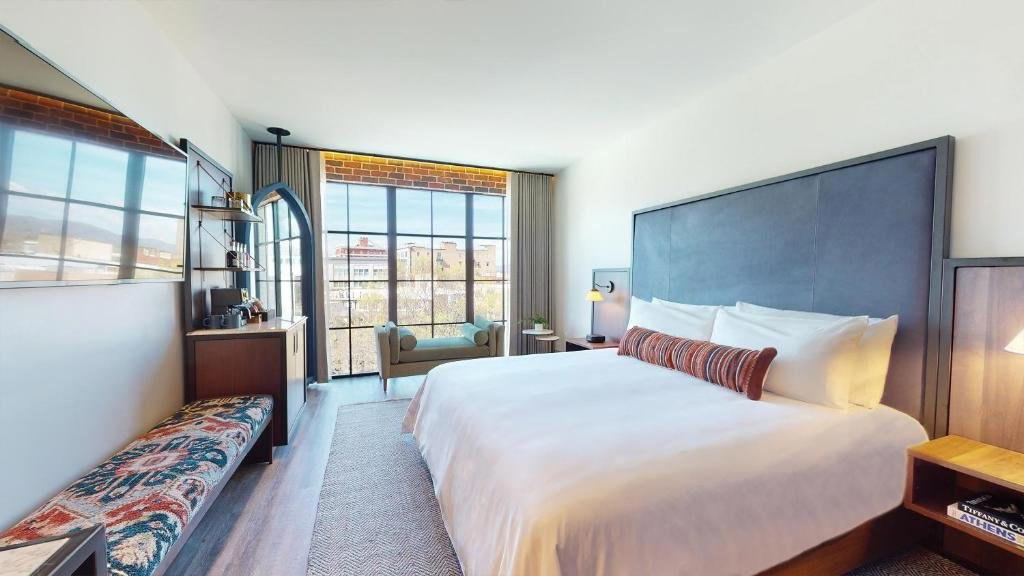
Room and suite categories run toward formal but liveable, with furnishings and fabrics that signal the estate's historical register without tipping into museological stiffness. The inspector's assessment notes a relaxed mountain resort ambiance that sits alongside the property's formal bones, a combination that is harder to calibrate than it sounds.
Rooms at the back of the property on higher floors carry the strongest case for an upgrade. The Blue Ridge Mountain views from that position are one consequential visual feature of a stay at the Inn, and they are not evenly distributed across the room inventory. Requesting that orientation at the time of booking is the single most useful logistical move available to a prospective guest.
Two retail shops on the second floor, The Marble Lion and the Cottage Door, cover apparel, fine jewelry, and gourmet provisions. They function as estate amenities rather than afterthoughts, consistent with the self-contained character of a property designed to hold guests within its own ecosystem for most of a stay.
The Inn's case rests not on competitive luxury positioning against those properties but on something narrower and more specific: 8,000 acres, a working farm, and a château that no other hotel in the country can replicate.
Standing Among Peers
Comparable venues nearby, for context on price, style, and recognition.
| Venue | Cuisine | Price | Awards | Notes |
|---|---|---|---|---|
| The Inn on Biltmore EstateThis venue — the venue you are viewing | Luxury estate hotel inspired by Biltmore's historic grandeur | $$$$ | 4-Star | Not listed |
| Grand Bohemian Lodge Asheville, Autograph Collection | rustic 19th century hunting lodge with modern luxury | $$$$ | 4-Star | Biltmore Village |
| Kimpton Hotel Arras | Eclectic boutique hotel blending Art Deco heritage with contemporary mountain luxury and local artistic influences. | $$$ | 4-Star | Downtown Asheville |
| The Restoration Asheville | Residential-style suites in a boutique hotel emphasizing personalized hospitality and local immersion. | $$$$ | Not listed | downtown |
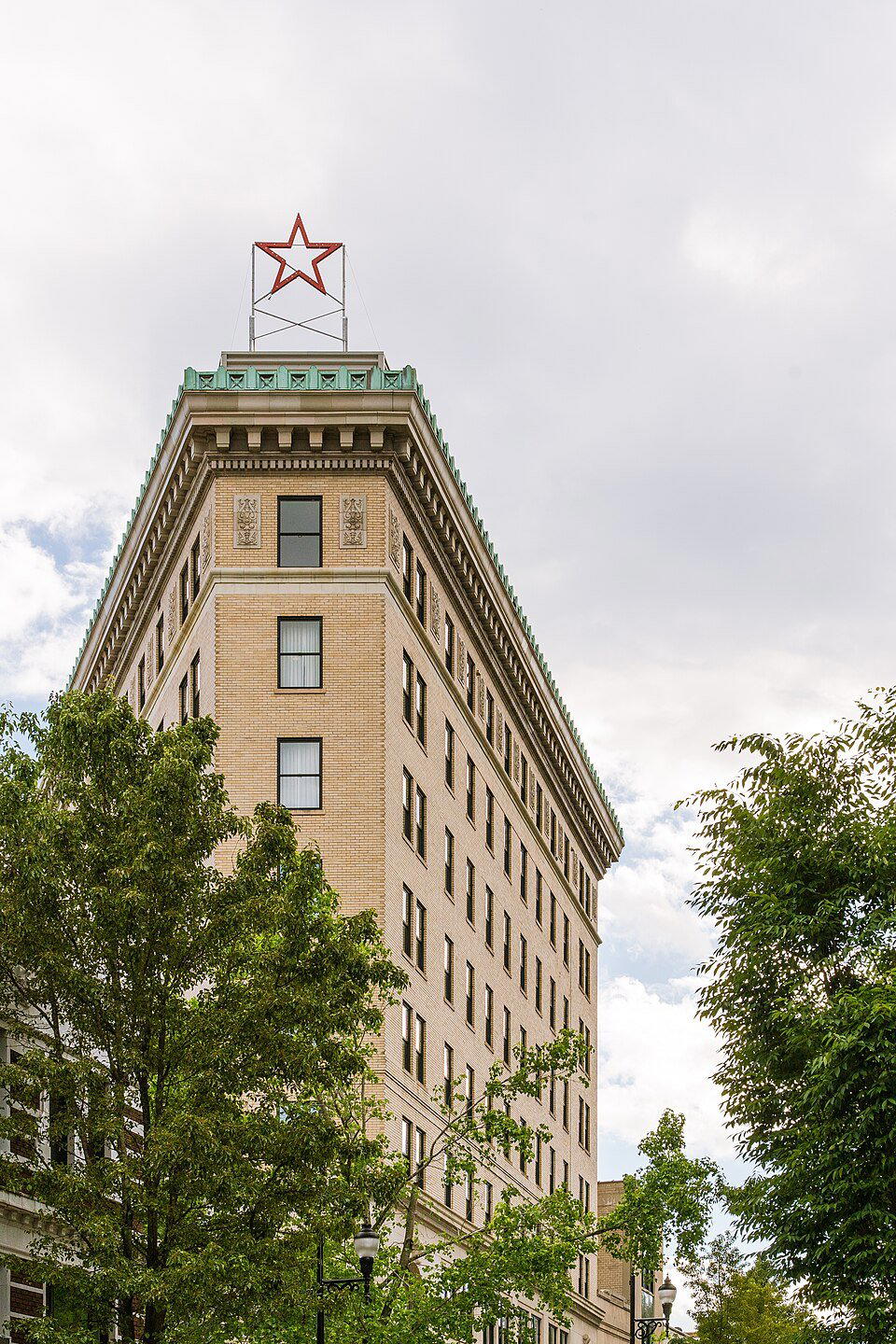
| The Flat Iron Hotel | Restored historic office building with Appalachian Deco aesthetic | $$$ | 4-Star | downtown Asheville |
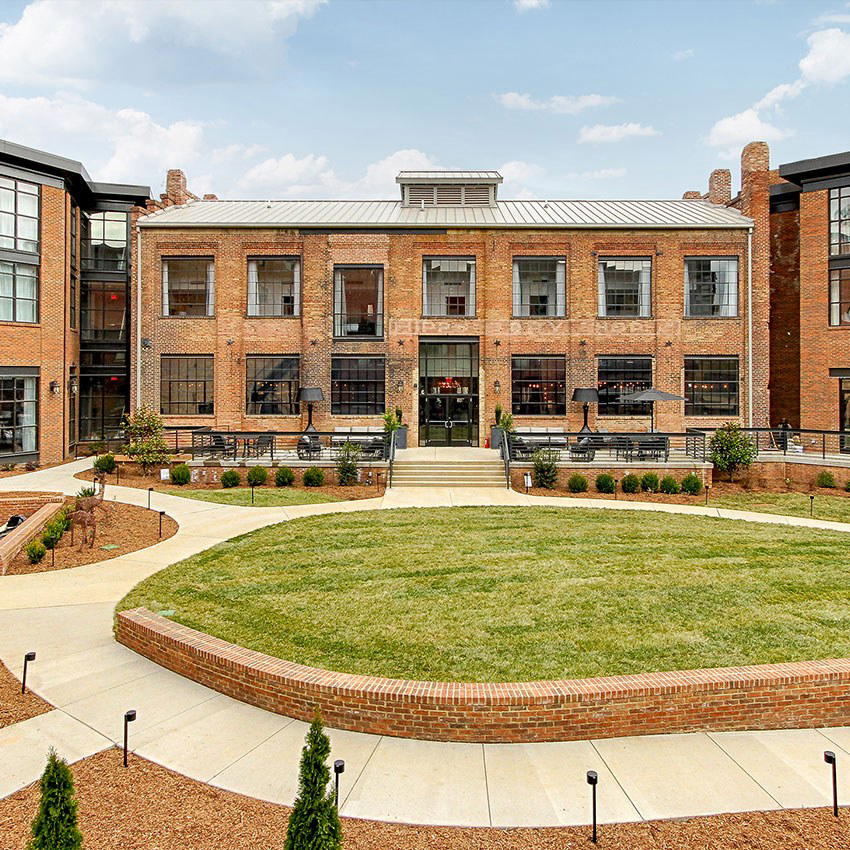
| Foundry Hotel Asheville | Historic industrial restoration with modern luxury sensibility; a repurposed steel foundry celebrating Appalachian heritage and local culture. | $$$ | 4-Star | The Block |
Recognition history
Dated appearances from independent guides and award organizations, with the underlying list record or original source where available.
Conde Nast Gold List
Conde Nast
Forbes 4-Star
Forbes
Forbes 4-Star
Forbes
At a Glance
- Elegant
- Scenic
- Sophisticated
- Classic
- Romantic
- Romantic Getaway
- Honeymoon
- Anniversary
- Family Vacation
- Weekend Escape
- Historic Building
- Panoramic View
- Garden
- Terrace
- Pool
- Spa
- Fitness Center
- Room Service
- Concierge
- Wi Fi
- Valet Parking
- EV Charging
- Mountain
- Garden
- Pool
- Spa
- Fitness Center
- Room Service
- Concierge
- Wi Fi
- Valet Parking
- EV Charging
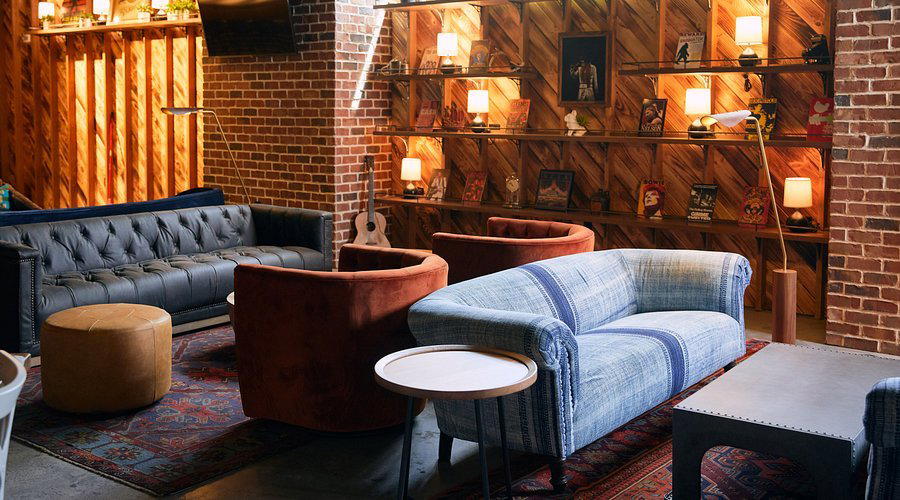
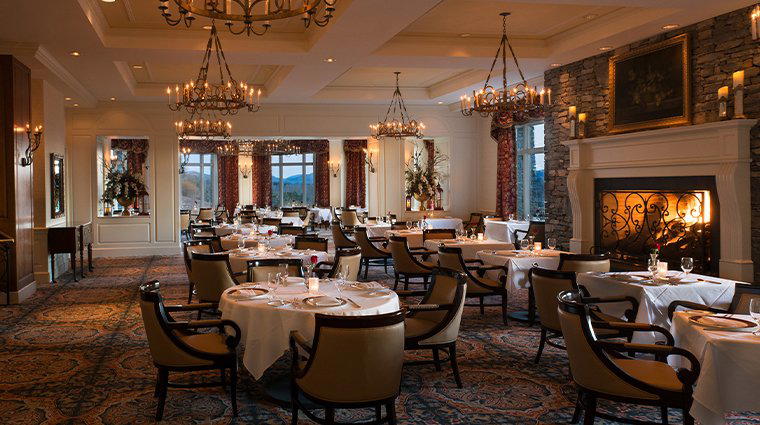
Light-filled interiors with elegant furnishings, fresh flowers, mountain views, and a warm, refined atmosphere enhanced by lounges and verandas.