Flor y Miel
Our verdict
Flor y Miel brings Latin-Caribbean cooking to Houston's Harrisburg corridor, a stretch of the East End that has quietly become one of the city's more interesting dining destinations. The kitchen draws from a broad arc of Caribbean and Latin American tradition, making it a reference point for a neighbourhood that skews toward regulars over tourists. Find it at 3401 Harrisburg Blvd in the 77003 zip code.

The menu
What to order
- Espaguetti con salami
Where Harrisburg's Regulars Eat
Houston's East End has accumulated a dining identity that resists easy summary. Along Harrisburg Boulevard, the throughline isn't a single cuisine or price point but a consistent preference among regulars for cooking that reflects the neighbourhood's actual demographics rather than performing them for outside consumption. Flor y Miel at 3401 Harrisburg Blvd sits inside that pattern. It occupies a stretch of corridor that has drawn steady local loyalty without the sustained press coverage that tends to follow newer openings in Midtown or Montrose. That relative quietness is not an accident of quality. It reflects how Latin-Caribbean kitchens in this part of the city operate: they earn repeat business through consistency and familiarity, not through launch moments.
Latin-Caribbean cooking as a category spans an unusually wide range of reference points. It draws from Puerto Rican, Cuban, Dominican, and broader Caribbean traditions, but also from coastal Venezuelan, Colombian Pacific, and Colombian Caribbean cooking, all of which share a commitment to layered seasoning, slow-cooked proteins, and a relationship with rice and beans that differs substantially from what most Tex-Mex or even Mexican-focused kitchens produce. In Houston's restaurant scene, this tradition occupies a tier below the marquee names. Venues like Musaafer and March command the $$$$ bracket with tasting-menu formats and significant critical infrastructure. Flor y Miel operates in a different register entirely: neighborhood-facing, built on return visits, and anchored by the kind of institutional knowledge that a regular accumulates over months rather than a first-timer absorbs in an hour.
What Keeps People Coming Back
The regulars' perspective on any Latin-Caribbean kitchen tends to be shaped less by individual dishes and more by consistency across visits. A kitchen that nails a pernil one week and misses on the next loses its local base quickly, because the local base has alternatives and long memories. The East End's dining ecosystem rewards kitchens that hold their standard, and Flor y Miel's address on Harrisburg is evidence that it has managed that over time. Harrisburg is not a street where restaurants survive on novelty. The foot traffic is residential and working-class, and the restaurants that endure there do so because they function as a weekly or monthly destination for a specific set of households.
What regulars at a kitchen like this tend to recommend rarely maps neatly onto a printed menu. The recommendation is usually structural: order the rice dish that the kitchen has been doing the longest, ask what came in fresh, or lean toward the slow-cooked protein rather than the grilled option on any given afternoon. This is how Latin-Caribbean kitchens telegraph quality to the people who know them, and it's a more reliable signal than a menu description. The cuisine tradition rewards patience from the kitchen and familiarity from the diner. First-timers who approach it like a tasting room at The French Laundry or Alinea will miss the register entirely.
Houston's Latin-Caribbean Context
Houston is one of a small number of American cities with the demographic base to support a genuinely diverse Latin-Caribbean dining ecosystem. The city's Venezuelan, Colombian, Cuban, and Puerto Rican communities each bring distinct culinary reference points, and the result is a set of restaurants that don't need to translate themselves for a generalist audience. This distinguishes Houston's Latin-Caribbean scene from the more tourist-facing versions that operate in Miami or parts of New York, where the same cuisines sometimes get flattened into a single pan-Caribbean identity for ease of marketing.
The broader Houston restaurant scene has developed significant infrastructure around other international traditions. Spanish cooking gets serious treatment at BCN Taste & Tradition. French fine dining has a presence through Le Jardinier Houston. Mexican cooking focused on masa traditions is developing its own serious tier, as Tatemó demonstrates. Latin-Caribbean cooking, by contrast, has not yet attracted the same level of critical apparatus in Houston, which means its leading representatives remain embedded in neighbourhoods rather than featured in national dining coverage. That gap is a function of genre, not quality. The absence of a Michelin guide in Texas and the relative distance from the media centres that drive James Beard nominations means that kitchens doing serious work in this tradition remain below the radar of the award infrastructure that would otherwise surface them.
For comparison, the level of craft applied to regional Latin cooking in cities with more critical infrastructure can be extraordinary. Emeril's in New Orleans shows how Southern and Caribbean flavour traditions can attract sustained national recognition when the critical ecosystem is present. Le Bernardin in New York City demonstrates what happens when a cuisine category gets serious critical infrastructure behind it. Latin-Caribbean cooking in Houston's East End sits at a different point in that trajectory: known to its neighbourhood, consistent to its regulars, and not yet absorbed into the venues that drive national dining coverage.
Getting There and Planning Your Visit
Flor y Miel is located at 3401 Harrisburg Blvd in the 77003 zip code, which places it in Houston's East End, accessible from the East Freeway corridor and within a reasonable drive from Downtown. The neighbourhood is primarily residential, and parking along Harrisburg is generally available on the street. East End dining tends to operate on schedules that reflect local demand rather than tourist patterns, so confirming hours before visiting is advisable. The address is the most reliable starting point for current operating information, and arriving during mid-service rather than at opening often gives a better read of what the kitchen is doing well on a given day.
For a fuller picture of what Houston's restaurant scene is doing across categories, our full Houston restaurants guide maps the city by cuisine type and price tier. If you're extending the visit, our Houston hotels guide covers the accommodation options nearest to the East End and Midtown. The bars guide includes the East End's cocktail and beer options, and the experiences guide documents cultural programming in the broader corridor. The wineries guide is useful if you're extending into the Texas Hill Country wine region.
For those tracking Latin-American fine dining further afield, the gap between neighbourhood kitchens and globally recognised fine dining is usefully illustrated by comparing Houston's East End to what kitchens like Lazy Bear in San Francisco, Single Thread Farm in Healdsburg, 8½ Otto e Mezzo Bombana in Hong Kong, and Alain Ducasse at Louis XV in Monte Carlo represent at the top of the international dining hierarchy. Those are the venues that have absorbed full critical infrastructure. Flor y Miel is on a different axis: local, consistent, and built for its actual neighbourhood rather than for the mechanisms that produce that kind of recognition.
Frequently asked questions
Where is Flor y Miel in Houston?
Flor y Miel is located at 3401 Harrisburg Blvd, Houston, TX 77003, Houston.
What do people recommend at Flor y Miel?
Regulars at this East End Houston kitchen tend to return for the Latin-Caribbean format, where the draw is consistency across the menu rather than a single standout dish. Flor y Miel sits on Harrisburg Boulevard in the 77003 zip code, a corridor with a dense concentration of diners who know the cuisine well and hold kitchens to a higher bar for authenticity. Without a current published menu on file, the safest approach is to ask the kitchen directly what is running that day.
Cuisine and Recognition
A short peer table to compare basics side-by-side.
| Venue | Cuisine | Price | Awards | Notes |
|---|---|---|---|---|
| Flor y MielThis venue — the venue you are viewing | Authentic Dominican | Not listed | Not listed | Not listed |
| Musaafer | Modern Indian Fine Dining | $100–150 | 1 Michelin Star | Indian |
| March | Modern Mediterranean Tasting | $200–300 | 1 Michelin Star · Star Wine List | Venetian |
| Nancy's Hustle | Modern American Bistro | $50–100 | Michelin Bib Gourmand | New American, Contemporary |
| Hidden Omakase | Modern Japanese Omakase | $150–200 | Michelin Plate | Sushi |
| Theodore Rex | Modern American Small Plates | $50–100 | Michelin Bib Gourmand · Resy Best of the Hit List | New American, Contemporary |
Continue exploring
More in Houston
Restaurants in Houston
All restaurants in Houston →
Bars in Houston
All bars in Houston →
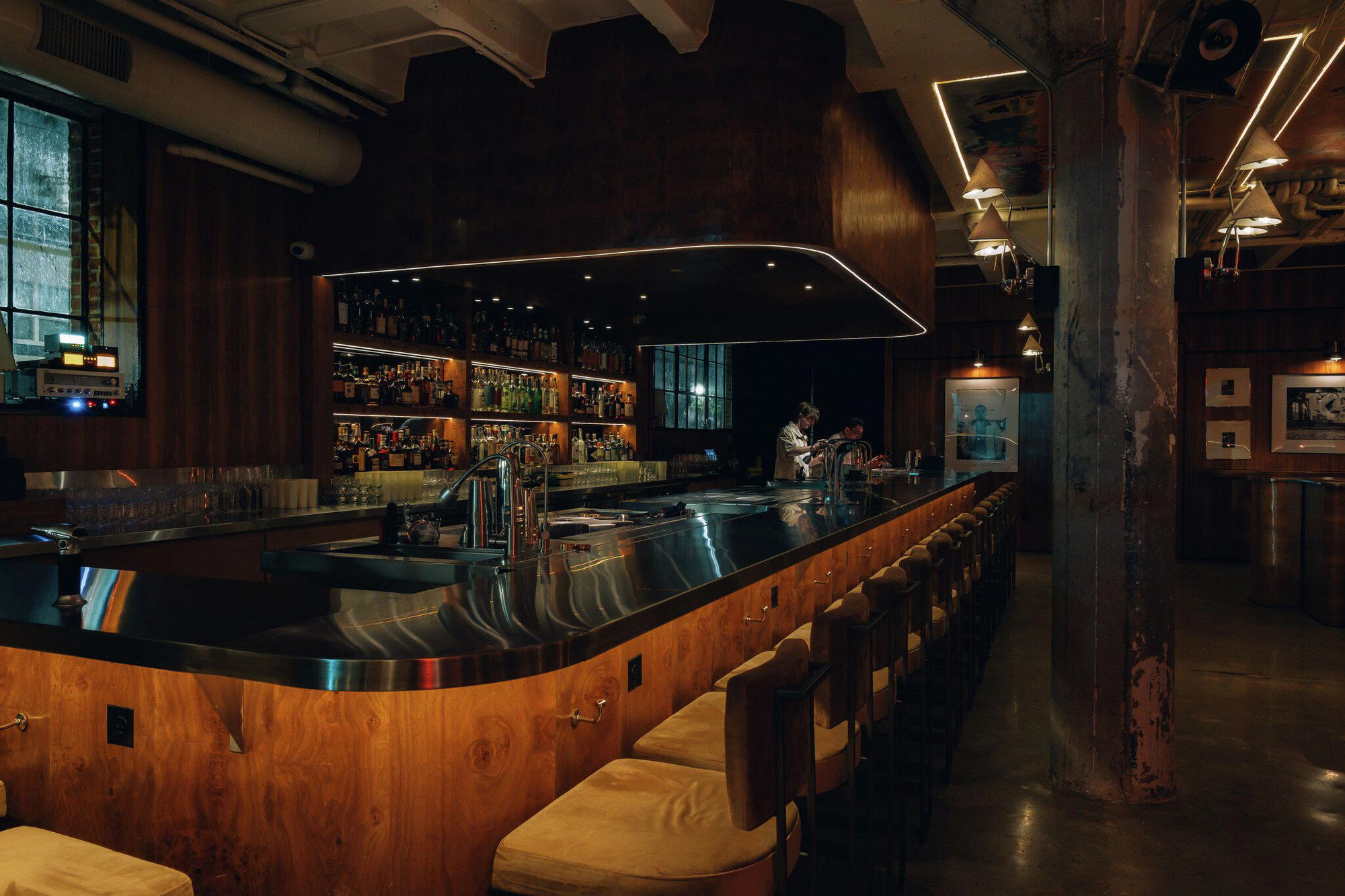
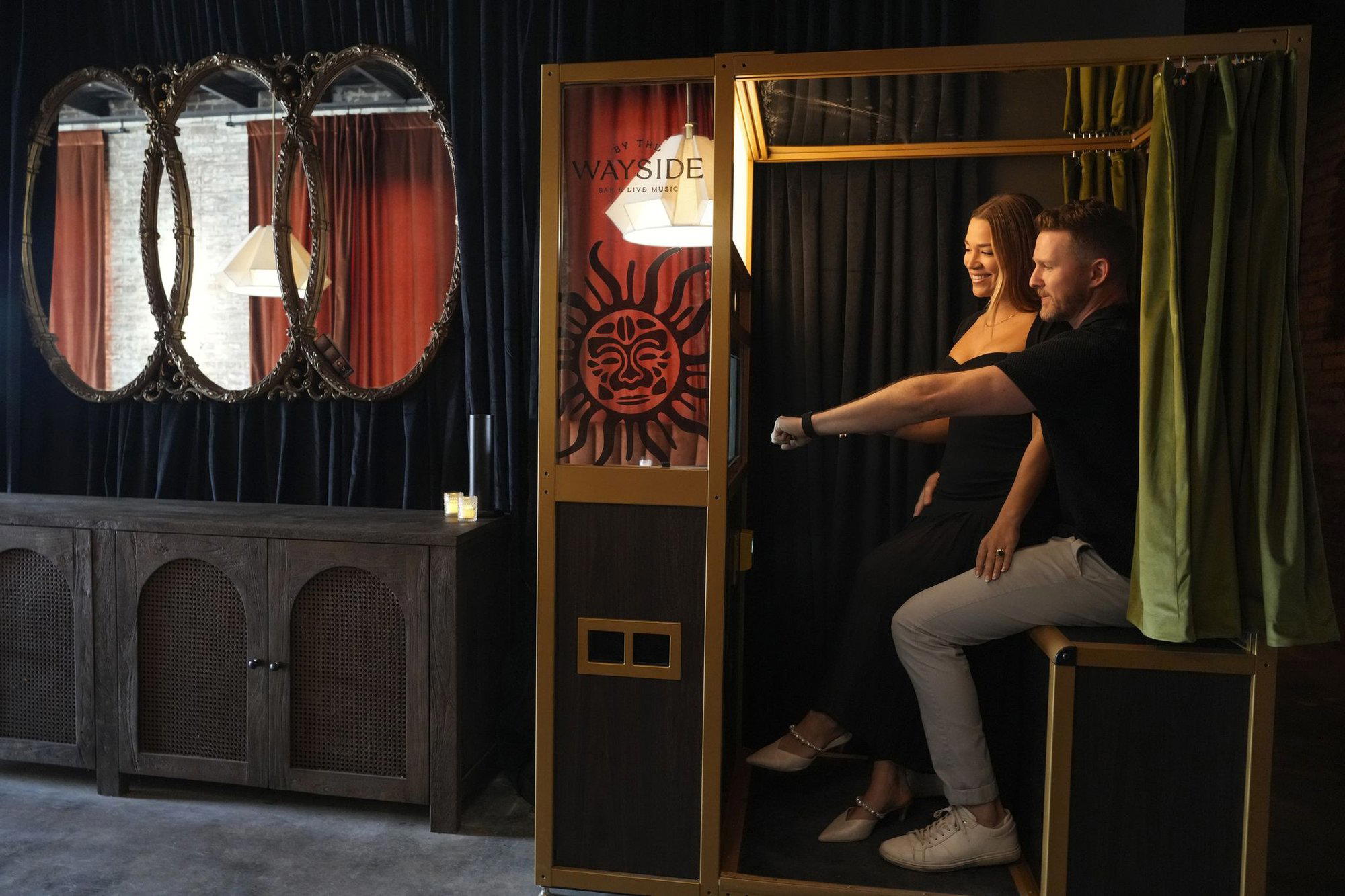


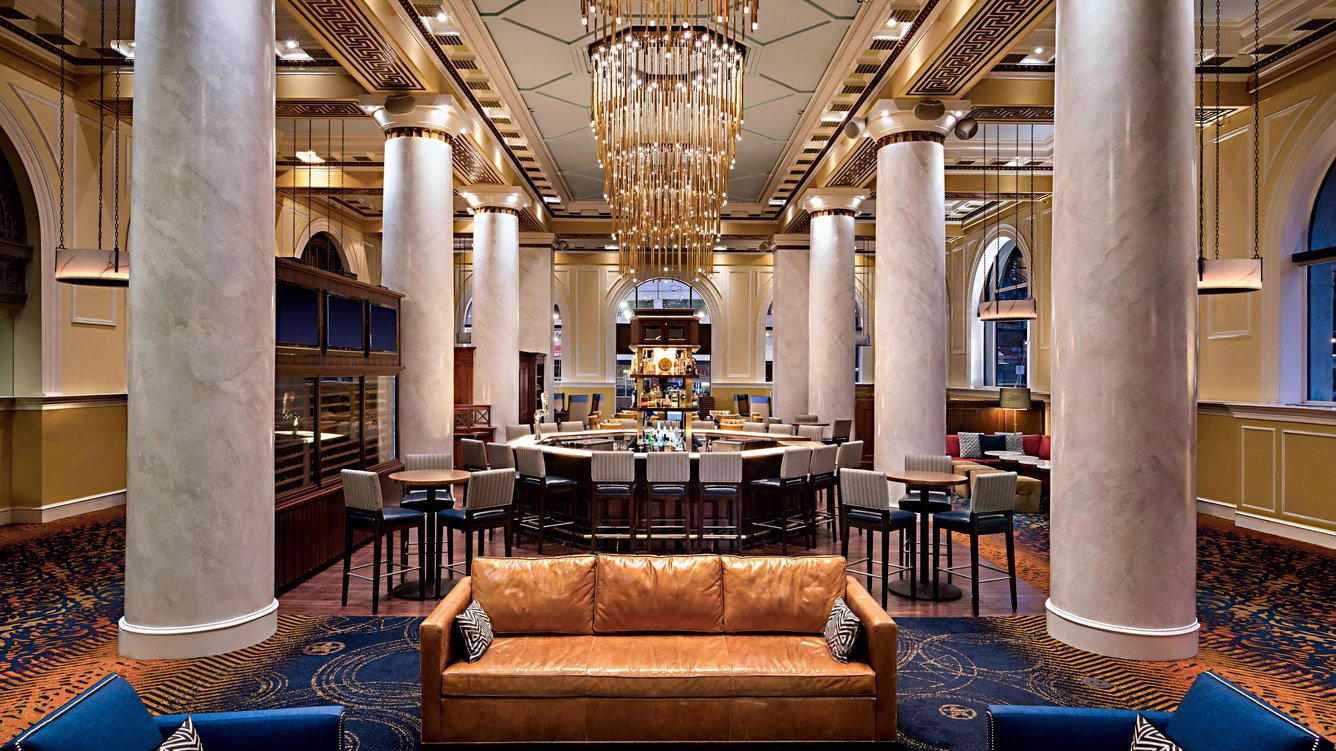
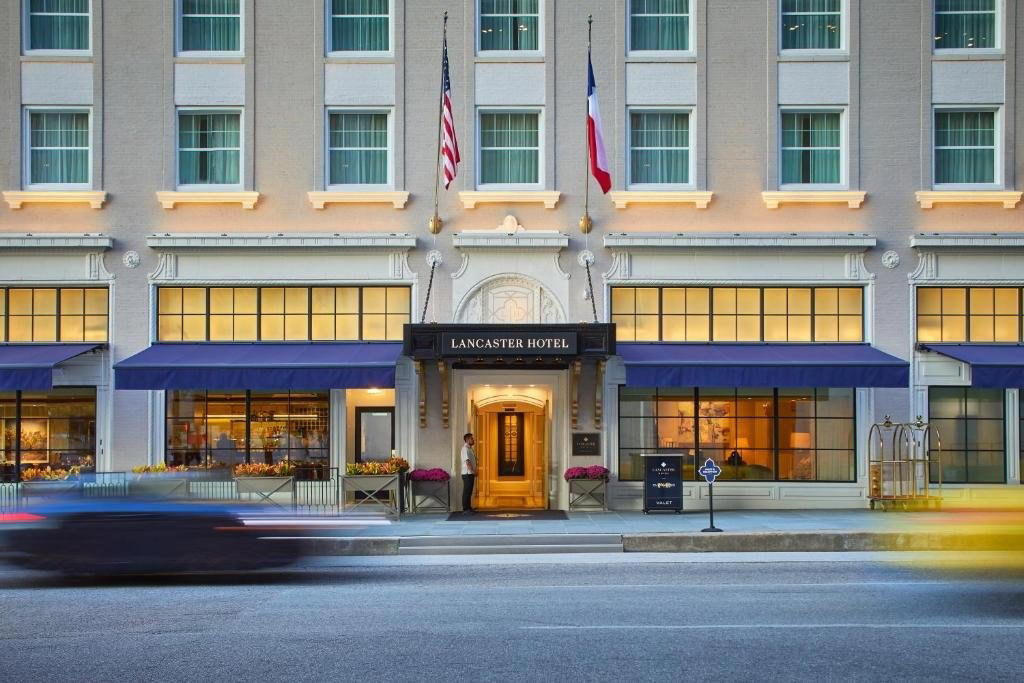
Details
- Cozy
- Casual Hangout
- Standalone
- A La Carte
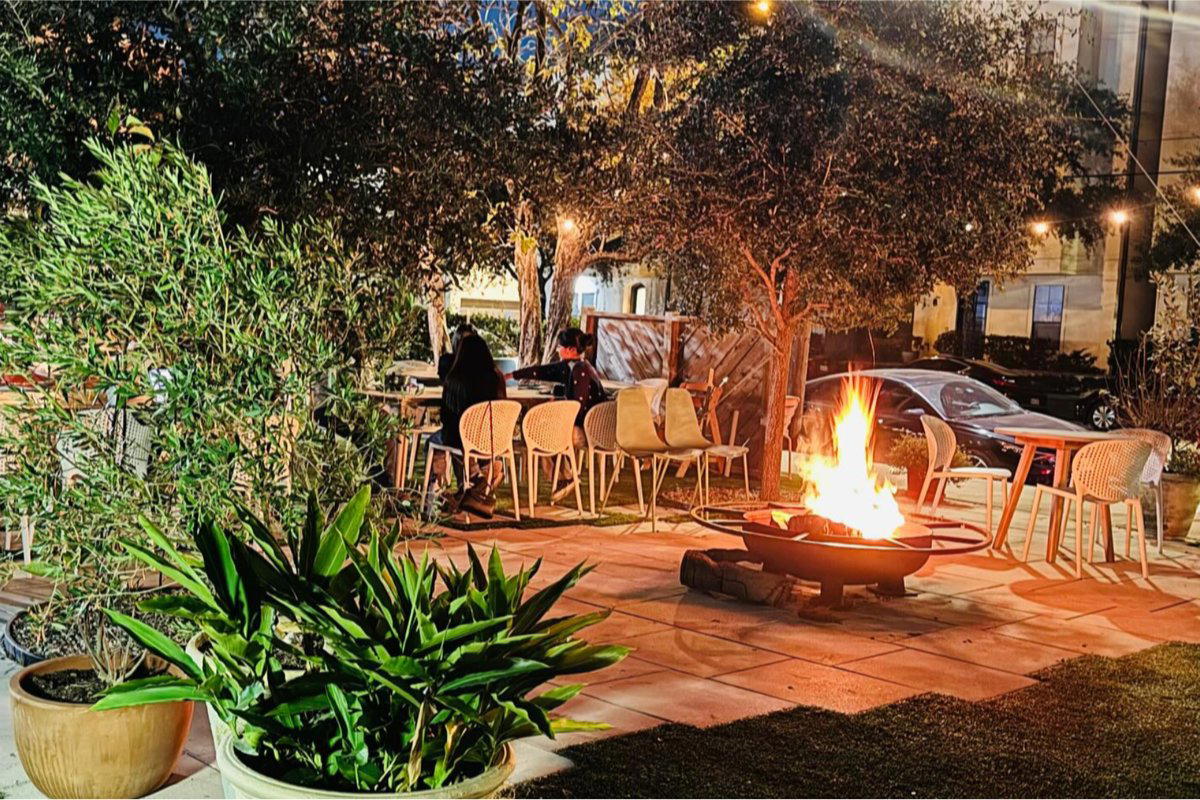
Cozy and welcoming home-style atmosphere.