
Michelin Plate
Our verdict
In the village of Bué, at the heart of Sancerre's vineyard country, Flacons pairs a Mexican chef's seasonal cooking with the sommelier instincts of a local husband-and-wife team. The result is a dining room where finesse and generosity sit side by side, and the view across the vines frames every course. A small, serious address that rewards anyone willing to seek it out.
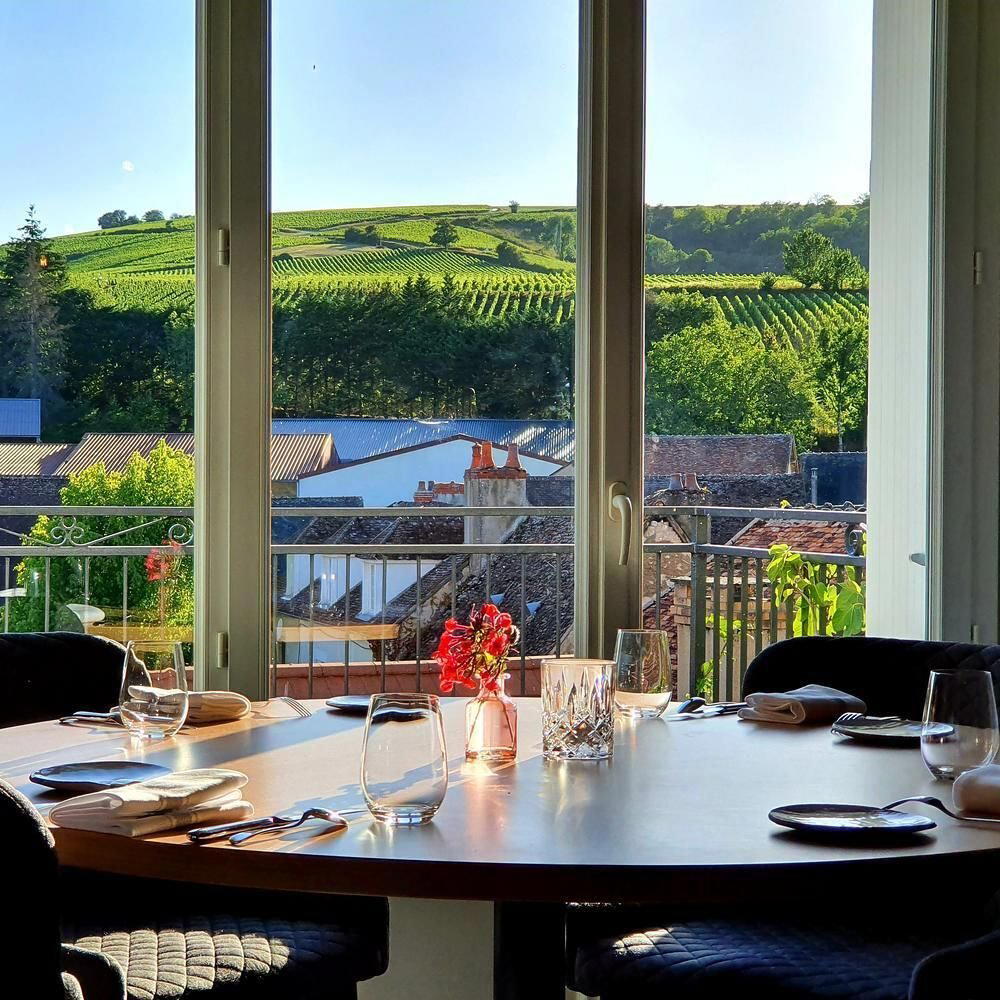
Vineyard Views and a Kitchen That Earns Them
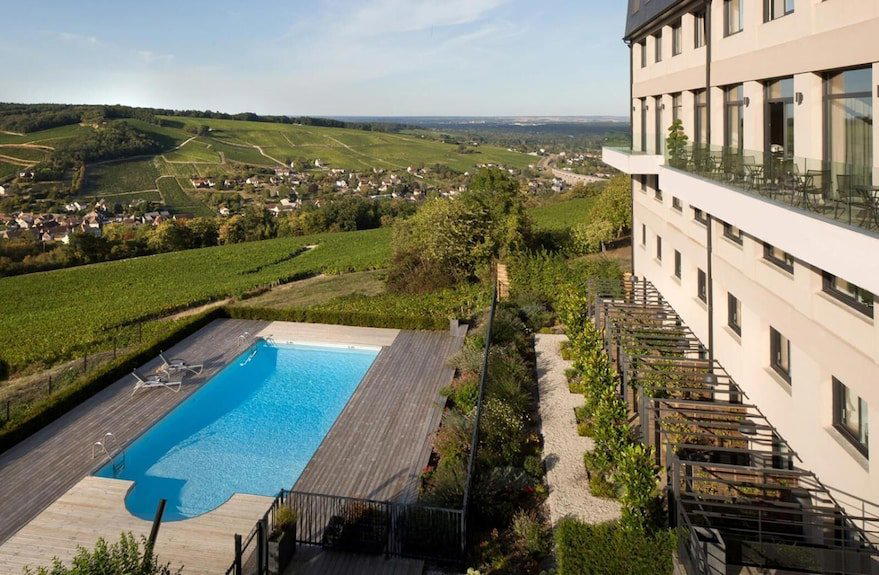
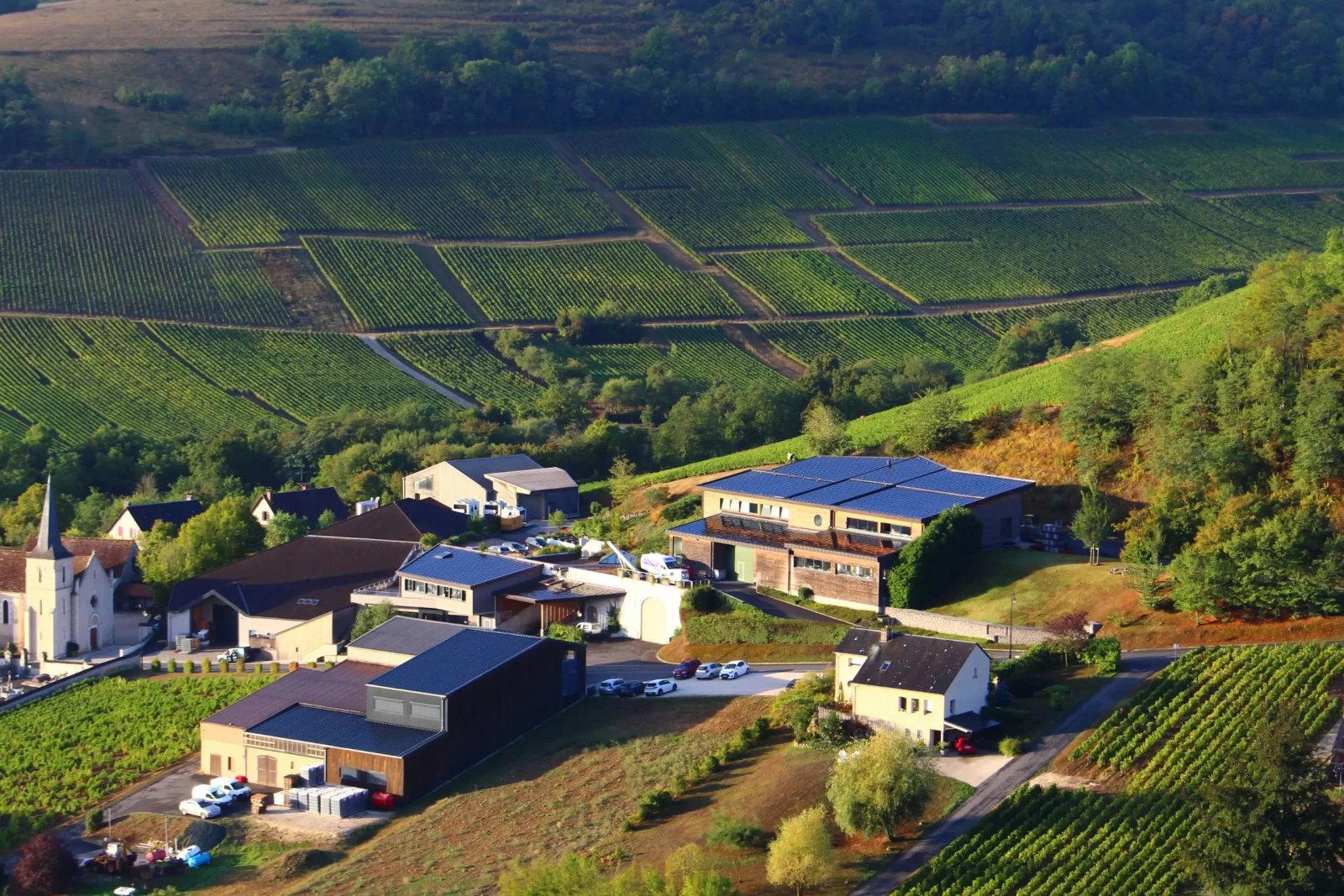
Bué is a village that most wine tourists pass through on their way to Sancerre's hilltop cellars, and that suits Flacons well. Situated at 5 rue de la Cure, the restaurant occupies a position that is more quietly residential than destination-signposted, with a direct sightline onto the vines that has made it a reference point for the kind of unhurried, place-specific meal that the Loire Valley's smaller villages do better than almost anywhere else in France. The vineyards visible from the dining room are not incidental scenery; they are the organizing logic of the experience, anchoring both the food and the wine selection to a specific patch of chalky, flint-rich soil. For anyone interested in understanding how a wine region translates into a meal, this is a useful address.
The Loire's smaller appellations, Sancerre, Pouilly-Fumé, Menetou-Salon, have long attracted chefs who prefer working with local producers over the prestige economy of Paris or Lyon. What distinguishes Flacons in that context is the combination of a Mexican kitchen perspective with deep local terroir knowledge on the floor. That cross-pollination, when it works, produces cooking that is neither fusion nor pastiche but something more considered: seasonal French produce processed through a sensibility formed elsewhere, with a sommelier's understanding of the surrounding vineyards keeping the whole thing grounded.
Where the Food Comes From, and Why It Matters
The Loire Valley's seasonal calendar is specific. Spring brings asparagus, wild herbs, and the first goat's cheeses from the plateau; summer moves through stone fruits, tomatoes, and courgette flowers; autumn is when the local charcuterie producers and mushroom foragers come into their own. A kitchen operating with what critics have described as finesse and generosity has to be working with producers close enough to adjust weekly, if not daily. In a village the size of Bué, that supply chain is necessarily local, which concentrates the seasonal logic considerably.
French regional cooking at this level, not the monument houses like Troisgros - Le Bois sans Feuilles or Auberge de l'Ill, but the tier of serious, small-town restaurants that form the actual texture of French dining, has always depended on this kind of producer intimacy. The prestige addresses, from Alléno Paris au Pavillon Ledoyen to Mirazur, can afford to source nationally and internationally. A two-person operation in Bué cannot, and that constraint is a feature, not a limitation. The sourcing radius defines the menu's character more reliably than any written philosophy would.
The Mexican background of chef Mariana Mateos adds a specific kind of ingredient literacy to this equation. Mexican culinary tradition is built on an understanding of how heat, acid, and fermentation transform primary ingredients, and that knowledge, applied to Loire Valley produce, tends to produce cooking with more textural contrast and flavour depth than the local tradition alone would generate. It is the kind of influence that reads as confidence rather than novelty.
The Room and the Service Dynamic
Small restaurants in wine villages operate on a different register from city dining. There is no anonymity, no separation between kitchen intelligence and floor intelligence. At Flacons, that integration is literal: Thomas Jacquet, a local man with sommelier knowledge, manages both service and the wine program, which in Sancerre means navigating one of France's most closely watched white wine appellations from the inside. A local sommelier in this village is not selecting from a catalogue; he is choosing among producers he likely knows by name, with vintages he has followed across several harvests.
That kind of floor knowledge changes the dynamic of a meal. Recommendations carry a different weight when the person making them has a personal relationship with the winemaker two kilometres away. It is what distinguishes the smaller regional restaurant from the kind of big-city fine dining represented by, say, Assiette Champenoise or AM par Alexandre Mazzia, not in quality of execution, but in the nature of the authority being exercised.
The couple format, chef and sommelier operating as a pair in their thirties, is a recognizable structure in French regional dining, and it tends to produce a particular kind of consistency. The decision-making is compact, the quality threshold is personal, and the dining room does not expand beyond what two people can genuinely oversee. For anyone who has eaten at comparable addresses, like Auberge du Vieux Puits or Bras in their earlier iterations, the scale and intimacy will be familiar.
Planning Your Visit
Bué sits in the Sancerre appellation of the Cher department, a short drive from the town of Sancerre itself and accessible from Bourges or the A77 motorway corridor. The village does not have significant public transport links, so arriving by car is the practical default for most visitors. For context on what else the area offers, see our full Bué restaurants guide, our full Bué wineries guide, and our full Bué hotels guide for accommodation options within the appellation. Combining a meal at Flacons with a winery visit in the morning is a sensible itinerary structure; the vineyard view from the restaurant makes more sense once you have walked among the vines.
Given that this is a two-person operation in a small village, capacity is limited by design. Restaurants of this format in wine-producing regions tend to fill from regional visitors and returning regulars, particularly on weekends during the harvest period from September through October and in the summer tourist months of July and August. Planning ahead, especially for weekend dinners during those windows, is advisable. For broader context on where Flacons sits within the local options, our full Bué bars guide and our full Bué experiences guide cover the surrounding area in detail.
Frequently asked questions
Is Flacons a family-friendly restaurant?
Flacons is a small village restaurant in Bué run by a couple, which tends to create a relaxed, unhurried atmosphere rather than a formal one. That said, it is oriented around seasonal cuisine with genuine kitchen ambition, so it suits families who are comfortable with a considered meal rather than a quick stop. Nothing in the venue's profile suggests it is set up as a dedicated family dining destination.
What's the vibe at Flacons?
The setting is a wine-village restaurant at 5 rue de la Cure, Bué, with views over the vineyards. The operation is run by two people in their thirties: Mexican chef Mariana Mateos in the kitchen and Thomas Jacquet, a local man, handling both front-of-house and the wine programme. The tone is professional but personal, closer to a chef's table in a village than to a polished urban bistro.
Is Flacons award-winning?
Flacons has received recognition including: Here you really are guaranteed a delightful "momento", complete with a view of the vineyards. A very professional couple in their thirties runs the show: Mexican chef Mariana Mateos cooks up seasonal cuisine that demonstrates finesse and ge….
What do regulars order at Flacons?
The menu is built on seasonal produce from the Loire Valley calendar, with Mariana Mateos's cooking described as combining finesse with generosity. Pairing choices from Thomas Jacquet, a local sommelier in Sancerre appellation territory, are likely a draw in their own right.
What part of town is Flacons in?
Flacons is located at 5 rue de la Cure, Bué.
What's Flacons best at?
The combination of Mariana Mateos's seasonal French cooking, described by one editorial source as demonstrating finesse and generosity, and Thomas Jacquet's local sommelier knowledge in the heart of the Sancerre appellation is the clearest point of distinction. Few restaurants in the Bué area offer both a kitchen with that level of ambition and wine service rooted in direct knowledge of the surrounding producers.
In Context: Similar Options
| Venue | Cuisine | Price | Awards | Notes |
|---|---|---|---|---|
| FlaconsThis venue (the venue you are viewing) | Modern French Bistronomie | Not listed | Michelin Plate | Not listed |
| Alléno Paris au Pavillon Ledoyen | Modern French Fine Dining | $150–200 | 3 Michelin Stars · World's 50 Best #79 | Creative |
| Kei | Contemporary French, Modern Cuisine | Not listed | Michelin 3 Star | Not listed |
| L'Ambroisie | Classic French Haute Cuisine | $300–500 | 2 Michelin Stars · World's 50 Best #23 | French, Classic Cuisine |
| Le Cinq - Four Seasons Hôtel George V | Modern French Fine Dining | $300–500 | 3 Michelin Stars · World's 50 Best #24 | French, Modern Cuisine |
| Mirazur | Modern French Fine Dining | $300–500 | 3 Michelin Stars · World's 50 Best #1 | Modern French, Creative |
Recognition history
Dated appearances from independent guides and award organizations, with the underlying list record or original source where available.
Michelin Plate
Michelin · 2026 Michelin Plate
Continue exploring
More in Bué
Restaurants in Bué
Browse all →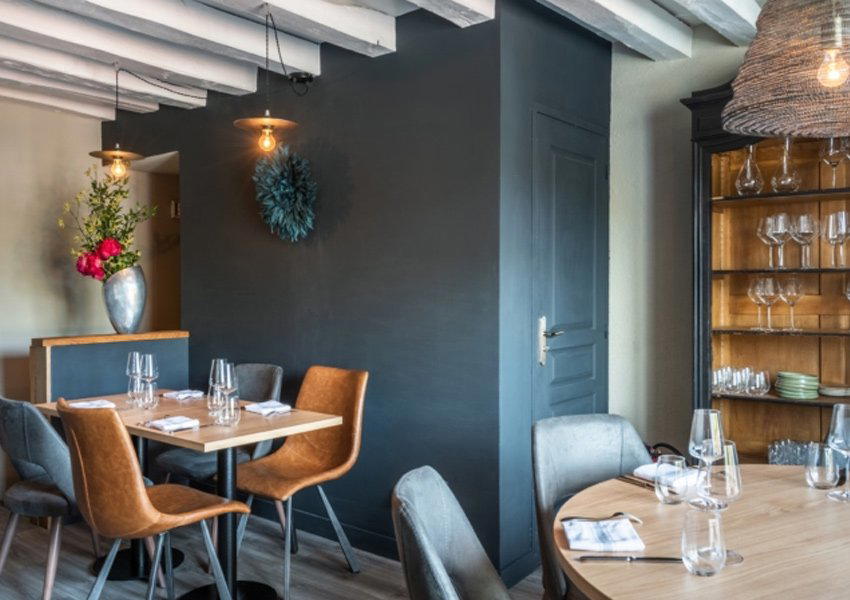
Hotels in Bué
Browse all →

Details
- Cozy
- Modern
- Date Night
- Special Occasion
- Extensive Wine List
- Local Sourcing
- Vineyard
- A La Carte
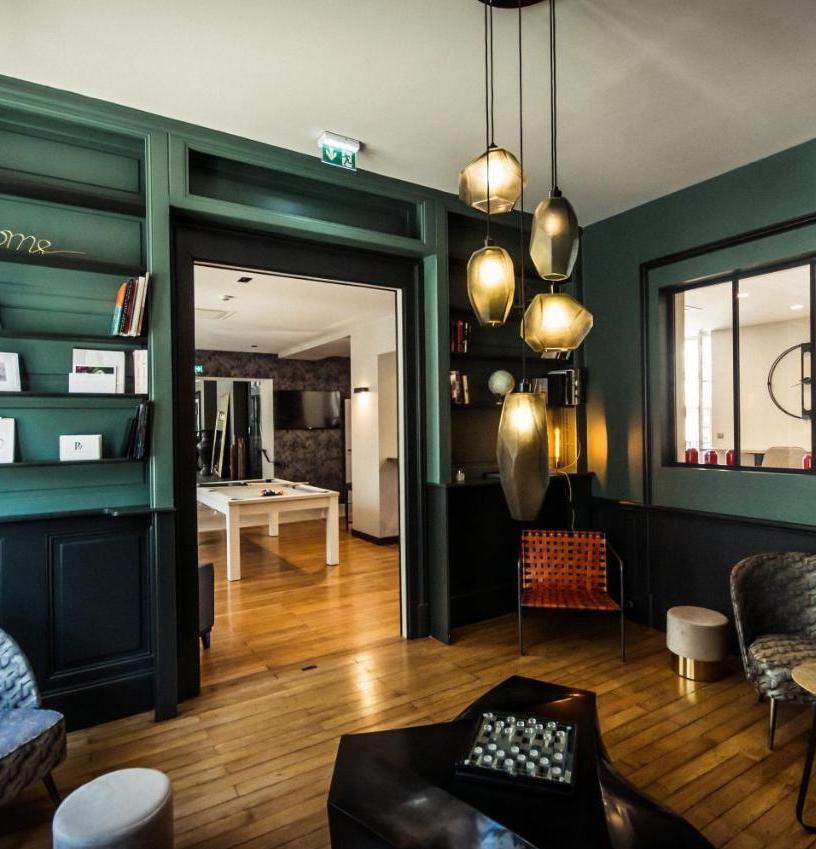
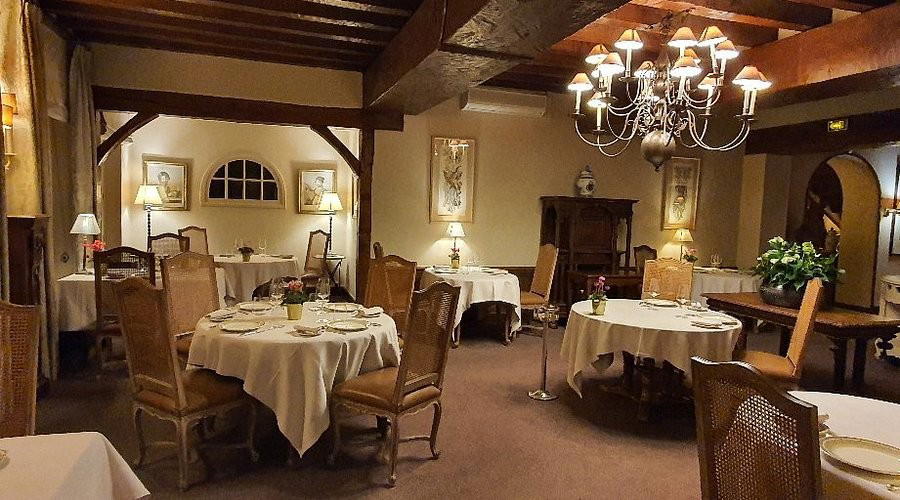
Snug modern interior with convivial, chaleureuse atmosphere and buzzy vibe.