Fixins Soul Kitchen Detroit
Fixins Soul Kitchen Detroit occupies a corner of the city's downtown dining scene where Southern tradition and urban hospitality converge. Located at 1435 Randolph Street, the restaurant draws on the deep well of American soul food cookery to anchor a menu rooted in comfort and conviction. Detroit's appetite for this kind of direct, unfussy cooking has only grown as the city's restaurant scene has matured around it.
Pearl is the En Primeur Club membership app — saves, bookings, and concierge access live there. Same editors, same standards.
- Address
- 1435 Randolph Street, Detroit, MI 48226
- Phone
- +13135137685
- Website
- fixinssoulkitchen.com
- Directions
- Get directions
 Saves & bookings on Pearl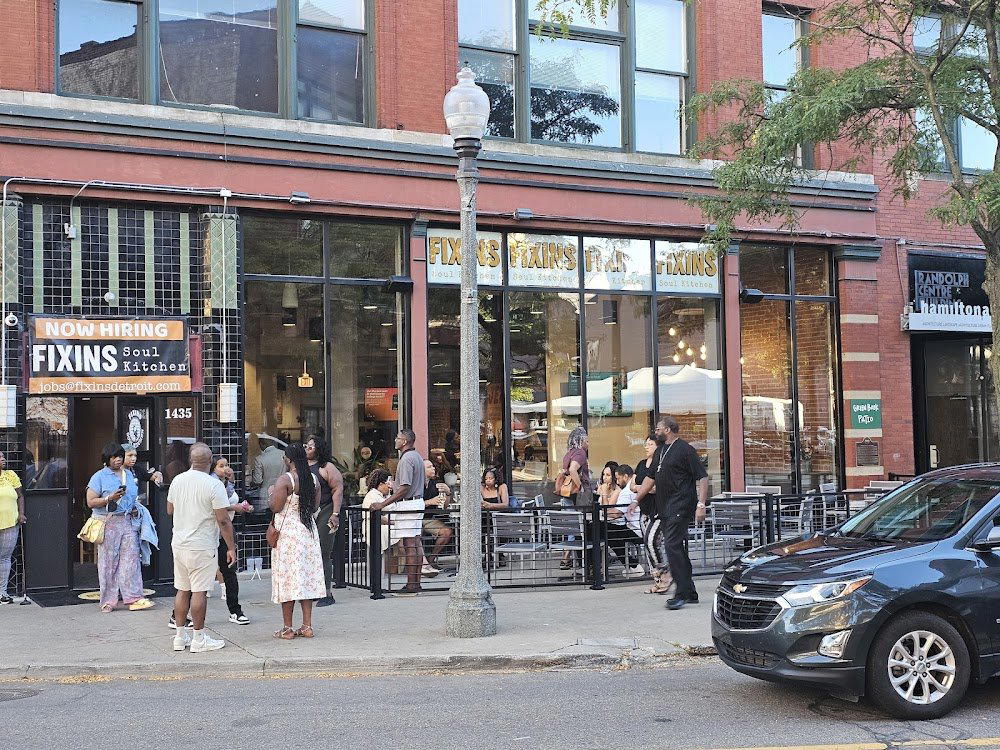
Where Detroit's Soul Food Tradition Meets Downtown Ambition
Randolph Street in downtown Detroit sits at a crossroads that tells you something about how this city eats. Within a few blocks, you get the clattering urgency of American Coney Island, the considered Italian of Amore da Roma, and the modern ambition of ADELINA. Against that backdrop, Fixins Soul Kitchen at 1435 Randolph Street lands with a specific cultural weight. Soul food in Detroit is not a novelty or a nostalgia play. It is a living tradition, carried forward by a Black culinary culture that shaped this city's foodways long before any renaissance narrative arrived to describe them.
The address alone signals something deliberate. Downtown Detroit, particularly the blocks around Campus Martius and the theater district, has attracted a wave of dining investment since the mid-2010s. Many of those openings pursued a certain kind of post-industrial cool: exposed brick, small plates, natural wine. Fixins operates from a different register entirely, one where the measure of success is not concept legibility but whether the food delivers on a deeply held set of expectations.
The Logic of Soul Food in a City Like Detroit
Soul food as a culinary category carries a specific historiography. It developed out of necessity and ingenuity in the American South, then traveled north with the Great Migration, embedding itself in cities like Detroit, Chicago, and Cleveland where it became a cornerstone of community life. Detroit's Black population grew rapidly through the mid-twentieth century, and the cooking traditions that arrived with those families did not disappear into assimilation. They deepened and localized. The Detroit version of soul food has its own emphases, its own neighborhood institutions, and its own set of standards that any serious restaurant in this space has to answer to.
That is the competitive context for Fixins. It is not being compared to Smyth in Chicago or Le Bernardin in New York City. It is being measured against the grandmothers, the church suppers, the long-standing neighborhood joints that Detroit diners carry in their culinary memory. That is a harder standard in some ways, and a more honest one.
Across Detroit's broader dining scene, the most interesting tension right now is not between fine dining and casual eating. It is between restaurants that serve the city's existing communities and those that are primarily building a new audience. Fixins, by its very premise, is oriented toward the former. Soul food restaurants that succeed in that mode do so through consistency, through generosity of portion, and through a kind of hospitality that is less about theater and more about genuine welcome. You can track a similar orientation at Baobab Fare, which roots its East African menu in community rather than trend.
How the Team Holds the Room Together
Soul food service, done well, is a collaborative act. The editorial angle most useful here is not the individual chef's biography but the dynamic between kitchen and floor. In the leading soul food establishments, the front-of-house team carries as much of the experience as the cooks do. The person who greets you, who refills your glass without being asked, who can tell you which dish came in from the weekend prep and which one is today's special: that person is doing real hospitality work, not performing a scripted welcome.
The kitchen-to-table relationship in this format is direct. There are no amuse-bouche courses to decode, no wine pairings requiring a sommelier's guided narration. What the service team provides instead is warmth, efficiency, and a kind of institutional knowledge about what is on the plate. At Fixins, that dynamic between kitchen output and floor delivery is the product, as much as any individual dish. The room's temperature, socially speaking, depends on those two elements working in sync.
Compare that to the elaborate team choreography required at places like The French Laundry in Napa or Blue Hill at Stone Barns in Tarrytown, where a tasting menu requires near-military coordination across a team of dozens. Soul food service achieves something similar in spirit through entirely different means: fewer courses, faster pacing, but the same requirement that every person on the floor understands the food and the guest simultaneously.
Detroit's Dining Scene and Where Fixins Sits Within It
Detroit's restaurant ecosystem in 2024 and 2025 is genuinely plural. You have the farm-to-table New American of Selden Standard, the smoke-led barbecue work at Slow Bars Bar-BQ, and the modern Mexican of Vecino all operating at credible levels. That plurality is what makes a place like Fixins legible within a broader map rather than marginal to it. Soul food here is not a gap-fill. It is one strand of a genuinely diverse dining culture.
The Randolph Street location also places Fixins within walking distance of several cultural anchors: Comerica Park, Ford Field, the Detroit Opera House. That matters for understanding the likely guest mix on any given evening. Pre-event crowds move fast and want predictable satisfaction. Regular diners want something more layered. A kitchen that can serve both without compromising either has solved a real operational problem.
For those building a wider Detroit itinerary, the city's breakfast and bakery scene has also become worth tracking. 313 Cinnamon Rolls represents a newer wave of specialty bakery openings that reflect the same community-forward ethos. And if you are cross-referencing with the steakhouse tier, Prime + Proper anchors the upscale end of the downtown protein conversation. Our full Detroit restaurants guide maps the full range.
Nationally, the soul food category has attracted serious critical attention. Emeril's in New Orleans helped establish Southern American cooking as a fine dining reference point in the 1990s. More recently, the conversation around American regional cooking has been shaped by tasting-menu houses like Lazy Bear in San Francisco, Single Thread Farm in Healdsburg, and Addison in San Diego. Fixins does not compete in that tier, but it operates in the same national conversation about what American cooking means and who it is for. The answer here is direct: it is for Detroit.
Planning Your Visit
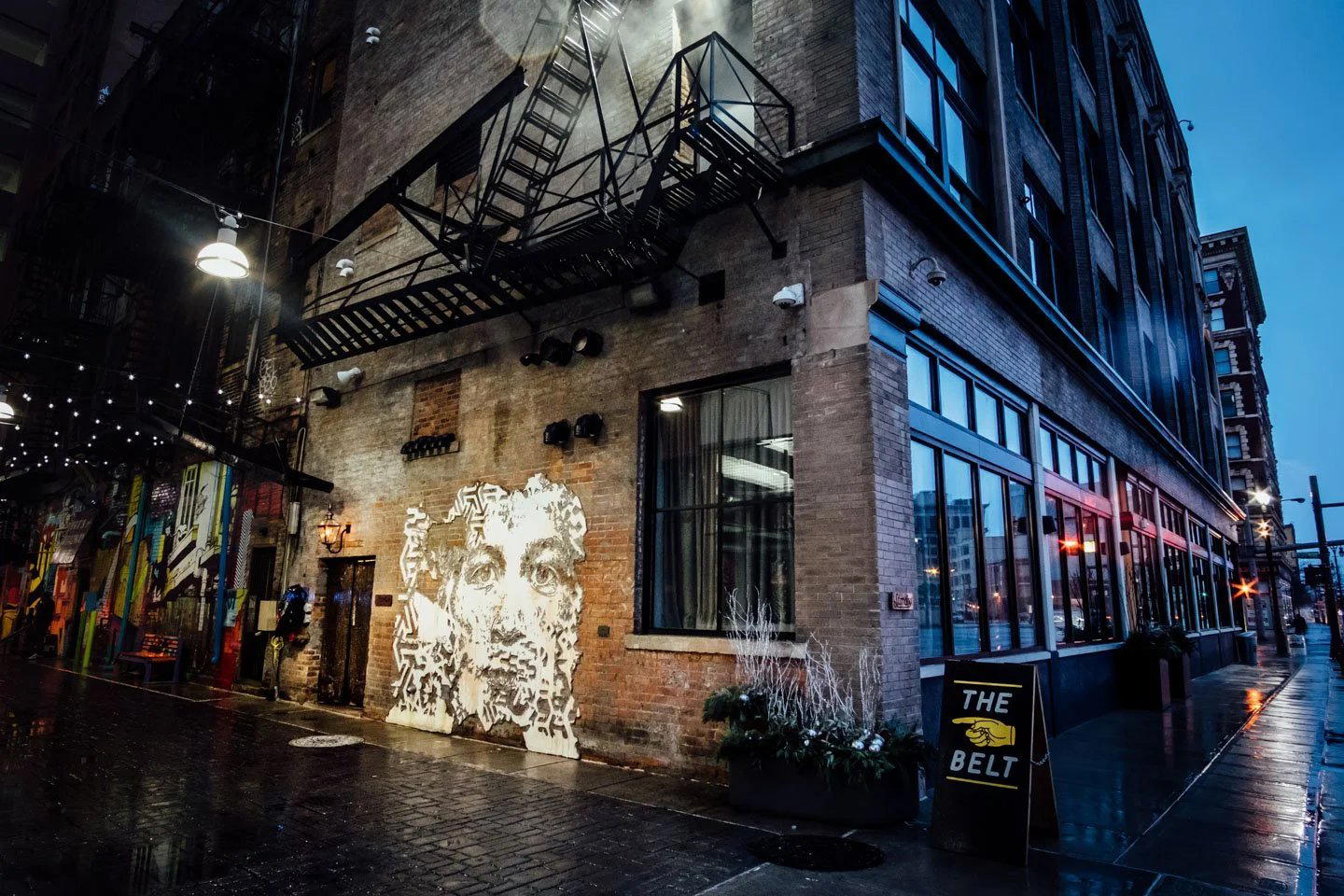
Fixins Soul Kitchen Detroit is located at 1435 Randolph Street in the heart of downtown, close enough to the main event venues that it absorbs game-day and show-night traffic alongside its regular clientele. Given the downtown address and the restaurant's community profile, arriving earlier in a dinner service window generally means more relaxed seating and a fuller selection. Contact details and current hours are best confirmed through Google or the restaurant directly, as the venue database does not yet carry that information. For a broader sense of what else is worth your time in the neighborhood before or after, the EP Club Detroit guide provides current editorial coverage across dining categories. For those comparing notes across American fine dining or regional cooking at the highest documented level, reference points like Atomix in New York City, Providence in Los Angeles, The Inn at Little Washington, and Atelier Moessmer Norbert Niederkofler in Brunico show the full spectrum of what serious culinary hospitality looks like across formats and price points. Fixins sits at a different coordinate on that map, but it occupies its position with conviction.
At a Glance
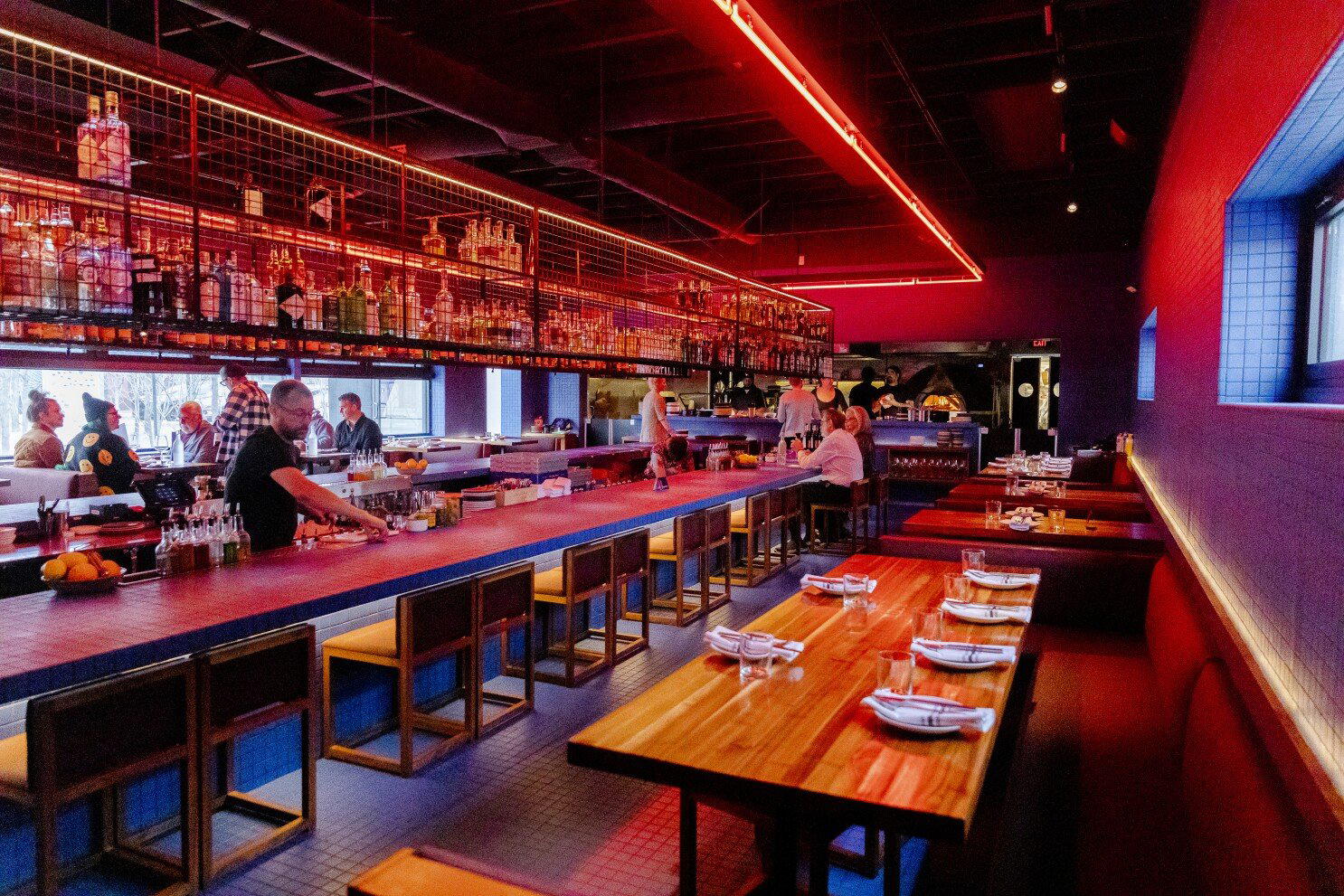
- Lively
- Energetic
- Casual Hangout
- Group Dining
- Family
- Open Kitchen
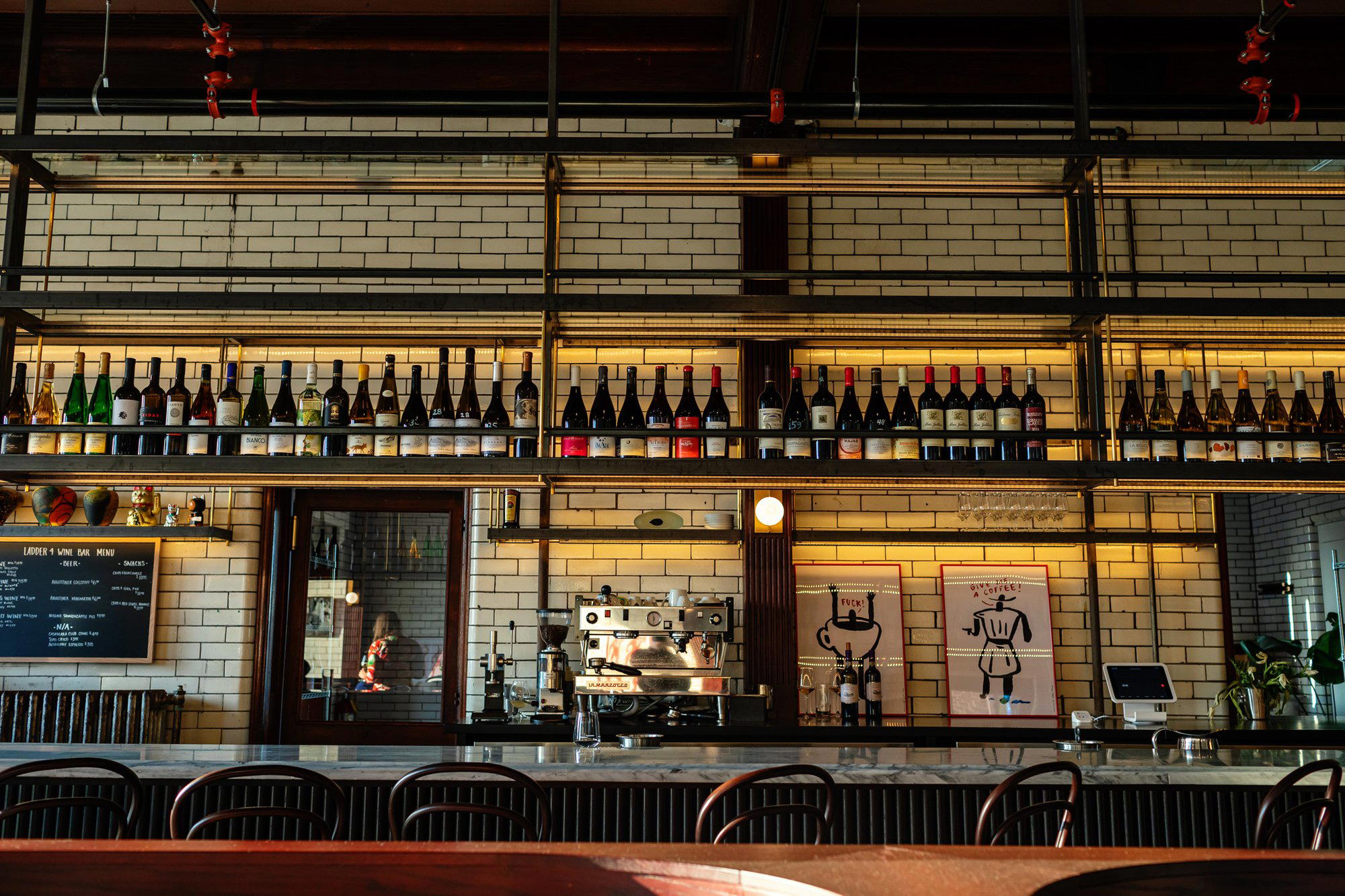
- Craft Cocktails
Current opening hours
- Monday
- 11 AM–9 PM
- Tuesday
- 11 AM–9 PM
- Wednesday
- 11 AM–9 PM
- Thursday
- 11 AM–9 PM
- Friday
- 11 AM–11 PM
- Saturday
- 10 AM–11 PM
- Sunday
- 10 AM–9 PM
Hours can change for holidays and private events. Last verified .
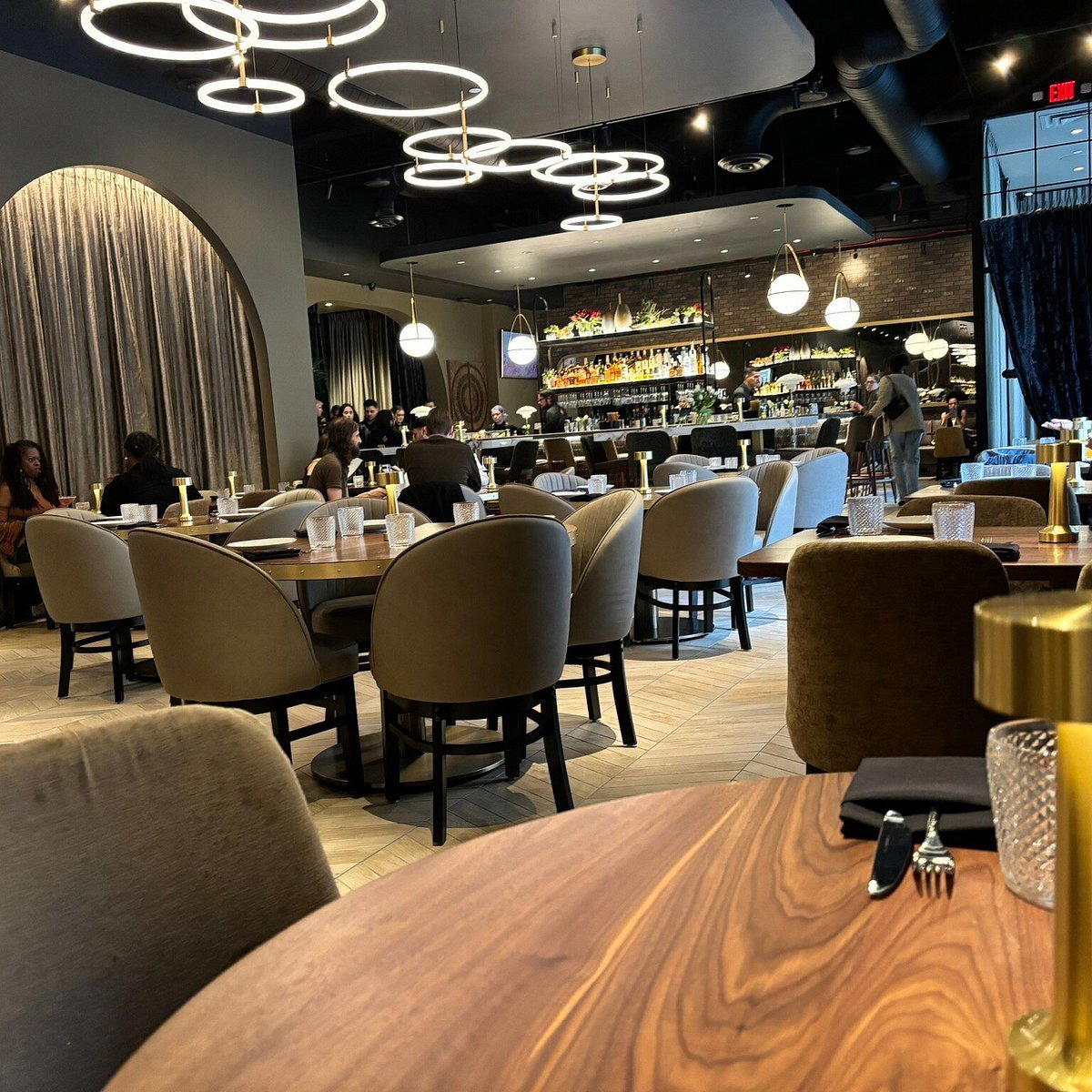
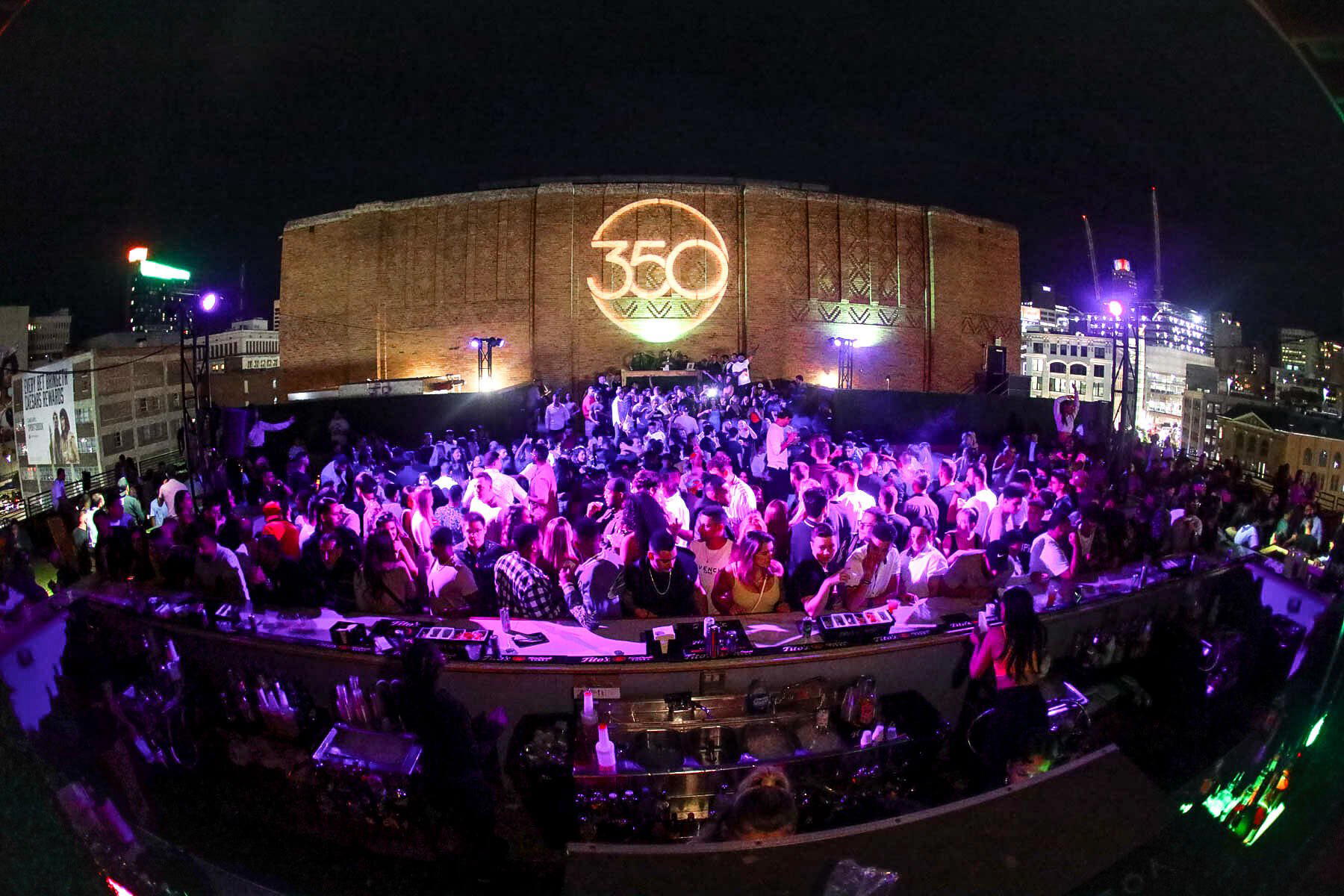
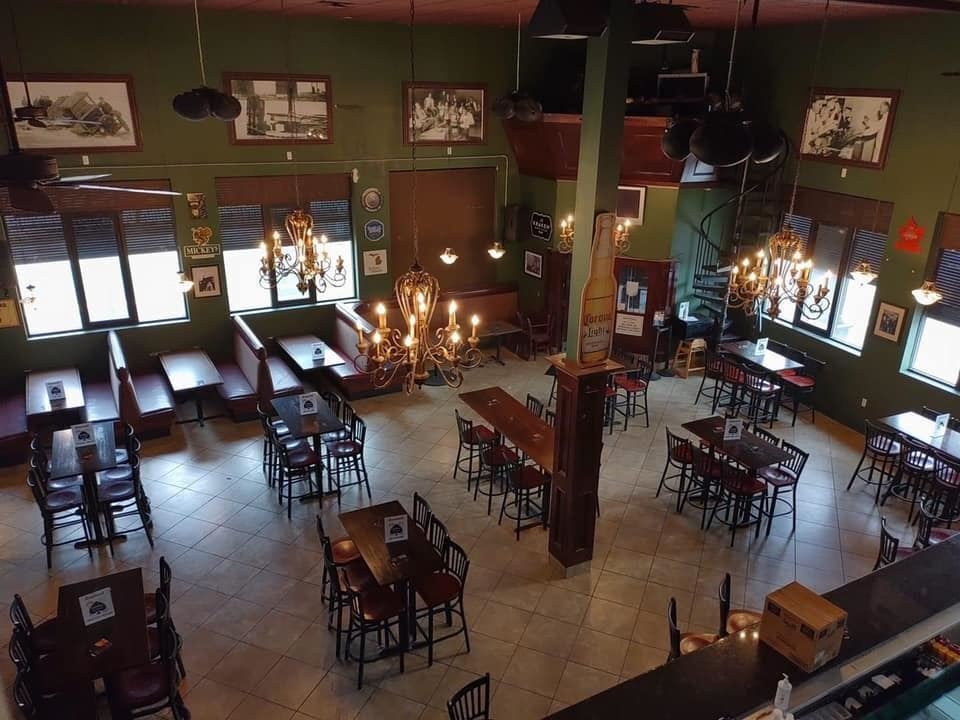
Lively and loud with music and entertainment, creating an energetic dining vibe.
Know Before You Go
- Getting there
- 1435 Randolph Street, Detroit, MI 48226