Five O'Clock Steakhouse

Wine Spectator Award of Excellence
Our verdict
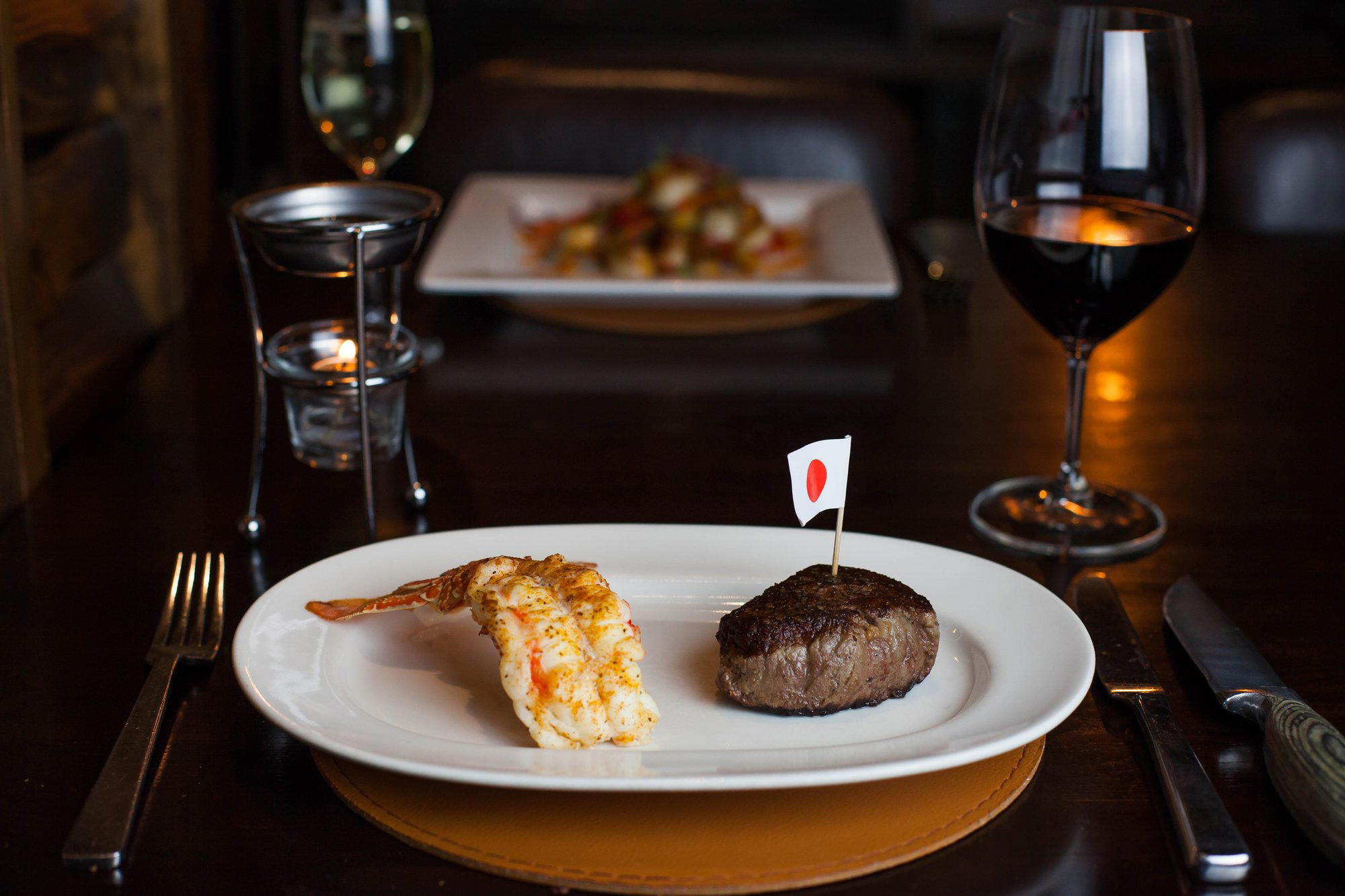
Classic Wisconsin steakhouse cooking, an extensive wine list, and craft cocktails shape Five O'Clock Steakhouse for dinner, with prime rib and filet medallions with crab meat on the menu.

Pearl is the En Primeur Club membership app, where members save venues, book tables and use the concierge.
The menu
What to order
- 16-ounce center-cut filet mignon
- 21-ounce bone-in rib eye
- Prime rib
- Filet medallions with crab meat
West Side Institution
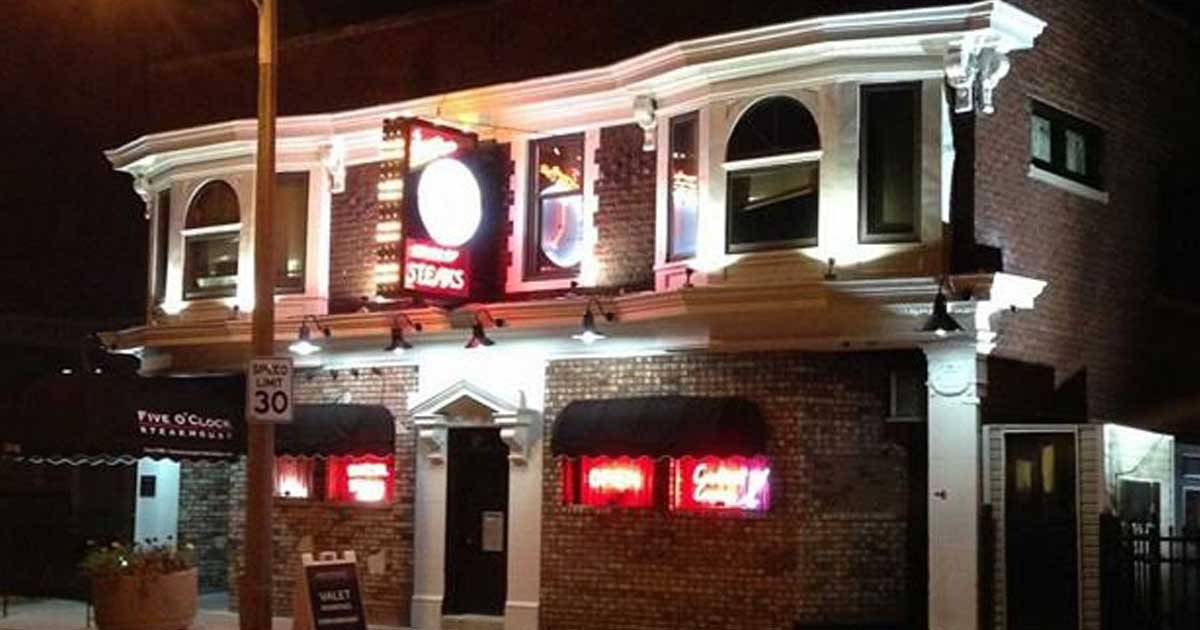
On West State Street, a few miles removed from the lakefront dining corridor that draws most of Milwaukee's outside attention, Five O'Clock Steakhouse occupies a building that looks as though it has been settling comfortably into its neighborhood for decades. The red-lit dining room, the kind of space where the banquettes are deep and the lighting stays low regardless of season, belongs to a category of American steakhouse that has largely disappeared from major cities: the neighborhood anchor with a regulars-first orientation, where the room reads its returning customers as easily as any menu. Milwaukee has held onto a handful of these rooms longer than most comparable Midwestern cities, and Five O'Clock is among the most discussed when locals talk about where the tradition survives.
What Keeps People Coming Back
The steakhouse regular operates on a different logic than the occasion diner. For the occasion diner, novelty carries weight: a new tasting menu format, a seasonal ingredient pivot, a chef whose name appeared recently in print. For the regular, the calculus inverts. Consistency becomes the value proposition. The ability to walk into a room and know precisely what you are going to get, and to trust that the kitchen will deliver it to the same standard it did the last fifteen times, is itself a form of craft. Five O'Clock has built its following on that proposition, which is why the room skews toward people who have been eating there for years rather than visitors checking it off a list.
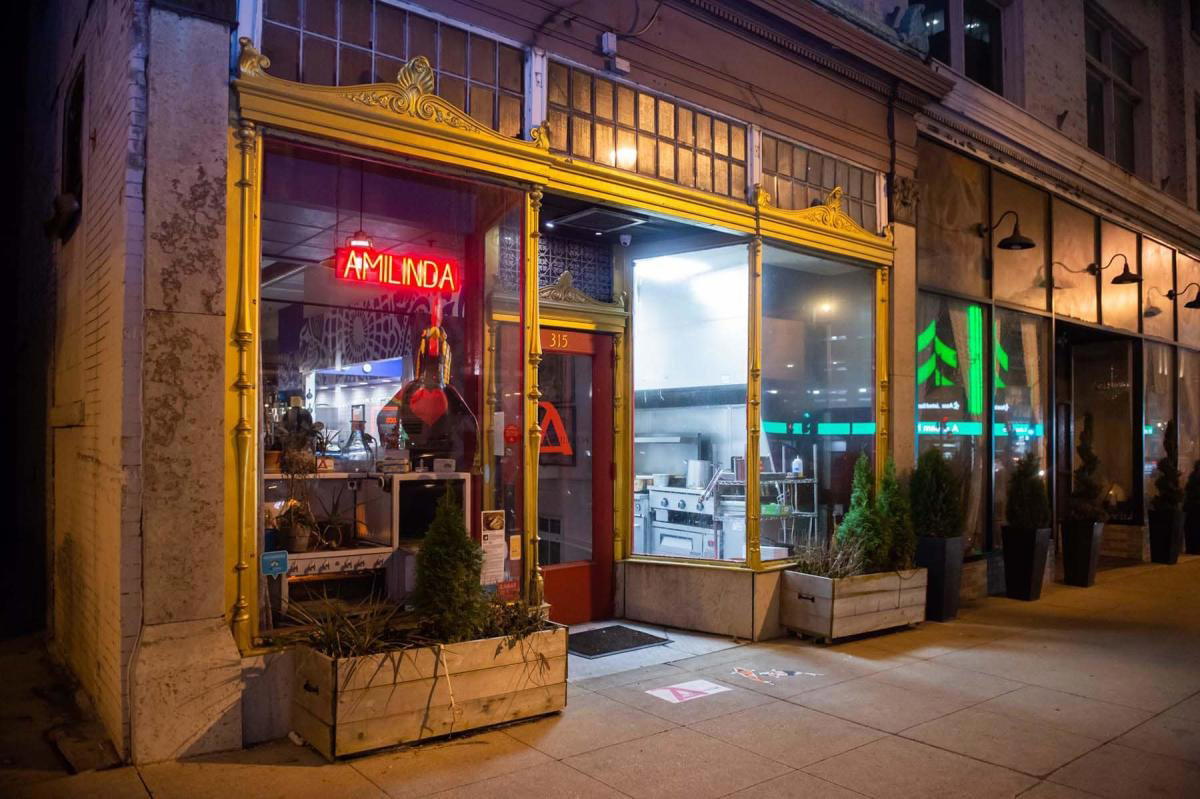
In Milwaukee's dining scene, this kind of loyalty-driven room sits in a distinct bracket. Restaurants like Bacchus, A Bartolotta Restaurant and Bartolotta's Lake Park Bistro serve the occasion-dining end of the market with polished service and broad wine programs. Amilinda and Birch occupy the forward-leaning creative tier. Five O'Clock operates in a separate register: the supper club and classic American steakhouse tradition that Wisconsin maintained well past the point where it faded in New York or Chicago. Understanding Five O'Clock means understanding that tradition rather than measuring the restaurant against what it is not.
The Wisconsin Supper Club Tradition
The supper club is a specifically Midwestern format, and Wisconsin is its strongest remaining holdout. The format combines a full bar program, often with an old fashioned mixed tableside or at a dedicated cocktail station, with a menu structured around beef, relish trays, and bread service that arrives before the meal proper. The pacing is deliberate. There is no pressure to turn the table. The drink arrives first, the menu follows, and the expectation is that an evening here occupies two to three hours without anyone treating that as unusual. This is structurally different from the modern urban steakhouse, which has imported efficiency norms from fine dining and tends to move tables faster. The supper club, at its core, is designed around the idea that dinner is the event, not the prelude to one.
Five O'Clock sits squarely in that tradition. The address on West State Street places it in a residential and commercial west side neighborhood rather than the downtown or Historic Third Ward corridors where most visitors spend their dining dollars. That location is part of the restaurant's character: this is a room that serves the people who live near it and the regulars who drive across the city for it, not a room positioned to intercept tourist traffic.
How It Compares Nationally
The American steakhouse has diversified considerably at the upper end of the market. Restaurants like Le Bernardin in New York City, The French Laundry in Napa, or Smyth in Chicago represent the fine dining end of the American restaurant spectrum, where tasting menus and sourcing narratives define the guest experience. At the other end, casual chains have commodified the steakhouse format entirely. The interesting middle ground is the independent, long-tenured steakhouse that has maintained its own identity through both of those pressures. Venues like Emeril's in New Orleans, with its own form of loyal local following, demonstrate how regional identity can anchor a restaurant against national trends. Five O'Clock belongs to that conversation: it is not competing with Providence in Los Angeles or Addison in San Diego for the same diner, and it is not trying to.
Internationally, the idea of a deeply local, regulars-first dining room operating at the upper end of its own tradition has parallels in restaurants as different as Atelier Moessmer Norbert Niederkofler in Brunico, where regional rootedness defines the culinary identity, or Lazy Bear in San Francisco, which built a following through a community-oriented format before formalizing into a full restaurant. The form varies; the principle of a room that knows its audience does not.
The Milwaukee Context
Milwaukee's dining scene has been reorienting for the better part of a decade. Newer restaurants, including The Diplomat, have added contemporary formats and creative programming to the city's dining options, building toward a more varied scene than the city had ten years ago. That development runs alongside, rather than displacing, the older institutions. The restaurants that have lasted in Milwaukee tend to have done so because they serve a specific community function that newer formats have not made redundant. Five O'Clock's west side location and its supper club DNA place it in the category of rooms that persist because they are doing something genuinely different from what the newer generation of Milwaukee restaurants offers. See our full Milwaukee restaurants guide for the broader picture of how these tiers interact across the city.
For context on how other American cities have handled the relationship between their long-standing institutions and newer fine dining arrivals, Blue Hill at Stone Barns in Tarrytown, Single Thread Farm in Healdsburg, Atomix in New York City, and The Inn at Little Washington in Washington each represent how deeply local identity can coexist with national recognition when a restaurant commits to a specific point of view over time.
Planning Your Visit
Five O'Clock Steakhouse is located at 2416 W State St, Milwaukee, WI 53233, on the city's west side. Given the restaurant's standing in the Milwaukee dining community and its regulars-heavy clientele, weekend evenings fill well in advance; anyone visiting on a Friday or Saturday should plan accordingly. The west side location is a short drive from downtown but sits outside the immediate walkable radius of most hotel clusters, so arriving by car or rideshare is the practical approach for most visitors. Dress expectations at classic Milwaukee steakhouses of this era tend toward smart casual at minimum, though the room's character rewards treating it as a proper evening out rather than a casual stop.
Frequently asked questions
What's Five O'Clock Steakhouse's location?
Five O'Clock Steakhouse is located at 2416 W State St, Milwaukee, WI 53233, Milwaukee.
Is Five O'Clock Steakhouse a true Wisconsin supper club, and what does that mean for the dining experience?
Five O'Clock operates squarely within the Wisconsin supper club format, a specifically Midwestern tradition that distinguishes itself from conventional steakhouses through unhurried pacing, a full cocktail program that precedes the meal, and inclusive sides bundled with entrees rather than à la carte pricing. The format is most intact in Wisconsin, and Five O'Clock on West State Street in Milwaukee is one of the city's longest-running examples of it. Expect the meal to unfold over two or more hours by design, not by accident.
What should I order at Five O'Clock Steakhouse?
Aged prime beef is the structural centerpiece of the menu, and the cuts are the reason most regulars return. In the Wisconsin supper club tradition, the meal typically opens with a relish tray and soup or salad included with the entree, so the full sequence matters as much as the main course. Order accordingly and give the kitchen the time it expects.
Should I book Five O'Clock Steakhouse in advance?
Weekend reservations at Five O'Clock are advisable. The restaurant draws a loyal regular base at 2416 W State St that fills tables on Friday and Saturday without much reliance on walk-in traffic. If you are planning a weeknight visit, your odds improve, but calling ahead remains the safer approach given the restaurant's standing in Milwaukee's west side dining scene.
Cuisine Context
Comparable venues nearby, for context on price, style, and recognition.
| Venue | Cuisine | Price | Awards | Notes |
|---|---|---|---|---|
| Five O'Clock SteakhouseThis venue (the venue you are viewing) | Classic Wisconsin Steakhouse | $100–150 | Wine Spectator Award of Excellence | Not listed |
| Mo's...A Place for Steaks | Classic Steakhouse | $50–100 | Not listed | Kilbourn Town |
| Carnevor | Modern Steakhouse | Not listed | Wine Spectator Best of Award of Excellence | Juneau Town |
| Odd Duck | Modern American Small Plates with Global Influences | $50–100 | James Beard Award Semi Finalist | Walker'S Point |
| Cafe Hollander | Dutch-Belgian Café | $20–30 | Not listed | Northpoint |
| Bartolotta's Lake Park Bistro | Classic French Bistro | $50–100 | Star Wine List · James Beard Award Best Chefs | Northpoint |
Recognition history
Dated appearances from independent guides and award organizations, with the underlying list record or original source where available.
Wine Spectator Award of Excellence
Wine Spectator
Continue exploring
More in Milwaukee
Restaurants in Milwaukee
All restaurants in Milwaukee →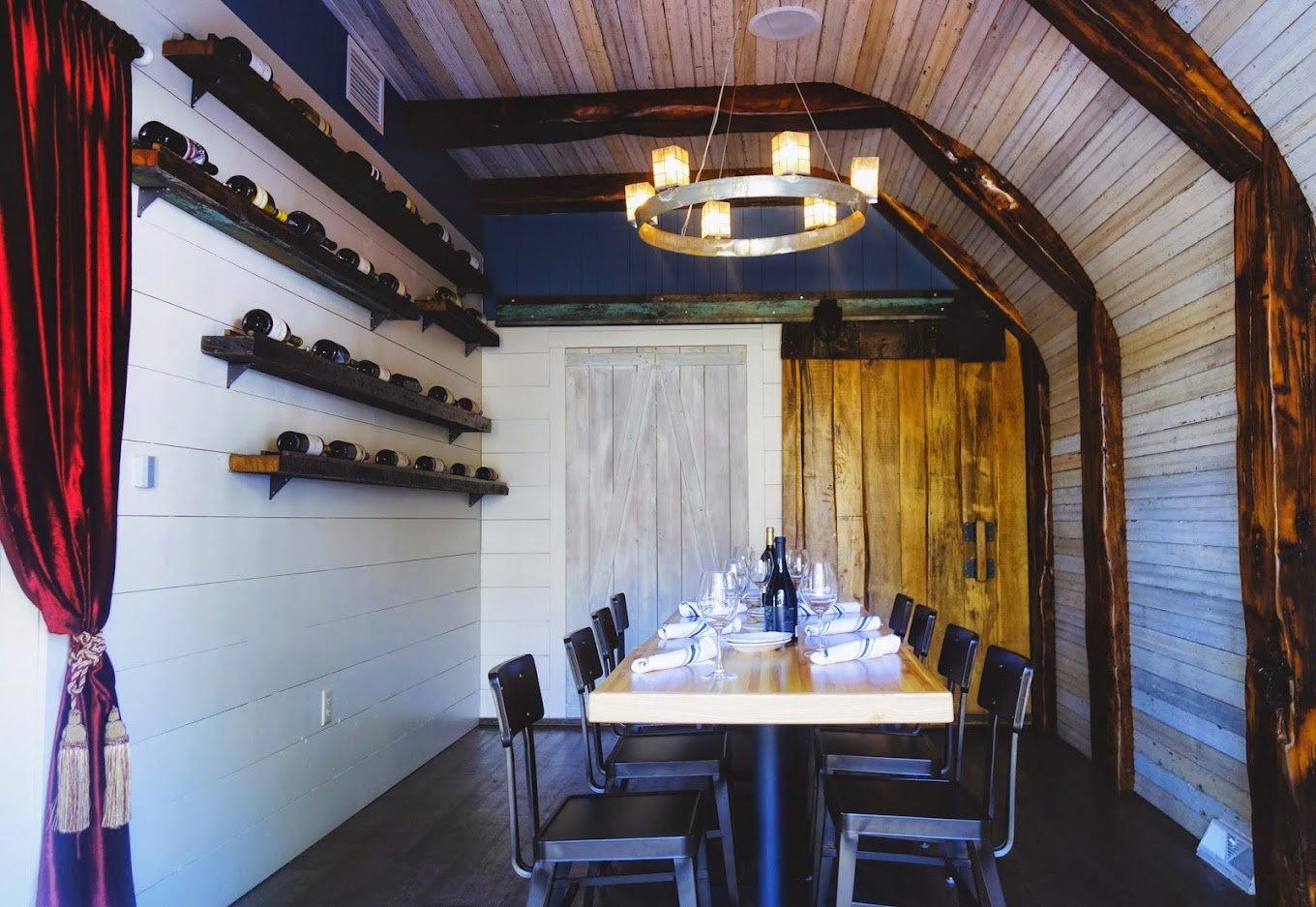
Five O'Clock Steakhouse
The wine
Five O'Clock Steakhouse holds the Wine Spectator Award of Excellence, which Wine Spectator gives to lists of usually 90 or more selections.
- Wine Spectator
- Wine Spectator Award of Excellence
- Extensive wine list
- Craft cocktails
Details
- Classic
- Well Known
- Elegant
- Cozy
- Sophisticated
- Date Night
- Business Dinner
- Group Dining
- Celebration
- Special Occasion
- Live Music
- Private Dining
- Historic Building
- Standalone
- Extensive Wine List
- Craft Cocktails
- A La Carte
- Family Style
- Brandy Old Fashioned
- Classic Cocktails
- Wine
Current opening hours
- Monday
- Closed
- Tuesday
- 4:30–8:30 PM
- Wednesday
- 4:30–8:30 PM
- Thursday
- 4:30–8:30 PM
- Friday
- 4:30–9 PM
- Saturday
- 4–9 PM
- Sunday
- Closed
Hours can change for holidays and private events. Hours as of .
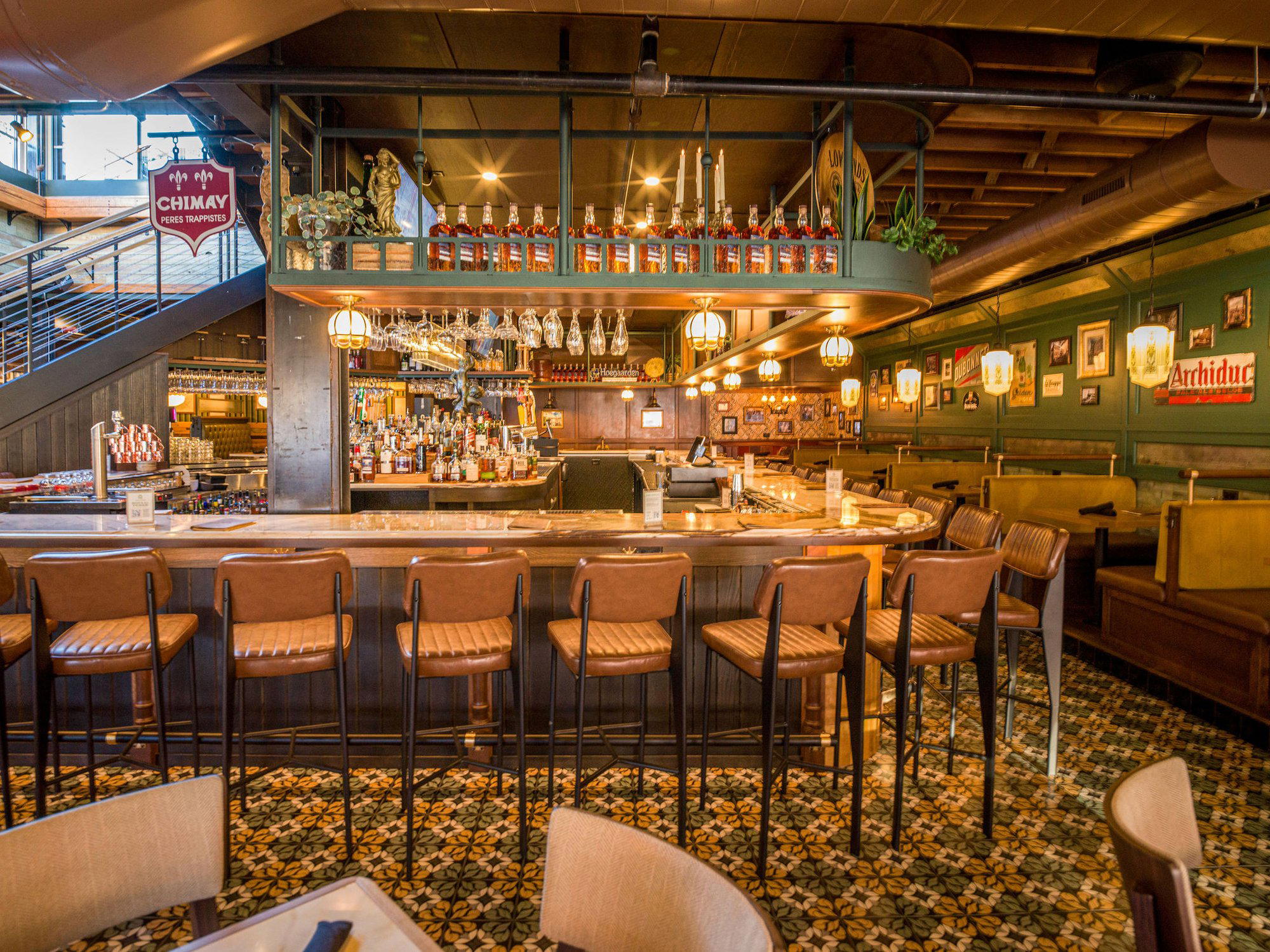
Softly lit with dark wood paneling, cozy padded bar, and year-round Christmas decorations evoking a 1950s North Woods supper club; historic early 1900s building with hand-cut limestone facade.