Fitou
Fitou sits at 1-3 Dalgarno Gardens in West London's W10, a neighbourhood where independent restaurants have quietly built a following away from the West End circuit. The address places it within a local dining culture that values regulars over tourists, a context that shapes how a meal here tends to unfold. For visitors tracking London's wider restaurant geography, it belongs on the same itinerary as the capital's more considered neighbourhood tables.
Pearl is the En Primeur Club membership app — saves, bookings, and concierge access live there. Same editors, same standards.
- Address
- 1-3 Dalgarno Gardens, London W10 5LL
- Phone
- +44 20 8964 5238
- Website
- fitourestaurant.co.uk
- Directions
- Get directions
 Saves & bookings on Pearl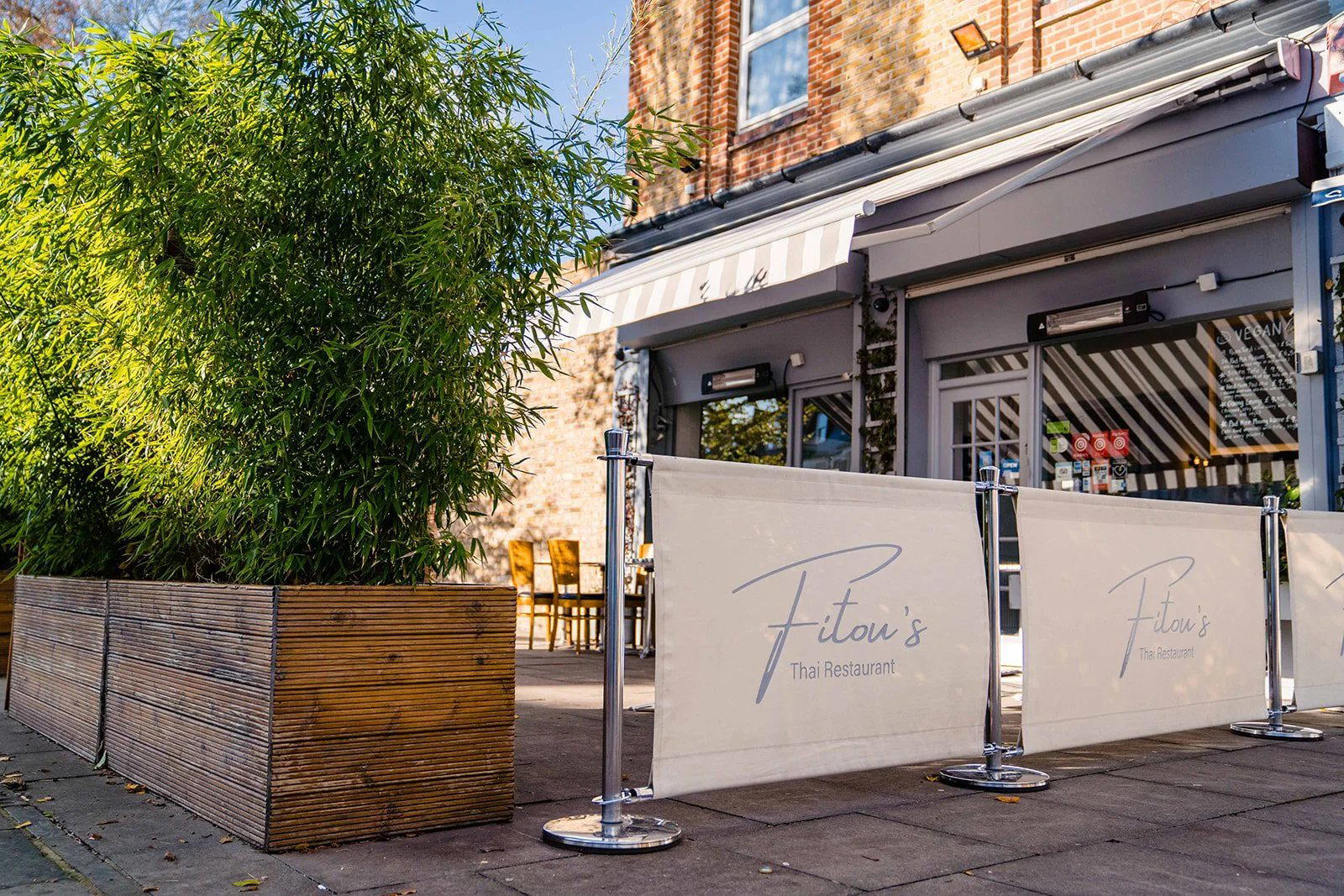
West London's Neighbourhood Dining Tradition
London's premium restaurant geography has long been weighted toward Mayfair, Chelsea, and the City, where Michelin recognition clusters around addresses like CORE by Clare Smyth, Restaurant Gordon Ramsay, and Sketch, The Lecture Room and Library. But a parallel tradition has developed further west and north, in postcode zones where the dining room is part of the community rather than a destination imported into it. The W10 corridor, running through North Kensington and into Ladbroke Grove, has accumulated a quiet critical mass of neighbourhood restaurants that operate on a different register: smaller rooms, less theatre, and a meal paced by the kitchen's rhythm rather than the front-of-house's performance.
Fitou, at 1-3 Dalgarno Gardens, sits within that tradition. The address is in W10 rather than a destination postcode in the way that, say, the Chelsea addresses of The Ledbury or Dinner by Heston Blumenthal carry automatic prestige. That is, in part, the point. Restaurants in this tier tend to attract a local following first and a wider audience later, which changes the social contract of the meal from the outset.
The Ritual of the Neighbourhood Meal
Dining at a neighbourhood restaurant in West London carries its own customs, distinct from the formal tasting-menu ceremony that governs three-star rooms. The pacing is less choreographed. Tables turn, or they do not, depending on how the evening develops. Conversation carries from table to table in rooms where the acoustics were never designed for hushed discretion. The meal is a social occasion first, a gastronomic one second, and that ordering of priorities shapes everything from how dishes are described to how long you are expected to sit.
This contrasts with the tighter rituals at the summit of the London market, where the sequence of courses, the explanation of each dish, and the management of the table's time are as considered as the cooking itself. At venues like The Fat Duck in Bray or L'Enclume in Cartmel, the dining ritual is a structure the kitchen imposes on the evening. At a neighbourhood table, that structure is negotiated between the room and the diner, often informally, often pleasurably. The difference is not a quality judgment; it is a genre distinction.
British neighbourhood restaurants have been shaped by waves of European and global influence over the past thirty years. The southern French reference embedded in Fitou's name points toward a culinary tradition, the Languedoc, the Roussillon borderlands, the strong wine-growing south, that has found a receptive audience in London's neighbourhood rooms since at least the early 1990s, when the city's casual French bistro culture first took hold outside the West End. That regional French influence sits differently from the formal classical French tradition that underpins addresses like Restaurant Gordon Ramsay; it is earthier, more wine-forward, less concerned with technical display.
W10 and Its Dining Character
Dalgarno Gardens occupies a quiet residential pocket of W10 that sits between the more trafficked Portobello Road market corridor and the Wormwood Scrubs green space to the northwest. The immediate neighbourhood is residential in character, with the restaurant trade concentrated on short commercial strips rather than extended dining streets. This geography encourages repeat custom: the restaurants that survive here do so because local residents return, not because destination diners make special trips.
That dynamic has produced, across W10 and the neighbouring W11, a culture of restaurants that reward familiarity. You learn the menu's rhythms. You understand which nights are quieter. You develop a relationship with the room that is impossible at a destination table where you may wait months for a booking and sit once a year. The dining ritual, in this context, accumulates meaning across multiple visits rather than compressing everything into a single high-stakes evening.
For visitors to London approaching the city's restaurant geography strategically, this neighbourhood tier complements rather than competes with the starred rooms. A meal at Moor Hall in Aughton or Gidleigh Park in Chagford tells you something about formal British cooking at its most technically accomplished. A meal in a West London neighbourhood room tells you something different: about how the city actually eats, on a Tuesday, without a special occasion as pretext.
Placing Fitou in the Wider London Picture
London's restaurant scene in 2024 spans a wider range of formats and price points than at any previous moment. At one end, three-star rooms and their immediate peers charge upward of £200 per head for tasting menus that require advance booking windows of several months. At the other, a neighbourhood restaurant in W10 can deliver a complete evening for a fraction of that cost, without the logistical planning. Both formats are responses to what diners want from an evening out; they are not in direct competition.
The southern French regional tradition that Fitou's name invokes has produced particularly enduring neighbourhood restaurants in London. The Languedoc and Roussillon are wine regions as much as food regions, and a restaurant working within that reference tends to build its list around the same rustic, often undervalued producers that have supplied London's Francophile neighbourhood rooms since the mid-1990s. That is a different proposition from the prestige Burgundy and Bordeaux lists at the summit of the market, and it attracts a different kind of regular.
For those building a London itinerary that ranges across formats, Hand and Flowers in Marlow, hide and fox in Saltwood, and Atomix in New York City each represent the more structured, credential-heavy end of the spectrum. Le Bernardin in New York City is the benchmark for formal seafood dining at that level. Fitou operates in a different register entirely, where the meal's value is measured in repetition and familiarity rather than singular occasion. Our full London restaurants guide maps both ends of this range, and our guides to London hotels, London bars, London wineries, and London experiences provide the surrounding context for a full visit.
Know Before You Go
- Address: 1-3 Dalgarno Gardens, London W10 5LL
- Neighbourhood: North Kensington / W10
- Booking: Reservation recommended
- Price range: About $20 per person
- Hours: Tue to Sun 12-3 PM and 6-10:30 PM; Mon closed
- Getting there: Ladbroke Grove and Latimer Road (Hammersmith and City / Circle lines) are the nearest Underground stations
Budget and Context
Comparable venues nearby, for context on price, style, and recognition.
| Venue | Cuisine | Price | Notes |
|---|---|---|---|
| FitouThis venue — the venue you are viewing | North Kensington, Authentic Thai | $$ | Not listed |
| Thai Tho Soho | Soho, Authentic Thai | $$ | Not listed |
| Rice Mill | Twickenham, Authentic Thai | $$ | Not listed |
| Esarn Kheaw | Not listed | $$ | White City, Northeastern Thai (Isaan) |
| Mantanah | Not listed | $$ | South Norwood, Authentic Regional Thai Cuisine |
| Budsara | Turnham Green, Thai | $$ | Not listed |
Continue exploring
More in London
Restaurants in London
Browse all →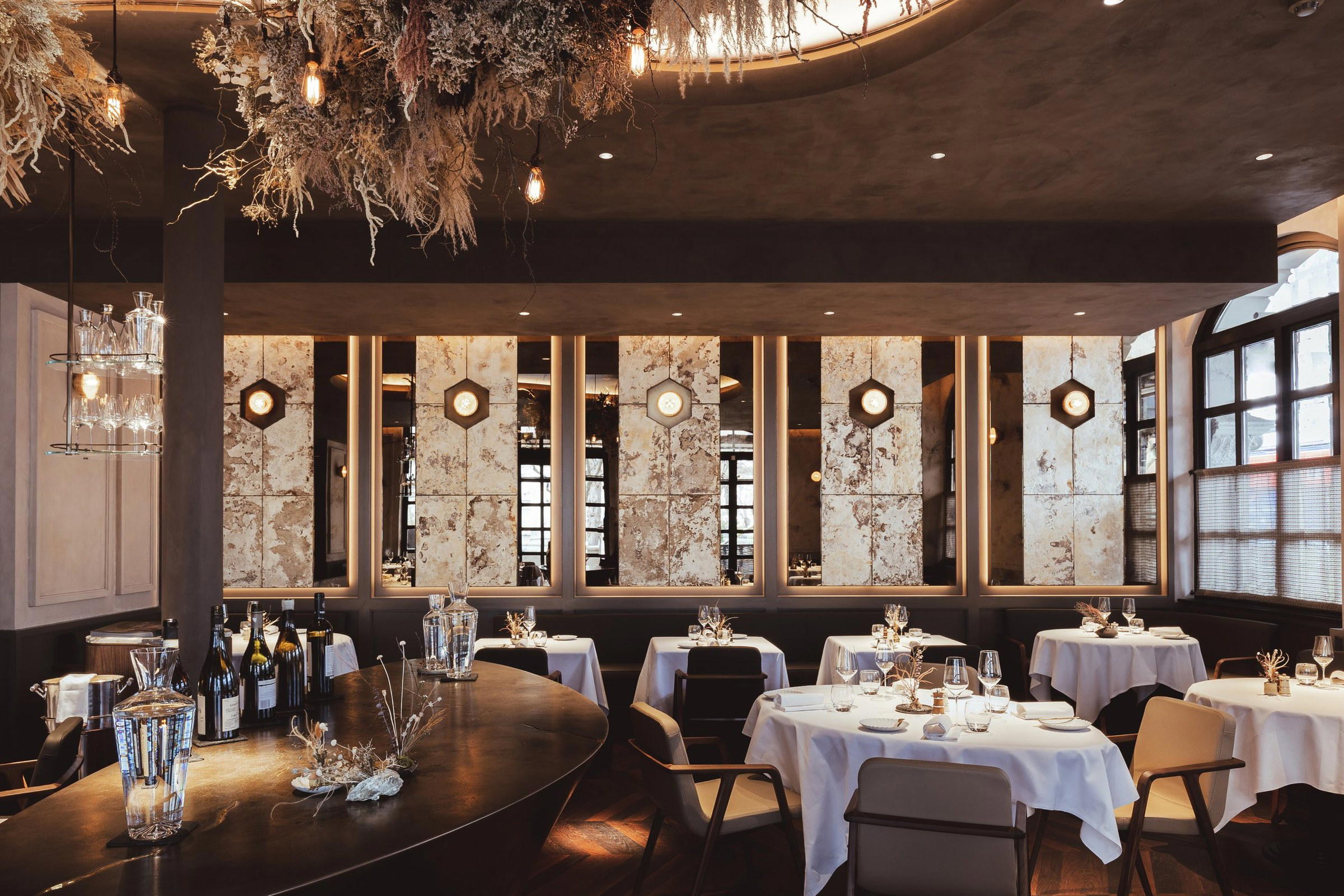
Bars in London
Browse all →
Hotels in London
Browse all →

At a Glance
- Cozy
- Casual Hangout
- Family
- Byob
Current opening hours
- Monday
- Closed
- Tuesday
- 12–3 PM, 6–10:30 PM
- Wednesday
- 12–3 PM, 6–10:30 PM
- Thursday
- 12–3 PM, 6–10:30 PM
- Friday
- 12–3 PM, 6–10:30 PM
- Saturday
- 12–3 PM, 6–10:30 PM
- Sunday
- 12–3 PM, 6–10:30 PM
Hours can change for holidays and private events. Last verified .
Nice ambient atmosphere with warmth and vibrancy, bustling yet welcoming.