Fin & Grape

A Bruntsfield neighbourhood bistro that earns repeat visits on the strength of its seafood small plates and a wine list with a pronounced French accent. Chef-patron Stuart Smith sources from Scottish waters and farms, sending out langoustines, salt cod mousse, and market fish specials alongside a broody basement wine bar stocked with tinned fish and snacks. The Good Food Guide has noted it as among the city's most consistent seafood addresses.
Pearl is the En Primeur Club membership app — saves, bookings, and concierge access live there. Same editors, same standards.
- Address
- 19 Colinton Rd, Bruntsfield Pl, Edinburgh EH10 5DP, United Kingdom
- Phone
- +44 131 452 8453
- Website
- finandgrape.com
- Directions
- Get directions
 Saves & bookings on Pearl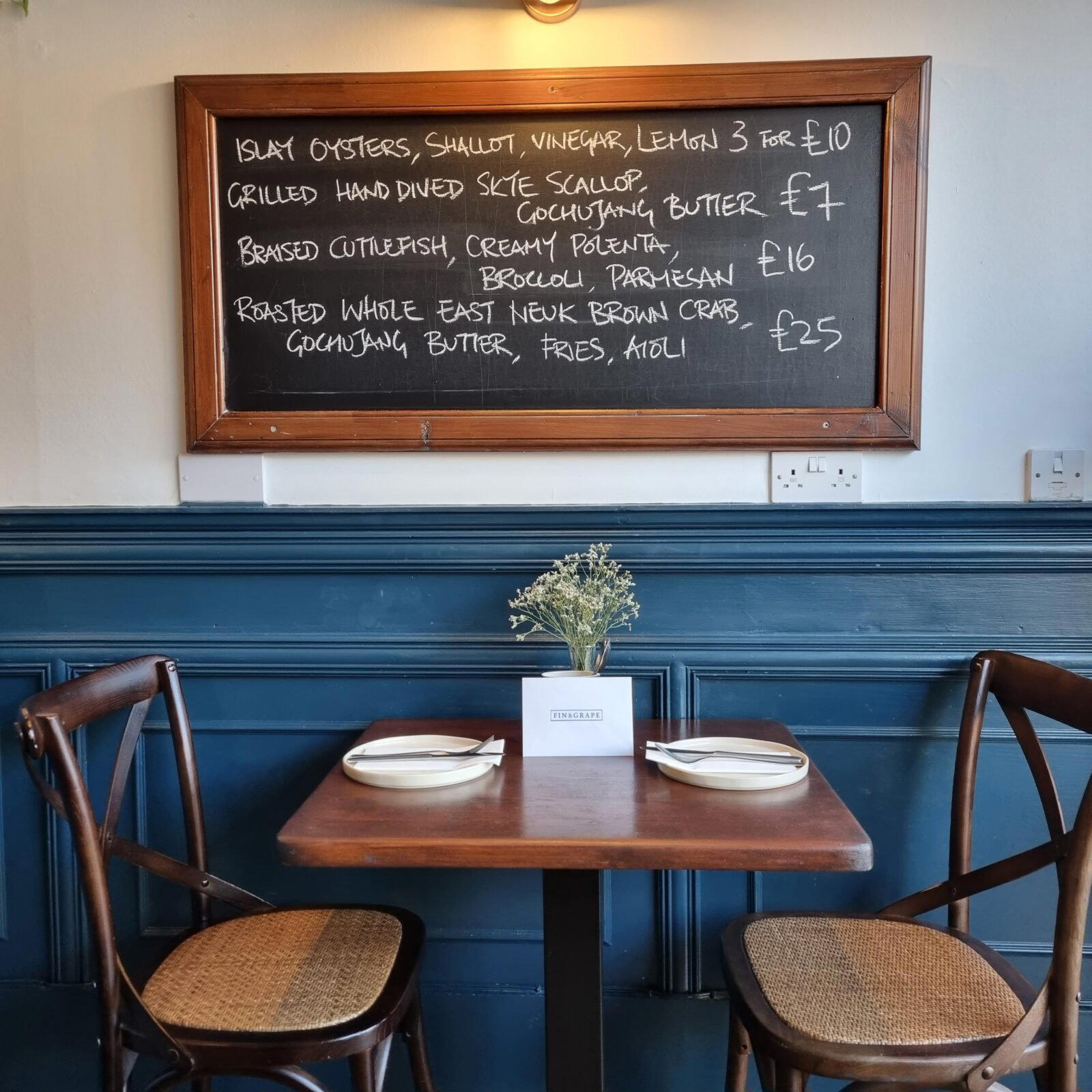
Bruntsfield's Quiet Argument for Edinburgh's Seafood Scene
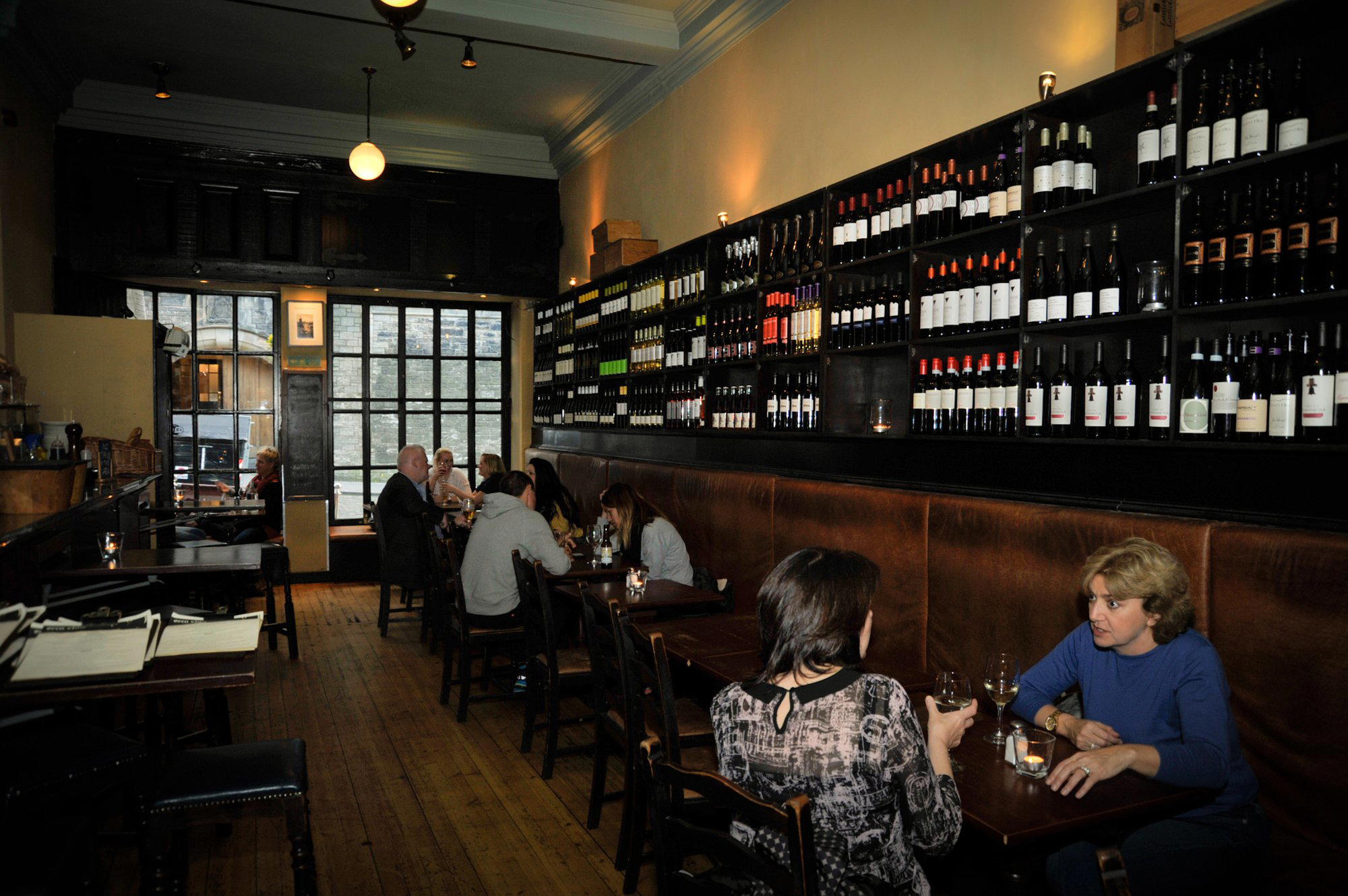
Colinton Road sits well south of the postcard circuit. There are no tourists navigating cobblestones here, no queues forming outside destination-name restaurants with press cuttings framed in the window. Bruntsfield runs on a different rhythm: a residential stretch where restaurants survive on repeat custom rather than footfall from the Royal Mile. Fin & Grape has earned its place in that ecology. At street level, the dining room is bright and deliberate in its lack of ceremony, whitewashed walls, unfussy tables, light that does not require Instagram filtration. Walk downstairs and the register shifts entirely: a basement wine bar with a broody atmosphere, the kind of low-lit room where tinned fish and a glass of something Gallic feel less like a trend and more like the obvious move.
Edinburgh's serious seafood conversation has traditionally taken place in Leith and Stockbridge, close to the water or to the city's established fine-dining corridor. The fact that one of the more consistent seafood kitchens in the city operates from a Bruntsfield postcode says something about how neighbourhood dining has matured across Edinburgh over the past decade. The cooking does not announce itself with complex architectural plating or imported luxury ingredients. It relies instead on sourcing Scottish waters and Scottish farms, and on the kind of technical precision that makes a piece of John Dory arrive at the table properly cooked rather than merely adequately cooked.
The Menu: Small Plates, Market Fish, and the Case for Restraint
Small plates form the engine of the menu, and they reward the approach that all small-plate formats require: ordering more than you think you need, eating slowly, and letting the kitchen set the pace. Salt cod mousse with herb oil and grilled sourdough is a fixture, and it earns its permanence. The mousse has the kind of salinity that anchors rather than overwhelms, the sourdough providing resistance and char in the right proportions. Gairloch langoustines with wild garlic mayo arrive with a colour, the emerald of the mayo against the coral of the shell, that tells you the kitchen understands that presentation does not require artifice, only timing and good produce. Pickled mussels with carrot, buckwheat, and fermented peach hot sauce represent the more forward-leaning register of the menu: a dish where fermentation and acidity are doing structural work rather than ornamental work.
The market fish specials extend the editorial logic of the small plates into a larger format. A John Dory on the bone with pak choi, carrots, fries, and aïoli is the kind of plate that benefits from a kitchen's confidence in not overcomplicating things. Sharing platters, noted specifically by regulars as a reason to return, place Fin & Grape in a format category that Edinburgh's more formal addresses, including The Kitchin and Martin Wishart, do not occupy. Those rooms operate at a different register and price point; the comparison is not competitive but contextual. Where Condita and AVERY lean into tasting-menu formalism, Fin & Grape's structure allows the table to self-direct, a meaningful distinction for returning customers who already know what they want to eat.
The kitchen does not retreat from land entirely. Denhead Farm asparagus with white beans, walnut, and guanciale represents the seasonal pivot that Scottish sourcing makes possible in late spring and early summer, when domestic asparagus arrives briefly and kitchens that are paying attention use it. Slow-cooked lamb shoulder with friggitelli peppers, roasted onion, and goat's curd completes the spread for tables that are not exclusively fish-focused. Desserts have drawn specific praise: a lemon posset noted by multiple visitors as properly tart rather than sweetened into submission, and a chocolate mousse with miso caramel and hazelnuts that lands the balance between salt, sugar, and bitterness without overclaiming on any front.
The Wine Program: French Foundations, Generous Pours
Wine list operates with a clear point of view. Its orientation is French, not in the exclusionary sense, but in the sense that French wines provide the spine from which other selections branch. At least a dozen options by the glass makes the list accessible for tables that want to drink differently across courses, which is the right approach for a small-plates format where dishes change register between rounds. A separate cellar list exists for those who want to treat the meal as an occasion rather than a Tuesday evening, a quiet acknowledgment that Bruntsfield residents sometimes want to open something serious.
Basement wine bar operates as a secondary destination in its own right. Tinned fish and booze-friendly snacks serve a different purpose than the dining room above: lower commitment, higher spontaneity, the possibility of arriving without a reservation and leaving satisfied. This two-tier format, casual bar below, proper dining room above, is less common in Edinburgh than it has become in London or in European cities where aperitivo culture has taken structural hold. Fin & Grape's version of it is specific to this neighbourhood and this kitchen rather than borrowed from a broader trend template.
Edinburgh's seafood reputation has largely been built by the Leith addresses and the tasting-menu rooms. At the broader UK level, seafood-forward cooking at the highest register means places like Moor Hall or L'Enclume, where the produce sourcing story and the tasting-menu architecture are inseparable. Internationally, the standard is set by rooms like Le Bernardin in New York. Fin & Grape is not making that argument for itself, its register is neighbourhood bistro, and it operates honestly within that frame.
Timberyard occupies the Nordic-influenced end of Edinburgh's modern cooking, and names like Waterside Inn, Gidleigh Park, and Hand and Flowers represent the country house and gastropub poles of British cooking at high confidence levels. Fin & Grape sits in none of those categories, it is a neighbourhood bistro that happens to cook fish with precision and source produce with intention, and the result is a room that brings Edinburgh's food-focused visitors across the city from Stockbridge and Leith.
Planning Your Visit
Fin & Grape is at 19 Colinton Road, in Bruntsfield, south of the Meadows and reachable from the city centre. The restaurant draws from a local residential base, which means weekends fill ahead of weekdays, those reservation is recommended. The basement wine bar functions on a more informal basis, making it a viable option for those arriving without a plan. Fin & Grape sits outside Edinburgh's main dining clusters, but the walk or short bus ride from the city centre is not a deterrent, it is part of the point.
- Salt cod mousse with herb oil and grilled sourdough
- John Dory on the bone with pak choi, carrots, fries and aïoli
- Gairloch langoustines with wild garlic mayo
- Pickled mussels with carrot, buckwheat and fermented peach hot sauce
- Smoked haddock croquettes with lovage mayo
- Chocolate mousse with miso caramel and hazelnuts
Peers You’d Cross-Shop
Comparable venues nearby, for context on price, style, and recognition.
| Venue | Cuisine | Price | Notes |
|---|---|---|---|
| Fin & GrapeThis venue — the venue you are viewing | Scottish Seafood & Wine | $$$ | Not listed |
| Bistronomy 176 | Greek & Turkish Mediterranean | $$$ | New Town |
| Angels with Bagpipes | Modern Scottish | $$$ | Old Town |
| Wedgwood The Restaurant | Modern Scottish | $$$ | St. Leonard's |
| Aurora | Modern European Fine Dining | $$$ | Leith |
| Café St Honoré | Classic French Bistro with Scottish Influences | $$$ | New Town |
Recognition history
Dated appearances from independent guides and award organizations, with the underlying list record or original source where available.
The Good Food Guide Good Food Guide Best Local Restaurant
The Good Food Guide
The Good Food Guide GFG Very Good
The Good Food Guide
Continue exploring
More in Edinburgh
Restaurants in Edinburgh
Browse all →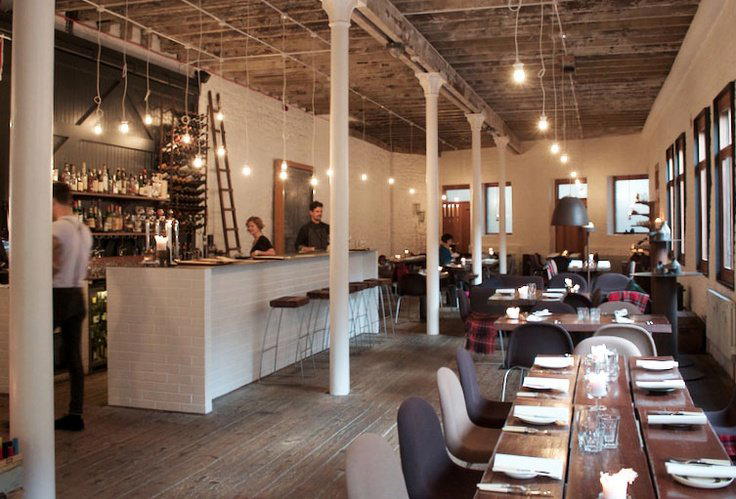
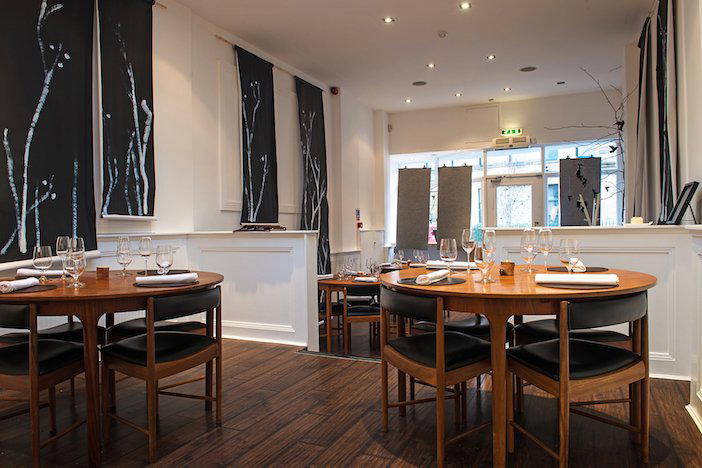
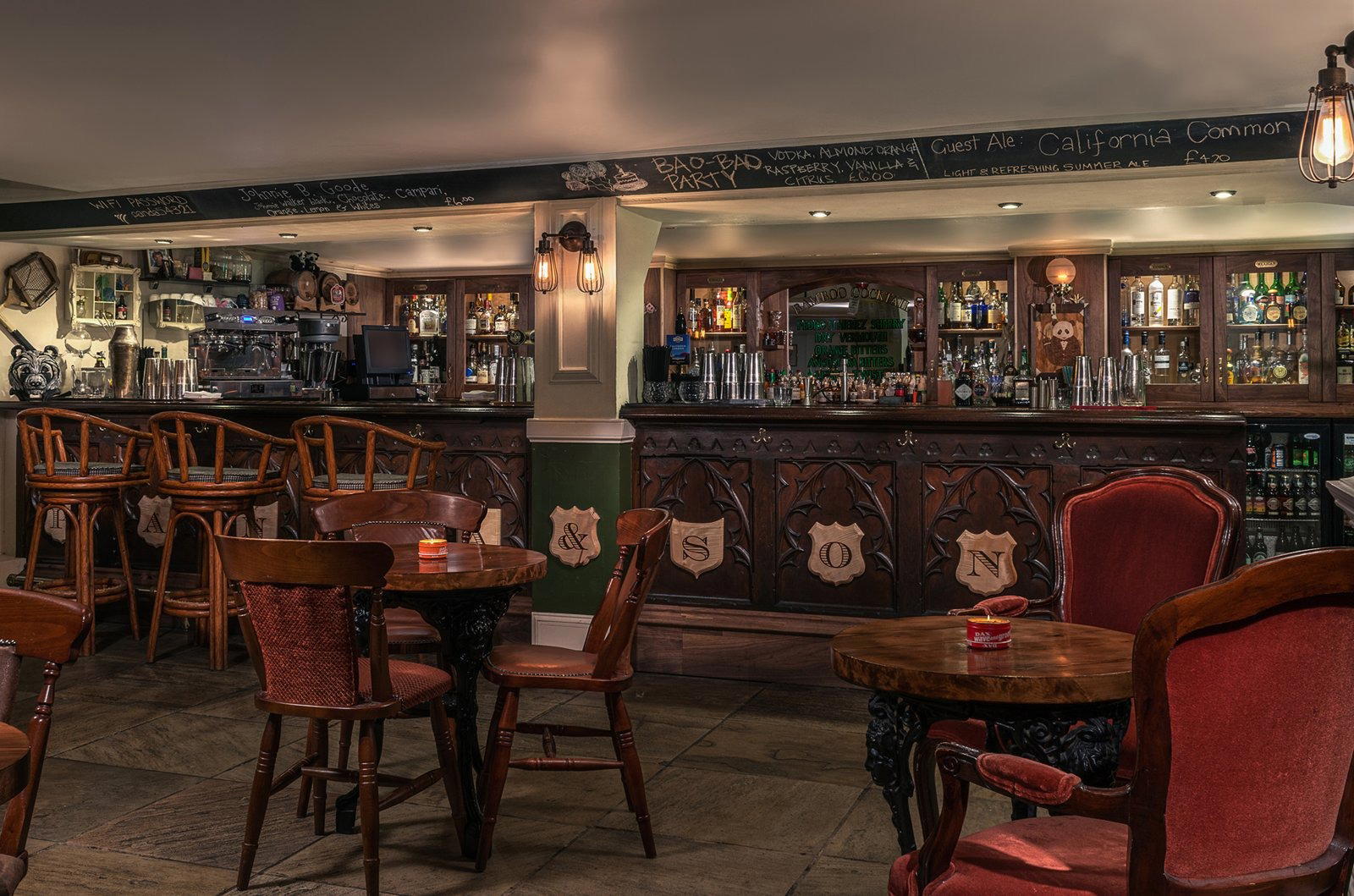
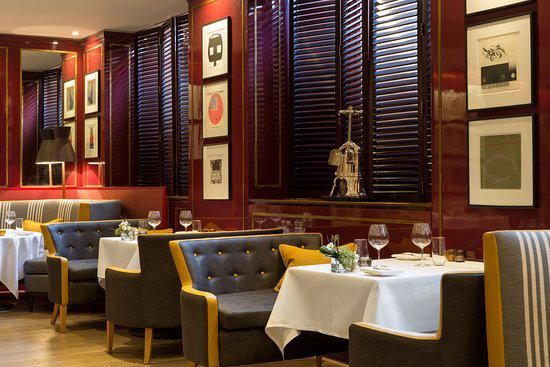
Bars in Edinburgh
Browse all →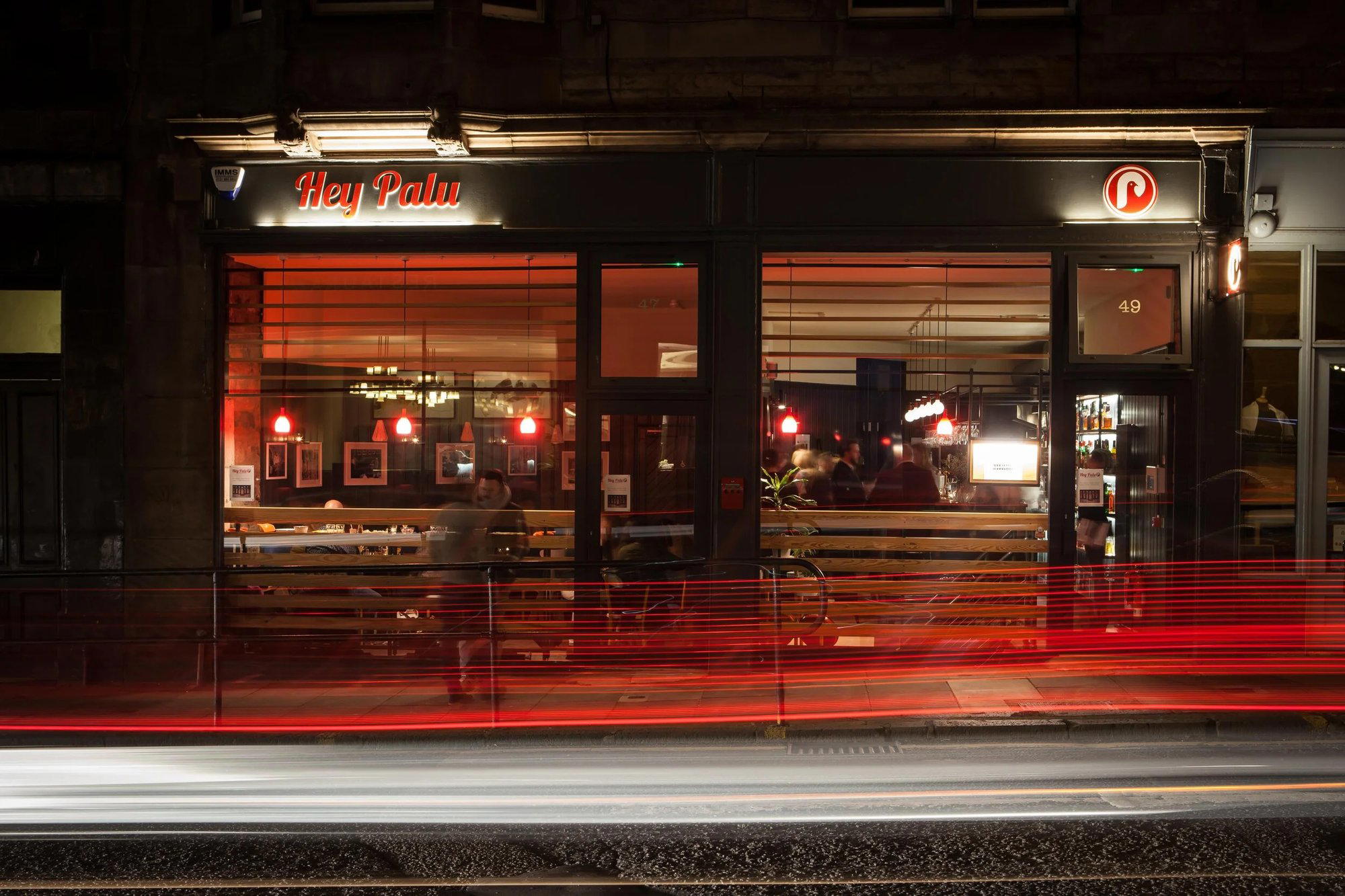
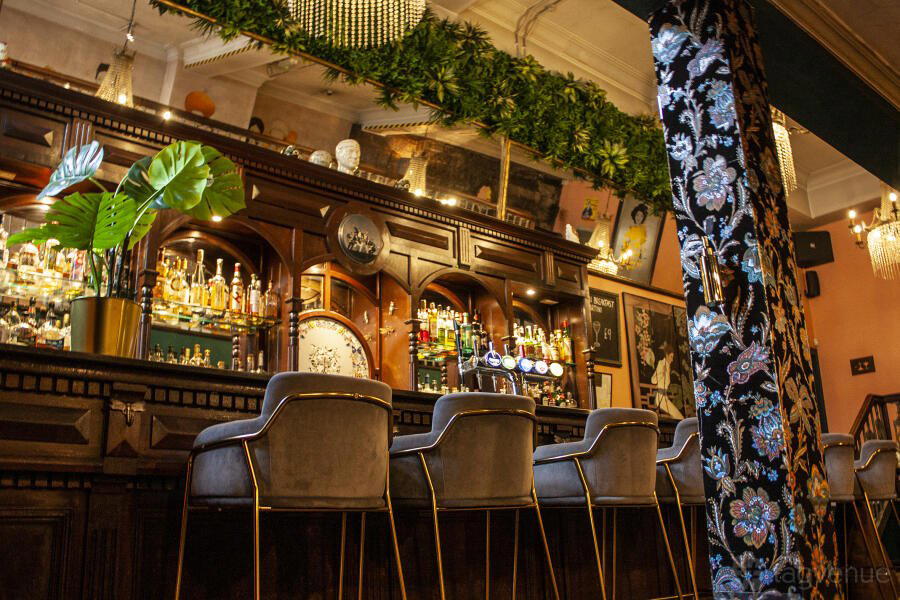


At a Glance
- Intimate
- Elegant
- Sophisticated
- Cozy
- Date Night
- Celebration
- Special Occasion
- Group Dining
- Casual Hangout
- Wine Cellar
- Private Dining
- Standalone
- Extensive Wine List
- Craft Cocktails
- Sommelier Led
- Local Sourcing
- Sustainable Seafood
Current opening hours
- Monday
- Closed
- Tuesday
- Closed
- Wednesday
- 5:30–8:45 PM
- Thursday
- 5:30–8:45 PM
- Friday
- 12–2 PM, 5:30–9 PM
- Saturday
- 12–2 PM, 5:30–9 PM
- Sunday
- Closed
Hours can change for holidays and private events. Last verified .
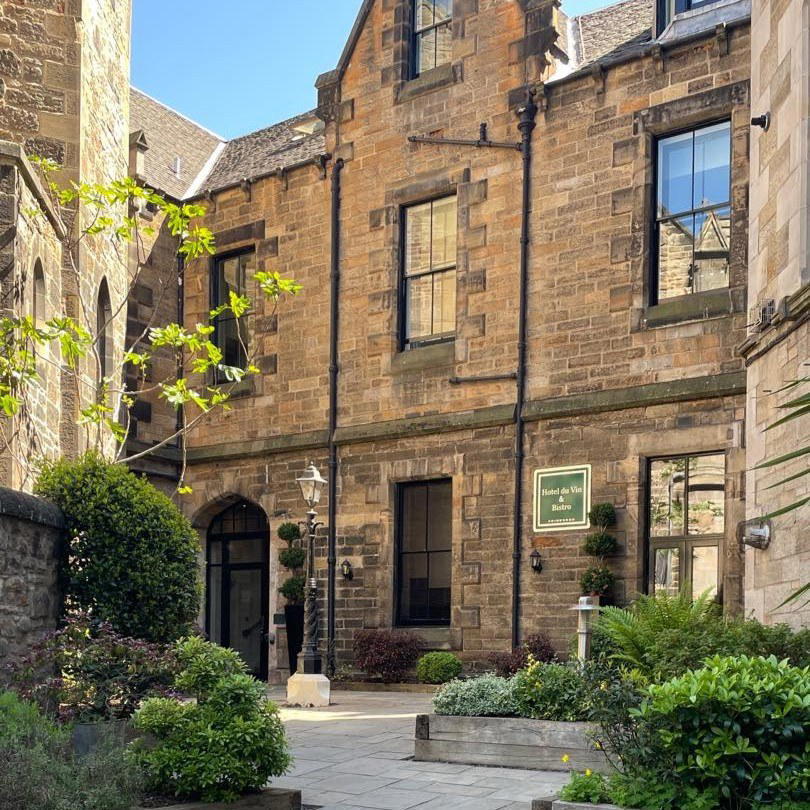
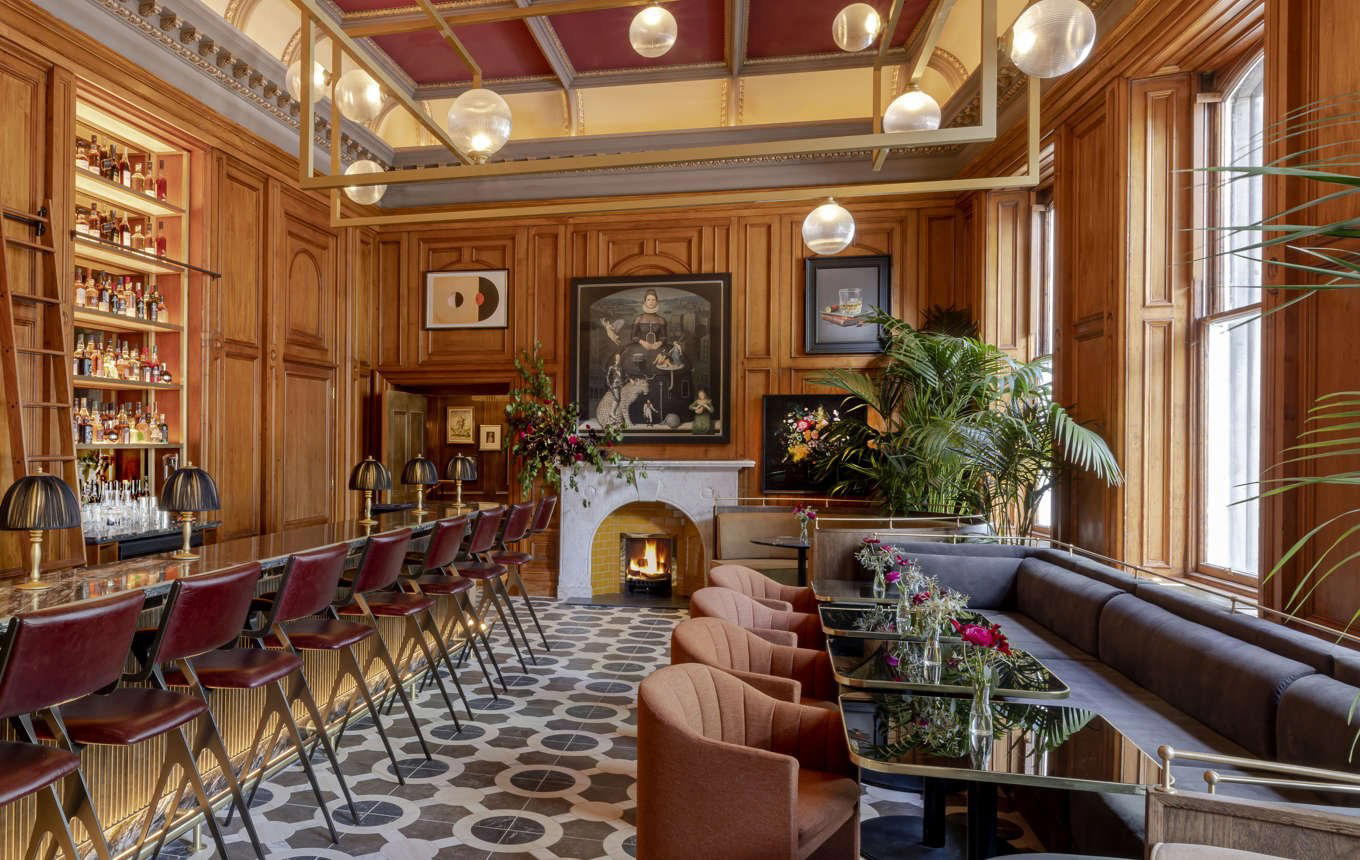
Bright, unfussy dining room at street level with a relaxed, unpretentious atmosphere; intimate basement wine bar with moody lighting for tinned fish and wine-friendly snacks.