
Ferme Lizarraga sits on the Basque-French fringe of Urrugne, earning consecutive Michelin Plate recognition in 2024 and 2025 for modern cuisine that draws directly from the farm and pastoral landscape surrounding it. At the €€ price tier, it occupies a sensible position for the region: serious kitchen credentials without the formality of the Côte Basque's grander tables.8 across 580 reviews underlines consistent execution over time.
Pearl is the En Primeur Club membership app — saves, bookings, and concierge access live there. Same editors, same standards.
- Address
- 550 Chem. de Lissaraga, 64122 Urrugne, France
- Phone
- +33 5 59 47 03 76
- Website
- lizarraga.fr
 Saves & bookings on Pearl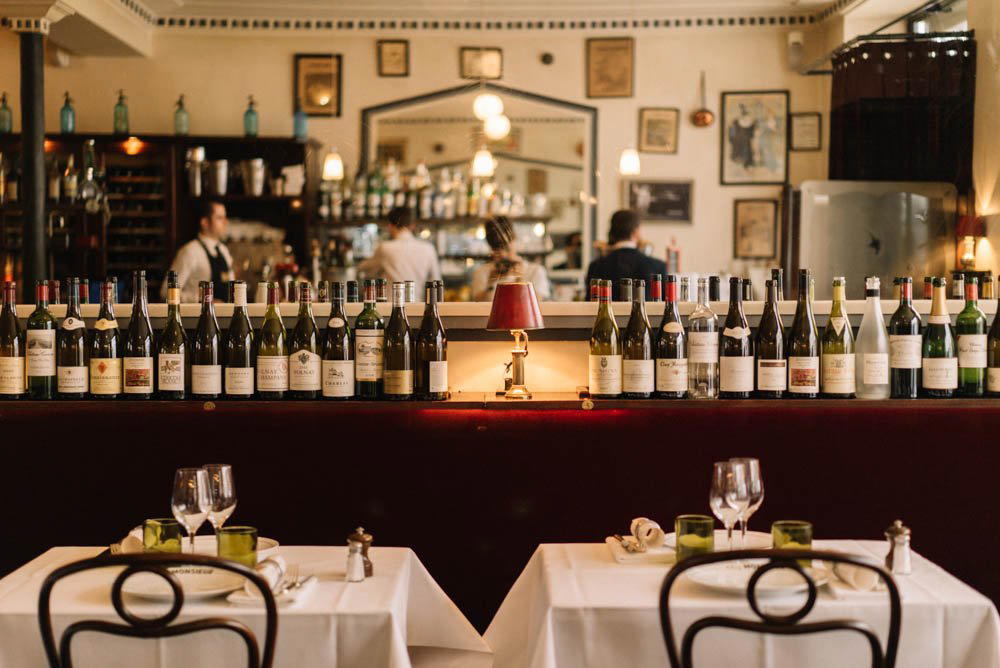
Where the Farm Informs the Plate
There is a particular kind of restaurant that earns its credibility not from a city address or a celebrity lineage but from physical proximity to what it cooks. Ferme Lizarraga, on the Chemin de Lissaraga in Urrugne, belongs to that category. The approach along a rural lane, past the low stone walls and fields that define this stretch of the Pays Basque interior, sets expectations that the kitchen then has to meet. In this corner of southwestern France, where the agricultural tradition runs as deep as the Pyrenean foothills themselves, a restaurant with farm origins carries both an advantage and an obligation: the sourcing story must be legible on the plate.
Urrugne sits just inland from the Basque coastline, a few kilometres south of Saint-Jean-de-Luz and well within reach of Spain's border at Hendaye. It is not a dining destination in the way that nearby Biarritz has positioned itself, nor does it attract the same circuit of international visitors. That distance from the tourist trail is, for a place like Ferme Lizarraga, structural: the clientele tends to be local or deliberately sought out.
Ingredient Sourcing as the Editorial Thread
Modern cuisine at the €€ level in rural France operates in a specific register. The category rewards kitchens that can translate immediate surroundings into coherent cooking without the resources of a multi-course tasting format or an urban supplier network. The Basque Country gives any kitchen in this zone considerable raw material to work with: the Atlantic coast provides fish and shellfish; the mountain farms supply lamb, dairy, and the dried peppers, piment d'Espelette foremost among them, that act as a regional signature; and the cross-border exchange with the Spanish Basque Country adds techniques and references that broader French cuisine does not always incorporate.
Ferme Lizarraga's position as an actual farm-rooted property, rather than simply a restaurant that sources locally, places it in a smaller subset of the regional dining picture. Where many Basque-French restaurants at this price point use local suppliers as a marketing note, a genuine farm setting implies a more direct relationship between what grows nearby and what appears on the menu. That directness is one of the things Michelin's inspectors have flagged through consecutive Plate recognition in 2024 and 2025, not the flash of starred ambition, but the quieter signal of consistent, honest cooking worth knowing about.
How It Sits in the Regional Picture
Michelin's Plate designation marks a restaurant as serving good food, positioned below the Bib Gourmand and below the star tiers. In a region where the broader French dining landscape runs from three-star institutions like Alléno Paris au Pavillon Ledoyen in Paris or Mirazur in Menton down to neighbourhood tables, the Plate at €€ pricing is a useful marker: it tells you the kitchen has passed a competence threshold while remaining accessible. For comparison, Bras in Laguiole represents what the farm-to-table philosophy looks like in rural France, and Flocons de Sel in Megève shows what a mountain-rooted ingredient philosophy achieves at a higher price tier. The restaurant operates at neither extreme, it sits in the productive middle ground where good sourcing and capable cooking meet without the overhead of fine-dining formality.
Within Urrugne itself, the restaurant shares a small but coherent dining scene. Gaua and La Ferme Ilharregui Baita each represent different points on the local spectrum, and together they suggest that the commune, despite its size, supports kitchens worth making a specific trip for rather than arriving at by default.
The Broader Tradition of Farm Dining in the Pays Basque
The ferme-auberge tradition in southwestern France has a long history, and it shapes how diners read a place like Ferme Lizarraga on arrival. At its most basic, the format means a working farm that feeds guests using its own produce, eggs, dairy, cured meats, vegetables, prepared simply and served in a convivial rather than formal register. Modern cuisine as a category represents a departure from that format: the cooking becomes more considered, techniques move beyond straight farmhouse preparation, and the plate reflects a kitchen with ambition rather than one defined purely by rusticity.
That tension between farm provenance and modern culinary language is productive. It appears in different registers at places like Troisgros - Le Bois sans Feuilles in Ouches and, at a different scale, at Paul Bocuse - L'Auberge du Pont de Collonges, where the auberge format once defined the benchmark for serious French country cooking. In both cases, the physical setting and sourcing proximity are arguments the kitchen makes about its cooking. The restaurant makes a version of that same argument, at a more local and accessible scale.
Among international modern cuisine restaurants in this comparison set, Frantzén in Stockholm and FZN by Björn Frantzén in Dubai demonstrate how the ingredient-sourcing argument travels across geographies and price points, but in each case the sourcing story requires validation through the plate itself. The same test applies here.
Planning a Visit
The restaurant sits at 550 Chemin de Lissaraga in Urrugne, most easily reached by car from Saint-Jean-de-Luz or Hendaye. At the €€ price tier, it represents a cost-effective option for a full meal in a region where the coastal restaurants often price significantly higher for lesser kitchen credentials. Booking in advance is advisable, particularly across the summer months when the Basque coast draws substantial visitor numbers from both France and Spain.8 from 597 reviews signals sustained performance rather than a spike driven by novelty.
If you are building a longer stay around the area, our full Urrugne hotels guide covers local accommodation options, and our Urrugne bars guide, wineries guide, and experiences guide give the surrounding picture. For reference on what the regional restaurant scene looks like at different altitude points, Auberge de l'Ill in Illhaeusern, AM par Alexandre Mazzia in Marseille, and Assiette Champenoise in Reims each illustrate what sustained kitchen seriousness looks like across different French regional contexts.
Side-by-Side Snapshot
Comparable venues nearby, for context on price, style, and recognition.
| Venue | Cuisine | Price | Awards | Notes |
|---|---|---|---|---|
| Ferme LizarragaThis venue — the venue you are viewing | Modern French-Basque Fine Dining | $$$ | Michelin Plate | Not listed |
| La Ferme Ilharregui Baita | Contemporary Basque | $$$ | Michelin Plate | Urrugne |
| Gaua | Modern Basque Fusion | $$$ | Michelin Plate | Urrugne |
| Ezkia | Modern Basque Coastal | $$$ | Michelin Plate | Bidart |
| Getaria | Modern Basque-French Gastronomic | $$$ | Michelin Plate | Guéthary |
| Restaurant Arcé | Modern Basque French | $$$ | Michelin Plate | Saint-Étienne-de-Baïgorry |
Recognition history
Dated appearances from independent guides and award organizations, with the underlying list record or original source where available.
Michelin Plate
Michelin
Michelin Plate
Michelin
Michelin Plate
Michelin
At a Glance
- Rustic
- Cozy
- Elegant
- Scenic
- Date Night
- Special Occasion
- Terrace
- Historic Building
- Local Sourcing
- Mountain
Current opening hours
- Monday
- Closed
- Tuesday
- Closed
- Wednesday
- 12:15–1:30 PM, 7:30–9:30 PM
- Thursday
- 12:15–1:30 PM, 7:30–9:30 PM
- Friday
- 12:15–1:30 PM, 7:30–9:30 PM
- Saturday
- 12:15–1:30 PM, 7:30–9:30 PM
- Sunday
- 12:15–1:30 PM, 7:30–9:30 PM
Hours can change for holidays and private events. Last verified .
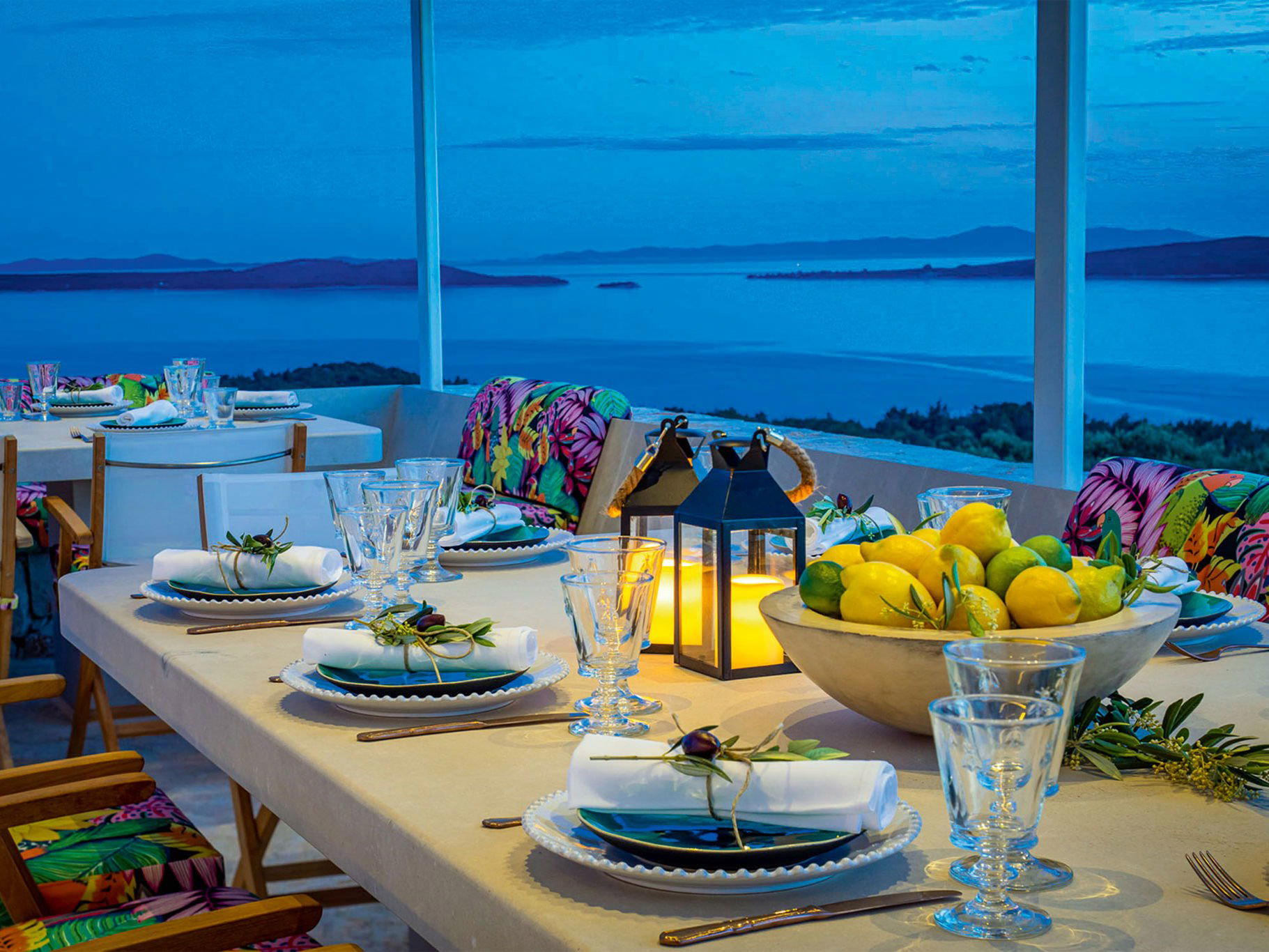
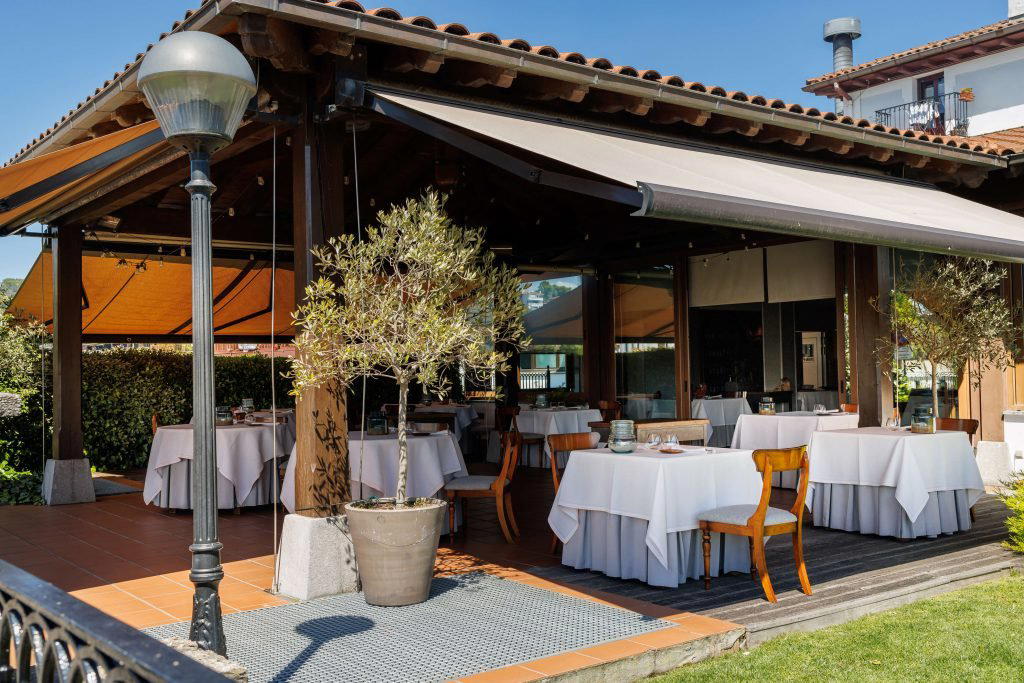
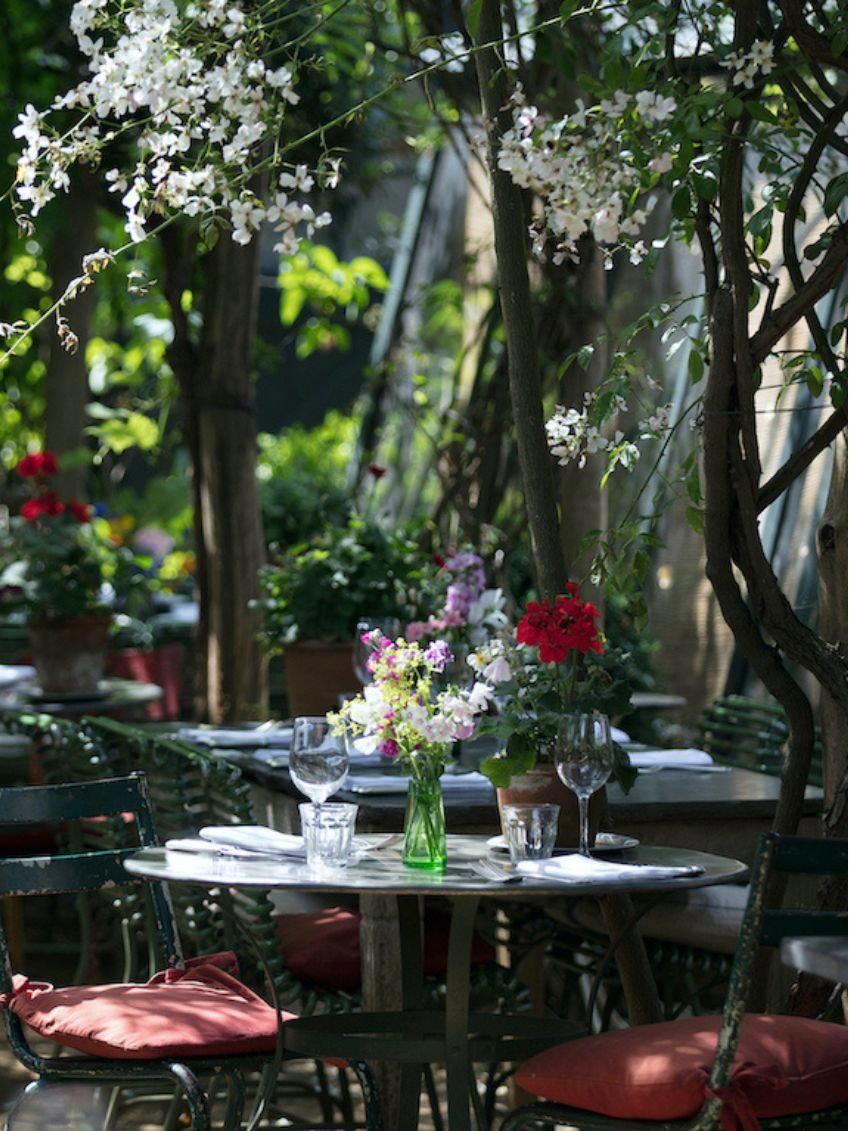
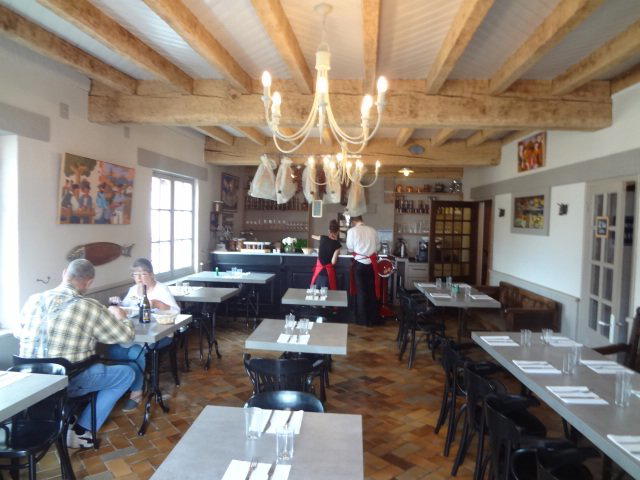
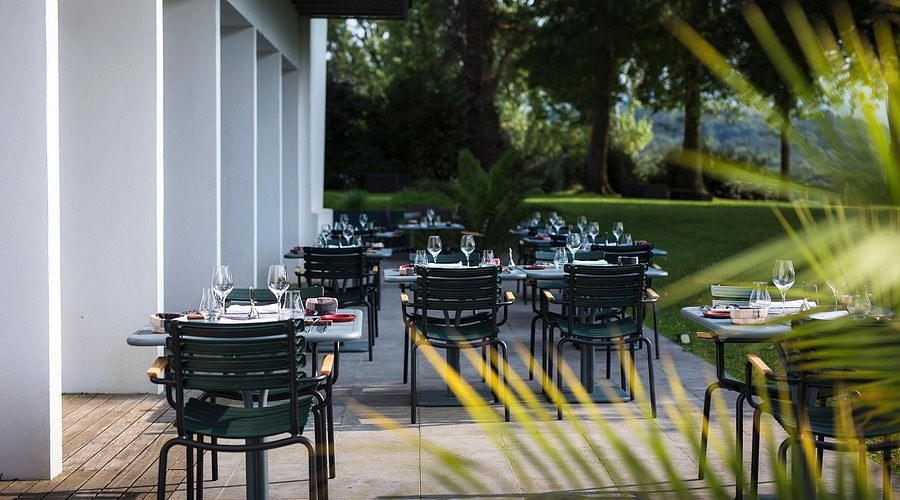
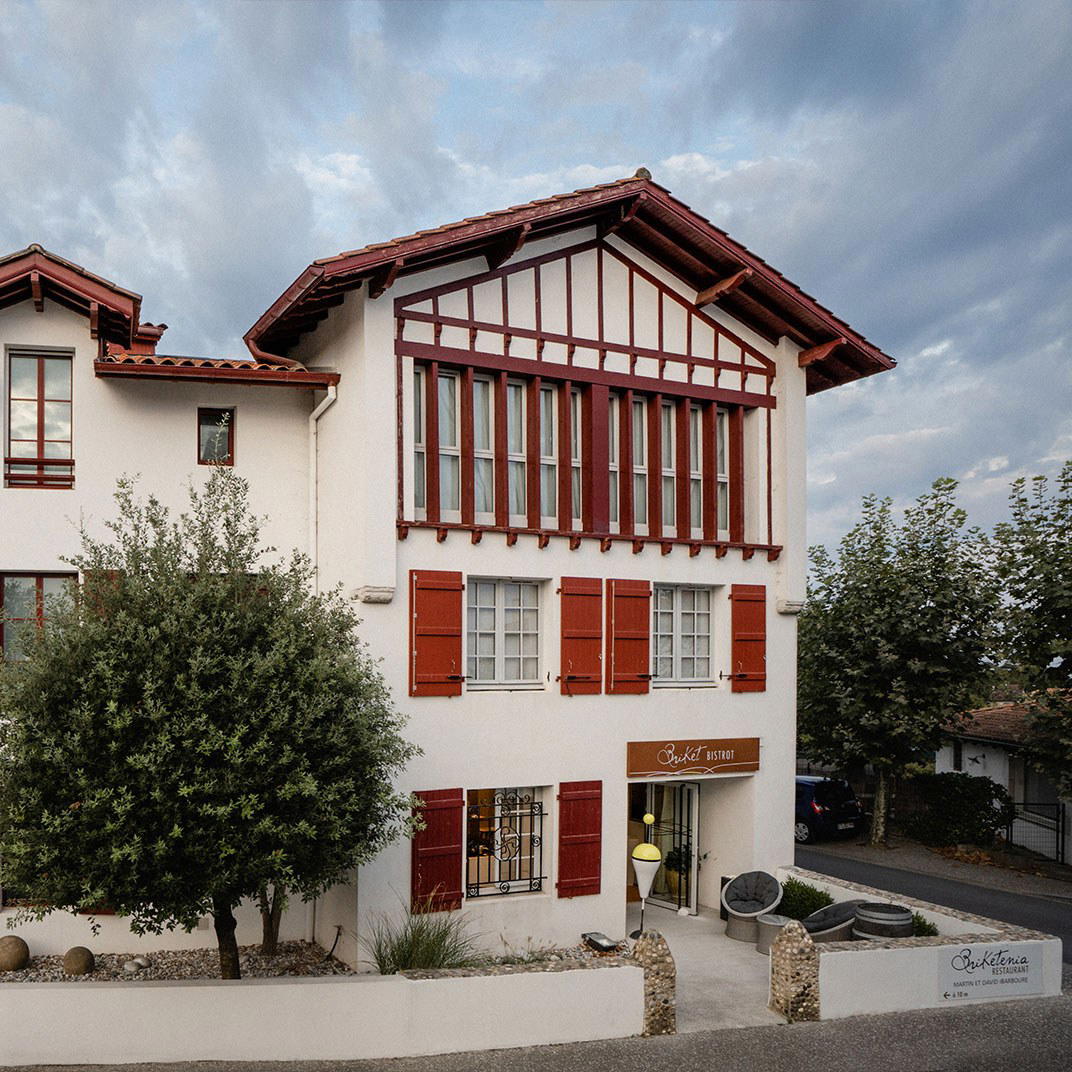
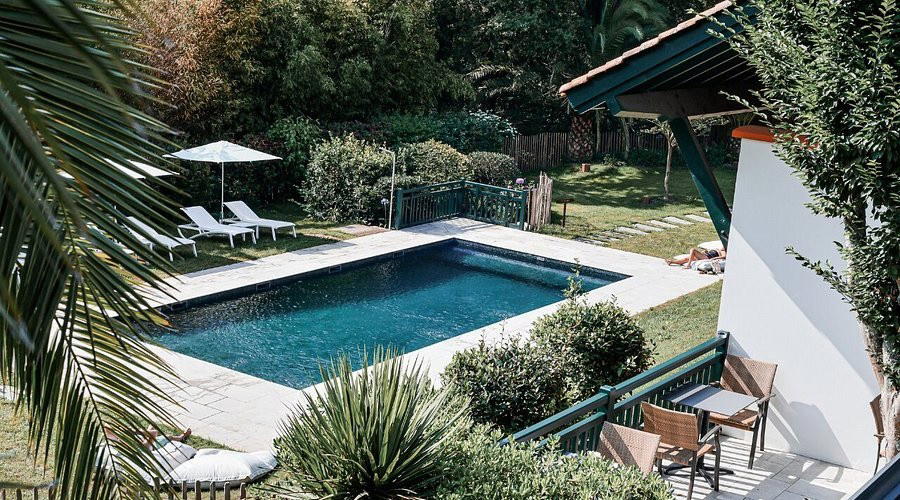
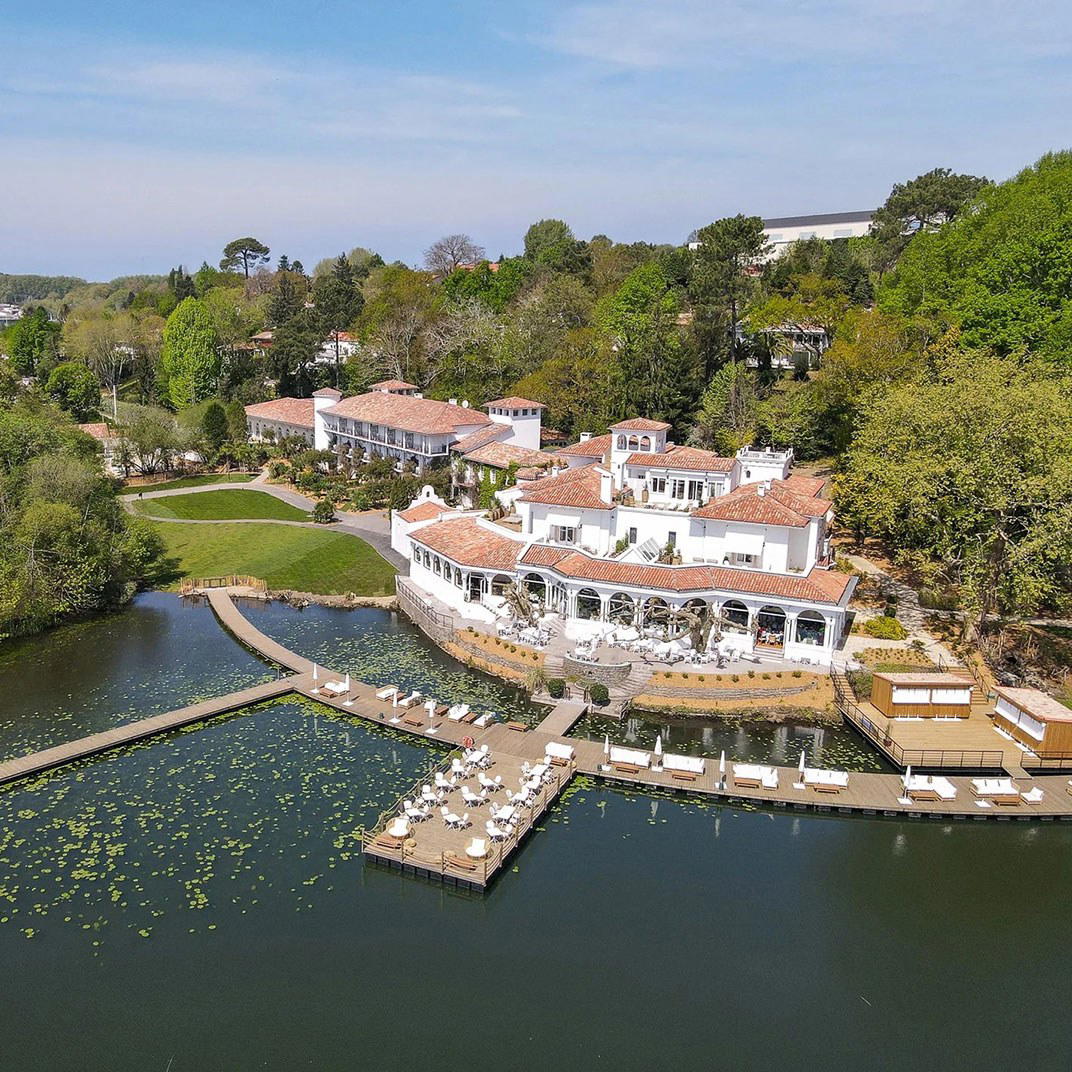
Convivial and warm atmosphere in a renovated 17th-century farmhouse blending rustic charm with modern touches, enhanced by serene countryside setting and shaded terrace under a century-old walnut tree.