Family Pizza sits inside Asmara's distinctive Italian-colonial dining culture, where pizza and pasta have been local staples since the 1930s rather than imported novelties. The restaurant operates within a city whose relationship with Italian food is older and more layered than most diners expect. For context on Asmara's wider dining scene, see our full city guide.
 Discover on Pearl
Pearl is the En Primeur Club membership app — saves, bookings, and concierge access live there. Same editors, same standards.
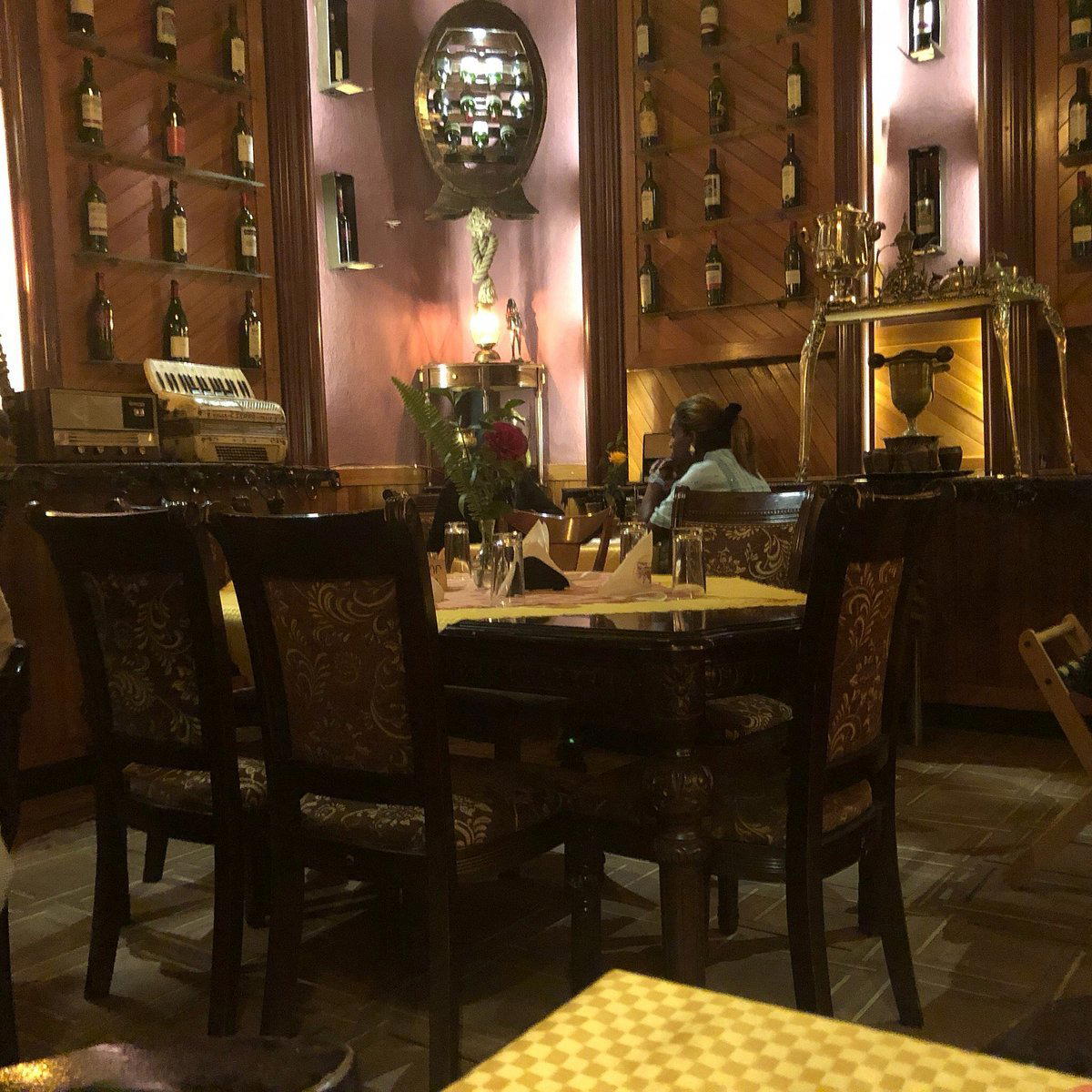
Pizza in the City That Never Stopped Making It
Asmara has one of the more unusual relationships with Italian food of any African capital. When Italian colonizers built the city in the early twentieth century, they brought with them the infrastructure of everyday Italian eating: bakeries, pasta houses, espresso bars, and pizzerias. Unlike most post-colonial cities where imported food cultures gradually fade or become nostalgic novelty, Asmara absorbed Italian cuisine so thoroughly that it became simply local. By the time Eritrea gained independence in 1991, pizza and pasta were not Italian foods eaten by Eritreans, they were Eritrean foods with Italian names. Family Pizza operates inside that tradition, in a city where the genre has deep roots and where a local diner ordering a pizza is not reaching for something foreign.
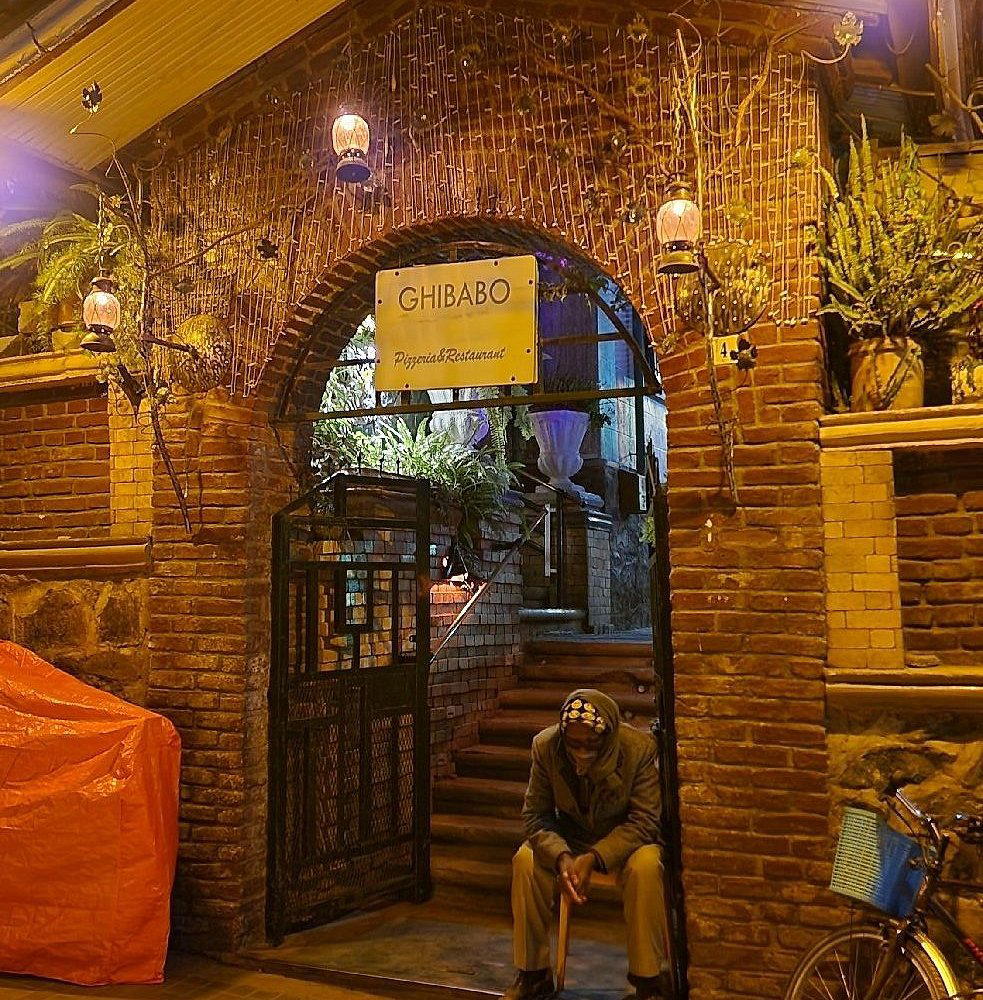
That context matters when assessing what any pizzeria in Asmara represents. The competition is not just peer restaurants, it is decades of domestic habit. Eritreans in Asmara grew up eating pizza made by Eritrean hands in Eritrean kitchens, and the standard they carry is inherited rather than imported. Venues like Ghibabo Restaurant and Pizzeria and Spaghetti and Pizza House operate in the same cultural register, and the category in Asmara has breadth. Family Pizza positions itself within this local genre rather than against any international benchmark.
The Colonial Kitchen and What It Left Behind
The architecture of Asmara is frequently cited by urban historians as one of the most intact collections of 1930s Italian Modernist and Art Deco buildings outside Italy itself. The food culture is less photographed but equally preserved. Italian colonial administrators built restaurants and cafes for their own use, local Eritrean workers learned the kitchens, and after independence those kitchens stayed open under Eritrean ownership. The recipes did not leave with the colonizers. What emerged is a cuisine that carries the grammar of Italian cooking, the dough, the tomato, the technique of the wood-fired or deck oven, but the accent is Eritrean. Spice tolerances differ. The rhythm of service differs. The social function of the meal differs. A long lunch in Asmara at a pizza table is not the same experience as the same meal in Naples or Milan, even when the dish on the plate looks similar.
For travellers accustomed to calibrating pizza against Italian regional benchmarks or the high-concept Neapolitan revival happening in cities like New York or Paris, Asmara requires a reset. The relevant comparison set is local. At venues across the city, pizza functions as a daily staple eaten across income levels, it is neither a special-occasion food nor a street snack, but something closer to what bread is in other East African capitals. Family Pizza operates in that everyday register.
Asmara's Dining Room as a Social Space
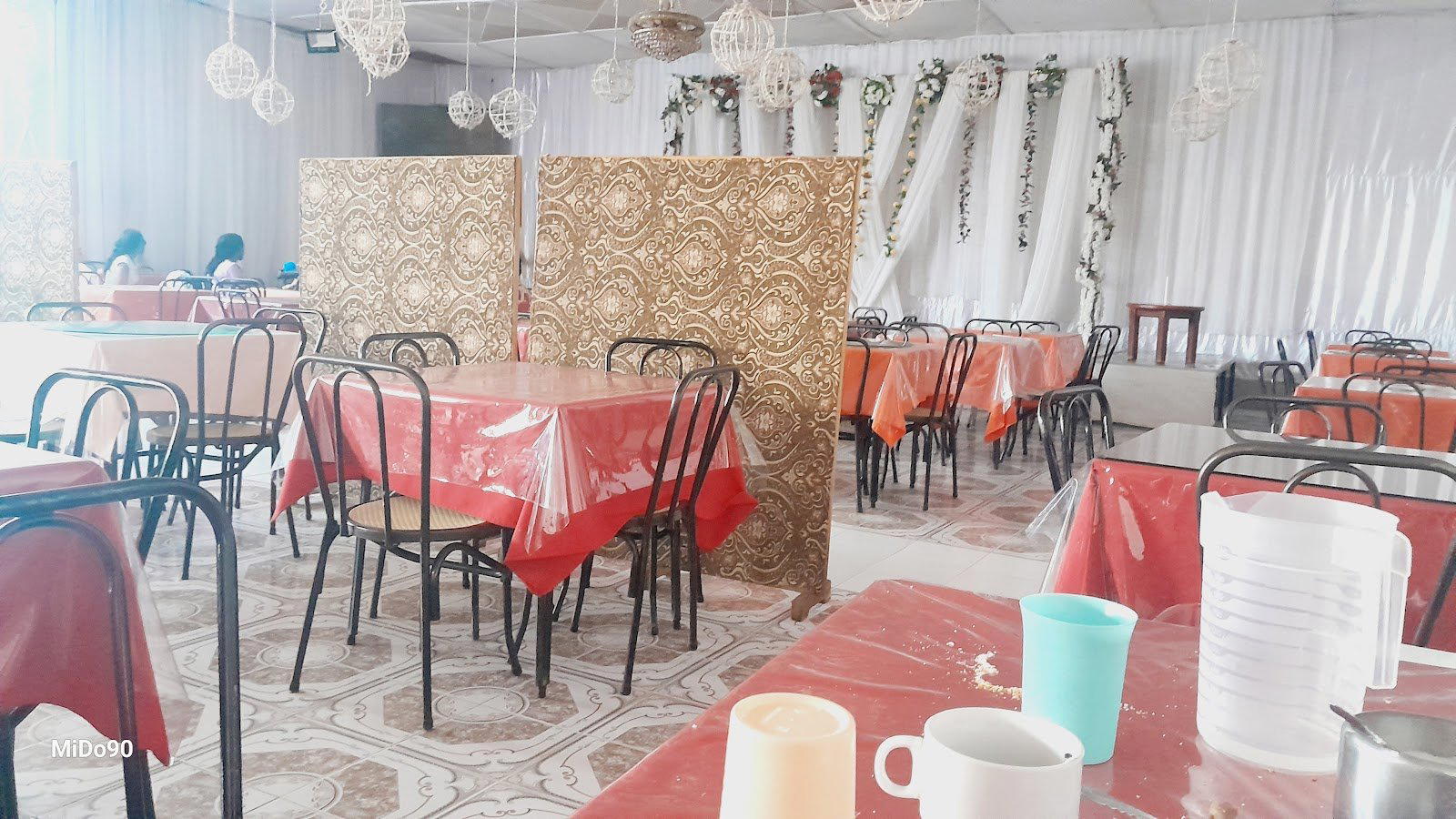
Eritrean restaurant culture places significant weight on the shared table. A meal out in Asmara tends to be longer and more conversational than the equivalent in cities where dining has been optimized for throughput. The physical environment of restaurants in the city often reflects this: spaces are sized for groups, seating tends toward the communal, and the pace of service matches the pace of the conversation rather than the other way around. This social architecture is worth understanding before you arrive, because the experience of eating in Asmara is shaped as much by how the room functions as by what arrives on the plate.
Family Pizza, as the name signals, positions itself at the accessible, group-friendly end of this spectrum. The name itself carries a deliberate register: this is not a venue pitching at occasion dining or at the traveller seeking a signature experience. It is a neighbourhood-oriented space in a city where neighbourhood eating has a specific cultural texture. Comparable venues in the local tier include Al Sicomoro Restaurant, which also operates within Asmara's Italian-heritage dining culture. For the full picture of where Family Pizza sits relative to the city's restaurant options, the EP Club Asmara restaurants guide maps the scene in detail.
Practical Considerations for Visiting
Asmara is not a city with deep infrastructure for international travellers in the way that Addis Ababa or Nairobi might be. Internet connectivity is limited, online booking systems are rare, and real-time information about hours and availability is difficult to verify from outside the country. For Family Pizza specifically, walk in and ask locally. The practical advice that applies to dining in Asmara generally applies here: arrive in person, ask at your accommodation, and plan for some flexibility. Walk-in dining is the norm across most of the city's restaurant culture, and the expectation of reservations is less embedded than in more internationally connected capitals.
Currency and payment infrastructure is another variable worth factoring. Eritrea operates a cash economy for most transactions, and card payment at restaurants cannot be assumed. The nakfa is the local currency, and exchange options for visitors are limited to official channels. Dining costs in Asmara are generally low by regional standards, and a meal here is typically about $10 per person.
If you are travelling beyond Asmara, Snack Bar Harat in Massawa represents the coastal counterpart to Asmara's Italian-inflected dining culture, with a different but equally layered local food history along the Red Sea port.
Atomix in New York, Alinea in Chicago, Lazy Bear in San Francisco, Emeril's in New Orleans, 8½ Otto e Mezzo Bombana in Hong Kong, Amber in Hong Kong, Alain Ducasse at Louis XV in Monte Carlo, Arpège in Paris, Aponiente in El Puerto de Santa María, Aqua in Wolfsburg, and Arzak in San Sebastián
Price Lens
Comparable venues nearby, for context on price, style, and recognition.
| Venue | Cuisine | Price | Awards | Notes |
|---|---|---|---|---|
| Family PizzaThis venue — the venue you are viewing | South Western subregion, Family Pizza | $ | , | |
| Al Sicomoro Restaurant | Asmara, Authentic Italian | $$$ | , | |
| Spaghetti & Pizza House | $$ | , | Harnet Avenue, Italian-Eritrean Fusion Pizza & Pasta | |
| Ghibabo Restaurant and Pizzeria | Asmara, Eritrean & Italian Fusion | $$ | , | |
| Snack Bar Harat | Massawa Old Town, Eritrean Seafood | $ | , |
Continue exploring
More in Asmara
At a Glance
- Casual
- Family
- Casual Hangout