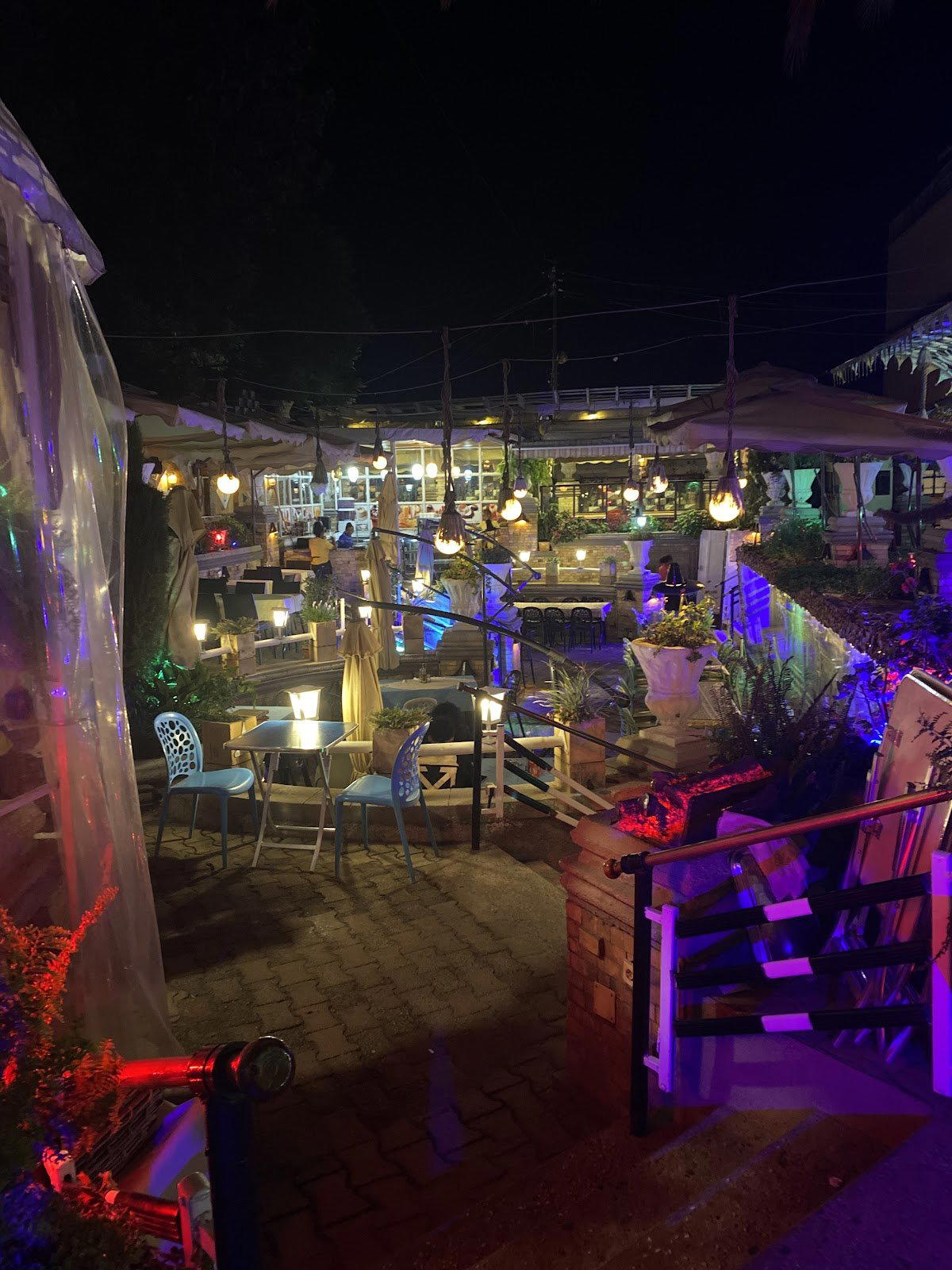
Ghibabo Restaurant and Pizzeria serves Eritrean & Italian Fusion with pizza, macchiato, traditional Eritrean dishes, and beer program support for lunch or dinner on the terrace.
Pearl is the En Primeur Club membership app — saves, bookings, and concierge access live there. Same editors, same standards.
- Address
- Asmara, Eritrea
- Directions
- Get directions
 Saves & bookings on Pearl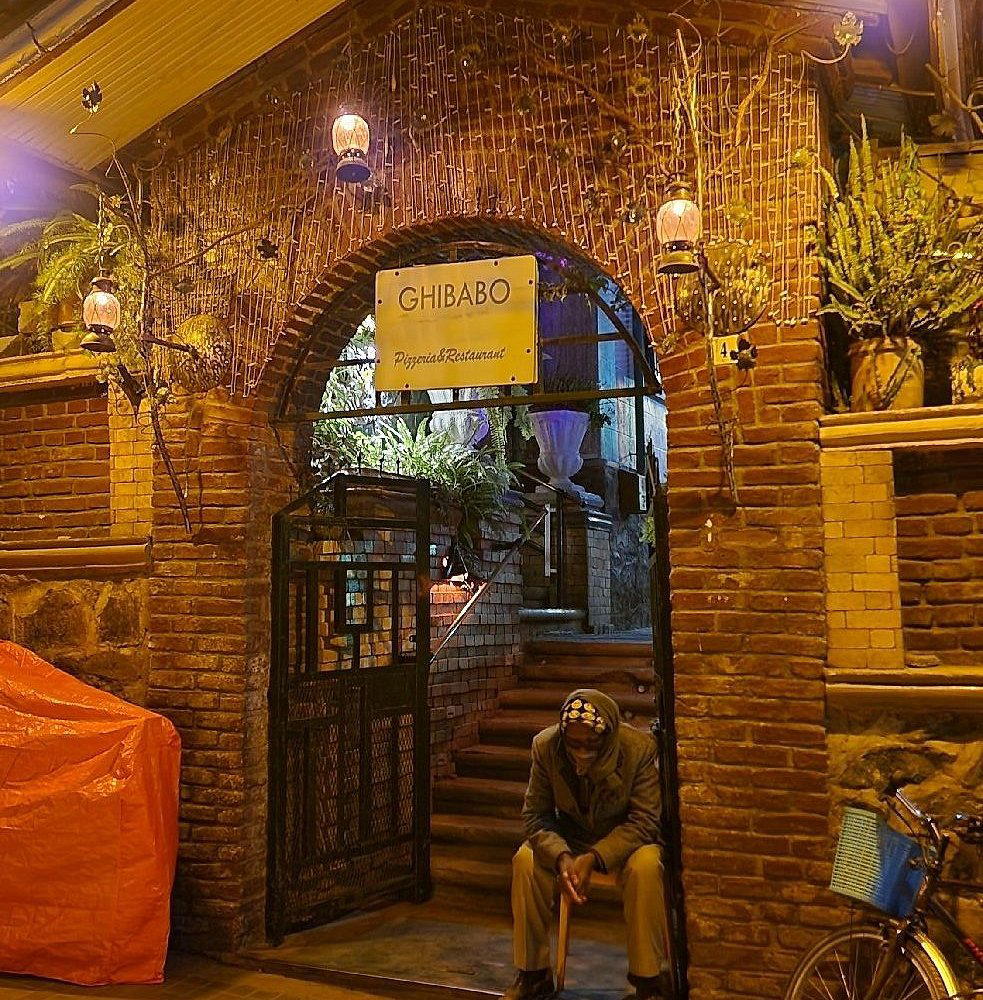
Where Italian Colonial Roots Meet the Horn of Africa Pantry
Asmara occupies a peculiar position in global food history. The Eritrean capital spent decades under Italian colonial administration, and that occupation left behind not just Art Deco architecture but a living culinary tradition: wood-fired pizza and long-simmered pasta sauces served a few thousand metres above sea level on the Horn of Africa. The city's pizzeria culture is not a recent import or a tourist affectation. It is a settled, multigenerational fixture, and Ghibabo Restaurant and Pizzeria sits within that tradition, operating in a dining scene where the combination of injera and pizza on the same street is entirely unremarkable.
Approaching any of Asmara's established restaurants, you encounter the same sensory layering: the dry plateau air carrying woodsmoke, the faint tang of fermented teff from a neighbouring household, and, from the kitchens of places like Ghibabo, the sharper smell of tomato reducing in a hot pan. At altitude, the city moves at a deliberate pace, and its restaurants tend to reflect that rhythm. Meals here are not rushed affairs.
The Ingredient Question in a Landlocked Highland City
Understanding what ends up on the plate at any Asmara restaurant starts with understanding the supply context. Eritrea's central highlands produce tomatoes, onions, lentils, and various legumes suited to the elevation and climate. Berbere-spiced preparations and the slow-cooked meat stews common across the Horn of Africa use ingredients that are locally available and deeply embedded in the region's food culture. The Italian-influenced side of the menu, by contrast, depends on imported goods: wheat flour, certain cheeses, and canned or processed tomato products that supplement local produce.
This dual sourcing reality shapes what Asmara's pizzerias and combined restaurants can offer. The local ingredient base is strong for Eritrean dishes and serviceable for Italian ones, but the quality of the Italian side is tied to the reliability of imports, which in Eritrea's economic context can fluctuate. Diners who approach Ghibabo with this understanding are better placed to order well. The dishes that lean on local produce, particularly anything built around legumes, root vegetables, or the Highland's lamb and goat, tend to benefit from that supply proximity in ways that heavily dairy-dependent preparations do not always match.
Compared to the more narrowly Italian-focused Spaghetti & Pizza House or the Italian positioning of Al Sicomoro Restaurant, Ghibabo's combined restaurant-and-pizzeria format suggests a kitchen set up to move between both registers. That flexibility is practical in a city where a single establishment often needs to serve both a local lunch crowd and visitors who have heard that Asmara does pizza in a way most African capitals simply do not. Family Pizza occupies adjacent territory in the market, making this a genuine cluster of Italian-influenced options rather than a lone outpost.
Asmara's Dining Scene in Broader Context
For readers who move between, say, the hyper-sourced tasting menus of Arpège in Paris or the ingredient-obsessed formats of Aponiente in El Puerto de Santa María, Asmara operates in an entirely different register. The city has no Michelin coverage, no 50 Best presence, and no functioning fine-dining infrastructure in the conventional sense. That absence is not a deficiency so much as a different set of priorities. What Asmara's best-regarded restaurants offer is historical authenticity: food traditions shaped by actual geography and actual history rather than by culinary fashion cycles.
The same observation applies across Eritrea. Down on the coast at Massawa, Snack Bar Harat operates in a port-city seafood context that is worlds away from the highland plateau. Asmara's food is inland food: denser, built around preserved proteins and dried legumes, suited to a city that sits at around 2,300 metres and has historically needed to feed itself from what the surrounding plateau can produce.
For the EP Club reader accustomed to restaurants like Le Bernardin in New York City, Atomix in New York City, Alinea in Chicago, Alain Ducasse at Louis XV in Monte Carlo, or Amber in Hong Kong, the value of Ghibabo is contextual rather than technical. It is a point of entry into a city that receives very few international visitors and offers a dining tradition with legitimate historical depth. That is a different kind of value from Alléno Paris au Pavillon Ledoyen or Arzak in San Sebastián, but it is not a lesser one if the reader's frame is set correctly.
Planning a Visit: What the City Requires
Visiting Asmara demands logistical preparation that goes well beyond restaurant reservations. Eritrea maintains one of the more controlled tourism environments on the continent: a visa is required in advance, and independent travel operates under conditions that visitors should research carefully before arrival. The country's limited international flight connections mean most visitors arrive via Addis Ababa or Cairo. Currency exchange, internet access, and credit card acceptance are all more constrained than in regional neighbours. Restaurants in Asmara generally operate on a cash basis, and in local currency, which makes having the right notes essential before you sit down.
The city's altitude means the climate is mild by East African standards, with the cooler dry season running roughly from October through February making those months the most comfortable for exploration on foot. Asmara is a walkable city, and its restaurant cluster is accessible enough that ground-level navigation is direct once you are in the centre. For those planning a broader Eritrea itinerary, the full Asmara restaurants guide maps the dining options across neighbourhoods and price points.
No booking information, website, or phone number is publicly available for Ghibabo at time of writing, which is consistent with how most of Asmara's mid-range restaurants operate. Walk-in is the standard format. Arriving outside the main lunch rush, typically before noon or after 2pm, tends to give better table access at popular spots across the city.
Quick Comparison
| Venue | Cuisine |
|---|---|
| Ghibabo Restaurant and PizzeriaThis venue — the venue you are viewing | This venue |
Continue exploring
More in Asmara
At a Glance
- Well Known
- Rustic
- Casual
- Casual Hangout
- Group Dining
- Family
- Standalone
- Terrace
- Beer Program
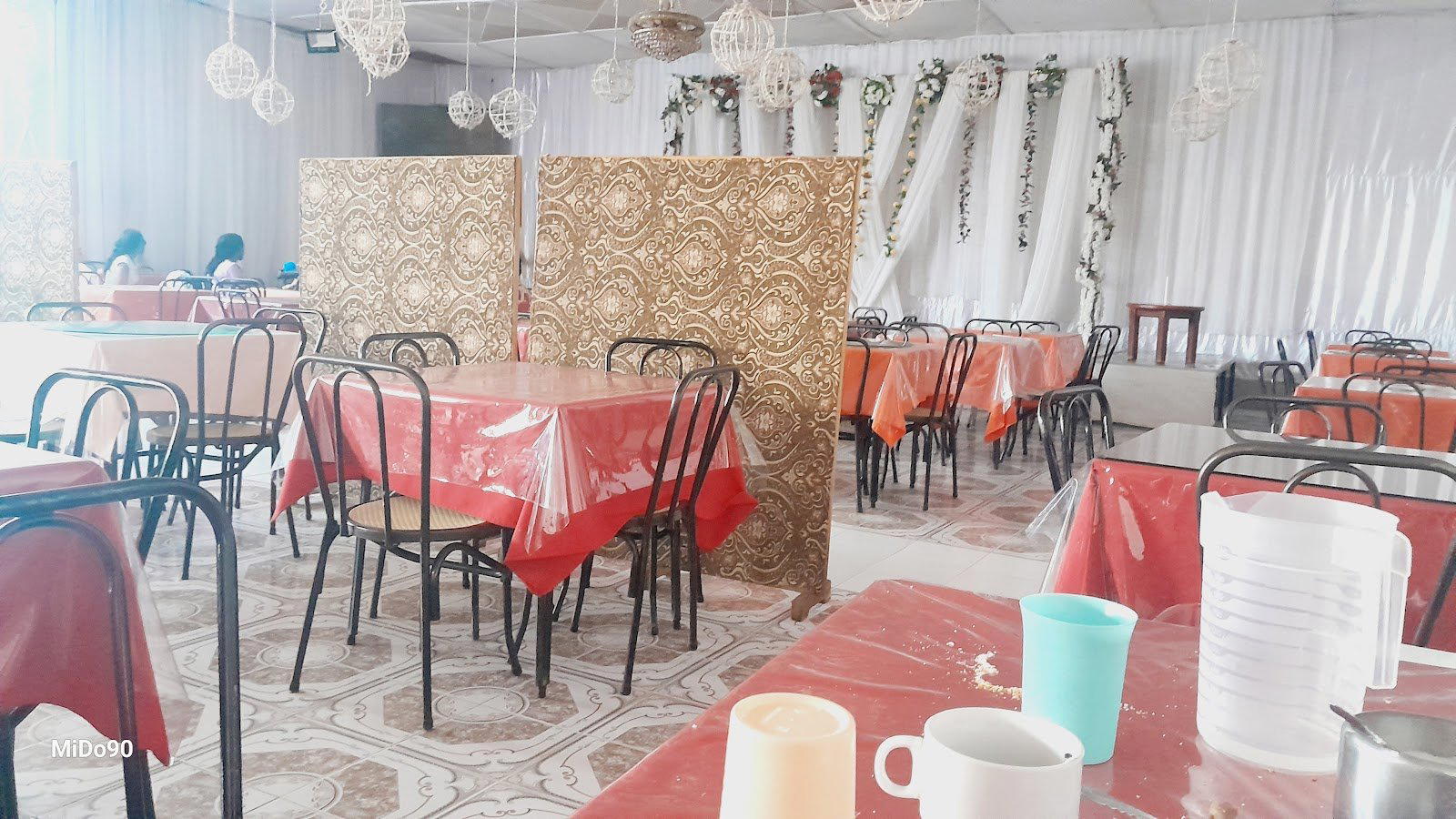
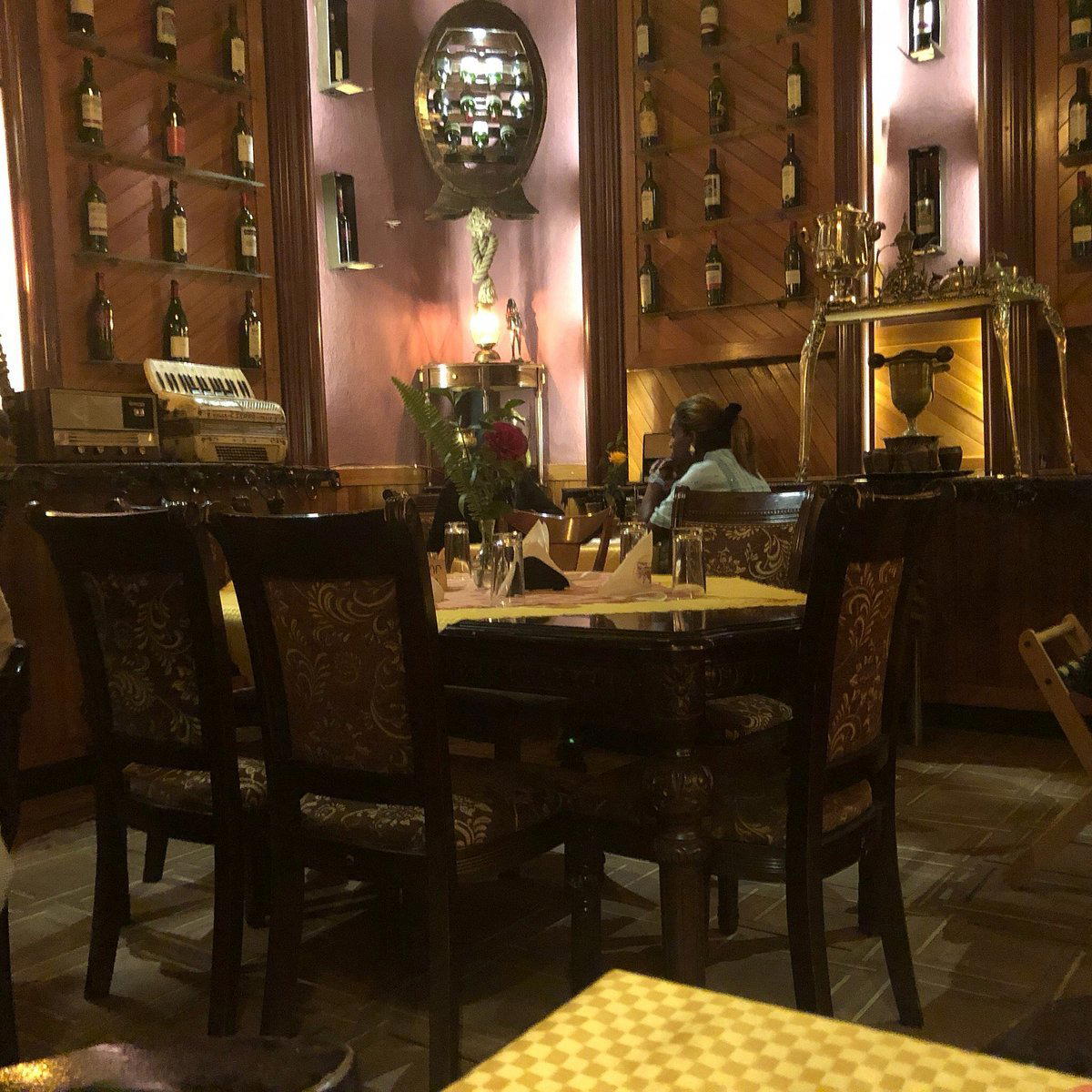
Casual and inviting with a focus on traditional hospitality; outdoor seating allows for people-watching, a highlight for many visitors.