Evo Italian

Italian cooking in South Florida's northern Palm Beach corridor tends toward either red-sauce familiarity or hotel-lobby formality. Evo Italian, at 150 N US Highway 1 in Tequesta, occupies a different register — a neighborhood-scale operation where the sourcing ethos does more structural work than the room's ambition might suggest. It sits in a compact dining scene where options are genuinely limited, making its presence felt more than its square footage implies.
Pearl is the En Primeur Club membership app — saves, bookings, and concierge access live there. Same editors, same standards.
- Address
- 150 N US Highway 1, Tequesta, FL 33469
- Phone
- +15617452444
- Website
- evoitalian.com
- Directions
- Get directions
 Saves & bookings on Pearl
Where US-1 Meets the Italian Table
Tequesta sits at the northernmost edge of Palm Beach County, where the four-lane rhythm of US Highway 1 thins out and the strip-mall dining corridor gives way to something quieter. The town has fewer than 6,000 residents and a dining scene to match: a handful of locally owned rooms, limited delivery infrastructure, and the kind of intimate restaurant culture where repeat visitors make up the majority of any given evening's covers. Into that setting, Evo Italian plants a flag on the highway's north side at 150 N US Highway 1 — a location that reads more workaday than destination, which is precisely why the kitchen's ambitions carry a certain weight when they show up on the plate.
Italian-American cooking in South Florida has historically split between two poles. The first is the red-sauce institution — usually decades old, often family-run, sustained by loyal local traffic and a menu that hasn't changed since the Reagan administration. The second is the tourist-facing trattorias that cluster around Boca Raton and Palm Beach proper, where the room costs more to design than the food costs to source. Evo Italian occupies neither pole. Its address in Tequesta already signals a different kind of ambition: you are not here because you stumbled in from the beach walk. You are here because you made a specific choice to come.
The Sourcing Argument in a Coastal Florida Kitchen
The most consequential question for any Italian kitchen operating in subtropical Florida is not which pasta shapes to serve, it is where the raw material comes from. Florida's agricultural identity is strong in citrus, sugarcane, and offshore seafood, but it was not built around the heirloom grain belts, mountain cheeses, or charcuterie traditions of northern Italy. That gap forces every serious Italian kitchen in the state into a sourcing decision: lean into what the local coastal economy actually produces, import the European foundation goods, or attempt a hybrid that uses Florida's seafood and produce abundance while sourcing cured meats, aged cheeses, and specialty flour from producers with the requisite depth.
The leading Italian cooking in the United States has increasingly taken the third path. Restaurants like Frasca Food & Wine in Boulder built their reputations on exactly this kind of disciplined sourcing: local relationships for perishables, European imports for the foundational pantry goods that have no American equivalent. The gap between a commodity Parmigiano-Reggiano and a 36-month wheel from a small Emilian producer is measurable in texture and on the palate, and kitchens that understand the difference tend to make that case quietly, through the food itself.
South Florida's coastal geography gives Evo Italian one significant natural advantage: proximity to Gulf Stream waters that support consistent catches of grouper, snapper, mahi-mahi, and stone crab, all species that integrate cleanly into Italian cooking's affinity for simply prepared fish. The region's year-round warmth also supports a longer local growing season for tomatoes, eggplant, and fresh herbs than most of the country enjoys, a circumstance that, when a kitchen chooses to use it, can produce a different kind of Italian food than what emerges from a landlocked Northern city in February.
Tequesta's Dining Context and Evo Italian's Place in It
The broader Tequesta dining scene is worth understanding before walking through any single door here. The town's restaurant options are genuinely compact. Il Professore occupies its own Italian-adjacent niche nearby, and The Salty Zebra represents the casual coastal end of the local spectrum. Our full Tequesta restaurants guide maps this compact field in more detail, but the short version is this: Evo Italian is not competing against a deep bench. The comparison set is local, not metropolitan, and within that set its Italian focus represents a specific rather than a generic choice.
That specificity matters in a town this size. When a cuisine type is represented by one or two rooms rather than a dozen, each of those rooms carries the weight of the category. If Evo Italian's sourcing and execution are sharp, the town has a credible Italian option. If they fall short, there is no alternative further down the block to absorb the disappointment. The pressure, quietly, is real.
For travelers arriving from Miami's more developed restaurant culture, the contrast is notable. ITAMAE in Miami operates in a city with competitive density across a dozen cuisine categories. A neighborhood like Tequesta demands a different kind of restaurant literacy from both the kitchen and the customer: fewer options mean the regulars know the menu well, and the kitchen has to earn loyalty through consistency rather than novelty.
Italian Cooking at the High End: What the National Conversation Looks Like
To understand what Evo Italian is working against and alongside, it helps to trace what serious Italian and ingredient-led cooking looks like at the national level. Blue Hill at Stone Barns in Tarrytown has made the sourcing argument the explicit center of its identity for two decades. Single Thread Farm in Healdsburg integrates its own farm production into a format where the ingredient provenance is as legible as the menu itself. Smyth in Chicago has built its reputation on exactly the kind of seasonal discipline that forces a kitchen to change what it serves rather than what it sources.
At the apex of American fine dining, The French Laundry in Napa, Le Bernardin in New York City, Providence in Los Angeles, and Addison in San Diego all operate from a foundational conviction that ingredient quality is the precondition for technical excellence, not a downstream concern. Lazy Bear in San Francisco, Emeril's in New Orleans, The Inn at Little Washington, The Wolf's Tailor in Denver, and Atomix in New York City each demonstrate, across different cuisine frameworks, that the sourcing decision shapes the entire aesthetic of a kitchen, not just the ingredient list. Even internationally, places like Atelier Moessmer Norbert Niederkofler in Brunico have built entire reputations on hyper-regional ingredient commitment.
None of that context means Evo Italian is operating at those rarified tiers. What it means is that the sourcing conversation those kitchens have refined is now the standard by which serious diners, even in smaller markets, measure what ends up on their plates.
Planning Your Visit
Evo Italian sits at 150 N US Highway 1 in Tequesta, Florida 33469, in a low-key commercial stretch that rewards a deliberate visit rather than a spontaneous one. Because specific booking method, current hours, and pricing information are not confirmed in available records, checking directly with the restaurant before arrival is the reliable approach. Tequesta is most accessible by car; the US-1 corridor runs continuously from Palm Beach south to Miami, making the restaurant a workable stop for anyone traveling the coastal route rather than I-95.
Comparable Spots, Quickly
| Venue | Cuisine | Price | Awards |
|---|---|---|---|
| Evo ItalianThis venue — the venue you are viewing | This venue | Not listed | Not listed |
| Le Bernardin | French, Seafood | $$$$ | Michelin 3 Star |
| Lazy Bear | Progressive American, Contemporary | $$$$ | Michelin 2 Star |
| Atomix | Modern Korean, Korean | $$$$ | Michelin 2 Star |
| Per Se | French, Contemporary | $$$$ | Michelin 3 Star |
| Masa | Sushi, Japanese | $$$$ | Michelin 3 Star |
Recognition history
Dated appearances from independent guides and award organizations, with the underlying list record or original source where available.
Wine Spectator Award of Excellence
Wine Spectator
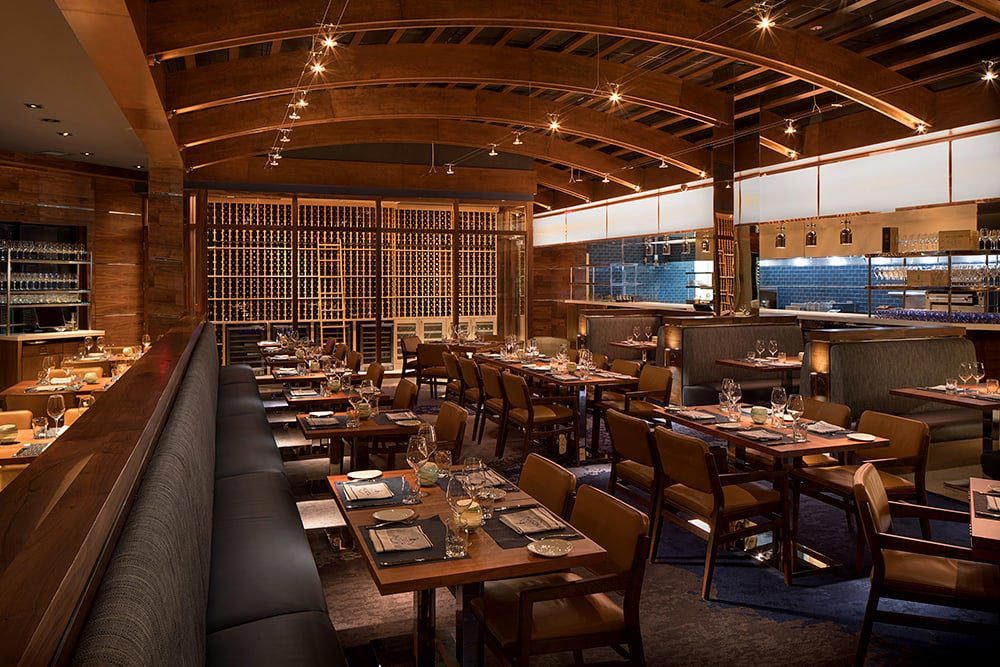
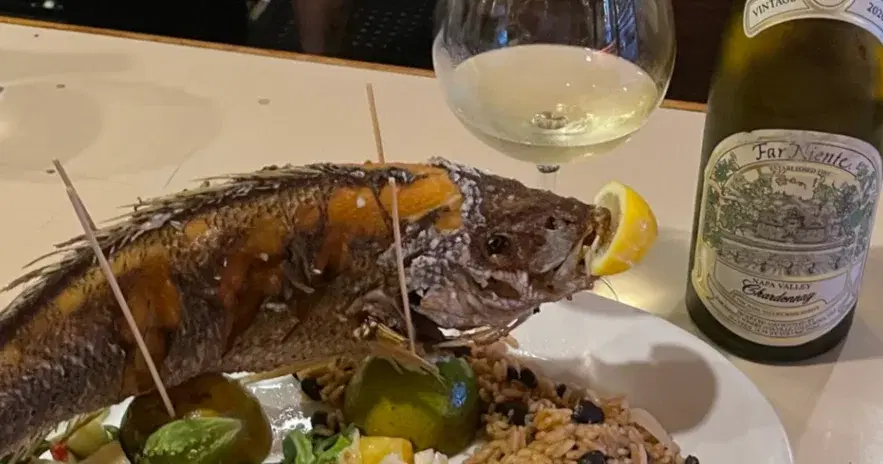
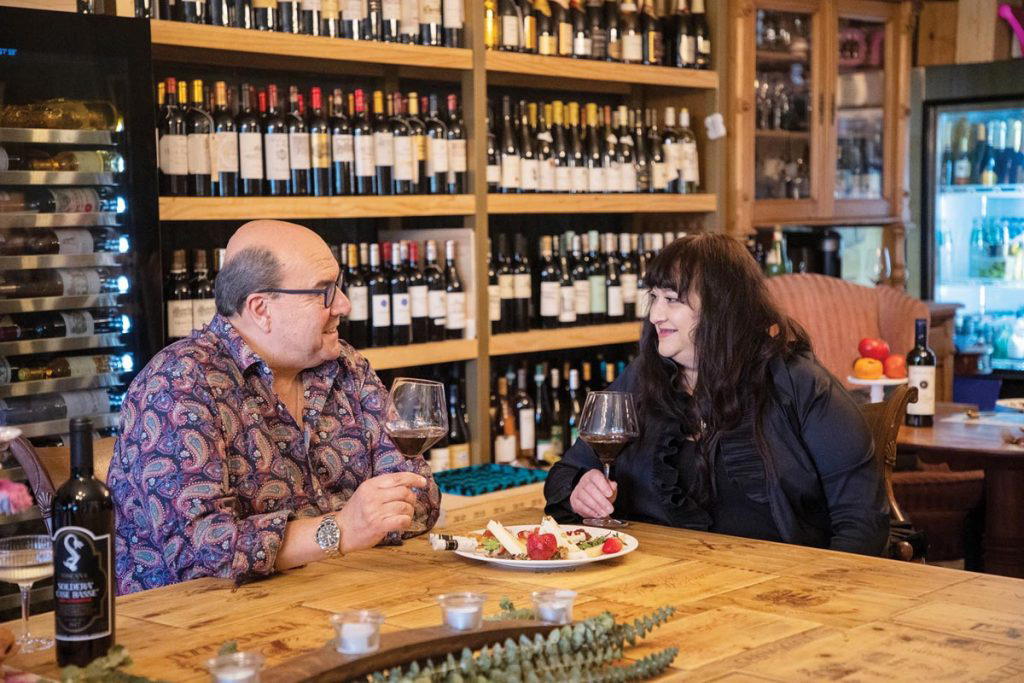
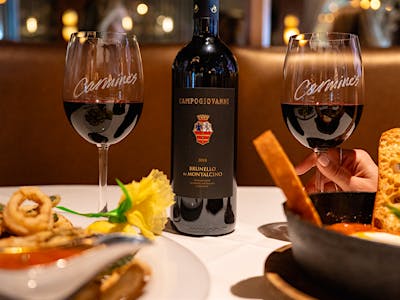
At a Glance
- Elegant
- Cozy
- Sophisticated
- Date Night
- Special Occasion
- Open Kitchen
- Local Sourcing
- Farm To Table
Current opening hours
- Monday
- 4:30–10 PM
- Tuesday
- 4:30–10 PM
- Wednesday
- 4:30–10 PM
- Thursday
- 4:30–10 PM
- Friday
- 4:30–11 PM
- Saturday
- 4:30–11 PM
- Sunday
- Closed
Hours can change for holidays and private events. Last verified .
Warm welcoming atmosphere with attentive service and focus on culinary excellence.
Know Before You Go
- Getting there
- 150 N US Highway 1, Tequesta, FL 33469