Everest Restaurant
Our verdict
On Old Seward Highway, Everest Restaurant occupies a mid-tier position in Anchorage's dining scene that sits between the city's casual pub fare and its handful of higher-end tasting formats. The name points toward Himalayan or South Asian cuisine in a city where that category remains thinly covered, giving the address genuine relevance for diners working through the local options.

Pearl is the En Primeur Club membership app, where members save venues, book tables and use the concierge.
The menu
What to order
- Tandoori Chicken
- Goat Curry
- Chicken Tikka Masala
Where Anchorage's Dining Scene Has Room for Something Different
Old Seward Highway runs through a commercial corridor that most visitors associate with strip malls and auto shops rather than considered dining. That context matters, because restaurants that establish themselves in that stretch of Anchorage tend to do so on the strength of the food alone, without the foot traffic advantages of downtown or the scenic draw of Turnagain Arm. Everest Restaurant, at 3637 Old Seward Hwy, operates in that environment, which filters its clientele toward deliberate visitors rather than walk-in tourists.
Anchorage's dining scene has fragmented over the past decade into recognizable tiers. At one end sit the casual pub-and-pizza formats, typified by places like Moose's Tooth and Chair 5 Restaurant, which anchor neighborhood loyalty through volume, informality, and local familiarity. At the other end, a smaller group of restaurants has pushed toward more considered formats: Crow's Nest at the Hotel Captain Cook operates as the city's most recognized special-occasion address, while Altura Bistro has built a following for its technique-forward approach. Everest sits in the middle of that range, in a category that Anchorage has historically underserved.
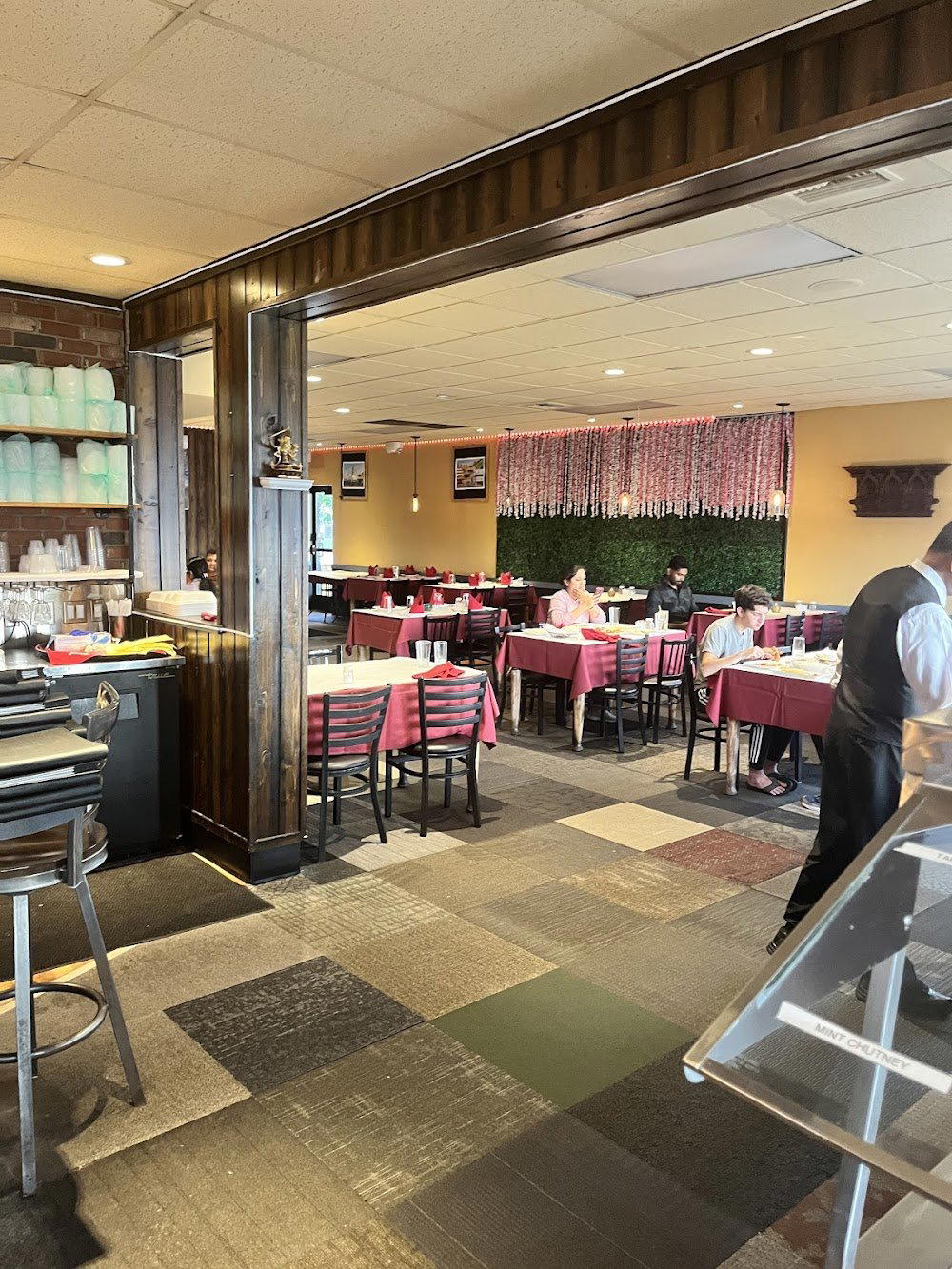
The Physical Setting Along Old Seward
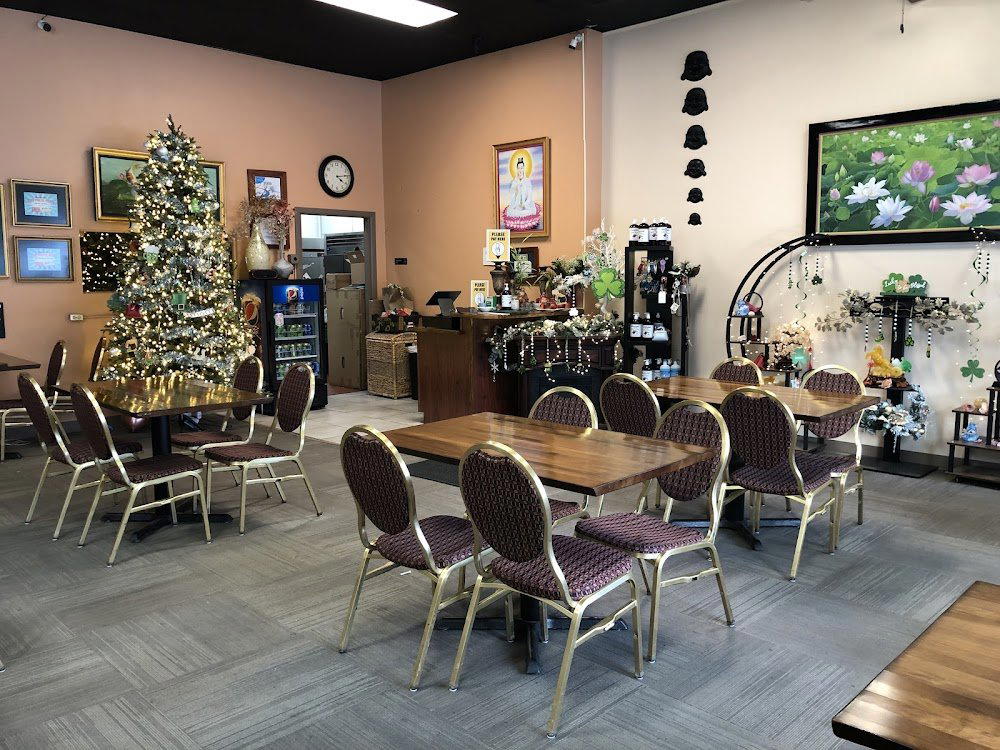
Commercial strips like Old Seward Highway impose a particular kind of architecture on the restaurants within them: freestanding buildings with parking-forward layouts, signage designed for visibility at driving speed, and interiors that must do the work of creating atmosphere without any help from the street. That challenge separates dining rooms that have thought carefully about their physical container from those that haven't.
The name Everest carries obvious Himalayan associations, and in the context of Anchorage, it connects the restaurant to a broader tradition of South Asian and Himalayan dining that has found footholds in mid-sized American cities with diverse immigrant communities. In cities like Seattle, Portland, and Denver, Nepali and Tibetan restaurants have moved from purely ethnic-community anchors toward broader dining audiences, partly through interior investments that signal accessibility without erasing cultural specificity. The question for any restaurant in this category operating in Anchorage is how well the physical space does that translation work.
Anchorage's geography makes atmosphere a sharper editorial concern than in most American cities. Diners arrive from neighborhoods spread across a large footprint, often after long drives, and the expectation of the interior environment carries more weight than in dense urban centers where the street itself provides energy. Restaurants on corridors like Old Seward Highway that succeed over time tend to create self-contained environments, where the room itself is the reason to arrive.
Himalayan and South Asian Dining in the American Interior
The category that Everest most likely occupies, Himalayan and South Asian cuisine, has followed a consistent arc in mid-sized American cities. Early-generation restaurants in the category built audiences through lunch buffets and dinner menus anchored by familiar Indian subcontinent dishes, often running alongside Nepali and Tibetan specialties that were less familiar to mainstream diners. The second and third generations of those restaurants have increasingly separated along two lines: those that deepened regional specificity, and those that broadened toward pan-Asian menus to sustain volume in smaller markets.
Anchorage's position as Alaska's largest city, with a population that includes significant Pacific Islander, South Asian, and Southeast Asian communities, creates genuine demand for this category. The city's restaurant coverage by major food publications has grown, but South Asian and Himalayan formats remain less documented than the seafood and Alaskan-focused restaurants that attract most editorial attention.
For context on what the category looks like at its most refined end nationally, restaurants like Atomix in New York City have demonstrated how Asian culinary traditions can anchor serious fine-dining formats with strong critical recognition, while Smyth in Chicago shows how mid-sized American cities can sustain ambitious tasting formats. At the other end of the scale, places like Lazy Bear in San Francisco have shown that format invention matters as much as cuisine category. Everest operates far from those reference points in terms of scale and ambition, but the same underlying question applies: what does the room and the cooking do together?
Planning a Visit: What to Know Before You Go
Anchorage dining operates on rhythms that differ from the Lower 48. The summer tourism surge, which runs roughly from late May through early September, pushes reservation demand across all categories, including mid-range restaurants that might otherwise have walk-in availability. Restaurants on non-tourist corridors like Old Seward Highway are somewhat buffered from that surge but not immune to it, particularly if they have a local following that intensifies during the short summer window when Anchorage residents are most active.
For diners coming from outside Anchorage, Old Seward Highway is accessible by car from downtown in under ten minutes under normal conditions, and from Ted Stevens Anchorage International Airport in a comparable time frame. The highway itself runs south from downtown and connects to the Seward Highway, which serves as the main artery toward the Kenai Peninsula. Visitors combining a meal with southbound travel toward Girdwood or the Kenai have an obvious logistical case for a stop on Old Seward.
Anyone planning around Anchorage's dining options as a whole would benefit from reading our full Anchorage restaurants guide, which covers the scene across formats, price tiers, and neighborhoods. For the downtown end of the spectrum, Club Paris and City Diner represent two distinct angles on Anchorage's longstanding dining identity. For travelers who want to benchmark Everest against the national field in fine dining and ambitious regional cooking, the reference set includes Providence in Los Angeles, Blue Hill at Stone Barns in Tarrytown, The French Laundry in Napa, Single Thread Farm in Healdsburg, Addison in San Diego, The Inn at Little Washington, Emeril's in New Orleans, Le Bernardin in New York City, and Atelier Moessmer Norbert Niederkofler in Brunico, venues that define the outer range of what considered dining looks like in different formats and geographies.
Frequently asked questions
What part of town is Everest Restaurant in?
Everest Restaurant is located at î3637 Old Seward Hwy, Anchorage, AK 99503, Anchorage.
Is Everest Restaurant suitable for diners who want Himalayan food in Anchorage but aren't sure where to start?
Himalayan restaurants across mid-sized American cities have consistently served both community regulars and first-time diners with the same menu, making the format accessible rather than specialist. Everest's position on Old Seward Highway in Anchorage places it in a commercial corridor with practical access and parking, lowering the threshold for a first visit. Asking staff for guidance on ordering is standard practice at restaurants in this category.
What dish is Everest Restaurant famous for?
The confirmed menu composition for Everest Restaurant is not detailed in the available record. Himalayan restaurants in mid-sized American cities like Anchorage typically anchor their menus around dal bhat, momos, and curry preparations, but verifying which specific dishes Everest has built its reputation on requires checking directly with the restaurant at 3637 Old Seward Hwy.
How far ahead should I plan for Everest Restaurant?
Anchorage's mid-range dining category is generally accessible without weeks of advance notice, though the summer tourism window from late May through early September tightens availability across the city. Contacting Everest directly at its Old Seward Highway location before your visit is advisable during peak season, particularly on weekend evenings.
The Quick Read
Comparable venues nearby, for context on price, style, and recognition.
| Venue | Cuisine | Price | Awards | Notes |
|---|---|---|---|---|
| Everest RestaurantThis venue (the venue you are viewing) | Indian & Nepali | $20–30 | Not listed | Not listed |
| Spenard Roadhouse | Contemporary Alaskan Comfort Food | $20–30 | Not listed | Spenard, Contemporary Alaskan Comfort Food |
| Moose's Tooth Pub & Pizzeria | Gourmet Pizza & Pub | $20–30 | Not listed | Midtown, Gourmet Pizza & Pub |
| Southside Bistro | American Bistro with Alaskan Seafood | $30–50 | Wine Spectator Best of Award of Excellence | South Anchorage, American Bistro with Alaskan Seafood |
| Club Paris | Classic Steakhouse | $30–50 | Not listed | Downtown, Classic Steakhouse |
| Whisky & Ramen | Japanese Ramen & Whisky Bar | $30–50 | James Beard Award Semi Finalist | downtown, Japanese Ramen & Whisky Bar |
Continue exploring
More in Anchorage
Restaurants in Anchorage
All restaurants in Anchorage →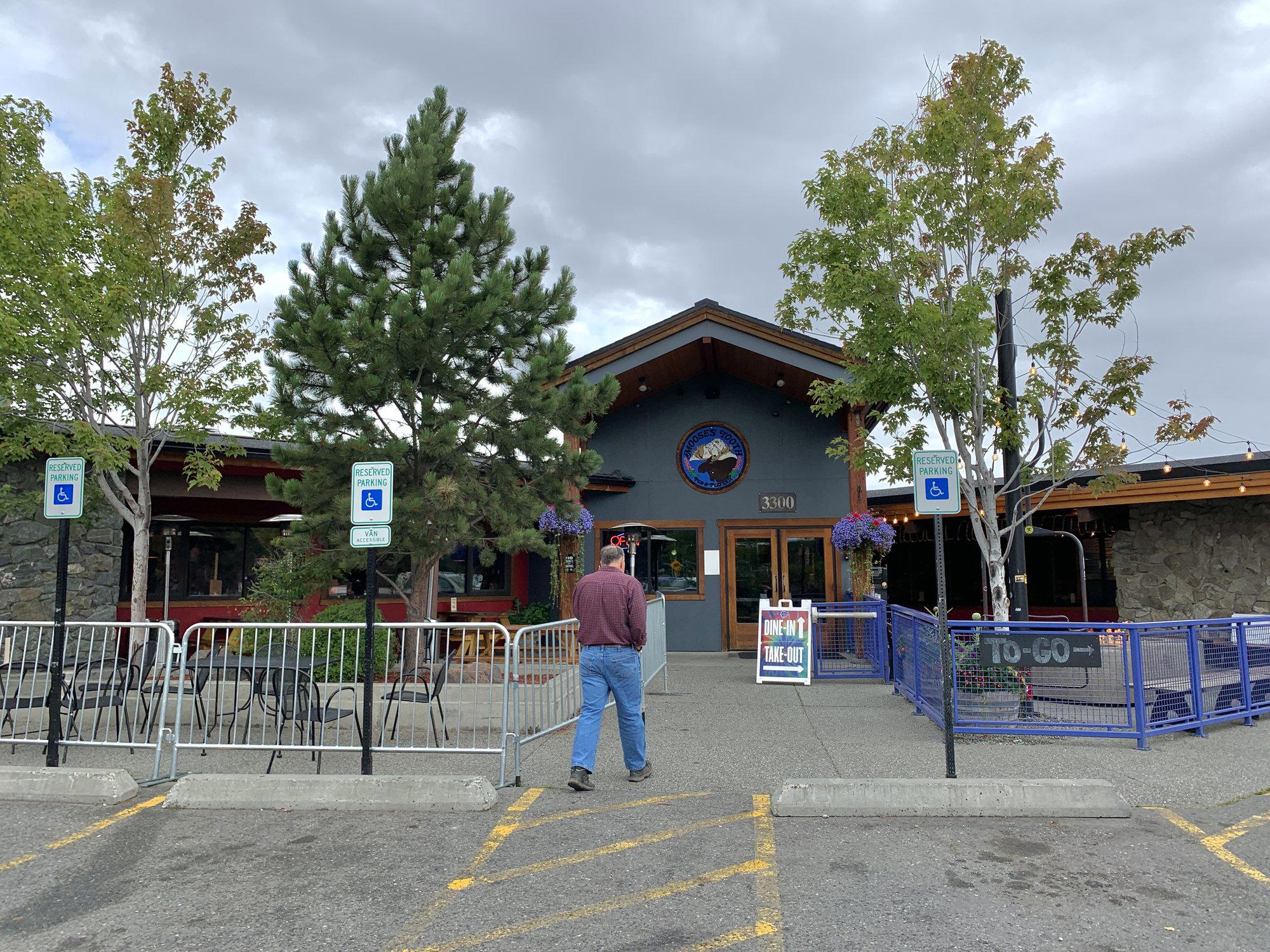

Details
- Classic
- Family
- Casual Hangout
- A La Carte
- Vegetarian Friendly
- Vegan Options
- Halal
Current opening hours
- Monday
- 11 AM–3 PM, 5–9 PM
- Tuesday
- 11 AM–3 PM, 5–9 PM
- Wednesday
- 11 AM–3 PM, 5–9 PM
- Thursday
- 11 AM–3 PM, 5–9 PM
- Friday
- 11 AM–3 PM, 5–9 PM
- Saturday
- 11 AM–3 PM, 5–9 PM
- Sunday
- 11 AM–3 PM, 5–9 PM
Hours can change for holidays and private events. Last verified .
Warm and inviting atmosphere with good service as per guest reviews.