Anchorage Distillery
Anchorage Distillery operates in Alaska's growing craft spirits scene, where proximity to pristine water sources and a culture of self-sufficient production shapes how local distillers approach their craft. Located on A Street in south Anchorage, the distillery represents the broader shift toward grain-to-glass transparency that has redefined American craft spirits over the past decade.

Pearl is the En Primeur Club membership app, where members save venues, book tables and use the concierge.
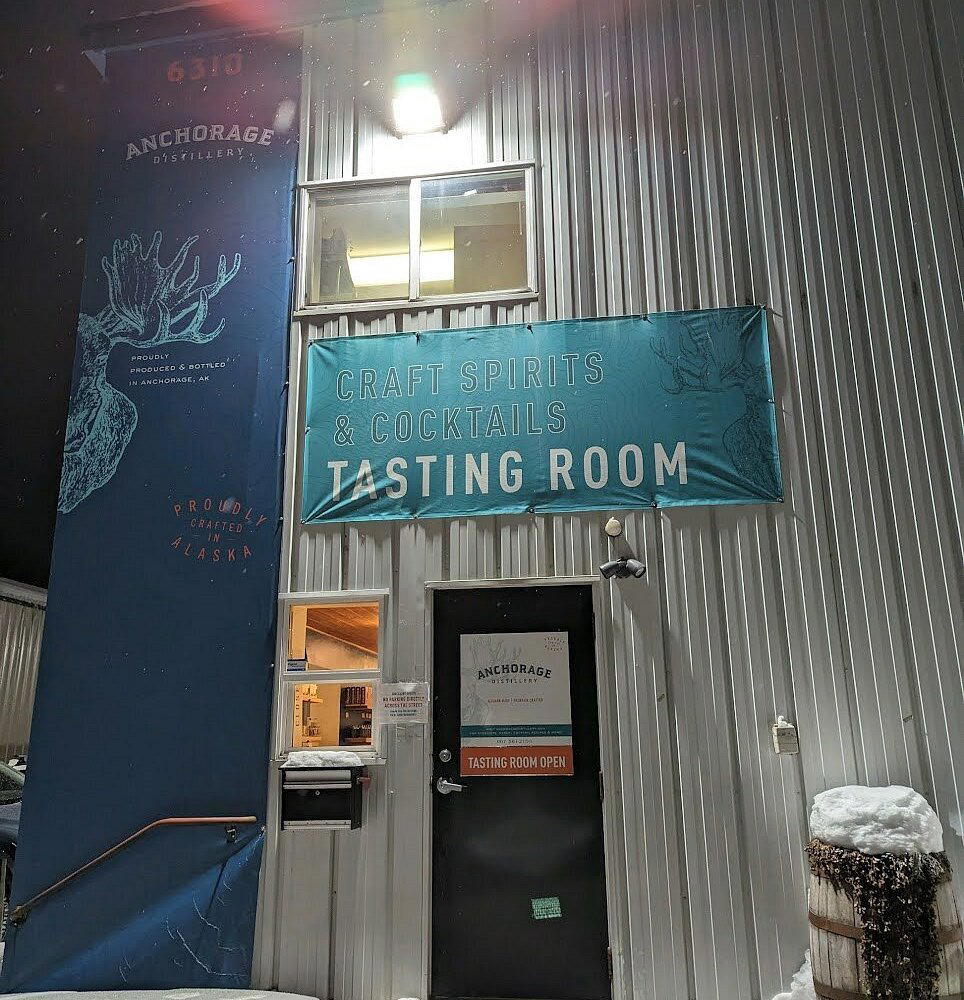
Alaska's Craft Spirits Context
American craft distilling has spent the past fifteen years moving away from the novelty phase, small-batch labeling as a marketing claim rather than a production reality, toward something more grounded in ingredient provenance and regional identity. Few American states offer as compelling a case for place-based spirits production as Alaska. Water quality here is not a talking point; the state draws from snowmelt and glacial runoff systems that most continental distillers can only approximate. That hydrological reality, combined with a tradition of subsistence-oriented self-sufficiency, gives Alaskan craft producers a genuine sourcing story at a time when sourcing stories matter more than they ever have.
Anchorage Distillery, located at 6310 A St in the south Anchorage corridor, sits within this context. The address places it in an industrial-adjacent part of the city that has quietly become a gathering point for production-focused businesses, the kind of geography that craft breweries and distilleries gravitate toward when they prioritize production square footage over foot traffic from tourist corridors.
What the Setting Tells You
Visitors approaching a working distillery in this part of Anchorage are not walking into a polished hotel bar or a tasting room designed by an interior architect. The physical environment of production-focused craft spirits facilities tends toward the functional: stainless steel, copper pot stills, the faint ambient warmth of fermentation, the particular sweetness of grain mash in the air. That sensory register is part of the appeal for a certain kind of drinker. It signals that the priority here is what goes into the bottle, not what hangs on the wall.
In the broader American craft spirits market, this split between production-first venues and experience-first venues has sharpened considerably. Destinations like Kumiko in Chicago and Bar Leather Apron in Honolulu represent the polished, technically rigorous cocktail bar end of the spectrum, where the drinking experience is curated to a high finish. A working distillery with a tasting room occupies a different position: closer to the source, less mediated, more transparent about process.
Ingredient Sourcing and the Alaska Advantage
The ingredient sourcing argument for Alaskan spirits production is worth taking seriously. Water is the obvious starting point, Alaska's water sources consistently test at low mineral content and high clarity, which matters particularly for neutral spirits and vodka production, where water character is a primary variable. But grain sourcing is equally relevant. Alaska's agricultural output is limited by latitude and growing season, which means most distilleries source grains from the Pacific Northwest or further afield. The honest distillery acknowledges this; the marketing-forward one does not. Producers who are transparent about their grain supply chain, where it comes from, why they chose it, how it interacts with local water, are making a more credible sourcing claim than those who lean entirely on Alaska's geographic identity.
This is the framework through which craft spirits from the region should be assessed. Place-based production in Alaska is real and meaningful, but it operates differently from, say, a Kentucky bourbon house where the local grain supply and limestone water are both integral and documented over generations. The Alaskan craft producer's advantage is more specifically about water, climate during barrel aging (cold Alaskan winters and the diurnal temperature swings they create affect how spirits interact with wood), and a regional identity that carries genuine consumer interest.
Anchorage's Drinking Scene: Where This Fits
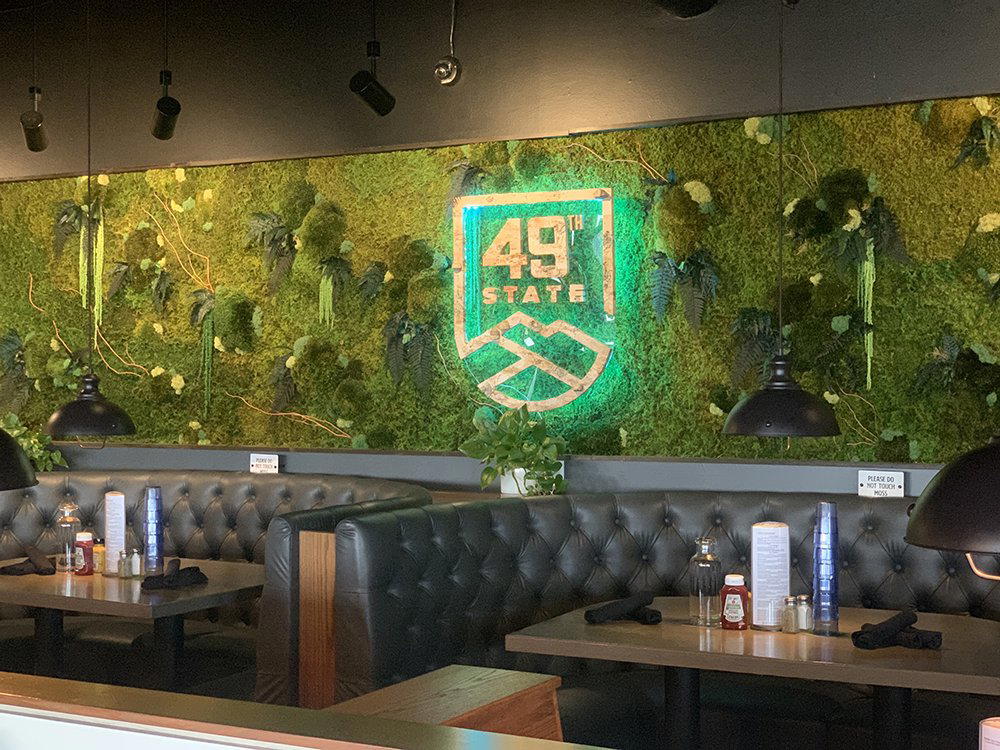
Anchorage's bar and spirits scene has developed more range than outsiders typically expect. 49th State Brewing and Bear Tooth Theatrepub represent the high-volume, convivial end of Anchorage's craft production sector, both with significant food programs and established local followings. Crow's Nest occupies a more formal tier, with views and a service register that positions it toward special-occasion dining. Chair 5 Restaurant leans into the outdoor-recreation culture that defines much of Anchorage's social life.
A production distillery with a tasting room sits apart from all of these formats. It draws visitors who are specifically interested in understanding how spirits are made, tasting products at the source, and engaging with producers directly. Across North America, the most credible comparisons are not cocktail bars but other craft distillery tasting rooms, places like the production facilities associated with spirits programs in Portland, Denver, or the Hudson Valley, where the tasting room experience is inseparable from the visible production environment.
For travelers building a broader picture of American craft spirits geography, it's useful to note that cities like New Orleans (Jewel of the South), Houston (Julep), New York (Superbueno), San Francisco (ABV), and Frankfurt (The Parlour) each represent mature, high-technique cocktail markets where craft spirits from producers like Anchorage Distillery eventually find their way onto back bars. The distillery visit and the cocktail bar visit serve different purposes in a drinker's education.
Planning Your Visit
Anchorage Distillery is located at 6310 A St, Anchorage, AK 99518, in south Anchorage. Given the production-focused nature of the facility, visitors are advised to confirm current tasting room hours and availability directly before visiting, as distillery tasting schedules can shift with production cycles and seasonal demand. Anchorage's tourism peak runs from late May through August, when daylight hours extend dramatically and visitor numbers across the city rise sharply, this is the period when any tasting room visit benefits from advance planning. The shoulder seasons of September and early October offer a quieter experience, with the added context of fall light and the beginning of the hunting and fishing seasons that deeply inform Alaskan food and drink culture. For a broader orientation to what Anchorage's food and drink scene offers across price points and formats, the EP Club Anchorage guide maps the full range.
A Quick Peer Check
| Venue | Cuisine | Price |
|---|---|---|
| Anchorage DistilleryThis venue (the venue you are viewing) | This venue | $20–30 |
| Bear Tooth Theatrepub | Not listed | $20–30 |
| 49th State Brewing - Anchorage | Not listed | $30–50 |
Continue exploring
More in Anchorage
Bars in Anchorage
All bars in Anchorage →
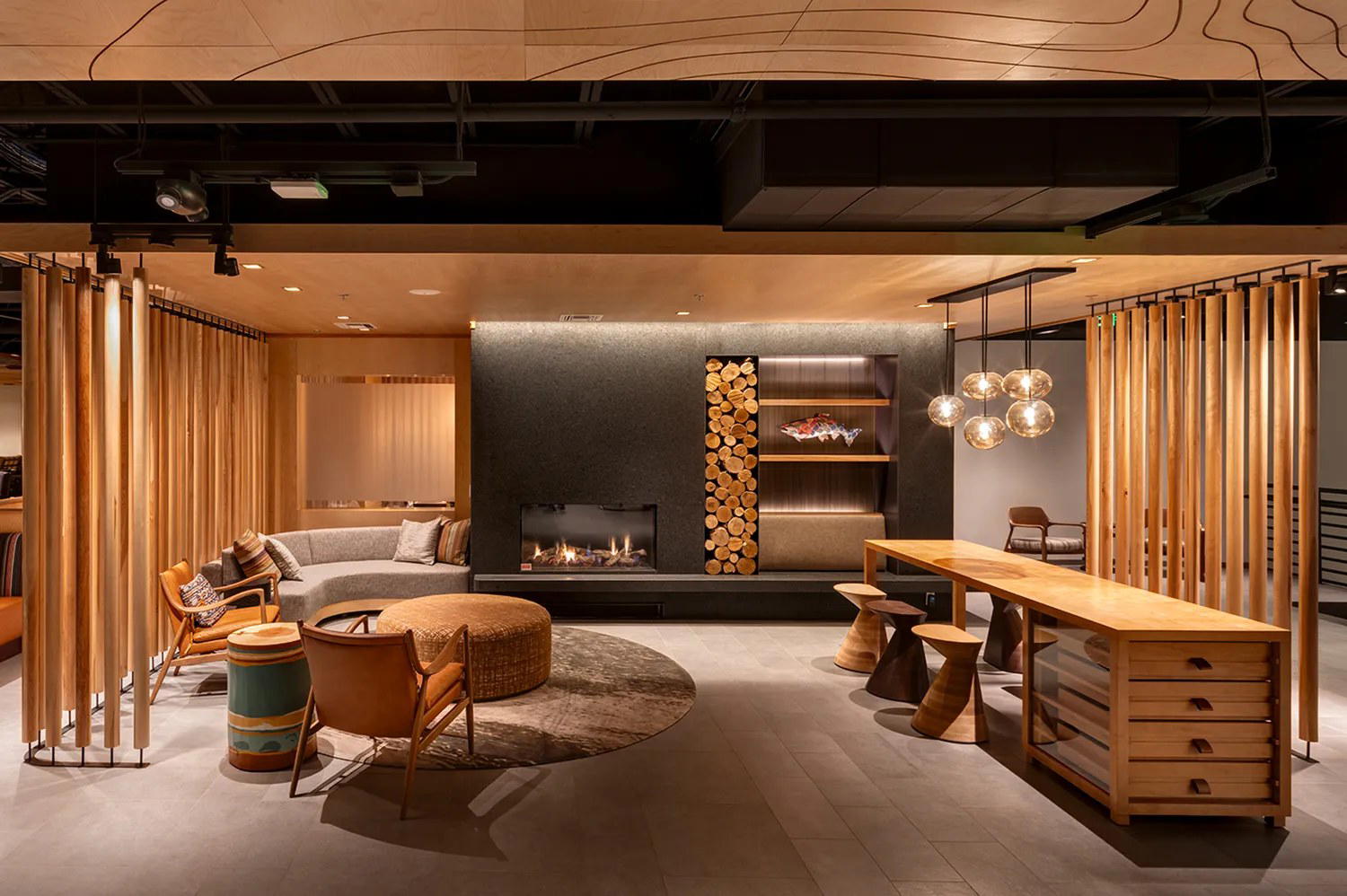
Anchorage Distillery
The drinks
- Craft cocktails
Signature drinks: Espresso Martini, Cinnamon Moonshine Cocktail.
Details
- Rustic
- Cozy
- Industrial
- Casual Hangout
- After Work
- Standalone
- Seated Bar
- Craft Cocktails
- Whiskey
- Gin
Current opening hours
- Monday
- Closed
- Tuesday
- Closed
- Wednesday
- 3–8 PM
- Thursday
- 3–8 PM
- Friday
- 3–9 PM
- Saturday
- 3–9 PM
- Sunday
- 3–8 PM
Hours can change for holidays and private events. Last verified .
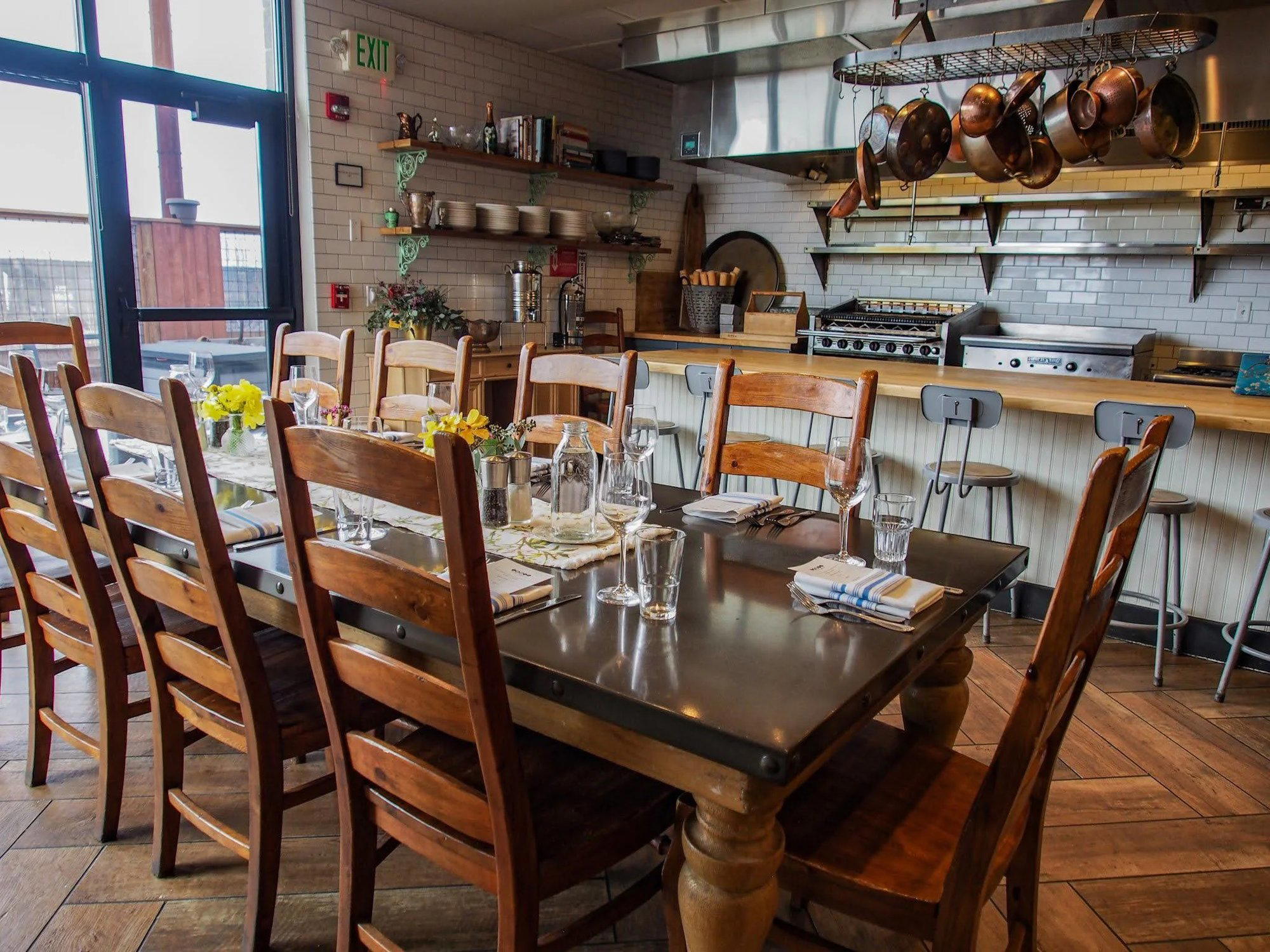
Cozy and inviting atmosphere emphasizing local ingredients and innovative mixology.