

Set in a former coffee and tea shop near Bolhão market, Almeja positions itself in Porto's mid-tier contemporary scene with a seasonal, producer-led approach. Chef João Cura, whose training took him through prestigious Spanish kitchens, runs a concise format spanning à la carte, two weekday menus, and a 10-course tasting option. A Michelin Plate holder since 2024, it earns its place on Rua de Fernandes Tomás with intelligent cooking that takes local ingredients seriously.
Pearl is the En Primeur Club membership app — saves, bookings, and concierge access live there. Same editors, same standards.
- Address
- Rua de Fernandes Tomás 819, 4000-219 Porto, Portugal
- Phone
- +351 22 203 8120
- Website
- almejaporto.com
- Directions
- Get directions
 Saves & bookings on Pearl
Where Bolhão's Margins Meet Contemporary Portuguese Cooking
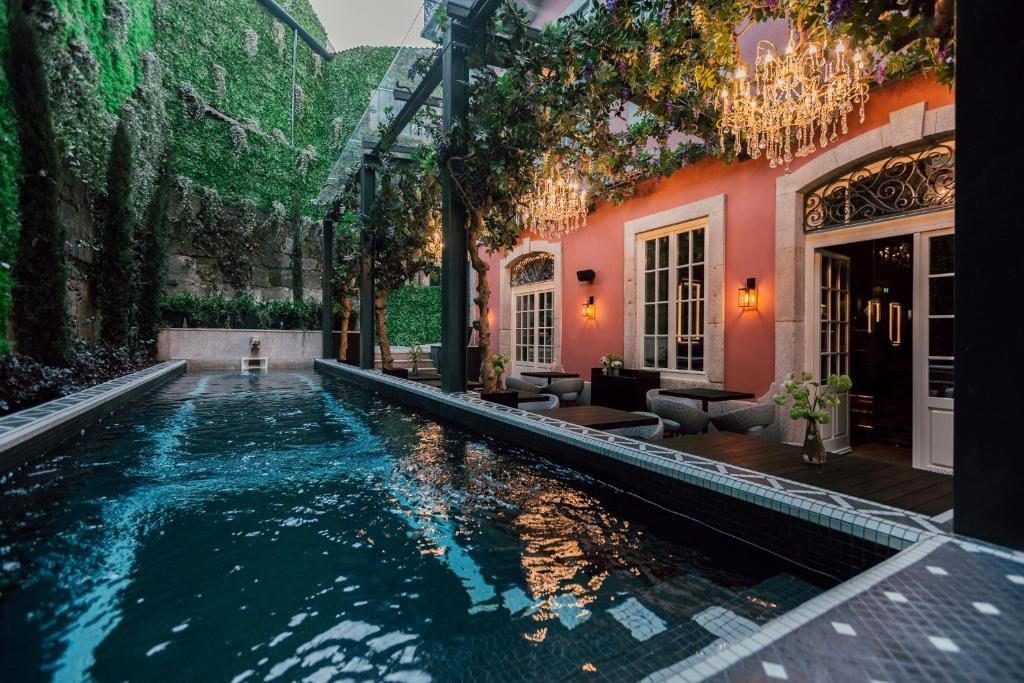
The stretch of Rua de Fernandes Tomás that edges away from the Bolhão market has a working-city character that Porto's more photographed quarters lack. It is a neighbourhood of tiled facades, neighbourhood grocers, and buildings that have absorbed several generations of commerce. The space Almeja now occupies carried that pattern forward as a traditional coffee and tea shop before the conversion. The bones of that history, the proportions, the light, the sense that the room has a past, remain part of what you are dining inside. A garden at the back adds a second register entirely, quieter and open-air, that sits at odds with the urban street outside.
That physical context matters because it shapes the competitive positioning of the whole project. Porto's contemporary restaurant scene has split in recent years between high-ticket tasting-menu addresses and a smaller tier of chef-led rooms that work at mid-range price points without softening their culinary ambitions. Almeja belongs firmly to the latter group, priced at €€ against comparators like Euskalduna Studio, Antiqvvm, and Le Monument, each operating at €€€€. That pricing differential is not an accident of ambition, it reflects a deliberate choice about who the restaurant is for and what the cooking is trying to do.
A Training Arc That Reads Across the Menu
The trajectory that brought João Cura to this room is worth understanding, not as biography but as culinary context. Spanish kitchens have spent the last two decades developing particularly technically disciplined approaches to seasonal produce anywhere in Europe, and a chef who moves through that environment accumulates a specific vocabulary: precise, ingredient-forward, alert to texture and temperature as primary variables rather than secondary considerations. When Cura returned to Portugal and built Almeja alongside his wife Sofia Amaral, who runs the dining room, that vocabulary came with him, but it was applied to Portuguese producers, Portuguese geography, and a seasonal calendar grounded in the northwest of the country.
The Michelin Plate recognition in 2024 and again in 2025 is the relevant credential here. The Plate signals cooking with clean technique, consistent execution, and careful treatment of ingredients. For a room working at €€, holding that recognition across consecutive years suggests the kitchen is not coasting. Among Portugal's Michelin-listed addresses, the starred tier includes Belcanto in Lisbon, Vila Joya in Albufeira, Casa de Chá da Boa Nova in Leça da Palmeira, and The Yeatman in Vila Nova de Gaia, among others. Almeja occupies the stratum just below that ceiling, and the Plate signals it is pushing at it.
The Seasonal Logic and What It Means in Practice
Seasonal menus are a common claim in contemporary Portuguese restaurants. At Almeja, the approach starts at the sourcing stage: local producers are selected before the menu is designed, which reverses the conventional sequence and constrains the kitchen in a productive way. The results are most evident, according to Michelin's own notes on the restaurant, in vegetable-forward dishes, where the cooking reportedly shows particular clarity, though the kitchen does not operate as a vegetarian or vegetable-exclusive programme. The inspector commentary raises the question of whether more vegetable-led plates might appear in future iterations of the menu, which reads as a genuine critical observation rather than a complaint.
The format gives diners several entry points. The 10-course tasting menu is the full statement of what the kitchen is doing at any given moment. Two shorter formats, the Bolhão and Trindade menus, both named with reference to the immediate neighbourhood, are available on weekdays only, offering a more condensed version of the seasonal programme. À la carte rounds out the options for those who prefer to compose their own meal. The structure sensibly spreads accessibility across the week without diluting the tasting-menu experience on evenings when the kitchen can concentrate on it.
For visitors planning around Porto's broader restaurant calendar, Almeja is closed on Mondays and Sundays. Lunch service runs 12:30 to 2:30 pm; dinner runs 7:30 to 10:30 pm Tuesday through Saturday.
Where Almeja Sits in Porto's Current Scene
Porto has developed a genuinely dense concentration of serious restaurant cooking over the past decade, which makes the positioning of any individual address more meaningful than it would be in a thinner market. The high end is well-documented: Blind and Vila Foz operate in the creative and contemporary tiers at higher price points, and the starred addresses outside the city, such as Il Gallo d'Oro in Funchal and Ocean in Porches, set the regional ceiling. Globally, the kind of technically grounded, producer-led tasting format that Almeja practices has parallels in kitchens like Le Bernardin in New York City and Atomix in New York City, though at different price brackets and scale.
What Almeja offers within Porto specifically is a mid-range point of serious intent.5 across 797 reviews is a reasonable signal of consistent delivery. It is the kind of score that suggests the room performs at a similar level on a Tuesday lunch as it does on a Saturday evening tasting menu, which is the harder achievement.
For anyone building a Porto eating programme across several days, the restaurant sits comfortably as the kind of address that rewards a weekday lunch: the Bolhão or Trindade menus make the seasonal cooking accessible at a pace and price that leaves room for a longer dinner elsewhere. Explore the full context of the city's restaurant scene, places to stay, and what to drink through our full Porto restaurants guide, our full Porto hotels guide, our full Porto bars guide, our full Porto wineries guide, and our full Porto experiences guide.
In Context: Similar Options
Comparable venues nearby, for context on price, style, and recognition.
| Venue | Cuisine | Price | Awards | Notes |
|---|---|---|---|---|
| AlmejaThis venue — the venue you are viewing | Contemporary Portuguese Fine Dining | $$$ | Michelin Plate | Not listed |
| Real by Casa da Calçada | Modern Portuguese Fine Dining | $$$ | Michelin Plate | Santo Ildefonso |
| Elemento | Wood-Fire Fine Dining | $$$ | Michelin Plate | Vitória |
| TreZe Restaurante | Portuguese | $$ | Bib Gourmand | Foz do Douro |
| Apego | Luso-French Fusion Tasting Menus | $$$ | Michelin Plate | Bonfim |
| dop | Modern Portuguese Fine Dining | $$$$ | Michelin Plate | S Nicolau |
Recognition history
Dated appearances from independent guides and award organizations, with the underlying list record or original source where available.
Michelin Plate
Michelin
Michelin Plate
Michelin
We're Smart World 1 Radish
We're Smart World
Michelin Plate
Michelin
Continue exploring
More in Porto
Restaurants in Porto
Browse all →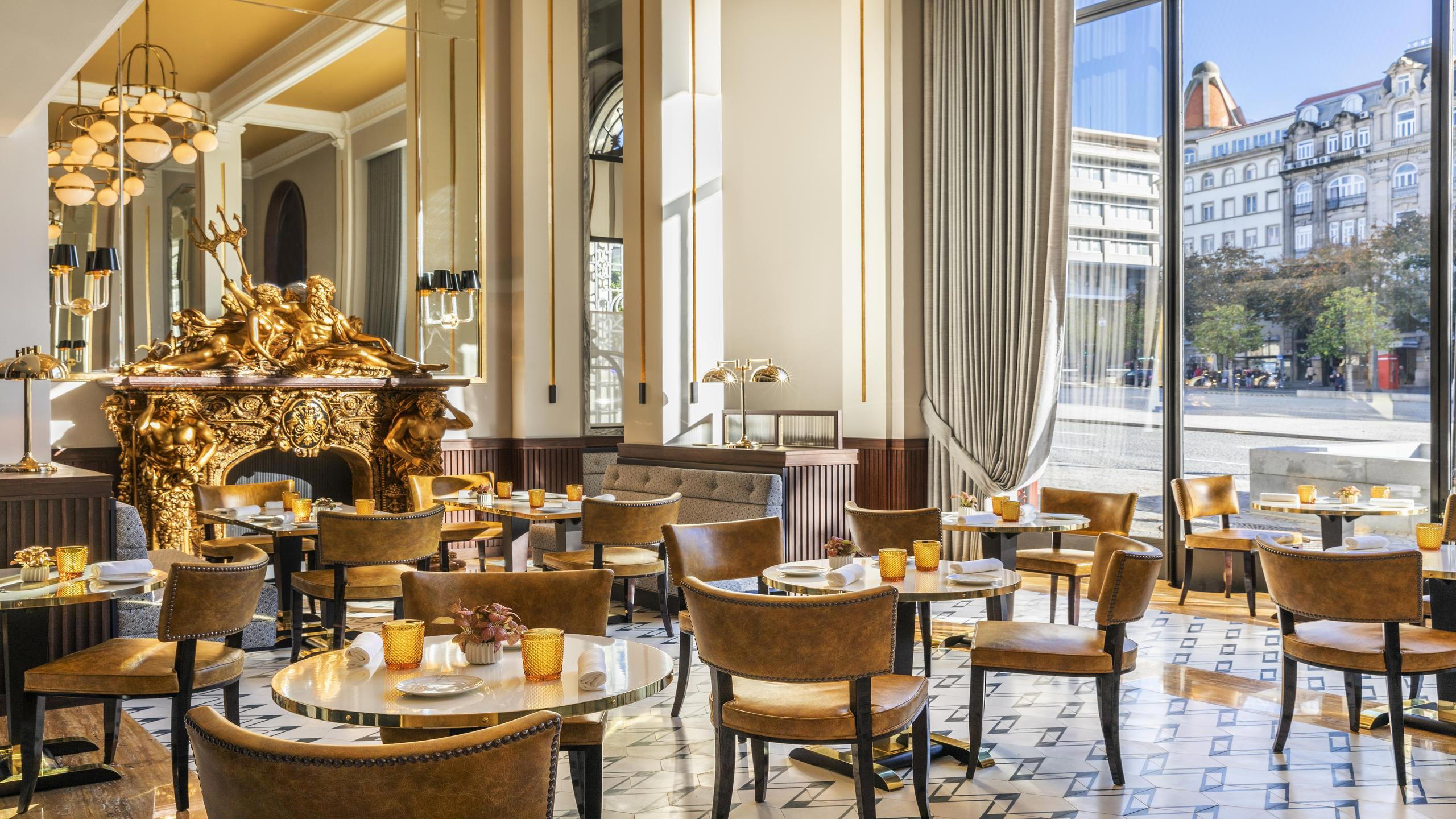
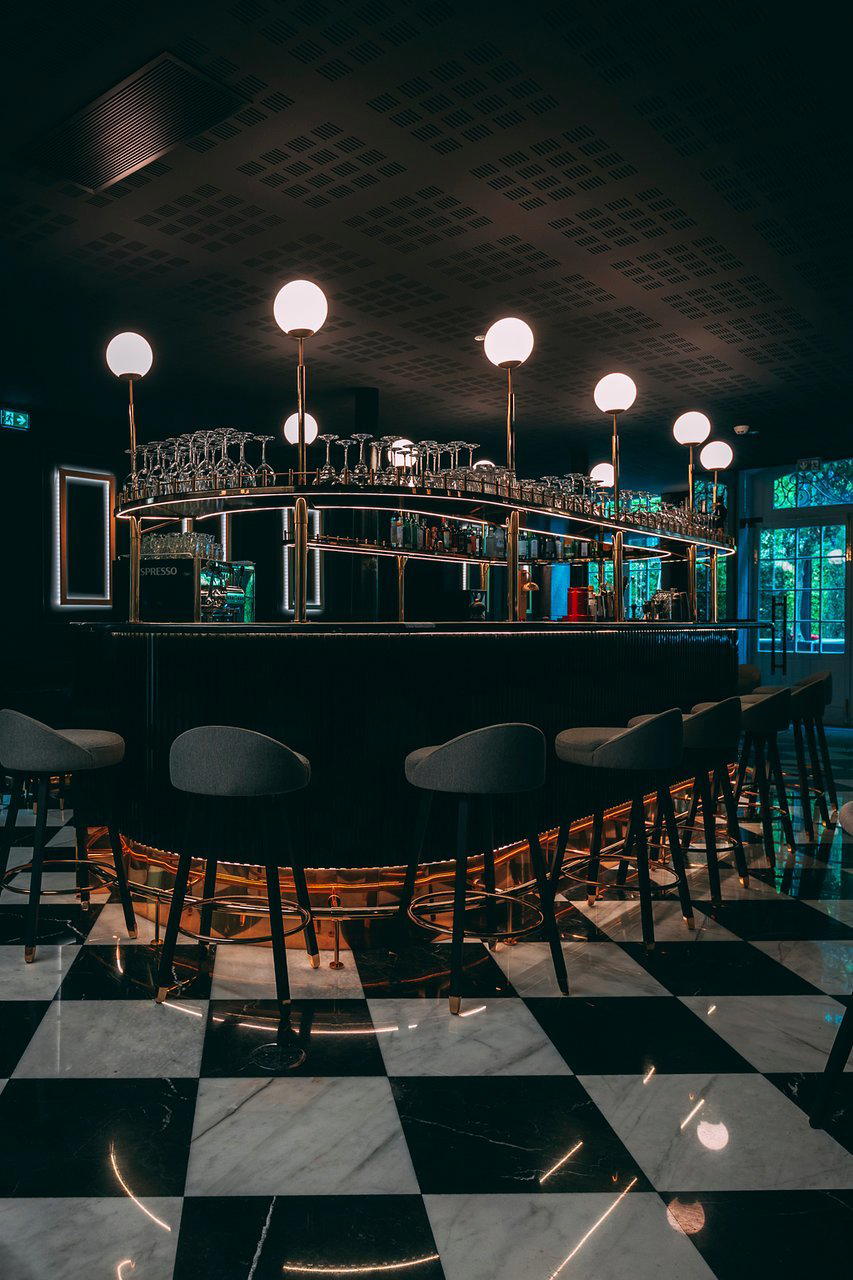
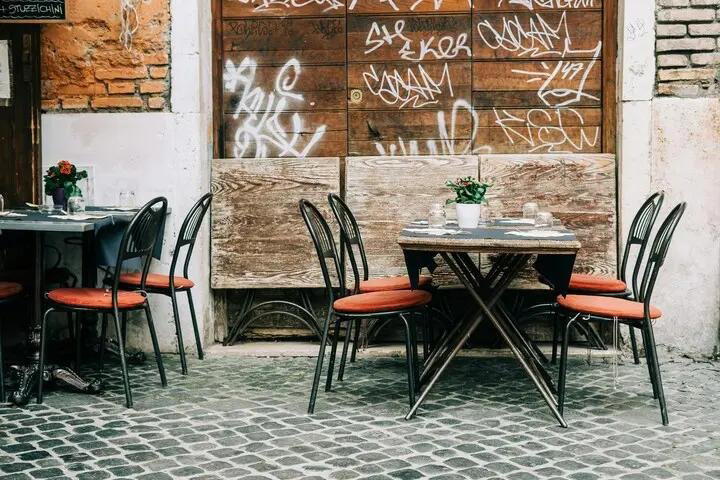
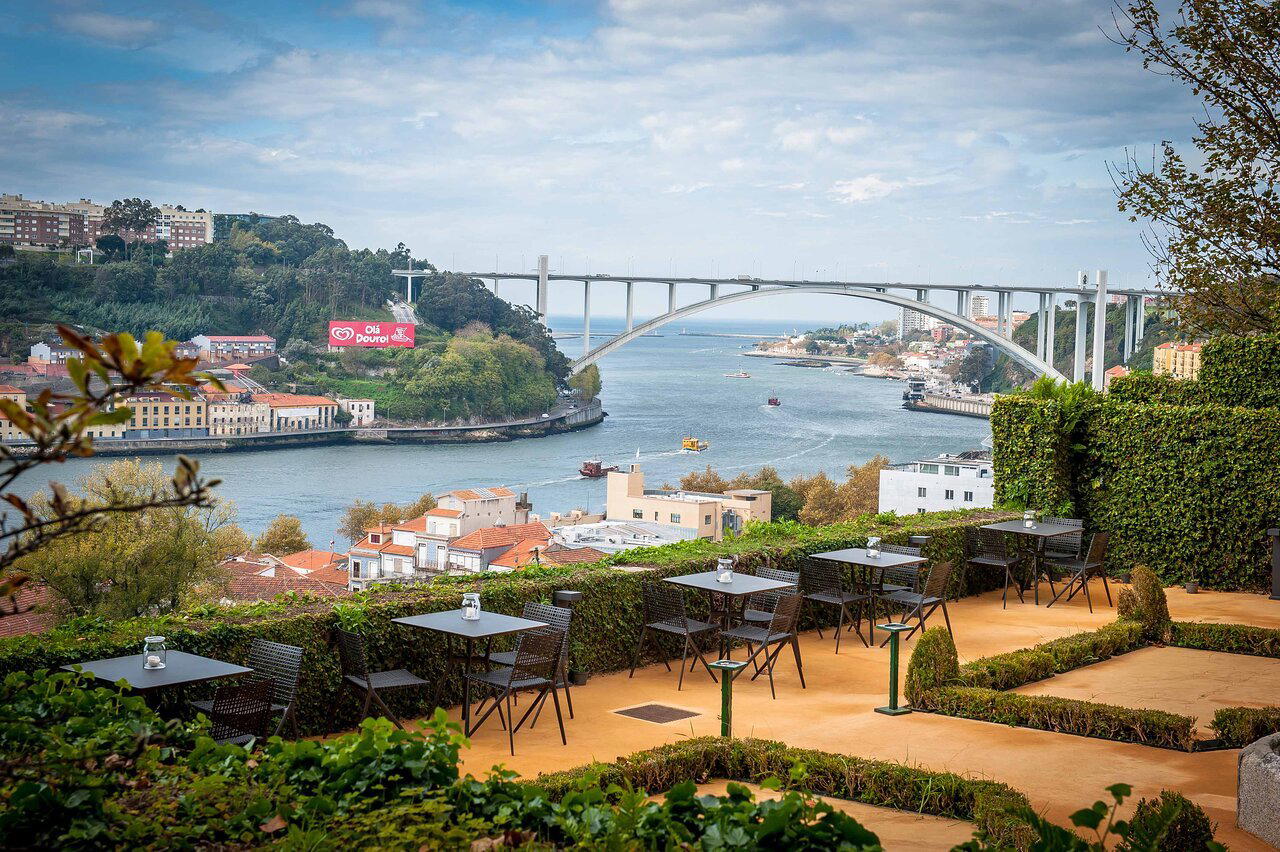
Bars in Porto
Browse all →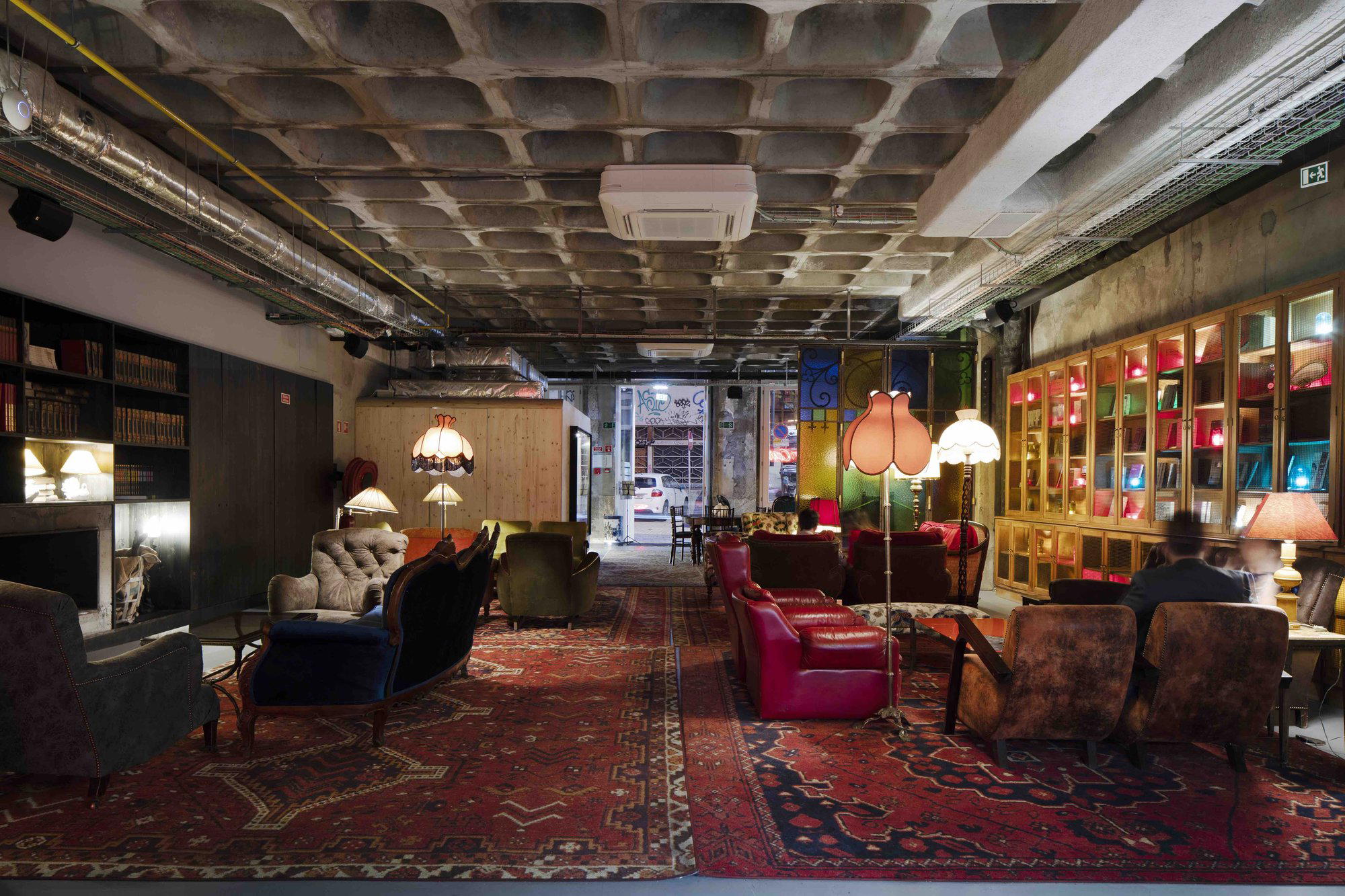
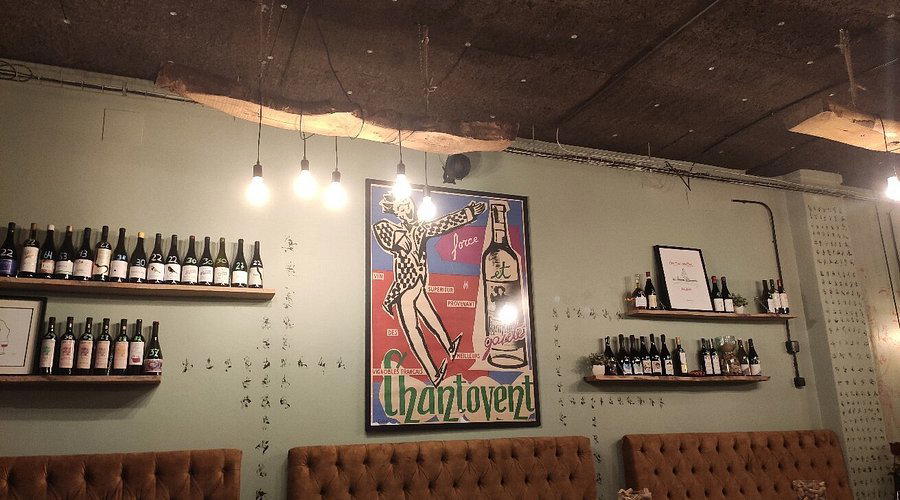
Hotels in Porto
Browse all →
At a Glance
- Cozy
- Elegant
- Intimate
- Date Night
- Special Occasion
- Garden
- Open Kitchen
- Extensive Wine List
- Local Sourcing
- Garden
Current opening hours
- Monday
- Closed
- Tuesday
- 12:30–2:30 PM, 7:30–10:30 PM
- Wednesday
- 12:30–2:30 PM, 7:30–10:30 PM
- Thursday
- 12:30–2:30 PM, 7:30–10:30 PM
- Friday
- 12:30–2:30 PM, 7:30–10:30 PM
- Saturday
- 12:30–2:30 PM, 7–10:30 PM
- Sunday
- Closed
Hours can change for holidays and private events. Last verified .
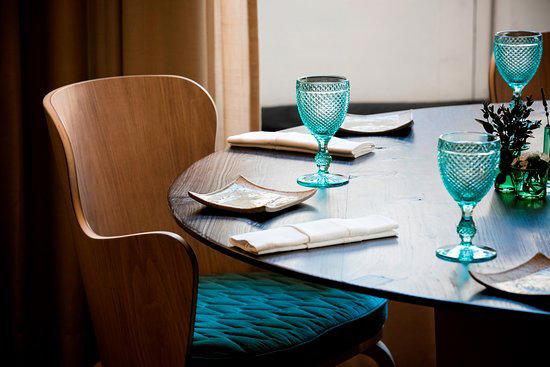
Cozy and charming with relaxed garden seating, warm decor, and attentive service creating a welcoming home-like atmosphere.