Etika
Etika occupies a quiet address on Áarvegur in central Tórshavn, where the Faroese dining scene has moved decisively toward locally anchored, technique-driven cooking. The restaurant sits in a city with few seats at this level, competing in a small comparable set that includes PAZ and Ræst. Booking ahead is advisable; walk-in availability in Tórshavn's top tier is limited, particularly in the summer travel window.
Pearl is the En Primeur Club membership app — saves, bookings, and concierge access live there. Same editors, same standards.
- Address
- 3 Áarvegur, Tórshavn 100, Faroe Islands
- Phone
- +298 319319
- Website
- etika.fo
- Directions
- Get directions
 Saves & bookings on Pearl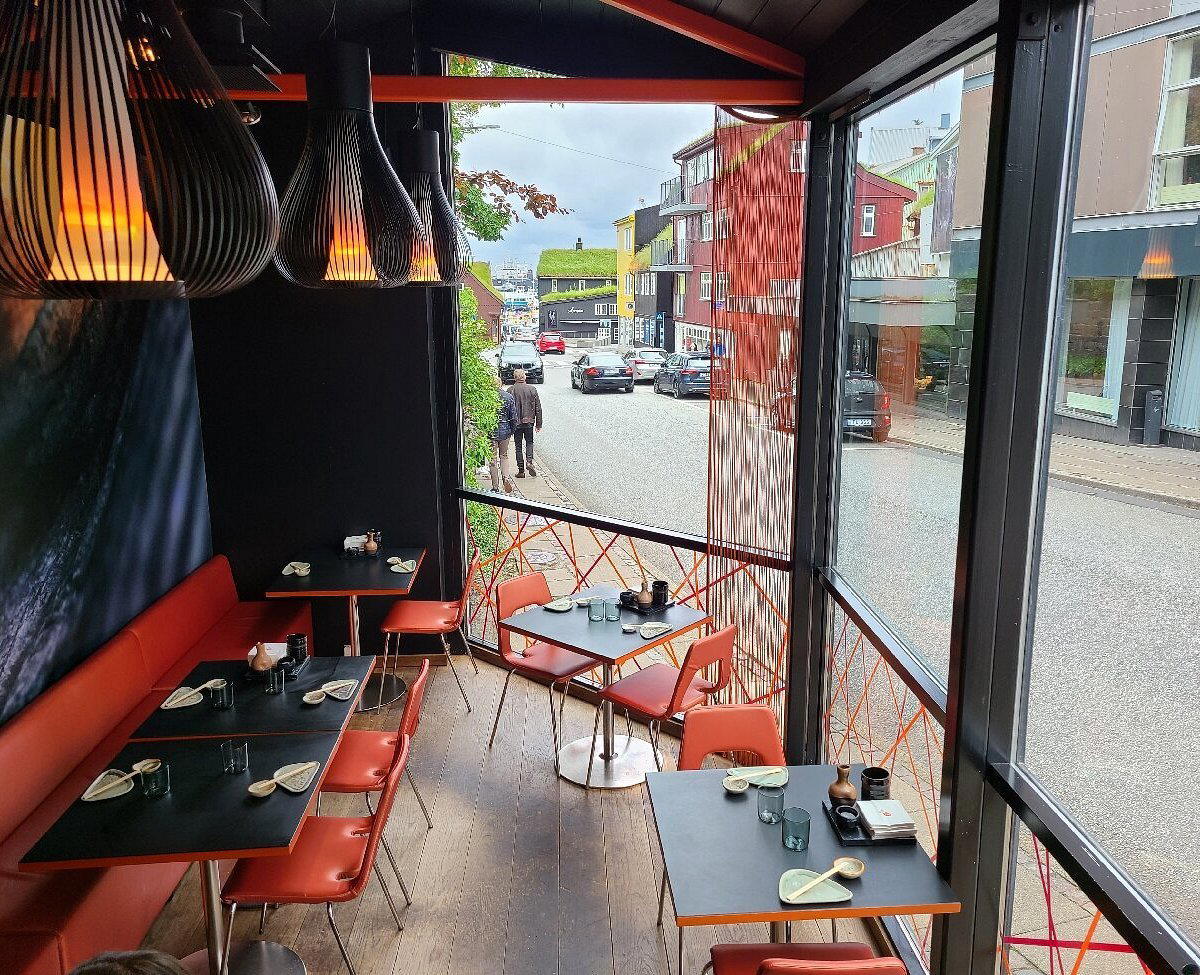
Where the North Atlantic Table Finds Its Footing
Tórshavn is a city of roughly 22,000 people that has, over the past decade, generated a dining conversation disproportionate to its size. That conversation centres on a handful of restaurants working with the same raw materials the islands have always produced, lamb grazed on salt-wind hillsides, fish pulled from some of the deepest, coldest water in the North Atlantic, root vegetables and fermented staples carried across centuries of subsistence, and reframing them inside a format that travels. Etika is a restaurant serving Japanese-Faroese Fusion Sushi in Tórshavn, Faroe Islands, and it is typically priced at about $50 per person. Etika, addressed at 3 Áarvegur in the capital's walkable centre, is part of that generation of restaurants. It operates in a city where the dining map is small enough that each address carries real weight.
The broader Faroese dining movement owes a structural debt to New Nordic thinking, which refined hyper-regional sourcing from a necessity into an aesthetic. What distinguishes the Faroese version is that the islands never had a large urban restaurant culture to disrupt. The terroir here was not rediscovered, it was simply always the only option. That gives places like Etika a different relationship to local ingredients than, say, a Copenhagen restaurant performing a return to roots. On the Faroe Islands, the roots never left.
The Tórshavn Scene and Where Etika Sits Within It
The capital's restaurant tier divides roughly into creative tasting-menu formats at the higher price points and more casual seafood-forward addresses beneath them. PAZ in Tórshavn holds the leading price bracket at €€€€, with a creative format that has drawn international attention. Barbara and its sibling Barbara in Tinghusgar Ur represent a different register. Ræst works the fermented and preserved tradition with directness. Etika sits within this compact ecosystem, on a street close enough to the harbour that the city's fishing identity is never far from the frame.
What makes a Tórshavn address interesting to the international traveller is not the density of options, it is the coherence of purpose. The city does not produce restaurants that hedge toward international comfort food. The working logic, across addresses, is that the islands' ingredients are argument enough. For a reader familiar with how Le Bernardin in New York City or Uliassi in Senigallia approach seafood as a primary subject, the Faroese treatment will be recognisable in ambition if not in register. The scale here is smaller, the supply chains shorter, and the conceptual distance between sea and plate compressed to something close to literal.
The Cultural Weight of Faroese Cooking
Faroese food traditions are, at their core, preservation traditions. The islands sit in the path of Atlantic weather systems that historically made growing seasons short and uncertain. Ræst, the practice of wind-drying and fermenting meat and fish, is not a culinary trend imported from Scandinavia. It is a method that kept island populations fed across winters, and it carries the weight of that history in every application. Restaurants that work with these methods are not performing rustic nostalgia; they are operating within a living technical tradition that predates most European fine-dining conventions by several centuries.
That cultural specificity is part of what has drawn attention from the international food press to a capital city that most visitors would not historically have placed on a dining itinerary. The same pattern of regional specificity and micro-scale production has driven critical interest in addresses from Reale in Castel di Sangro to Atelier Moessmer Norbert Niederkofler in Brunico, where Alpine and Dolomite sourcing logic mirrors the Faroese argument: the place determines the plate. Etika operates in that tradition, in a city where it has few competitors at the same level and a high degree of ingredient singularity to draw from.
Thinking About the Visit
The summer window between May and August concentrates most international visitor traffic, and restaurant capacity at the city's better addresses tightens accordingly. Planning ahead is the operative advice for any Tórshavn itinerary that includes the upper dining tier. The city's size means that even a modest surge in visitor numbers has a measurable effect on availability. Etika's Áarvegur address places it within easy reach of the main hotel concentration and the harbour, making it accessible on foot from most central accommodation.
For travellers building a broader dining context around a Faroe Islands visit, the peer comparison extends beyond the islands. The creative tasting-menu format that defines stronger examples from Tórshavn's dining market shares methodological logic with addresses like Lazy Bear in San Francisco or Atomix in New York City in its commitment to a defined, sequenced experience, even if the ingredient vocabulary and price architecture are entirely distinct. Closer in geography and spirit are places like Waterside Inn in Bray, where a remote-ish setting and serious culinary intent have long coexisted. The Faroese version of that equation simply compresses the remoteness further.
Addresses like Quattro Passi in Marina del Cantone, Piazza Duomo in Alba, and HAJIME in Osaka each demonstrate, in different regional contexts, how a singular place-based ingredient logic can sustain a serious restaurant. Tórshavn's dining scene is making the same argument on Atlantic terms.
Budget and Context
Comparable venues nearby, for context on price, style, and recognition.
| Venue | Cuisine | Price | Awards | Notes |
|---|---|---|---|---|
| EtikaThis venue — the venue you are viewing | Tórshavn, Japanese-Faroese Fusion Sushi | $$$ | Not listed | Not listed |
| Barbara Fish House | Not listed | $$$$ | Not listed | Tórshavn city centre, Faroese Seafood Tapas |
| Barbara | Tórshavn, Faroese Seafood Tapas | $$$ | Not listed | Not listed |
| Áarstova | Not listed | $$$ | Not listed | Tórshavn Old Town, Contemporary Scandinavian with Faroese Lamb & Seafood |
| ROKS | Not listed | $$$$ | Michelin Plate | Tórshavn old town, Modern Faroese Seafood Tasting |
| Ræst | Tórshavn, Modern Faroese Fermentation | $$$$ | Michelin Plate | Not listed |
Continue exploring
More in Tórshavn
Restaurants in Tórshavn
Browse all →
At a Glance
- Modern
- Cozy
- Date Night
- Casual Hangout
- Open Kitchen
- Local Sourcing
- Sustainable Seafood
Current opening hours
- Monday
- 5–9 PM
- Tuesday
- 11:30 AM–9 PM
- Wednesday
- 11:30 AM–9 PM
- Thursday
- 11:30 AM–9 PM
- Friday
- 11:30 AM–9:30 PM
- Saturday
- 11:30 AM–9:30 PM
- Sunday
- 5–9 PM
Hours can change for holidays and private events. Last verified .
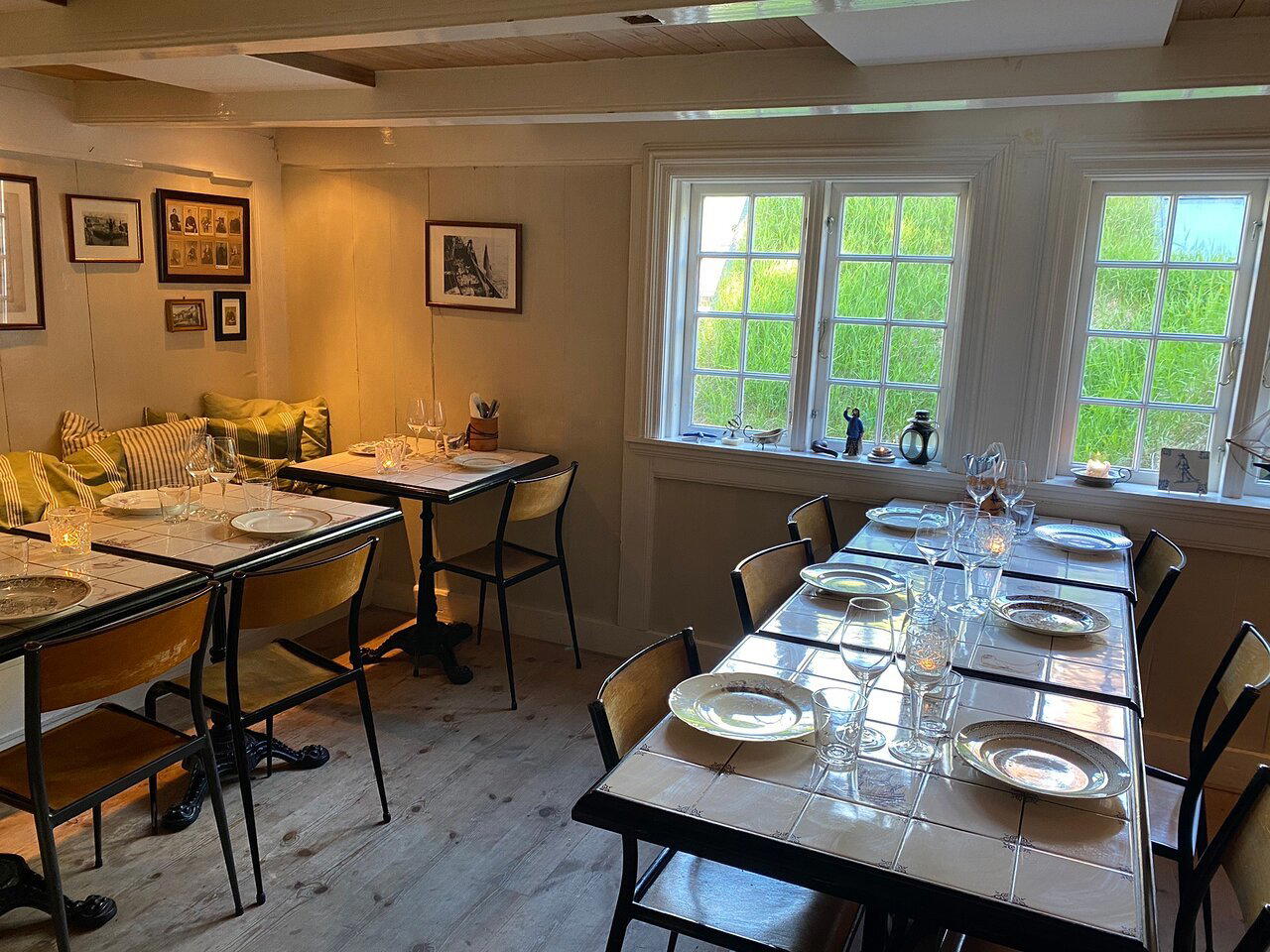
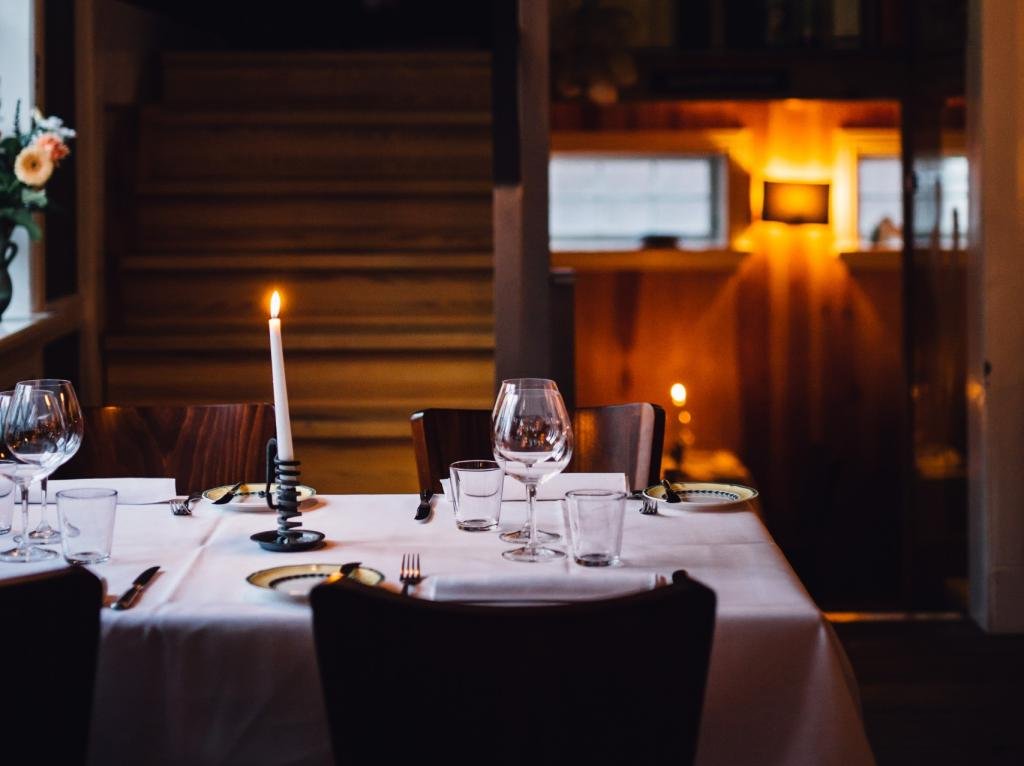
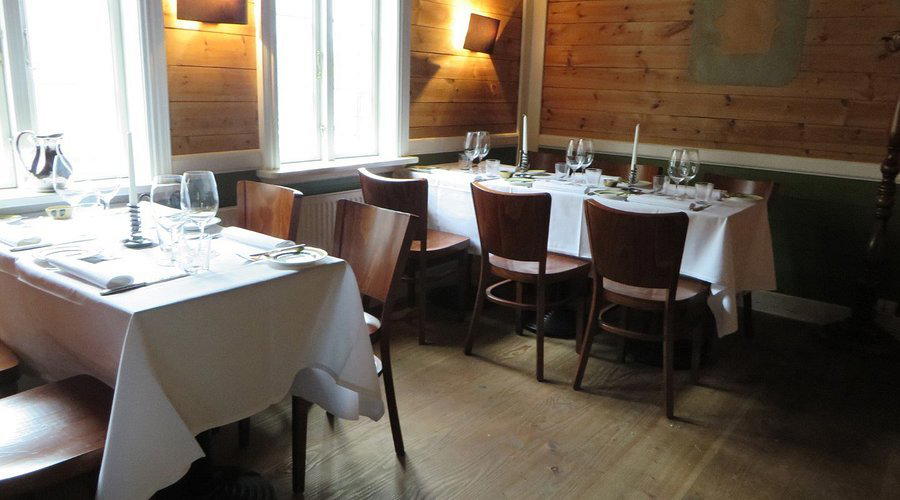
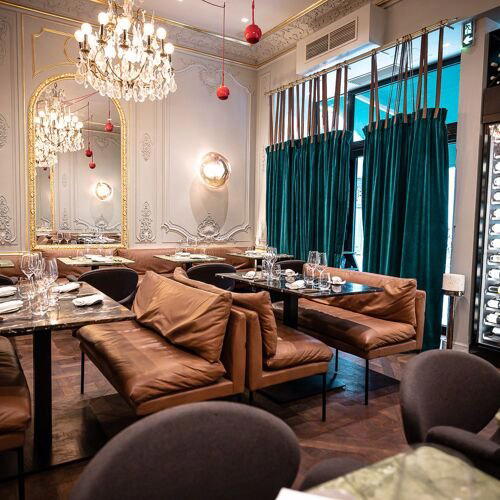
Modern and cozy interiors with a simple, unpretentious atmosphere.