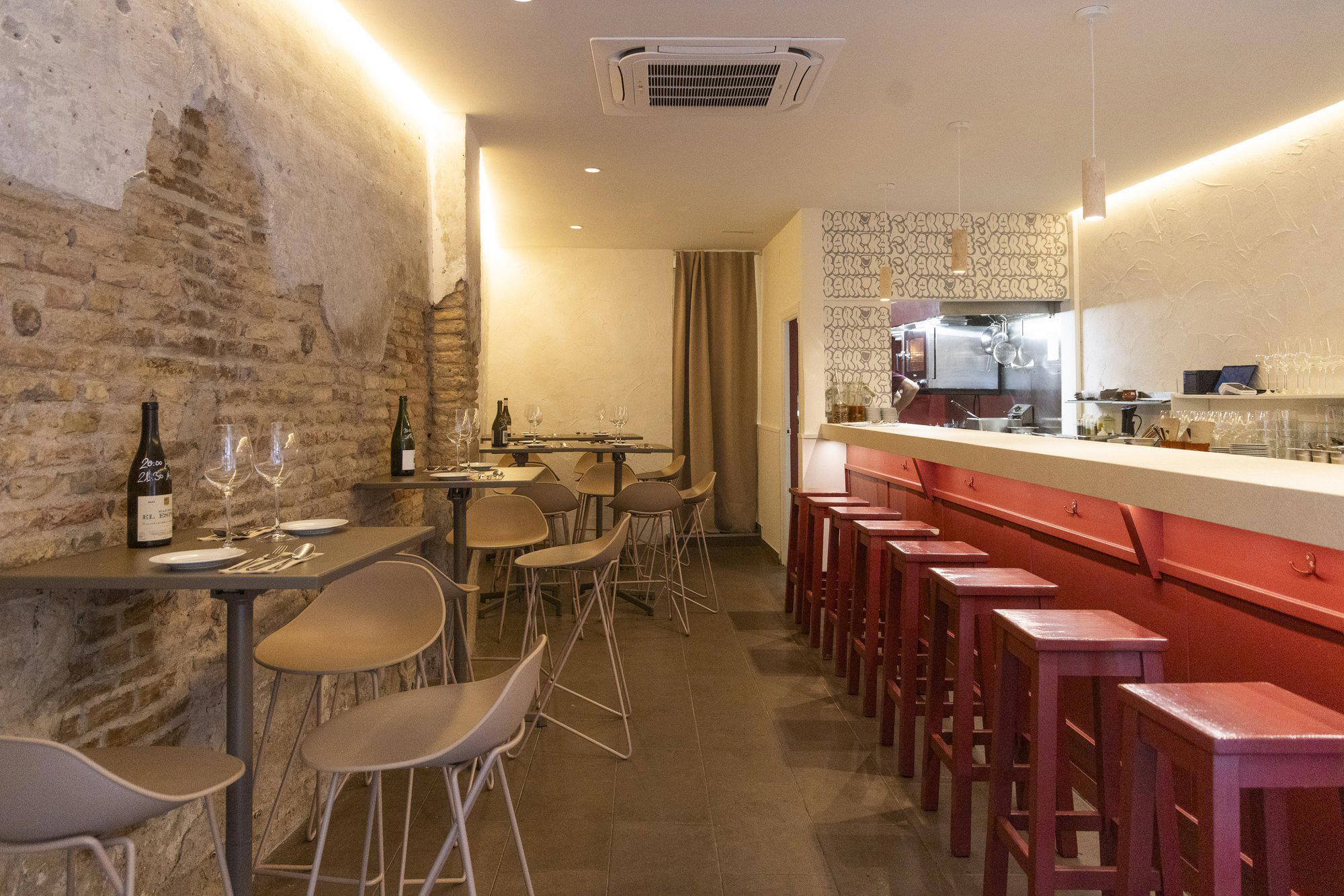
es.TABLE occupies a Casco Antiguo address at C/ de Felipe Sanclemente, 7, placing it inside Zaragoza's most historically layered quarter. The format signals an intimate, table-focused experience in a city where Aragonese culinary identity is quietly becoming a reference point for the wider Spanish regional dining conversation. Reservations are advisable given the small-scale setup.
Pearl is the En Primeur Club membership app — saves, bookings, and concierge access live there. Same editors, same standards.
- Address
- C/ de Felipe Sanclemente, 7, Casco Antiguo, 50001 Zaragoza, Spain
- Phone
- +34976239516
- Website
- establerestaurante.com
- Directions
- Get directions
 Saves & bookings on Pearl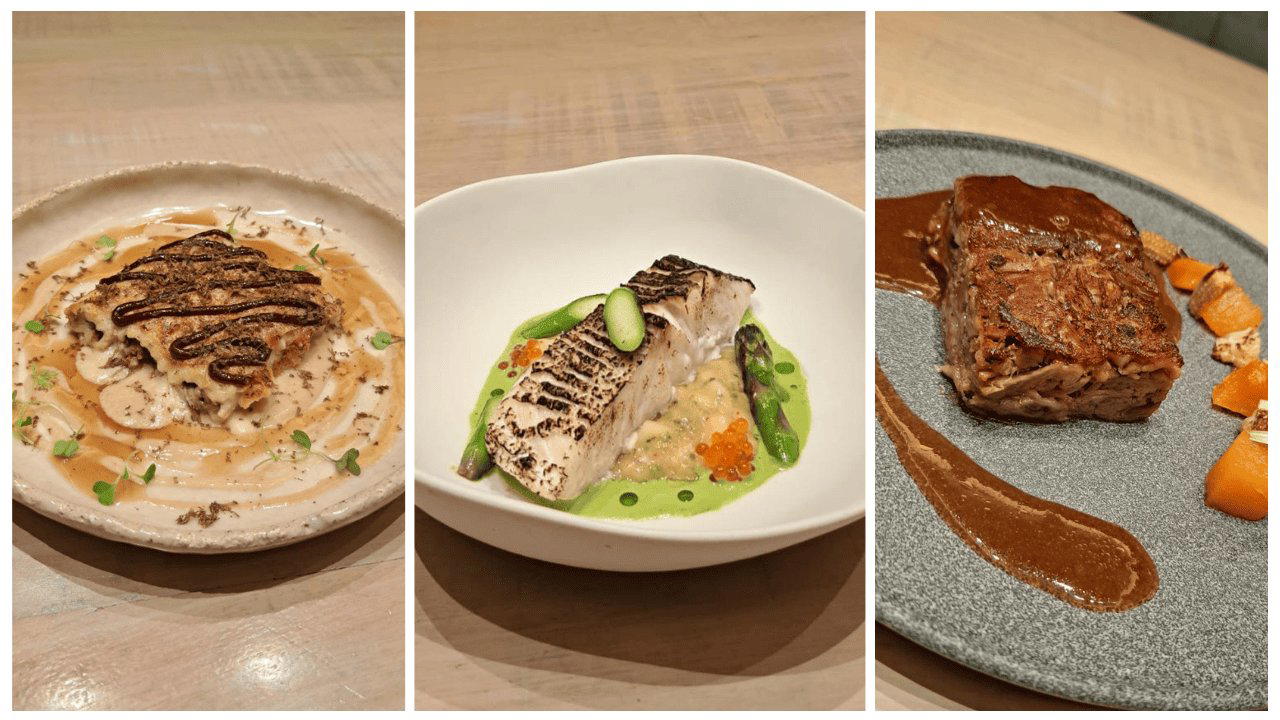
Zaragoza and the Question of Aragonese Cooking
es.TABLE is a Modern Aragonese Bistro in Zaragoza's Casco Antiguo, priced at about $67 per person. Spain's fine-dining conversation tends to orbit a familiar set of coordinates: San Sebastián's technical tradition at places like Arzak and Mugaritz in Errenteria, Catalonia's intellectual rigour at El Celler de Can Roca in Girona, the coastal creativity of Aponiente in El Puerto de Santa María. Aragón, positioned between those poles, rarely enters the same sentence. That is starting to change, and Zaragoza is the place where the shift is most legible.
The city's Casco Antiguo is the oldest of its neighbourhoods and carries the layered evidence of that history: Roman foundations beneath medieval streets, a Moorish imprint that shaped everything from irrigation patterns to ingredient use, and a Christian reconquest that folded those traditions into something distinctly Aragonese. Eating here has never been purely about the plate. It is about a long conversation between geographies and peoples, one that continues in the produce markets and in the kitchens drawing from them.
es.TABLE, at C/ de Felipe Sanclemente, 7, sits inside this quarter. Dining in the Casco Antiguo is not incidental to the experience; the surroundings set expectations about seriousness and specificity that a location in a newer district would not.
The Format and What It Implies
Lazy Bear in San Francisco established a template for this kind of communal, fixed-format dining that has since found equivalents in European cities. In Spain, operations like Cocina Hermanos Torres in Barcelona and Ricard Camarena in València have demonstrated that high-intention cooking doesn't require a large footprint.
The name es.TABLE itself functions as a statement of format. The table is the unit of experience here, not a room full of separate transactions. For a city like Zaragoza, where the casual pintxo culture of Caníbal Royal represents one end of the dining spectrum, the restaurant sits at the opposite pole: deliberate, seated, and structured around the meal as the event.
Aragonese Culinary Roots as a Reference Point
Understanding what makes a Zaragoza kitchen distinctive requires some grounding in what Aragonese cooking actually draws from. The region is landlocked but not ingredient-poor. The Ebro valley produces some of Spain's most respected vegetables, particularly the white asparagus from Navarra's border zone, artichokes from the Bajo Aragón, and the region's own designation-protected borage. Lamb from the Pyrenean foothills, specifically ternasco de Aragón, carries protected geographical indication status and represents a protein tradition with centuries of documentation behind it.
What separates the better Aragonese kitchens from generically Spanish ones is the willingness to treat this larder as a culinary argument rather than a backdrop. The same shift happened in Extremadura's fine dining, now represented at the level of Atrio in Cáceres, and in Asturias at Casa Marcial in Arriondas: regional specificity treated as intellectual discipline, not provincial limitation. The restaurant's Casco Antiguo address places it in the right territory for that kind of kitchen. Whether the execution consistently matches the positioning is a question answered at the table itself.
The cultural debt to Al-Andalus also deserves mention in any serious account of cooking in this part of Spain. Zaragoza was Saraqusta under Moorish governance for several centuries, and the spice routes, agricultural techniques, and flavour principles of that period left residues that persist in Aragonese cooking even where they are no longer named as such. Restaurants in Córdoba, like Noor, have made that debt explicit in their menus. In Zaragoza, the connection tends to be absorbed rather than announced, but it remains a live thread in how the region's better kitchens think about seasoning, sweetness, and the treatment of vegetables.
Where es.TABLE Sits in the Spanish Regional Tier
Spain's constellation of three-star restaurants, from DiverXO in Madrid to Azurmendi in Larrabetzu, Martin Berasategui in Lasarte-Oria, and Quique Dacosta in Dénia, represents the country's peak formal tier. Below that, in the one and two-star bracket and among the serious but unstarred regional tables, a broader and more interesting story is being told. This is where regional identity gets tested against technical ambition without the expectation of global pilgrimage. The restaurant belongs to this tier by geography and format.
That local orientation has implications for the kind of cooking on offer. Kitchens serving predominantly local clientele in Spanish regional cities tend to stay closer to recognisable flavour reference points than destination restaurants chasing overseas press. That is not a criticism; it describes a different but coherent set of priorities. Cenador de Amós in Villaverde de Pontones occupies a structurally similar position in Cantabria, serving a market that is regional first, destination second, and doing so at a consistently high level. The comparison is instructive. Similarly, Le Bernardin in New York City demonstrates that sustained institutional seriousness at a table-focused format is its own form of authority, separate from novelty or spectacle.
Planning Your Visit
The restaurant is located in the Casco Antiguo at C/ de Felipe Sanclemente, 7, Zaragoza, in the 50001 postcode. This part of the old town is walkable from the central Plaza del Pilar and well-served by public transport, making the logistics of arrival direct. Given the intimate format implied by the name and positioning, cover counts are likely modest, and booking in advance is advisable rather than optional.
Cost and Credentials
Comparable venues nearby, for context on price, style, and recognition.
| Venue | Cuisine | Price | Notes |
|---|---|---|---|
| es.TABLEThis venue — the venue you are viewing | Casco Antiguo, Modern Aragonese Bistro | $$$ | Not listed |
| El Chalet | Not listed | $$$ | Romareda, Creative Spanish fine dining focused on steak tartar and seasonal tasting menus |
| Gamberro | Not listed | $$$ | Centro, Creative avant‑garde Spanish tasting menu |
| Goralai | Not listed | $$$ | Casco Antiguo, Creative Seasonal Spanish Fine Dining |
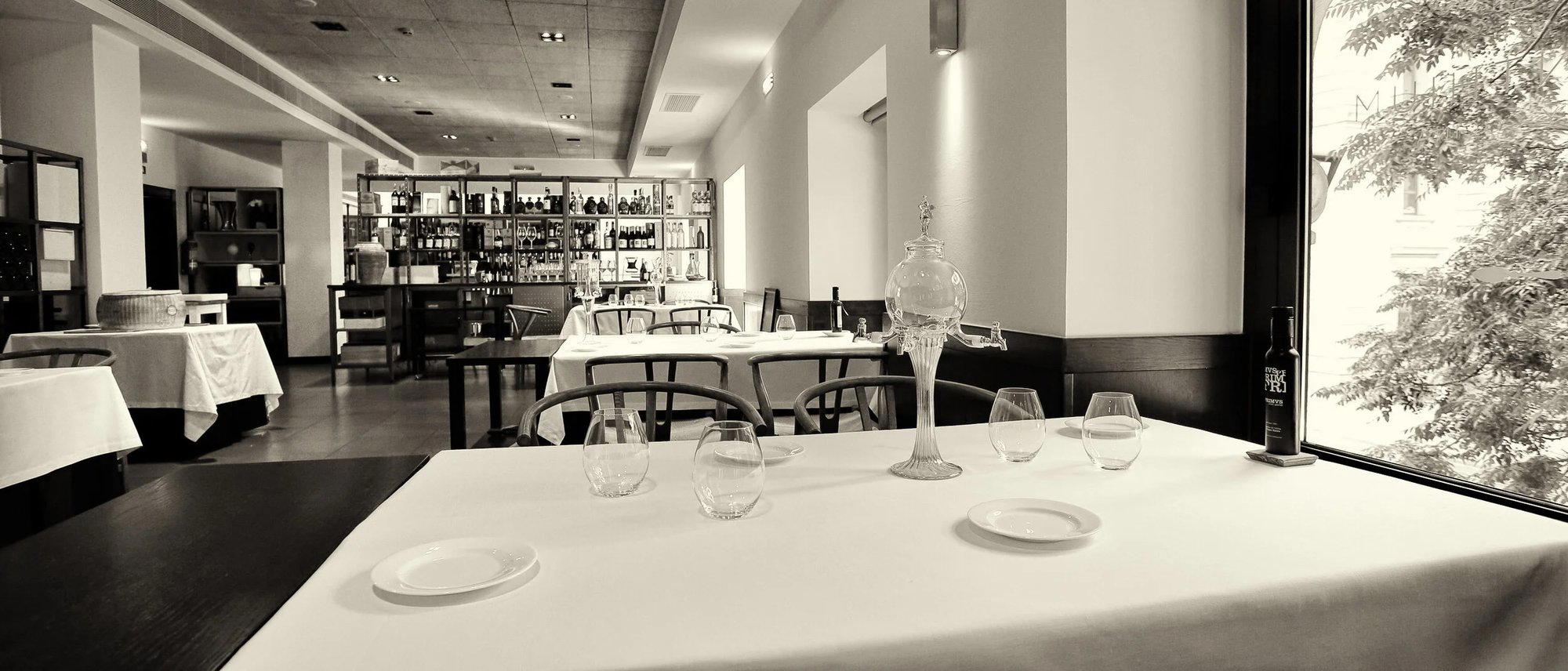
| Absinthium | Not listed | $$$ | Casco Antiguo, Author Spanish-Mediterranean fine dining with notable wine and absinthe ritual |
| La Senda | Centro, Modern Spanish Tasting Menu | $$$ | Not listed |
Continue exploring
More in Zaragoza
Restaurants in Zaragoza
Browse all →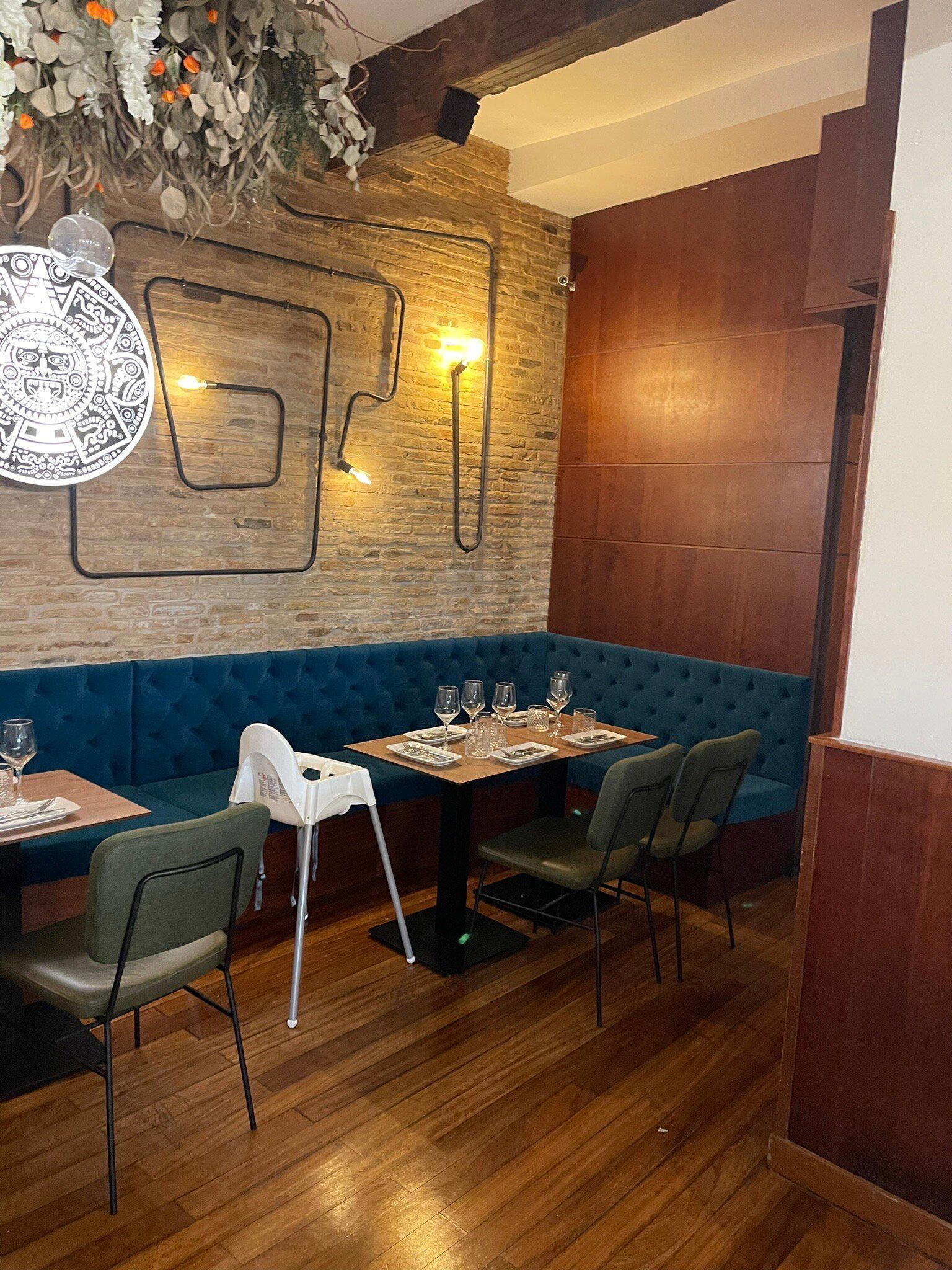
At a Glance
- Cozy
- Elegant
- Modern
- Date Night
- Special Occasion
- Open Kitchen
- Extensive Wine List
- Local Sourcing
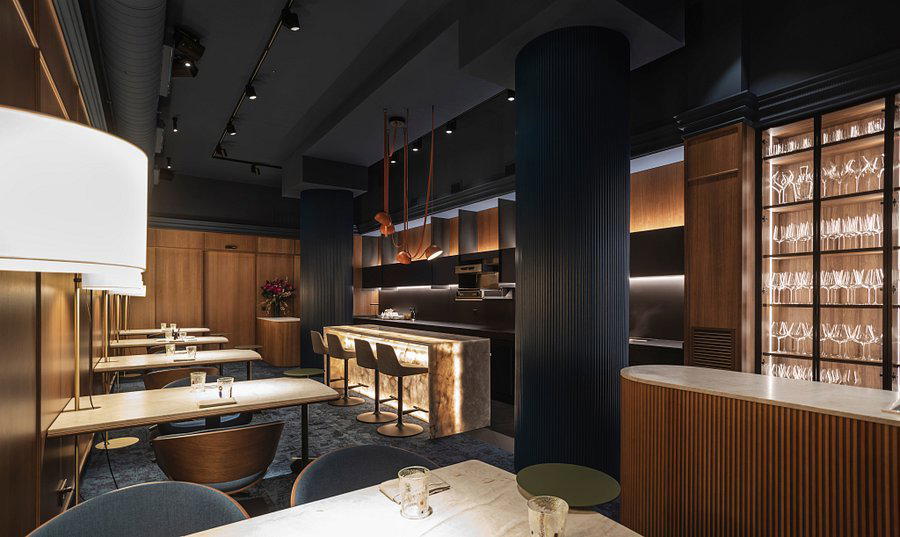
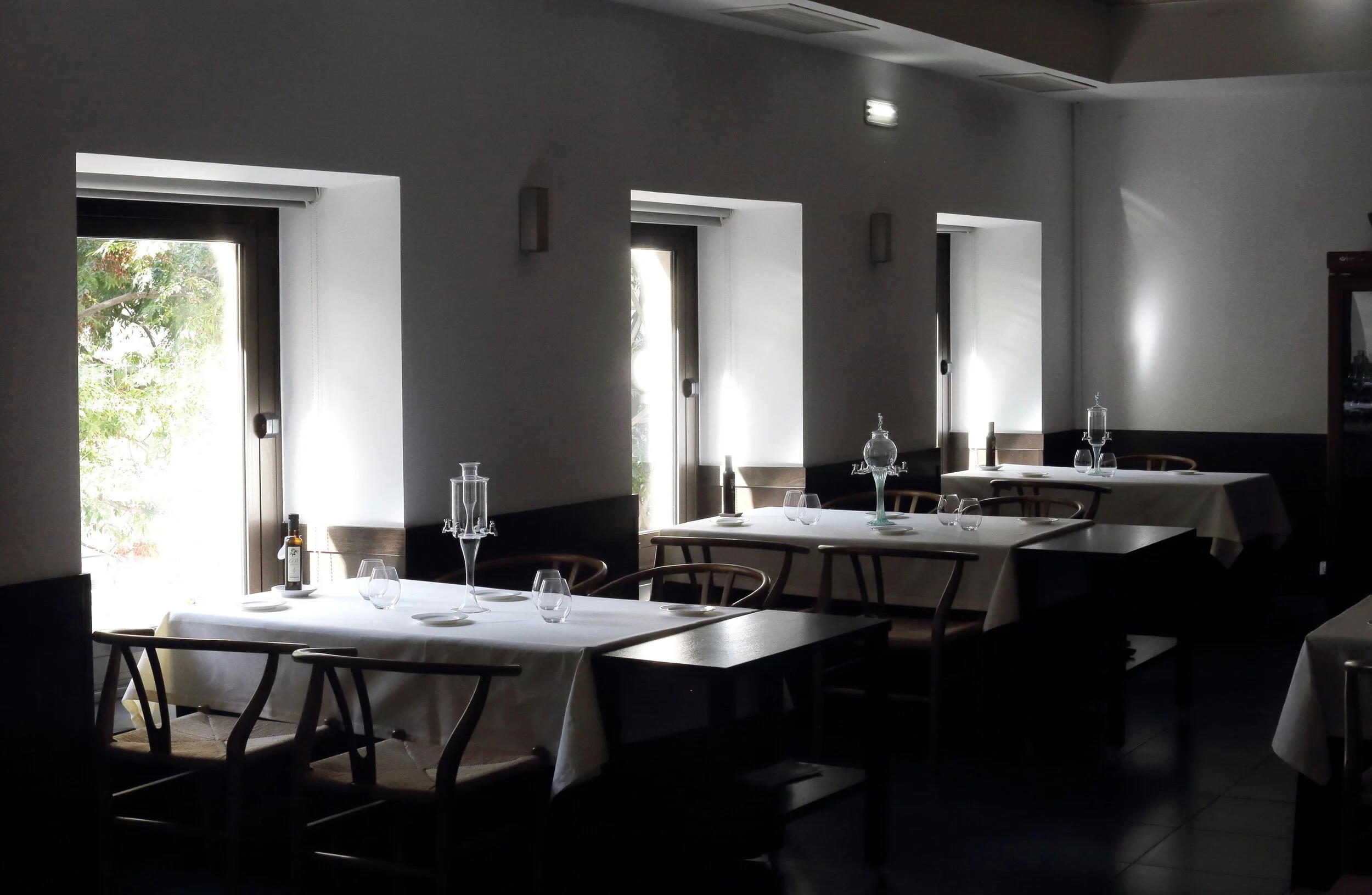
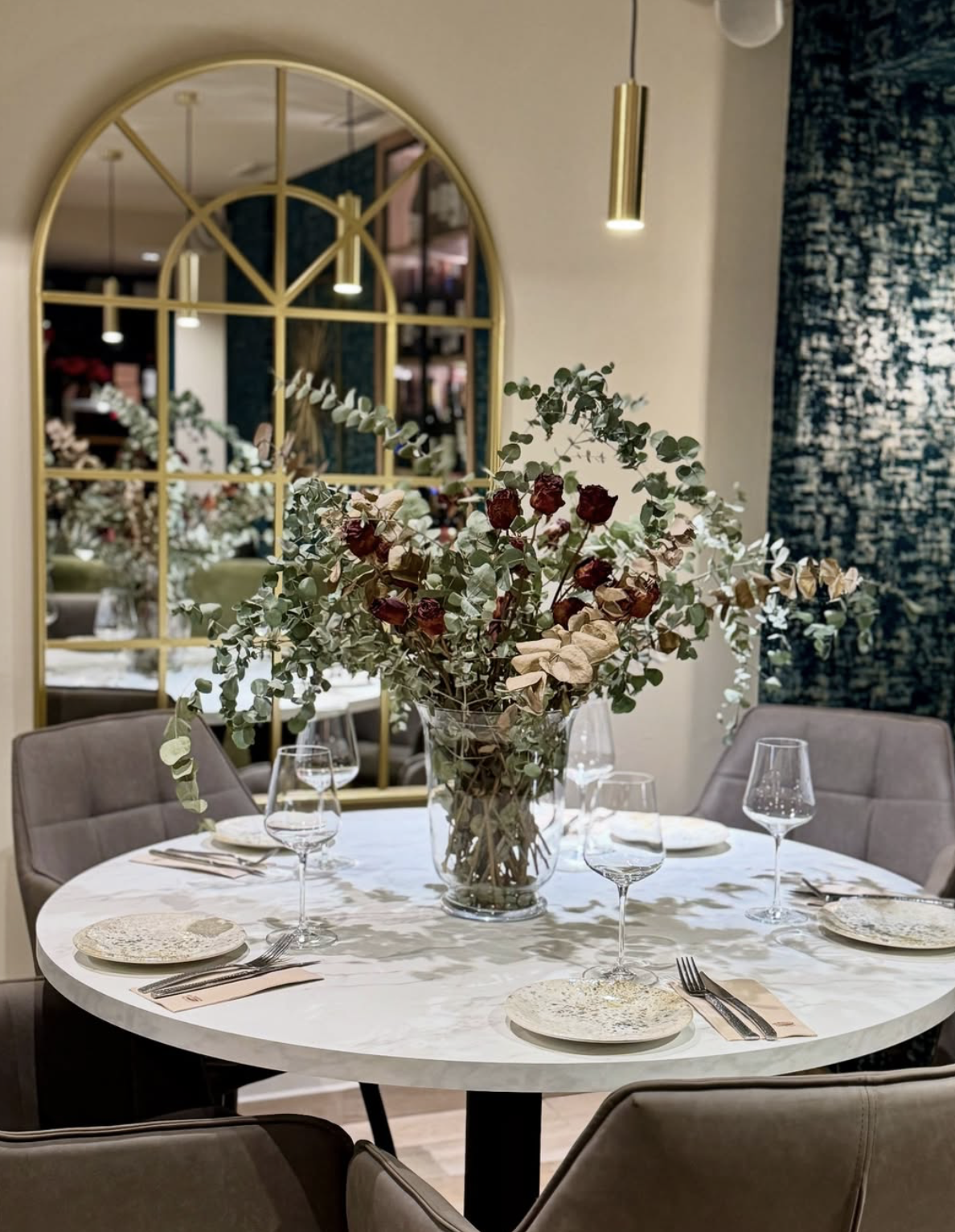
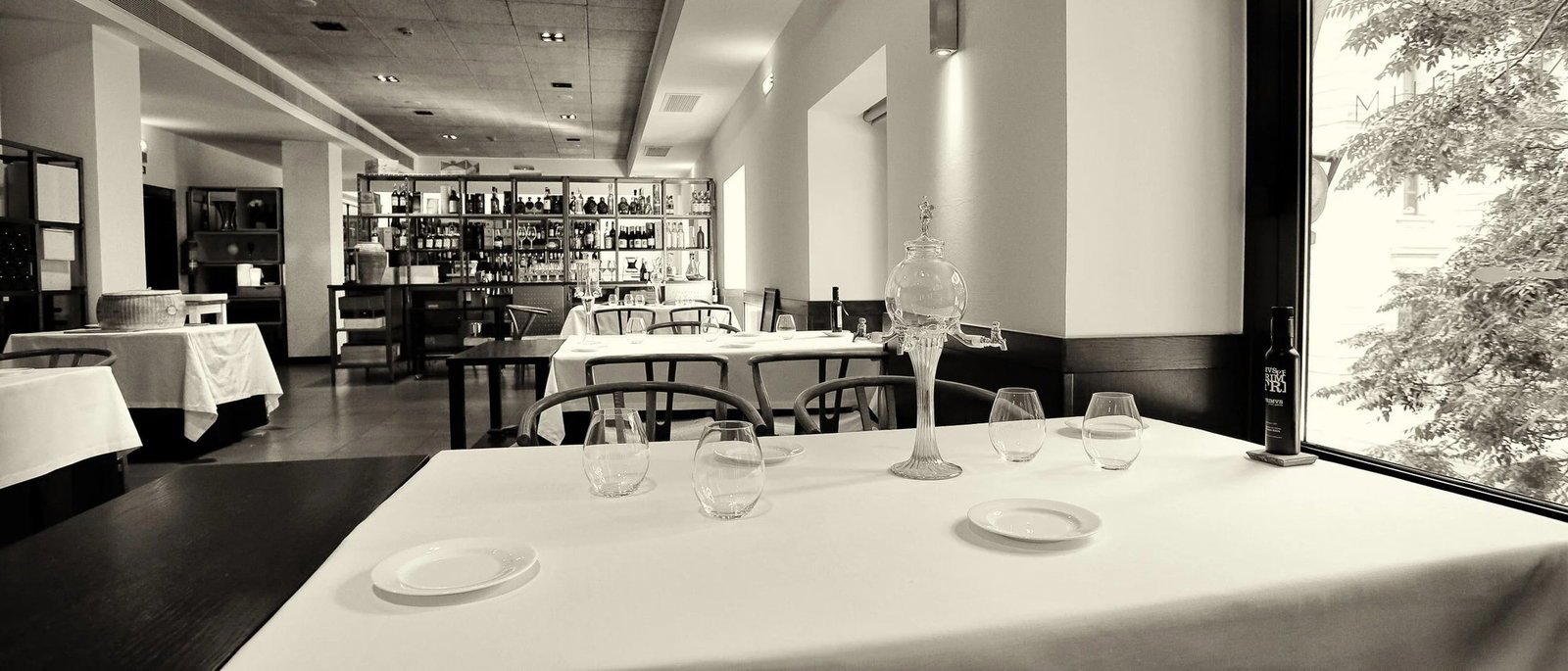
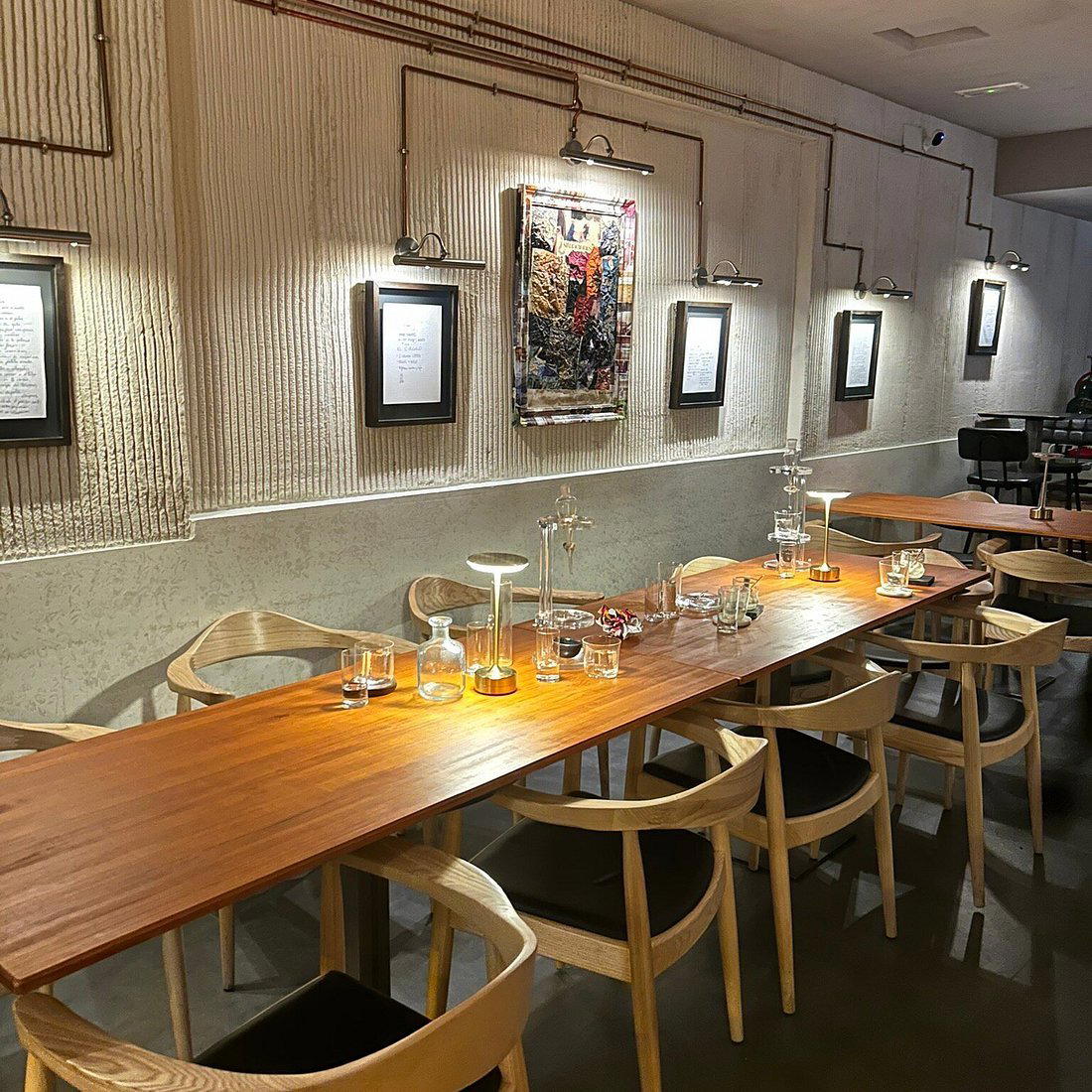
Cozy yet elegant ambiance with bright modern décor and attentive table-side service.