
Guía Repsol 1 Sol
Our verdict
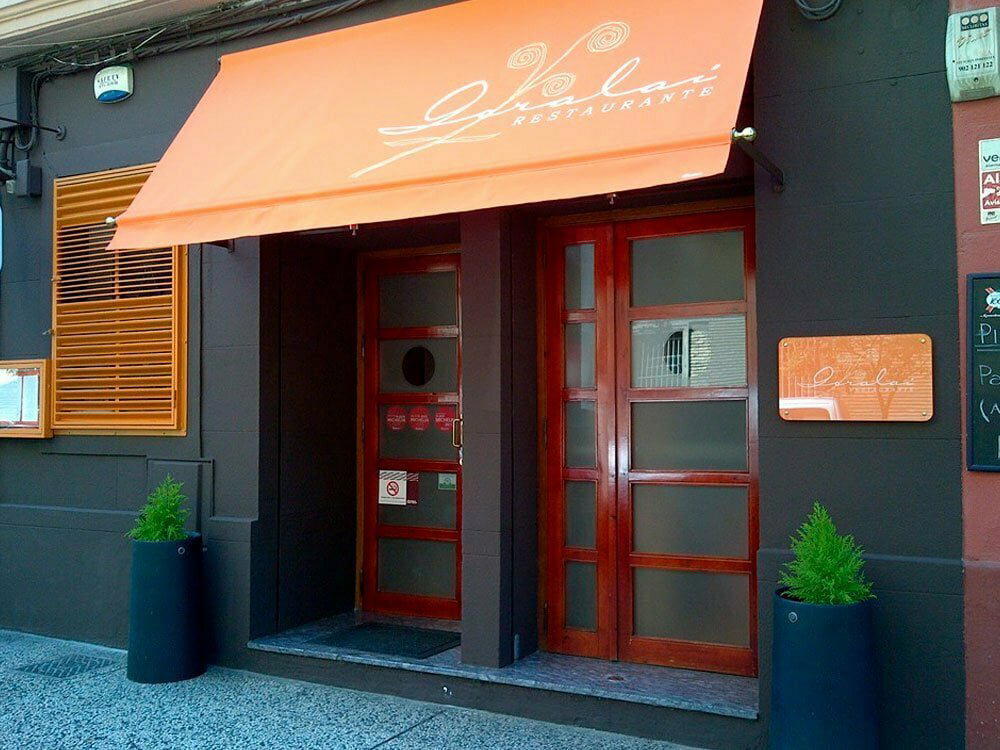
Goralai gives Zaragoza’s old centre a sourcing-led dining reference point rather than another generic fine-dining address. Its 1 Sol recognition in the Guía Repsol Soles 2026 places it within Spain’s current conversation around regional kitchens that treat produce, season, and place as the organising logic.

Pearl is the En Primeur Club membership app, where members save venues, book tables and use the concierge.
The menu
What to order
- Bacalao confitado with tomate casé
- Dorada with yuzu sauce
Zaragoza compresses the city’s food culture into a walkable urban rhythm: bar counters, market routines, and restaurants that have to decide whether to serve visitors a polished version of Aragón or speak in a more contemporary register. Goralai belongs to the second camp. Its interest is not spectacle but the way a modern dining room can read local supply lines, turning proximity into structure rather than decoration.
That matters in Zaragoza, a city too often treated as a stop between Madrid, Barcelona, Bilbao, and the Pyrenees. The food argument here is stronger than that itinerary suggests. Aragón has a serious habit of preserving, roasting, and stewing before any restaurant starts editing the tradition. A dining room in Zaragoza that earns a 1 Sol in the Guía Repsol Soles 2026 enters a national guide conversation, but the more useful question is local: whether the cooking makes Zaragoza feel specific rather than interchangeable.
Produce, not theatre, drives the room
Ingredient-led restaurants can become vague quickly when the sourcing story is treated as mood. Zaragoza gives that approach a firmer base. The city sits close to agricultural zones that shape the Aragonese table, and the cooking culture has long prized the work of the pantry as much as the performance of the plate. In this context, restraint is not a lack of ambition. It is a way of keeping the meal tied to the region’s actual food culture instead of importing a metropolitan tasting-menu language wholesale.
Goralai’s Repsol recognition is useful because it locates the restaurant in a Spanish award system that tends to reward both technique and territorial intelligence. It does not make the restaurant a luxury trophy by itself, nor does it need to. Zaragoza’s more interesting addresses often work in the gap between neighbourhood utility and destination dining, where the question is how far a kitchen can refine familiar produce without making it feel detached from the city.
That sourcing angle also separates the restaurant from parts of Spain’s contemporary dining circuit that lean on elaborate formats as the headline. In Aragón, the stronger move is often quieter: local ingredients treated with seriousness, dishes handled with regional memory, and a menu logic that follows supply rather than permanent signatures. When a restaurant in this city gets that balance right, the reward is not novelty. It is a clearer understanding of why Zaragoza has its own table culture.
Zaragoza's contemporary tier is compact and serious
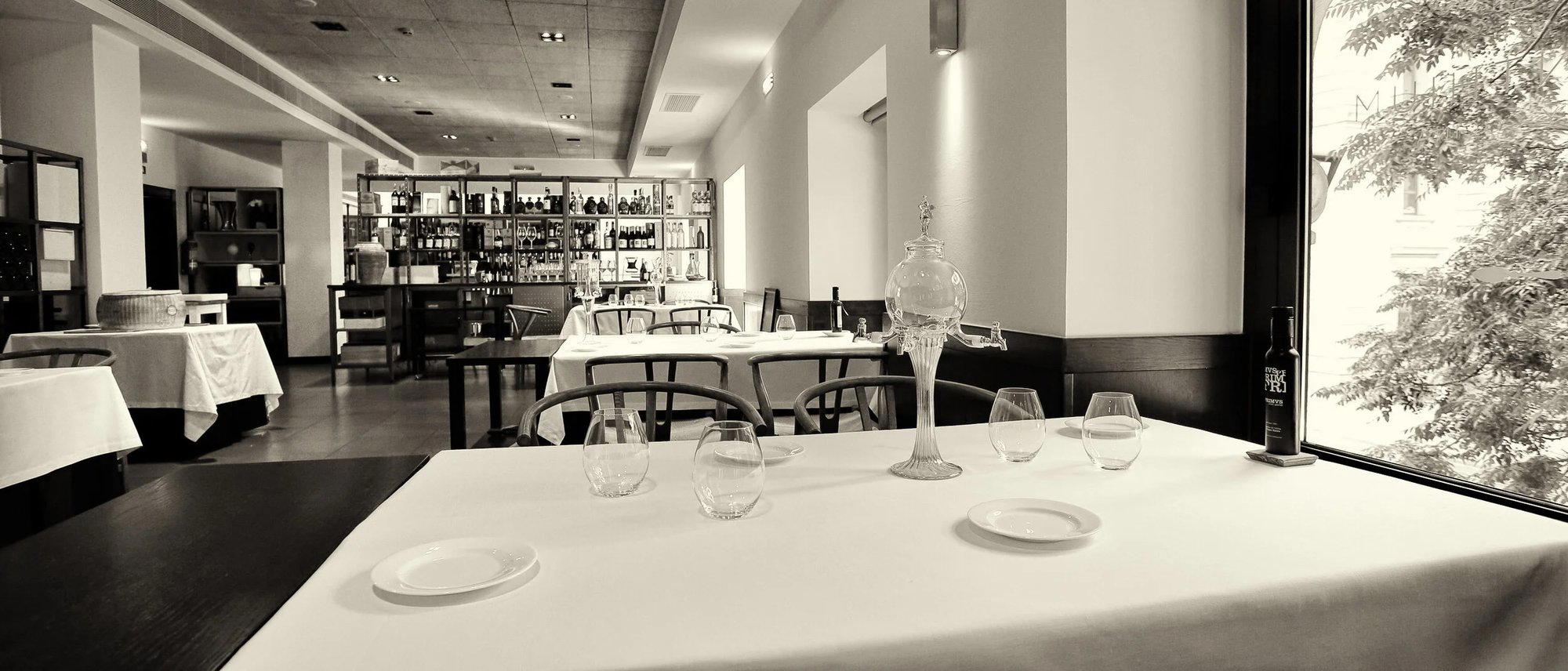
The city does not have the density of Madrid or Barcelona, and that is part of its appeal. Zaragoza’s contemporary tier is easier to read: a handful of restaurants carry the weight of modern technique, while traditional houses and tapas bars keep daily eating grounded. For readers mapping the city, Our full Zaragoza restaurants guide is the broader frame, with reference points such as Absinthium, es.TABLE, and other Zaragoza dining rooms helping define the range.
Goralai sits in that city conversation rather than above it. Compared with creative addresses such as Maite, Cancook, and Gente Rara, Zaragoza restaurants have a particular task: they must satisfy local rhythm while giving travelling diners a reason to stay for dinner instead of moving on. That tension is productive. It keeps the cooking accountable to the city, not just to guidebook language.
The Zaragoza setting sharpens the point. Restaurants in historic Spanish cities often risk becoming either heritage theatre or internationalised polish. The better version uses the setting as pressure: the room has to feel current, but the food should not lose contact with the surrounding bars, markets, and Sunday-lunch habits. For a city break built around eating, that makes Goralai more useful than a restaurant that is lifted into any provincial capital with minimal change.
How to place it in a wider Spain itinerary
For travellers eating across Spain, Zaragoza works well when treated as its own chapter, not as a logistical pause. A sourcing-led meal here makes sense alongside Madrid, the Basque Country, Catalonia, and Andalusia precisely because Aragón has different raw materials and different instincts. The comparison is less about grandeur than grammar: what produce does, how generosity is expressed, how acidity and fat are managed, and how contemporary kitchens decide what to leave alone.
Those building a wider route can use Zaragoza as a counterweight to larger-city dining. Tables in Madrid, Andalusia, the Basque Country, Catalonia, and other regional stops show how differently place can shape the plate. Even outside Spain, the same editorial point holds: format matters less than whether the food has a clear relationship to its source culture.
Goralai is therefore a strong fit for travellers who want Zaragoza to reveal itself through ingredients rather than monuments alone. Pairing the meal with time in Zaragoza gives the restaurant the right scale, while the wider city can be rounded out through Our full Zaragoza hotels guide, Our full Zaragoza bars guide, Our full Zaragoza wineries guide, and Our full Zaragoza experiences guide. The case for booking is not that Zaragoza needs another polished dining room. It is that the city’s produce, tradition, and contemporary ambition are more persuasive when a kitchen lets them carry the argument.
Frequently asked questions
Is Goralai good for families?
Goralai can suit families with older children who are comfortable with a structured meal in Zaragoza. Check the venue's official channels for current opening times and booking details before planning around a visit.
What kind of setting is Goralai?
Goralai is in Zaragoza, so the setting is urban rather than destination-resort. Its 2026 Guía Repsol 1 Sol places it in a serious dining tier, while the experience is best understood through the restaurant’s relationship with the city rather than through a single address detail.
What days is Goralai closed?
Check Goralai's official channels for the latest schedule before booking.
Where is Goralai in Zaragoza?
Zaragoza.
What's the signature at Goralai?
Those details are not published. The clearest marker is the 2026 Guía Repsol 1 Sol, which indicates a kitchen judged on consistency and technique rather than a single headline plate. Check the venue's official channels for the latest details.
How It Stacks Up
Nearby venues at a similar price tier for orientation.
| Venue | Cuisine | Price | Awards | Notes |
|---|---|---|---|---|
| GoralaiThis venue (the venue you are viewing) | Creative Seasonal Spanish Fine Dining | $50–100 | Guía Repsol 1 Sol | Not listed |
| Maite | Modern Spanish Tasting Menu | $30–50 | Michelin Plate | Contemporary |
| Cancook | Modern Aragonese Geographic Cuisine | $100–150 | Michelin Plate | Creative |
| Absinthium | Author Spanish-Mediterranean fine dining with exceptional wine and absinthe ritual | $50–100 | Macarfi 8.6 Food Rating · Guía Repsol 1 Sol | Not listed |
| es.TABLE | French-Peruvian Bistro | $30–50 | Michelin Bib Gourmand | Not listed |
| Gente Rara | Modern Spanish Fine Dining | $150–200 | 1 Michelin Star · Guía Repsol 1 Sol | Creative |
Recognition history
Dated appearances from independent guides and award organizations, with the underlying list record or original source where available.
Guía Repsol 1 Sol
Guía Repsol
Continue exploring
More in Zaragoza
Restaurants in Zaragoza
All restaurants in Zaragoza →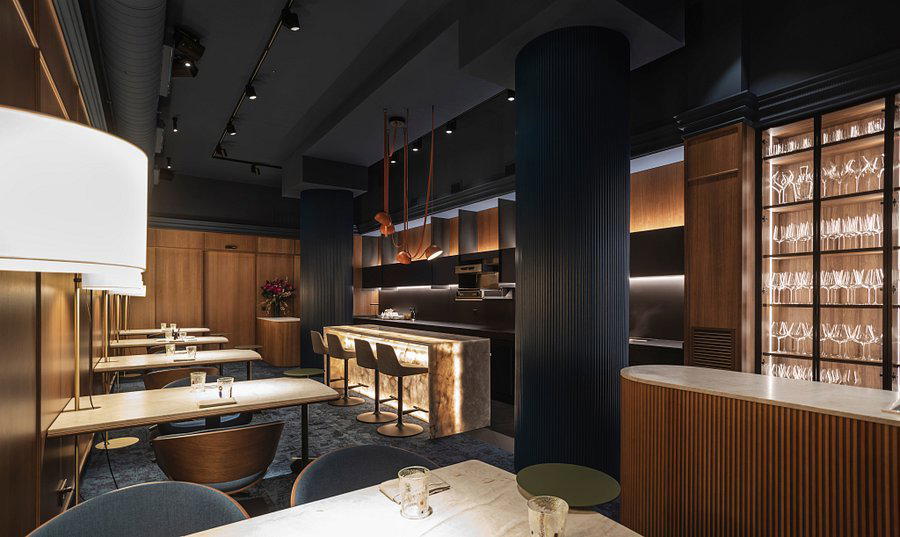
Bars in Zaragoza
All bars in Zaragoza →

Details
- Elegant
- Sophisticated
- Romantic
- Intimate
- Cozy
- Date Night
- Special Occasion
- Business Dinner
- Group Dining
- Celebration
- Standalone
- Private Dining
- Wine Cellar
- Design Destination
- Extensive Wine List
- Local Sourcing
- Tasting Menu
- Set Menu
- A La Carte
- Wine
- Beer
- Non Alcoholic
- Vegetarian Friendly
- Gluten Free Options
Current opening hours
- Monday
- Closed
- Tuesday
- Closed
- Wednesday
- 1:30–3:30 PM
- Thursday
- 1:30–3:30 PM, 8:30–10:30 PM
- Friday
- 1:30–3:30 PM, 8:30–10:30 PM
- Saturday
- 1:30–3:30 PM, 8:30–10:30 PM
- Sunday
- 1:30–3:30 PM
Hours can change for holidays and private events. Hours as of .
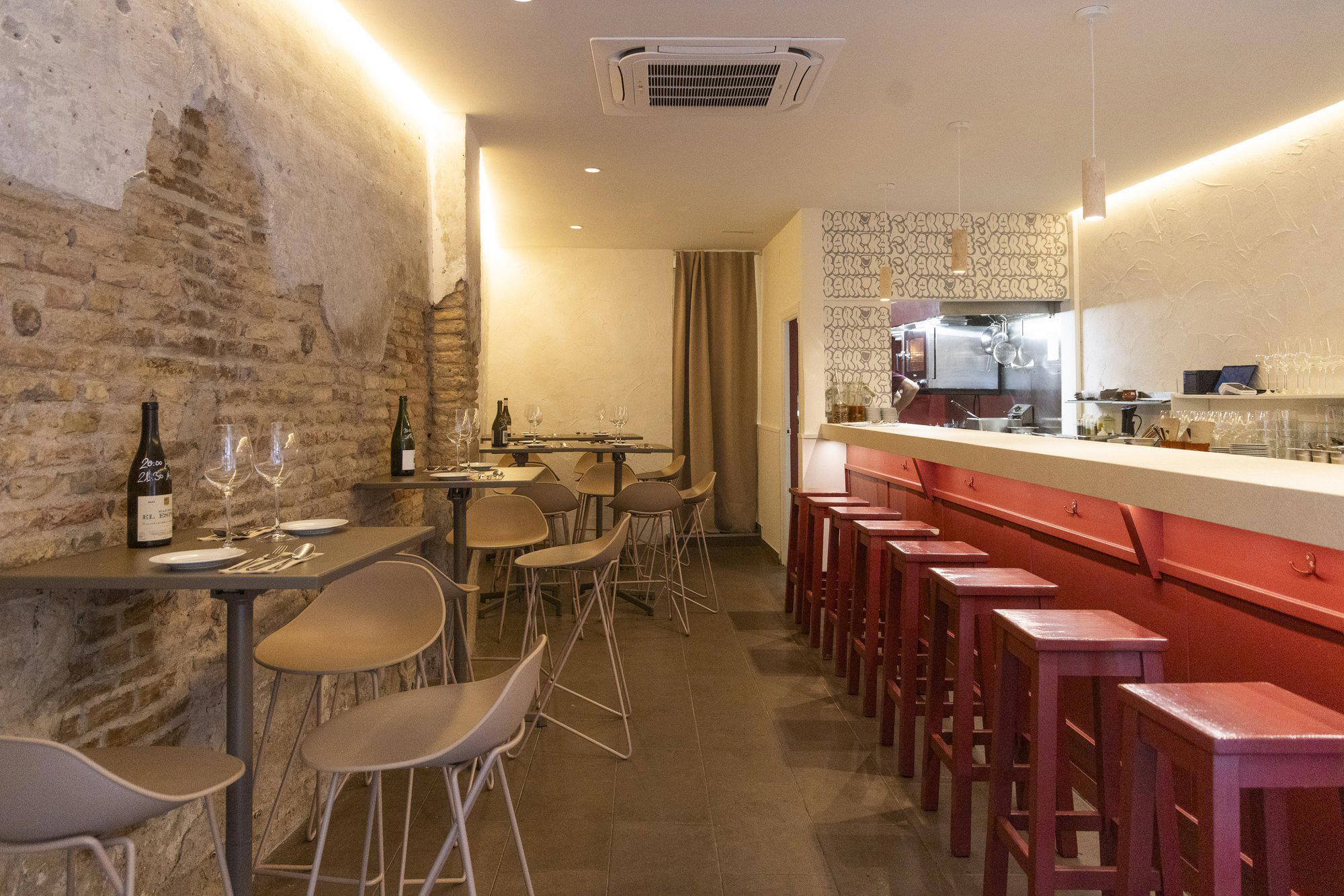
An elegant, intimate dining room in the historic quarter with a refined but relaxed fine-dining feel, attentive service, and a calm, conversational atmosphere suited to dates and special occasions.