

Macarfi 8.6 Food Rating · Guía Repsol 1 Sol
Our verdict
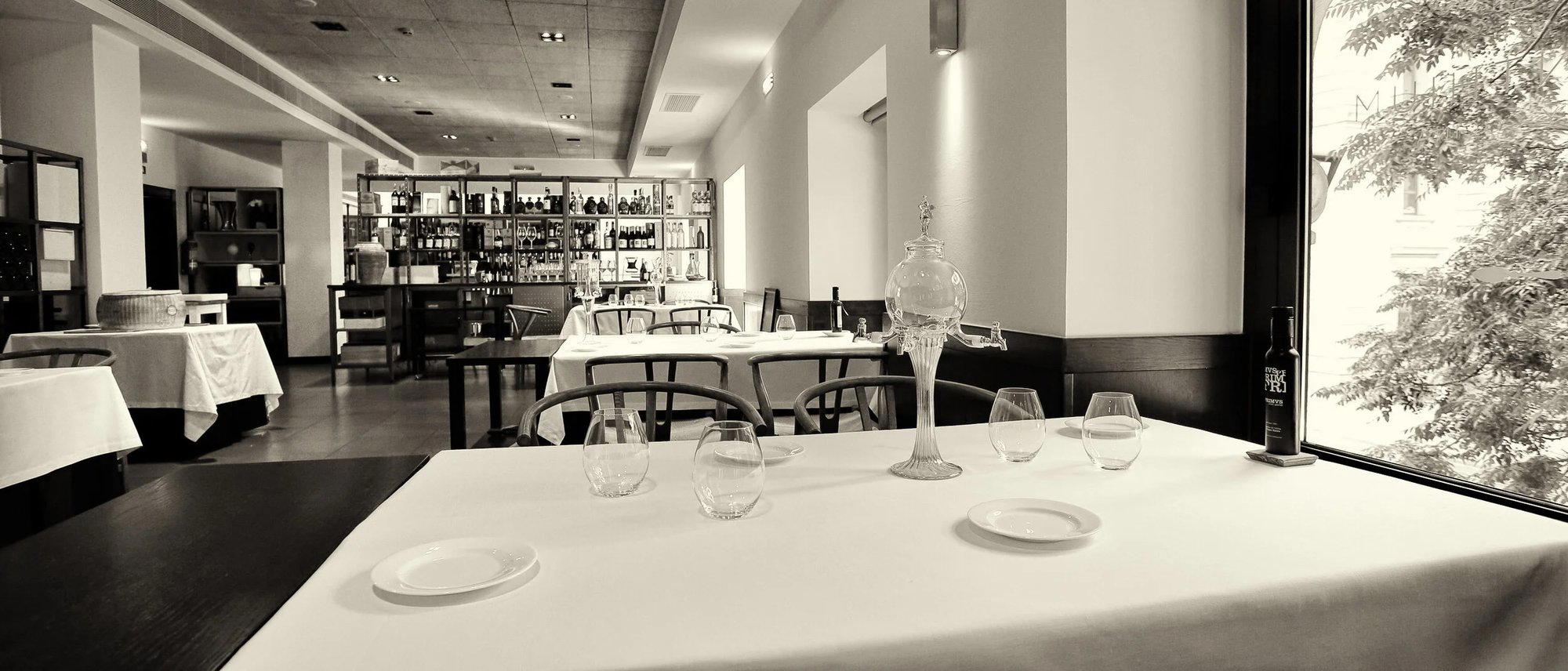
Absinthium brings Zaragoza’s contemporary dining conversation into the old-city orbit, where Aragón’s pantry, hotel dining traditions, and a newer generation of concise tasting-room ambition overlap. Its 1 Sol recognition from Guía Repsol 2026 places it in the city’s serious restaurant tier without turning the meal into a formal museum piece.

Pearl is the En Primeur Club membership app, where members save venues, book tables and use the concierge.
The menu
What to order
- Ostra Rockefeller
- Salmorejo
- Salmón Salvaje Escocés con Foie Gras al Brandy
- Guisantes Lágrima
- Pasta con Salsa de Azafrán (opción vegetariana)
- Apple tart
Approaching Zaragoza, the city changes register quickly: everyday commercial rhythm gives way to a more historic, composed urban mood. Absinthium belongs to Zaragoza, where a restaurant can suggest formality without feeling trapped by it. The room’s significance is less about spectacle than placement: this is Zaragoza dining pitched at diners who want the city read through a contemporary lens rather than served as a fixed canon.
Zaragoza has never needed to imitate larger Spanish capitals to make a serious restaurant case. Its strength is a tighter one: local memory, direct flavours, and a dining culture that can move between informality and more deliberate service. The modern dining room here has to answer a harder question than novelty. It has to show how a city identity survives when plates become more composed and service becomes more structured.
Zaragoza dining in a more composed register
The city’s contemporary restaurants tend to split into two useful camps. One leans toward tavern energy, shared plates, and wine-led informality. The other borrows the grammar of calmer rooms, using sequence and restraint to make a meal feel less casual. Absinthium sits closer to the second camp, and its 1 Sol from Guía Repsol 2026 is the clearest public signal of that positioning. In Spain, Repsol recognition matters because it rewards restaurants with a clear sense of place, not only those chasing international tasting-menu fluency.
That matters in Zaragoza, where the pleasure of eating well often comes from compression rather than abundance: a short walk can take in traditional rooms, straightforward cooking, and newer kitchens testing how far the city’s register can stretch. Compared with es.TABLE, which helps map the city’s contemporary side, or other serious local addresses, Absinthium reads as part of Zaragoza’s middle-to-upper serious dining layer rather than as a casual tapas stop. The useful comparison is not glamour; it is intent.
That intent also separates it from the city’s more restless dining personalities. Some Zaragoza dining rooms signal a more irreverent register, while others have become part of the conversation around ambitious, personality-driven cooking. Other local addresses point to another strand of the scene: social, direct, and urban. Absinthium’s place is more measured, useful for readers who want the city’s serious dining intelligence without surrendering the evening to bar-hopping.
What the 1 Sol signal says about the meal
A single Sol is not decoration; it is a practical editorial marker. It tells a traveller that the restaurant has crossed from competent local recommendation into a nationally noticed category, while remaining within the cultural logic of Spanish regional dining. In Zaragoza, that distinction counts. The city has strong food traditions but fewer international shorthand markers than San Sebastián, Madrid, or Barcelona, so Repsol recognition helps identify kitchens translating a local setting into a more deliberate format.
The broader Spanish comparison is instructive. Some regional Spanish restaurants frame heritage through wine-country grammar; others operate in a coastal metropolitan register or within destination-dining economies with a different set of pressures. Zaragoza’s serious rooms are quieter by comparison, but that quiet can be an advantage. The restaurant has less need to perform for a global postcard.
For travellers building a Spain itinerary, Absinthium makes sense when Zaragoza is treated as a food city in its own right rather than a rail pause between larger capitals. It pairs naturally with a wider read of the city through our full Zaragoza restaurants guide, then with the logistical side of the trip through our full Zaragoza hotels guide. The broader ecosystem also matters: our full Zaragoza bars guide, our full Zaragoza wineries guide, and our full Zaragoza experiences guide show how the city’s drinking, wine, and cultural circuits support the meal.
How to read Absinthium against Spain's regional dining map
The useful way to judge a restaurant like this is not by asking whether it mimics the tasting counters of larger cities. Spain’s regional dining culture is more interesting than that. A serious room in Zaragoza has to carry local identity, urban history, and a preference for direct flavour while still meeting the expectations of diners used to more polished formats. That tension is the point.
Across the country, smaller-city restaurants now compete for attention by sharpening local identity rather than softening it. In different Spanish contexts, restaurants may read through Basque, Andalusian, or capital-city pressures, each with its own pace and expectations. Zaragoza offers a different bargain: less noise, a strong city dining culture, and enough ambition to reward a dedicated dinner.
International comparisons should be used carefully, but they clarify the point. Specialist restaurants elsewhere may depend on precision inside a narrow cultural form. Absinthium works from the opposite direction: a broad Zaragoza setting compressed into a contemporary Spanish restaurant frame. That is why the Repsol Sol matters. It confirms not just a meal worth planning around, but a particular Zaragoza argument: the city’s culinary confidence is strongest when it does not borrow someone else’s accent.
Frequently asked questions
How do I find Absinthium?
Absinthium is in Zaragoza.
What time does Absinthium open and close?
Opening times for Absinthium should be checked directly with the restaurant before going.
What do critics highlight about Absinthium?
Critics point to the Guía Repsol 1 Sol for 2026, a clear signal that Absinthium has moved beyond routine neighbourhood dining in Zaragoza. Its place in the city suits a restaurant read through regional Spanish dining rather than convenience alone.
Is Absinthium good for vegetarians?
There is no cuisine type listed for Absinthium, so the safest read is that vegetarians should check the menu before going. The restaurant is in Zaragoza, and diners should ask directly about plant-based options before booking.
Budget and Context
Comparable venues by cuisine and price in the same metro.
| Venue | Cuisine | Price | Awards | Notes |
|---|---|---|---|---|
| AbsinthiumThis venue (the venue you are viewing) | Author Spanish-Mediterranean fine dining with exceptional wine and absinthe ritual | $50–100 | Macarfi 8.6 Food Rating · Guía Repsol 1 Sol | Not listed |
| Cancook | Modern Aragonese Geographic Cuisine | $100–150 | Michelin Plate | Creative |
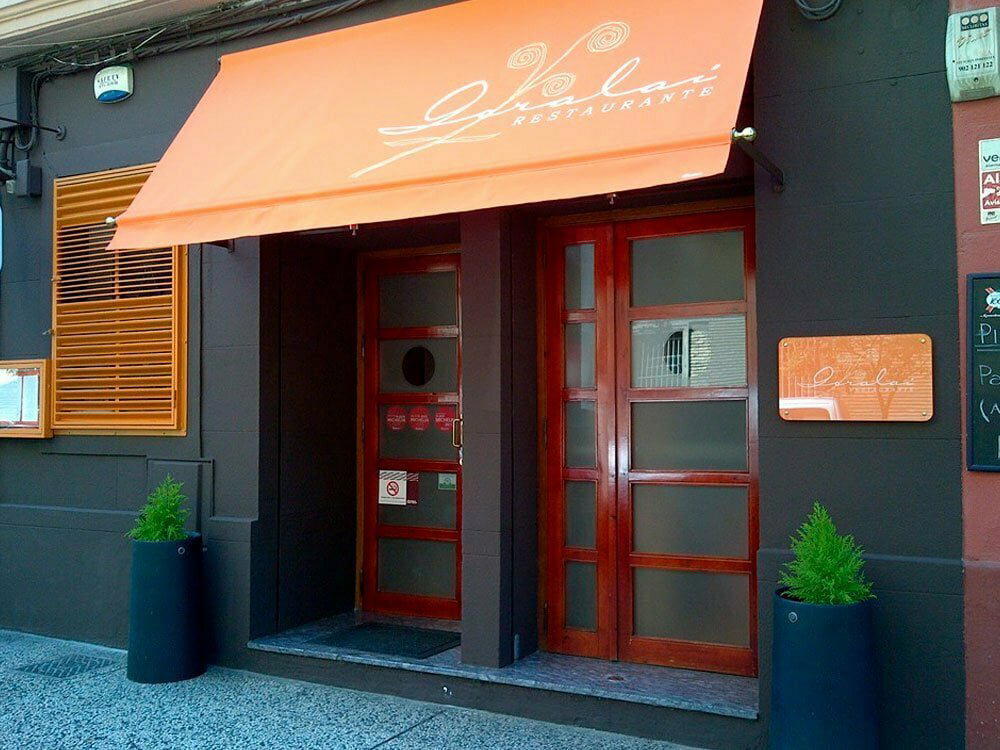
| Goralai | Creative Seasonal Spanish Fine Dining | $50–100 | Guía Repsol 1 Sol | Not listed |
| es.TABLE | French-Peruvian Bistro | $30–50 | Michelin Bib Gourmand | Not listed |
| es.TABLE | French-Peruvian Bistro | $30–50 | Michelin Bib Gourmand | Contemporary |
| La Senda | Modern Spanish Tasting Menu | $50–100 | Michelin Plate · Guía Repsol 1 Sol | Not listed |
Recognition history
Dated appearances from independent guides and award organizations, with the underlying list record or original source where available.
Guía Repsol 1 Sol
Guía Repsol
Macarfi 8.6 Food Rating
Macarfi
Continue exploring
More in Zaragoza
Restaurants in Zaragoza
All restaurants in Zaragoza →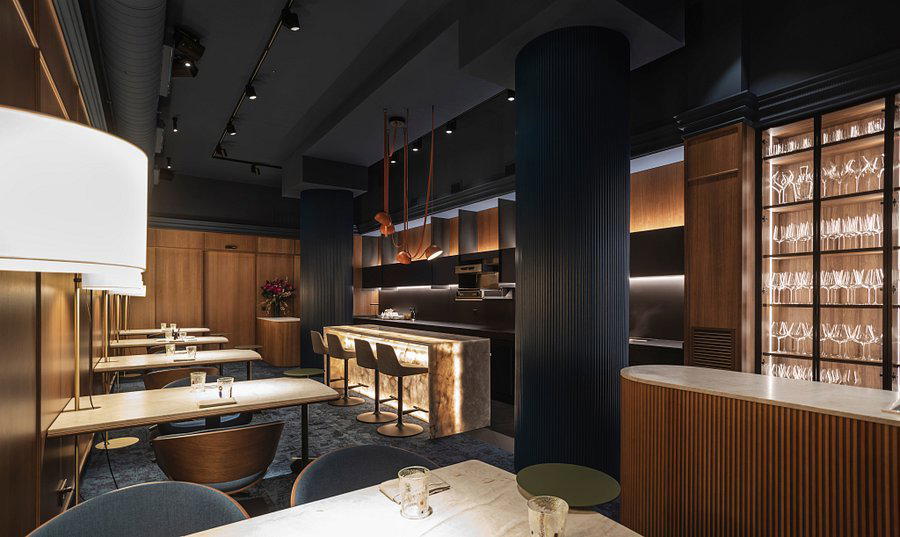
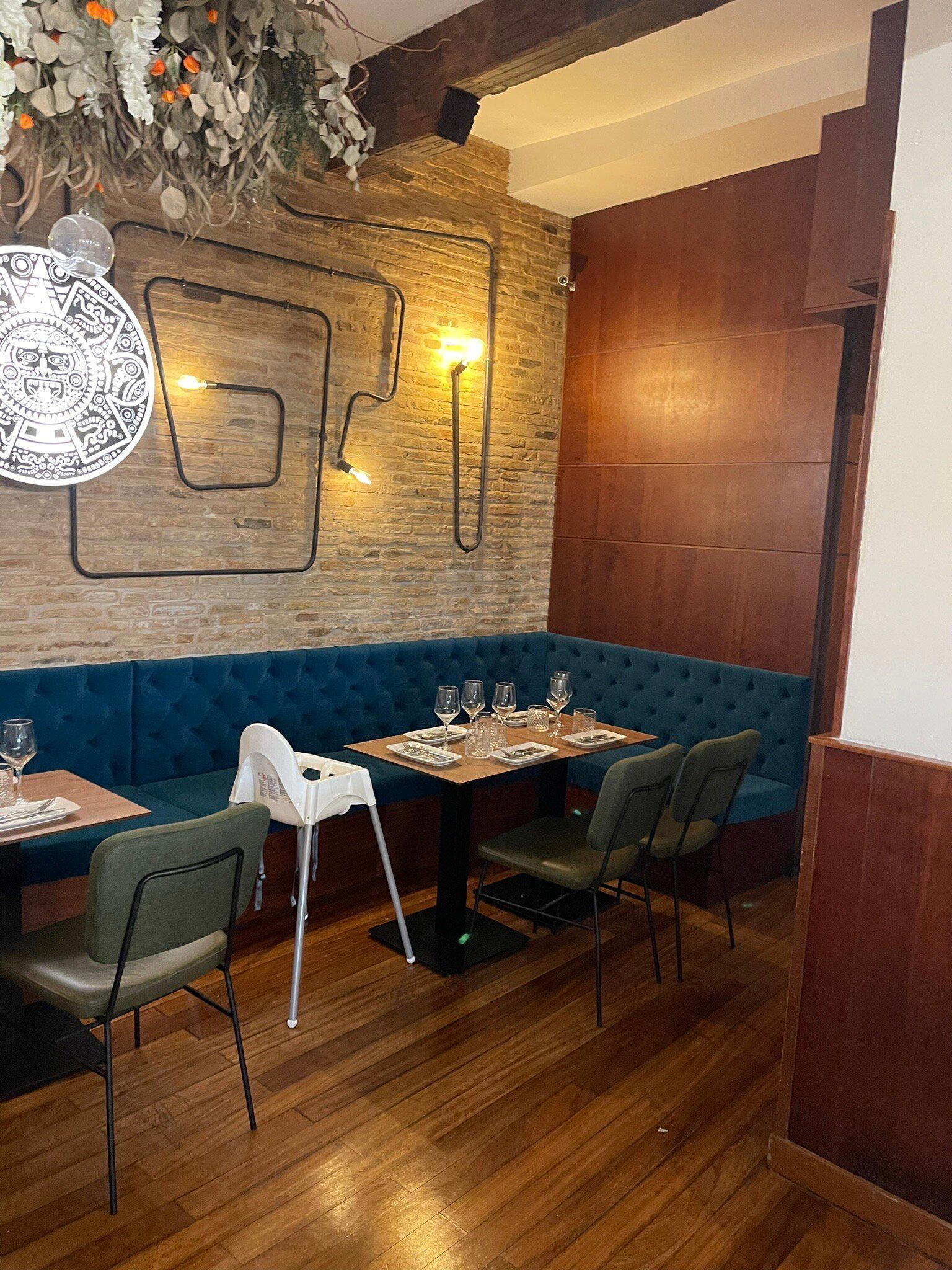
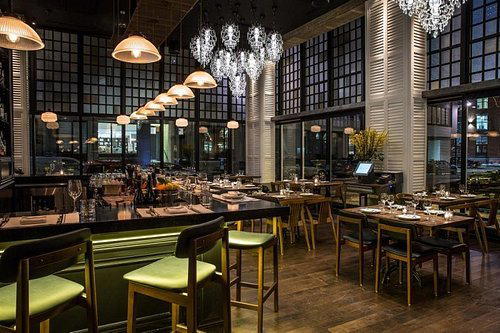
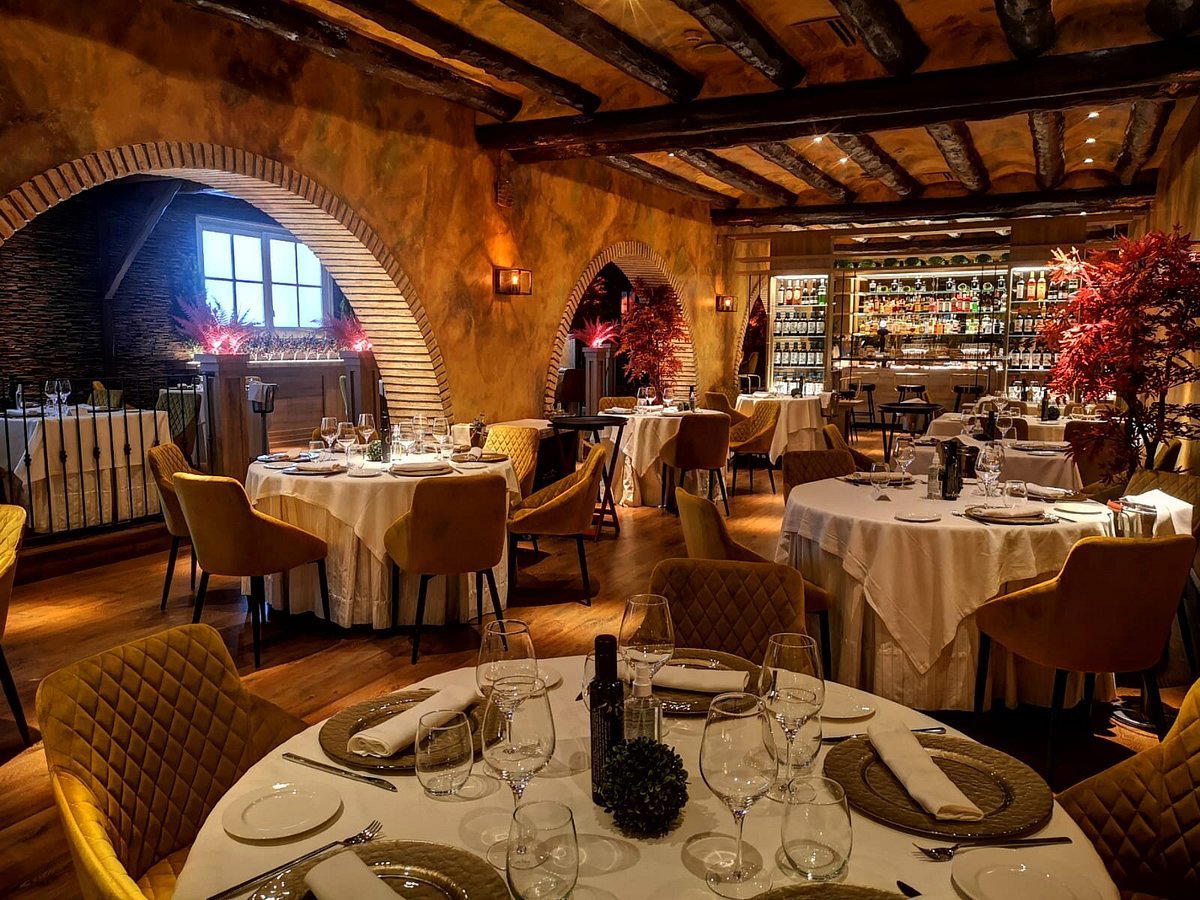
Bars in Zaragoza
All bars in Zaragoza →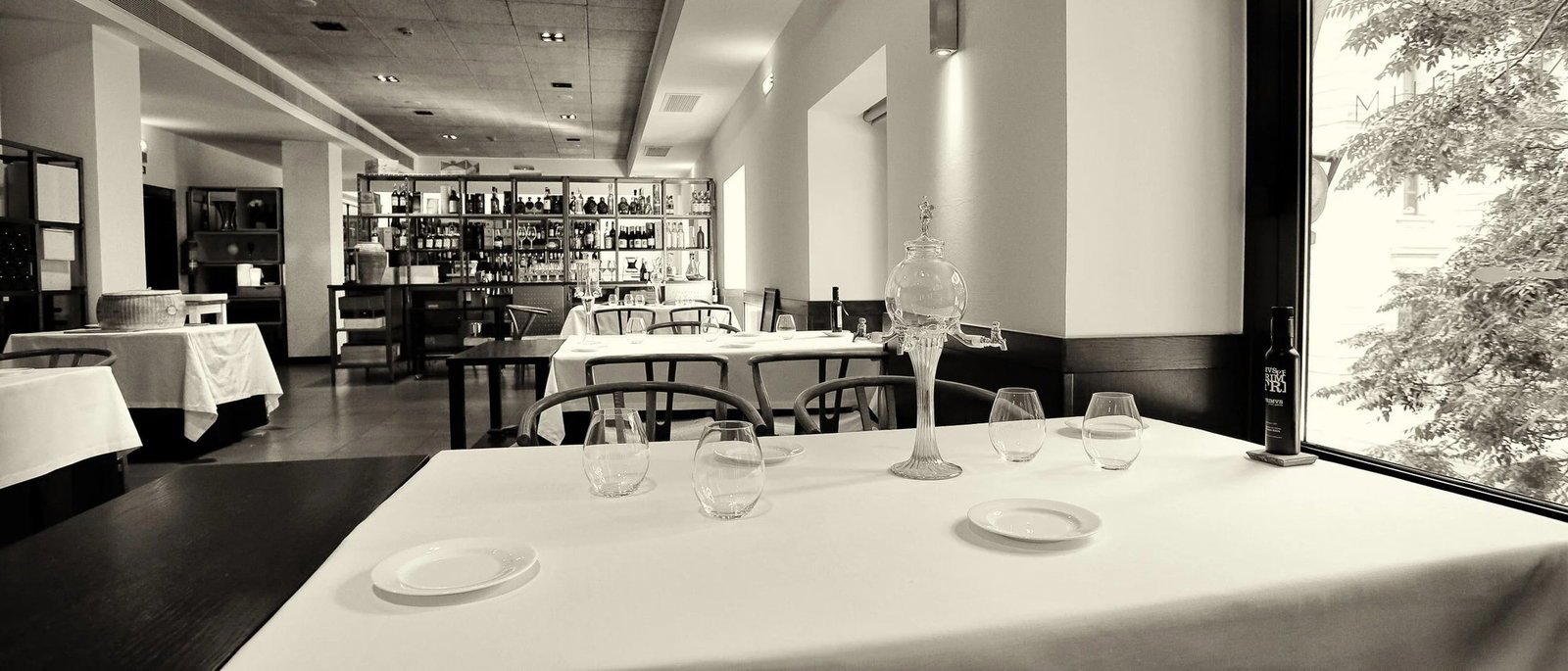
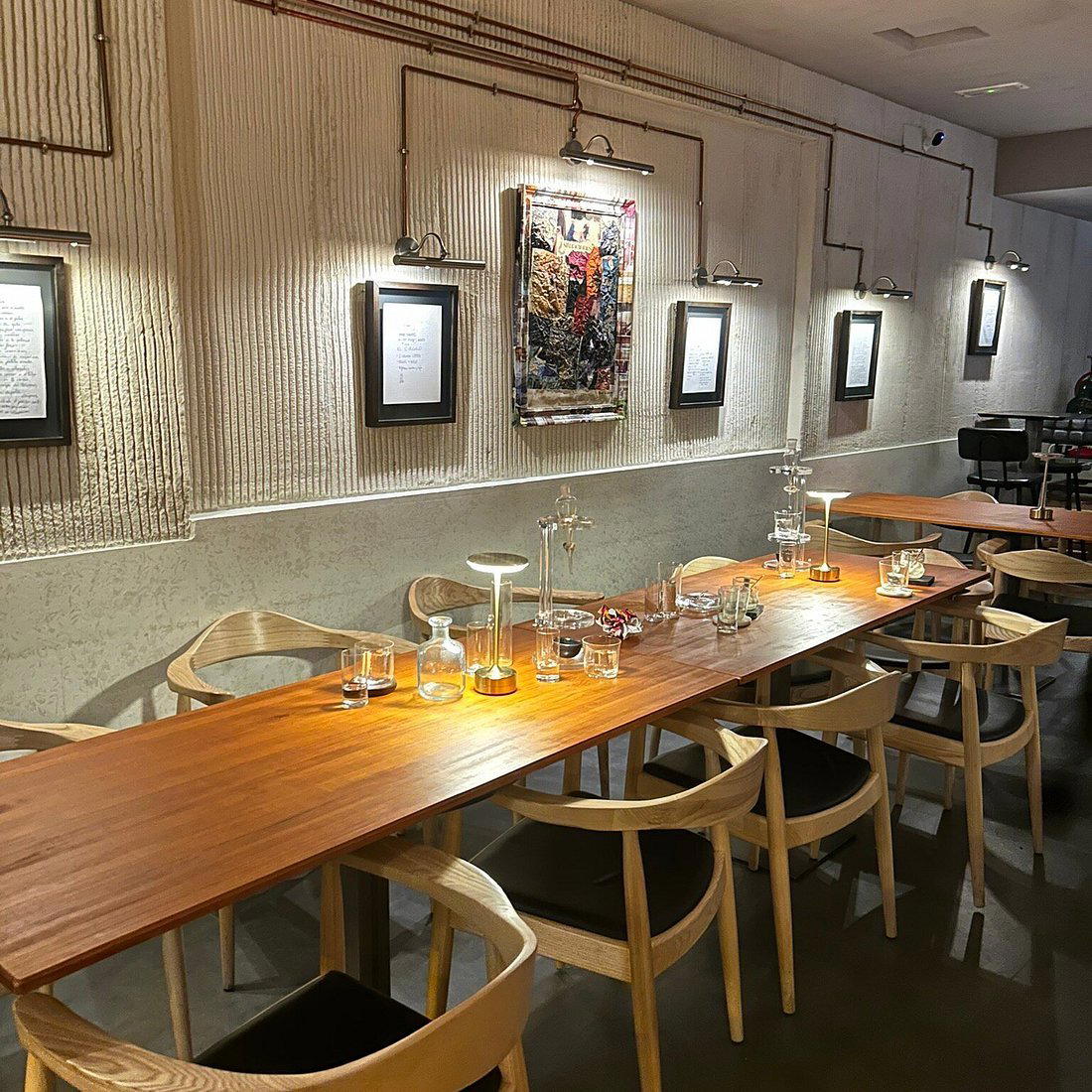

Absinthium
The wine
- Wine program
- Deep wine list
- Extensive wine list
- Sommelier-led
- Craft cocktails
Details
- Intimate
- Elegant
- Sophisticated
- Classic
- Romantic
- Date Night
- Business Dinner
- Celebration
- Special Occasion
- Group Dining
- Solo
- After Work
- Private Event
- Wine Cellar
- Private Dining
- Hotel Restaurant
- Historic Building
- Design Destination
- Extensive Wine List
- Craft Cocktails
- Sommelier Led
- Local Sourcing
- A La Carte
- Tasting Menu
- Wine
- Cocktails
- Absinthe
- Sherry
- Vegetarian Friendly
- Gluten Free Options
Current opening hours
- Monday
- Closed
- Tuesday
- 1:30–3:30 PM, 8:30–10:30 PM
- Wednesday
- 1:30–3:30 PM, 8:30–10:30 PM
- Thursday
- 1:30–3:30 PM, 8:30–10:30 PM
- Friday
- 1:30–3:30 PM, 8:30–10:30 PM
- Saturday
- 1:30–3:30 PM, 8:30–10:30 PM
- Sunday
- Closed
Hours can change for holidays and private events. Hours as of .
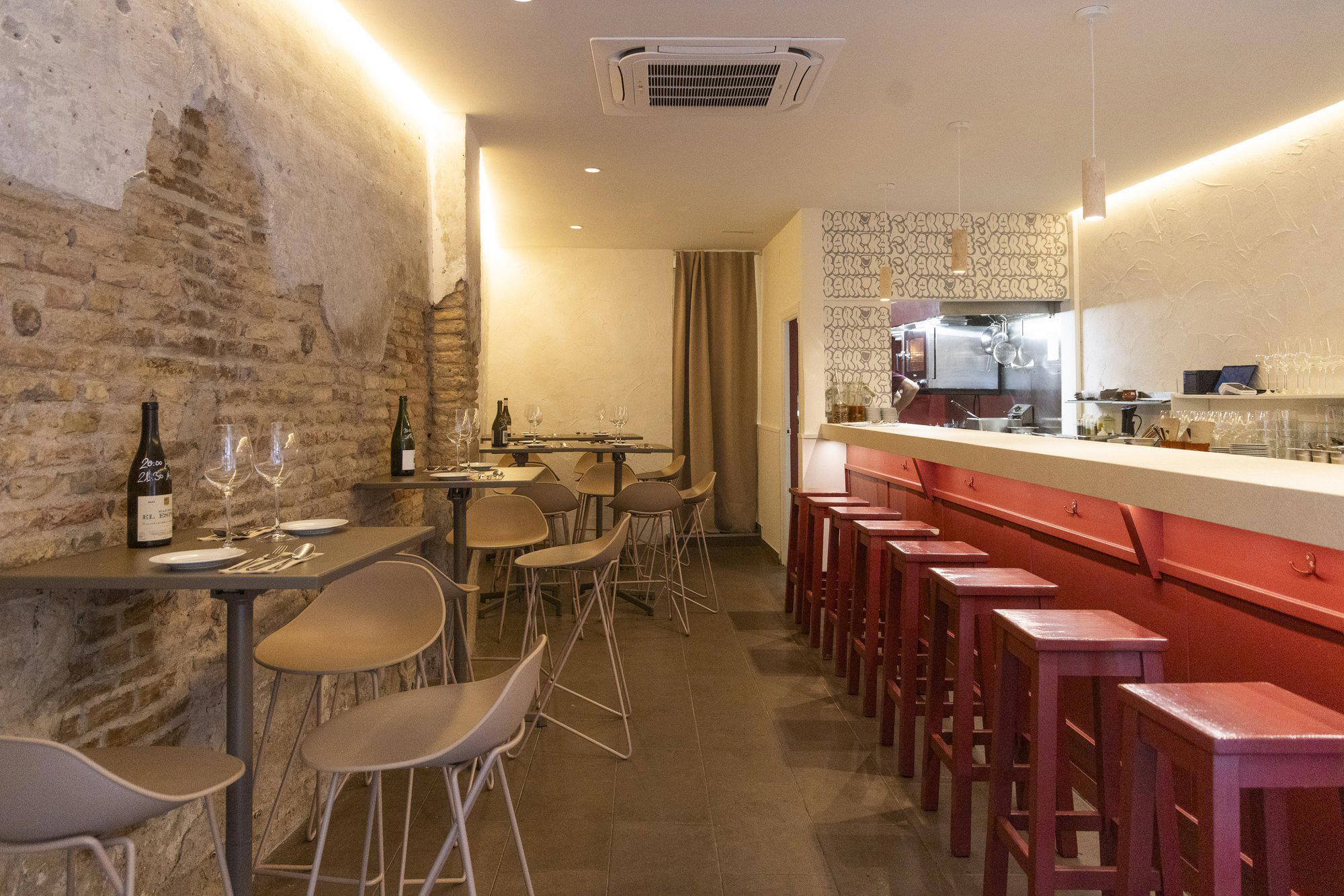
Discreet and almost clandestine, with an intimate dining room of few tables on the first floor of a historic hotel, surrounded by bottles of sherry, spirits and wines; lighting and service are warm, meticulous and formal, creating a calm, elegant atmosphere ideal for lingering meals and special occasions.