Escala
Escala sits on West 6th Street in Koreatown, one of Los Angeles's most densely contested dining corridors, where the city's appetite for multi-course progressive formats has grown steadily alongside its Michelin footprint. The address places it within reach of Downtown and Mid-City, competing in a tier where meal architecture, sourcing transparency, and kitchen lineage carry real weight. Confirm current details directly with the venue before booking.
 Discover on Pearl
Pearl is the En Primeur Club membership app — saves, bookings, and concierge access live there. Same editors, same standards.
- Address
- 3451 W 6th St, Los Angeles, CA 90020
- Phone
- (213) 387-1113
- Website
- escalaktown.com
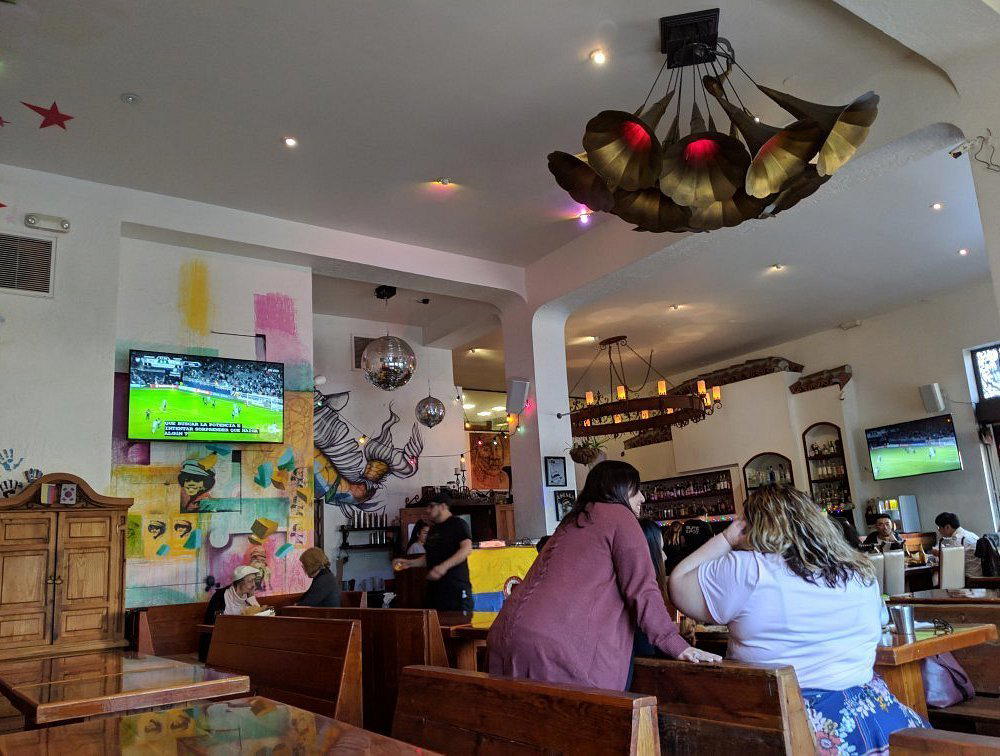
West 6th Street and the Architecture of a Meal
Escala is a Colombian-Korean Fusion restaurant in Los Angeles's Koreatown, at 3451 W 6th St. The neighborhood runs dense and late, with restaurants operating across formats, price points, and cultural traditions in a way that few other LA districts can match. Into that mix, Escala occupies a position on 3451 W 6th St that places it at the intersection of two distinct dining cultures: the Korean-American dining tradition that defines the neighborhood's identity, and the broader LA movement toward structured, progression-based meal formats that has reshaped how the city thinks about a night out.
Los Angeles has spent the better part of the last decade building a serious case for itself as a multi-course dining city. Los Angeles has spent the better part of the last decade building a serious case for itself as a multi-course dining city.Le Bernardin in New York City or Alinea in Chicago in any serious conversation about American fine dining. Escala arrives within that context, in a neighborhood that has historically been underrepresented in the city's premium dining tier.
The Progression as Story
The editorial logic of a tasting menu rests on sequencing. Each course is an argument, and the meal's success depends on whether those arguments build toward something coherent. This is a discipline that the leading American tasting-menu programs have taken seriously, from The French Laundry in Napa to Lazy Bear in San Francisco, where the progression from lighter, more acidic early courses through richer mid-section plates toward the dessert register is treated as compositional craft rather than convention. Single Thread Farm in Healdsburg takes this further still, linking course sequencing directly to seasonal sourcing so the meal becomes a document of a particular moment in California's agricultural calendar.
What distinguishes Koreatown as a setting for this kind of format is the neighborhood's existing fluency with communal, multi-dish eating. The Korean table has always operated through abundance and variety rather than scarcity and sequence, which means the audience walking through the door on West 6th Street is not necessarily one that needs to be introduced to complexity. They bring their own reference points, and a kitchen that can speak to both traditions, the structured European progression and the Korean-American palate, has access to a more interesting range of moves than a comparable restaurant in, say, Beverly Hills or Brentwood would.
Somni operates at the molecular end of the spectrum, where technique is the subject of the meal as much as flavor. Kato has built its reputation on a New Taiwanese frame that uses the tasting format to argue for a specific cultural perspective. And Hayato applies Japanese kaiseki discipline to California ingredients in a way that makes each course feel like a calibrated statement. Escala sits within this ecosystem, in a neighborhood that adds its own layer of cultural texture to whatever progression the kitchen is building.
The Mid-City Tier and What It Signals
Positioning matters in Los Angeles dining because the city is so geographically spread that where a restaurant sits is itself an editorial statement. Koreatown's emergence as a serious dining destination has been gradual but now feels consolidating. The neighborhood's density, its late-night culture, and its price-to-quality ratio in the mid-range have historically attracted a younger, more adventurous dining crowd than the Westside tends to produce. That crowd is precisely the audience that has driven the city's appetite for chef-driven, progression-based formats over the last five years.
Compare this to the Westside's more established fine-dining corridor, where Providence has held two Michelin stars for years on the strength of its seafood-forward contemporary format, or to Hollywood's Osteria Mozza, which anchored a particular vision of Italian dining in Los Angeles when it opened. These are restaurants whose neighborhoods came to define the dining experience as much as the kitchens did. Koreatown is at an earlier stage of that process, which means the restaurants establishing themselves there now are doing so without the safety net of an already-premium address.
Internationally, the parallel is instructive. Atomix in New York City built its reputation partly by operating from a position that combined Korean culinary tradition with fine-dining progression in a way that felt genuinely specific rather than fusion-generic. 8 1/2 Otto e Mezzo Bombana in Hong Kong made a comparable case for Italian fine dining in a context where Italian was not the default prestige register. The underlying logic in both cases: a kitchen that can speak fluently to two culinary traditions, and place them in genuine dialogue, earns a kind of authority that a single-tradition operation cannot easily replicate.
Before You Book
Escala is recommended for reservations and serves dinner Monday through Wednesday and Sunday from 11:30 AM to 1 AM, and Thursday through Saturday from 11:30 AM to 2 AM. The broader Koreatown dining scene is worth building an itinerary around regardless: the neighborhood's range, from street-level Korean barbecue to emerging chef-driven formats, makes it one of the more genuinely rewarding areas of the city to spend an evening.
Address: 3451 W 6th St, Los Angeles, CA 90020. Reservations are recommended. Budget: About $25 per person. Dress: Casual. Hours: Mon through Wed and Sun, 11:30 AM to 1 AM; Thu through Sat, 11:30 AM to 2 AM.
Cost Snapshot
Comparable venues nearby, for context on price, style, and recognition.
| Venue | Cuisine | Price | Awards | Notes |
|---|---|---|---|---|
| EscalaThis venue — the venue you are viewing | Wilshire Center, Colombian-Korean Fusion | $$ | , | |
| Sorry Not Sorry | Sawtelle, Vietnamese-Mexican Fusion | $$ | , | |
| Cafe 2001 | Arts District, Japanese-European Café | $$ | 1 recognition | |
| Mixtape | $$$ | , | Fairfax, American-Caribbean-Jewish-French Fusion | |
| X'tiosu Kitchen | Boyle Heights, Oaxacan-Lebanese Fusion | $$ | , | |
| Two Hommés | North Inglewood, Afro-Latin Fusion | $$ | 2 recognitions |
Continue exploring
More in Los Angeles
Restaurants in Los Angeles
Browse all →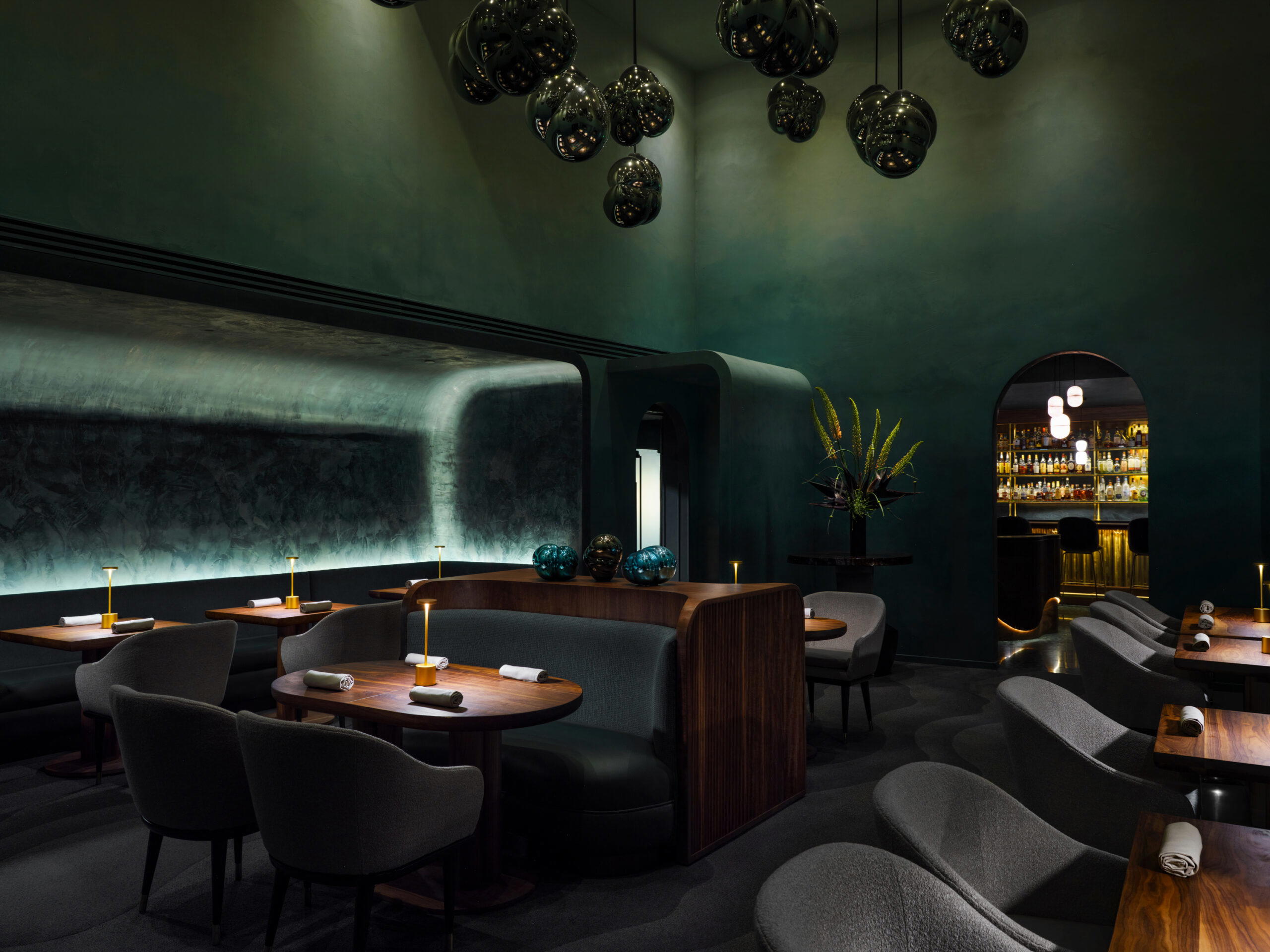
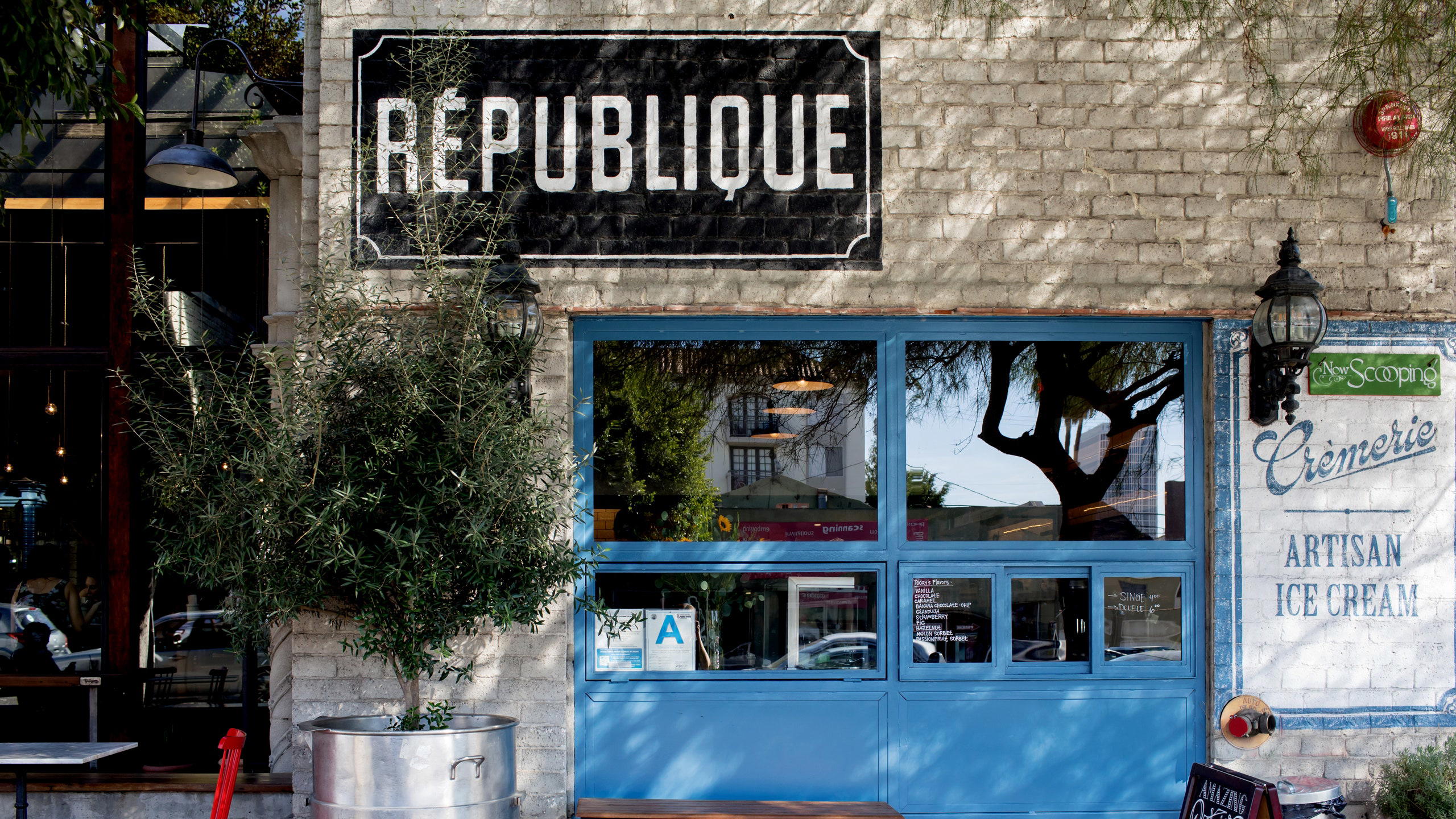
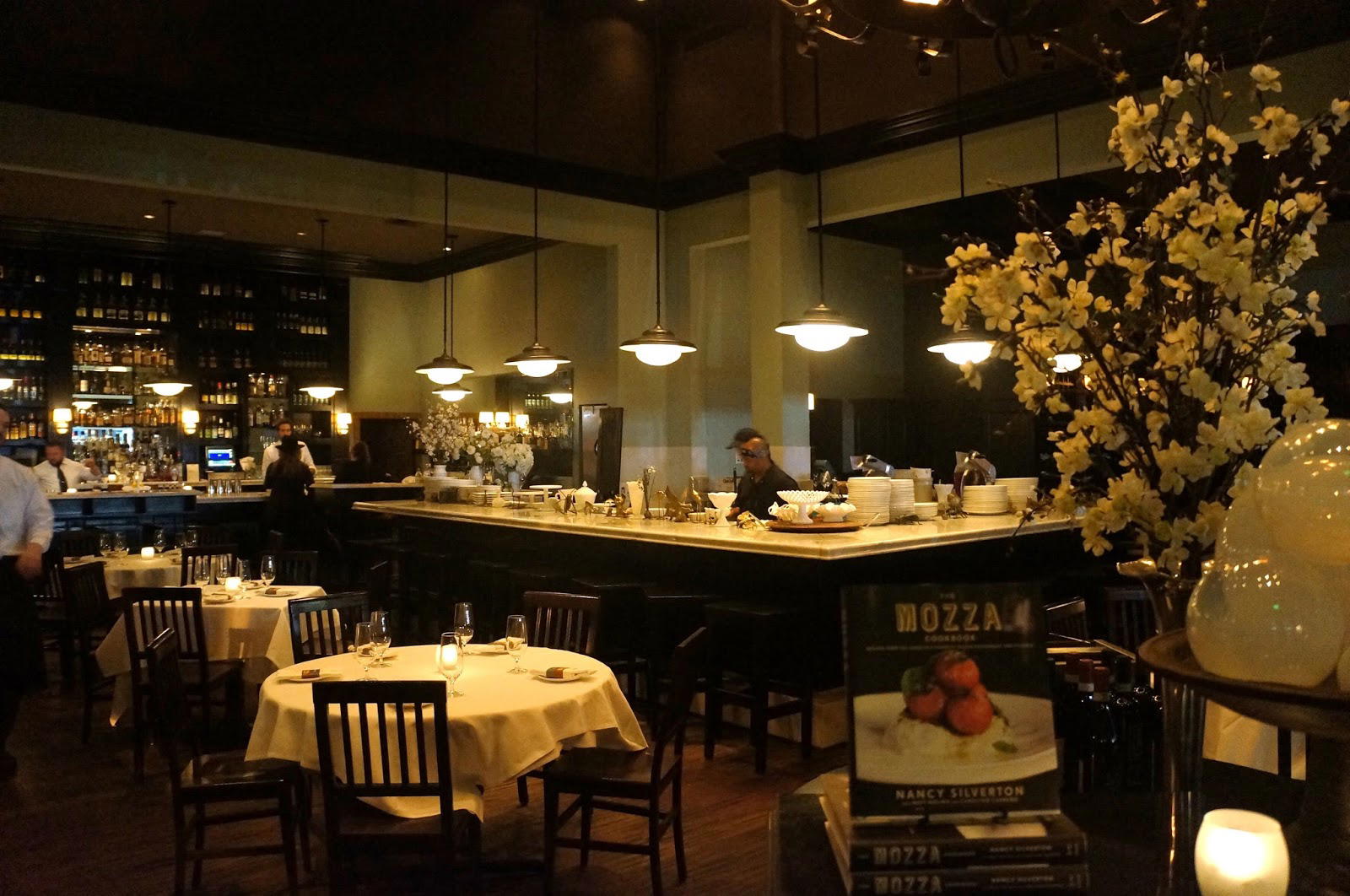
Bars in Los Angeles
Browse all →

Hotels in Los Angeles
Browse all →
Wineries in Los Angeles
Browse all →
At a Glance
- Lively
- Trendy
- Energetic
- Group Dining
- Casual Hangout
- Celebration
- Open Kitchen
- Craft Cocktails
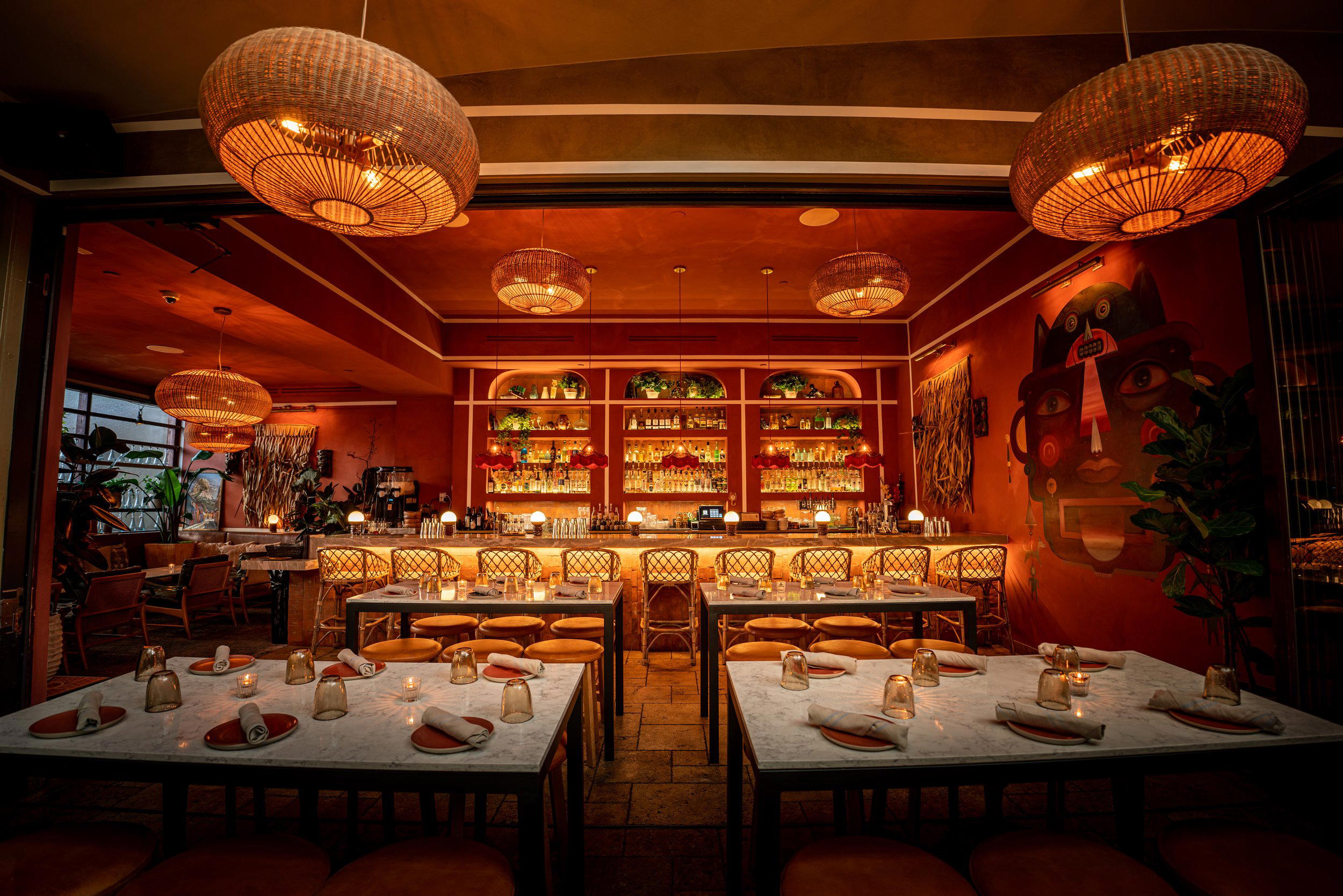
Bright, colorful interior with murals, open windows, lively music, and a fun, boisterous party atmosphere especially later in the evening.