Our verdict
Esca occupies a distinct position among Hell's Kitchen's serious dining options, bringing a focused Italian seafood approach to a neighborhood better known for pre-theater convenience than culinary ambition. The lunch and dinner services operate with notably different rhythms, making the choice of when to visit as consequential as what to order. For New York's Italian coastal cooking tradition, Esca remains a consistent reference point on the west side of Midtown.

The menu
What to order
- Crudo
- Linguini with mahogany clams
- Whole roasted fish
Hell's Kitchen and the Case for Italian Seafood
Midtown West's dining reputation has long been shaped by its proximity to the Theater District, which pulls restaurants toward speed and volume rather than precision. Against that backdrop, Italian seafood in the southern Italian tradition, crudo, whole fish, house-cured preparations, represents a deliberate counterpoint. Esca, at 402 West 43rd Street, has held that position in Hell's Kitchen long enough that it functions as a reference point for the style in a borough where the competition for serious seafood attention is concentrated further downtown or in neighborhoods with stronger culinary cachet. For context on where Esca sits relative to New York's most recognized seafood tables, Le Bernardin defines the French-influenced ceiling of the city's seafood market at the top of the $$$$ bracket, while Esca operates in a different register entirely: the Italian coastal idiom, where acid, olive oil, and cured fish do most of the work.
The neighborhood itself matters here. West 43rd Street sits close enough to the Hudson to feel peripheral to the restaurant clusters of Hell's Kitchen proper, which have pushed north and east along Ninth and Tenth Avenues. That slight remove from the main dining corridor gives Esca a quieter street presence than its peers, which partly explains why it reads differently at lunch versus dinner, two services that attract different types of visitors for different reasons.
Lunch and Dinner: Two Distinct Services
The lunch-versus-dinner divide at Italian seafood restaurants in New York has become increasingly pronounced as tasting-menu culture has pushed evening services toward longer formats and higher price floors. Esca's lunch service draws a working Midtown crowd alongside theater-adjacent visitors who want a serious meal without committing to a full evening. The midday timing tends to compress the experience: fewer courses, faster pacing, a wine list that gets lighter use. What it offers in exchange is a more direct engagement with the kitchen's core preparations, without the ceremonial weight that accumulates in dinner service at restaurants of this type.
Dinner at Esca operates closer to the tradition of the Roman osteria that took seafood seriously, a slower progression, a fuller expression of the crudo selection, and the kind of wine pairing that actually rewards a list built around southern Italian and coastal producers. The Theater District geography works in dinner's favor here: pre-theater diners need to be out by curtain, which creates a natural early window, and the later wave tends toward a more deliberate pace. For visitors accustomed to the compressed rhythms of pre-theater dining at restaurants along this corridor, Esca's later dinner service represents a different proposition.
The distinction matters practically. A lunch visit and a dinner visit at Esca are not interchangeable experiences, and the editorial advice common to many of New York's neighborhood Italian restaurants, that lunch is the smarter value play, applies with particular force here. Lunch at Italian seafood tables tends to surface the technical kitchen work more clearly, since the food carries the service rather than the other way around.
Where Esca Sits in New York's Italian Dining Hierarchy
New York's Italian restaurant ecosystem is stratified in ways that visitors from outside the city sometimes underestimate. The top tier of Italian dining in Manhattan has shifted toward modern tasting formats and regional specificity that would have been rare twenty years ago. Esca's commitment to the southern Italian coastal tradition, particularly the Neapolitan and Sicilian-inflected approach to raw and cured fish, places it in a mid-to-upper tier that competes on ingredient quality and technique rather than format innovation. That is a different competitive position from the one occupied by the city's French-influenced seafood rooms or the Japanese-inflected precision counters like Masa, and it is worth being explicit about that distinction when choosing where to direct a seafood-focused evening.
Nationally, the Italian coastal cooking tradition has found strong expressions in several cities. Providence in Los Angeles operates in a parallel register of serious seafood cooking, though with a different regional and stylistic frame. Frasca Food and Wine in Boulder demonstrates how Italian regional specificity can anchor a serious room far outside the traditional coastal markets. In the fine dining category more broadly, Eleven Madison Park, Per Se, and Atomix occupy a different tier of New York dining entirely, tasting menu formats at the very best of the city's price range, which clarifies rather than diminishes Esca's distinct positioning.
For those building a broader itinerary around serious American restaurants with strong coastal or regional identities, comparisons are worth drawing to Single Thread Farm in Healdsburg, Blue Hill at Stone Barns in Tarrytown, and The French Laundry in Napa, all of which share a commitment to sourcing specificity that Esca's seafood focus mirrors in its own way. Further afield, Smyth in Chicago, Lazy Bear in San Francisco, Emeril's in New Orleans, Addison in San Diego, and The Inn at Little Washington represent the range of ambitious American dining against which any serious New York room implicitly competes. In the Italian tradition specifically, the European reference points worth knowing include Atelier Moessmer Norbert Niederkofler in Brunico and Dal Pescatore in Runate, both of which anchor their menus in Italian regional specificity at the highest level.
See our full New York City restaurants guide for a wider view of where Esca sits within the city's current dining map.
Know Before You Go
Planning Details
- Address: 402 W 43rd St, New York, NY 10036
- Neighborhood: Hell's Kitchen / Midtown West, close to the Theater District
- Leading for: Italian coastal seafood in a Midtown context; lunch for value and pace, dinner for a fuller expression of the menu
- Phone / Website:
- Dress: Smart casual is the standard for this tier of Midtown Italian dining
Frequently asked questions
What should I eat at Esca?
Esca's position in New York's Italian seafood tradition points toward crudo and cured fish preparations as the kitchen's most characteristic work, the area where southern Italian coastal cooking most clearly distinguishes itself from other seafood formats in the city. For a point of comparison in how serious seafood kitchens build their menus, Le Bernardin represents the French-influenced ceiling of the city's seafood category.
Do they take walk-ins at Esca?
Walk-in availability at Midtown West restaurants in the $$$$ tier varies considerably by day and service. In the Theater District corridor, early dinner slots fill quickly with pre-theater reservations, which tends to close the walk-in window in the 5:30 to 7:30 PM range. Lunch service and late dinner windows are more likely to accommodate walk-ins, but given Esca's standing in the neighborhood, a reservation is the safer approach. Current booking policy is best confirmed directly with the venue.
What do critics highlight about Esca?
Critical attention to Esca has historically focused on its adherence to Italian coastal seafood traditions, particularly the crudo format and sourcing approach, in a part of Manhattan where the surrounding dining options tend toward convenience rather than culinary specificity. The restaurant occupies a position in the city's Italian dining hierarchy that prizes technique and ingredient quality over format novelty, which has earned it consistent recognition among serious seafood rooms on the west side of Midtown.
Can Esca handle vegetarian requests?
Italian coastal kitchens are structurally built around fish and seafood, which means vegetarian accommodation is possible but not the natural orientation of the menu. New York's vegetarian-first fine dining options, including Eleven Madison Park, operate in a different category entirely if a plant-based format is the primary requirement.
Is Esca a good choice for a business lunch in Midtown?
Hell's Kitchen's proximity to Midtown's office corridors makes Esca a practical option for a business lunch that needs to clear a higher culinary bar than the standard Theater District offerings. Italian seafood at this level provides a focused, relatively quiet environment compared to the larger Midtown dining rooms, and the lunch service pace tends to be calibrated for diners who need to be somewhere afterward. For the full New York business dining picture across multiple cuisines and price points, see our New York City guide.
The Short List
| Venue | Cuisine | Price | Awards | Notes |
|---|---|---|---|---|
| EscaThis venue (the venue you are viewing) | Southern Italian Seafood | Not listed | Not listed | Not listed |
| Le Bernardin | French Seafood Fine Dining | $300–500 | 3 Michelin Stars · World's 50 Best #13 | French, Seafood |
| Atomix | Modern Korean Tasting Menu | $300–500 | 2 Michelin Stars · World's 50 Best #7 | Modern Korean, Korean |
| Per Se | French Fine Dining Tasting Menu | $300–500 | 3 Michelin Stars · World's 50 Best #40 | French, Contemporary |
| Masa | Traditional Japanese Omakase | $500+ | 2 Michelin Stars · World's 50 Best #27 | Sushi, Japanese |
| Eleven Madison Park | Contemporary Plant-Based Fine Dining | $300–500 | 3 Michelin Stars · World's 50 Best #4 | French, Vegan |


Continue exploring
More in New York City
Restaurants in New York City
All restaurants in New York City →
Bars in New York City
All bars in New York City →








Details
- Elegant
- Sophisticated
- Date Night
- Special Occasion
- Open Kitchen
- Sustainable Seafood
- A La Carte
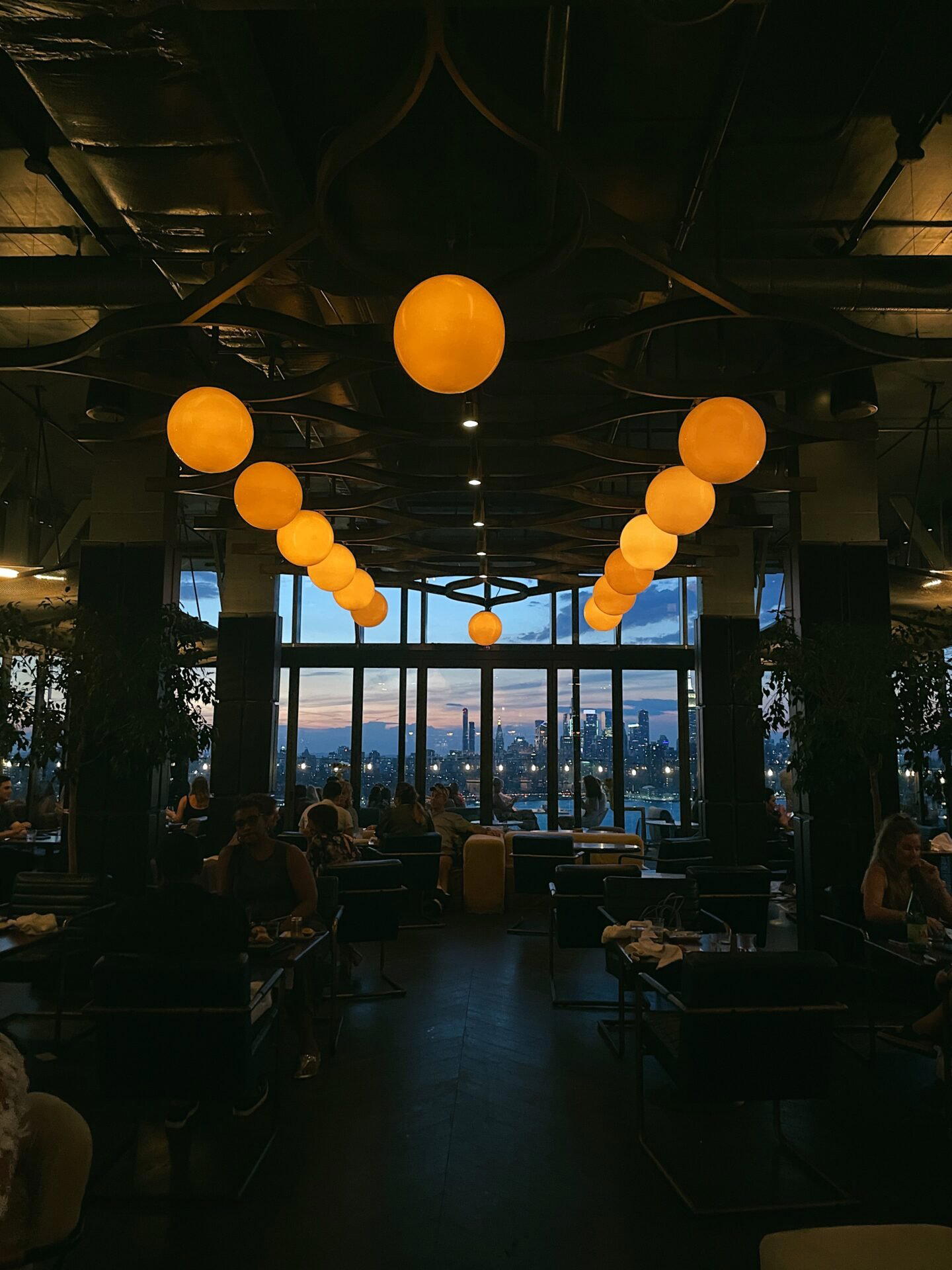
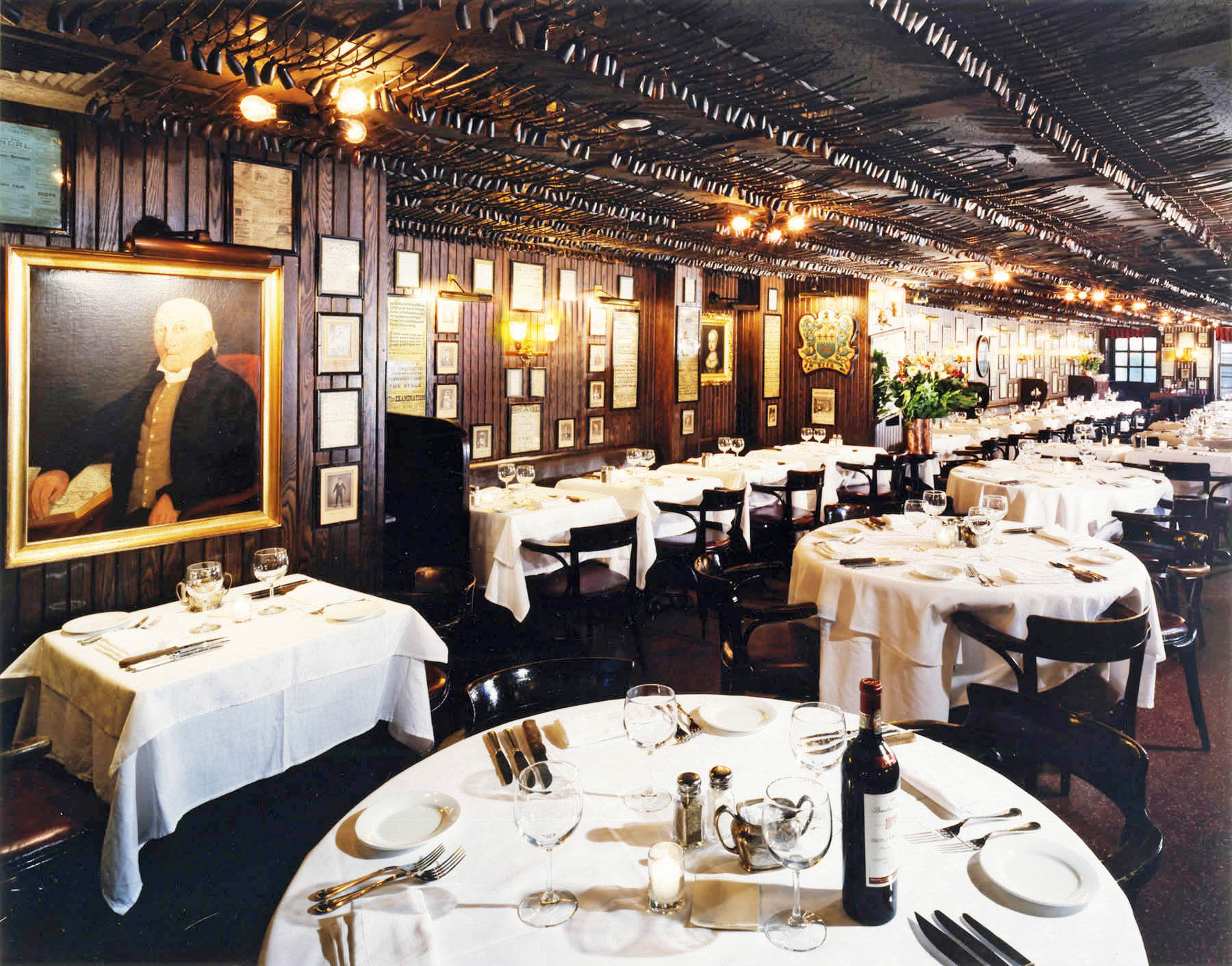
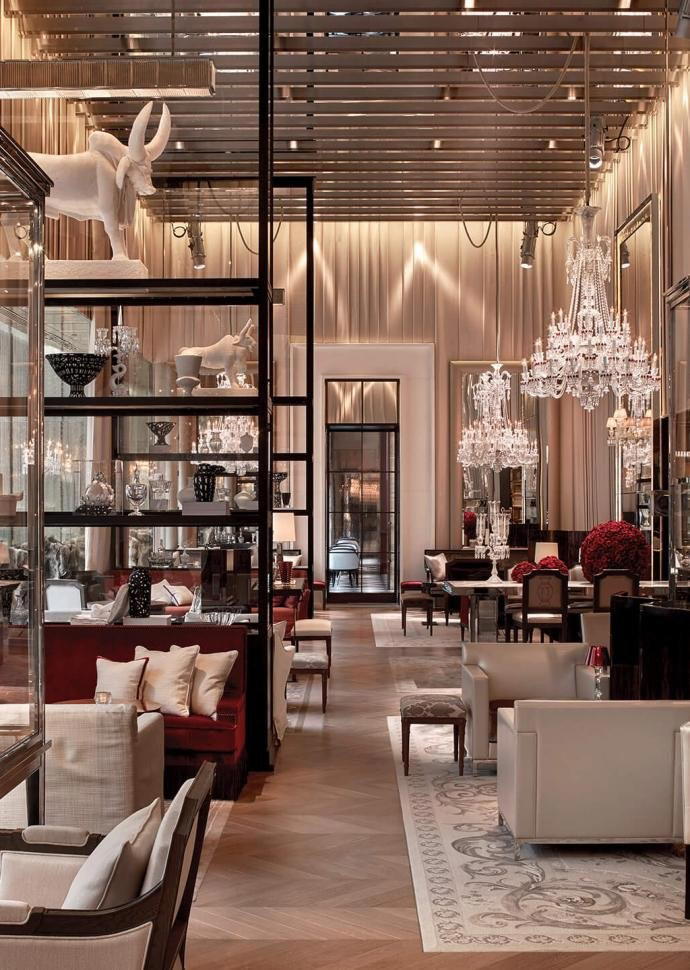
Sophisticated coastal Italian atmosphere with focus on fresh seafood.