
The address at 40 rue Taine in the 12th arrondissement carries fifty years of South-West French tradition, from Alain Dutournier's original bourgeois kitchen to the revamped, more casual space that arrived in 2023. An open kitchen, vintage furnishings, and a cocktail bar now frame dishes that keep the terroir-driven spirit intact, including tortellini with artichokes and vol-au-vent with cuttlefish. It occupies a particular niche in Paris: regional cooking with serious lineage, served without ceremony.
Pearl is the En Primeur Club membership app — saves, bookings, and concierge access live there. Same editors, same standards.
- Address
- 40 rue Taine
- Phone
- +33 1 88 61 56 31
- Website
- autrougasconparis.fr
- Directions
- Get directions
 Saves & bookings on Pearl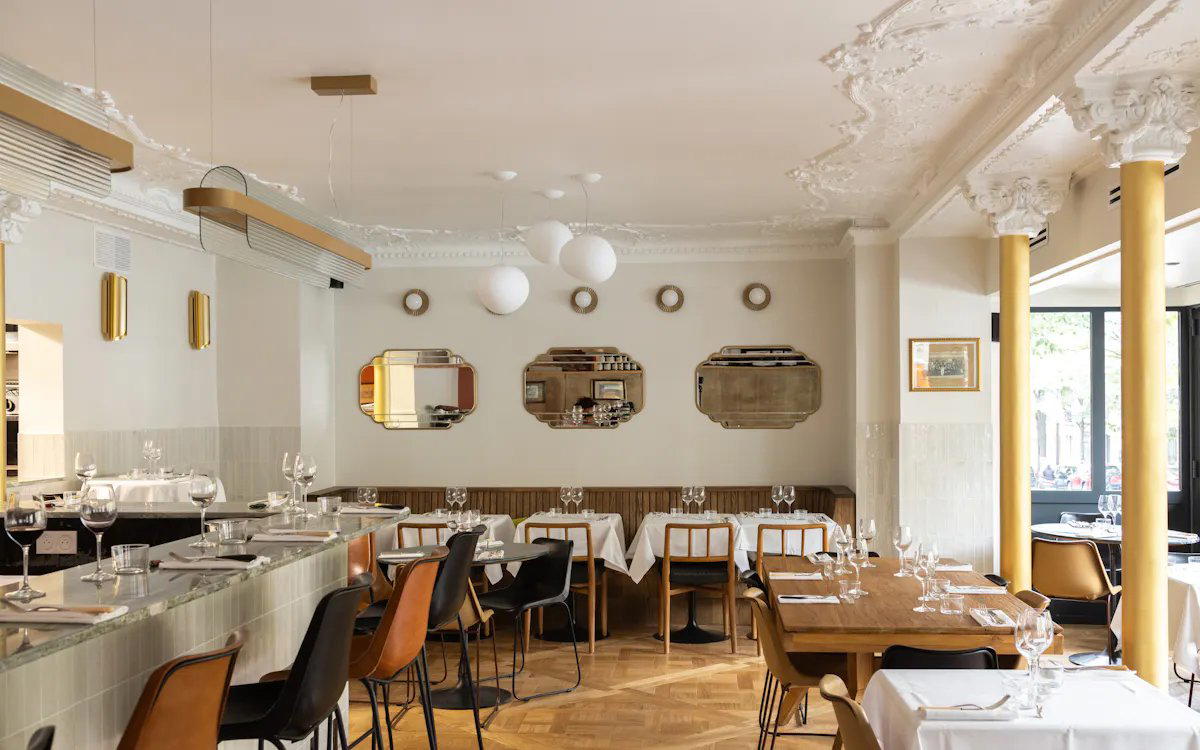
A Fifty-Year Address in the 12th
The 12th arrondissement is not the Paris of tourist circuits. Rue Taine runs through a working neighbourhood east of the Gare de Lyon, where zinc-counter cafés still outnumber wine bars with chalkboard lists, and the restaurants that have survived here have done so on the strength of regulars rather than passing trade. Walking into 40 rue Taine, that neighbourhood logic holds even after a significant transformation: the space feels used in the leading sense, a room with history visible in the proportions even when the furnishings are new.
The site operated as Alain Dutournier's original address from 1973 to 2023, a half-century during which his focus on the terroir of the South-West established a reference point for bourgeois regional cooking in Paris. That tenure placed the address in a distinct tier of French restaurant history: not the grand palatial dining of the L'Ambroisie or Le Cinq category, but the more personal, produce-anchored tradition of regionalist cooking that French gastronomy has long relied on to keep itself grounded. The 2023 revamp did not erase that lineage; it reinterpreted it, stripping back the formality while keeping the kitchen's relationship with the South-West in place.
The Ritual of the Room
What the redesign introduced matters in how it shapes the meal's pacing and register. An open kitchen changes the acoustics and the social contract: you are now dining with an awareness of production, not in sealed separation from it. The cocktail bar shifts the natural arc of an evening, allowing the meal to begin before you sit down, with an aperitif that belongs to the room rather than being summoned to the table. Vintage furnishings signal comfort over display. Taken together, these elements push Au Trou Gascon toward the more casual end of serious Paris dining, a category that has grown considerably as even established kitchens respond to a shift in how the city's regulars want to spend three hours.
That shift matters against the broader Paris restaurant scene. The capital's highest-end kitchens, represented by the creative ambition of Alléno Paris au Pavillon Ledoyen or the intellectual rigour of Arpège, operate in a register of sustained tension, where every course announces its intentions. The opposite end of that spectrum, the bistro and brasserie tier, asks nothing of the diner beyond appetite. Au Trou Gascon after its reinvention occupies an interesting middle position: the kitchen clearly has an agenda, but the room is asking you to relax into it rather than pay close attention to every signal.
South-West Terroir as a Culinary Frame
Regional French cooking in Paris has always operated as a form of translation. The ingredients and traditions of Gascony, the Basque country, and the broader South-West do not travel unchanged to the capital; they are interpreted through the demands of an urban kitchen and an urban clientele. Dutournier's original contribution was to make that translation rigorous without making it academic, to present cassoulet-country produce in a format that could anchor a serious Paris restaurant without losing its identity to Parisian refinement.
The current menu continues in that vein while adding a Southern French dimension that slightly widens the geographic frame. Tortellini with artichokes reads as a dish comfortable with Italian proximity, acknowledging the cuisine's debt to geography rather than enforcing a strict regional boundary. Vol-au-vent with cuttlefish is a similar move: a classical French format applied to ingredients with a coastal register, suggesting the Mediterranean coast's influence on what might otherwise read as a purely inland kitchen. These are not fusion decisions in any contemporary sense; they reflect how border regions have always cooked, absorbing what is close rather than insisting on purity.
This approach places Au Trou Gascon in interesting company when considered alongside France's broader regional fine dining circuit. Properties like Flocons de Sel in Megève, Mirazur in Menton, and Bras in Laguiole each demonstrate how deeply a kitchen rooted in specific French geography can achieve national and international significance. The restaurant's urban position makes the comparison imperfect, but the underlying principle, that place and produce constitute a legitimate creative programme, connects these kitchens across their differences. The same argument runs through Auberge de l'Ill in Illhaeusern and Troisgros in Ouches, both of which have maintained regional identity while evolving their formats over decades.
Dining Here in Practice
The 12th is well connected: the Gare de Lyon is walkable, and the neighbourhood sits on several metro lines, which makes the restaurant accessible from most of central Paris without being in the centre itself. That slight remove from the tourist-dense arrondissements is part of its character; the room fills with people who came specifically, not people who wandered in.
Given the site's profile and the neighbourhood's generally appointment-driven dining culture, securing a table in advance is advisable rather than optional. Booking ahead is advisable.
For those comparing the restaurant to French cooking that has traveled internationally, the reference points shift. Le Bernardin in New York City and Emeril's in New Orleans each demonstrate how French technique exports on different terms; the Paris original, operating from a fifty-year address in the 12th, represents the domestic version of that argument, where the cooking does not need to explain itself to a foreign audience. That confidence in its own context is, after five decades, the restaurant's most coherent position.
Cuisine and Credentials
Comparable venues nearby, for context on price, style, and recognition.
| Venue | Cuisine | Price | Awards | Notes |
|---|---|---|---|---|
| Au Trou GasconThis venue — the venue you are viewing | Modern Southwest French Bistro | $$$$ | Michelin Plate | Not listed |
| Le Coucou | Classic French Bistro | $$$$ | Michelin Plate | SoHo |
| Magma | Modern French with Japanese Influences | $$$$ | Michelin Plate | Oberkampf |
| Le 39V | Contemporary French Fine Dining | $$$$ | Michelin Plate | 8th Arrondissement (Élysée) |
| Ken Yamamoto | Contemporary French with Japanese Influence | $$$$ | Michelin Plate | 16th arrondissement |
| Passionné | Modern French Gastronomy with Japanese Influences | $$$$ | Michelin Plate | 9e arrondissement |
Recognition history
Dated appearances from independent guides and award organizations, with the underlying list record or original source where available.
Michelin Plate
Michelin
Continue exploring
More in Paris
Restaurants in Paris
Browse all →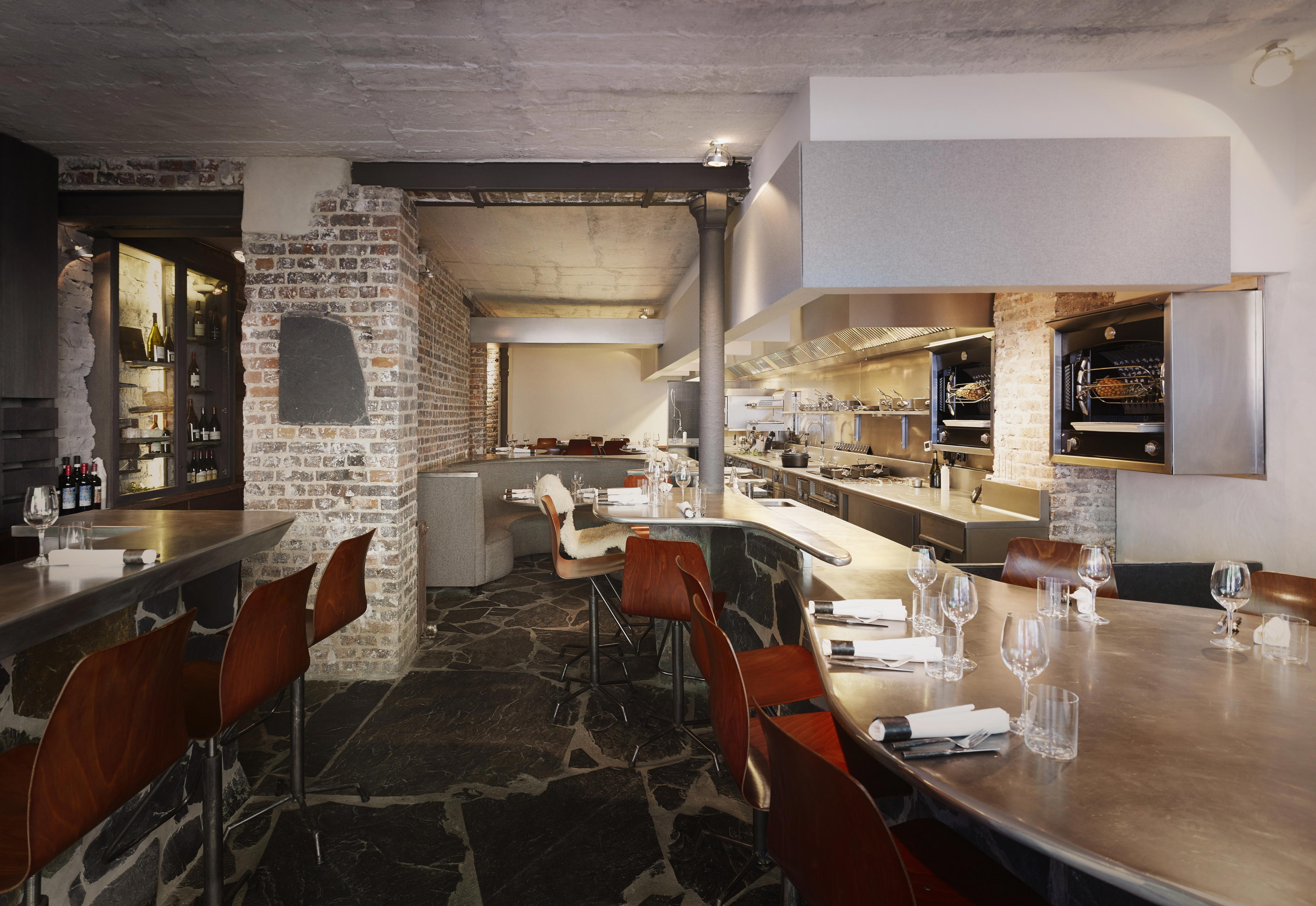
Bars in Paris
Browse all →
Hotels in Paris
Browse all →
Wineries in Paris
Browse all →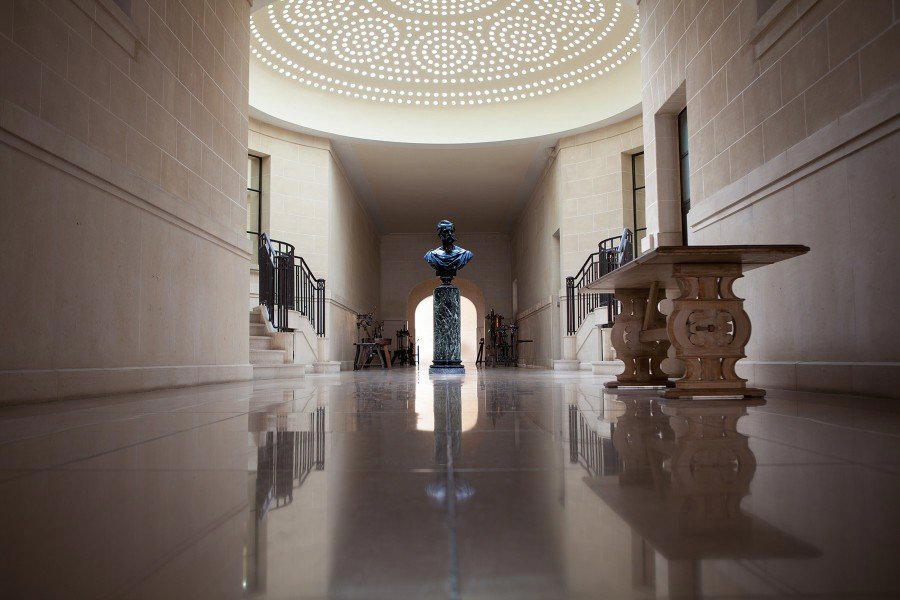
At a Glance
- Classic
- Elegant
- Cozy
- Date Night
- Business Dinner
- Special Occasion
- Open Kitchen
- Extensive Wine List
Current opening hours
- Monday
- Closed
- Tuesday
- 12–2 PM, 7–10:30 PM
- Wednesday
- 12–2 PM, 7–10:30 PM
- Thursday
- 12–2 PM, 7–10:30 PM
- Friday
- 12–2 PM, 7–10:30 PM
- Saturday
- 12–2 PM, 7–10:30 PM
- Sunday
- Closed
Hours can change for holidays and private events. Last verified .
Bright airy designer decor with preserved ornamental ceiling gilded columns open kitchen and vintage furnishings creating a casual yet elegant atmosphere.