.png)
Épicéa holds a Michelin Plate (2025) and a 4.8 Google rating across 202 reviews, positioning it among Besançon's more credentialed modern cuisine addresses. Located on Rue Claude Pouillet in the city centre, it operates at the €€€ price point, a tier that in this city signals serious kitchen ambition rather than casual neighbourhood dining. For visitors tracking France's regional fine dining circuit, it warrants attention.
 Discover on Pearl
Pearl is the En Primeur Club membership app — saves, bookings, and concierge access live there. Same editors, same standards.
- Address
- 11 Rue Claude Pouillet, 25000 Besançon, France
- Phone
- +33 6 44 10 98 61
- Website
- restaurant-epicea.fr
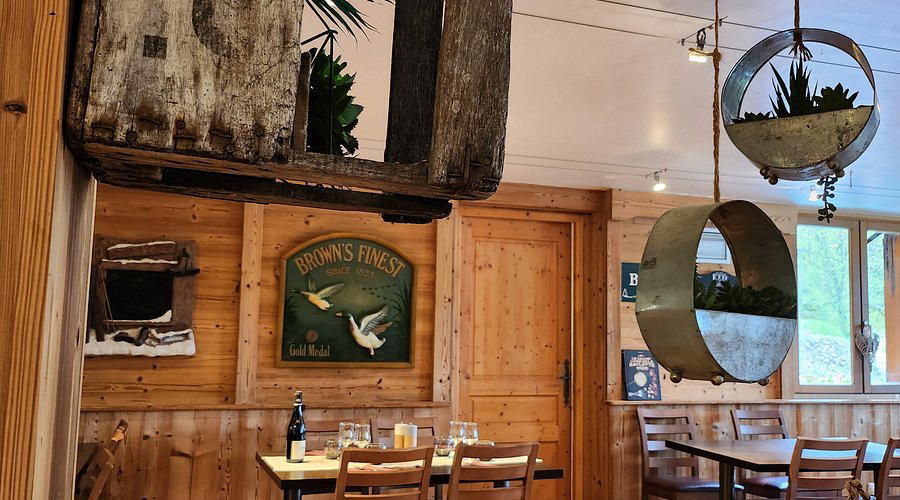
A Street That Earns Its Reputation
Rue Claude Pouillet sits in the older fabric of Besançon, a city that the Doubs river loops around in a near-perfect horseshoe, forming one of the most geometrically distinct urban centres in eastern France. The street itself is quiet in the way that serious restaurants prefer: no tourist foot traffic, no competing neon, just the kind of address that locals share selectively. Approaching Épicéa, the setting signals intent before a menu is opened. This is not a restaurant that relies on location spectacle or a famous square to do its talking. The room, the food, and the sourcing carry the argument.
That sourcing argument matters more in Franche-Comté than almost anywhere else in France. The region, absorbed administratively into Bourgogne-Franche-Comté in 2016 but fiercely distinct in culinary identity, produces some of the country's most protected and geographically specific ingredients. Comté cheese, made in the Jura uplands from milk of Montbéliarde and French Simmental cattle, has one of the strictest AOC frameworks of any French dairy product. Morteau and Montbéliard sausages carry IGP status. The wines of the Jura, from Arbois and Château-Chalon to L'Étoile, are among France's most discussed by sommeliers tracking oxidative styles and vin jaune. A kitchen in Besançon that takes its sourcing seriously is drawing from a larder with more institutional protection and terroir specificity than most French cities can claim.
Besançon's restaurant scene at the €€€ level is not large. A handful of modern cuisine addresses operate at this price point, with Épicéa and Le Parc occupying the upper bracket while a cluster of €€ modern kitchens, including Le Manège, Le Saint Cerf, and Le Sauvage, occupy a more accessible middle tier. Épicéa's Michelin Plate recognition in 2025 places it in a defined credential bracket: below star level but above the general recommendation pool, indicating food quality that the Guide considers worth a specific mention rather than passing acknowledgment.
In a city of roughly 120,000 people, that credential carries weight. Besançon is not a restaurant city in the way Lyon or Strasbourg are, where Michelin density creates a competitive ecosystem with dozens of starred addresses. The Plate here functions as a marker of seriousness in a market where seriousness at the €€€ level is notable rather than routine. Visitors who track the regional fine dining circuit in eastern France, from Flocons de Sel in Megève to Auberge de l'Ill in Illhaeusern, will read the Épicéa Plate as a reliable data point rather than a consolation signal.
The Sourcing Logic Behind Modern Franche-Comté Cooking
Across France's more ambitious regional kitchens, the sourcing conversation has shifted over the past decade from proximity (local = good) to specificity (which producer, which method, which elevation). The kitchens that have earned the most sustained critical attention, Bras in Laguiole, Mirazur in Menton, Troisgros in Ouches, treat sourcing as a structural argument, not a marketing note. The food in those rooms expresses a relationship with a specific landscape, not just a commitment to buying close to home.
Franche-Comté's ingredient base supports exactly this kind of structural argument. The Jura forests produce game, wild mushrooms, and pine-derived flavours, including the sapin (fir) that gives Épicéa its name, a tree whose resin and needles appear in high-end pastry and sauce work across the region. The rivers yield trout and crayfish. The alpine pastures behind the Doubs valley supply dairy of unusual consistency. A modern cuisine kitchen in Besançon that builds its identity around these materials is working from a position of genuine ingredient depth, not a locally-sourced gesture.
Internationally, this approach has become the structural logic of kitchens from Frantzén in Stockholm to Alléno Paris au Pavillon Ledoyen, where the origin story of each ingredient is considered as important as its preparation. Épicéa's name, the French word for the Norway spruce, signals that this kitchen is thinking in those terms: the forest, the altitude, the specific tree of the Jura, as both culinary material and identity marker.
Fast Comparison
Comparable venues nearby, for context on price, style, and recognition.
| Venue | Cuisine | Price | Awards | Notes |
|---|---|---|---|---|
| ÉpicéaThis venue — the venue you are viewing | Modern French Author Cuisine | $$$ | Michelin Plate | |
| Le Manège | Modern French Bistro with Regional Accents | $$$ | Michelin Plate | Rivotte |
| Bleu de Sapin | Cuisine créative française locale | $$ | , | Richebourg |
| Les Zinzins du Vin | Natural Wine Bar with French Charcuterie | $$ | , | Battant |
| Le Saint Cerf | Modern French Bistro with Asian Touches | $$$ | Michelin Plate | Centre-ville |
| Le Saint-Pierre | French Fish & Seafood Gastronomic | $$$ | Michelin Plate | centre-ville |
Continue exploring
More in Besançon
Restaurants in Besançon
Browse all →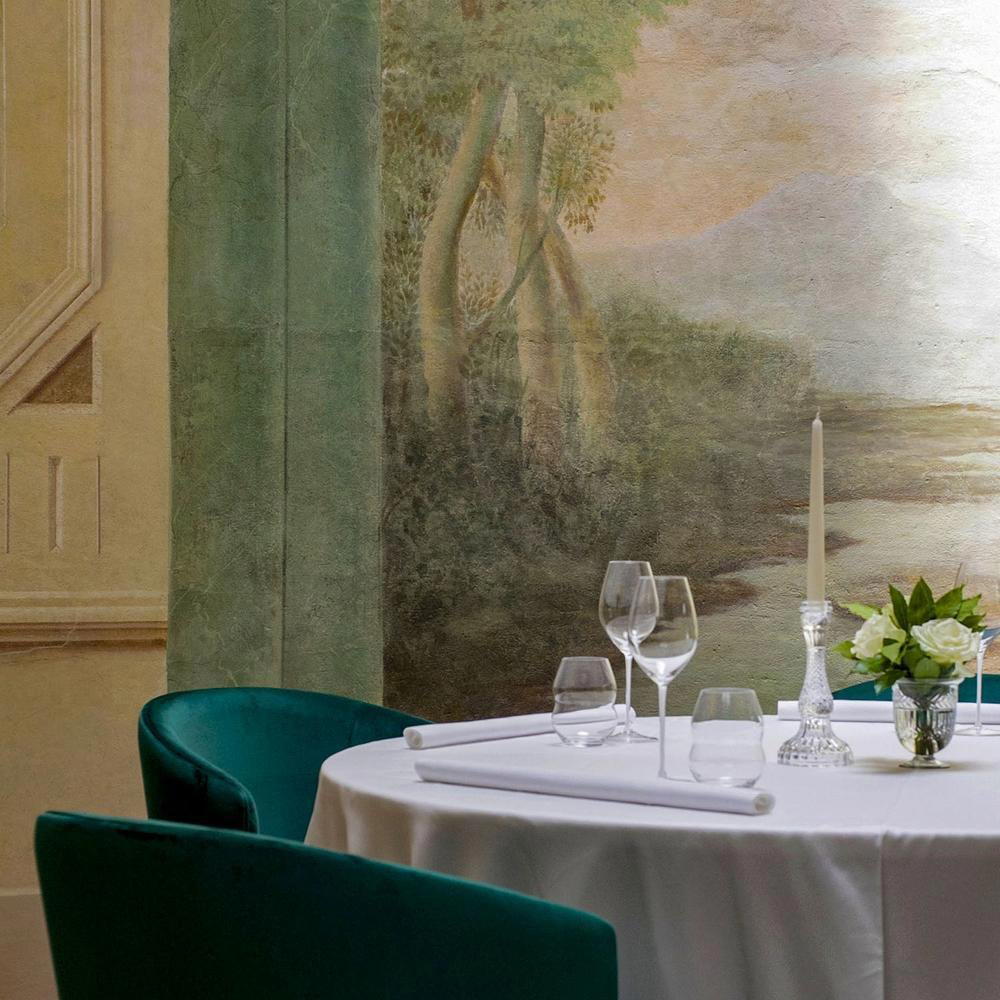
Hotels in Besançon
Browse all →
Wineries in Besançon
Browse all →
At a Glance
- Cozy
- Elegant
- Intimate
- Sophisticated
- Date Night
- Special Occasion
- Open Kitchen
- Craft Cocktails
- Natural Wine
- Local Sourcing
- Farm To Table
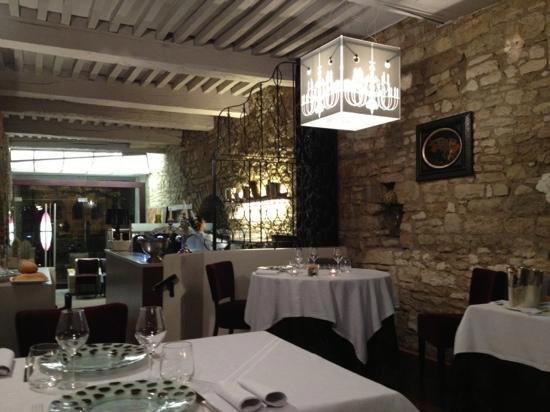
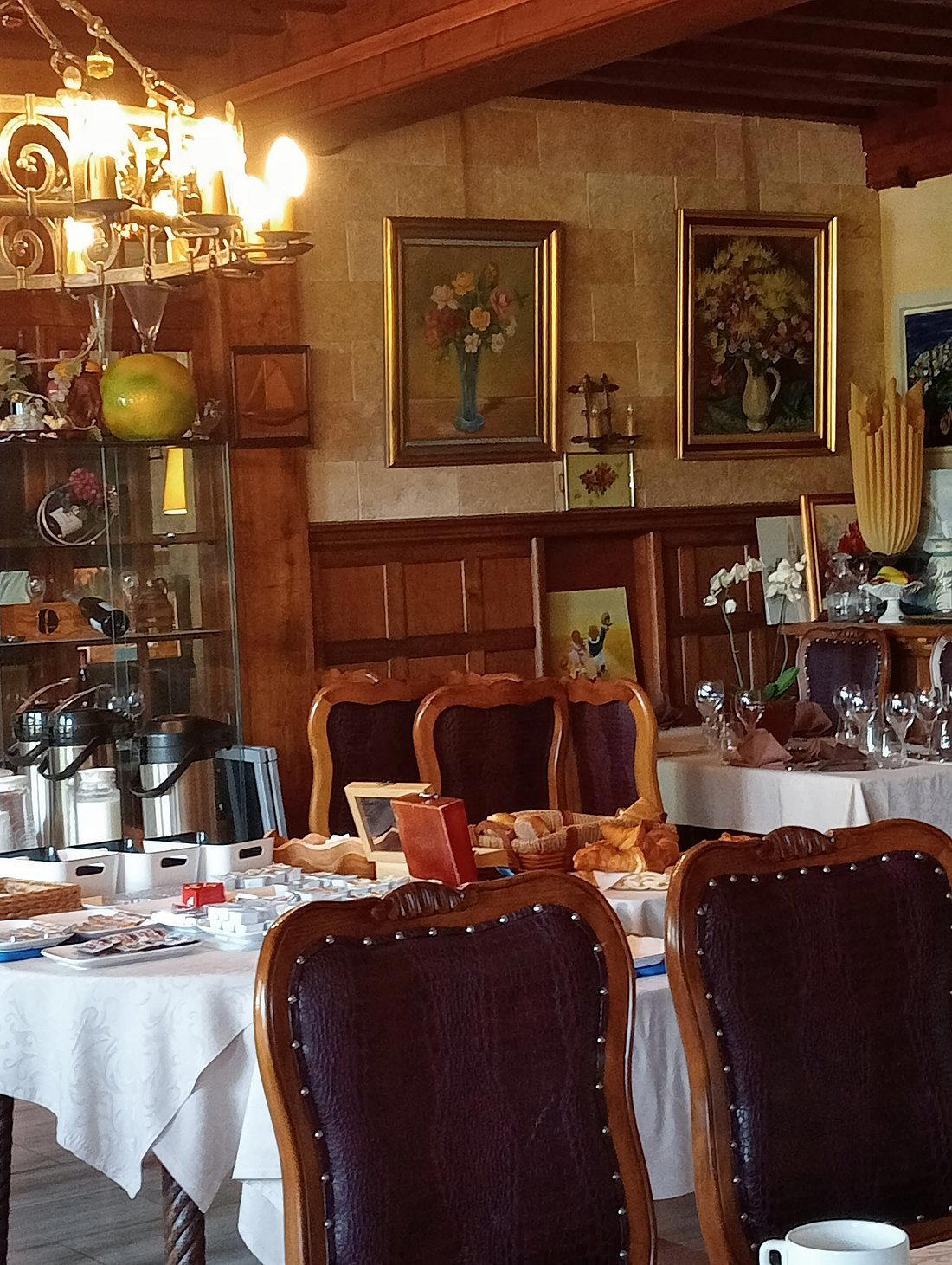
Chaleureuse et boisée with tables of raw wood, green velvet chairs, stone walls, and wildflower arrangements; natural materials and open kitchen.