
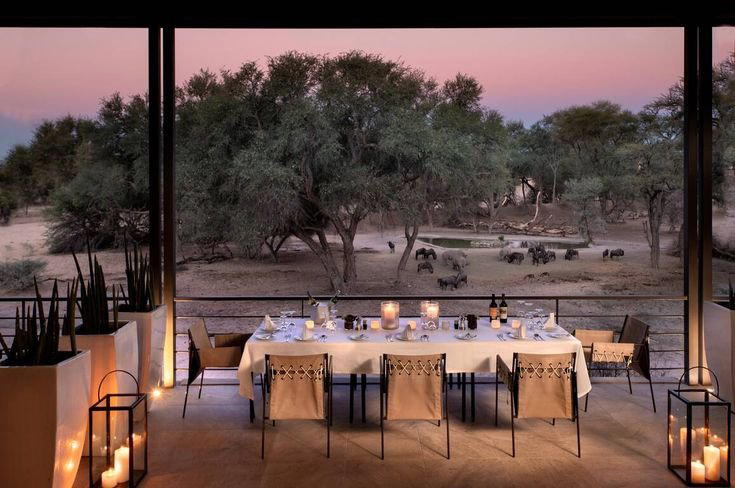
EPAKO Restaurant places Namibian produce and African influences inside a lodge-dining format shaped by the surrounding reserve rather than by city-restaurant convention. The draw is the relationship between plate and place: creative cooking with French technique, served with a view over a wildlife watering hole in the Omaruru district.
Pearl is the En Primeur Club membership app — saves, bookings, and concierge access live there. Same editors, same standards.
- Address
- 22nd Km Omaruru-Otjiwarongo road, Omaruru district
- Phone
- +264 64570551
- Website
- epako.com.na
- Directions
- Get directions
 Saves & bookings on Pearl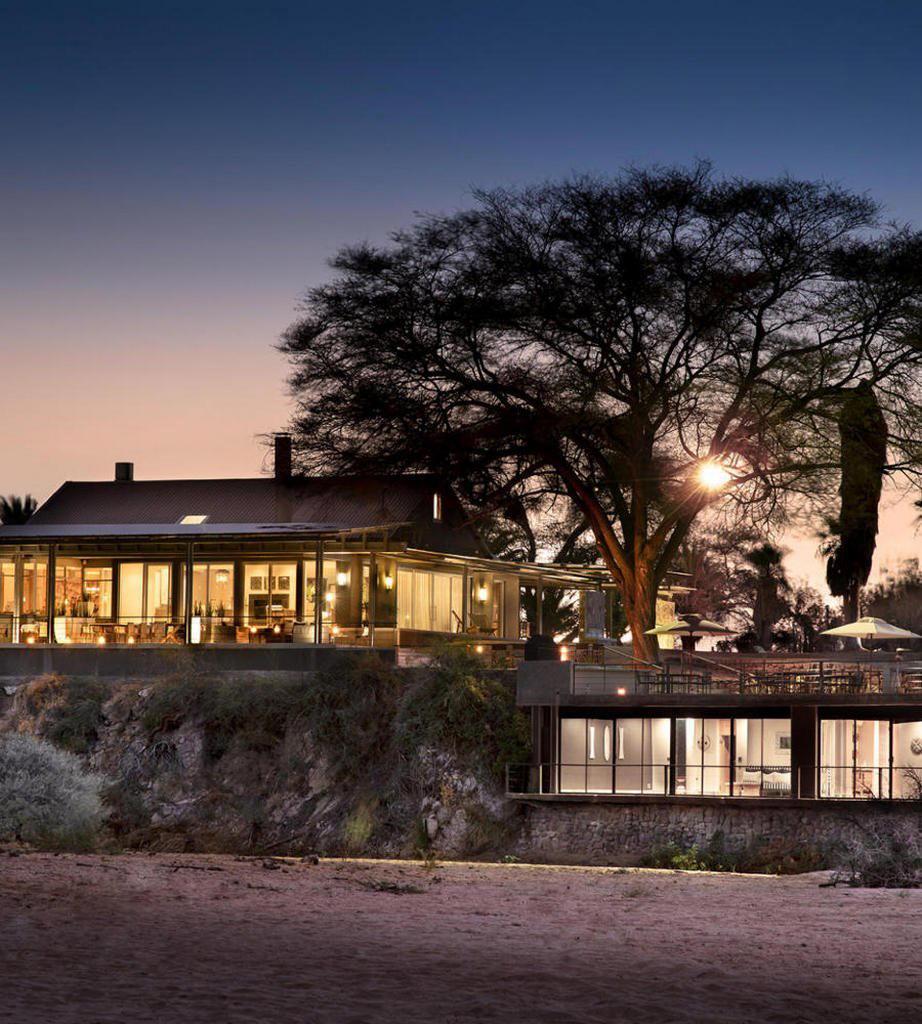
Approaching dinner in the Omaruru district is not an urban ritual of street frontage, host stand and dining-room reveal. The first signal is the bush setting: dry-country light, open sightlines and a watering hole where wildlife gathers within view of the table. EPAKO Restaurant is not trying to behave like a metropolitan tasting-room transplant. Its strongest argument is geographical: cooking that draws on African influences, French culinary technique and local produce, set where Namibian heritage is the central frame, not decorative context.
Namibia’s lodge restaurants carry a difficult brief. They must feed international travellers without sanding down regional identity, in places where supply, season and distance shape the kitchen more forcefully than in a capital-city dining room. The better versions avoid novelty for its own sake. They translate local ingredients through disciplined technique, using structure, timing and restraint to make produce legible to guests who may be arriving at the end of a game drive rather than for a conventional restaurant evening.
Local produce, French technique and the logic of lodge dining
“Creative cooking” can mean almost anything in hotel dining, but in this part of Namibia it has a clearer test: whether the food feels anchored to the country around it. EPAKO Restaurant’s stated blend of African influences and French technique gives the kitchen a useful grammar. African reference points supply seasoning logic, ingredient identity and heritage cues; French technique supplies sauce work, pacing and plate architecture. The result is less fusion as spectacle than control: a lodge kitchen using classical methods to sharpen local produce rather than disguise it.
That suits Omaruru’s position outside Namibia’s larger dining centres. Windhoek can support restaurants built around urban rhythm and repeat local trade; coastal towns can lean on harbour culture and seafood demand. A safari-lodge restaurant has a different audience and obligation. It has to make sense after a day defined by landscape, heat, dust and wildlife. A heavy-handed menu would feel out of sync; a generic international one would waste the setting. The value lies in the middle ground, where the plate acknowledges traveller comfort and regional specificity.
The watering-hole view is more than scenery. In lodge dining, the room often carries as much narrative weight as the menu, which can become a trap when food coasts on location. EPAKO Restaurant is strongest when setting and culinary idea point in the same direction. Meals unfold with wildlife in view, so Namibian produce reads as part of a larger conversation about place rather than a token local flourish.
Why Omaruru changes the restaurant equation
Omaruru lacks the dense restaurant grid of a capital, which changes how travellers should judge the meal. The question is not whether the restaurant mirrors a city’s competitive dining tier, but whether it gives a precise account of where it is. On that measure, the lodge format has an advantage: it connects dining, landscape and wildlife in a way a stand-alone room in town cannot. The trade-off is that travellers should expect the meal to follow the rhythms of the property and district rather than the flexible patterns of a city restaurant strip.
Ingredient sourcing is the key editorial lens because Namibia rewards kitchens that take geography seriously. Local produce in a semi-arid country means something different than in a European market town. Distance, seasonality and access shape the plate. A kitchen that foregrounds Namibian heritage while using French technique is choosing translation: it can give regional ingredients enough polish for a lodge audience without stripping away their origin story.
That is why the restaurant works better as part of a broader Omaruru stay than as a detached dining errand. Travellers using the district as a safari base will understand its appeal immediately: the meal sits inside the same environmental frame as the day’s activities.
Where it fits in a Namibia itinerary
For travellers building a Namibia route, the restaurant belongs to dining where context carries real value. It is not a substitute for eating through Windhoek, the coast or the country’s farm-lodge circuit; it is a different format, built around the convergence of reserve setting and kitchen discipline. The meal is for readers who want a direct connection between where they are staying, what they are seeing and what appears on the table.
Namibia’s dining map spans long distances, so useful itineraries compare formats rather than neighbourhoods. Capital-city cooking, coastal casual dining, lodge restaurants and remote-district hospitality each answer a different travel need. For wider planning, relevant Namibia and regional references include Ambo Delights Restaurant in Windhoek, Anchors @ The Jetty in Walvis Bay, Brewer & Butcher in Swakopmund and Gmundner Lodge in Dordabis District. Readers tracking creative-cooking formats beyond Namibia can also compare how the category changes by setting through A-Bay Beach Bar, Creative cooking in Stari Grad, Ars Vivendi, Creative cooking in Bad Laasphe, Buddha-Bar Beach by Buddha-Bar TM, Creative cooking in Vevey, Cabanas Poolside Restaurant, Creative cooking in Wailea, Cielito Lindo Pool Bar, Creative cooking in La Fortuna de San Carlos, Divine - The Wine Lounge, Creative cooking in Fort Cochin, Doors to Zanzibar Restaurant, Creative cooking in Paje and Ege Restaurant, Creative cooking in Muğla.
The editorial case is clear: understand this restaurant through setting, sourcing and restraint. Its appeal is strongest for travellers who want Namibian lodge dining to do more than provide a convenient post-safari meal. When African influences, French technique and local produce align with a watering-hole outlook, the experience becomes a concise expression of the Omaruru district rather than a generic stop on a travel schedule.
Reputation & Price
Comparable venues nearby, for context on price, style, and recognition.
| Venue | Price | Notes |
|---|---|---|
| EPAKO Restaurant | $$$$ | Omaruru district, Namibian fine dining with African influences and French techniques |
| Epako Safari Lodge & Spa | $$$$ | Omaruru district, Namibian Fusion with French Techniques |
| Gmundner Lodge | $$$$ | Dordabis District, Refined Namibian Fine Dining |
| Anchors @ The Jetty | $$ | Walvis Bay Waterfront, Fresh Seafood Waterfront |
| Ocean Cellar | $$$ | Molen Weg, On the Mole, Namibian Seafood & Oyster Bar |
Recognition history
Dated appearances from independent guides and award organizations, with the underlying list record or original source where available.
Relais Chateaux Award
Relais Chateaux
At a Glance
- Romantic
- Elegant
- Scenic
- Intimate
- Sophisticated
- Rustic
- Date Night
- Special Occasion
- Business Dinner
- Group Dining
- Celebration
- Private Event
- Hotel Restaurant
- Garden
- Panoramic View
- Historic Building
- Design Destination
- Private Dining
- Extensive Wine List
- Local Sourcing
- Garden
- Mountain
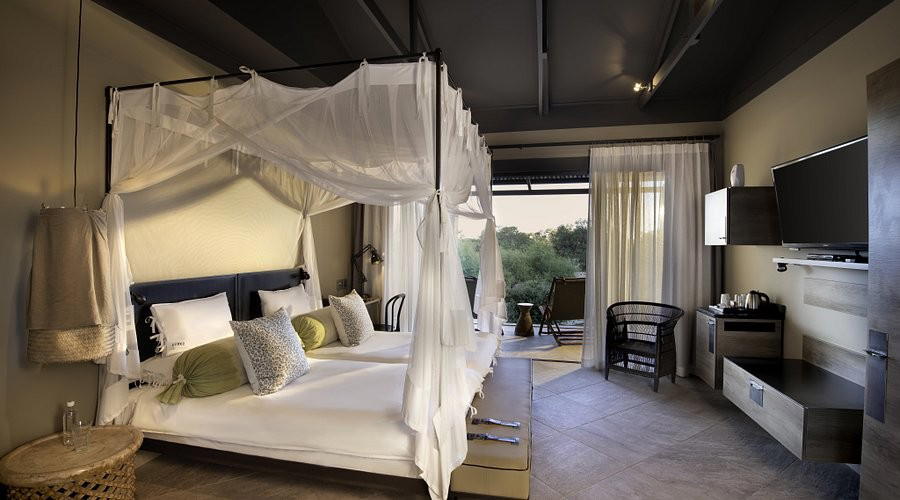
Luxurious safari-lodge atmosphere with elegant lodge-style interiors and terrace dining, candlelit dinners, and tranquil views over the surrounding bush and waterhole.