Enoteca Baldi

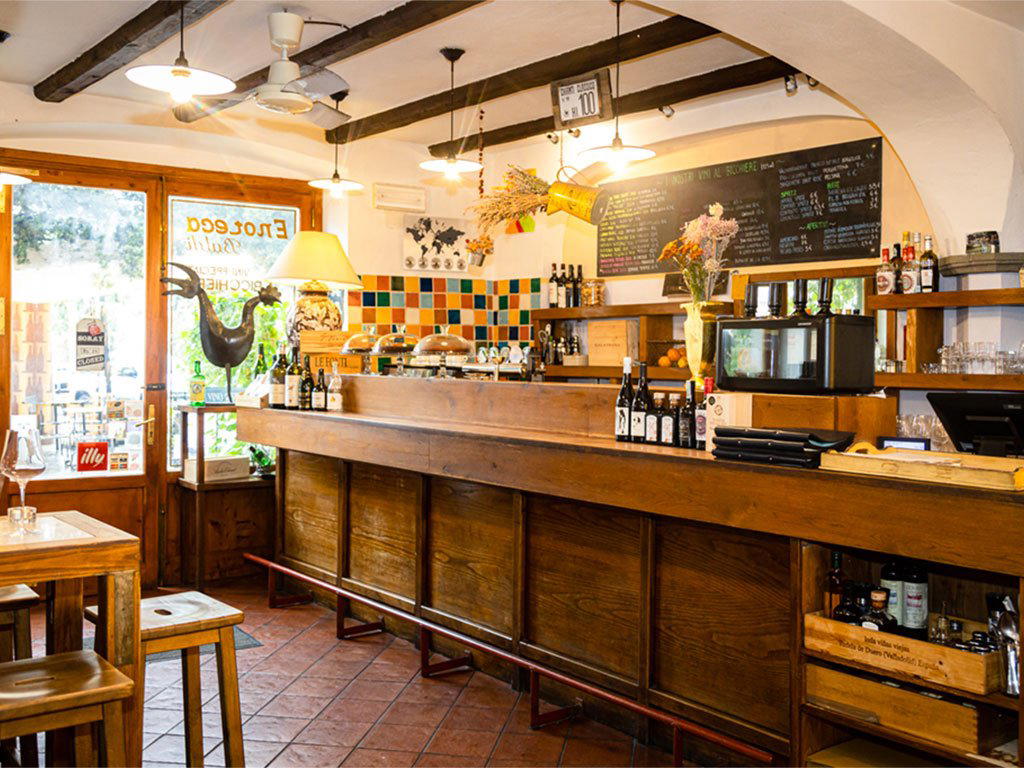
Set on the central piazza of Panzano in Chianti, Enoteca Baldi operates at the intersection of the Chianti Classico wine region's agricultural identity and its modern wine-bar culture. Positioned between Florence and Siena, it draws on the surrounding Gallo Nero territory for a list weighted toward local producers. A natural stop for anyone moving through the hills between the two cities.
 Discover on Pearl
Pearl is the En Primeur Club membership app — saves, bookings, and concierge access live there. Same editors, same standards.
- Address
- Piazza Gastone Bucciarelli, 25, 50022 Panzano In Chianti FI, Italy
- Phone
- +39 055 852843
- Website
- enotecabaldi.it
The Piazza and What It Signals
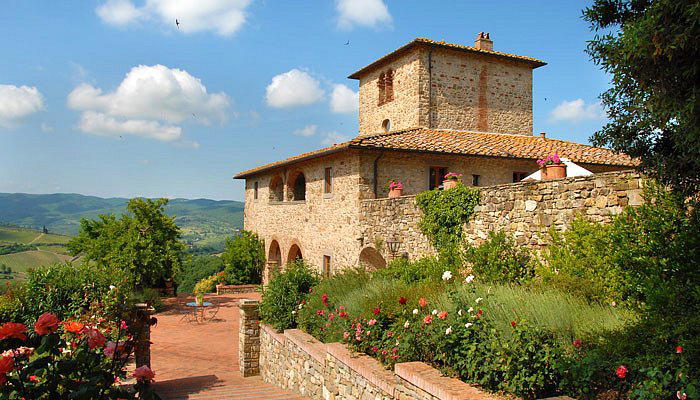
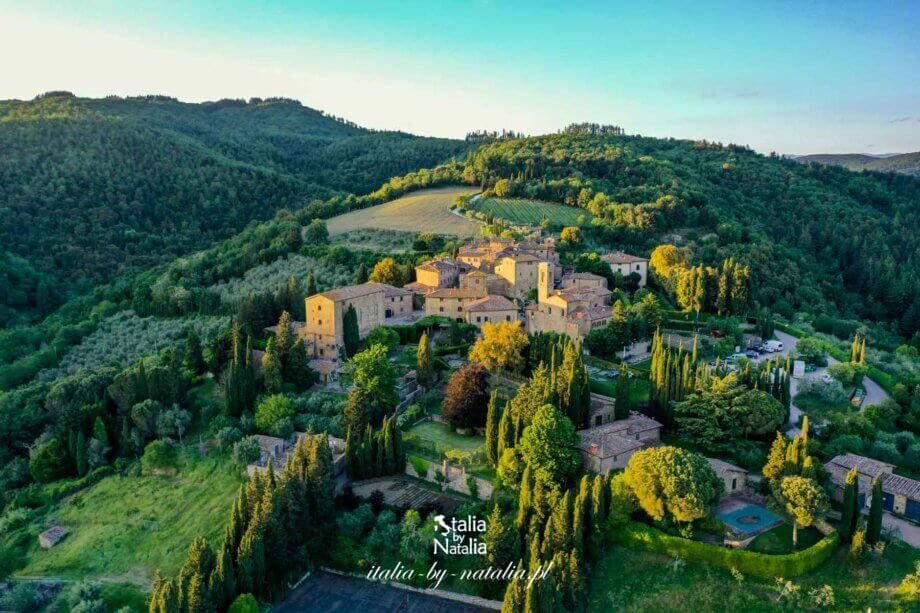
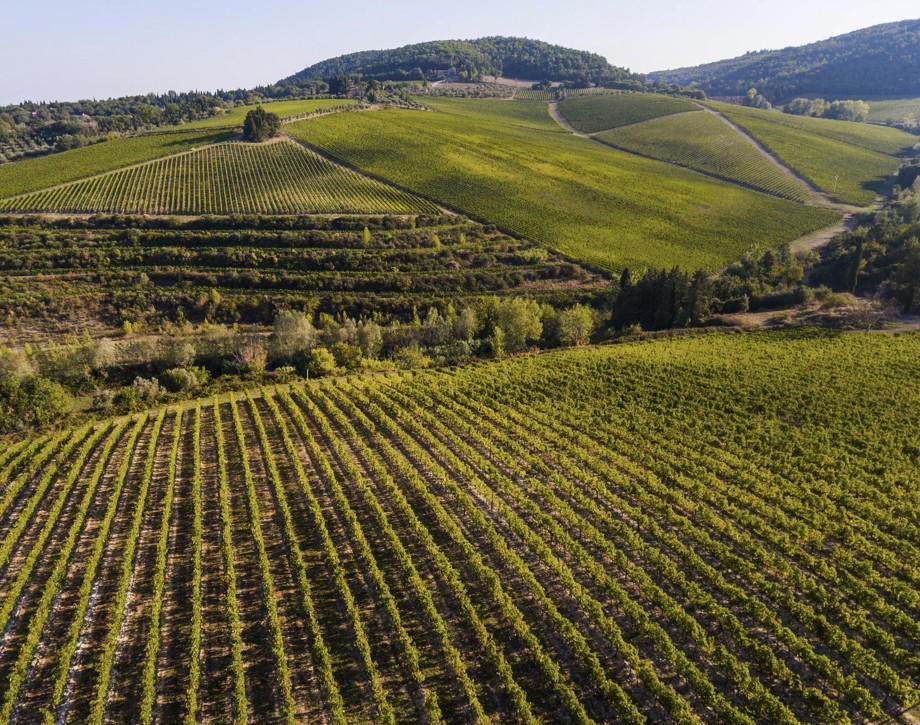
Panzano in Chianti sits roughly midway along the SR222, the old Chiantigiana road that threads through the hills between Florence and Siena. The town is small enough that its central piazza, Piazza Gastone Bucciarelli, is also the effective social centre: a few stone facades, the view dropping off into vine-covered hillside, and the particular quiet of a Tuscan hill town that has not been swallowed by agritourism infrastructure. Enoteca Baldi is a Tuscan Wine Bar in Panzano in Chianti, Italy. In a region where the address is also a declaration of intent, sitting on the square of a Chianti Classico village places a wine bar squarely inside the tradition of the enoteca as civic institution rather than tourist convenience.
That tradition matters here. The enoteca in central Italy has historically served a specific function: a place to taste and buy wine from the surrounding territory, with food that supports the glass rather than competing with it. The format pre-dates the current wave of Italian wine bars that have proliferated in Florence and Siena catering primarily to visitors. Enoteca Baldi, described as a new and ambitious operation, enters this format with the full weight of the Chianti Classico DOCG behind it, one of Italy's most scrutinised wine appellations, governed by rules on Sangiovese percentages, ageing minimums, and the tiered Gran Selezione classification introduced in 2014.
What the Chianti Classico Territory Contributes
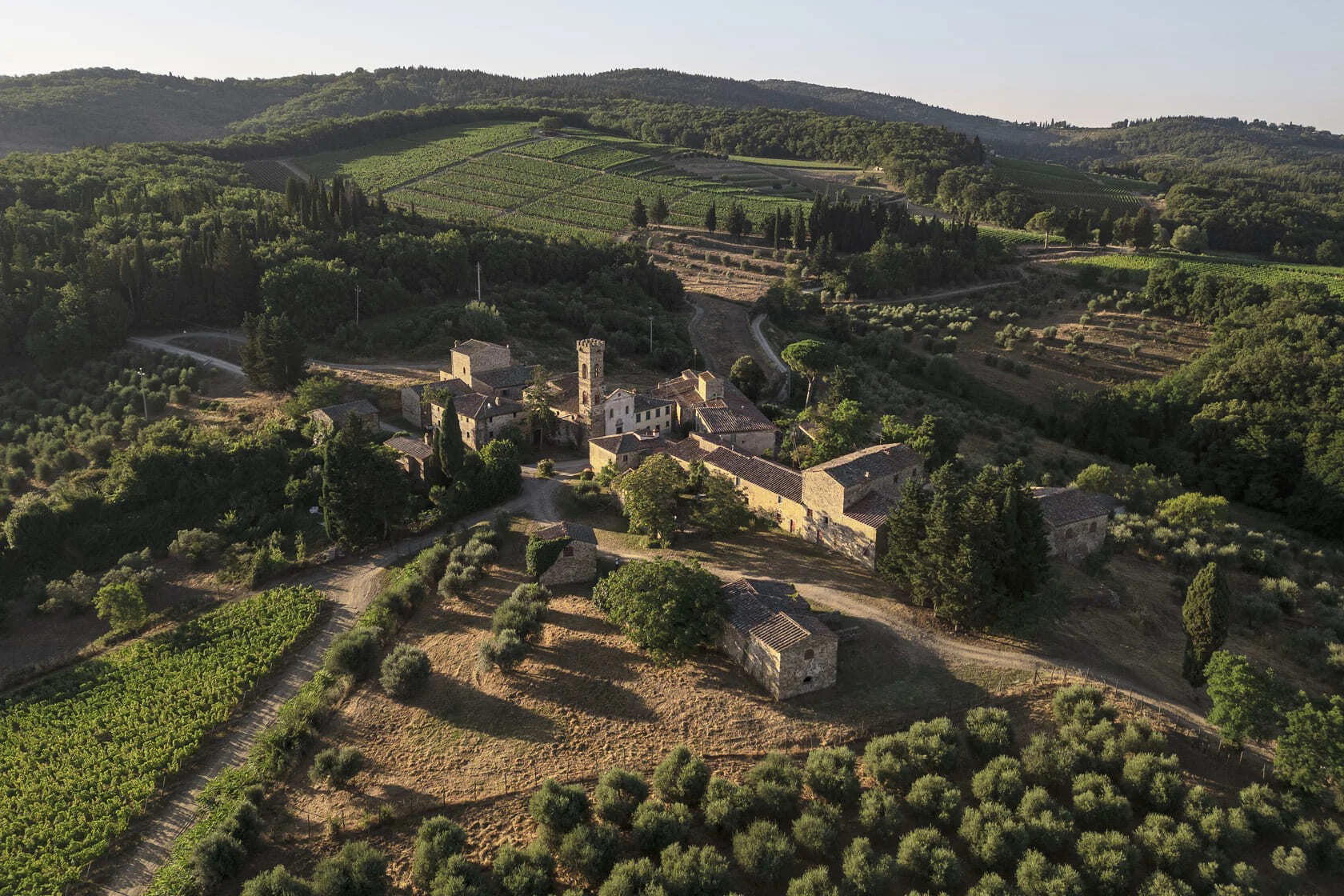
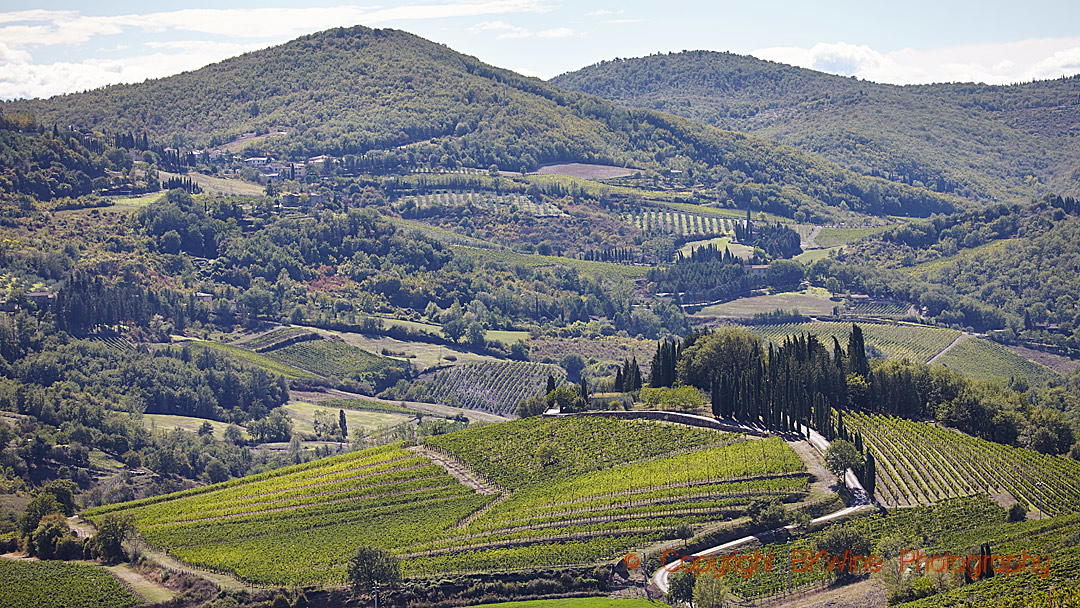
The ingredient story in this part of Tuscany is inseparable from the land itself. The Chianti Classico zone covers roughly 72,000 hectares between Florence and Siena, with the core production concentrated on galestro and alberese soils, the former a friable schist-limestone mix, the latter a harder clay-limestone. Both drain well and stress the vine, which is exactly the condition that produces the concentrated, high-acid Sangiovese that defines the appellation. Any food served in a serious enoteca here exists in dialogue with that wine character: the natural acidity and tannin structure of Chianti Classico demands food with enough fat, salt, or umami to balance against it.
That means the sourcing logic is embedded in the geography. Aged Pecorino from the Crete Senesi to the south, cured meats from the Cinta Senese pig (a heritage breed native to the Siena hills), olive oil from the estate groves that surround most of the major Chianti Classico producers, these are the materials that have historically accompanied the wine. A wine bar in Panzano that takes its territory seriously will draw from that larder. The town itself is in the commune of Greve in Chianti, one of the zone's most densely planted communes, with estates including some of the appellation's most recognised names within a short drive. The sourcing radius, in other words, is not a marketing angle, it is simply a description of what is available locally.
Where Enoteca Baldi Sits in the Regional Wine Bar Format
The Chianti Classico zone supports a range of wine-focused formats, from the cellar-door tasting rooms of individual estates to the more elaborate restaurant operations in Greve and Radda in Chianti. The enoteca format that Enoteca Baldi occupies sits between those poles: more curated and food-conscious than a simple tasting room, less architecturally ambitious than the dining-destination estates that have invested heavily in hospitality infrastructure over the past two decades. For context on what that higher end looks like in Italian fine dining, operations like Enoteca Pinchiorri in Florence represent the apex of Italian wine-focused fine dining, with a cellar of over 4,000 labels and a kitchen operating at three-Michelin-star level. Italy's broader fine dining scene, from Osteria Francescana in Modena to Piazza Duomo in Alba, operates at a different register entirely. Enoteca Baldi is not positioned against those references. Its competitive set is the village wine bar, a format where the quality of the list, the coherence of the food pairing, and the connection to local producers matter more than kitchen ambition or tasting-menu architecture.
The region generates a significant volume of wine tourism, and the quality of wine-bar experiences in small towns varies considerably. An ambitious enoteca on the central piazza of Panzano, with intentional curation rather than a generic tourist-facing list, fills a specific gap in the local offer.
Planning a Visit
Panzano is most naturally visited as part of a drive along the Chiantigiana between Florence and Siena, a route that takes roughly 45 minutes to an hour direct but rewards slower travel. The town has no train connection; arriving by car or with a private driver is the practical approach. The piazza address, Piazza Gastone Bucciarelli 25, is central enough that parking on the edge of the village and walking in is the standard approach for most visitors.
The Chianti Classico harvest runs from late September into October, when the hills carry the particular atmosphere of an active agricultural zone rather than a scenic backdrop. That window, and the weeks immediately following it, represents the most textured time to visit a wine-focused operation in this territory: new vintages are present in conversation, producers are available, and the seasonal food calendar aligns with the post-harvest larder. Summer brings higher visitor volumes across the zone; spring offers cooler temperatures and the vine growth that makes the landscape most visually striking.
Those planning a broader Tuscany itinerary around wine and food at a higher ambition level may want to use Enoteca Baldi as one point on a longer arc that includes estate visits and more elaborate dining.
Quick Comparison
Comparable venues nearby, for context on price, style, and recognition.
| Venue | Cuisine | Price | Awards | Notes |
|---|---|---|---|---|
| Enoteca BaldiThis venue — the venue you are viewing | Tuscan Wine Bar | $$$ | 1 recognition | |
| La Ménagère | Modern Tuscan Mediterranean | $$$ | , | Santo Spirito |
| Osteria Enoteca San Guido | Modern Tuscan with Wine Focus | $$$ | 2 recognitions | Bolgheri |
| Cantinetta Antinori | Traditional Tuscan Trattoria | $$$ | , | Santo Spirito |
| Claudio Alvicolo | Experimental Gourmet Pizza | $$$ | 1 recognition | Orvieto pedestrian center |
| Cibreo Caffe | Tuscan Bistro | $$ | 1 recognition | Santo Spirito |
Continue exploring
More in Panzano In Chianti
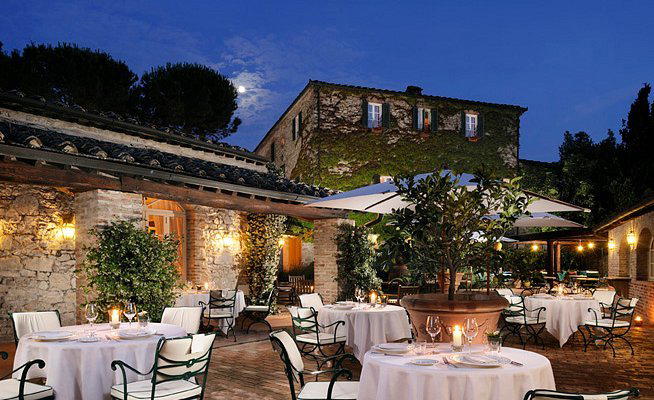
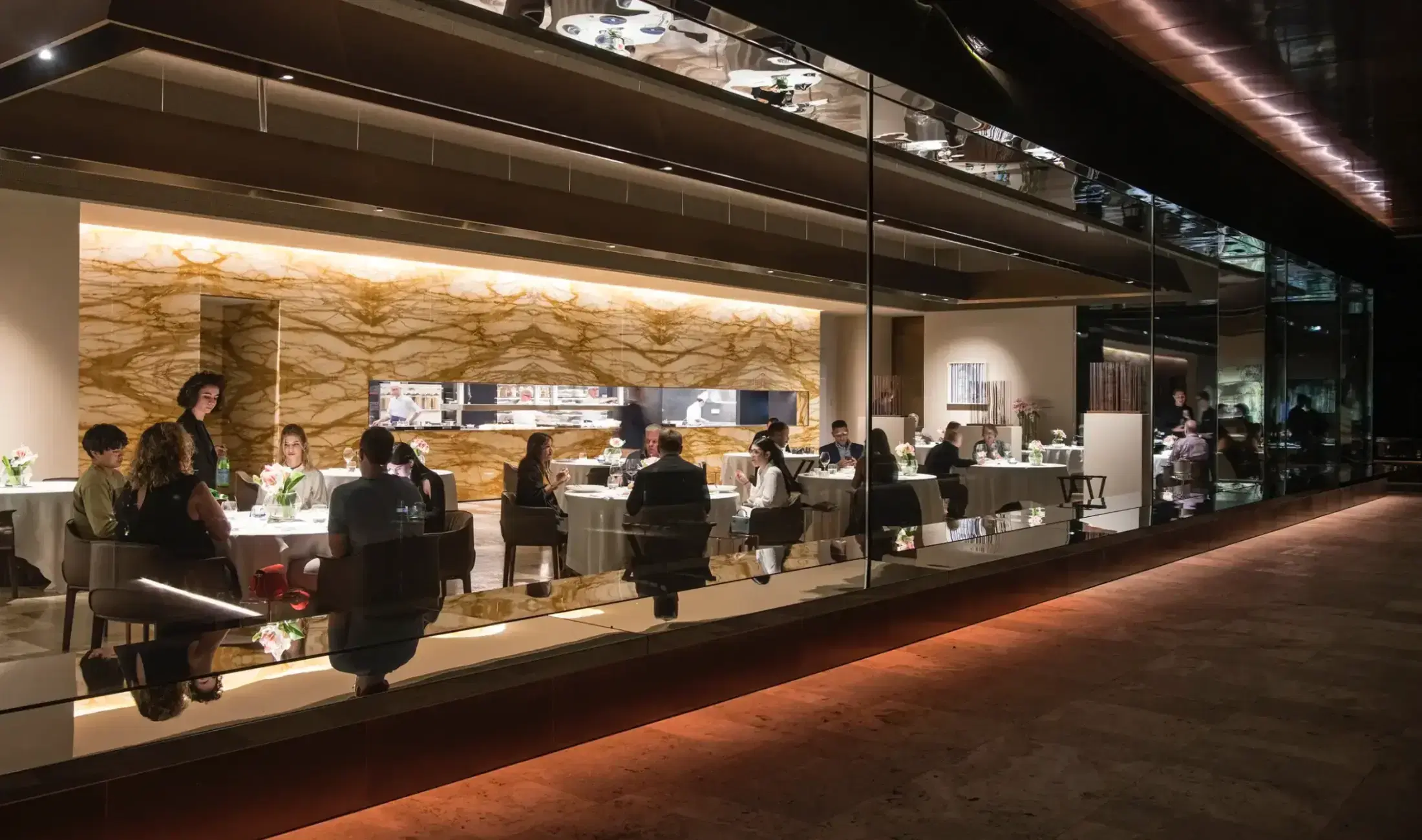
Restaurants in Panzano In Chianti
Browse all →
Bars in Panzano In Chianti
Browse all →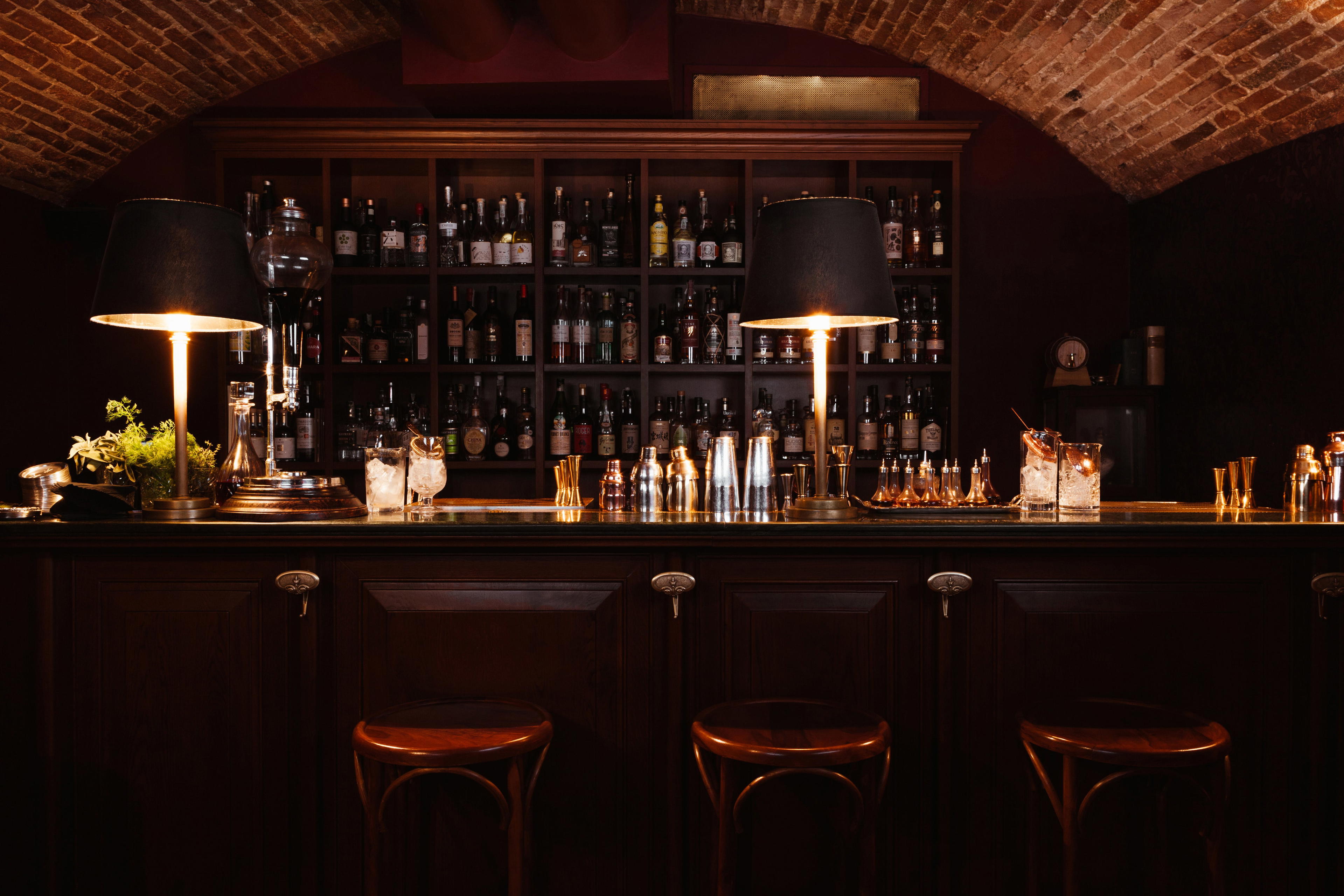
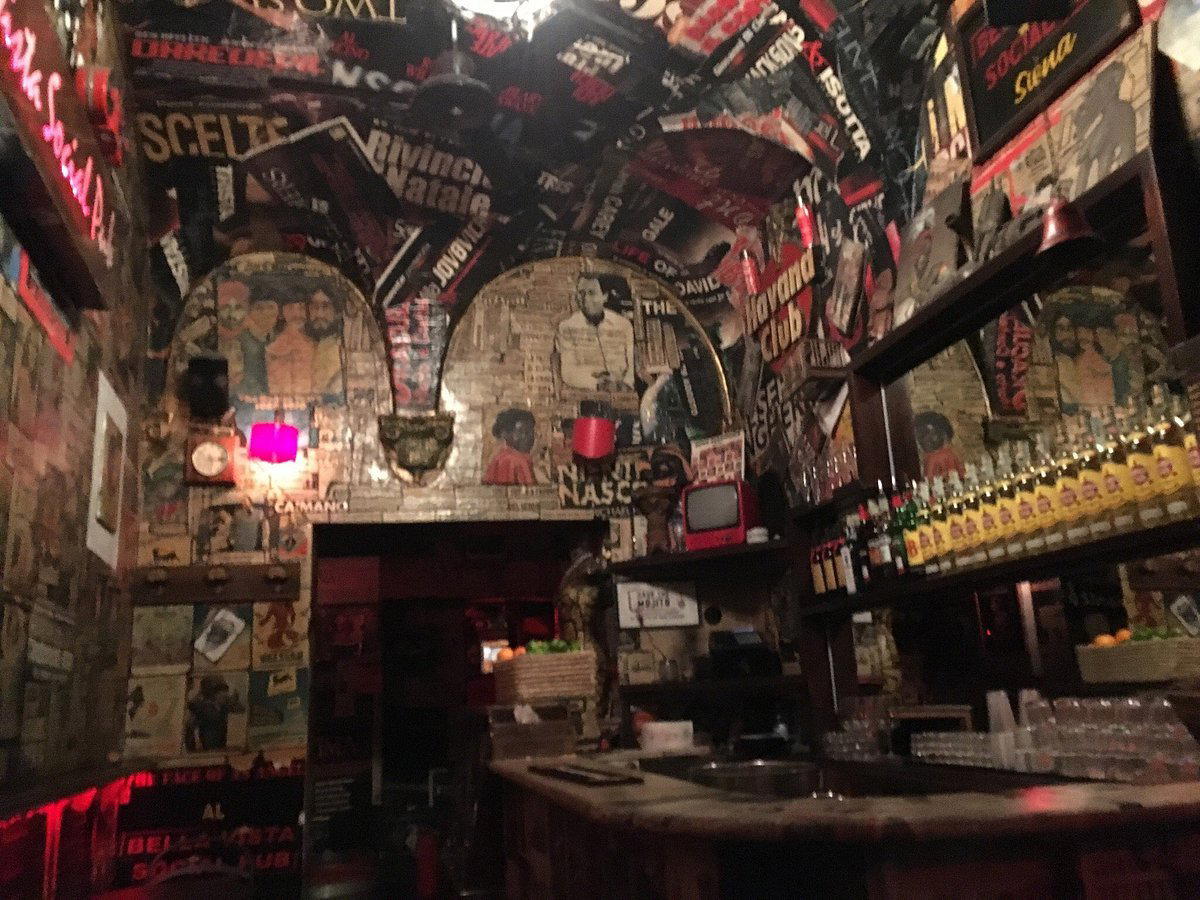
Hotels in Panzano In Chianti
Browse all →
At a Glance
- Cozy
- Intimate
- Rustic
- Elegant
- Date Night
- Special Occasion
- Wine Cellar
- Terrace
- Extensive Wine List
- Sommelier Led
- Local Sourcing
- Street Scene
Cozy and relaxed intimate atmosphere with welcoming lighting, perfect for wine lovers in a charming piazza setting.