
Michelin Plate
Our verdict
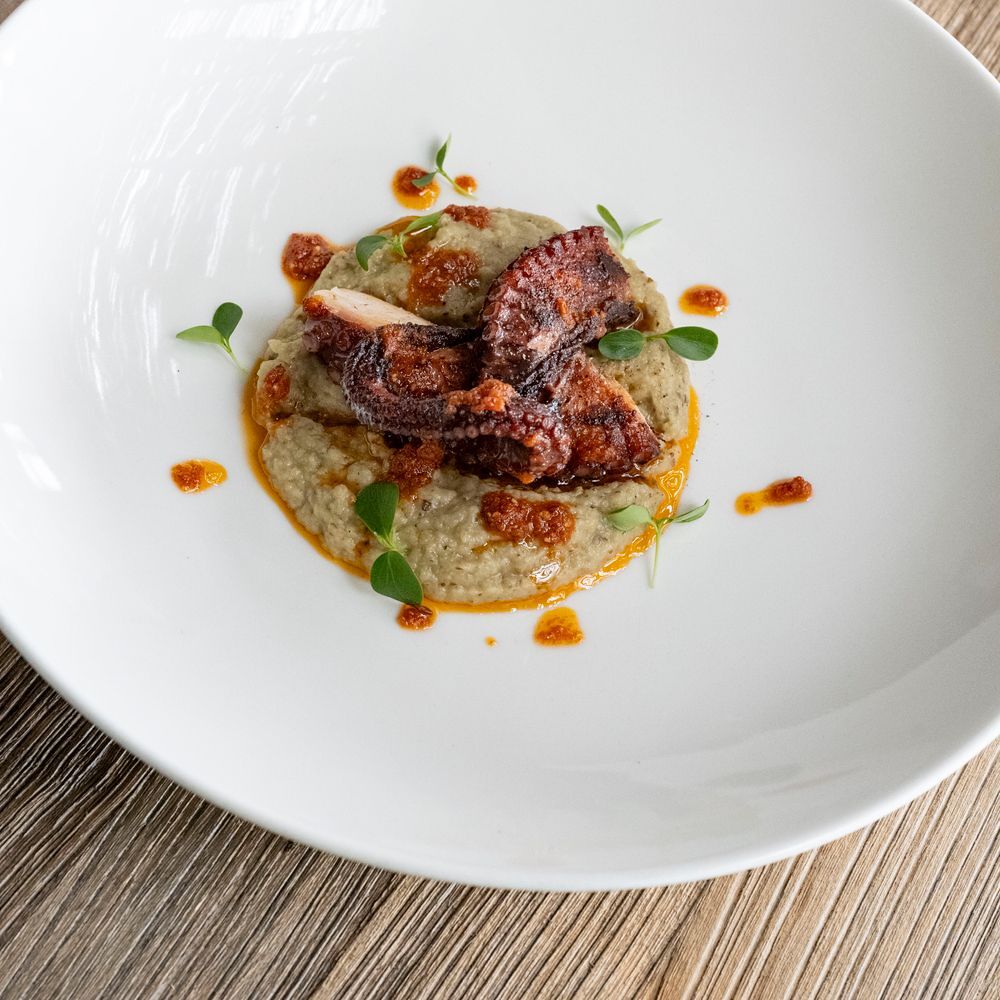
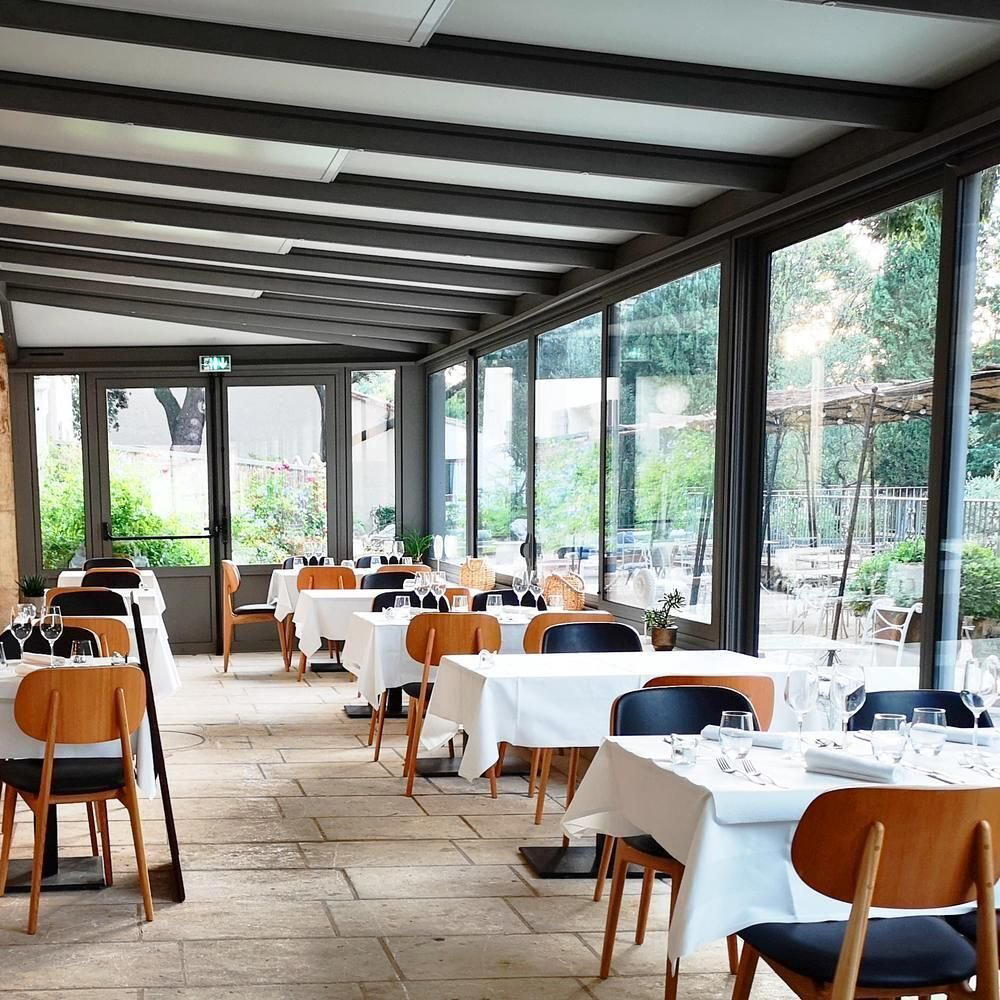
Emporium in Lecci, Corsica serves Contemporary French Mediterranean cuisine that foregrounds island seafood and market produce. Must-try dishes include Spider Crab Cappelletti, Grilled Escalope of Foie Gras with flaky brioche and cherry tartare, and seasonal Corsican veal preparations. Two meticulous tasting menus, the shorter Mar y Montaña and the extended Universo Local, can be paired with wines, reflecting a MICHELIN Guide listing and a 2024 Tripadvisor Travelers' Choice honor. The kitchen, led by chef Sébastien Salamon, sources fish and vegetables from local markets and shores. Diners taste precise seasoning, textured sauces, and a light shellfish aroma in a bright veranda that keeps the dining focused and seaside-fresh.

Pearl is the En Primeur Club membership app, where members save venues, book tables and use the concierge.
The menu
What to order
- Spider_crab_cappelletti
- Beef_wellington
- Foie_gras_escalope
Where the Alt Empordà Comes to the Table
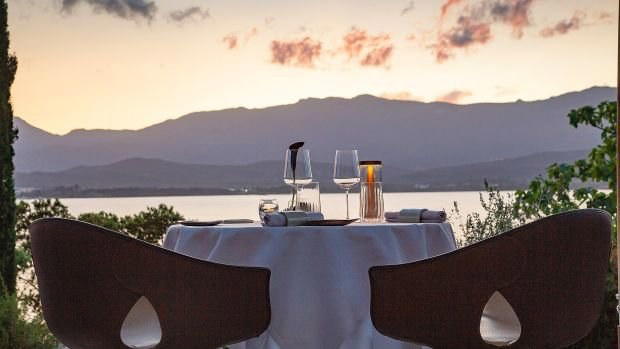
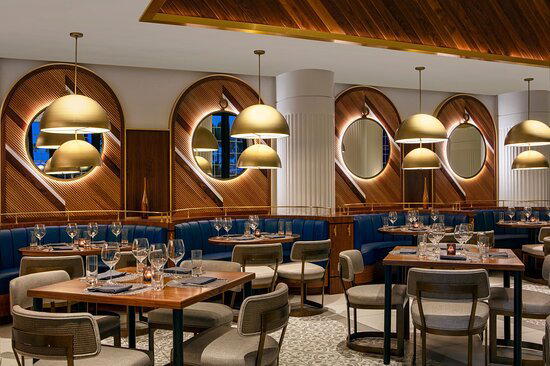
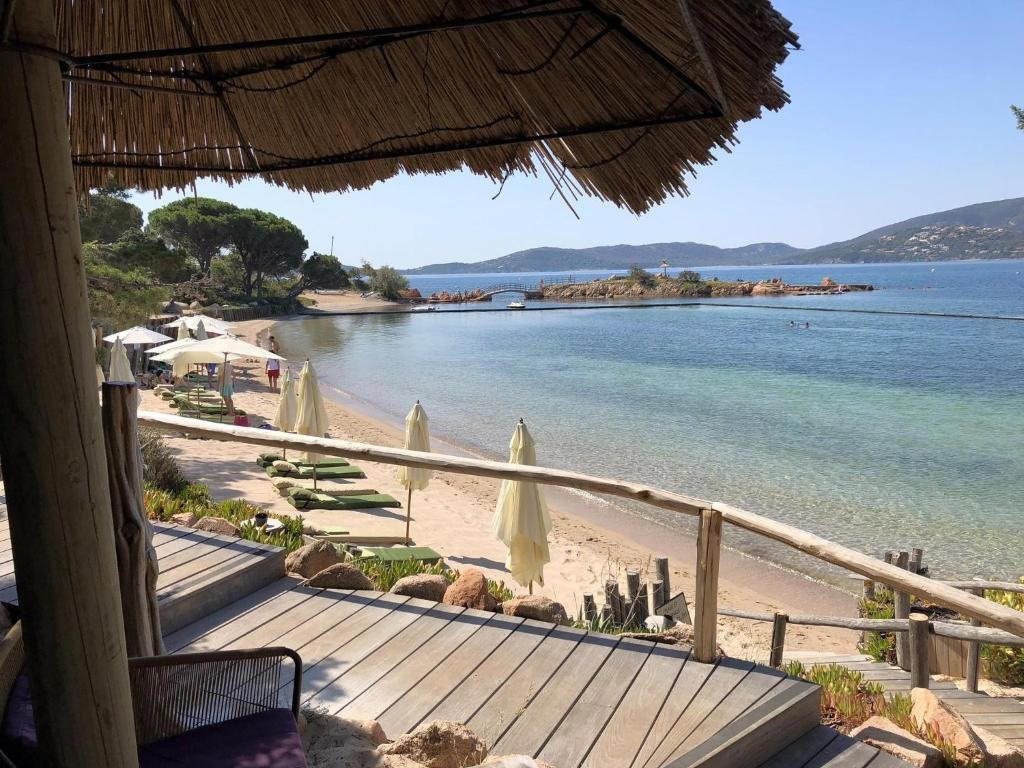
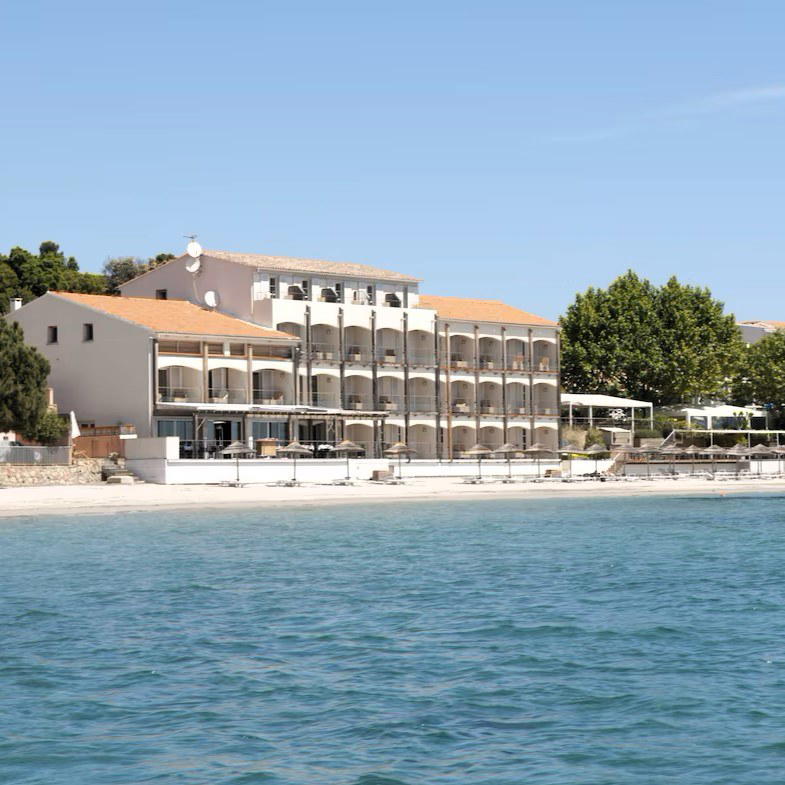
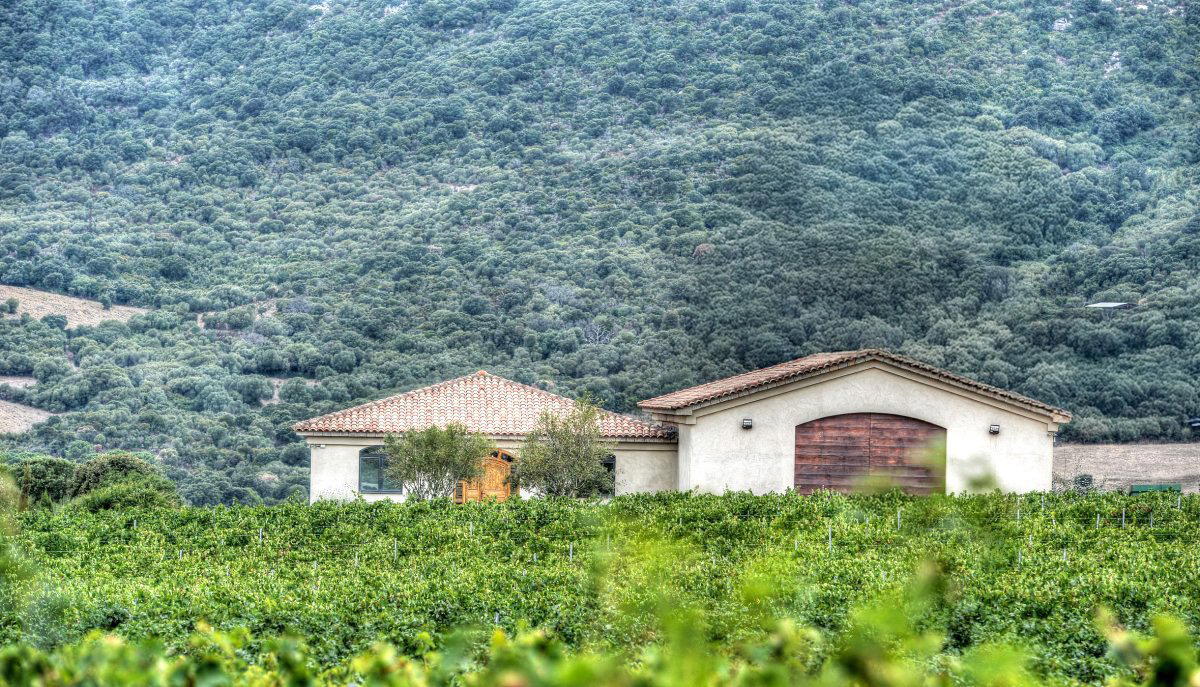
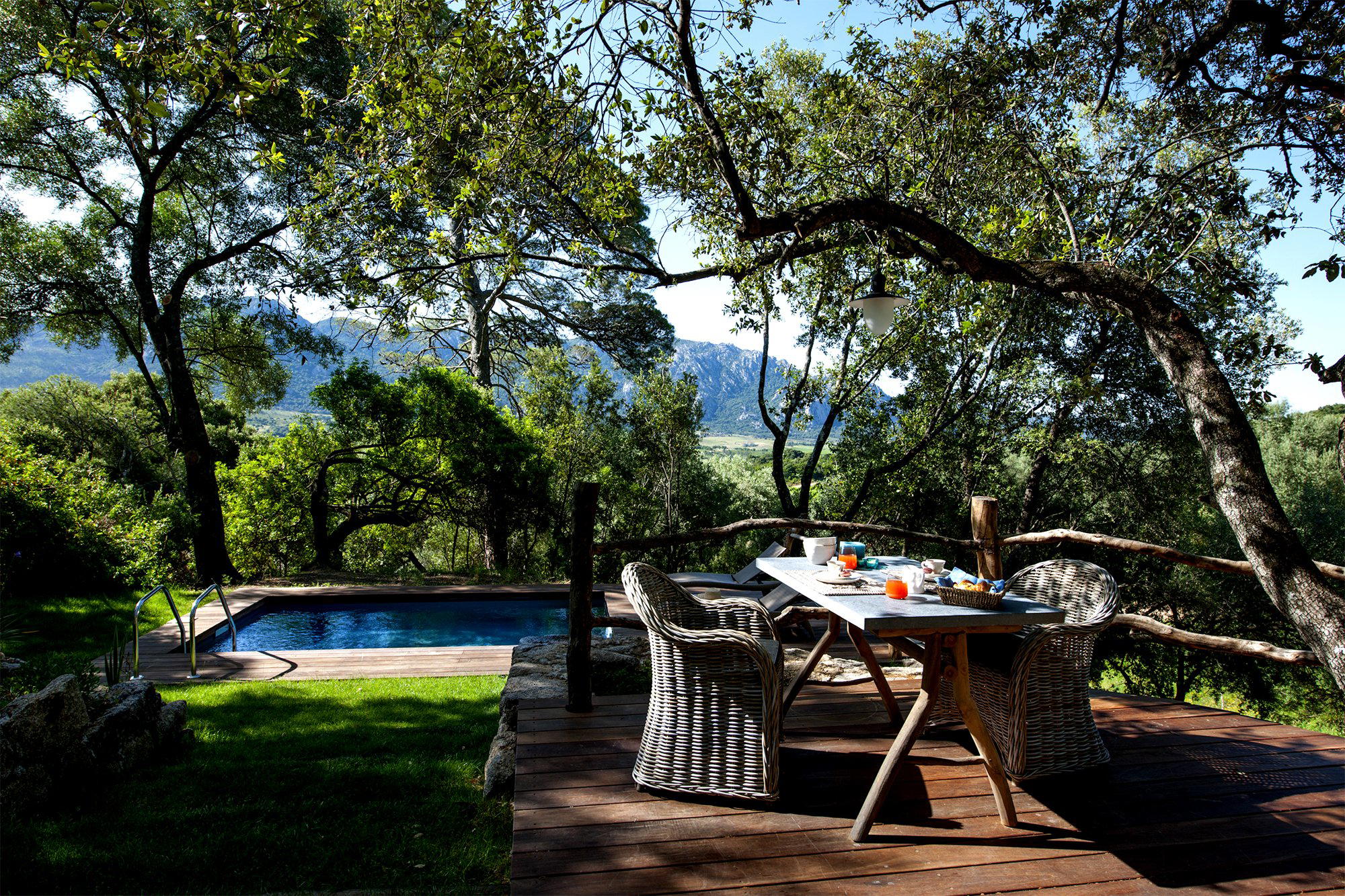
The road into San Ciprianu runs through scrub pine and the kind of coastal Corsican light that shifts between silver and gold depending on the hour. The hotel that houses Emporium sits within this landscape with the quiet confidence of a building that has been exactly where it belongs since 1965, when the same family that runs it today first opened its doors. The dining room inside is composed and unhurried, the kind of space where the architecture steps back to let the food make the argument. For a restaurant operating at the upper tier of Lecci’s dining scene, that restraint is deliberate.
A Kitchen Built on Provenance
The editorial logic of Emporium’s cooking is sourcing, and the kitchen makes no attempt to disguise this. Fruit and vegetables come from Torroella de Montgrí, fish from the ports at Port de la Selva and Roses. These are not decorative supply-chain details on a menu insert; they represent a specific geography of flavour, the Alt Empordà coastline in its dual identity as sea territory and agricultural inland. The kitchen’s fourth-generation twins Màrius and Joan Jordà treat this local supply network as the structural spine of the menu rather than a footnote to it.
This kind of sourcing specificity places Emporium in a recognisable European tradition of kitchen-to-farm proximity, one that connects it philosophically to restaurants like Bras in Laguiole, where the terrain of Aubrac defines the plate, or Flocons de Sel in Megève, where mountain altitude shapes ingredient selection. The difference at Emporium is that the Alt Empordà gives the kitchen access to two distinct ecosystems simultaneously: the Mediterranean and the hinterland. That duality is built directly into the menu structure.
Mar y Montaña and Universo Local
The two tasting menus on offer carry names that function as editorial statements in themselves. Mar y Montaña, the shorter format, frames the region’s identity in four words: sea and mountain. Universo Local, the longer option, goes further, positioning the Alt Empordà as a self-contained culinary world rather than a regional footnote. Both menus include a wine pairing option, which in this part of France and the Catalan border zone is worth taking seriously: the Empordà DO designation produces whites and rosés that pair naturally with the coastal sourcing profile of the kitchen.
The format, two menus at different lengths with optional pairing, is now standard at serious tasting-menu restaurants across southern Europe. What distinguishes the approach here is the consistency of geographic framing across both options rather than a long menu that merely gestures toward local identity in one or two courses. The commitment runs through the structure. Readers looking for comparable format discipline in a different register might consider Mirazur in Menton, where the Ligurian border zone similarly defines the tasting menu architecture, or Auberge du Vieux Puits in Fontjoncouse, another southern French kitchen built around extreme territorial specificity.
Four Generations and What That Means in Practice
Family continuity in restaurant kitchens is common enough to be unremarkable at the entry level. At the price point Emporium occupies, priced in the €€€ tier, it becomes a meaningful differentiator. The restaurant has been family-operated since 1965, with the fourth generation now in the kitchen, which means the sourcing relationships, the regional identity, and the culinary vocabulary have had decades to deepen rather than starting fresh with each change of ownership or brigade. That kind of institutional continuity is rare in European fine dining, where kitchen turnover often resets a restaurant’s relationship with its territory entirely.
The name itself references the archaeological ruins at Empúries, a Greco-Roman site on the Alt Empordà coast that represents one of the oldest points of Mediterranean cultural exchange on the Iberian peninsula. That reference is not incidental: it positions the restaurant as something that reads its own geography historically, not just agriculturally. Restaurants that operate with this kind of self-awareness about place tend to carry a different weight than kitchens that source locally for aesthetic reasons alone.
Situating Emporium in the Wider French Fine-Dining Context
France’s fine-dining tier is defined at its upper end by kitchens in Paris and Lyon: Alléno Paris au Pavillon Ledoyen, Paul Bocuse - L’Auberge du Pont de Collonges, and Assiette Champenoise in Reims occupy a recognisably different commercial and critical universe from a regional hotel restaurant in Corsica. The relevant comparison set for Emporium is not the three-star Paris bracket but the tier of serious regional French tables where local identity, family lineage, and tasting-menu discipline converge without the institutional weight of a Parisian dining room: houses like Auberge de l’Ill in Illhaeusern or Troisgros - Le Bois sans Feuilles in Ouches.
For readers building a broader picture of the Lecci area, the Lecci hotels guide, bars guide, wineries guide, and experiences guide offer useful context on what surrounds the restaurant.
Planning Your Visit
Emporium sits at 32 boulevard Napoléon, à San Ciprianu, Lecci, within the hotel of the same name. The €€€ pricing places it in the upper-mid tier for the region, appropriate for a multi-course tasting menu with optional wine pairing. Given the hotel setting and the structured tasting menu format, advance reservation is the sensible approach rather than a walk-in. The Alt Empordà coastal season concentrates in summer, which likely means peak booking pressure between June and September; arriving outside those months brings a quieter room without compromising the sourcing quality, since the agricultural hinterland and the fishing ports at Roses and Port de la Selva operate year-round.
Frequently asked questions
Can I bring kids to Emporium?
The tasting-menu format and €€€ price point collectively set a pace and duration that suit adult diners with appetite for a structured, multi-course meal. Younger children accustomed to long, course-by-course dinners may manage, but the kitchen's focus on regional provenance and extended menus makes this a harder fit for families with small children.
Is Emporium better for a quiet night or a lively one?
Emporium runs as a hotel restaurant at €€€ pricing with a tasting-menu format and four generations of family history behind it, the register is composed rather than convivial. Expect a deliberate pace dictated by multi-course sequencing, not a room that builds energy through the night.
What awards or recognition does Emporium have?
Emporium has received recognition including: Named after the archaeological ruins at Empúries, this restaurant has declared its strong commitment to the gastronomy of the Alt Empordà by extolling the virtues of the sea and mountains that define the region. Located within the walls of t….
What should I order at Emporium?
The kitchen structures its entire offering around two tasting menus: the shorter Mar y Montaña, which frames the region's coastal and mountain produce in a more compact sequence, and the longer Universo Local, built around the full range of locally sourced ingredients from Port de la Selva fish to Torroella de Montgrí vegetables. Both come with a wine pairing option. There is no à la carte.
In Context: Similar Options
Comparable venues nearby, for context on price, style, and recognition.
| Venue | Cuisine | Price | Awards | Notes |
|---|---|---|---|---|
| EmporiumThis venue (the venue you are viewing) | Modern French Mediterranean | $50–100 | Michelin Plate | Not listed |
| L'Écrin | Modern Mediterranean Fine Dining | $100–150 | Michelin Plate | Cours General Leclerc |
| La Table de Mina | Modern Corsican Mediterranean Fine Dining | Not listed | Michelin Plate · Relais Chateaux Award | Palombaggia |
| Le Pirate | Modern French Seafood Fine Dining | $100–150 | Michelin Plate | Erbalunga |
| Le Petit Restaurant | Modern Corsican Fine Dining | $50–100 | Michelin Plate | historic Ajaccio |
| La Table de la Ferme | Modern Corsican Fine Dining | $150–200 | 1 Michelin Star | Vallée de l'Ortolo |
Recognition history
Dated appearances from independent guides and award organizations, with the underlying list record or original source where available.
Michelin Plate
Michelin
Full recognition history (2 entries)
Michelin Plate
Michelin
Continue exploring
More in Lecci
Restaurants in Lecci
All restaurants in Lecci →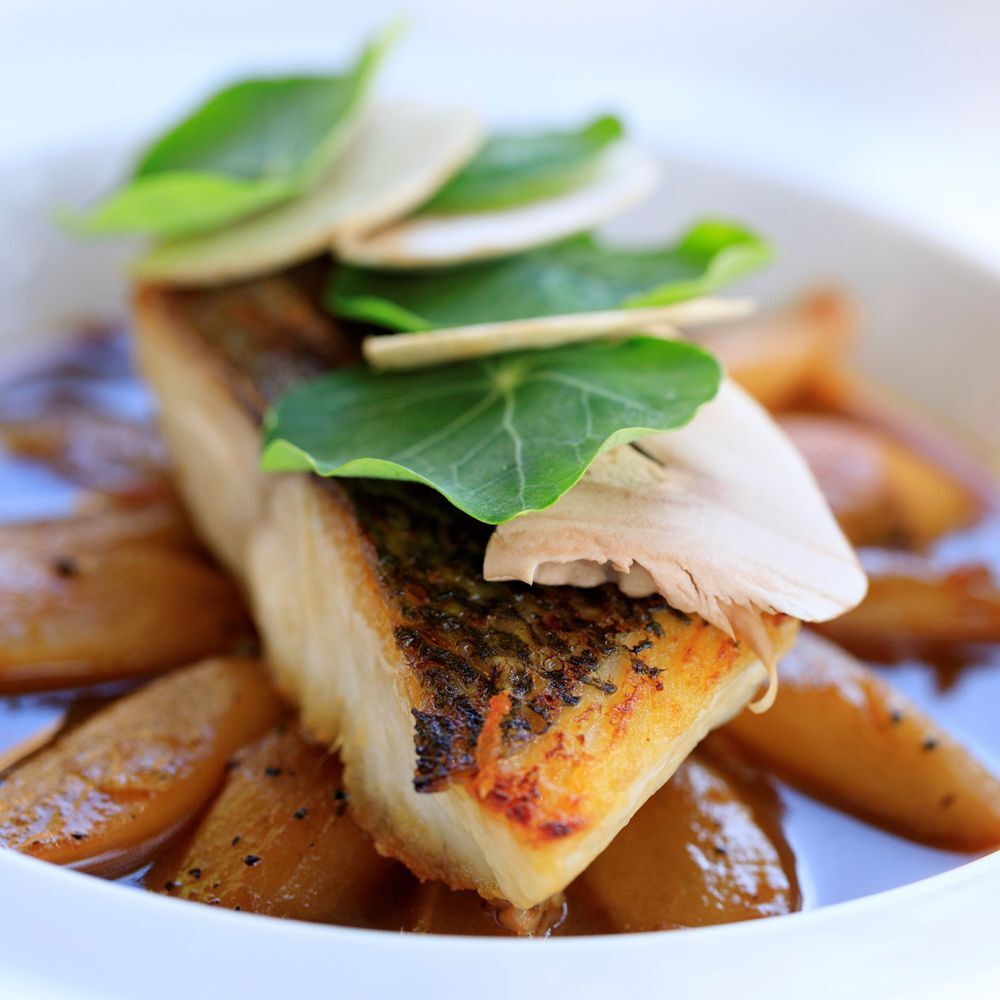
Bars in Lecci
Browse all →

Details
- Elegant
- Sophisticated
- Modern
- Intimate
- Date Night
- Special Occasion
- Celebration
- Open Kitchen
- Extensive Wine List
- Local Sourcing
- Tasting Menu
- A La Carte
- Vegetarian Friendly
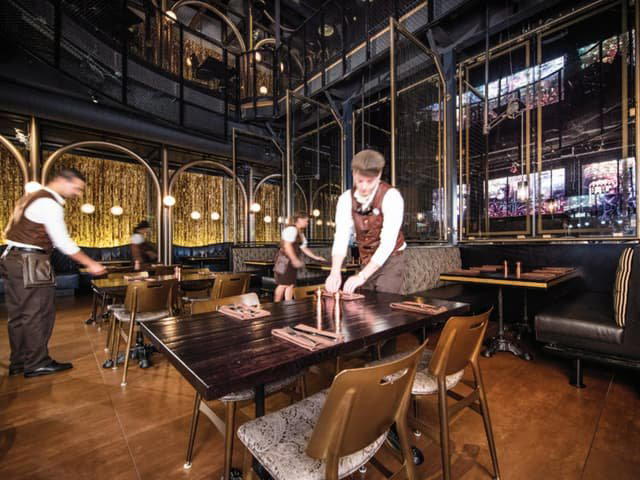
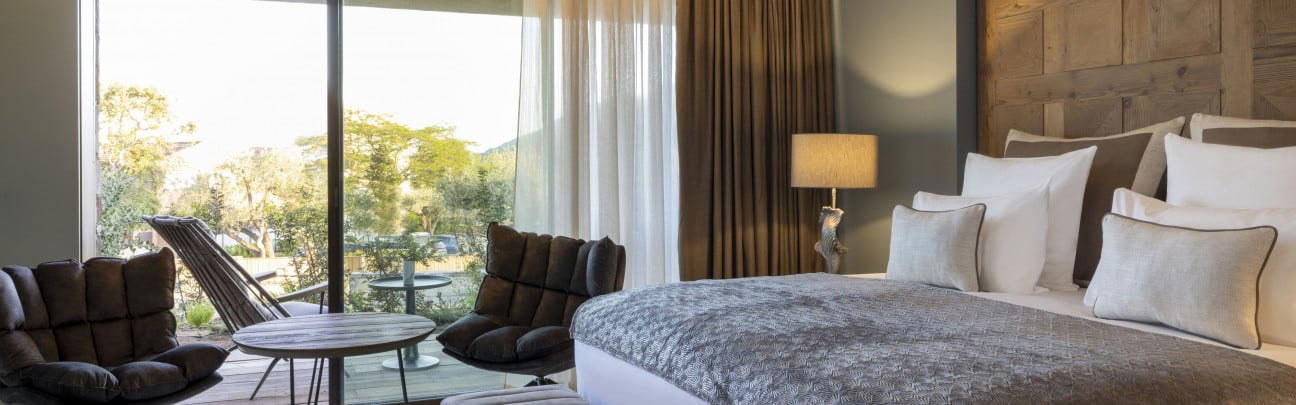
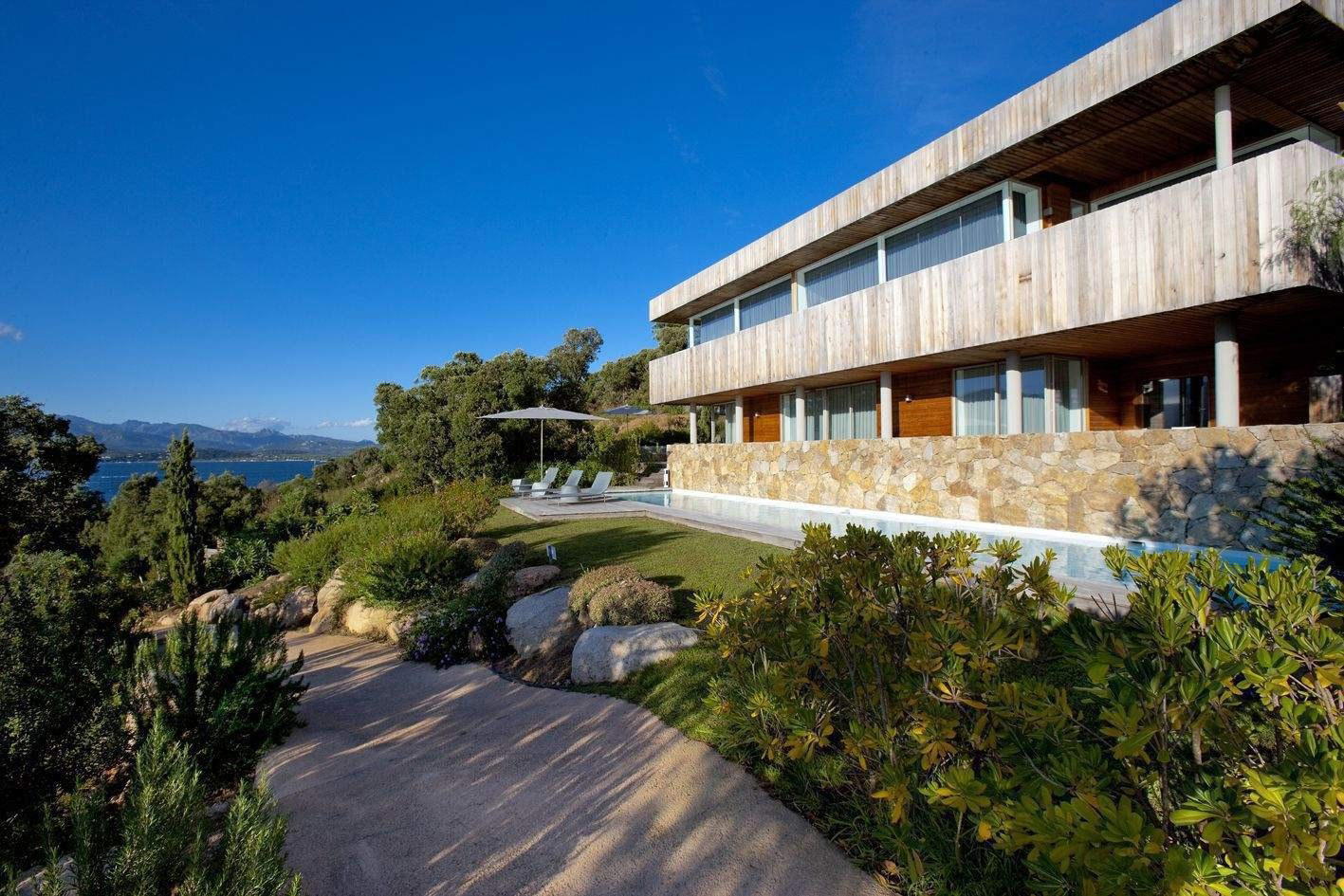
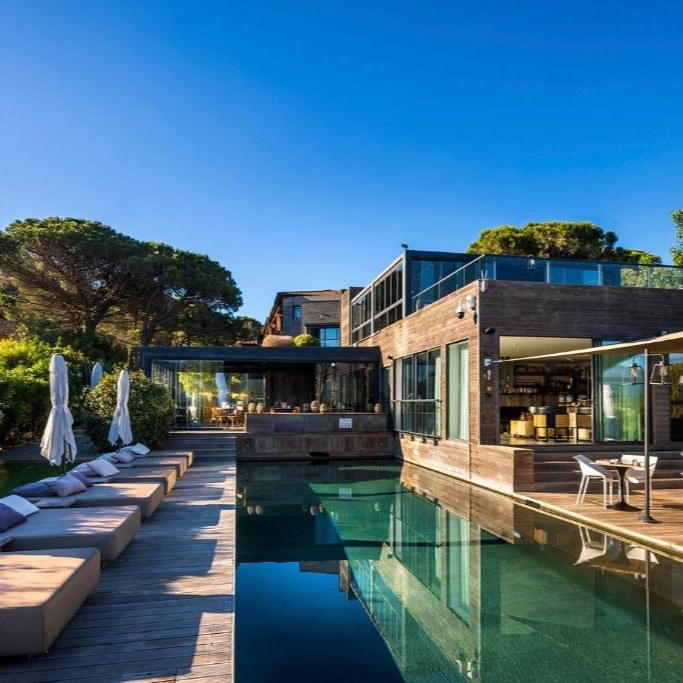
Elegant, chic, and sober atmosphere with beautiful glass walls, spacious light-filled veranda, tastefully renovated space that is warm yet occasionally noted as noisy.