
Michelin Plate
Our verdict
Located in Bornova's Evka 3 district well beyond the tourist circuit, Emektar Kebap draws a loyal local crowd to its wood-fired oven and charcoal grill. The kitchen runs on traditional Aegean-Turkish form: tripe soup, lahmacun, and spit-roasted lamb with yoghurt and aubergine. This is neighbourhood cooking with the kind of consistency that earns repeat visits from residents, not first-timers.

Pearl is the En Primeur Club membership app, where members save venues, book tables and use the concierge.
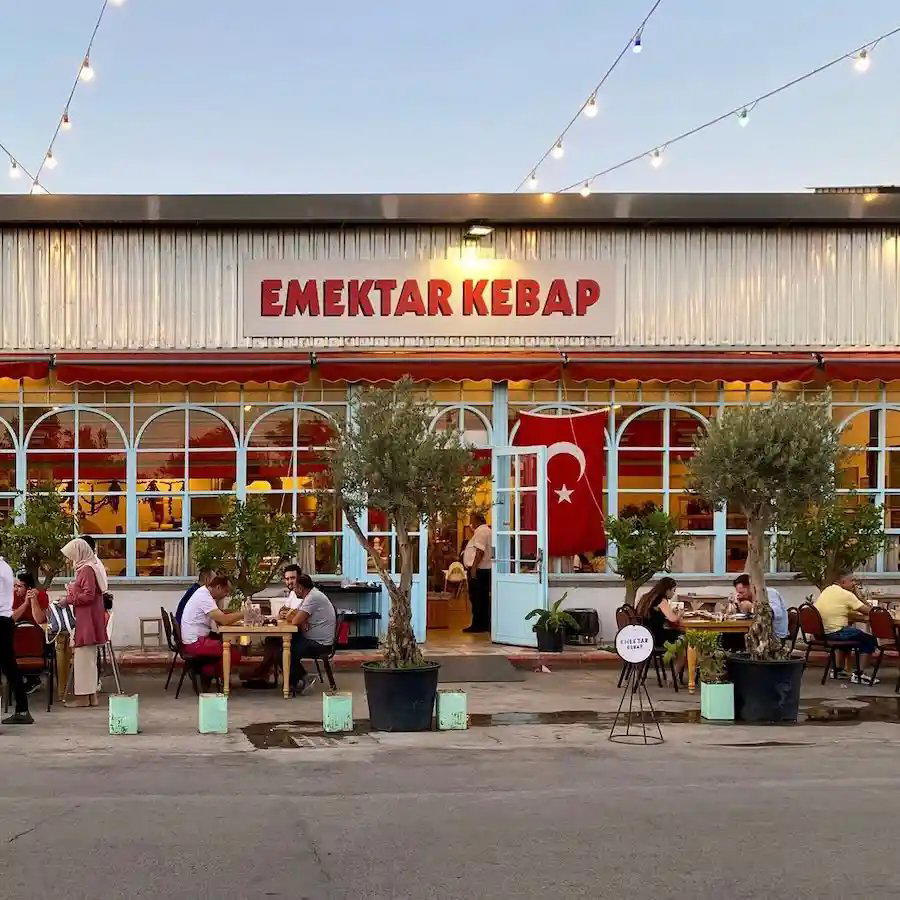
Where the Wood Fire Does the Talking
There is a particular register of Turkish restaurant that no amount of fine-dining trend can replicate: the high-ceilinged, working-class dining room where the heat comes off an open wood fire, the tables fill early, and the kitchen operates on repertoire rather than reinvention. Emektar Kebap, located on 129/7. Sokak in Bornova's Evka 3 neighbourhood, sits squarely in that tradition. The space is large, the decor warm without being decorative, and the room is animated by a clientele that arrives out of habit rather than occasion. Nothing about the atmosphere signals performance. The grill and the oven are the centrepiece, and the food is the reason to be there.
Bornova sits to the northeast of central Izmir, a residential district largely removed from the harbour-facing promenade and the concentrated tourist corridor around Alsancak. For visitors accustomed to eating within walking distance of Kordon, making the trip to Evka 3 requires intent. That intent is precisely what filters the room: the guests at Emektar Kebap are overwhelmingly local, and the kitchen cooks accordingly, without concession to outside expectation.
The Tradition Behind the Menu
Turkish kebap culture is one of the most geographically differentiated food traditions in the country. What gets called a kebap in Adana shares little with the preparations in Urfa, Gaziantep, or along the Aegean coast. Izmir's interpretation leans toward grilled meats with accompanying meze, yoghurt-based sauces, and wood-fired breads and flatbreads. The wood-fired oven is not a stylistic choice here; it is functional infrastructure, producing the intense, slightly charred base note that defines lahmacun in its most direct form.
Lahmacun, the thin flatbread topped with spiced minced meat and tomato then baked hard against the oven floor, is one of those dishes that suffers badly from shortcuts. The version at Emektar Kebap comes directly from the large wood-fired oven that anchors the kitchen, and the difference between this and a gas-baked equivalent is audible in the crackle of the base. Across Turkey, the dish functions as everyday food, but getting the ratio of fat to lean, the spread of the topping, and the oven temperature exactly right separates the versions people return to from the ones they forget. Establishments like this, operating at volume for a repeat local clientele, calibrate that formula over years rather than seasons.
Iskembe, the beef tripe soup, occupies a different cultural register. Across Turkey it is associated with late nights, long winters, and the kind of restorative function that has nothing to do with culinary fashion. Izmir has its own well-developed iskembe tradition, and the soup at Emektar Kebap is prepared in the rich, slow-cooked style that reflects that heritage. Alongside similar Turkish-focused operations such as Adil Müftüoğlu, which also operates at the accessible end of the price range, these kitchens serve as living documents of the city's everyday food culture rather than its aspirational register.
Spit-Roasted Lamb in Context
The imposing grill that defines the back of the house at Emektar Kebap is where the spit-roasted lamb is finished, served with yoghurt and aubergine in the combination that appears throughout Anatolia in various forms. This preparation has roots that predate the modern restaurant entirely: the vertical or horizontal rotation of a whole animal over live fire is one of the oldest cooking formats in the region, and its persistence in establishments like this one reflects how deeply embedded it remains in Turkish food identity.
In the same city, restaurants like Narımor and Teruar Urla operate at a higher price point, bringing contemporary technique and Mediterranean refinement to Aegean ingredients. Further out, OD Urla and Vino Locale represent the farm-to-table and creative cooking tier that has developed strongly in the Urla peninsula. Emektar Kebap operates in an entirely different competitive register, one defined not by price or technique ambition but by consistency, volume, and the density of its local following. These are not interchangeable dining experiences; they answer different questions about how a city eats.
The same split between heritage everyday cooking and creative contemporary dining appears in other Turkish cities. In Istanbul, restaurants like Turk Fatih Tutak represent the high-end reinterpretation of Turkish culinary tradition. On the Aegean and Mediterranean coasts, addresses such as Maçakızı in Bodrum, 7 Mehmet in Antalya, and Ahãma in Göcek each stake a position somewhere between tradition and refinement. Emektar Kebap does not operate in that conversation. It is the baseline from which all of those refinements depart, and in its own category it is formidably well-regarded among the population that eats there regularly.
Planning a Visit
Emektar Kebap is in Evka 3, Bornova, at 129/7. Sokak No:16. Reaching it from central Izmir requires either a taxi or a metro and onward connection; it is not within walking range of the harbour or the main hotel concentration. That distance is worth acknowledging before arrival: this is not a stop on the way to somewhere else, it is a deliberate destination, and the journey is part of understanding why the local clientele values it. The restaurant's popularity with residents means the room fills across typical meal periods, and arriving slightly ahead of the main Turkish dinner service, which tends to run later than northern European norms, generally secures a table without difficulty. No booking details are currently listed in available public records, and the restaurant does not appear to operate an online reservation system, which aligns with its neighbourhood character. For the broader eating and drinking picture in Izmir, the EP Club Izmir restaurants guide, Izmir bars guide, Izmir hotels guide, Izmir wineries guide, and Izmir experiences guide cover the wider options across price tiers and formats.
Frequently asked questions
What awards or recognition does Emektar Kebap have?
Emektar Kebap has received recognition including: This very spacious and vibrant establishment, with its warm decor, is located at a remove from the city centre, but this in no way diminishes its popularity among the locals, who flock here to savour delicious treats straight from the large….
How do I find Emektar Kebap?
Emektar Kebap is located at Evka 3, 129/7. Sokak No:16, Bornova, Izmir.
What should I order at Emektar Kebap?
The kitchen's defining preparations come from two sources: the large wood-fired oven, which produces lahmacun topped with minced meat and tomato, and the imposing charcoal grill, where spit-roasted lamb is finished and served with yoghurt and aubergine. Iskembe, a beef tripe soup, rounds out the core menu for those after a more traditional start. Order around these three and you have covered what brings the local crowd back to Bornova.
How far ahead should I plan for Emektar Kebap?
Emektar Kebap operates as a neighbourhood walk-in restaurant with no listed reservation system, but its steady local following in Bornova means peak meal times can fill the dining room quickly. Arriving early, particularly for lunch or early dinner, is the practical approach. No phone or booking platform is documented, so turning up is the standard entry point.
What is Emektar Kebap known for?
Emektar Kebap is built around two pieces of equipment: a large wood-fired oven and an imposing charcoal grill, which together drive a menu of honest, traditional Turkish cooking. Spit-roasted lamb with yoghurt and aubergine, oven-baked lahmacun, and iskembe soup represent the kitchen's core identity. Located in Evka 3, Bornova, it draws a consistent local following despite sitting at a remove from central Izmir.
Is Emektar Kebap good for vegetarians?
The documented menu centres on meat: spit-roasted lamb, minced meat lahmacun, and beef tripe soup are the kitchen's signature preparations. Vegetarians should go in with limited expectations or check the venue's official channels before visiting.
Price Lens
Comparable venues nearby, for context on price, style, and recognition.
| Venue | Cuisine | Price | Awards | Notes |
|---|---|---|---|---|
| Emektar KebapThis venue (the venue you are viewing) | Traditional Turkish Kebap | Not listed | Michelin Plate | Not listed |
| Terakki | Modern Turkish Aegean | Not listed | Michelin Plate | Alaçatı, Modern Turkish Aegean |
| Roka Bahçe | Turkish-Bosnian Fusion | $50–100 | Michelin Plate | Alacati, Turkish-Bosnian Fusion |
| Kuyum Pide Salonu | Traditional Turkish Pide | $10–20 | Not listed | Konak, Traditional Turkish Pide |
| Ritüel | Modern Turkish with Asian Influences | Not listed | Michelin Plate · Gault & Millau Türkiye 1 Toque | Çeşme, Modern Turkish with Asian Influences |
| ÇARK balık Çeşme | Turkish Seafood Osteria | Not listed | Michelin Plate | 16 Eylül, Turkish Seafood Osteria |
Recognition history
Dated appearances from independent guides and award organizations, with the underlying list record or original source where available.
Michelin Plate
Michelin · 2026 Michelin Plate
Continue exploring
More in Izmir
Restaurants in Izmir
All restaurants in Izmir →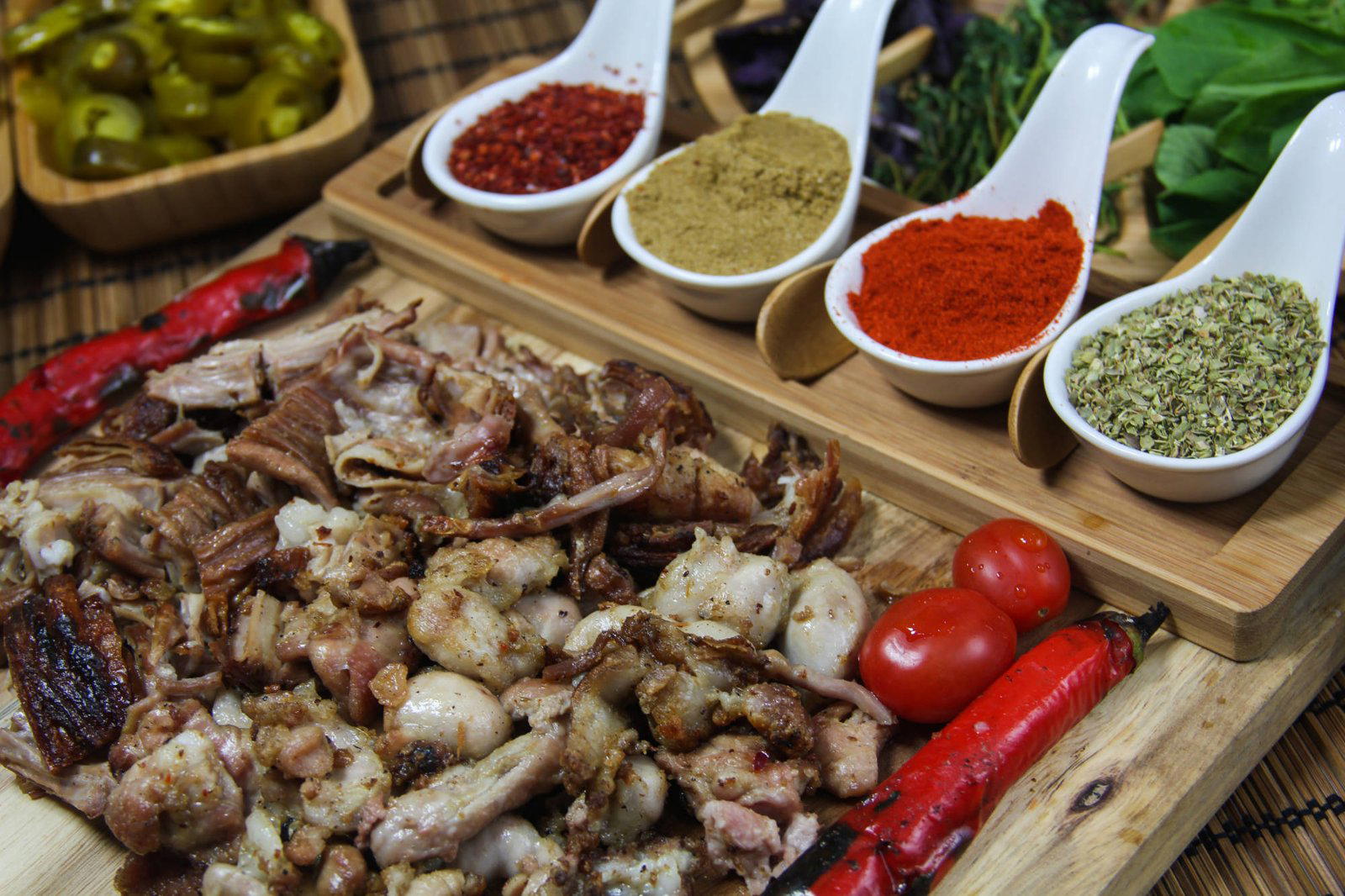
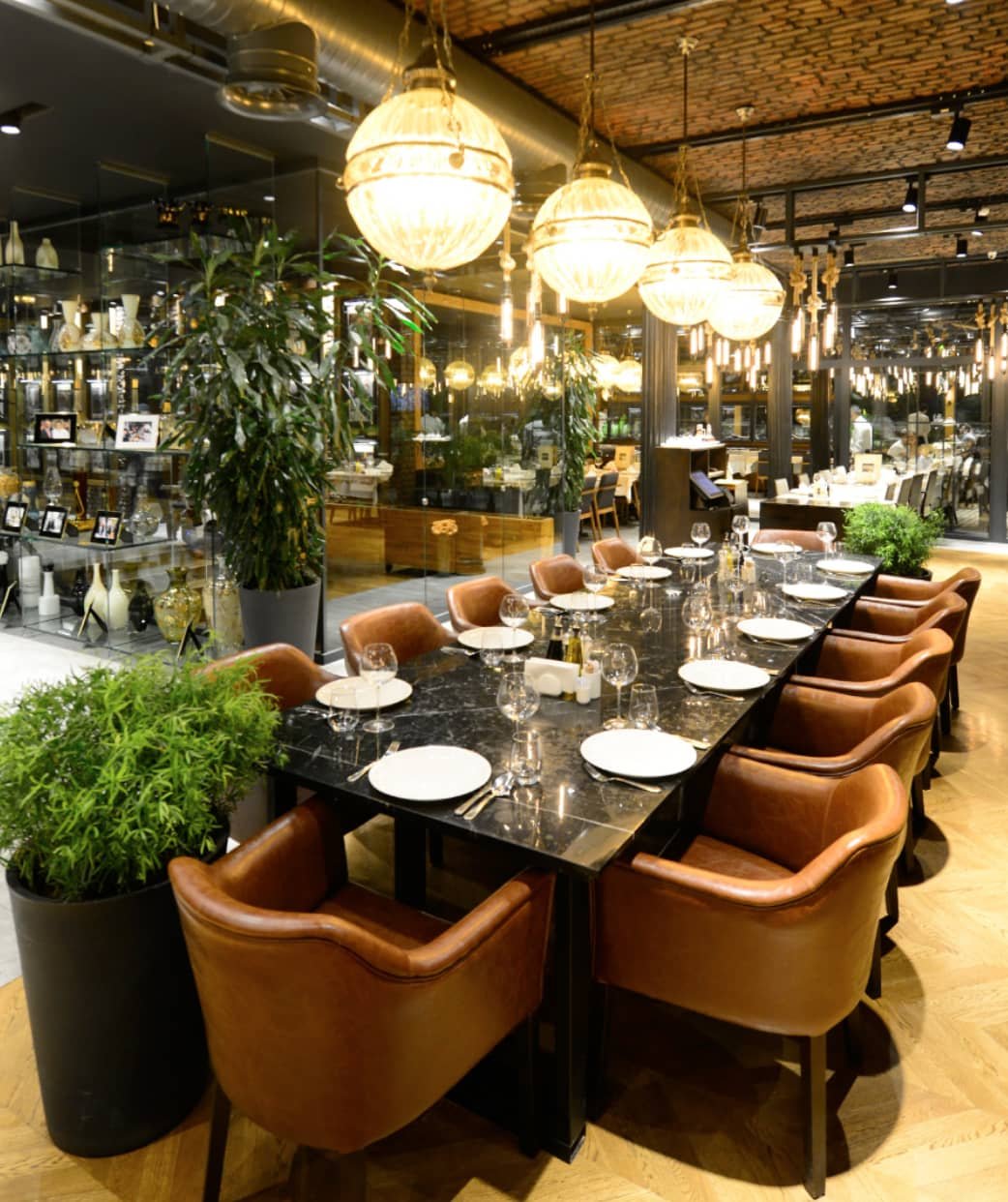
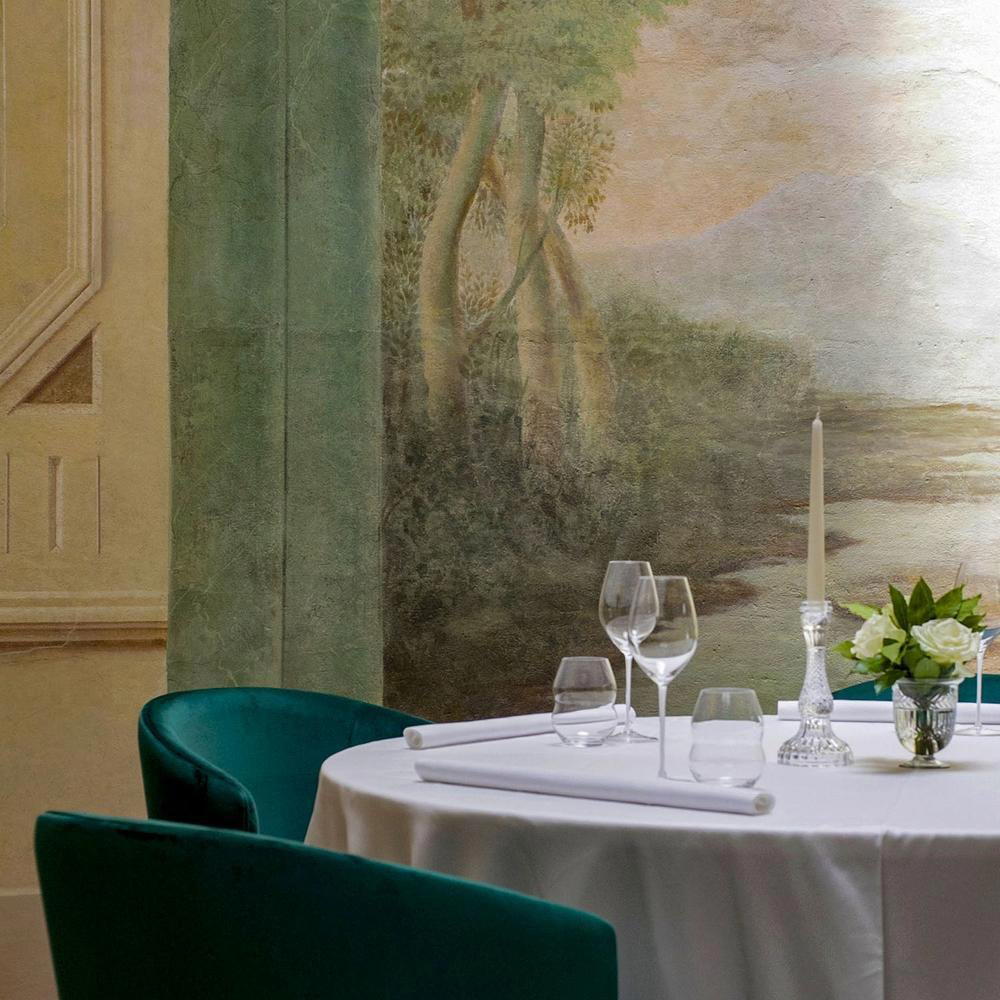
Hotels in Izmir
All hotels in Izmir →
Wineries in Izmir
Browse all →
Details
- Lively
- Classic
- Cozy
- Family
- Casual Hangout
- Group Dining
- Open Kitchen
- A La Carte
Current opening hours
- Monday
- 11:30 AM–9:45 PM
- Tuesday
- 11:30 AM–9:45 PM
- Wednesday
- 11:30 AM–9:45 PM
- Thursday
- 11:30 AM–9:45 PM
- Friday
- 11:30 AM–9:45 PM
- Saturday
- 11:30 AM–9:45 PM
- Sunday
- 11:30 AM–9:45 PM
Hours can change for holidays and private events. Hours as of .