El Rodeo
El Rodeo sits on Jonestown Road in Lower Paxton, Pennsylvania, representing the kind of neighborhood Mexican restaurant that anchors suburban dining strips across the mid-Atlantic. The cooking operates within a regional tradition that prizes familiar formats and generous portions over tasting-menu ambition. For the Harrisburg-area diner seeking a reliable, casual Mexican option close to home, it occupies a well-defined place in the local dining rotation.
Pearl is the En Primeur Club membership app — saves, bookings, and concierge access live there. Same editors, same standards.
- Address
- 4659 Jonestown Rd, Harrisburg, PA 17109
- Phone
- +17176525340
- Website
- elrodeopa.com
- Directions
- Get directions
 Saves & bookings on Pearl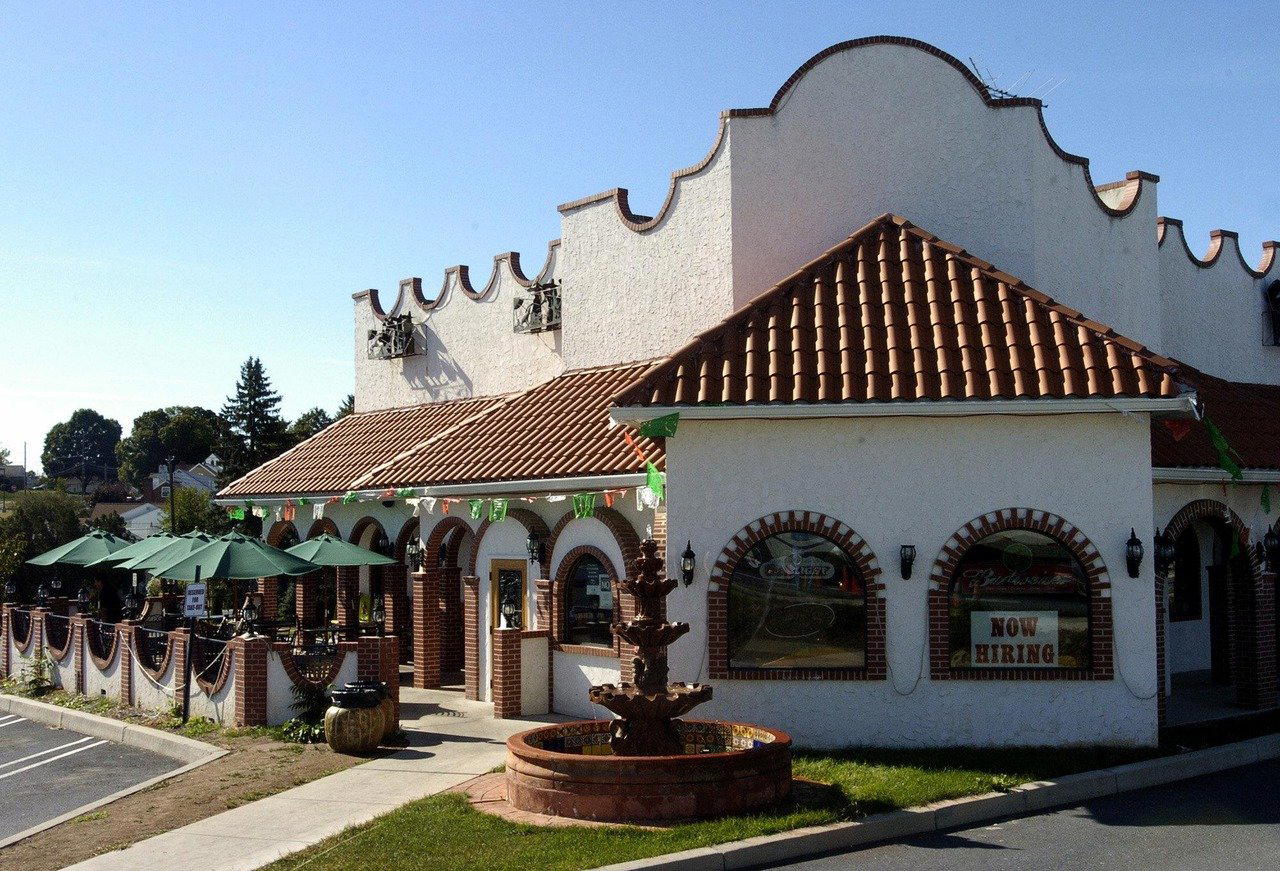
Jonestown Road and the Suburban Mexican Corridor
Along the commercial stretch of Jonestown Road in Lower Paxton Township, the dining options run a predictable mid-Atlantic arc: chain casual, pizza, and a cluster of independent spots that have held their corners for years. El Rodeo sits within that latter category, at 4659 Jonestown Road, Harrisburg, PA 17109, operating as a neighborhood Mexican restaurant in a part of Pennsylvania where the genre occupies a specific and durable role. This is not a food-destination corridor in the way that parts of Philadelphia or Pittsburgh have become, but that is precisely the point. The restaurants that survive here do so on consistency and community trust, not on press cycles. For context on how the broader American dining scene intersects with sourcing-driven cooking at the higher end, properties like Blue Hill at Stone Barns in Tarrytown and Single Thread Farm in Healdsburg have redefined what farm-to-table means at a national level. El Rodeo operates in a different register entirely, but the question of where ingredients come from remains relevant at any price point and in any zip code.
The Scene on Arrival
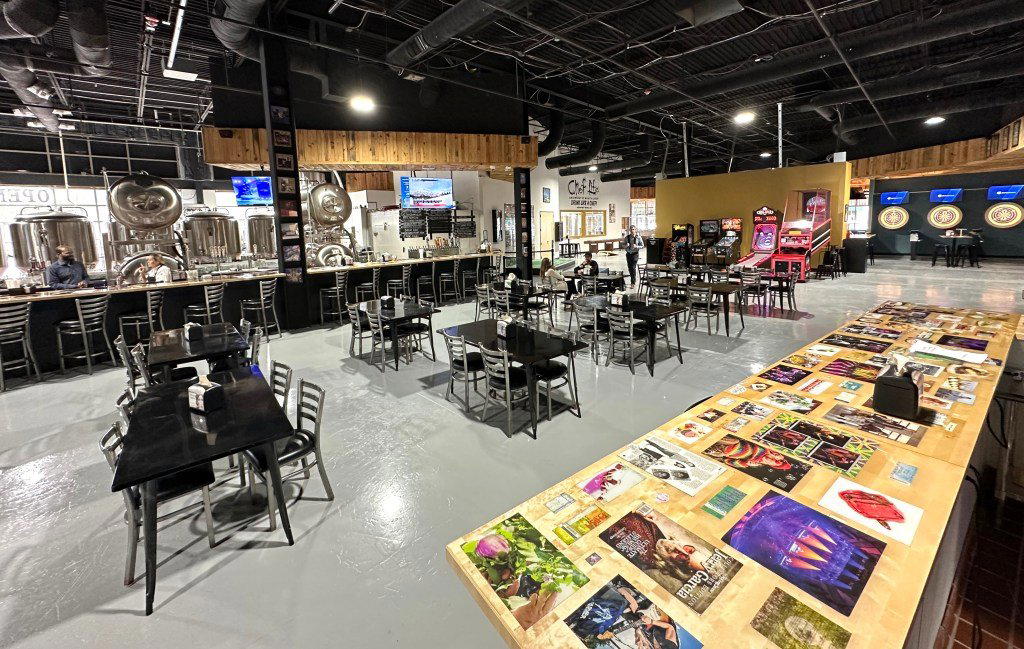
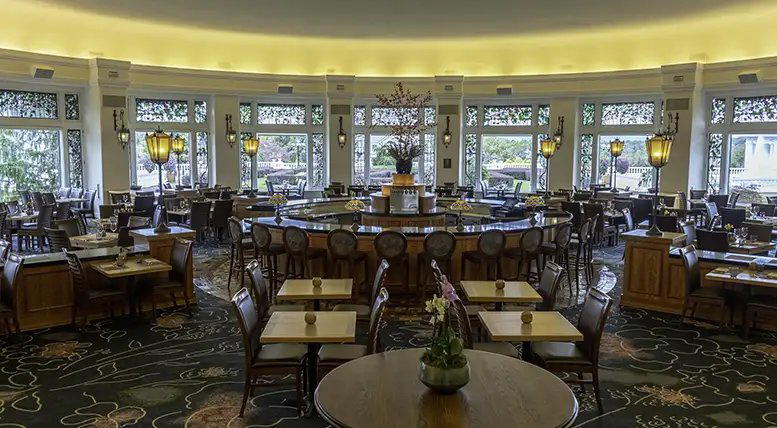
The physical approach along Jonestown Road is defined by strip-mall pragmatism: parking lots, signage, and the low-slung architecture of suburban Pennsylvania commercial development. El Rodeo reads as a working neighborhood restaurant rather than a destination, which shapes the experience from the moment you arrive. Inside, the atmosphere follows the conventions of American-casual Mexican dining: color, warmth, and the ambient noise of a room that fills with regulars. This is the format that has defined suburban Mexican dining across the mid-Atlantic for decades, a genre that prioritizes accessibility and volume over ceremony. Compare this to the controlled minimalism of a counter like Atomix in New York City or the sourcing-forward intensity of Smyth in Chicago, and the contrast is instructive about how different the expectations and delivery mechanisms are across American dining tiers.
Ingredient Sourcing and the Regional Mexican Question
American Mexican restaurants outside major urban centers operate within a sourcing reality that differs substantially from what diners encounter at coast-based programs. Restaurants such as ITAMAE in Miami or Providence in Los Angeles have built reputations on hyper-specific ingredient provenance, often citing named farms or fishing boats. Suburban Pennsylvania operates in a different supply chain. The ingredients at a Jonestown Road Mexican restaurant are drawn from regional distributors and the broader mid-Atlantic produce network, not from single-origin chili growers in Oaxaca or heritage-breed ranches in the Southwest.
That supply chain shapes what lands on the plate. The Tex-Mex and American-Mexican format that dominates suburban dining in this part of the country draws on flour tortillas, standardized cheese blends, and proteins that are consistent but rarely traceable. This is not a failure of ambition so much as a structural feature of the category. The genre's durability in suburban markets comes from its reliability, and reliability in this context means ingredient consistency across service. For a reader interested in how sourcing drives the conversation at the opposite end of the spectrum, The Wolf's Tailor in Denver and Oyster Oyster in Washington, D.C. offer clear examples of kitchens where the supply chain is the editorial argument. The restaurant makes a different argument: that familiar, accessible execution has its own value in a community that is not served by Michelin-circuit restaurants.
Where El Rodeo Sits in the Lower Paxton Picture
Lower Paxton is not a dining destination in the way that Napa, New Orleans, or even parts of suburban New Jersey have become. The township's restaurant scene reflects the demographics and expectations of a mid-size Pennsylvania suburb: price sensitivity, a preference for casual formats, and loyalty to spots that deliver on a predictable experience. Within that context, a Mexican restaurant on Jonestown Road competes with chain operators and other independents rather than with the kind of multi-course programs you'd find at The Inn at Little Washington or Addison in San Diego. The competitive set here is local and practical.
For a broader read on what the Lower Paxton dining picture looks like across categories, our full Lower Paxton restaurants guide maps the options with the same editorial approach. Mexican restaurants nationally that have moved toward regional specificity, such as those drawing on distinct state-level Mexican traditions rather than a generalized Tex-Mex template, have found audiences in cities with deep food-media ecosystems. That conversation has not yet arrived with force in suburban Harrisburg, but the broader trend is worth tracking as it shapes expectations even in secondary and tertiary markets.
Planning Your Visit
The restaurant is located at 4659 Jonestown Road, Harrisburg, PA 17109, positioned along the central commercial corridor of Lower Paxton Township. The address places it within easy reach of the surrounding residential areas and is accessible by car, which is the practical mode of transport in this part of the Harrisburg metro. As with most independent suburban restaurants in this category, the experience is walk-in or phone-ahead rather than OpenTable-driven, and the format suits a casual meal rather than a special-occasion booking. Readers planning a higher-stakes dining evening in the broader mid-Atlantic region might look toward programs such as Frasca Food and Wine in Boulder or Bacchanalia in Atlanta for a different register of preparation and commitment. For a neighborhood Mexican dinner in Lower Paxton, the restaurant represents the accessible, community-facing option that the corridor is built around.
Readers with an appetite for the sourcing conversation at its most ambitious should also note that programs like Lazy Bear in San Francisco, Emeril's in New Orleans, and Le Bernardin in New York City define what ingredient traceability looks like when it becomes central to a restaurant's identity and pricing tier. At the opposite end of that spectrum, The French Laundry in Napa and Atelier Moessmer Norbert Niederkofler in Brunico demonstrate how deeply sourcing can become embedded in a restaurant's philosophical premise. The restaurant exists in a different chapter of that same conversation, one defined by suburban access and everyday utility rather than editorial ambition.
Comparable Spots, Quickly
Comparable venues nearby, for context on price, style, and recognition.
| Venue | Cuisine | Price | Notes |
|---|---|---|---|
| El RodeoThis venue — the venue you are viewing | Traditional Mexican | $$ | Not listed |
| Mission Taqueria | Modern Mexican Taqueria | $$ | Rittenhouse Square |
| El Camino Real | Tex-Mex BBQ Fusion | $$ | Northern Liberties |
| Loco Pez | West Coast Taco-Truck Mexican Taqueria | $$ | Fishtown |
| El Rey | Mexican Home Cooking (Puebla & Veracruz) | $$ | Rittenhouse Square |
| Que Chula Es Puebla Inc | Authentic Mexican from Puebla | $$ | Olde Kensington |
Continue exploring
More in Lower Paxton
Restaurants in Lower Paxton
Browse all →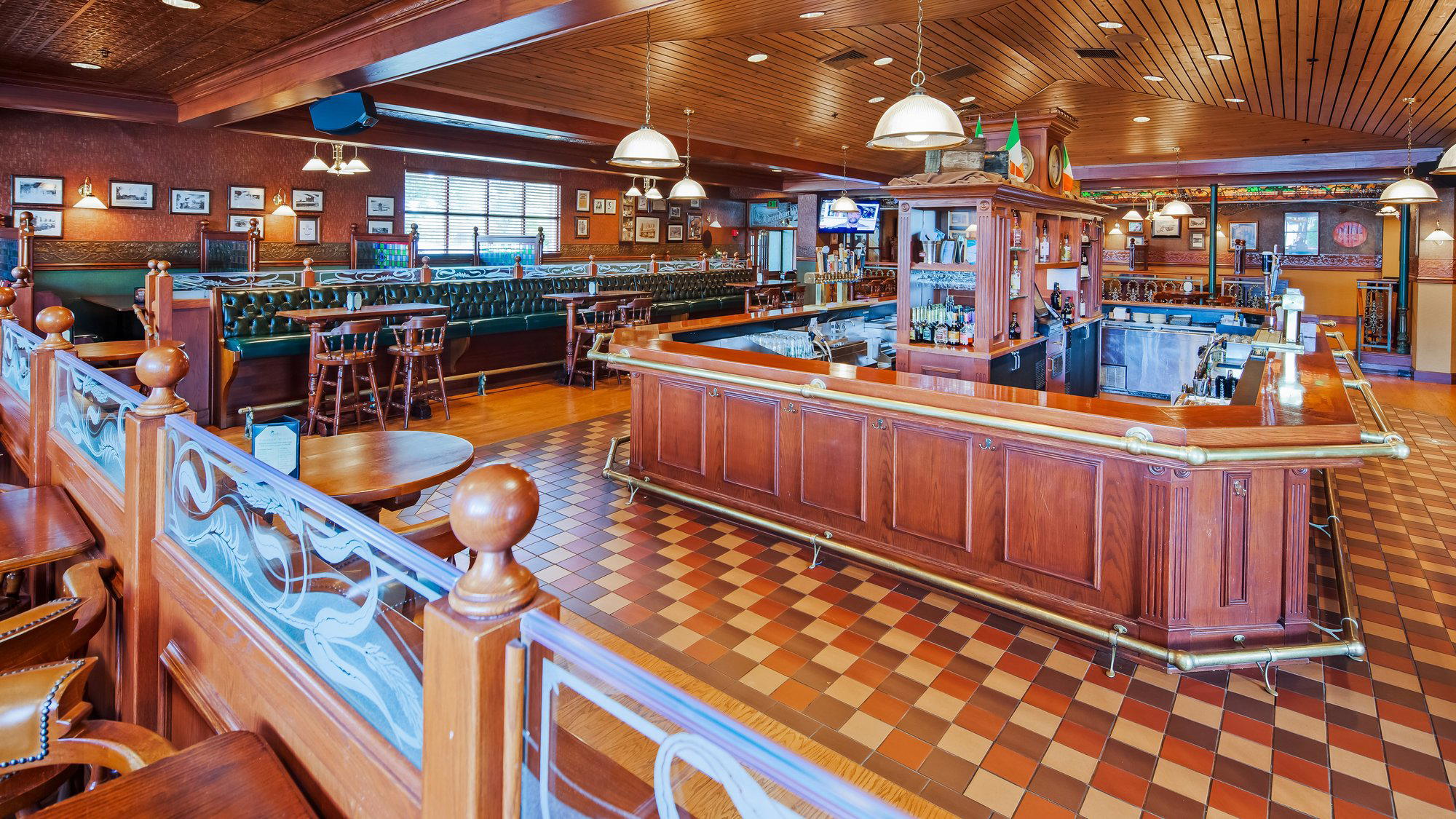
At a Glance
- Casual
- Cozy
- Family
- Casual Hangout
- Group Dining
- Beer Program
Current opening hours
- Monday
- 11 AM–10 PM
- Tuesday
- 11 AM–10 PM
- Wednesday
- 11 AM–10 PM
- Thursday
- 11 AM–10 PM
- Friday
- 11 AM–10:30 PM
- Saturday
- 11 AM–10:30 PM
- Sunday
- 11 AM–9 PM
Hours can change for holidays and private events. Last verified .
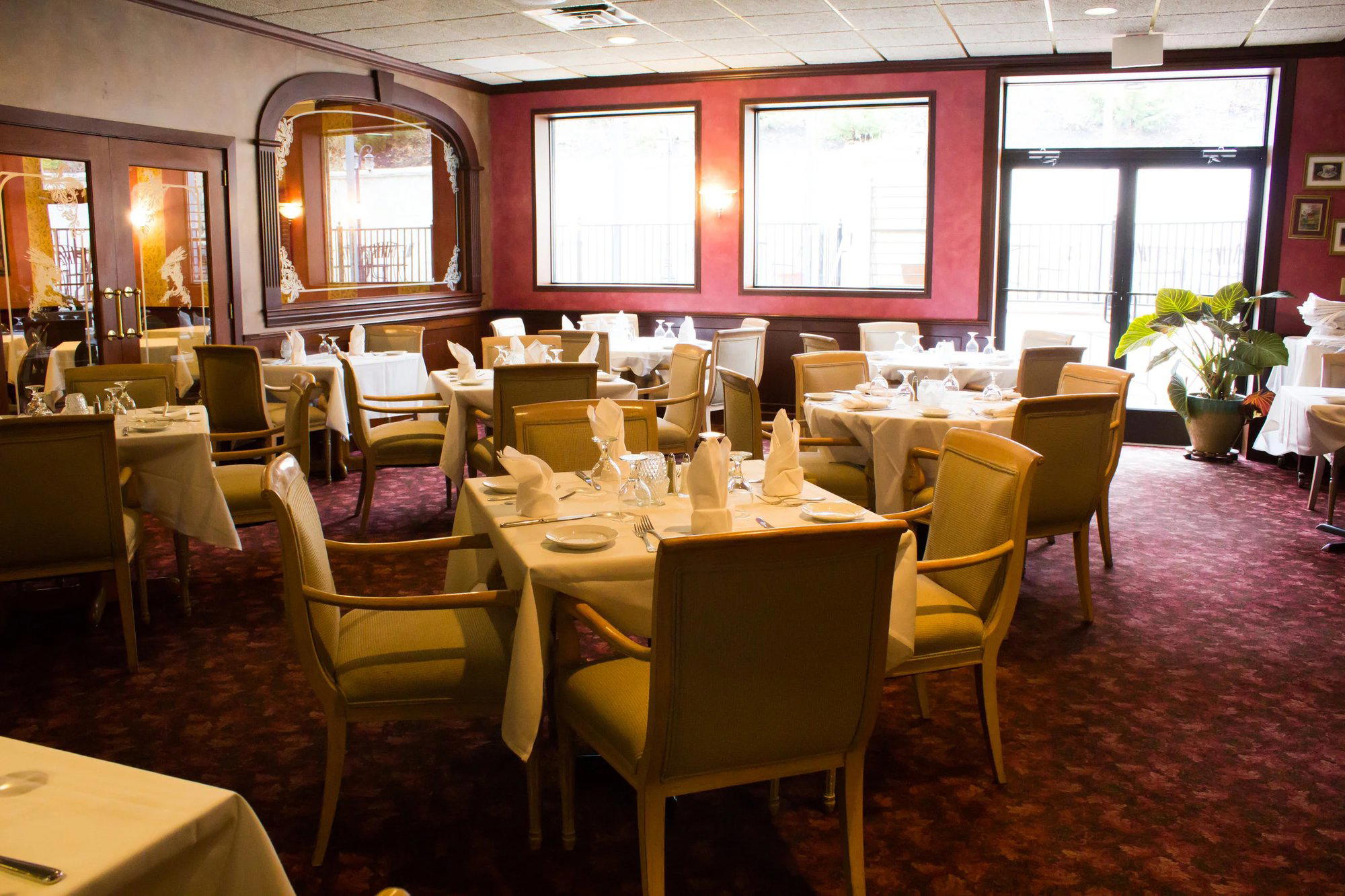
Simple and welcoming casual atmosphere.