Lancaster Arts Hotel
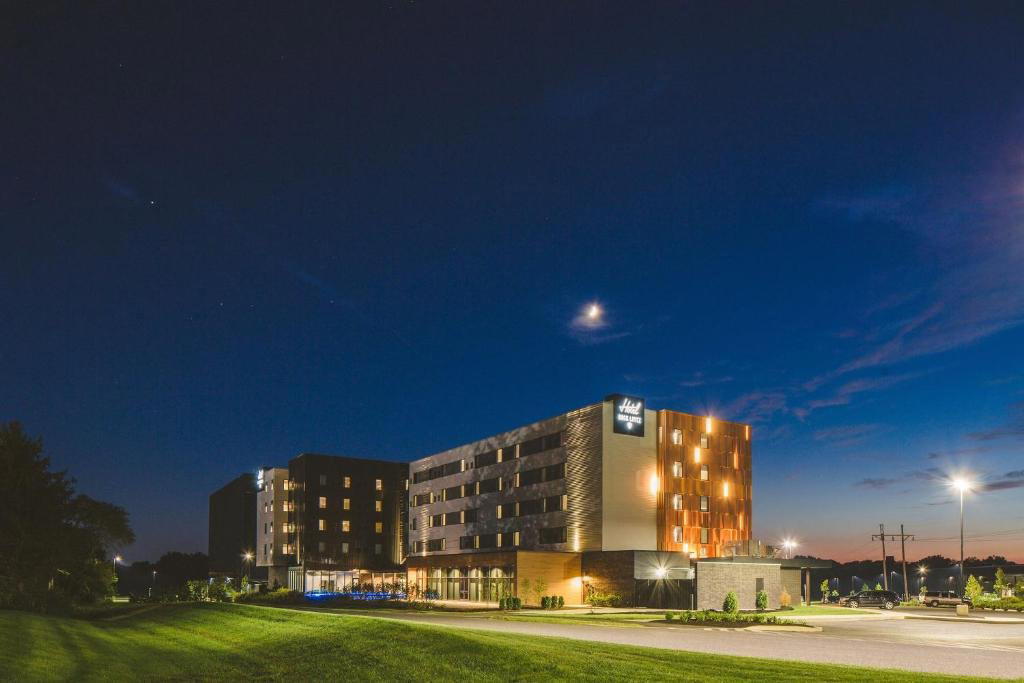
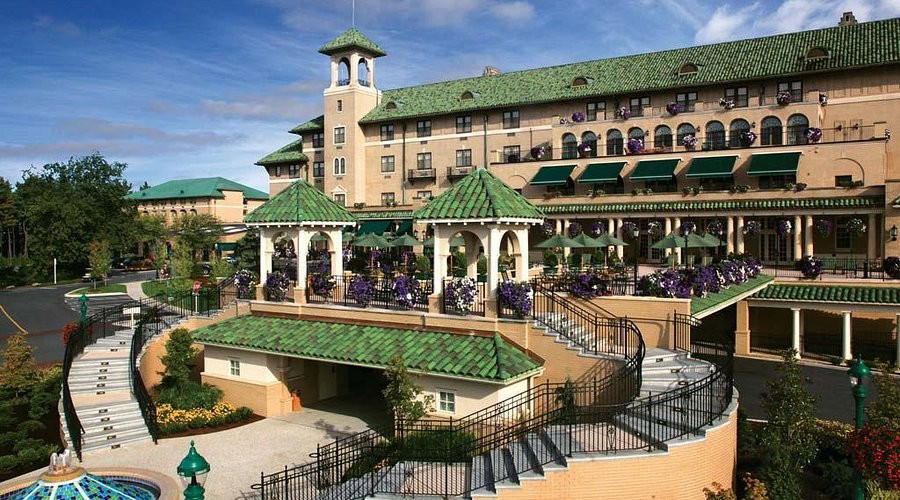
Lancaster Arts Hotel occupies a converted 19th-century tobacco warehouse at 300 Harrisburg Ave, where exposed brick, industrial steel, and rotating gallery installations define the aesthetic. It sits at the intersection of adaptive reuse hospitality and the city's expanding arts district, making it the reference point for design-conscious travelers in Pennsylvania Dutch Country. For those who find chain hotels interchangeable, this is Lancaster's clearest alternative.

Pearl is the En Primeur Club membership app — saves, bookings, and concierge access live there. Same editors, same standards.
- Address
- 300 Harrisburg Ave, Lancaster, PA 17603
- Phone
- (717) 299-3000
- Website
- lancasterartshotel.com
- Directions
- Get directions
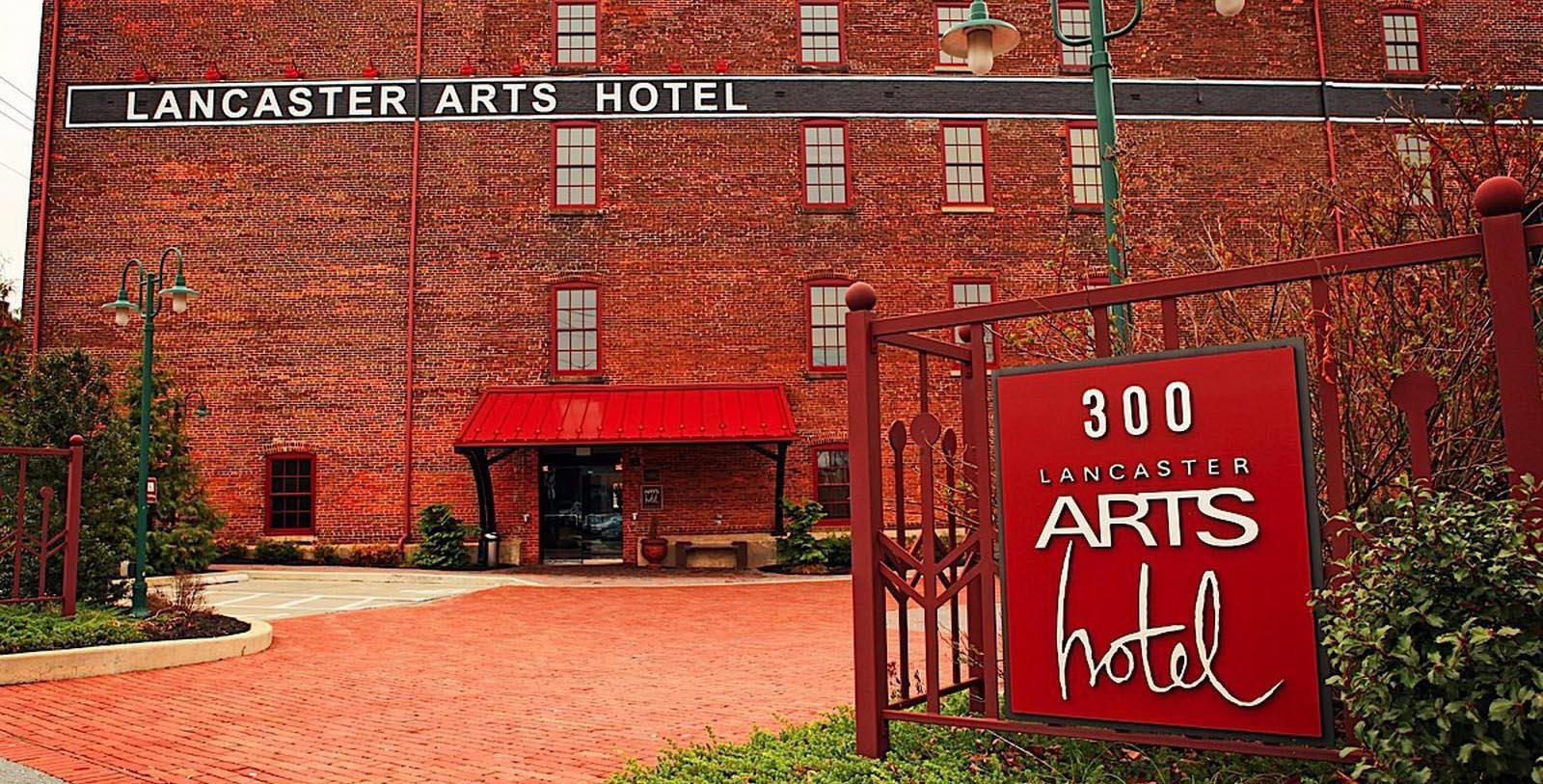
A Tobacco Warehouse Turned Gathering Space for Lancaster's Arts Scene
Pennsylvania Dutch Country is not the obvious backdrop for adaptive reuse design hospitality. The region's identity runs toward covered bridges, farmstead inns, and Amish roadside stands. Yet Lancaster city proper has been rewriting its relationship with its own industrial past, and nowhere is that shift more legible than at Lancaster Arts Hotel, which occupies a former tobacco warehouse on Harrisburg Avenue. The building's bones date to the 19th century, and the conversion preserves them conspicuously: raw brick walls, heavy timber framing, and factory-scale windows that let daylight work harder than any chandelier could. The decision to retain rather than conceal the structure's origins places this property in a specific design tradition, one closer to the industrial-loft hotels that transformed urban neighborhoods in Chicago and New York than to the pastoral inn format that dominates the surrounding countryside.
Among properties in the Northeast that have successfully converted industrial stock into design-forward lodging, the Lancaster Arts Hotel sits in a cohort that includes the Chicago Athletic Association in Chicago, where the tension between historic architecture and contemporary programming is itself the editorial statement. Both properties treat the building's past as content, not as a constraint to be designed around.
The Architecture as Editorial Argument
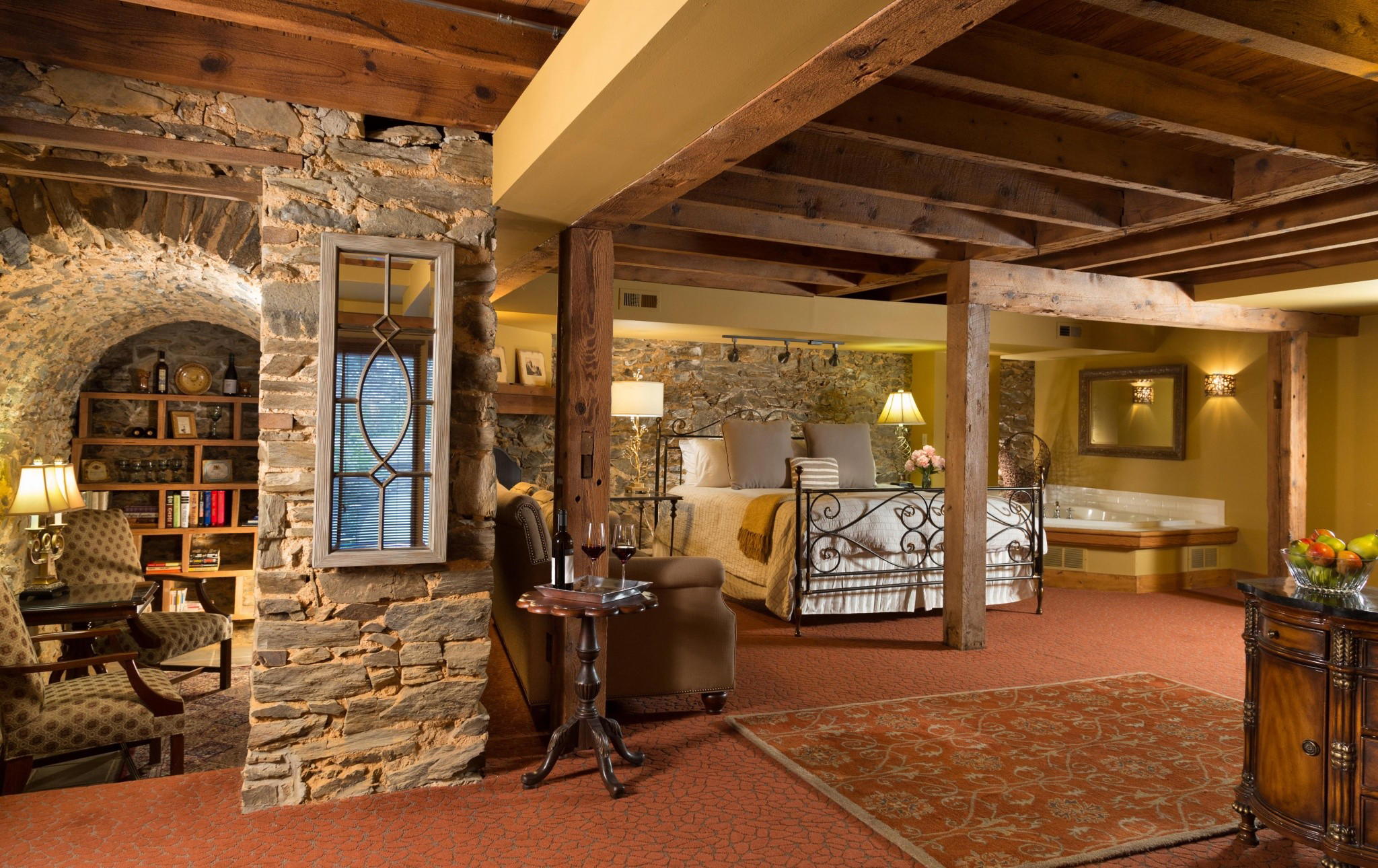
Adaptive reuse hotels divide broadly into two camps: those that use historic shells as a backdrop for interiors that could have been installed anywhere, and those where the conversion logic is evident in every design decision. Lancaster Arts Hotel belongs to the second camp. The warehouse format dictates ceiling heights, column rhythms, and spatial volume in ways that a purpose-built hotel cannot manufacture. Guest rooms carry the language of the original structure into private space, meaning the material honesty of exposed masonry and structural steel extends beyond the lobby into the rooms themselves.
Properties like Troutbeck in Amenia or Blackberry Farm in Walland also work from historic structures, though their source material skews toward manor houses and agrarian estates rather than urban industrial buildings. The Lancaster Arts Hotel's warehouse origins give it a harder-edged aesthetic vocabulary than those rural counterparts, positioning it as a city property that happens to sit inside a region more associated with soft landscape and pastoral hospitality.
The integration of rotating art installations throughout the public spaces reinforces the design logic. Rather than commissioning permanent site-specific works, which would calcify the interiors around a single curatorial moment, the hotel functions as an ongoing venue for the regional arts community. The result is a space that changes across visits, making return stays editorially distinct in a way that fixed-décor hotels cannot offer.
Lancaster's Position in the Mid-Atlantic Design Hotel Conversation
Lancaster city has been accumulating cultural infrastructure at a pace that has begun to draw travelers who would previously have passed through without stopping. The downtown arts district, independent restaurant openings, and a growing calendar of cultural programming have recast the city's appeal beyond the day-trip itinerary it long occupied for Philadelphia visitors. The Lancaster Arts Hotel functions as both a symptom and an accelerant of that shift: its presence signals to design-aware travelers that an overnight stay is viable, while its programming and gallery activations contribute to the cultural density that makes those stays worthwhile.
For context on how mid-sized American cities build design hotel ecosystems, the pattern at Lancaster loosely parallels what happened in Healdsburg, California, where a concentration of food and wine programming eventually anchored properties like SingleThread Farm Inn at the top of a tiered local market. Lancaster's version of that story is still earlier-stage, which means the Lancaster Arts Hotel operates at the apex of a local market without yet facing the competitive pressure of a mature design-hotel cluster.
Travelers arriving from Philadelphia or New York, where properties like Aman New York or The Fifth Avenue Hotel set a certain standard for design ambition in converted or historically significant buildings, will find the Lancaster Arts Hotel working within a recognizable tradition at a smaller scale and a different price register. The comparison is not competitive but contextual: it locates the property within a broader national conversation about how historic American buildings get repurposed for contemporary hospitality.
Those staying in the region can also consider The Inn at Leola Village, which offers a contrasting format, more pastoral and traditional, set against the Lancaster Arts Hotel's urban industrial character. The two properties together give travelers a genuine choice between the county's two dominant hospitality modes.
Planning Your Stay
The hotel sits at 300 Harrisburg Ave, within walking distance of Lancaster's central arts district and the core of the downtown restaurant scene. For travelers arriving by train, Lancaster Station connects directly to Philadelphia's 30th Street Station and New York Penn Station, making the property accessible without a car, which is relatively rare among Lancaster County lodging options that tend to assume a driving visitor. The address also places guests close enough to the central market and the main dining corridor that an itinerary built around food, art, and architecture can be executed on foot without significant logistical friction. Our full Lancaster restaurants guide maps the key dining options relative to the hotel's location.
For those building a broader regional itinerary, the hotel works as a base for day trips into the surrounding countryside while offering a distinctly urban re-entry point each evening. Travelers who want to benchmark this kind of design-forward, arts-integrated hospitality against properties elsewhere in the country might consider how the model compares to Raffles Boston or the Ambiente hotel in Sedona, each of which builds its identity around a distinct design thesis in a city where the hotel plays an outsized role in the local cultural conversation.
Fast Comparison
| Venue | Price | Awards |
|---|---|---|
| Lancaster Arts HotelThis venue — the venue you are viewing | $100–200 | Not listed |
| Aman New York | Not listed | 3 Michelin Keys · World's 50 Best #87 |
| Amangiri | $1,000–1,500 | 3 Michelin Keys · World's 50 Best #45 |
| Hotel Bel-Air | $750–1,000 | 3 Michelin Keys · World's 50 Best #57 |
| The Beverly Hills Hotel | Not listed | 3 Michelin Keys · World's 50 Best #65 |
| The Carlyle, A Rosewood Hotel | $1,500–2,500 | 2 Michelin Keys · World's 50 Best #64 |
Continue exploring
More in Lancaster
Hotels in Lancaster
Browse all →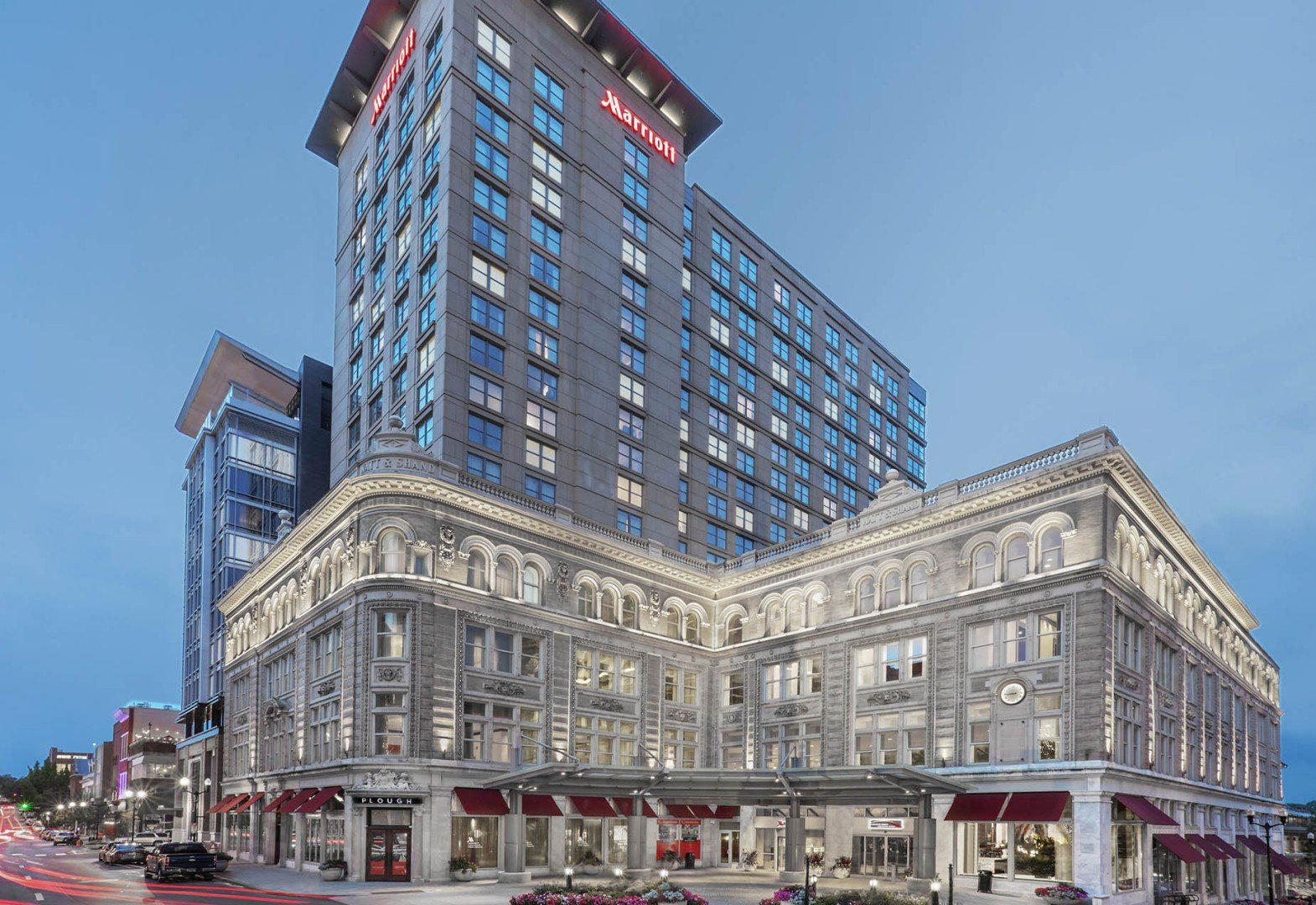
Details
- Elegant
- Cozy
- Sophisticated
- Industrial
- Historic
- Romantic Getaway
- Business Trip
- Weekend Escape
- Historic Building
- Wi Fi
- Fitness Center
- Restaurant
- Room Service
- Business Center
- Concierge
- Step Free Entrance
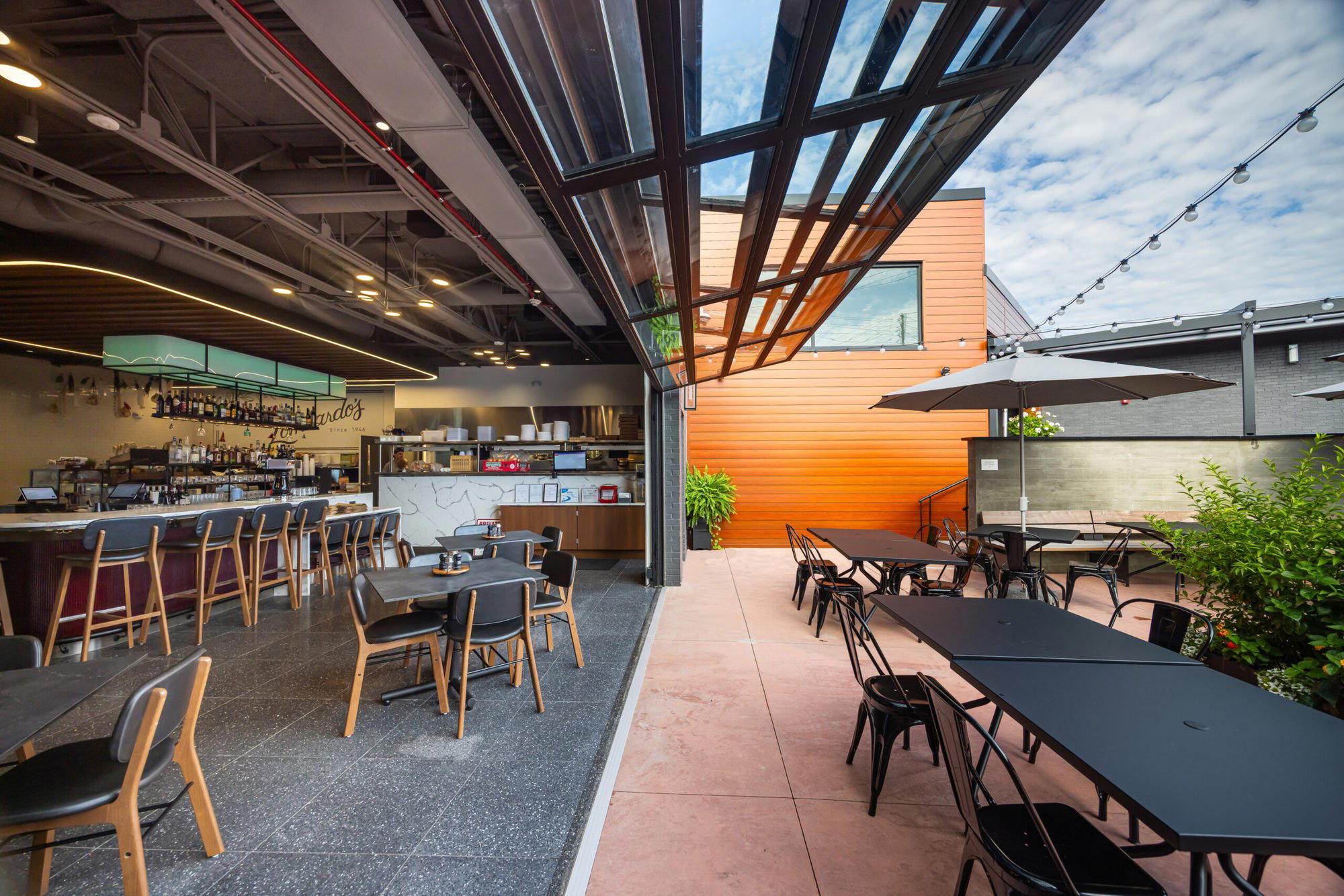
Bright colors and bold artwork harmonize with exposed brickwork and hand-hewn timbers, creating a modern yet historic gallery-like atmosphere.