Que Chula Es Puebla Inc
Our verdict
Que Chula Es Puebla Inc brings Poblano cooking to Philadelphia's Northern Liberties corridor at 1356 N 2nd St, occupying a section of the city's Mexican dining scene that sits apart from the taqueria format. Where South Philly's Mexican spots lean toward street-food immediacy, this address draws on the culinary traditions of Puebla, a region whose mole and chile-based complexity has few advocates in the broader Philadelphia market.

Pearl is the En Primeur Club membership app — saves, bookings, and concierge access live there. Same editors, same standards.
- Address
- 1356 N 2nd St, Philadelphia, PA 19122
- Phone
- (215) 203-0404
- Hours
- Mon–Thu 10 AM–9 PMFri–Sat 10 AM–10 PMSun 10 AM–9 PM
- Website
- quechulaespuebla.menufy.com
- Directions
- Get directions
- Booking
- Book on the venue's website
The menu
What to order
- Carnitas tacos
- Chicken burrito
- Tortas
Northern Liberties and the Geography of Mexican Cooking in Philadelphia
Philadelphia's Mexican dining has historically concentrated in South Philly, where South Philly Barbacoa set a high-water mark for regional Mexican authenticity with its lamb barbacoa program. The city's northern neighborhoods have been slower to develop equivalent depth, which makes the presence of a Poblano-focused restaurant at 1356 N 2nd St in Northern Liberties a meaningful data point for anyone tracking where the city's regional Mexican cooking is heading. Northern Liberties itself has absorbed a wave of restaurant openings over the past decade, mostly in the New American register occupied by places like Fork and Friday Saturday Sunday. A restaurant rooted in Puebla's cooking tradition occupies a genuinely different lane in that neighborhood context.
Puebla's cuisine is not a shorthand for all Mexican food. It is a specific regional tradition, arguably the most architecturally complex in Mexico, built on chile sauces that require multiple dried varieties, toasted seeds, and long reduction times. Mole poblano — the dish that defines the state's reputation — is less a recipe than a process, one that serious versions execute across multiple days. The city that produced this cooking also gave Mexico its chile en nogada, a dish with a strict seasonal window tied to walnut harvest and pomegranate, and cemitas, a sesame-seed roll sandwich format layered with Oaxacan cheese, avocado, and chipotle that Philadelphia has seen only rarely. That specificity of tradition is what distinguishes Poblano cooking from the generalized Mexican-American format, and it is the context in which Que Chula Es Puebla Inc should be read.
What the Address on N 2nd Street Signals
The N 2nd Street corridor in Northern Liberties runs through a stretch that has accumulated independent restaurants at a steady pace, most of them mid-range and neighborhood-facing rather than destination-driven. An address here positions a restaurant for regular local use rather than the kind of dining-destination traffic that pulls visitors to Center City or Fishtown's more media-visible blocks. That positioning matters for how you approach a visit. This is not a room designed to perform for out-of-town food media in the way that Philadelphia's more decorated New American tables do. The dining experience at venues of this type in this part of the city tends toward the direct and unfussy: a room where the food carries the argument rather than the setting.
Philadelphia's broader dining scene has a strong tradition of exactly this kind of restaurant, places where cooking with a specific regional identity operates quietly, without the infrastructure of PR campaigns or award submissions, and builds a following through repetition and word of mouth. Mawn represents that model in the Cambodian and Pan-Asian register. My Loup occupies a similar position in French-inspired cooking. The city has a demonstrable appetite for restaurants that arrive at their identity through culinary specificity rather than concept architecture.
The Sensory Register of Poblano Cooking
Approaching any serious Poblano kitchen, the olfactory signal arrives first. Dried chiles toasting in a dry pan produce a deep, slightly smoky fragrance that has little in common with fresh chili heat. The mulato, ancho, and pasilla that anchor mole poblano each contribute distinct aromatic compounds, the mulato carrying chocolate-adjacent depth, the ancho a sweeter, fruitier register, the pasilla a sharper, more tannic edge. Combined with toasted sesame, fried plantain, and Mexican chocolate in a long-reduced sauce, the result has a complexity that operates differently from French-derived sauce traditions. The sauce does not clarify or reduce to a gloss; it thickens through solid matter and time.
Chile en nogada, when prepared in season, brings a different set of sensory signals: the walnut cream sauce carries a mild bitterness specific to fresh walnuts, offset by the sweetness of pomegranate seeds and the dried-fruit-and-nut-stuffed picadillo inside a roasted poblano pepper. The dish is finished with chopped flat-leaf parsley, presenting the colors of the Mexican flag. That visual presentation is not incidental, it is part of the dish's identity and its history, tied to the feast of San Agustín in August and September. At restaurants where seasonal sourcing governs the menu, the dish disappears when fresh walnuts are no longer available.
Cemitas, if the kitchen offers them, are worth understanding as a format distinct from other Mexican sandwich traditions. The sesame roll has a specific crumb and density, engineered to hold up against the layered fillings without collapsing. The combination of Oaxacan-style string cheese, avocado, chipotle, and a choice of protein is a textural argument as much as a flavor one. In Puebla, cemitas stands are a serious business, with specialists who have been executing the same build for decades.
How Que Chula Es Puebla Fits Philadelphia's Broader Mexican Picture
In a city where Mexican dining is still dominated by the taqueria and the burrito-adjacent fast-casual format, a restaurant that draws from Puebla's more complex cooking tradition fills a gap that the market has been slow to address. The comparison set is not large. South Philly Barbacoa operates in a different register, focused on the barbacoa pit tradition of central Mexico rather than Puebla's chile-sauce cooking. That leaves relatively few direct comparators in the Philadelphia market, which is precisely why the address on N 2nd Street carries editorial weight even in the absence of formal awards or widespread critical coverage.
For context on where Philadelphia sits in the national conversation on serious dining, the city's most credentialed restaurants operate in the New American and European-derived registers, venues that compete in the same tier as Le Bernardin in New York City, Smyth in Chicago, or Providence in Los Angeles. Regional Mexican cooking at a serious level, the kind that places like The French Laundry in Napa or Blue Hill at Stone Barns in Tarrytown represent in their own traditions, has fewer institutional advocates in Philadelphia, which makes the case for supporting those venues that do occupy that space.
Our full Philadelphia restaurants guide maps the city's dining across neighborhoods and cuisine types, including the full Mexican and Latin American picture alongside New American destinations like Friday Saturday Sunday and international-focused tables like Atomix in New York City for those building a comparative itinerary across the Northeast.
Planning a Visit
The restaurant operates at 1356 N 2nd St, Philadelphia, PA 19122, in Northern Liberties. Northern Liberties is accessible via the Market-Frankford Line with a short walk from the Spring Garden station, and street parking on N 2nd Street is typically more available than in Fishtown or Center City during evening hours. Given the neighborhood positioning and restaurant format, walk-in visits during quieter service periods are likely feasible, though calling ahead for larger groups is always advisable at independently operated restaurants of this scale.
Frequently asked questions
What dish is Que Chula Es Puebla Inc famous for?
The restaurant takes its identity from Puebla's cooking tradition, a regional Mexican cuisine built around complex chile-based sauces and dishes like mole poblano and chile en nogada. Mole poblano is the defining preparation of this cuisine, requiring multiple dried chile varieties, toasted seeds, and slow reduction, a process that separates serious Poblano kitchens from generalist Mexican formats. For confirmed current menu details, contact the restaurant directly.
Can I walk in to Que Chula Es Puebla Inc?
Based on its neighborhood positioning in Northern Liberties and its format as an independent, community-facing restaurant, walk-in visits are plausible during off-peak hours. Philadelphia's independently operated Mexican restaurants at this price tier and scale rarely enforce reservation-only policies, though weekend evenings and busy service periods can fill quickly.
What makes Que Chula Es Puebla Inc worth seeking out?
Philadelphia's Mexican dining scene has relatively few restaurants working in the Puebla regional tradition, which is among the most technically demanding in Mexican cooking. That scarcity alone gives this address editorial weight in the city's dining picture. The Poblano tradition, mole, cemitas, chile en nogada, represents a cuisine with deep historical roots and a flavor complexity that generalist Mexican-American formats do not replicate.
Is Que Chula Es Puebla Inc good for vegetarians?
Puebla's cooking tradition includes a number of preparations that are naturally vegetable-forward or can be adapted, including mole-dressed dishes and chile-stuffed preparations. Contacting the restaurant directly is the most reliable approach, particularly in a city like Philadelphia where independently operated kitchens frequently adjust menus based on season and sourcing.
Does Que Chula Es Puebla Inc represent a different dining tradition than Philadelphia's other Mexican restaurants?
Yes, in a meaningful way. Most of Philadelphia's Mexican dining operates in a street-food or taqueria format that draws from northern Mexican and Mexican-American traditions. Puebla's cuisine, the focus here, is central Mexican and built on a different technical foundation, one defined by long-cooked chile sauces, sesame-roll sandwiches, and dishes with pre-Columbian and colonial-era roots. In the context of Philadelphia's current Mexican restaurant map, that regional specificity is notable and underrepresented.
The Quick Read
| Venue | Cuisine | Price | Awards | Notes |
|---|---|---|---|---|
| Que Chula Es Puebla IncThis venue — the venue you are viewing | Authentic Mexican from Puebla | $20–30 | Not listed | Not listed |
| Friday Saturday Sunday | Modern American Tasting Menu | $100–150 | 1 Michelin Star · World's 50 Best #40 | New American |
| Fork | Seasonal New American | Not listed | James Beard Award Outstanding Restaurateur #1 · Wine Spectator Award of Excellence | New American |
| South Philly Barbacoa | Authentic Mexican Barbacoa Taqueria | $10–20 | James Beard Award Best Chef: Mid Atlantic · Chef's Table Featured on Chef's Table | Mexican |
| Jean-Georges Philadelphia | Modern French Fine Dining | $200–300 | La Liste Top Restaurants · Wine Spectator Best of Award of Excellence | French |
| Helm | Seasonal New American Small Plates | $50–100 | Not listed | Filipino |
Continue exploring
More in Philadelphia
Restaurants in Philadelphia
Browse all →
Bars in Philadelphia
Browse all →
Details
- Rustic
- Cozy
- Family
- Casual Hangout
- Group Dining
- Standalone
- Byob
- Local Sourcing
- A La Carte
Current opening hours
- Monday
- 10 AM–9 PM
- Tuesday
- 10 AM–9 PM
- Wednesday
- 10 AM–9 PM
- Thursday
- 10 AM–9 PM
- Friday
- 10 AM–10 PM
- Saturday
- 10 AM–10 PM
- Sunday
- 10 AM–9 PM
Hours can change for holidays and private events. Last verified .
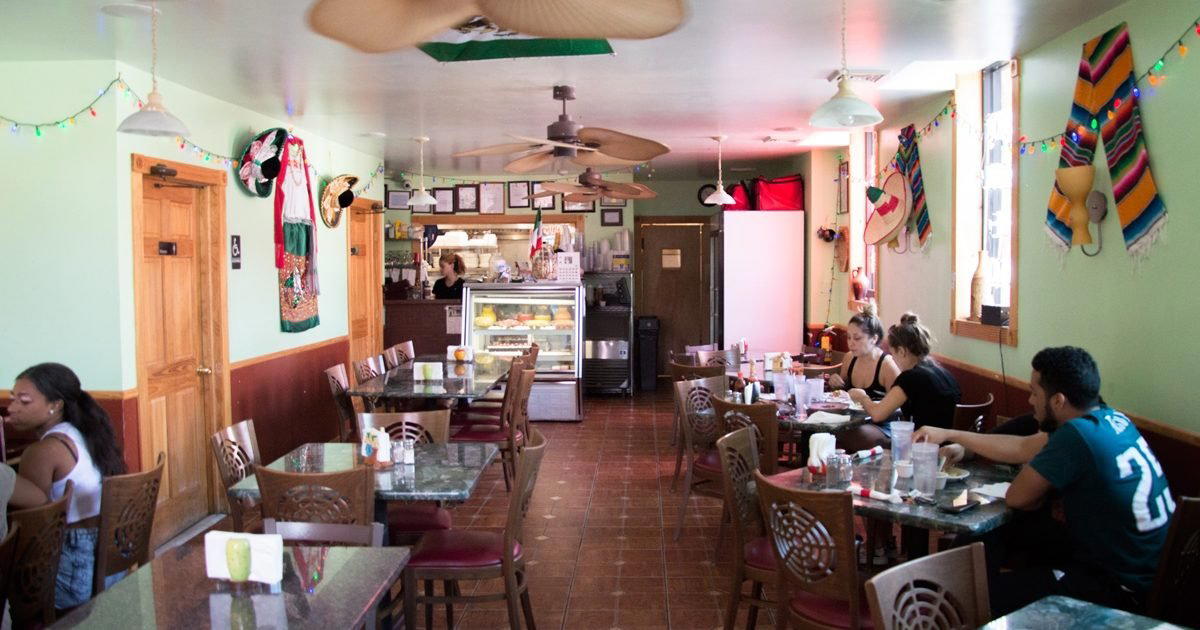
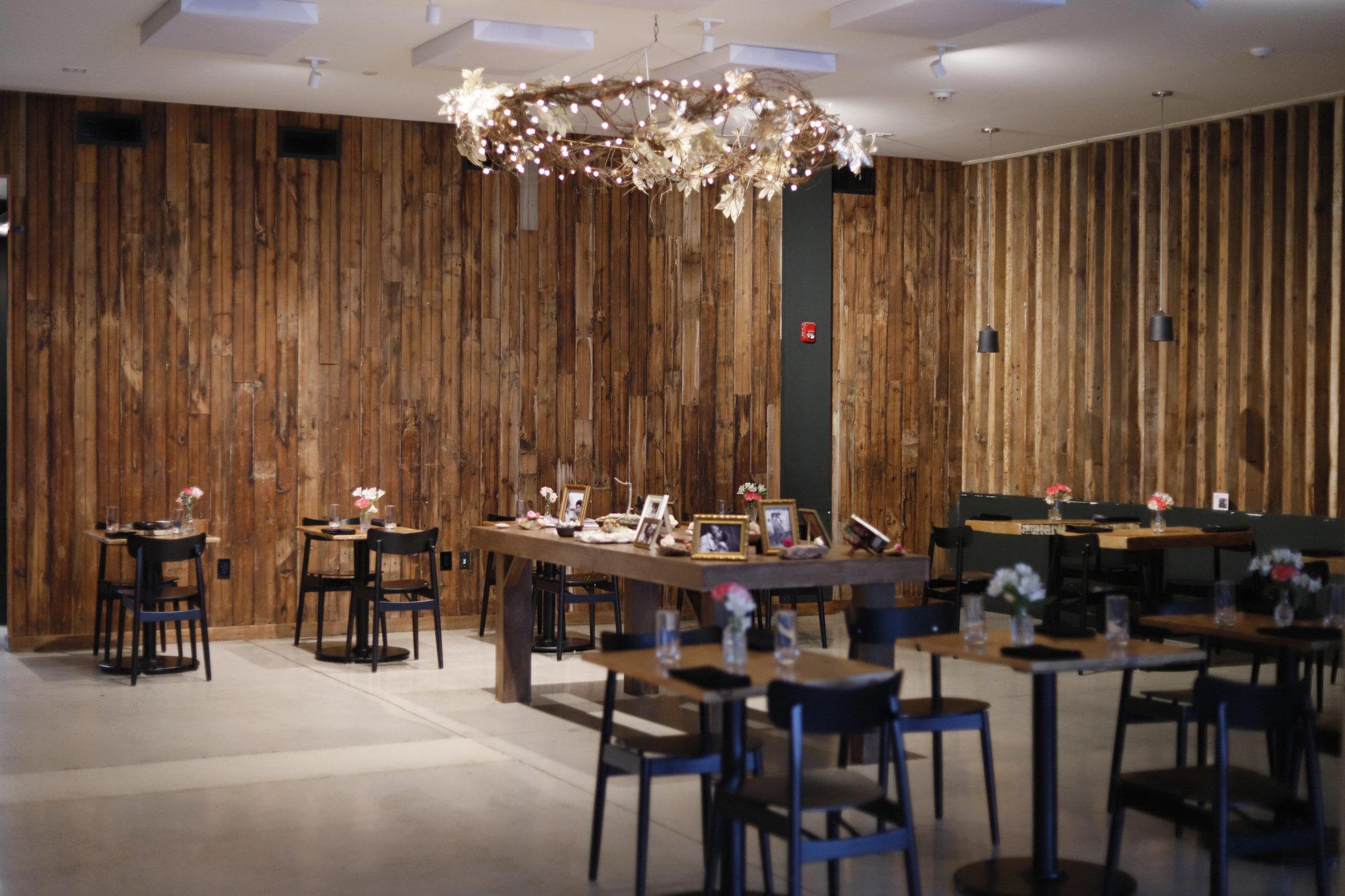
Traditional and quiet atmosphere with an authentic Mexican look and feel, featuring humble decor with blankets, sombreros, neon signs, and pride-filled interior.