Stock's on 2nd
Our verdict
Stock's on 2nd occupies a address on North 2nd Street in downtown Harrisburg, placing it inside the corridor where the Pennsylvania capital's dining scene has quietly concentrated over the past decade. The kitchen operates within a city that punches above its size for sourcing-driven cooking, and the room sits close enough to the Susquehanna riverfront to draw both government-district regulars and visitors working through our full Harrisburg restaurants guide.

Pearl is the En Primeur Club membership app, where members save venues, book tables and use the concierge.
The menu
What to order
- Bacon-Wrapped Smoked Mozzarella-Stuffed Meatloaf
- Seared Scallops
- Flat Iron Steak
- 24-Hour Brisket
North 2nd Street and the Sourcing Argument in Harrisburg's Dining Scene
Pennsylvania's farming infrastructure is one of the most productive in the northeastern United States, and Harrisburg sits at its geographic center. Lancaster County dairy, Adams County orchards, and the truck farms of the Cumberland Valley are all within an hour's drive of the state capital. That proximity matters in ways that larger East Coast cities struggle to replicate: a restaurant on North 2nd Street is not making a marketing statement when it references regional producers, it is describing a supply chain that exists because the land is there and the distances are short. Stock's on 2nd, at 211 N 2nd St, occupies a position in that corridor, a block from the Susquehanna and inside the stretch of downtown Harrisburg where the city's more considered dining options have clustered.
The broader American farm-to-table conversation has matured considerably since it peaked as a branding exercise in the early 2010s. Operations like Single Thread Farm in Healdsburg and Blue Hill at Stone Barns in Tarrytown demonstrated that ingredient-sourcing, taken seriously, becomes a structural principle rather than a menu footnote. In mid-Atlantic cities like Harrisburg, that same discipline filters into the neighborhood dining tier, where proximity to Pennsylvania's agricultural output allows kitchens to build seasonal menus around what is actually available locally rather than what a national distributor can deliver overnight.
The Room on N 2nd: What Downtown Harrisburg Looks Like at the Table
Downtown Harrisburg's dining corridor along North 2nd Street carries the particular atmosphere of a state-capital neighborhood that has been through several cycles of reinvestment. The built environment is nineteenth-century brick and early-twentieth-century commercial, and the restaurants that have established themselves here tend to draw a crowd that mixes policy professionals from the Hill buildings, residents of the adjacent rowhouse blocks, and visitors arriving via Amtrak at the nearby station. Stock's on 2nd sits within that context. The address, 211 N 2nd, places it on a block that reads as a working neighborhood street rather than a sanitized dining district, and that distinction shapes the atmosphere inside. Harrisburg has not gentrified into the kind of self-conscious restaurant scene that cities like Washington or Philadelphia project; it remains a place where the dining room functions as a neighborhood anchor as much as a destination.
For a point of comparison on how sourcing-led kitchens create distinctly different room energies depending on their market context: Lazy Bear in San Francisco and Alinea in Chicago operate in markets where ingredient narrative is layered onto high-concept format and price points that reflect coastal real estate. A mid-sized capital city like Harrisburg produces a different version: the same seriousness about sourcing, without the theatrical apparatus. That is not a concession, it is a different value proposition, and for many diners it is the more comfortable one.
Regional Sourcing in the Mid-Atlantic: Why Pennsylvania Changes the Calculation
Pennsylvania's agricultural diversity is not widely discussed outside food-industry circles, but it is material. The state ranks among the leading producers of mushrooms, eggs, dairy, and poultry in the country. Its proximity to the Chesapeake Bay system also opens access to shellfish and freshwater fish that do not appear in midwestern or mountain-west sourcing programs. For a kitchen at this address, that means a seasonal menu in late spring looks structurally different from one in January, not because the chef is performing seasonality, but because the available ingredients are genuinely different. This is the operational reality that farm-to-table rhetoric often obscures: in a state with Pennsylvania's output, genuine seasonal cooking is less a philosophy than a logistics response.
Restaurants at the other end of the sourcing-ambition spectrum, Le Bernardin in New York City, Providence in Los Angeles, or The French Laundry in Napa, operate with purchasing budgets that allow global sourcing decisions. Mid-sized-city kitchens like those in Harrisburg work within tighter parameters, but those parameters, when the surrounding agriculture is as productive as Pennsylvania's, can produce a more honest relationship between plate and place than a three-Michelin-star kitchen airfreighting product from four continents. The sourcing story in Harrisburg is regional by necessity and regional by advantage simultaneously.
For context on how other American cities are working through similar dynamics, Bacchanalia in Atlanta and Frasca Food & Wine in Boulder have both built sustained reputations in markets outside the primary coastal cities, demonstrating that regional sourcing credibility travels regardless of market size. Brutø in Denver has taken a more aggressive editorial approach to that same argument. Harrisburg's position adjacent to one of the country's most productive agricultural regions gives its kitchens a comparable raw-material advantage.
Planning a Visit: What to Know Before You Go
Stock's on 2nd is on North 2nd Street in downtown Harrisburg at 211 N 2nd St, PA 17101, walkable from the Pennsylvania State Capitol complex and a short distance from the Harrisburg Transportation Center, which serves Amtrak's Keystone and Pennsylvanian lines from Philadelphia and Pittsburgh. For visitors arriving from out of state, Harrisburg sits roughly two hours from Philadelphia by train and three from New York Penn Station. The North 2nd Street block is accessible on foot from most downtown hotels. Our full Harrisburg restaurants guide covers the broader dining context of the city, including El Sol Mexican Restaurant and other options across price tiers and neighborhoods.
For travelers calibrating expectations against the national dining scene: Harrisburg operates at a price point significantly below what comparable sourcing-driven meals cost in New York, Washington, or San Francisco. That is partly a function of real estate economics and partly a reflection of a local market that has not yet priced ambition the way coastal cities do. Operations like Atomix in New York City, Causa in Washington, D.C., Addison in San Diego, Emeril's in New Orleans, The Inn at Little Washington, and 8 1/2 Otto e Mezzo Bombana in Hong Kong are all benchmarks for what ingredient-serious dining costs at the high end of the market. Harrisburg sits well below that tier, and for a traveler who wants to eat in a kitchen working with serious Pennsylvania product without a three-figure per-person spend, that gap is the relevant data point.
Frequently asked questions
Is Stock's on 2nd good for families?
Stock's on 2nd sits on North 2nd Street in downtown Harrisburg, a corridor that draws a mixed crowd of Capitol-area professionals, locals, and visitors. The downtown location at 211 N 2nd St is walkable from major Harrisburg landmarks, which works in favor of families already exploring the area.
What is the atmosphere like at Stock's on 2nd?
Stock's on 2nd occupies a spot on North 2nd Street in a section of downtown Harrisburg that reflects the layered character of a working state-capital neighborhood, government buildings, historic architecture, and a restaurant corridor that has seen genuine investment over recent years. The address at 211 N 2nd St places it within walking distance of the Pennsylvania State Capitol complex, which shapes the clientele on weekday evenings.
Does Stock's on 2nd source ingredients locally from Pennsylvania farms?
Harrisburg's position at the geographic center of Pennsylvania places Stock's on 2nd within reach of one of the most agriculturally productive states in the northeastern United States. Pennsylvania ranks consistently among the top states for dairy, mushrooms, and specialty produce, giving Harrisburg restaurants meaningful access to regional supply chains.
Comparable Venues
Comparable venues nearby, for context on price, style, and recognition.
| Venue | Cuisine | Price | Notes |
|---|---|---|---|
| Stock's on 2ndThis venue (the venue you are viewing) | Farm-to-Table American Gastropub | $30–50 | Not listed |
| El Sol Mexican Restaurant | Authentic Mexican | Not listed | downtown |
| Snack Shack at Forest & Main | Elevated American Snack Shack | $20–30 | Fishtown |
| Collusion Tap Works | American Gastropub | $20–30 | Royal Square District |
| The Fridge | Craft Beer Pizza Cafe | $20–30 | Lancaster City |
| The Copper Crow | Modern American Gastropub | $30–50 | Horsham |
Continue exploring
More in Harrisburg
Restaurants in Harrisburg
All restaurants in Harrisburg →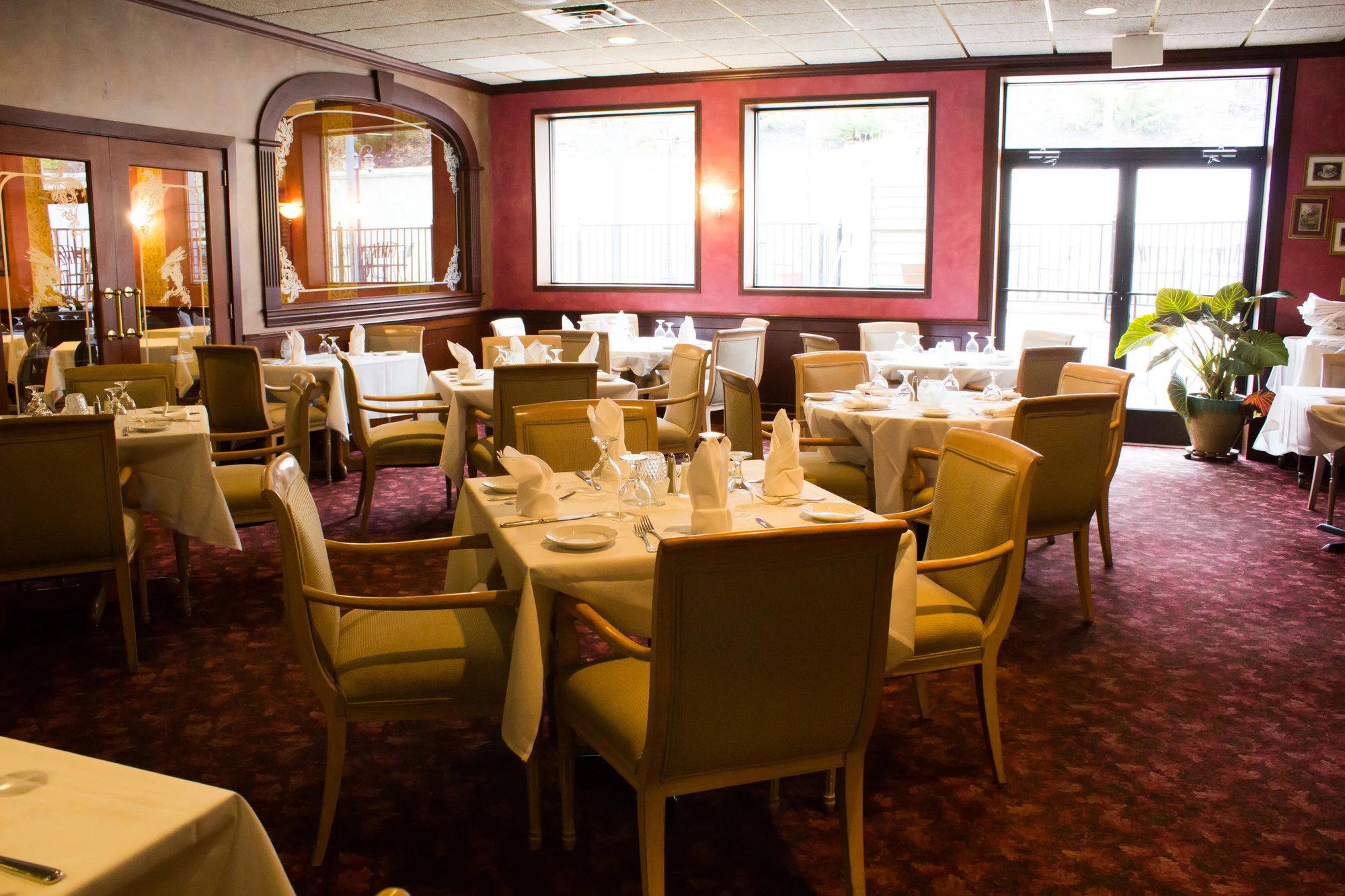
Hotels in Harrisburg
Browse all →
Stock's on 2nd
The wine
- Extensive wine list
- Craft cocktails
- Beer program
Details
- Sophisticated
- Cozy
- Lively
- Business Dinner
- Casual Hangout
- After Work
- Group Dining
- Live Music
- Private Dining
- Craft Cocktails
- Extensive Wine List
- Beer Program
- Farm To Table
- Local Sourcing
- A La Carte
- Bourbon
- Whiskey
- Craft Cocktails
- Vegetarian Friendly
Current opening hours
- Monday
- 11:30 AM–9 PM
- Tuesday
- 11:30 AM–9 PM
- Wednesday
- 11:30 AM–9 PM
- Thursday
- 11:30 AM–9 PM
- Friday
- 11:30 AM–10 PM
- Saturday
- 5–10 PM
- Sunday
- Closed
Hours can change for holidays and private events. Hours as of .
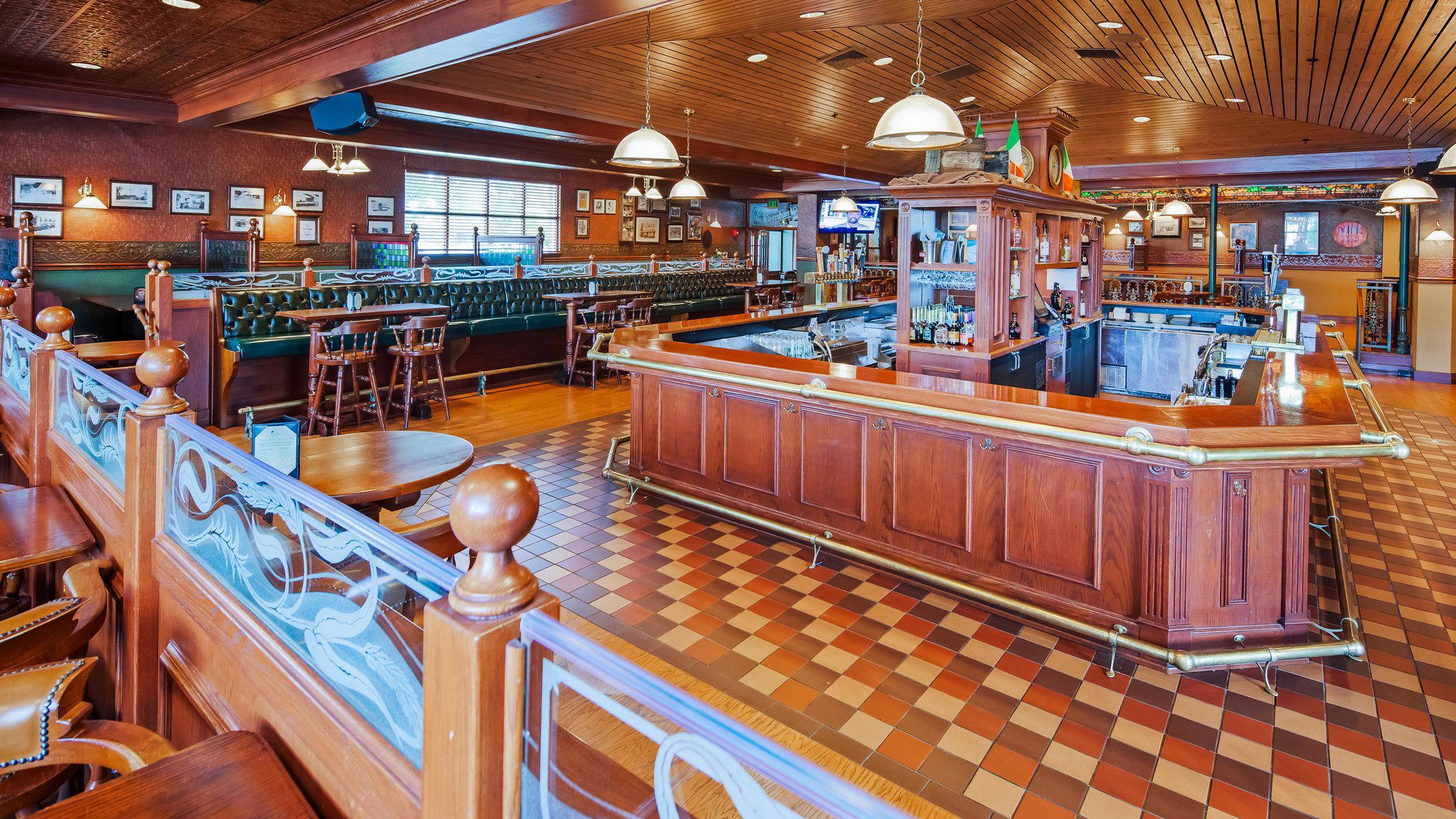
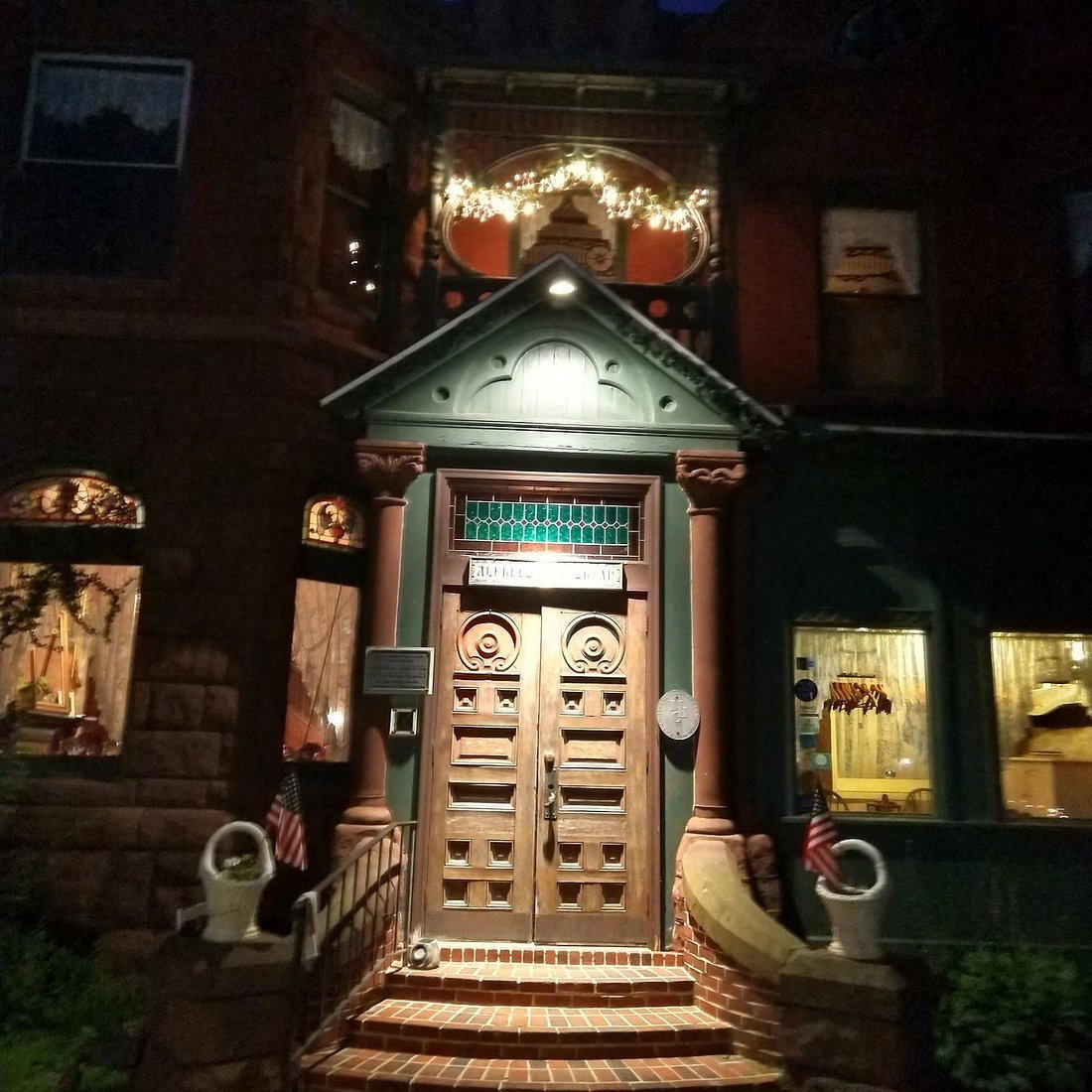
Warm and inviting with a casual diner atmosphere polished by sophisticated plating; the bar side can be lively and noisy while dining areas offer a more relaxed setting.