El Gaucho

El Gaucho occupies a prominent address on Western Avenue in Seattle's Belltown, positioning itself within the city's most concentrated stretch of upscale dining. The restaurant trades in the American steakhouse tradition, offering a formal sit-down experience that sits at the higher end of Seattle's evening-dining tier. For visitors orienting around Belltown or the Pike Place Market corridor, it anchors the western edge of that neighbourhood's dining geography.
Pearl is the En Primeur Club membership app — saves, bookings, and concierge access live there. Same editors, same standards.
- Address
- 2200 Western Ave Ste. 101, Seattle, WA 98121
- Phone
- +12067281337
- Website
- elgaucho.com
- Directions
- Get directions
 Saves & bookings on Pearl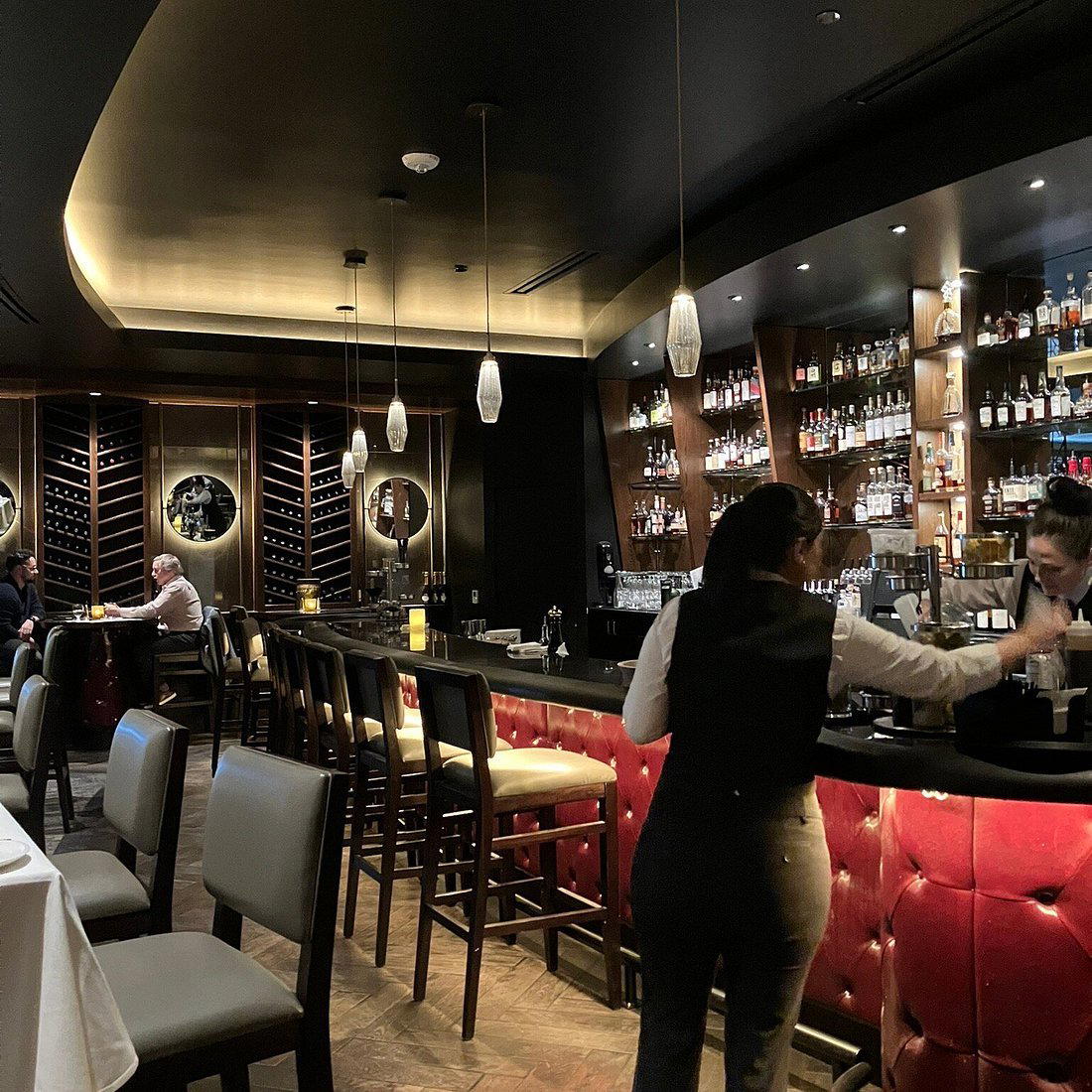
Belltown's Western Edge and What It Signals
Western Avenue runs along the base of Seattle's downtown bluff, parallel to the waterfront and one block above Elliott Bay. El Gaucho is a restaurant in Seattle's Belltown neighborhood at 2200 Western Ave Ste. 101. The positioning matters: guests arrive at a venue that sits between the city's financial core and the Pike Place Market district, which means the foot traffic skews toward business diners, hotel guests from the nearby waterfront properties, and out-of-town visitors with restaurant-aware itineraries. That context shapes the atmosphere before anyone sits down.
In American cities, the steakhouse format occupies a specific cultural register, formal without being precious, theatrical without being experimental. Seattle's version of that register is slightly less codified than, say, Chicago's or New York's, where the genre has deeper historical roots. El Gaucho draws on that tradition and adapts it for a Pacific Northwest audience that expects quality sourcing even in conservative formats. The result is a room that reads as occasion dining for locals and as a reliable reference point for visitors who want a grounded, familiar format.
The Steakhouse Tradition in a Pacific Northwest Context
The American steakhouse as a category has bifurcated over the past decade. On one side sit the national chain operations, which compete on consistency and price-point familiarity. On the other sit the independently operated rooms that justify higher price floors through provenance, technique, and service depth. El Gaucho positions in the latter tier. Canlis, the city's long-running fine dining institution, operates in a different format entirely. Joule, which takes a New Asian approach to premium proteins, occupies the same price conversation from a different culinary direction.
Nationally, the reference points for this kind of room are venues like Emeril's in New Orleans, where a formal American dining tradition is sustained by both local loyalty and visitor spend, or Providence in Los Angeles, which operates at a comparable price tier with a seafood rather than beef focus. The comparison isn't about cuisine equivalence but about what sustained, independently operated formal dining looks like in American cities where there's enough consistent demand to support it.
Seattle's dining scene has grown considerably in ambition over the past fifteen years. Venues like 1415 1st Ave and addresses along 1744 NW Market St reflect the city's range, from neighbourhood-focused independents to destination-driven rooms. The restaurant sits closer to the destination end of that spectrum, drawing diners who are making a deliberate choice rather than stumbling in from the street.
Format, Atmosphere, and Occasion
What the steakhouse format offers that few other dining genres can replicate is predictability at a high level. Guests know the structure: tableside preparation, a la carte ordering, wine lists organised by weight and origin. That predictability is not a limitation, it's the product. For anniversary dinners, client meals, or out-of-town visits, the format performs a specific social function. The restaurant's room on Western Avenue is built to deliver that. The Belltown location adds the city's skyline proximity without the immediate waterfront strip further south.
The Western Avenue address at street level means the approach has an urban directness, no valet choreography staged across a hotel lobby, no elevator to a rooftop. You walk in from the street. The neighbourhood's character is less polished than South Lake Union's newer commercial districts but more established than Capitol Hill's restaurant row, which runs younger and louder. For formal evening dining, Belltown's density of options means guests can make a night of it, a drink nearby before, dinner at the restaurant, without needing to plan across multiple neighbourhoods.
The guide covers formats from 2963 4th Ave S in SoDo to the neighbourhood spots that define Seattle's less-covered dining geographies.
Placing El Gaucho in the National Formal Dining Conversation
For diners who move between cities and track formal American dining as a category, the restaurant's Seattle address fits into a recognisable pattern: cities of a certain size and wealth density can sustain one or two rooms in this tier indefinitely, provided they serve both local repeat business and visitor spend. The model works in New Orleans, it works in San Francisco where Lazy Bear occupies a different but comparably priced tier, and it works in Napa where The French Laundry has long set the benchmark for what formal American dining can mean at its most committed. Seattle's market isn't Napa, but the tech economy has created a local spending base that supports sustained formal dining in a way that was less reliable a generation ago.
The international comparison extends further: Atelier Moessmer Norbert Niederkofler in Brunico represents the European equivalent of regionally anchored fine dining that draws from both local loyalty and destination visitors, different cuisine entirely, but the same structural logic. Closer to home, Blue Hill at Stone Barns in Tarrytown and Addison in San Diego illustrate how American formal dining continues to diversify while the steakhouse tier holds its position as among the more stable segments of the category.
Planning Your Visit
Logistics at a Glance
| Detail | The restaurant | Canlis (comparison) | Joule (comparison) |
|---|---|---|---|
| Format | Formal steakhouse, a la carte | Fine dining, tasting and a la carte | New Asian, chef-driven |
| Address | 2200 Western Ave Ste. 101, Belltown | 2576 Aurora Ave N, Queen Anne | Capitol Hill |
| Neighbourhood character | Urban, walkable, business-adjacent | refined, destination drive required | Neighbourhood, younger crowd |
| Occasion fit | Business dinners, formal occasions | Celebrations, tasting-format fans | Date nights, food-forward diners |
| Booking advice | Reserve in advance for weekends | Reserve well ahead; limited seatings | Book ahead; fills quickly |
The restaurant's Western Avenue address is accessible on foot from major downtown hotels and from the Pike Place Market area. Advance reservations are advisable.
Cuisine and Credentials
Comparable venues nearby, for context on price, style, and recognition.
| Venue | Cuisine | Price | Notes |
|---|---|---|---|
| El GauchoThis venue — the venue you are viewing | Classic Steakhouse | $$$$ | Not listed |
| Bateau | Modern whole-animal steakhouse | $$$$ | Capitol Hill |
| Prelude at McCaw Hall | Contemporary American | $$$$ | Uptown |
| The Butcher's Table | Modern Wagyu Steakhouse | $$$$ | Denny Triangle |
| wa'z | Modern Japanese Kaiseki | $$$$ | Uptown Triangle |
| Tomo | Modern Japanese-American Fusion | $$$$ | Roxbury Heights |
Recognition history
Dated appearances from independent guides and award organizations, with the underlying list record or original source where available.
Opinionated About Dining Casual in North America Recommended
Opinionated About Dining
Continue exploring
More in Seattle
Restaurants in Seattle
Browse all →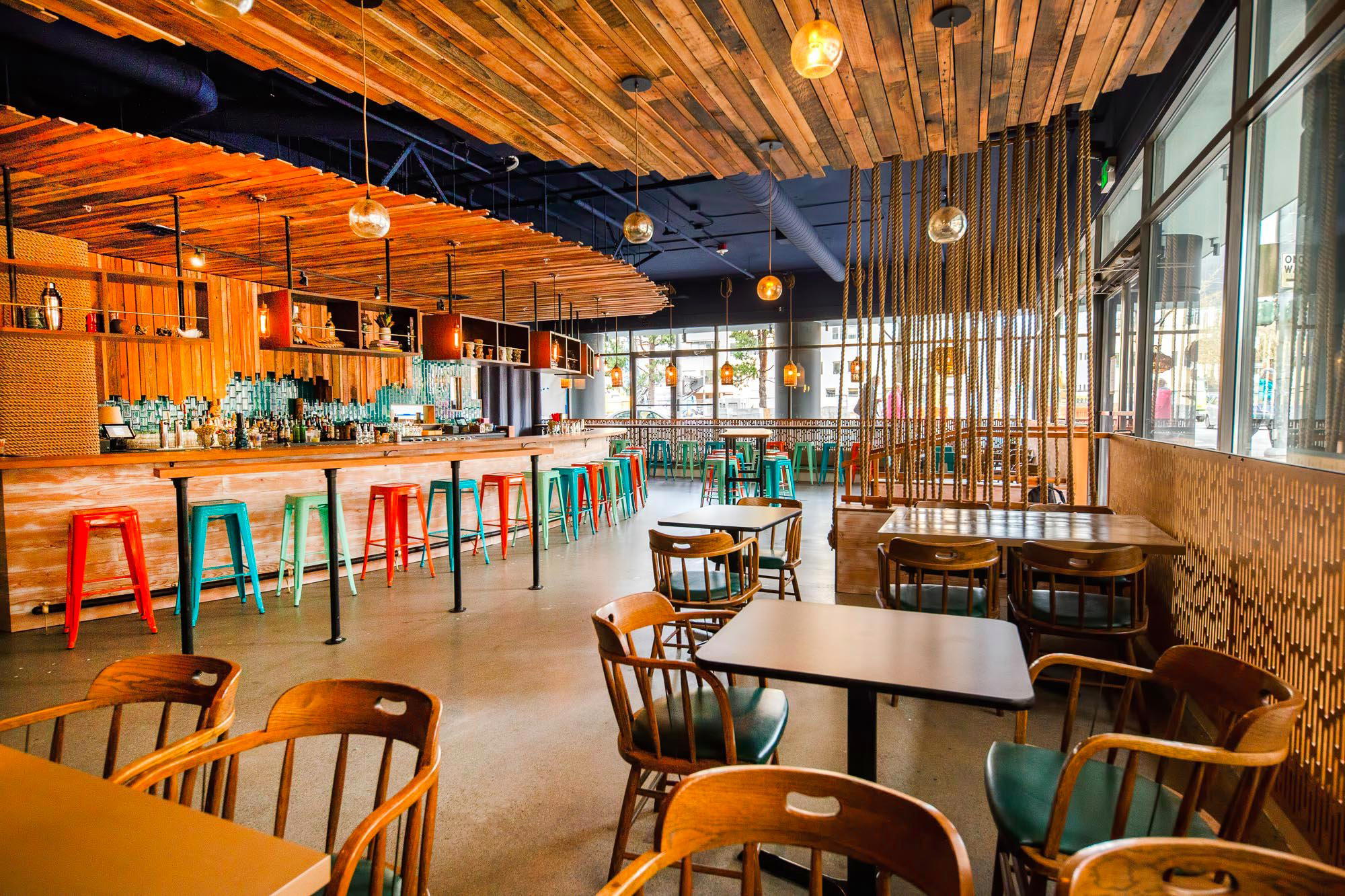
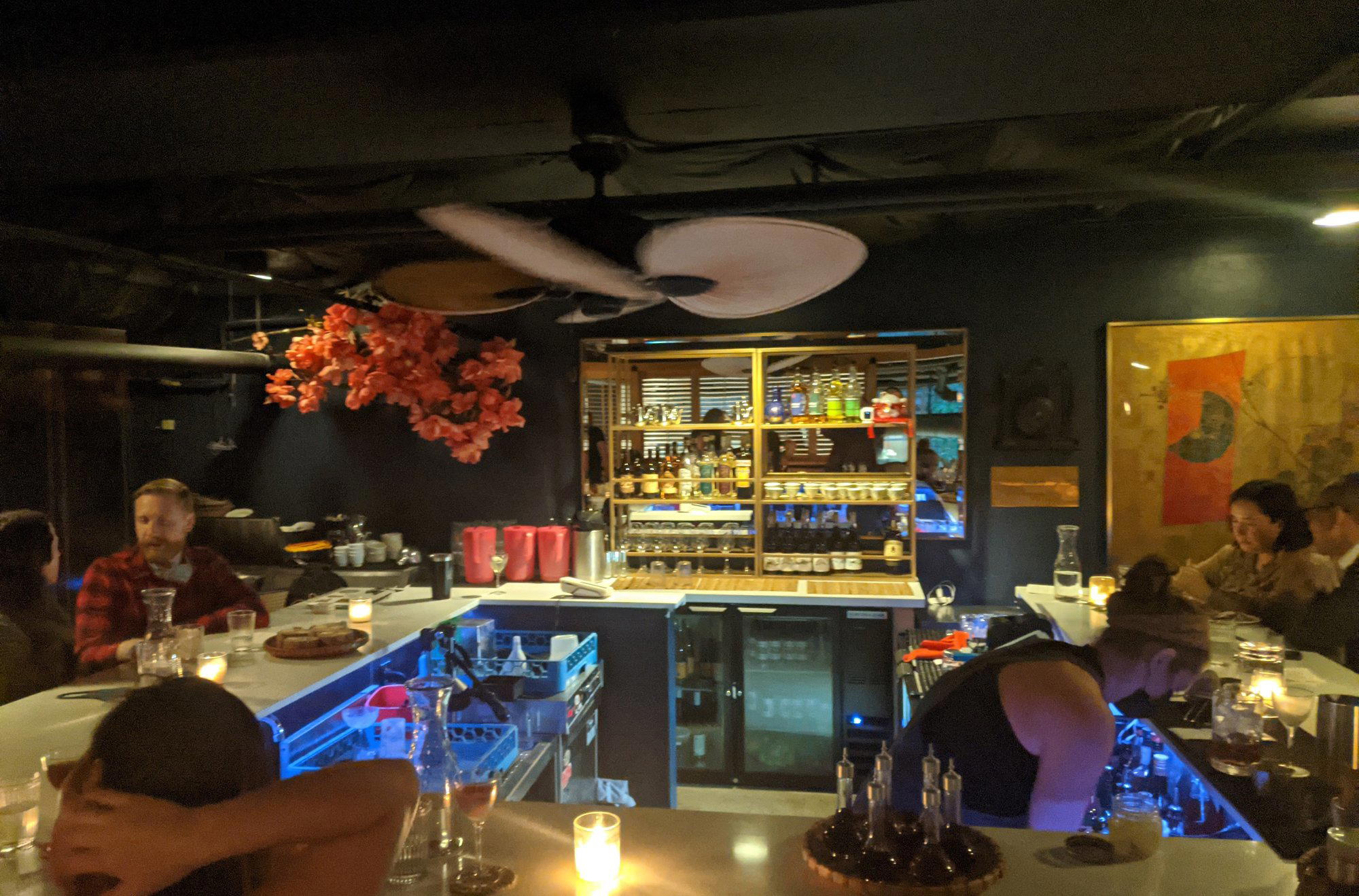
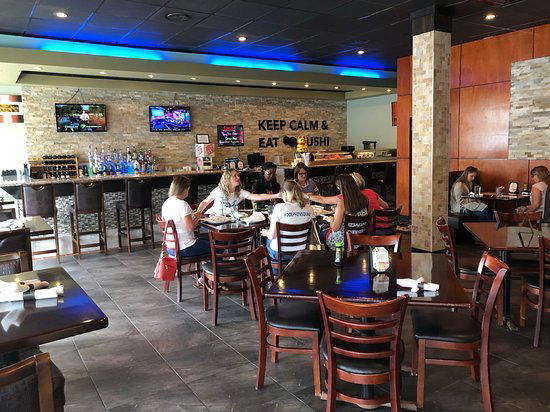
Bars in Seattle
Browse all →
Hotels in Seattle
Browse all →
At a Glance
- Elegant
- Classic
- Sophisticated
- Intimate
- Date Night
- Special Occasion
- Business Dinner
- Open Kitchen
- Historic Building
- Private Dining
- Extensive Wine List
- Local Sourcing
Current opening hours
- Monday
- Closed
- Tuesday
- 4–9 PM
- Wednesday
- 4–9 PM
- Thursday
- 4–9 PM
- Friday
- 4–10 PM
- Saturday
- 4–10 PM
- Sunday
- Closed
Hours can change for holidays and private events. Last verified .
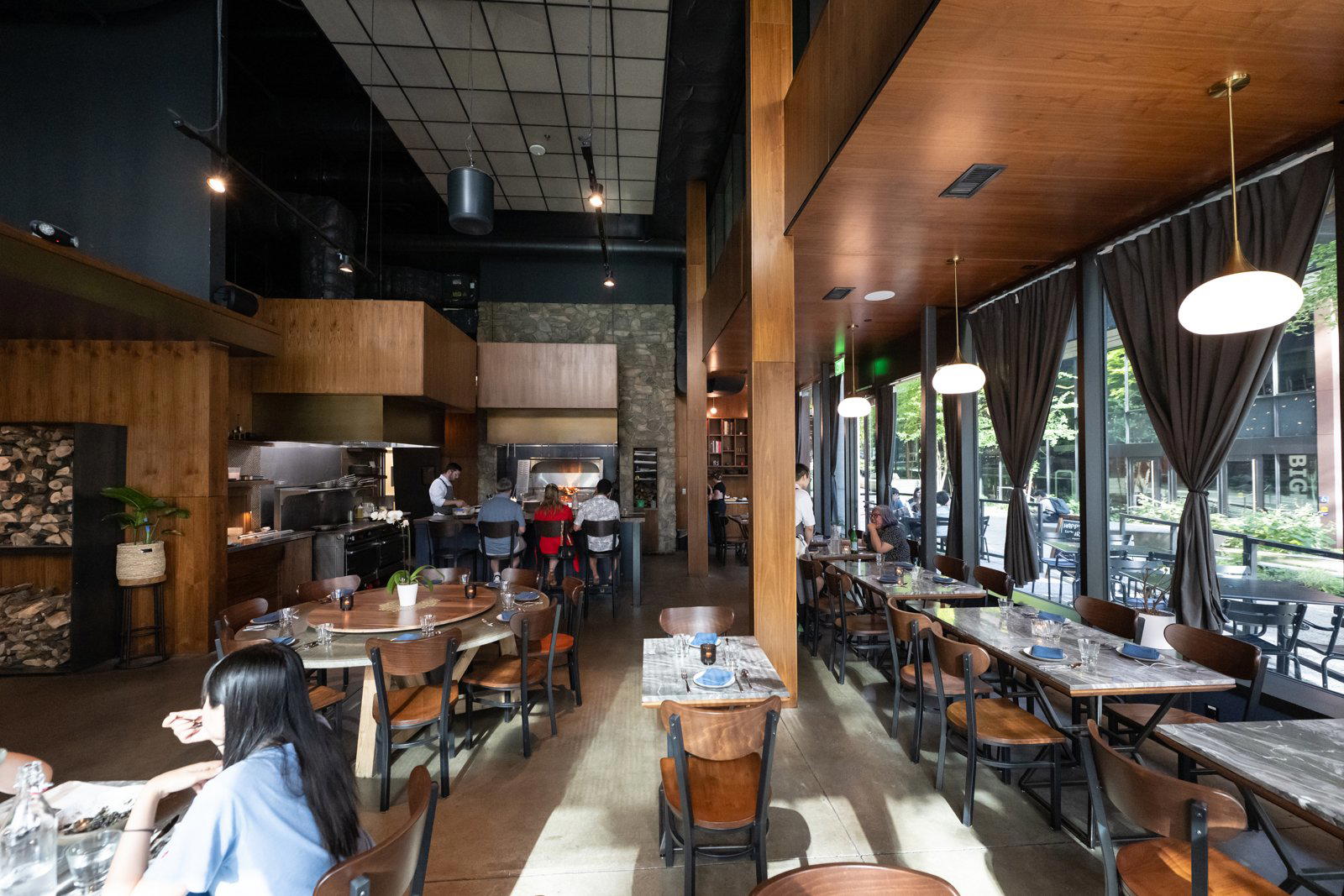
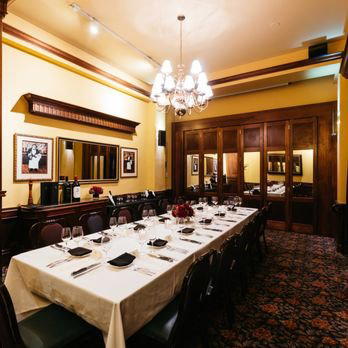
Elegant noir atmosphere with polished old-school service, wood beams, and exposed historic elements creating a sophisticated, ritualistic dining experience.