El Corral
El Corral occupies a mid-century address on East River Road that places it within Tucson's longer tradition of Western-influenced steakhouse dining. Against a Sonoran dining scene increasingly shaped by sourcing transparency and regional identity, El Corral represents a particular strand of Arizona hospitality, old-guard in format, locally rooted in character, and worth understanding in the context of the city's evolving restaurant conversation.
Pearl is the En Primeur Club membership app — saves, bookings, and concierge access live there. Same editors, same standards.
- Address
- 2201 E River Rd, Tucson, AZ 85718
- Phone
- +15202996092
- Website
- elcorraltucson.com
- Directions
- Get directions
 Saves & bookings on Pearl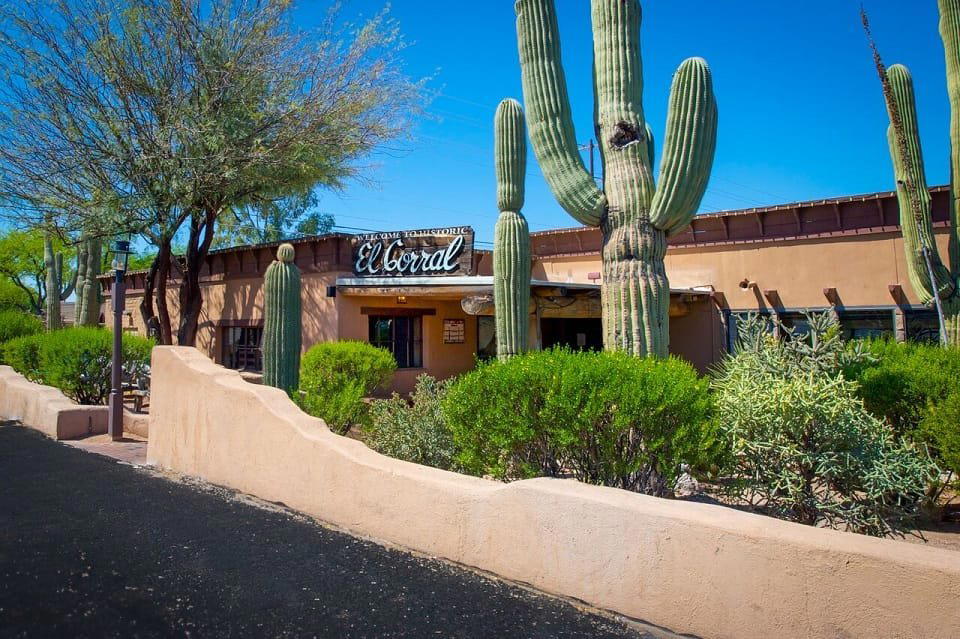
Where the Old Sonoran West Still Sets the Table
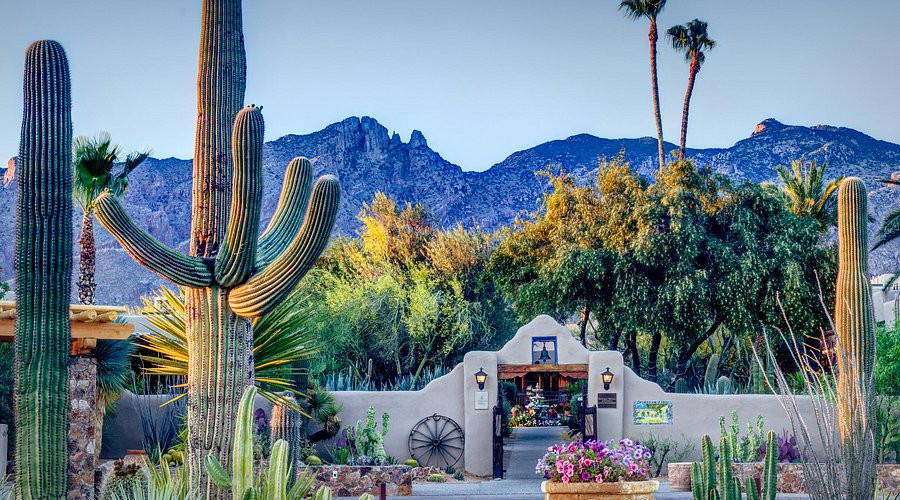
East River Road in Tucson runs along the northern edge of the city with the Santa Catalina Mountains as a constant presence to the north. The addresses along this corridor tend toward the established rather than the experimental, medical campuses, mid-century commercial strips, and restaurants that have been feeding the same neighborhoods for decades. El Corral at 2201 E River Rd is a Classic American Steakhouse in Tucson, with a casual dress code and walk-in-friendly service.
In a dining city that increasingly frames its identity around Sonoran cuisine and border-crossing culinary dialogue, venues like BOCA by Chef Maria Mazon have put Tucson on a national map defined by regional specificity and cultural depth, and the survival of the Western steakhouse format remains part of that story. What does it mean to source beef in the desert Southwest? What relationship does a long-running Arizona beef house maintain with the ranching landscape that surrounds it? These are not rhetorical questions. They are the ones that distinguish a restaurant with genuine regional roots from one that simply dresses the part.
The Steakhouse Format and the Sustainability Conversation
Across American fine and mid-tier dining, the steakhouse is the format under sustained scrutiny from an environmental standpoint. Beef production accounts for a significant share of agricultural greenhouse gas emissions, and the high-volume, multiple-cut model that defines most steakhouse operations sits awkwardly alongside the sourcing transparency that venues like Blue Hill at Stone Barns in Tarrytown and Single Thread Farm in Healdsburg have built into their identities at the highest tier of American dining.
Arizona, however, is cattle country in a way that coastal dining culture sometimes forgets. The state's ranching history predates statehood, and the Sonoran Desert supports a specific tradition of open-range beef production that operates at a different ecological and logistical scale than feedlot commodity beef. When a Tucson steakhouse draws from regional ranching supply rather than national distribution networks, the sustainability calculus shifts. Shorter supply chains, land-adapted cattle breeds, and producer relationships built over generations represent a different model than what most metropolitan steakhouses operate on. The geographic and cultural context places that possibility within reach in a way it simply would not be for a comparable address in, say, downtown Chicago or midtown Manhattan.
This is the frame in which Tucson's older restaurants deserve to be read: not against the innovation metrics of Smyth in Chicago or the agricultural integration of The French Laundry in Napa, but against the specific conditions of the Sonoran Southwest, where proximity to ranching supply and a culture of meat-centered hospitality create a context all their own.
El Corral in Tucson's Broader Dining Picture
Tucson earned UNESCO Creative City of Gastronomy designation in 2015, the first American city to receive it, and the designation was grounded in the depth and continuity of the region's food traditions rather than in any single cutting-edge restaurant. That framing matters for understanding how a venue like El Corral fits into the city's food identity. Longevity and rootedness carry cultural weight here in a way that newer dining cities sometimes discount.
The Tucson restaurant conversation now covers a significant range. Ethiopian cuisine has a serious presence, anchored by spots like Cafe Desta. Mexican and Sonoran traditions run deep, with AMELIAS MEXICAN KITCHEN representing one end of that conversation. Neighborhood-scaled, ingredient-focused operations like 5 Points Market and Restaurant have built loyal followings on sourcing transparency and market-driven cooking. Coffee culture has its own dedicated voices, including Barista del Barrio. The full range of what Tucson is doing across formats and price points is worth exploring through a Tucson restaurants guide.
Against that range, the Western steakhouse occupies a specific and underexamined position. It is not competing with the sourcing-led transparency of venues like Providence in Los Angeles or the tasting-menu precision of Addison in San Diego. Its comparable set is different, more regional, more format-traditional, and it should be evaluated on that basis.
What to Eat at El Corral
The steakhouse format in the American Southwest has historically centered on dry-aged or simply prepared beef cuts, mesquite-influenced cooking methods, and side dishes that reflect the region's agricultural pantry: beans, roasted chiles, corn preparations. At a venue with the address history and format of the restaurant, the reasonable expectation is a menu organized around beef as the main event, with supporting dishes that reflect the surrounding food culture. Ordering strategy at any steakhouse of this type follows a consistent logic: focus on the cut you want at the temperature you want it, and treat sides as supporting information rather than the main argument. The venue's longevity in a competitive city suggests a level of execution consistency that repeat customers have evidently found satisfying over time.
Planning Your Visit
The restaurant's East River Road location places it in the northern residential and commercial corridor of Tucson, accessible by car from most parts of the city and from the broader metro area. As a longer-established steakhouse format, reservations are advisable for evening service, particularly on weekends when demand across Tucson's dining options tends to concentrate. Visitors planning a wider exploration of the city's restaurant offerings can pair the restaurant with other Tucson dining stops.
For context on how Arizona's approach to sourcing and regional identity compares to what venues like Le Bernardin in New York City, Atomix in New York City, Emeril's in New Orleans, Lazy Bear in San Francisco, The Inn at Little Washington, and Atelier Moessmer Norbert Niederkofler in Brunico are doing with ethical sourcing and waste reduction at the highest tier of global dining, the contrast is instructive. Those venues have built sourcing transparency into their core identity, with documented supplier relationships and waste-reduction programs that are publicly verifiable. The steakhouse format has room to move in that direction, and in cattle-producing states like Arizona, the geographic conditions make that shift more achievable.
The Essentials
Comparable venues nearby, for context on price, style, and recognition.
| Venue | Cuisine | Price | Notes |
|---|---|---|---|
| El CorralThis venue — the venue you are viewing | Not listed | $$ | Not listed |
| Moby's | Casino Del Sol, Classic American Diner | $$ | Not listed |
| Union Public House | Not listed | $$ | St. Philip’s Plaza, American Gastropub |
| Tito and Pep | midtown, Mesquite-Fired Southwestern | $$ | Not listed |
| HiFalutin Rapid Western Grill | Not listed | $$ | North Oracle Road, Southwestern Western Grill |
| Feast | midtown, Modern American | $$$ | Not listed |
At a Glance
- Rustic
- Classic
- Well Known
- Group Dining
- Special Occasion
- Historic Building
- Open Kitchen
Current opening hours
- Monday
- 5–9 PM
- Tuesday
- 5–9 PM
- Wednesday
- 5–9 PM
- Thursday
- 5–9 PM
- Friday
- 5–9 PM
- Saturday
- 4:30–9 PM
- Sunday
- 4:30–9 PM
Hours can change for holidays and private events. Last verified .
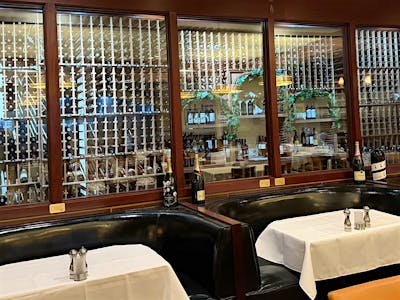
Rustic Old West charm with flagstone floors, wood beam ceilings, cowboy memorabilia, and views of the mesquite wood grill.