El Basque
El Basque brings Basque culinary tradition to Bonita Springs at 25245 Chamber of Commerce Dr, operating in a Southwest Florida dining scene where Spanish regional cooking remains underrepresented. The name signals a specific cultural lineage, the Basque Country's tradition of ingredient-led, technique-disciplined cooking, that separates it from the broader Spanish-American casual category. For travelers moving through Bonita Springs, it represents a distinct alternative to the Italian and American formats that dominate the local restaurant corridor.
Pearl is the En Primeur Club membership app — saves, bookings, and concierge access live there. Same editors, same standards.
- Address
- 25245 Chamber of Commerce Dr, Bonita Springs, FL 34135
- Phone
- +12393014973
- Website
- elbasque.com
- Directions
- Get directions
 Saves & bookings on Pearl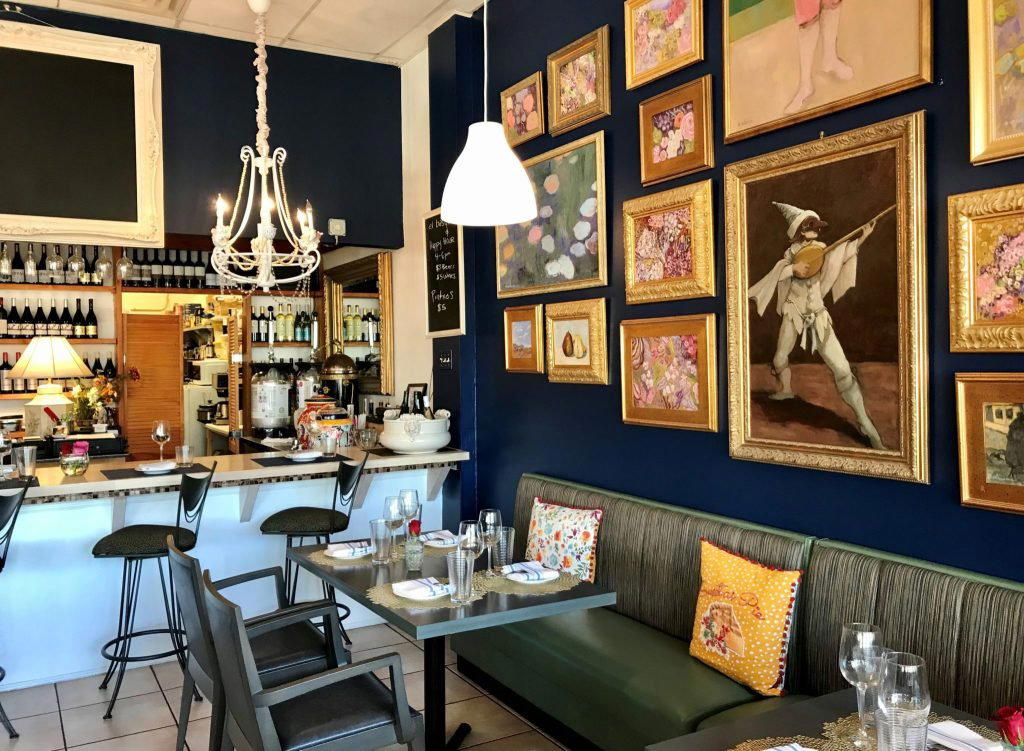
Basque Cooking in Southwest Florida: What the Name Signals
The Basque Country sits across the western Pyrenees, straddling northern Spain and southwestern France, and it carries among the more specific culinary identities in Europe. This is not the Spain of paella and tapas bars scaled for tourism, it is a tradition built around the pintxo counter, the txakoli pour, the wood-grilled fish, and the kind of produce-first discipline that has earned the region a concentration of Michelin stars disproportionate to its size. When a restaurant in Southwest Florida puts that word in its name, it is making a claim. El Basque, at 25245 Chamber of Commerce Dr in Bonita Springs, is making that claim in a market where Spanish regional cooking of any seriousness is rare.
Bonita Springs sits in the corridor between Naples and Fort Myers, a stretch of Lee and Collier County coastline better known for Italian-American dining rooms and casual American formats. The restaurants that have built lasting reputations here, Angelina's Ristorante, La Fontanella Ristorante, operate in that Italian tradition. Manhattan Steakhouse anchors the American steakhouse end. Figs Grille covers a broader Mediterranean territory. El Basque, by positioning around a single Iberian regional tradition, occupies a narrower and less contested space in this market.
The Cultural Architecture of Basque Cuisine
Understanding what El Basque is offering means understanding what Basque cuisine actually is, and what distinguishes it from the broader Iberian category. San Sebastián, the cultural capital of the Spanish Basque Country, holds more Michelin stars per capita than almost any city on earth. That density is not accidental. It reflects a regional food culture where cooking is treated as a serious civic matter, where txoko (gastronomic societies) gather men to cook elaborately for one another, and where the standard of even casual bar food, the pintxo, essentially a small plate on bread, is policed by collective pride rather than commercial pressure.
The cooking idiom that comes out of this tradition tends toward restraint over complexity. Ingredients carry the weight: salt cod prepared as bacalao al pil-pil, its gelatin emulsified into a sauce using only the fish's own collagen and olive oil; marmitako, the fisherman's tuna stew; kokotxas, the gelatinous chin cuts of hake or cod that require technique to handle and produce results unlike anything in French or Italian tradition. Grilled meat over charcoal, particularly txuleton (aged bone-in beef), is the other pillar. The cuisine is not ornate. It is precise.
That precision is what makes Basque-named restaurants interesting to evaluate. A kitchen that takes the name seriously is committing to ingredient quality and technique discipline over decorative presentation. A kitchen that uses the name loosely is borrowing cultural capital without the corresponding standards. For context on what serious Basque-influenced cooking can look like at the highest level, Atelier Moessmer Norbert Niederkofler in Brunico represents one end of the European spectrum in the Alpine tradition. In the American context, venues like Le Bernardin in New York City and Providence in Los Angeles show how seriously technique-led seafood cooking is taken at the summit of the market.
Where El Basque Sits in the Bonita Springs Context
Southwest Florida's dining scene has expanded considerably over the past decade, driven by year-round population growth and a seasonal influx of visitors with higher dining expectations than the market once served. That shift has created space for more specific culinary formats, not just more restaurants, but restaurants with narrower, more defined identities. The restaurant occupies the Spanish regional niche in this expanded market, in a city where that position is effectively uncontested.
The Chamber of Commerce Dr address places the restaurant in a commercial corridor rather than a waterfront or tourist-facing strip, which is a meaningful signal. Restaurants that choose or settle into commercial corridor locations in Southwest Florida tend to be operating on a neighborhood-business model rather than a destination-tourism model. That can mean more consistent quality across seasons and a local repeat-customer base, the kind of environment where a kitchen has to perform reliably rather than coasting on foot traffic. For comparison, Mel's Diner Bonita operates in a similar corridor geography and has built a sustained local following on exactly that logic.
The broader American dining scene has seen sustained interest in Spanish regional cooking over the past fifteen years, partly driven by the global attention on San Sebastián and the Basque Country as a travel and food destination, and partly by the arrival of Basque-trained cooks in American kitchens. Venues like Lazy Bear in San Francisco, Smyth in Chicago, and Single Thread Farm in Healdsburg represent the high end of American cooking that has absorbed European regional influences into serious tasting-menu formats. The restaurant operates in a different register, a community-facing restaurant in a mid-sized Florida city, but the cultural current it is swimming in is the same one.
Planning a Visit
The restaurant is located at 25245 Chamber of Commerce Dr, Bonita Springs, FL 34135. Current booking details and hours of operation are best confirmed directly with the venue. Given the location in a commercial corridor rather than a high-traffic tourist zone, walk-in availability may be more accessible than at waterfront restaurants in the area, but confirming in advance is advisable during peak season months (December through April), when Southwest Florida's population swells significantly.
Travelers who want to place the restaurant in a wider dining itinerary across Florida and the American South might also consider how it connects to the Spanish-influenced cooking traditions of the Gulf Coast more broadly. The culinary DNA of this region, where Iberian, French, and Indigenous influences intersect in ways that are still being mapped by serious restaurants, is a subject that venues from Emeril's in New Orleans to Addison in San Diego and The Inn at Little Washington in Washington approach from different angles. The restaurant approaches it from a specific Iberian regional frame, which is a legitimate and underexplored position in this part of the country.
For reference points at the highest tier of American fine dining, The French Laundry in Napa, Blue Hill at Stone Barns in Tarrytown, and Atomix in New York City each represent the kind of sustained commitment to a culinary tradition that the Basque name implies. The restaurant is operating in a different market and at a different scale, but the question it asks of itself is the same one those venues ask: does the food justify the name?
- Bacalao Croquetas
- Escargot with Mushrooms
- Burnt Cheesecake
- Pil Pil Cod
- Coq Au Vin
- Rossajat Noir
Cost Snapshot
Comparable venues nearby, for context on price, style, and recognition.
| Venue | Cuisine | Price | Notes |
|---|---|---|---|
| El BasqueThis venue — the venue you are viewing | Not listed | $$ | Not listed |
| Tokyo Bay Bonita Springs | Bonita Springs, Japanese Hibachi & Sushi | $$ | Not listed |
| Naples Coastal Kitchen | Not listed | $$ | Bonita Springs, Coastal Seafood & American Grill |
| Angelina's Ristorante | Bonita Springs, Fine Italian | $$$$ | Not listed |
| Manhattan Steakhouse | Bonita Springs, Classic Steakhouse | $$$ | Not listed |
| Figs Grille | Bonita Springs, Mediterranean Fusion | $$$ | Not listed |
Continue exploring
More in Bonita Springs
Restaurants in Bonita Springs
Browse all →
Bars in Bonita Springs
Browse all →

At a Glance
- Intimate
- Cozy
- Elegant
- Romantic
- Date Night
- Special Occasion
- Celebration
- Group Dining
- Casual Hangout
- Private Dining
- Standalone
- Extensive Wine List
- Craft Cocktails
Current opening hours
- Monday
- 4:30–8:30 PM
- Tuesday
- 4:30–8:30 PM
- Wednesday
- 4:30–8:30 PM
- Thursday
- 11:30 AM–3 PM, 4:30–8:30 PM
- Friday
- 11:30 AM–3 PM, 4:30–9 PM
- Saturday
- 11:30 AM–3 PM, 4:30–9 PM
- Sunday
- 11:30 AM–3 PM, 4–7 PM
Hours can change for holidays and private events. Last verified .
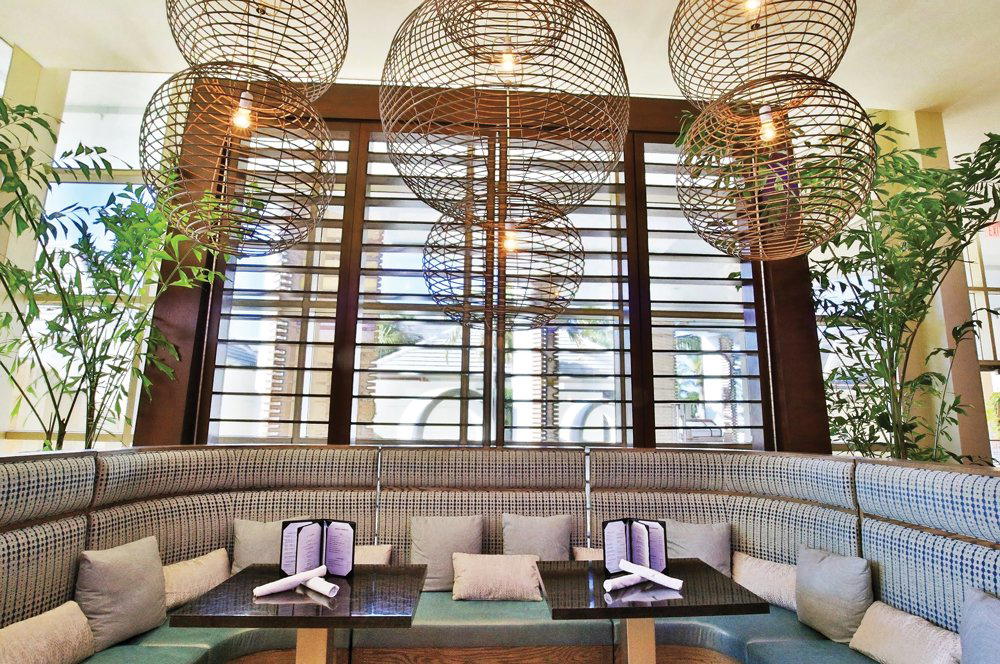
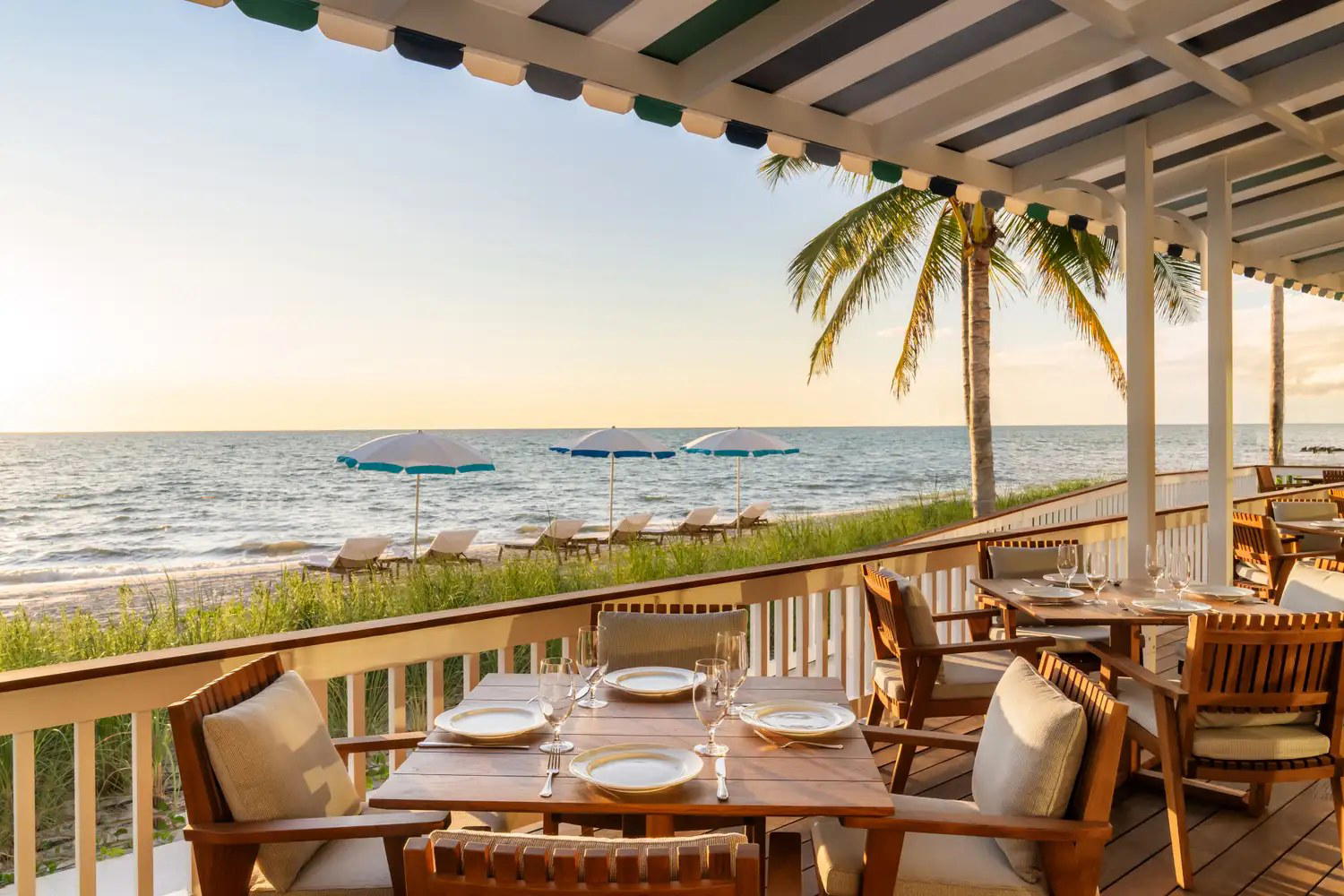
Warm, intimate European café atmosphere with thoughtful table settings, artwork on walls, soft lighting, and conversational acoustics that allows guests to hear themselves talk.