El Barzon
El Barzon on Junction Avenue occupies a particular niche in Detroit's dining scene: a Southwest Side address where Mexican and Italian cooking share the same kitchen and the same serious attention. The room rewards unhurried meals, and the ritual of working through both sides of the menu — tamales alongside pasta — is the point. It is one of Detroit's more genuinely cross-cultural dining propositions.
Pearl is the En Primeur Club membership app — saves, bookings, and concierge access live there. Same editors, same standards.
- Address
- 3710 Junction Ave, Detroit, MI 48210
- Phone
- +13138942070
- Website
- elbarzonrestaurant.com
- Directions
- Get directions
 Saves & bookings on Pearl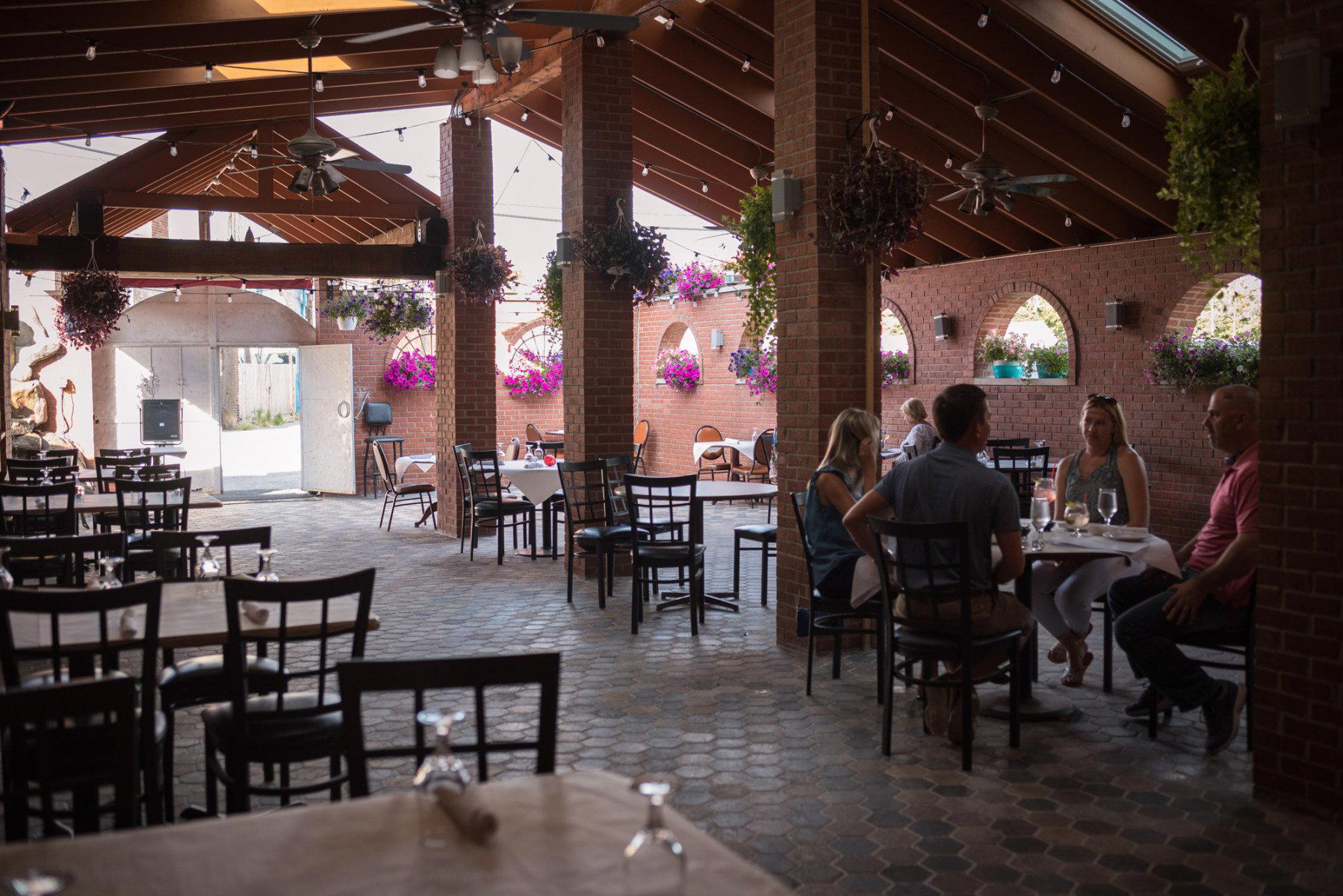
Where Two Kitchens Meet on Junction Avenue
Junction Avenue in Detroit's Southwest Side does not announce itself as a dining destination. The street runs through Mexicantown, one of the city's most ethnically defined corridors, and the neighbourhood's culinary identity has historically been built on taquerias, panaderias, and family-run Mexican restaurants serving a community that has anchored this part of the city for decades. El Barzon sits inside that context but operates against a different logic: its kitchen produces both Mexican and Italian cooking with equivalent seriousness, treating the combination not as fusion but as parallel traditions sharing a roof. That premise is rare enough in American dining that it functions as a genuine editorial fact, not a marketing claim.
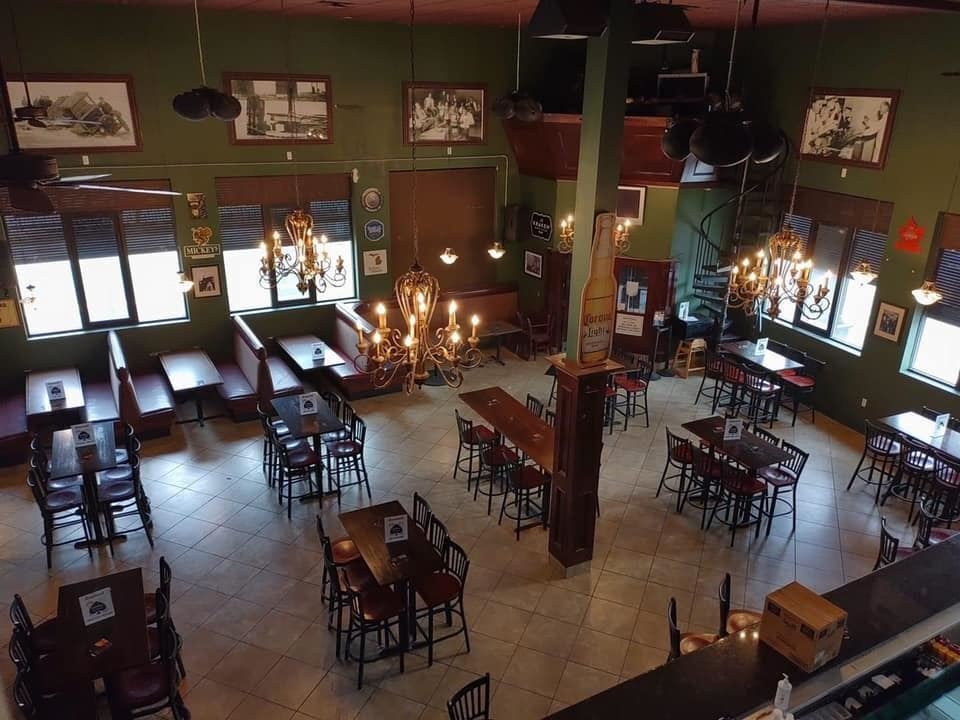
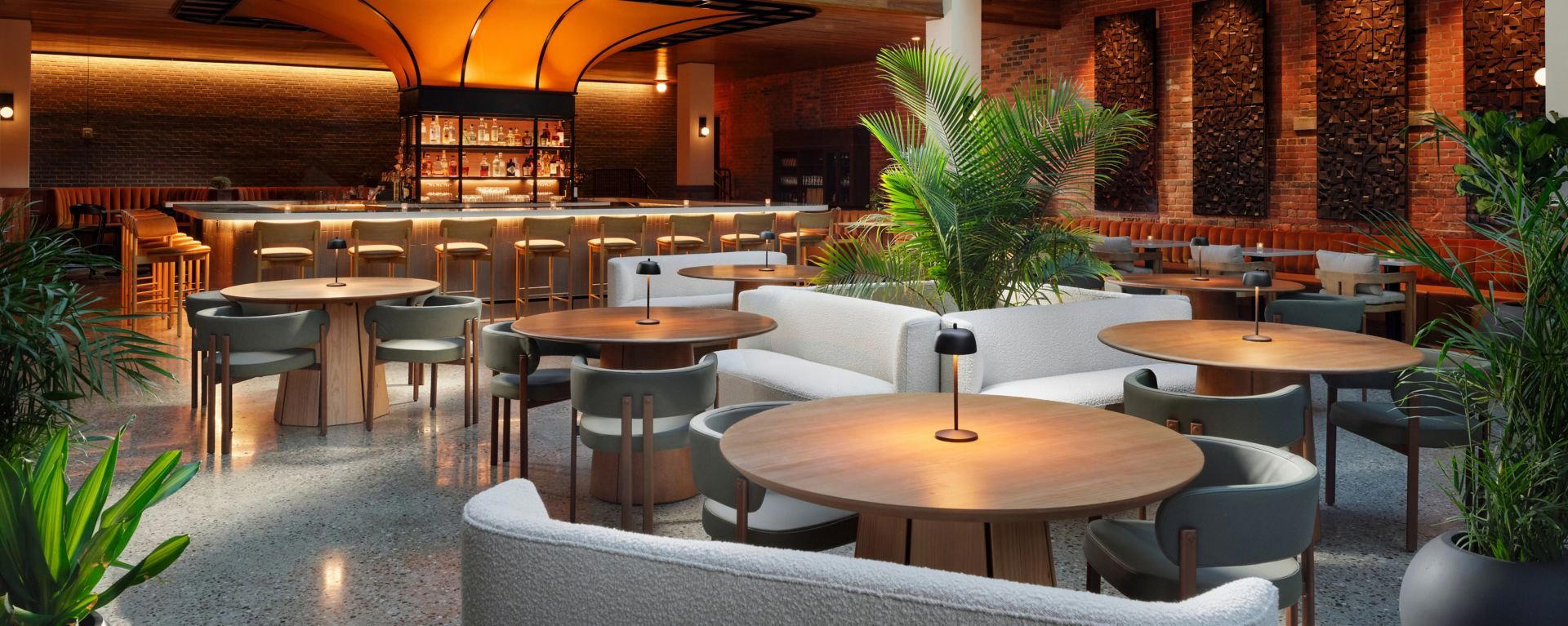
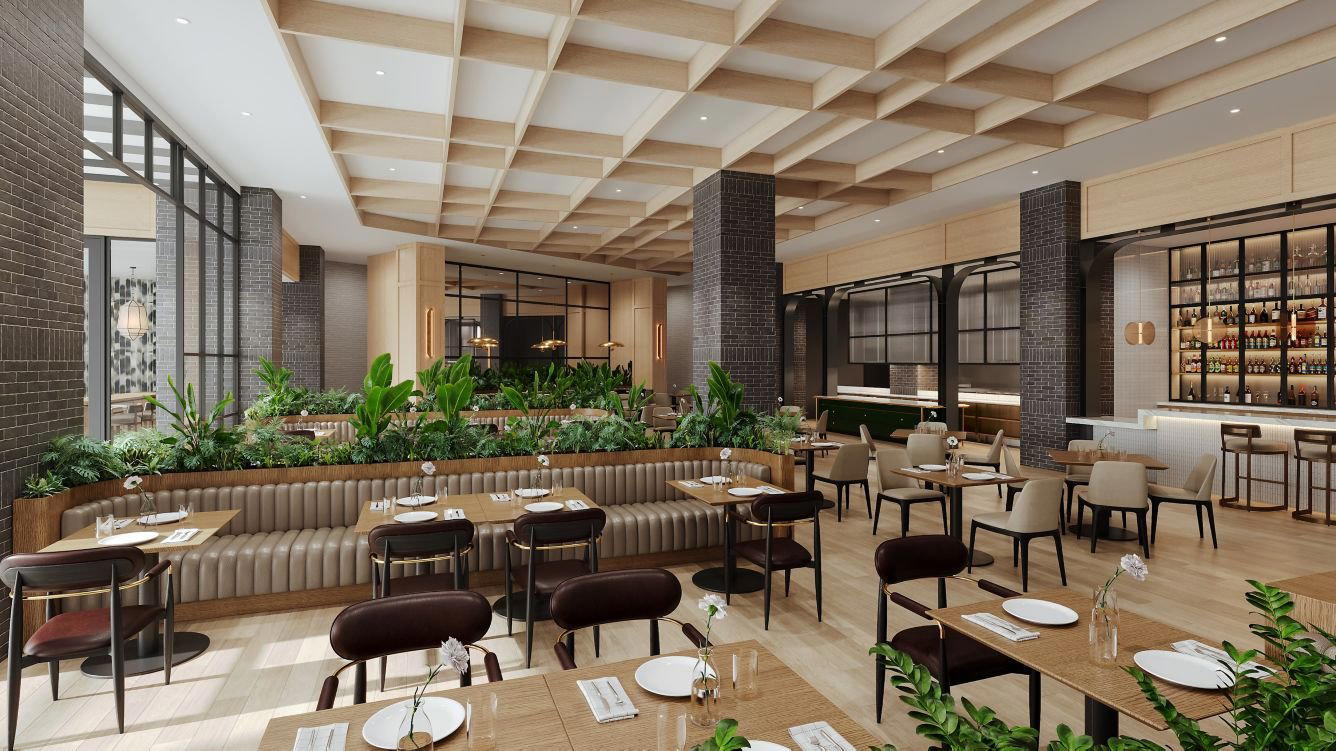
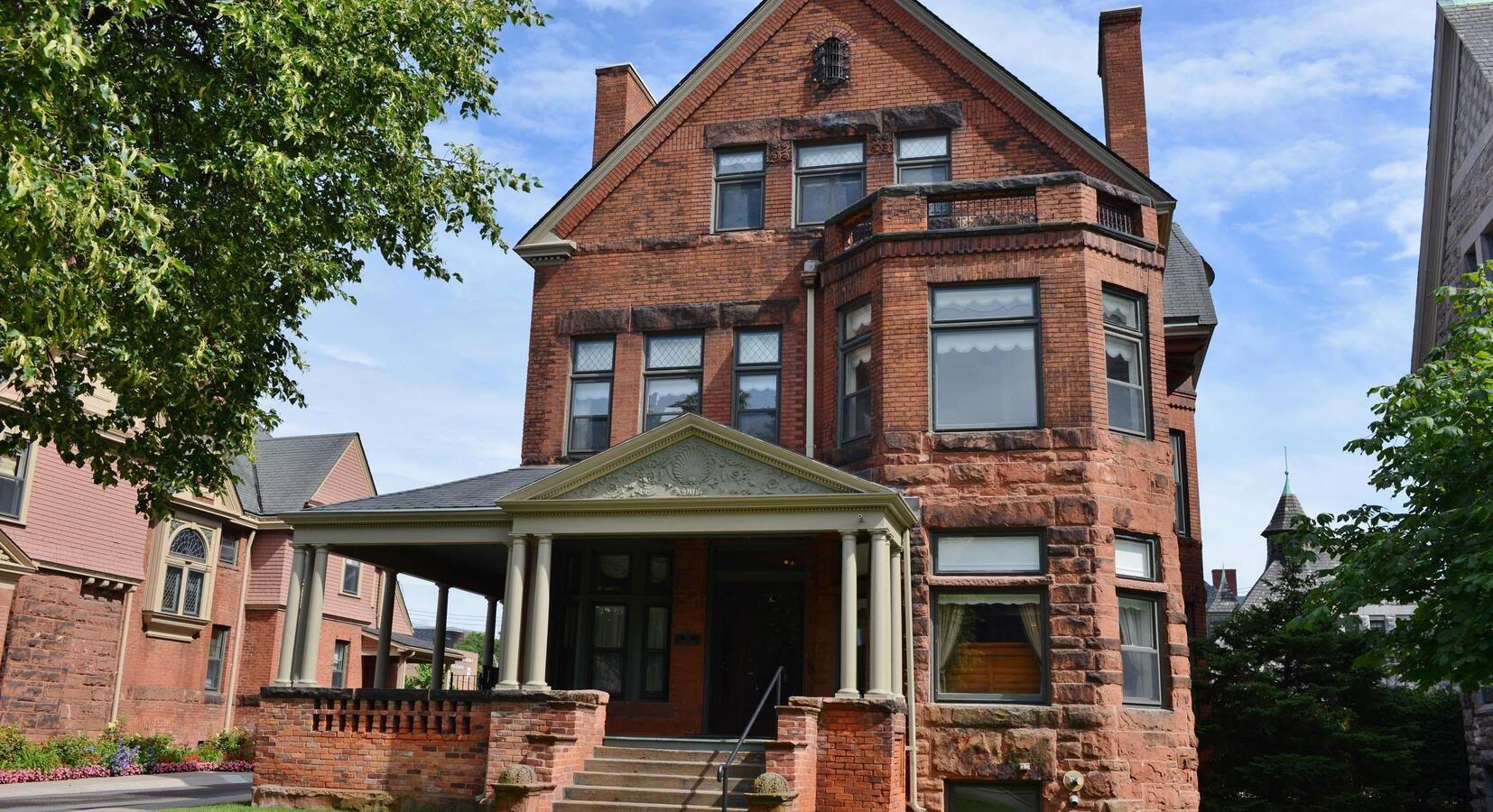
The physical approach matters here. Arriving on Junction Avenue, you are in a working neighbourhood far removed from the renovated warehouse districts that draw most of Detroit's food press coverage. The room at El Barzon carries the character of a place that has earned its audience through repetition rather than launch-moment attention — the kind of restaurant where the regulars know the rhythm of the evening before the menus arrive. For readers accustomed to tracking Detroit's dining scene through its downtown and Midtown axis, the Southwest Side address is itself a calibration point. Venues like ADELINA and Alpino operate in a different neighbourhood register entirely.
The Ritual of a Dual-Kitchen Meal
The defining dining ritual at El Barzon is the decision that arrives with the menu: do you order from one side or both? In practice, the most instructive way to eat here is to treat the two traditions as complementary courses rather than competing options. A table that orders across both sections — moving from a Mexican appetiser to an Italian pasta, or reversing that sequence, is engaging with the restaurant's actual thesis. This is not a place where the Italian side is a concession to a broader audience, nor where the Mexican cooking is the token gesture. Both programmes appear to carry genuine kitchen investment, which is what separates El Barzon from the category of novelty hybrid concepts that have proliferated in American dining over the past decade.
Pacing of a meal here follows the logic of the neighbourhood rather than the compressed service rhythms of downtown dining rooms. Southwest Side Mexican dining in Detroit has its own unhurried cadence, shaped by family-table traditions rather than table-turn pressure. El Barzon appears to inherit that pacing, which suits the dual-menu format: a meal that moves between two culinary traditions benefits from the kind of evening where courses arrive with deliberate spacing rather than competitive efficiency.
For context on how seriously Detroit takes its Mexican-American dining heritage, El Barzon's Mexicantown address is significant. The neighbourhood has more historical depth than most of the city's recently celebrated dining corridors, and a restaurant operating there for an extended period earns its credibility through community loyalty rather than critical cycle attention. Compare that to the more recently emerged Detroit dining conversation that venues like 313 Cinnamon Rolls or Amore da Roma occupy, each operating in a different register of the city's food culture.
Where El Barzon Fits in Detroit's Dining Order
Detroit's restaurant scene has diversified considerably in the past decade, adding serious barbecue operations, East African kitchens like Baobab Fare, modern Mexican concepts represented by venues like Vecino, and New American programmes anchored by places like Selden Standard. El Barzon does not fit cleanly into any of those developing categories.
At the nationally prominent tier of American fine dining, the dual-concept or deeply cross-cultural format remains rare. Restaurants such as Atomix in New York City, Smyth in Chicago, or Lazy Bear in San Francisco each occupy their own distinctive conceptual territory, but they do not attempt El Barzon's particular proposition of fully parallel menus from distinct traditions. At the high-investment end of American dining, venues like The French Laundry in Napa, Le Bernardin in New York City, or Blue Hill at Stone Barns in Tarrytown each operate within a single, tightly defined culinary frame. El Barzon's dual-kitchen model is categorically different, and that difference is what makes it editorially interesting rather than merely neighbourhood-notable.
For readers building a broader itinerary across American dining destinations, other cities offer their own compelling frameworks. Providence in Los Angeles, Addison in San Diego, Emeril's in New Orleans, and The Inn at Little Washington each represent their city's fine-dining identity through a single-minded culinary vision. Single Thread Farm in Healdsburg and Atelier Moessmer Norbert Niederkofler in Brunico extend that logic internationally. El Barzon operates in a different tier and with a different ambition, which is not a criticism, it is an accurate placement.
Planning a Visit
El Barzon is located at 3710 Junction Ave in Detroit's Mexicantown neighbourhood. The Southwest Side address means a short drive or rideshare from downtown Detroit; this is not a walkable destination from the city's main hotel cluster. Given the neighbourhood's identity as a working residential corridor rather than a tourist dining strip, the experience of arriving and dining here is meaningfully different from eating in Midtown or Corktown. Visitors exploring the full range of Detroit's dining culture, tracked through our full Detroit restaurants guide, should treat El Barzon as a specific excursion into the Southwest Side rather than a stop on a consolidated downtown evening. As a community-facing restaurant in an established neighbourhood, El Barzon serves an audience that extends well beyond the city's dining enthusiasts, which tends to keep the room grounded in a way that more trend-responsive operations are not. Reservations are advisable for weekend evenings; the venue's dual-menu format and neighbourhood regulars mean the room fills with a different logic than downtown dining rooms governed by OpenTable cycles. Specific hours, booking methods, and current pricing were not available at time of writing, confirm directly with the restaurant before visiting.
Quick Comparison
| Venue | Cuisine | Price |
|---|---|---|
| El BarzonThis venue — the venue you are viewing | This venue | Not listed |
| Selden Standard | New American | New American |
| Slow Bars Bar-BQ | Barbecue | Barbecue |
| Vecino | Modern Mexican | Modern Mexican |
| Baobab Fare | East African | East African |
At a Glance
- Cozy
- Rustic
- Date Night
- Special Occasion
- Standalone
Current opening hours
- Monday
- Closed
- Tuesday
- 11 AM–2:30 PM, 5–9 PM
- Wednesday
- 11 AM–2:30 PM, 5–9 PM
- Thursday
- 11 AM–2:30 PM, 5–9 PM
- Friday
- 11 AM–2:30 PM, 5–10 PM
- Saturday
- 4–10 PM
- Sunday
- 5–8 PM
Hours can change for holidays and private events. Last verified .
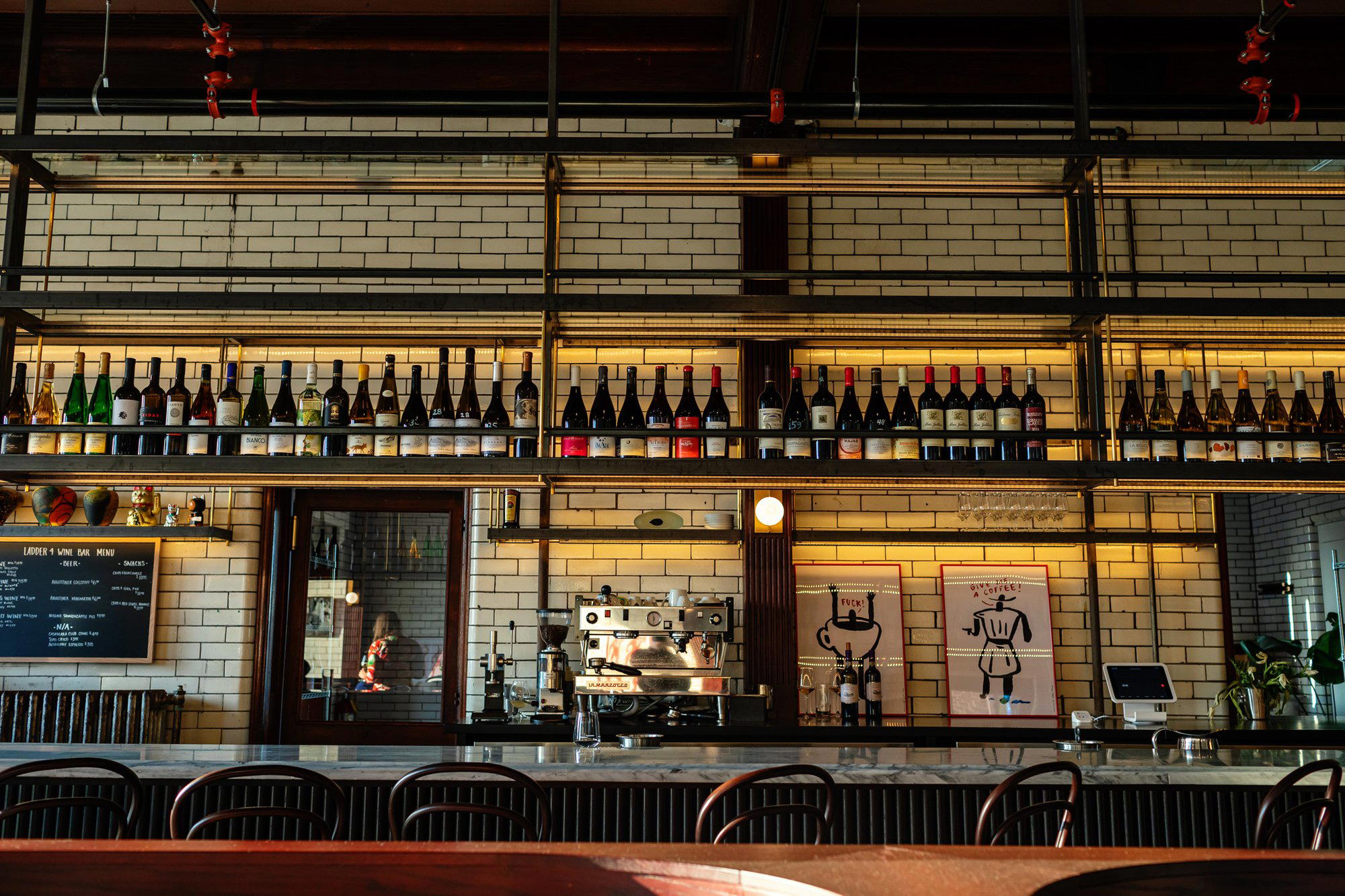
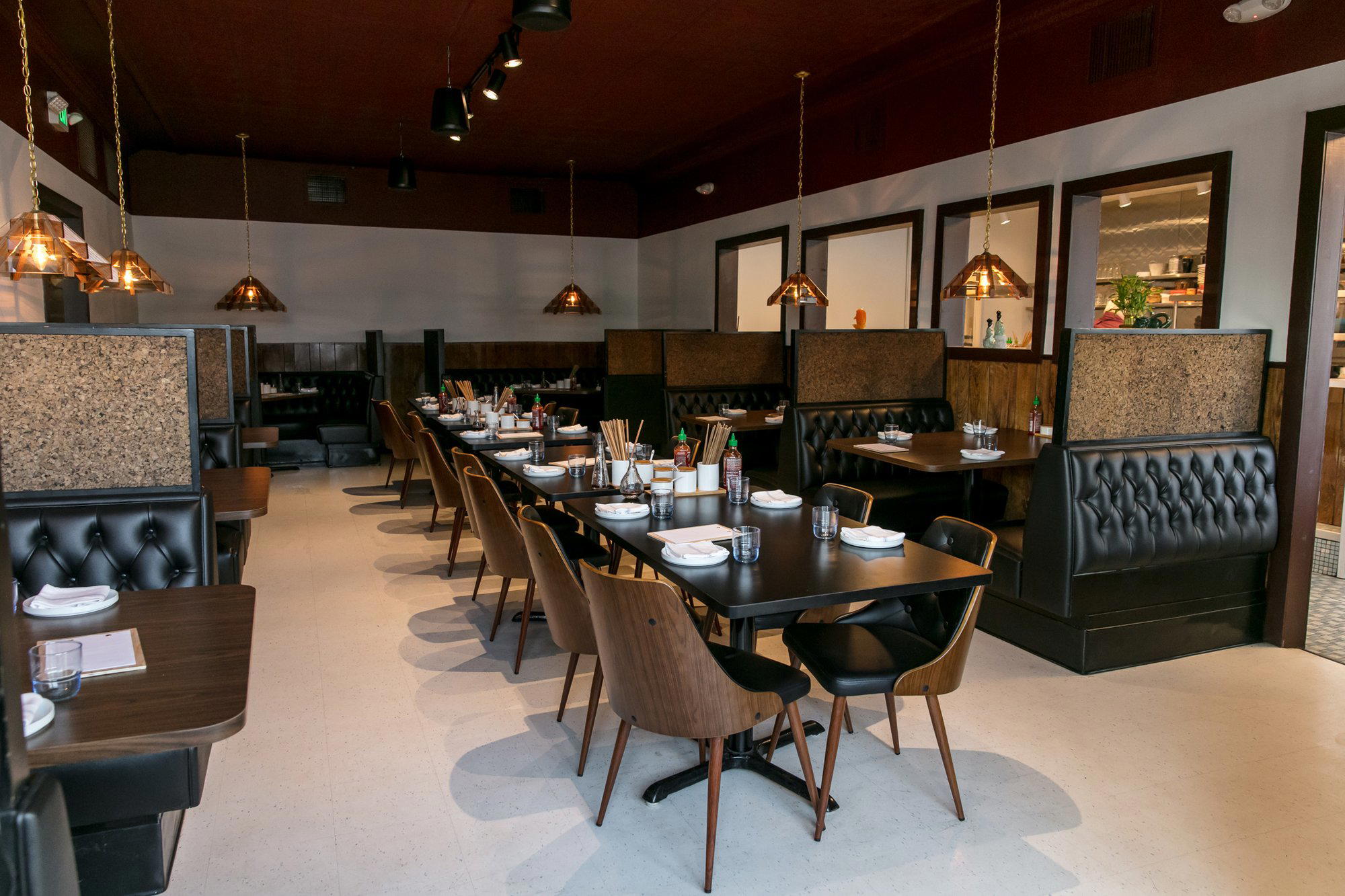
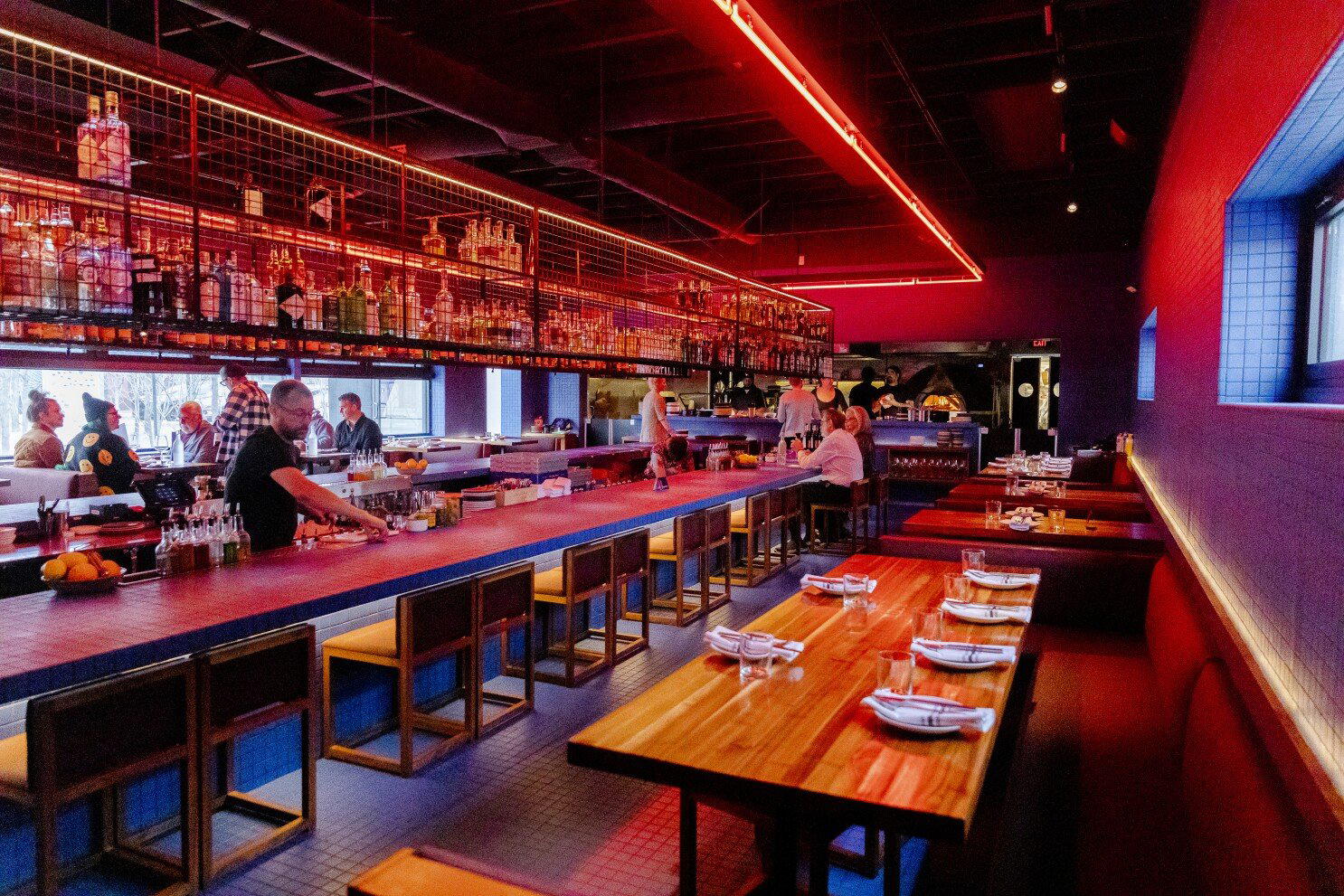
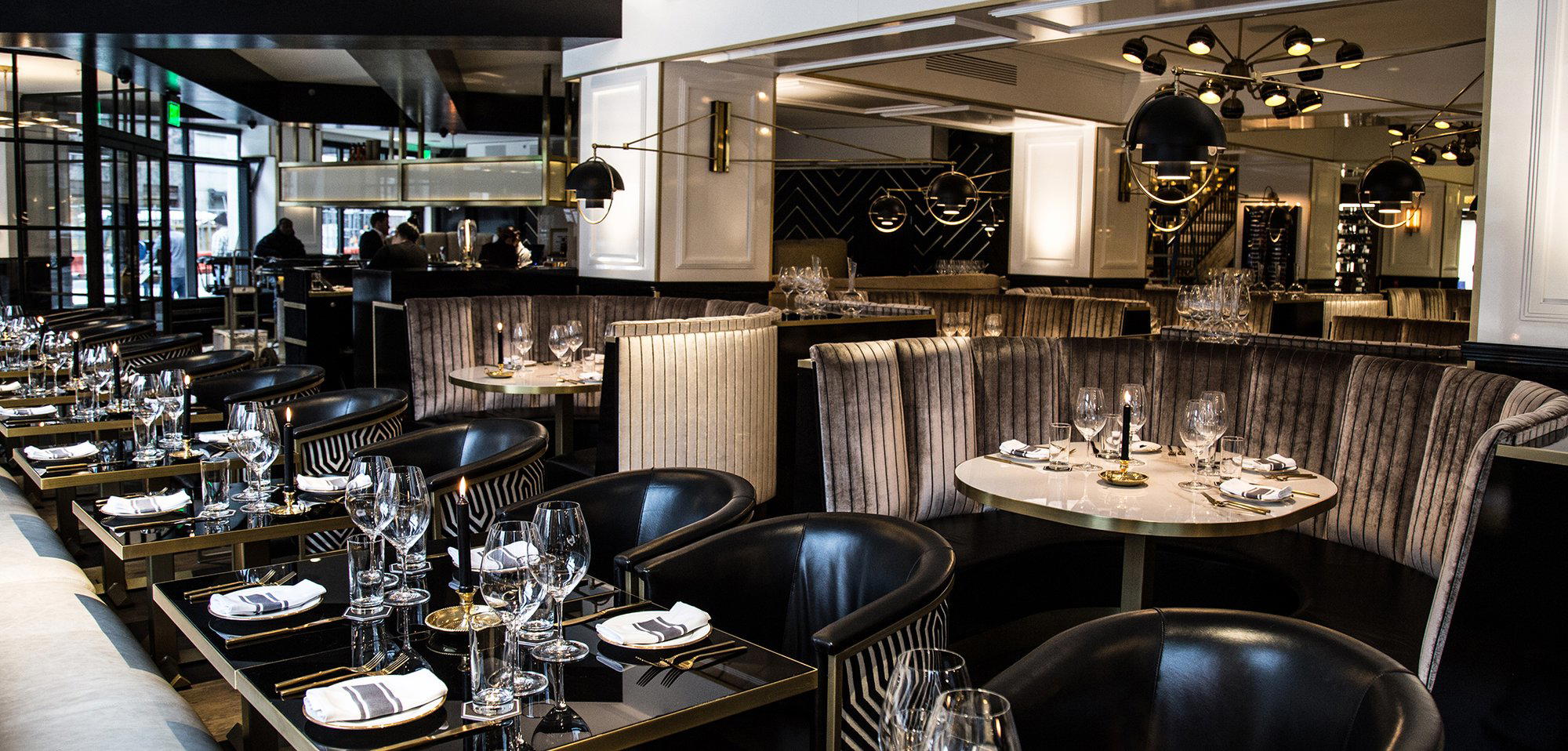
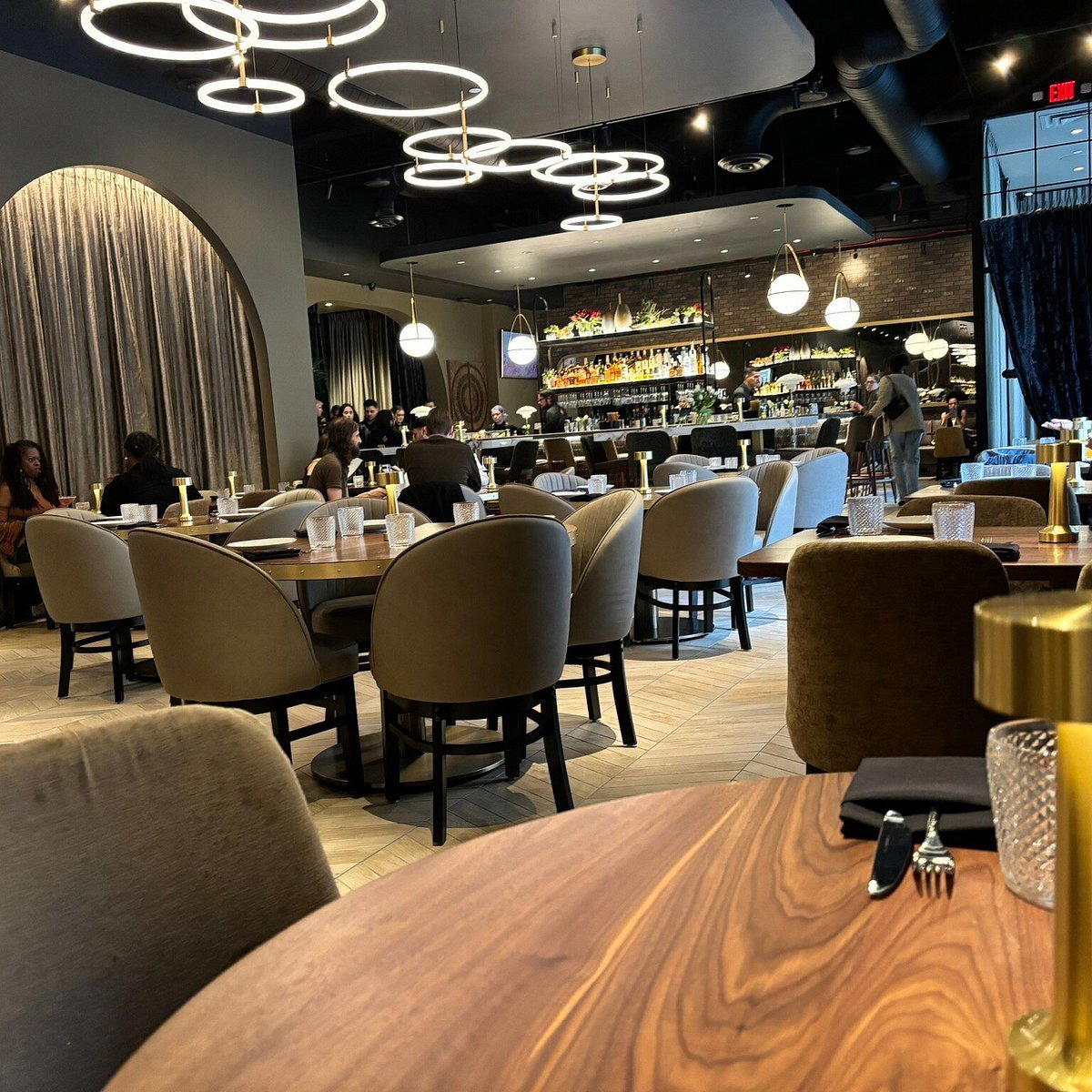
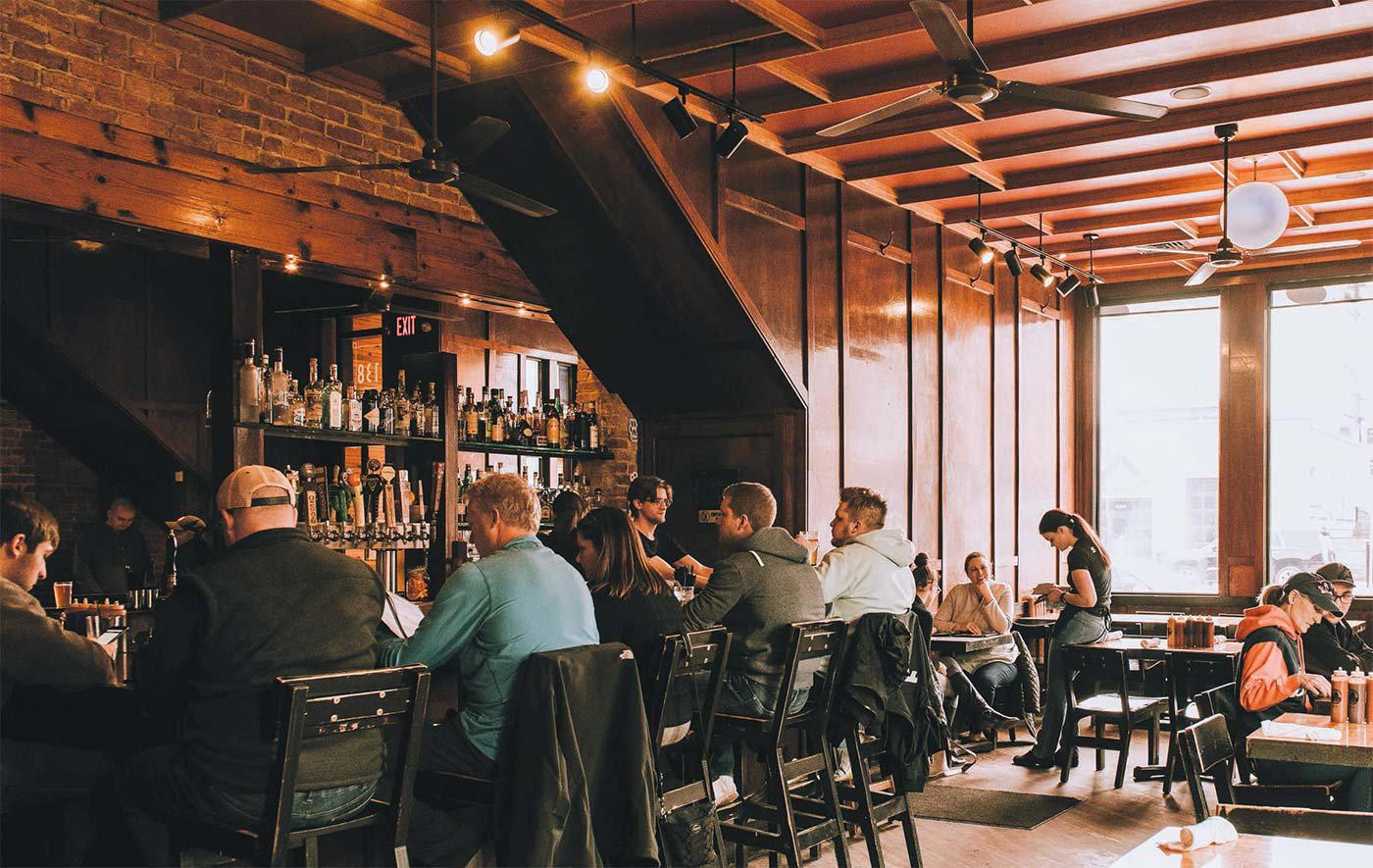
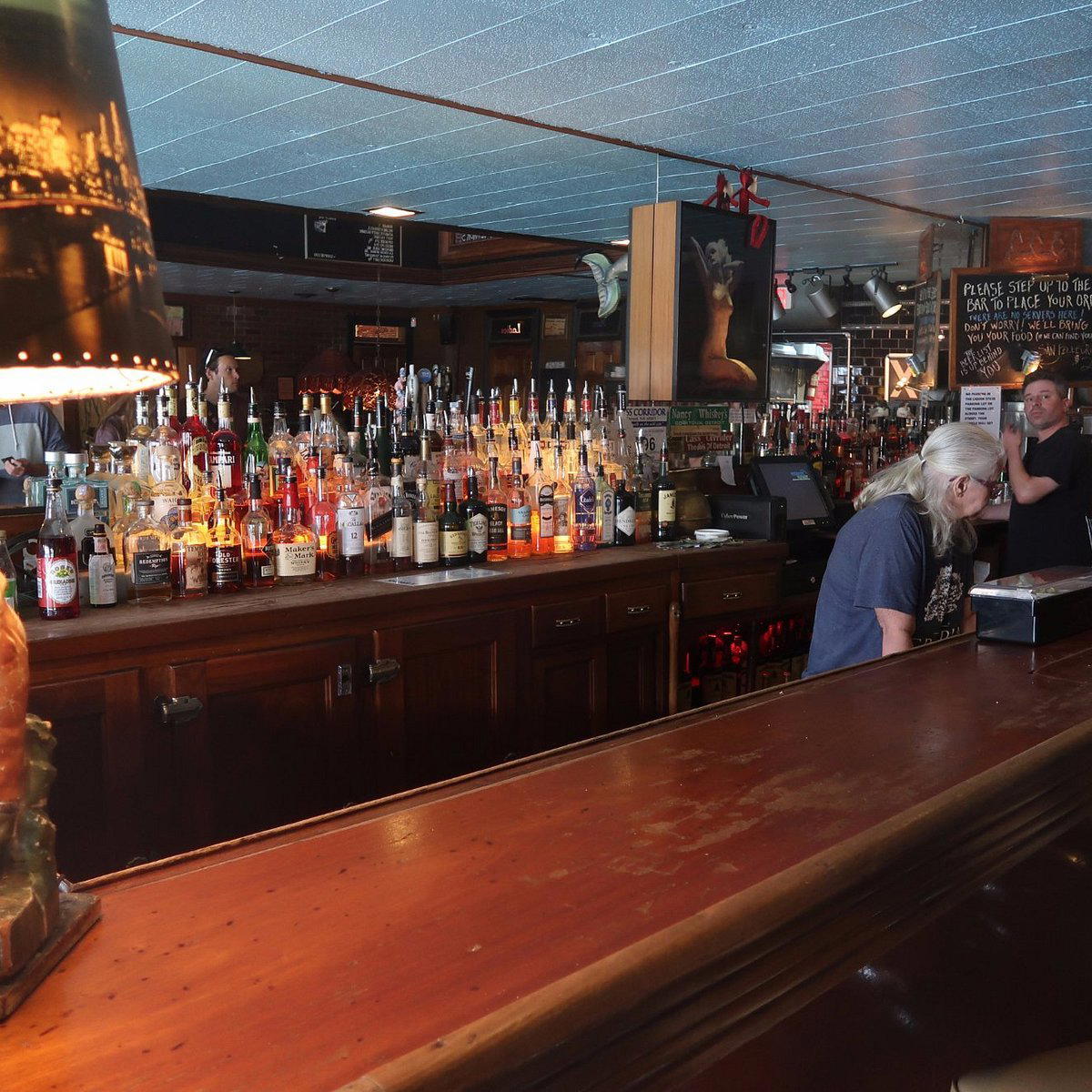
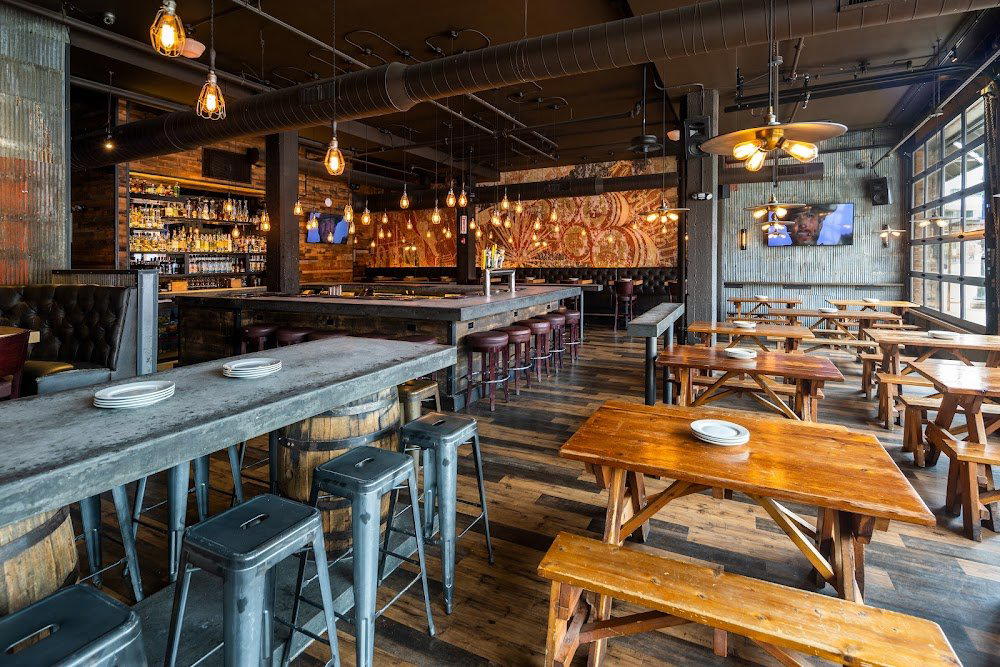
Friendly and casual atmosphere with warm, inviting lighting that complements fine dining quality food.
Know Before You Go
- Getting there
- 3710 Junction Ave, Detroit, MI 48210