Eating House 1849 Koloa
Eating House 1849 Koloa sits in the heart of Poipu's dining scene, drawing on Hawaii's plantation-era culinary traditions to serve locally rooted food in a relaxed, unhurried setting. The Koloa address places it within easy reach of South Shore beaches and the broader corridor of Poipu restaurants. It is a useful reference point for understanding how modern Hawaiian comfort cooking has evolved from its multicultural agricultural roots.
Pearl is the En Primeur Club membership app — saves, bookings, and concierge access live there. Same editors, same standards.
- Address
- 2829 Ala Kalanikaumaka St A-201, Koloa, HI 96756
- Phone
- +1 808 742 5000
- Website
- royyamaguchi.com
- Directions
- Get directions
 Saves & bookings on Pearl
Where Plantation History Meets the South Shore Table
South Kauai's dining character has always been shaped by the land around it. The sugarcane plantations that defined Koloa from the 1830s onward brought Portuguese, Japanese, Filipino, Chinese, and Korean workers whose cooking fused into something distinctly Hawaiian, neither purely immigrant nor strictly indigenous. That history is not background noise in places like Poipu; it is the active ingredient in how the region's kitchens think about flavor, technique, and occasion. Eating House 1849 Koloa, addressed at 2829 Ala Kalanikaumaka St in Koloa, plants itself firmly in that tradition, using the year 1849 as a deliberate anchor to an era when Hawaii's multicultural table was just beginning to take shape.
This is the kind of dining context that separates Kauai from the more resort-polished Maui or Oahu circuits. The South Shore has a smaller, more neighborhood-scaled restaurant culture, where the distance between a plate of food and the story it carries tends to be shorter. For travelers accustomed to the high-production tasting formats found at places like The French Laundry in Napa or Single Thread Farm in Healdsburg, the Poipu dining register operates in a different register entirely: the ritual here is convivial rather than ceremonial, and the pacing follows conversation rather than a kitchen's choreography.
The Rhythm of the Meal
Dining in Hawaii's plantation-heritage style carries its own customs, and Eating House 1849 positions itself within that tradition. The meal is not structured around a progression of small formal courses; it is built around abundance and sharing, a pattern that traces directly back to the communal eating culture of the plantation camps where workers from different islands and continents sat together and passed food across cultural boundaries. That approach asks something different of a diner than the restrained sequencing you would find at Atomix in New York City or Smyth in Chicago. Here, the expectation is that the table fills up, dishes arrive as they are ready, and conversation is the organizing structure of the evening.
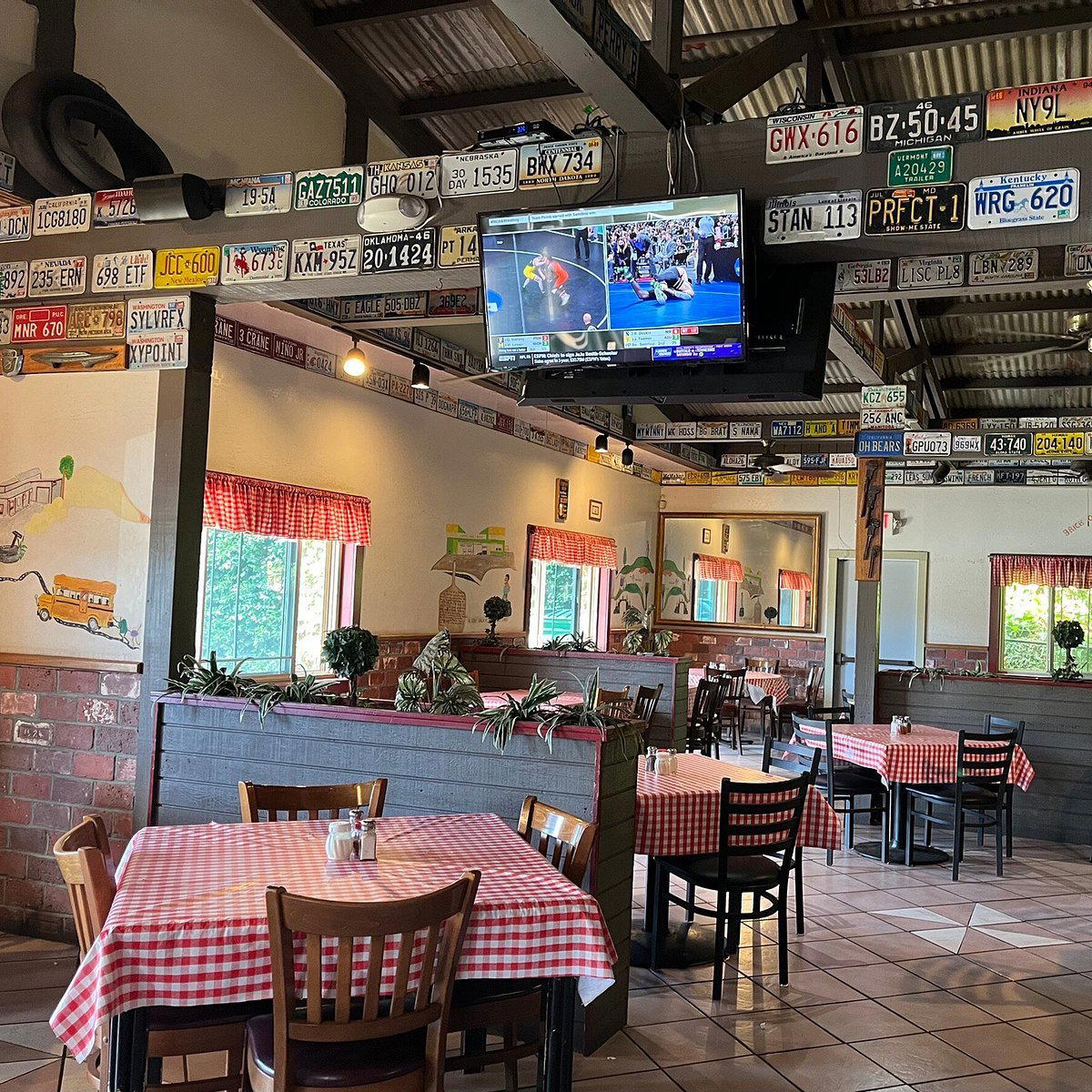
That ethos suits the Poipu setting well. The South Shore draws a mix of visitors staying along the beach corridor and local Kauai residents who treat these establishments as their own. The dining room at Eating House 1849 reflects that dual audience: it is not formatted for resort-hotel insulation, nor is it the stripped-down local diner that first-time visitors sometimes expect. It occupies the middle register that characterizes the better end of Hawaiian casual dining, where attention to ingredient sourcing sits alongside an genuinely relaxed service tempo.
Koloa in Context: Poipu's Dining Spread
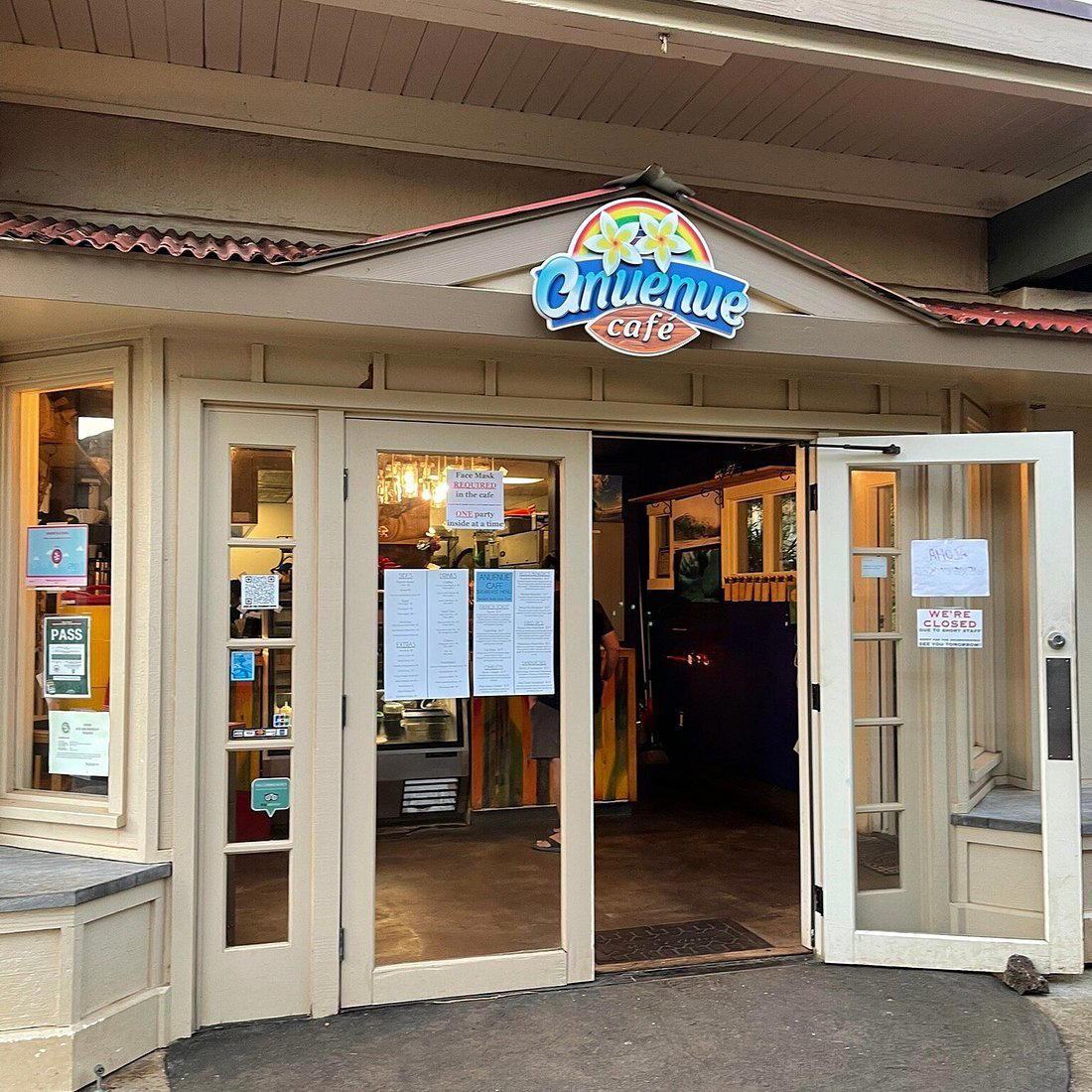
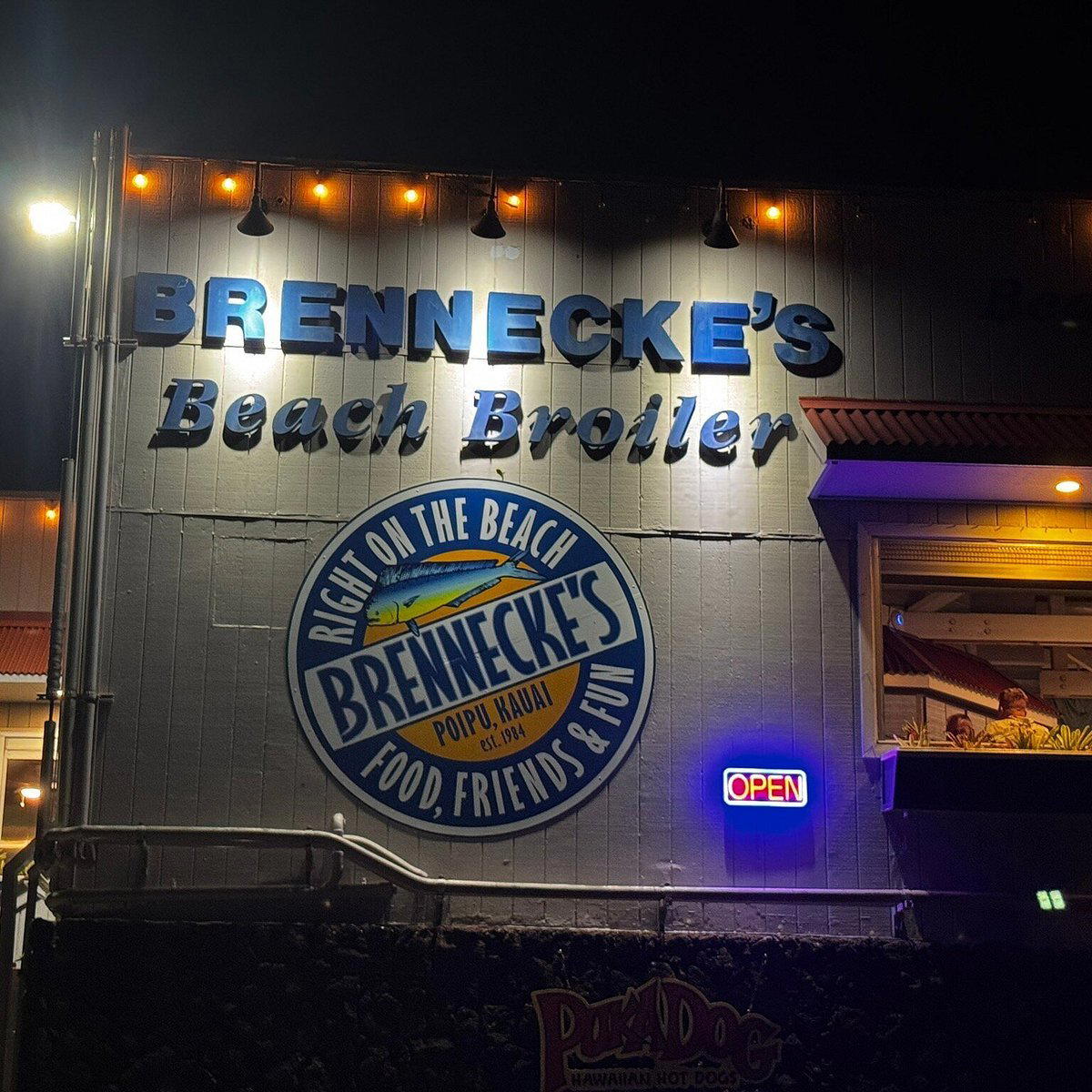
Understanding Eating House 1849 requires mapping it against the range of what Poipu currently offers. The South Shore dining scene spreads from bare-bones beachside stands to full-service restaurants with serious wine programs. Beach House Restaurant anchors the more formal end of the local spectrum with its oceanfront setting, while spots like Puka Dog Hawaiian Style Hot Dogs and Savage Shrimp represent the fast-casual, single-item specialty format that thrives in Hawaii's outdoor eating culture. Anuenue Cafe occupies a quieter, breakfast-and-brunch register. Eating House 1849 carves out the plantation-comfort space in that spread, offering a sit-down experience with historical framing that none of its immediate neighbors quite replicate.
That positioning is not accidental. Plantation-era food as a category has attracted serious culinary attention across Hawaii in recent years, with chefs and restaurateurs in Honolulu and Maui treating it with the same source-focused rigor you might find applied to regional American cuisine at Blue Hill at Stone Barns or Emeril's in New Orleans. On Kauai, that movement is quieter but present, and Eating House 1849 is one of the South Shore expressions of it. For a fuller picture of where it fits within the local restaurant scene, the full Poipu restaurants guide maps the surrounding options by category and setting.
Practical Considerations for the South Shore Diner
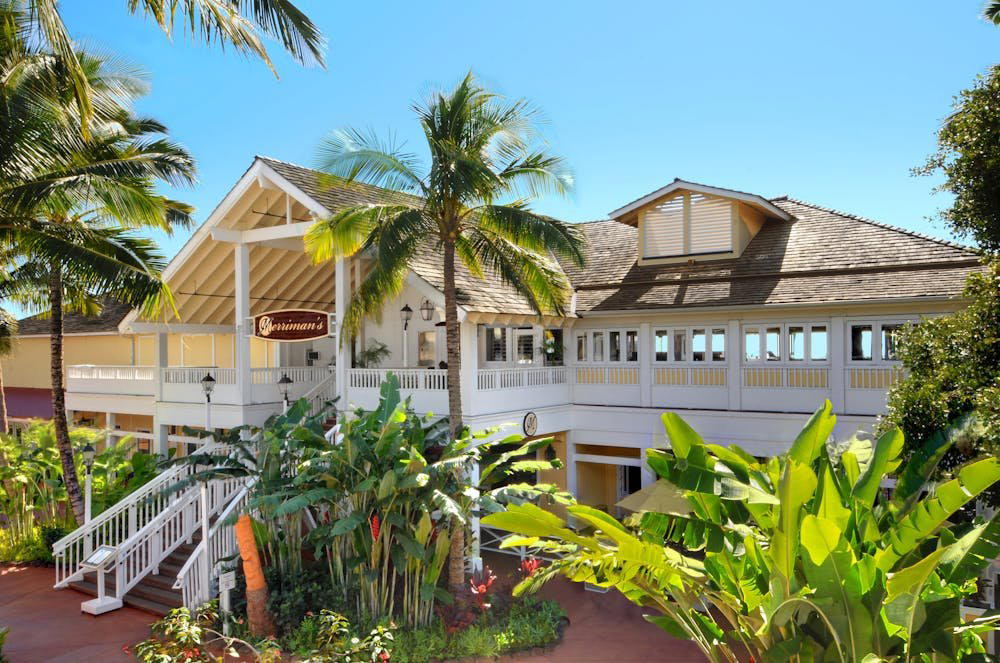
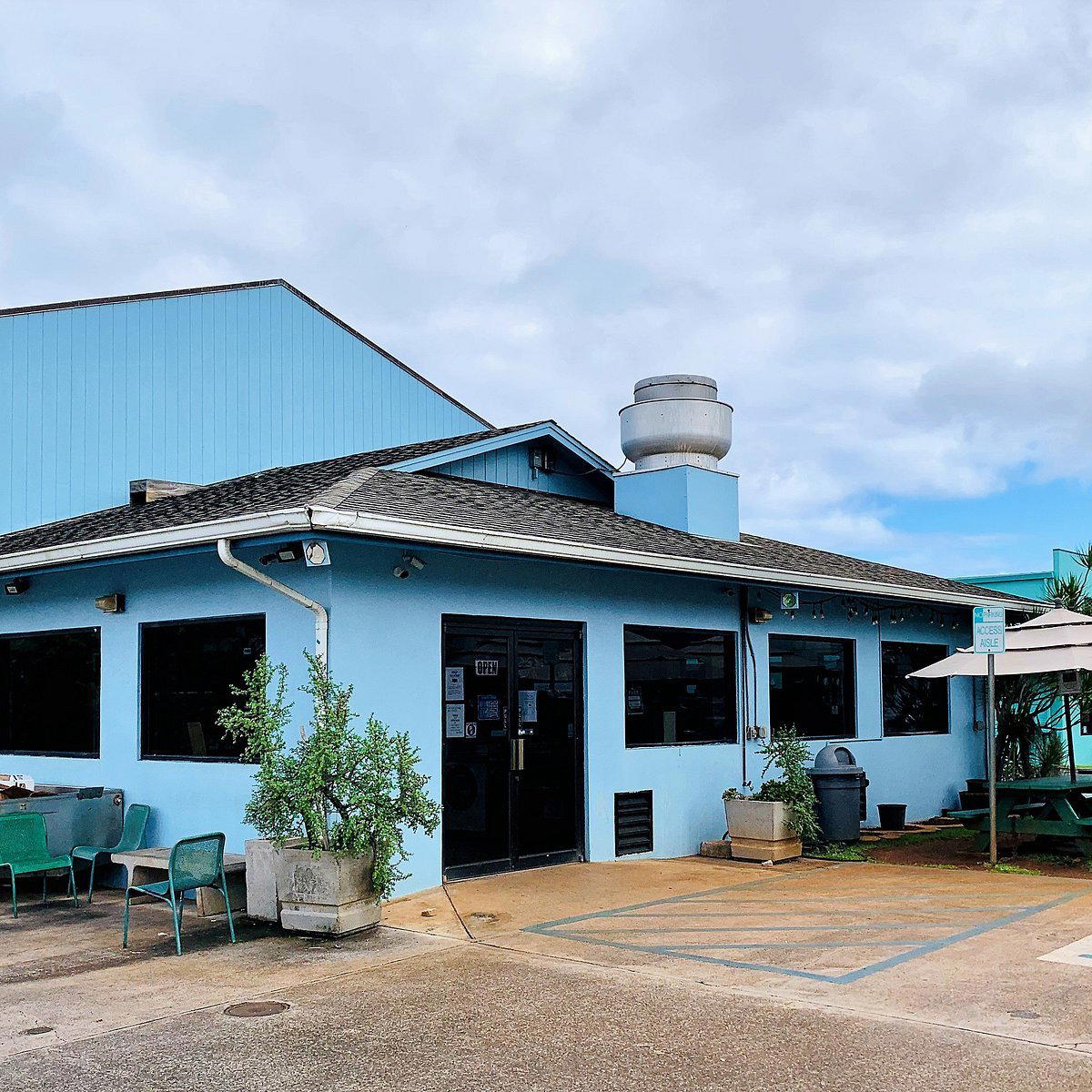
Poipu's compact geography means that most accommodation along the South Shore sits within a short drive of Koloa town, where Eating House 1849 is located. The address at the Kukui'ula Village shopping area places it alongside other services and restaurants, making it a logical stop within a broader evening in the neighborhood rather than a destination requiring a dedicated journey. Given that Kauai's restaurant options outside the resort complexes are not unlimited, venues in this mid-range category tend to fill up during peak season, which runs roughly from mid-December through April and again in summer. Arriving without a reservation during those windows carries some risk, particularly on weekend evenings. Contacting the venue directly to confirm current hours and booking requirements is the most reliable approach, as operating schedules in Hawaii's smaller restaurant market can shift with staffing and season.
For travelers building a longer South Shore itinerary, the combination of a casual lunch at a seafood stand and an early dinner at a sit-down restaurant like Eating House 1849 tracks well with the pace Poipu rewards. The area is not suited to late-night dining in the way that Honolulu or even Lahaina might be; the rhythm here winds down earlier, and the better meals tend to happen in the first half of the evening when kitchens are at their most focused.
At a Glance
- Trendy
- Modern
- Rustic
- Date Night
- Special Occasion
- Group Dining
- Open Kitchen
- Craft Cocktails
Current opening hours
- Monday
- 5–9 PM
- Tuesday
- 5–9 PM
- Wednesday
- 5–9 PM
- Thursday
- 5–9 PM
- Friday
- 5–9 PM
- Saturday
- 5–9 PM
- Sunday
- 5–9 PM
Hours can change for holidays and private events. Last verified .
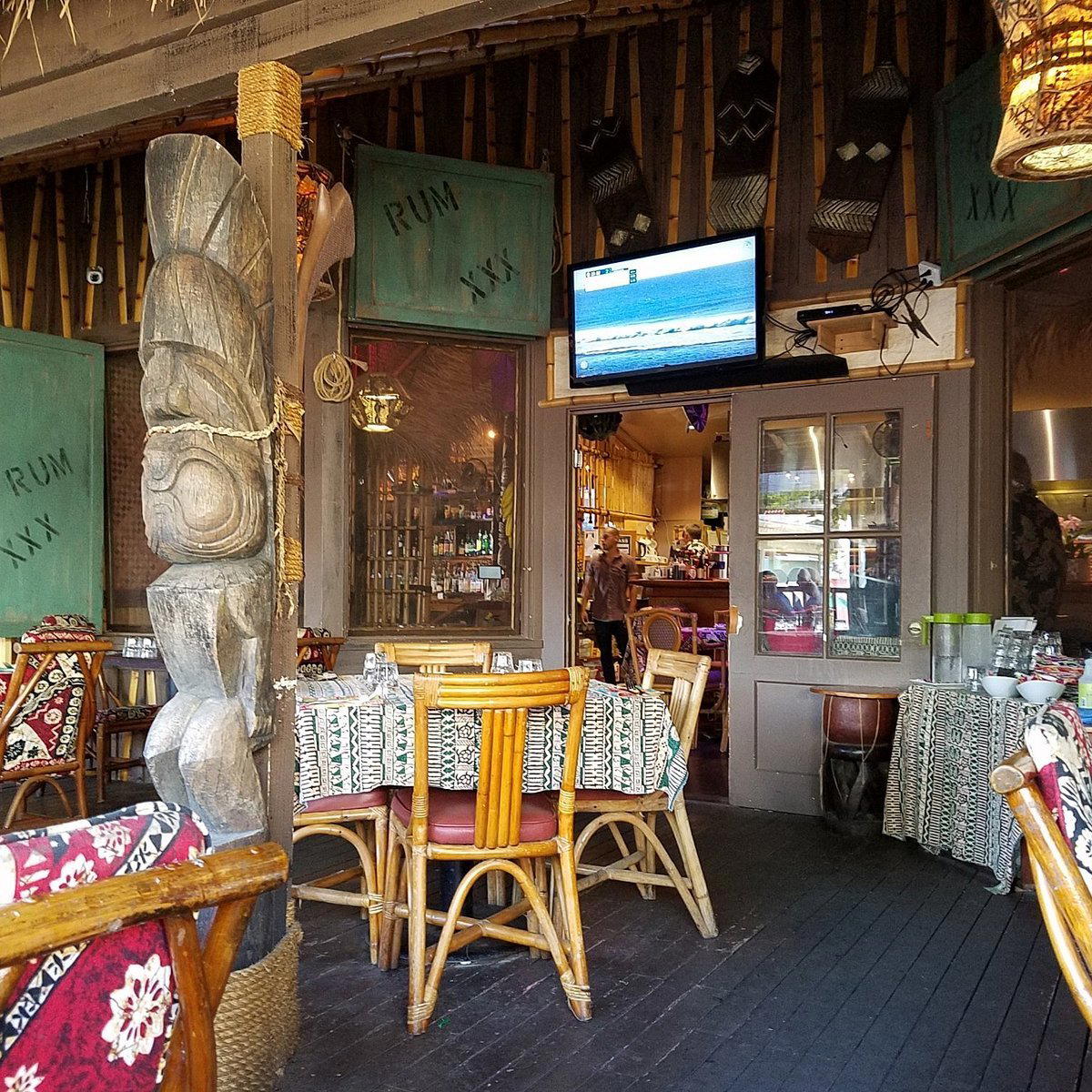
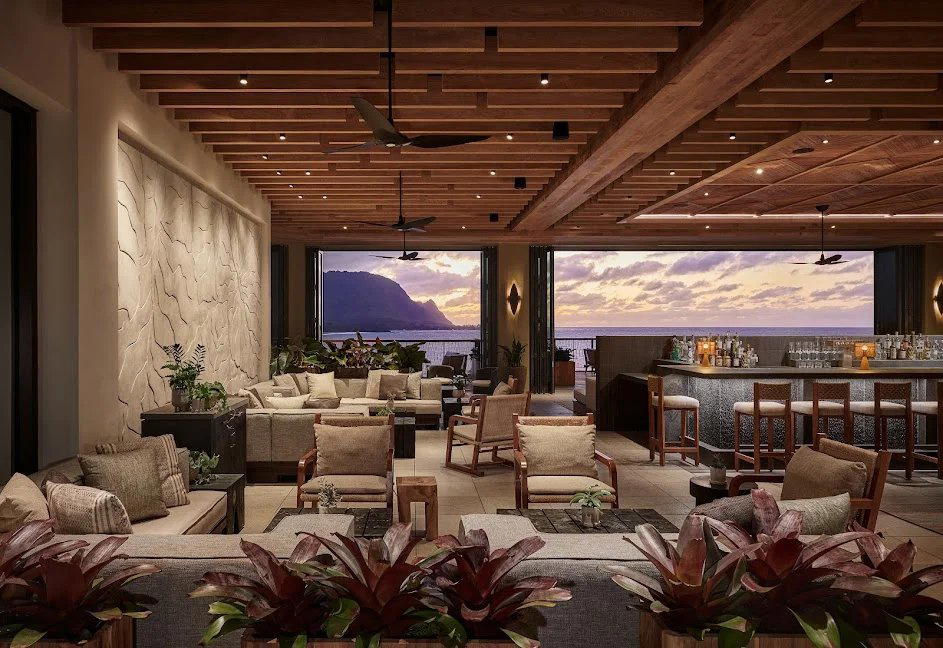
Moderate noise level with a modern rustic atmosphere evoking 19th-century casual eateries.
Know Before You Go
- Getting there
- 2829 Ala Kalanikaumaka St A-201, Koloa, HI 96756