Duck Soup
Duck Soup sits on Duck Soup Lane outside Friday Harbor on San Juan Island, occupying a category of Pacific Northwest dining where the distance between farm, water, and plate is measured in miles rather than supply chains. The restaurant draws from the agricultural and marine richness of the San Juan Islands, placing it in a small but serious tier of destination dining in Washington State's island communities.
Pearl is the En Primeur Club membership app — saves, bookings, and concierge access live there. Same editors, same standards.
- Address
- 50 Duck Soup Ln, Friday Harbor, WA 98250
- Phone
- +13603784878
- Website
- ducksoupsanjuans.com
- Directions
- Get directions
 Saves & bookings on Pearl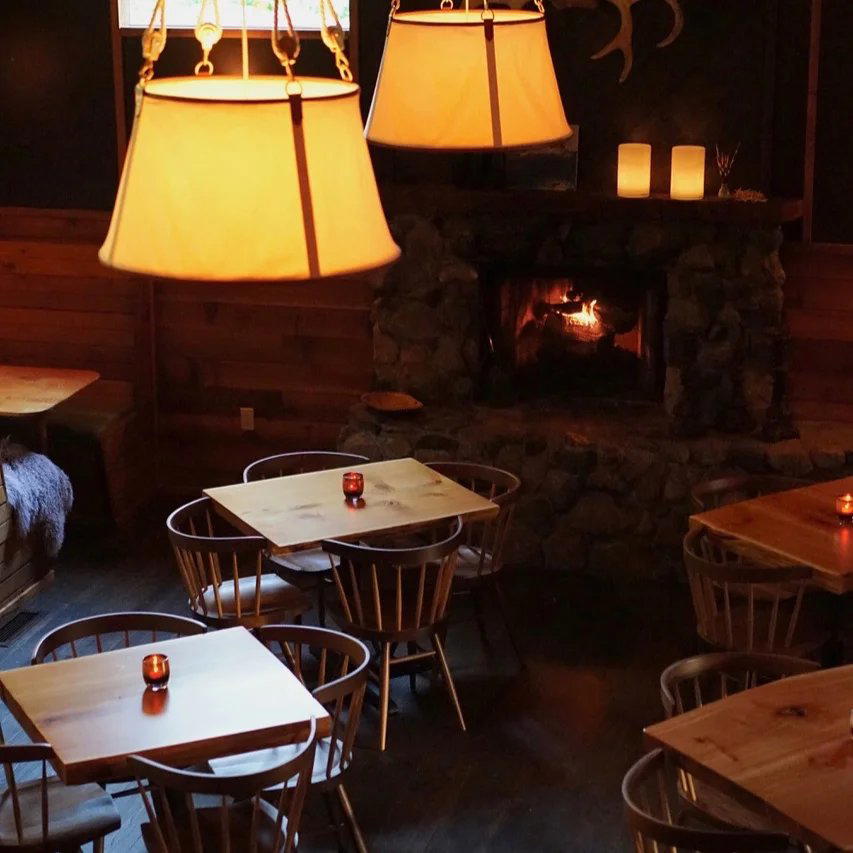
Where the San Juan Islands Set the Table
Duck Soup is a restaurant in Friday Harbor, Washington, serving Pacific Northwest Farm-to-Table cooking at about $75 per person. The drive to Duck Soup from Friday Harbor's ferry landing takes you past fields and forest rather than strip malls, which is the first signal that the restaurant operates on different terms than most dining destinations in Washington State. Duck Soup Lane is a literal address, and arriving at it, removed from the town's waterfront bustle, establishes the register before you've walked through the door. In a region where proximity to ingredient sources has become a credentialing exercise for ambitious kitchens, San Juan Island's particular geography makes that proximity structural rather than aspirational. The farms are close. The water is closer.
San Juan Island sits in the Salish Sea, a cold-water ecosystem that produces Dungeness crab, Pacific oysters, and geoduck at a quality that restaurants in Seattle and Portland build entire reputations around sourcing. A kitchen actually located within that ecosystem operates at a different level of access. This is the context that matters most for understanding what Duck Soup represents in its category: not a restaurant that talks about local sourcing as a marketing position, but one where the logistics of the island make it the path of least resistance.
The Pacific Northwest Sourcing Tradition and Where Duck Soup Sits in It
The broader Pacific Northwest has produced some of the country's most serious ingredient-driven restaurants over the past two decades. Kitchens like Single Thread Farm in Healdsburg and Blue Hill at Stone Barns in Tarrytown have established a template for what farm-anchored fine dining can look like when the sourcing relationships are genuine and long-standing. The format typically involves tight menus built around what's available rather than what's marketable, with seasonal rotations that follow harvest and catch cycles rather than quarterly menu refreshes.
The restaurant participates in this tradition from a specific and somewhat extreme position: an island community of roughly 7,000 people, reachable only by ferry or small aircraft, with a food-producing environment that includes both working farms and direct access to some of the Pacific Northwest's most productive cold waters. That combination of isolation and abundance creates dining conditions that more accessible restaurants have to work considerably harder to replicate. Kitchens like Smyth in Chicago and Oyster Oyster in Washington, D.C. build ingredient-sourcing programs as deliberate infrastructure; on San Juan Island, that infrastructure is partly just geography.
The comparison also illuminates what the restaurant is not. It doesn't operate at the scale or formality of The French Laundry in Napa or Le Bernardin in New York City, both of which source at the highest level but within entirely different frameworks of service, price, and competitive context. The restaurant belongs to a smaller, more regional tier of destination dining, the kind of restaurant that draws visitors to a specific place rather than existing within a city's broader dining ecosystem. In that sense, its comparable set is closer to Frasca Food and Wine in Boulder or Bacchanalia in Atlanta: serious, regionally grounded, operating outside the major metropolitan circuits that typically generate national critical attention.
Island Dining as a Category
Island restaurant contexts create particular dynamics that mainland dining doesn't reproduce. Supply chain constraints that would frustrate an urban kitchen become a creative parameter in an island setting: what doesn't grow or swim nearby is genuinely difficult to source at quality, which tends to push menus toward honesty about what the place actually produces. The San Juan Islands grow heritage vegetables and raise livestock in a climate moderated by the Salish Sea, and the surrounding waters supply shellfish and fin fish at a quality that the Pacific Northwest as a whole trades on internationally.
This kind of place-bound cooking has parallels elsewhere. Atelier Moessmer Norbert Niederkofler in Brunico operates within an Alpine sourcing constraint that shapes its identity as decisively as San Juan Island's geography shapes the restaurant's. The principle is the same: when the kitchen commits to what the place actually produces, the menu becomes a reliable portrait of the region rather than a curated selection from a global supply chain. That's a different kind of ambition from kitchens like Providence in Los Angeles or Addison in San Diego, which source globally at the highest level, but it's a genuine one.
Planning a Visit to Duck Soup
Getting to the restaurant requires planning that most restaurant visits don't. San Juan Island is accessible via Washington State Ferries from Anacortes, a crossing that takes roughly an hour and runs on a published schedule that books up considerably during summer months, the peak season for island tourism and, not coincidentally, when the island's produce is at its most abundant. Friday Harbor is the island's main town and the ferry terminal, and the restaurant sits on the restaurant Lane outside the town center, requiring a car or taxi from the landing. Visitors combining the restaurant with a stay on the island will find accommodation options in Friday Harbor itself, though the island's lodging inventory is limited and advance booking during July and August is effectively mandatory.
For those building a broader Washington State dining itinerary, the restaurant represents a distinct departure from the Seattle restaurant circuit. The island setting and ingredient-driven format make it a natural counterpoint to the city's more urban dining programs, and the ferry crossing itself, with views across the Salish Sea toward the Olympic Peninsula, functions as a kind of decompression that the restaurant's remote address continues.
Restaurants that operate at the intersection of genuine place-specificity and serious cooking, like Lazy Bear in San Francisco, The Wolf's Tailor in Denver, ITAMAE in Miami, Emeril's in New Orleans, and The Inn at Little Washington in Washington, tend to reward visitors who've made the trip specifically for them rather than those slotting them into a packed urban itinerary. The restaurant operates firmly in that mode. The address on the restaurant Lane is part of what the restaurant makes clear about dining on San Juan Island. Atomix in New York City makes its case through technical precision at the highest urban price point; the restaurant makes its case through a different kind of remove entirely.
Comparable Venues
Comparable venues nearby, for context on price, style, and recognition.
| Venue | Cuisine | Price | Notes |
|---|---|---|---|
| Duck SoupThis venue — the venue you are viewing | Pacific Northwest Farm-to-Table | $$$ | Not listed |
| Inn At Langley | Northwest Seasonal Fine Dining | $$$ | Langley |
| Cedar + Elm | Pacific Northwest Fine Dining | $$$ | Kenmore |
| Queen Anne | Cajun-Creole | $$$ | Uptown |
| The Clearwater | Contemporary American Steakhouse & Seafood | $$$ | Suquamish |
| Salt Harvest | Pacific Northwest Hearth-Inspired Grill | $$$ | Pioneer Square |
Continue exploring
More in Friday Harbor
Restaurants in Friday Harbor
Browse all →
Bars in Friday Harbor
Browse all →
At a Glance
- Romantic
- Cozy
- Rustic
- Elegant
- Intimate
- Scenic
- Date Night
- Special Occasion
- Celebration
- Private Event
- Standalone
- Garden
- Private Dining
- Terrace
- Craft Cocktails
- Farm To Table
- Local Sourcing
- Sustainable Seafood
- Garden
Current opening hours
- Monday
- 11:30 AM–2 PM
- Tuesday
- Closed
- Wednesday
- Closed
- Thursday
- 4–9 PM
- Friday
- 4–9 PM
- Saturday
- 4–9 PM
- Sunday
- 4–9 PM
Hours can change for holidays and private events. Last verified .
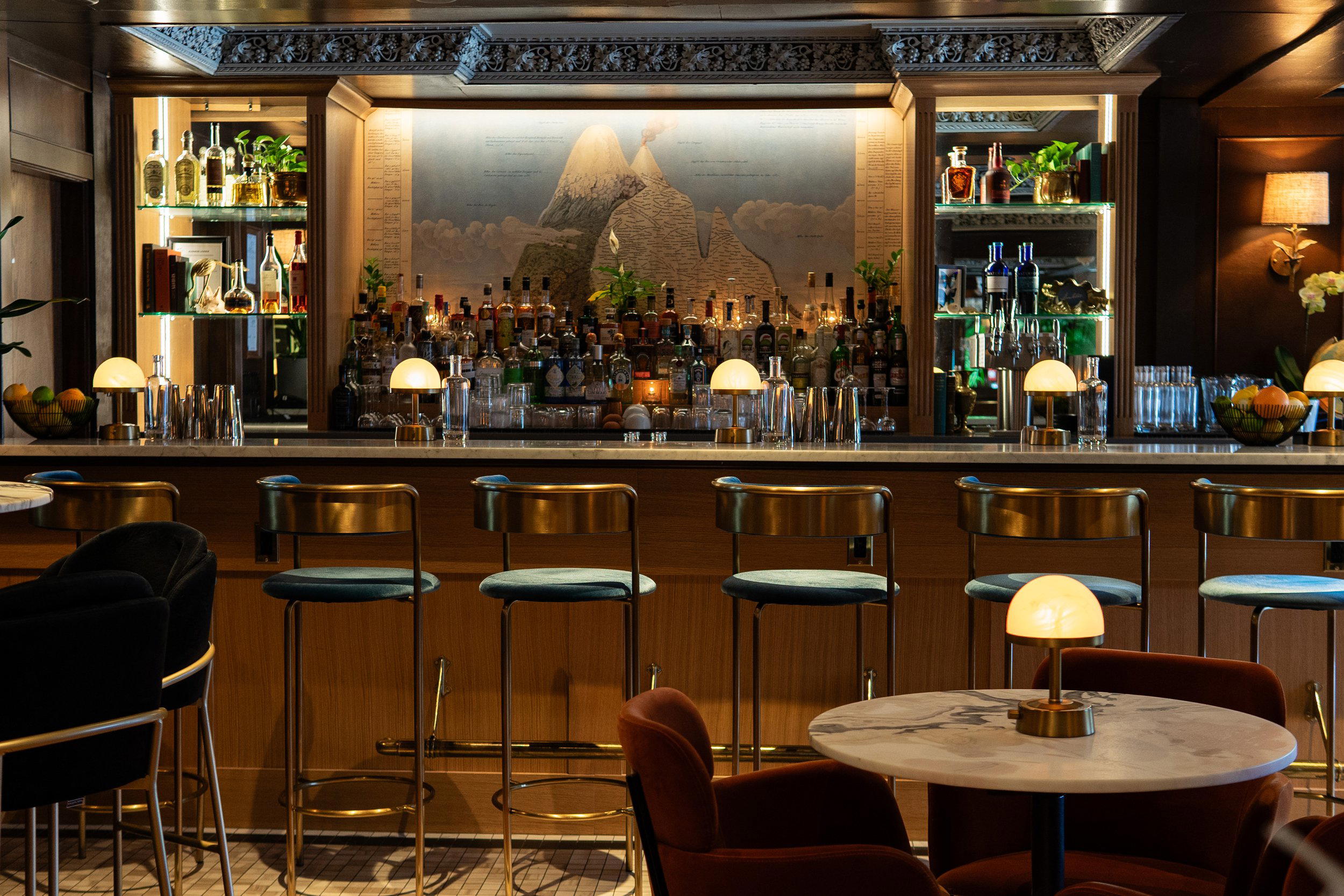
Warm wood interior with hurricane sconces, fieldstone fireplace, cozy booths, and seasonal outdoor deck with stone firepit lounge creating an atmosphere that is simultaneously intimate and elegant.