
Donghu Club holds a Black Pearl 1 Diamond (2025), placing it inside Wuhan's small tier of formally recognised fine dining addresses. Located on Lanling Road in the Jiang'an district, it represents the city's growing case for Chinese regional cuisine executed at a standard that the Guide's selectors consider worthy of national attention. For a city still building its fine dining profile, that distinction carries real weight.
 Discover on Pearl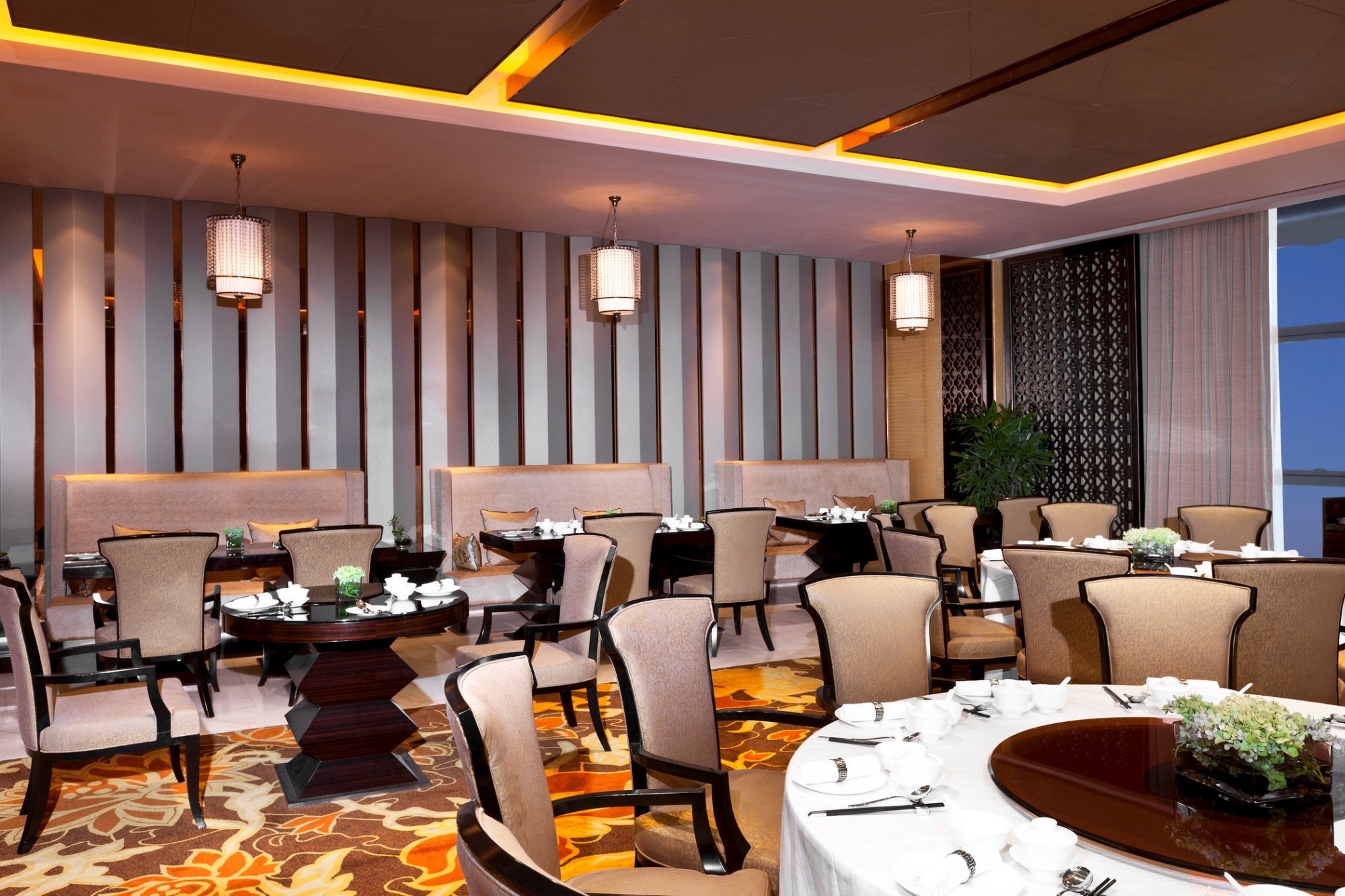
Fine Dining in a City Finding Its Register
Wuhan sits at the confluence of the Han and Yangtze rivers, and its food culture has always moved with that kind of restless, accumulative energy. The city's culinary identity draws on Hubei's freshwater tradition — carp, lotus root, river crab — while absorbing influences from neighbouring Hunan and Sichuan without fully surrendering to either. For most of its modern history, Wuhan has been treated as a transit point in Chinese gastronomy rather than a destination. That framing is changing, slowly but measurably, and a handful of addresses on Lanling Road and its surrounding Jiang'an streets are part of the reason why.
Donghu Club occupies a residential tower address at Lanling Road , an unglamorous approach that is, in fact, fairly typical of China's more serious dining rooms, where the deliberate obscurity of the entrance has become its own kind of signal. The practice of embedding a restaurant inside a compound or upper-floor space, away from street-level foot traffic, has precedent across China's premium tier: it filters for guests who sought the place out specifically rather than stumbled in. That dynamic shapes the atmosphere before a dish arrives.
Where the Black Pearl Standard Places Donghu Club
The Black Pearl Restaurant Guide, launched by Meituan Dianping in 2018 and now one of the most closely followed Chinese fine dining benchmarks, awards its diamonds on criteria that weight culinary technique, ingredient quality, and service consistency. A 1 Diamond designation in the 2025 edition places Donghu Club among the addresses the Guide considers worthy of a deliberate visit , not merely competent, but purposeful enough in its cooking to justify travel and planning.
In Wuhan's context, that designation is significant. The city does not accumulate Black Pearl entries the way Shanghai, Beijing, or Guangzhou do, where the sheer density of high-end restaurants makes a single diamond feel incremental. For comparison, Xin Rong Ji (Xinyuan South Road) in Beijing and Imperial Treasure Fine Chinese Cuisine in Guangzhou operate in markets saturated with recognised addresses, where peer comparisons are made against dozens of equivalently awarded rooms. Donghu Club's recognition arrives in a city where the recognised peer set is much smaller, which places greater editorial pressure on each awarded venue to carry the standard alone.
Among Wuhan's fine dining addresses covered in our full Wuhan restaurants guide, Donghu Club joins The Nature Flow, Xi She, Yuge Restaurant, and NO.1 RESTAURANT as part of a small cohort building the city's case for serious consideration on the national circuit.
Sourcing and the Hubei Larder
Central China's freshwater geography gives Wuhan kitchens access to ingredients that coastal and highland cuisines can only approximate. The lakes and rivers of Hubei province supply lotus root harvested from shallow lake beds, silver carp from the Yangtze system, and field-grown water spinach that retains a texture unavailable to anything that has travelled further. This is not a romanticised local-sourcing argument; it is a direct description of what proximity to specific ecosystems produces in a kitchen.
Premium Chinese dining rooms operating in this tradition treat the sourcing question differently from, say, a Cantonese kitchen in the Pearl River Delta, where the priority is often live seafood and aged ingredients. Hubei-influenced kitchens work with freshness and seasonal abundance as primary variables. The lotus root question alone divides serious cooks: Wuhan's own Honghu and Liangzi lake regions are considered among the strongest producing areas in the country, and a kitchen that draws from them is working with materially different raw material than one importing from elsewhere.
The Black Pearl Guide's ingredient criteria align with this kind of thinking. Its assessment framework explicitly weights sourcing decisions and how a kitchen's supply chain connects to its output on the plate. A restaurant earning recognition under that framework in Wuhan is, implicitly, being judged on how well it translates the regional larder into a fine dining register. Venues at a comparable standard in other regional contexts , Ru Yuan in Hangzhou, for instance, or Xin Rong Ji in Chengdu , face the same translation challenge with their own provincial ingredients. The quality of the answer differs by kitchen.
The Regional Dining Format in Chinese Fine Dining
China's fine dining sector has spent the past decade working through a question that French haute cuisine addressed in the 1970s: how to formalise regional traditions without emptying them of their defining characteristics. The results have been uneven. Some kitchens have produced technically accomplished rooms where the regional identity is decorative rather than structural. Others, particularly in cities outside the first-tier coastal markets, have found ways to maintain a genuine connection to provincial cooking logic while adopting the pacing, service, and sourcing rigour that the guide-awarding bodies require.
Wuhan's fine dining cohort sits at a formative moment in that process. The city has enough economic weight and culinary heritage to sustain serious restaurants, but not yet the international profile of a Shanghai or Chengdu in terms of how it registers with the global dining circuit. That is, in some ways, an advantage for the kitchens operating here: the pressure to perform for international critics or tourism-driven audiences is lower, which can produce more considered, internally consistent cooking. Chef Tam's Seasons in Macau and 102 House in Shanghai operate under far more saturated scrutiny, where the calibration between local tradition and international expectation is harder to manage without compromise.
Planning a Visit
Donghu Club is located at Lanling Road in the Jiang'an district of Wuhan, at what appears to be a residential compound address. That format typically requires an advance reservation rather than a walk-in, and given the 2025 Black Pearl recognition, the likelihood of short-notice availability on weekends or during Wuhan's spring and autumn travel peaks is low. Contact details are not publicly listed in the venue record at the time of writing; the most reliable approach is to ask your hotel concierge to make a Chinese-language inquiry directly, which remains standard practice for this category of restaurant in Chinese cities. Jiang'an is a central Wuhan district with good metro access, and the area around Lanling Road includes several other dining and bar options worth pairing into a longer evening, including addresses covered in our full Wuhan bars guide.
For a broader view of how the city's accommodation and hospitality infrastructure supports a dining-focused visit, our full Wuhan hotels guide provides relevant context, alongside our full Wuhan experiences guide and our full Wuhan wineries guide for those building a longer itinerary around the city's food and drink offer.
Side-by-Side Snapshot
A fast peer set for context, pulled from similar venues in our database.
| Venue | Cuisine | Price | Awards | Notes |
|---|---|---|---|---|
| Donghu Club | Black Pearl 1 Diamond (2025) | This venue | ||
| NO.1 RESTAURANT | ||||
| The Nature Flow | ||||
| Xi She | ||||
| Yuge Restaurant |
At a Glance
- Quiet
- Elegant
- Intimate
- Sophisticated
- Business Dinner
- Special Occasion
- Standalone
- Local Sourcing
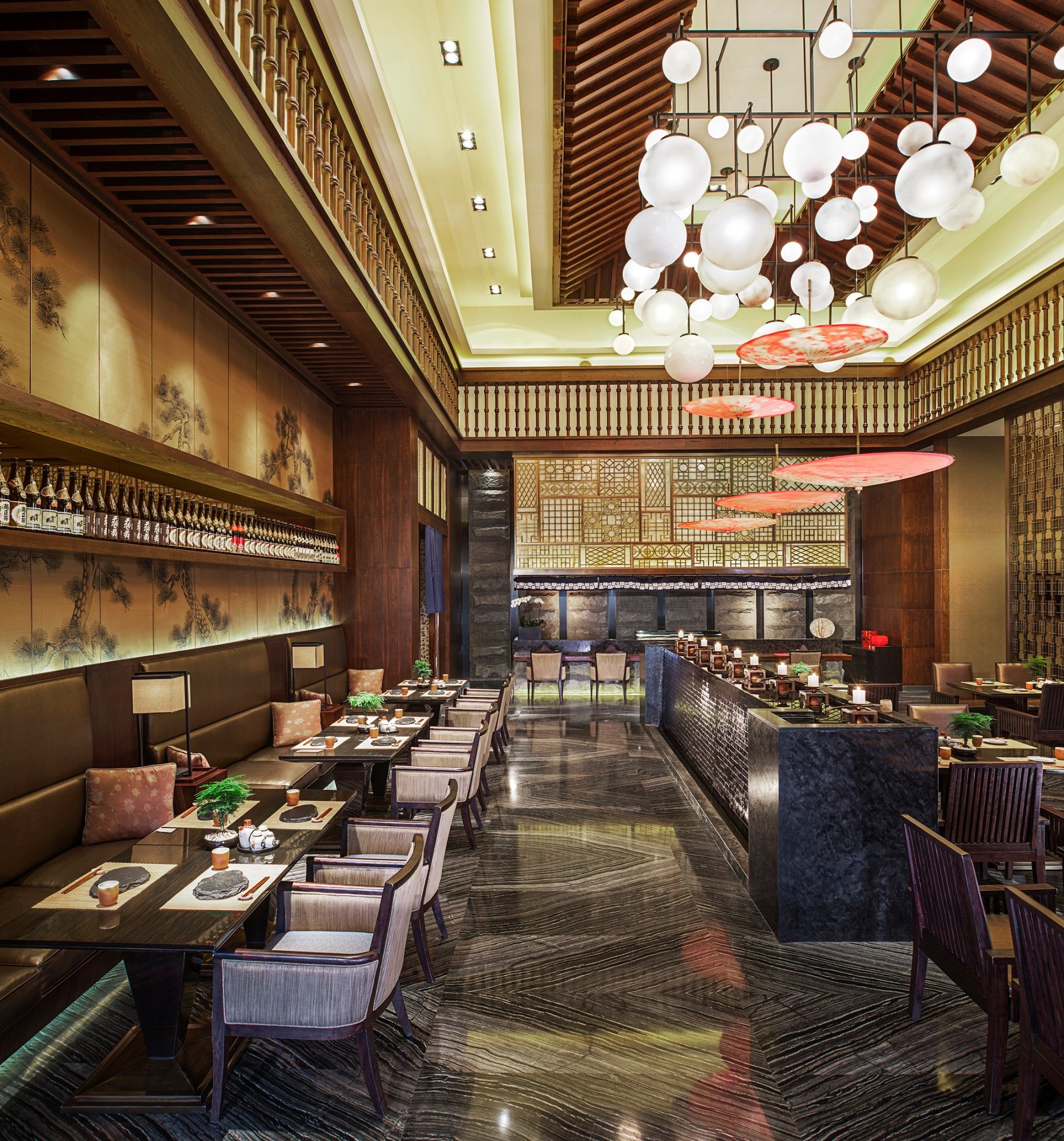
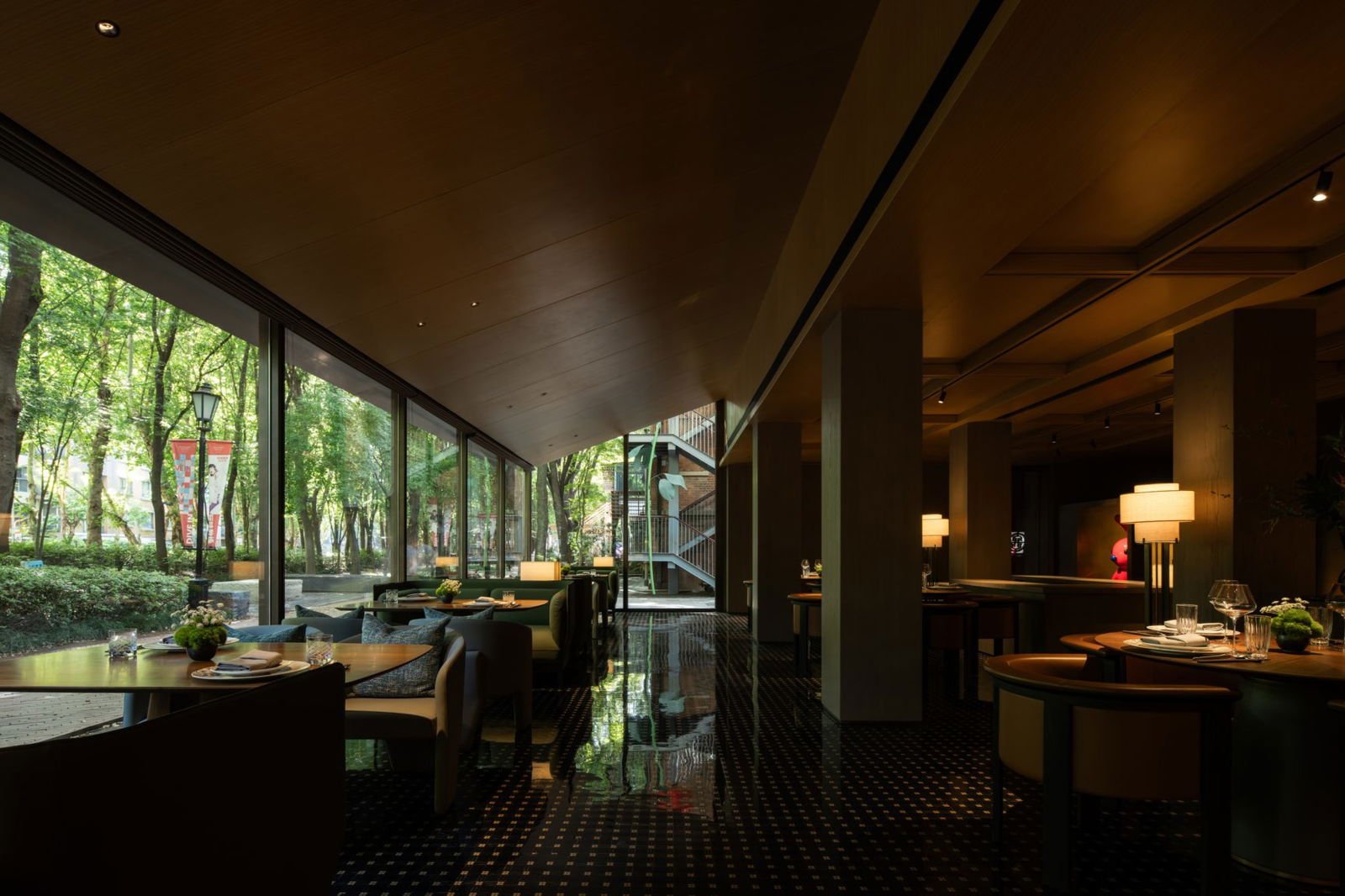
Warm, inviting atmosphere with muted acoustics, comfortable lighting, and table spacing that ensures private conversation.