
Domschenke holds consecutive Michelin Plate recognition for 2024 and 2025, making it one of the few country-cooking addresses in the Rietberg area to register on that radar. The kitchen works within the €€ price tier, positioning it as an accessible entry point into regionally grounded German cooking. The consistency here is harder to dismiss than the modest postcode might suggest.
Pearl is the En Primeur Club membership app — saves, bookings, and concierge access live there. Same editors, same standards.
- Address
- Lippstädter Str. 1, 33397 Rietberg, Germany
- Phone
- +49 2944 318
- Website
- domschenke-mastholte.de
- Directions
- Get directions
 Saves & bookings on Pearl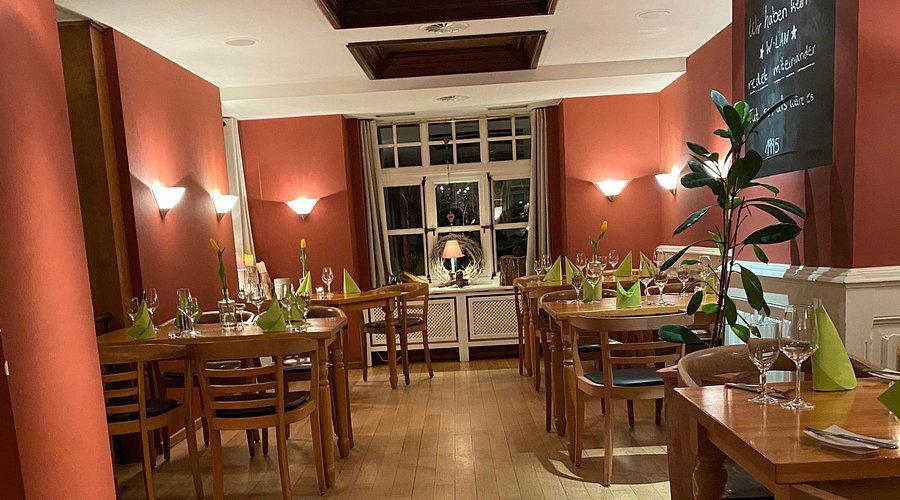
Country Cooking, Recognised Twice Over
In most German market towns, the line between a reliable local gasthaus and a kitchen that earns sustained critical attention is wide enough to drive a tractor through. Rietberg sits in the agricultural heart of Ostwestfalen-Lippe, a region more associated with linen-weaving history and Baroque garden estates than with dining destinations. That makes Domschenke's consecutive Michelin Plate recognition, awarded in both 2024 and 2025, a signal worth pausing on. The Michelin Plate is not a star, but it is not a participation ribbon either. It marks restaurants the Guide's inspectors consider worth knowing: places where the cooking is done with care and the sourcing reflects a considered relationship with the surrounding larder.
Country cooking, as a category, spans an enormous range, from rustic one-pan simplicity to produce-driven precision that happens to wear rural clothes. The Michelin Plate designation, repeated across two consecutive editions, suggests Domschenke belongs closer to the latter end of that spectrum. Across Germany, the kitchens earning sustained inspector attention at the €€ price point are the ones that treat regional ingredients as the actual subject of the menu, not as backdrop to technique borrowed from somewhere else. That orientation toward the local is what separates a committed country kitchen from a pub that happens to serve warm food.
The Setting on Lippstädter Strasse
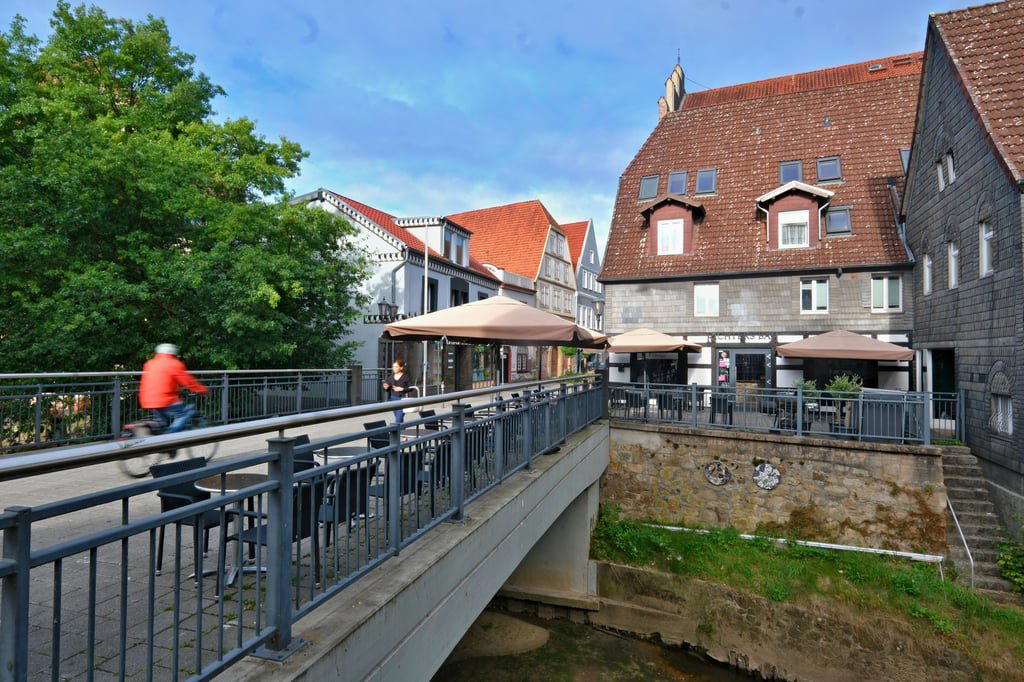
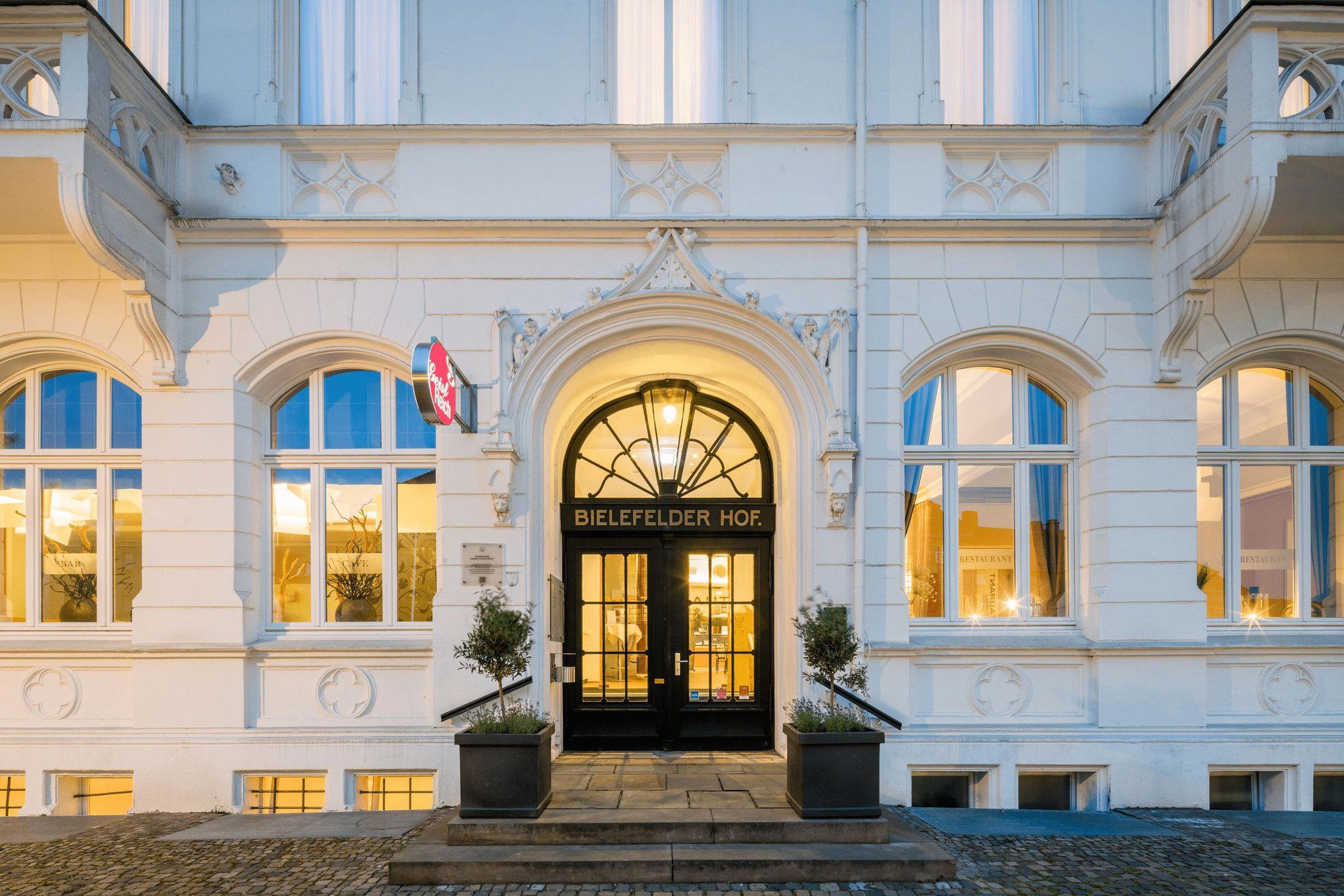
The address, Lippstädter Str. 1, at the edge of Rietberg's centre, places Domschenke on one of the town's main through-routes, the kind of position that in older German towns often marks a building with civic significance. Arriving along a road flanked by lower Westphalian townscape, the building reads as part of the town's fabric rather than a destination dropped into it. That sense of rootedness is, in itself, a form of editorial content: the leading country kitchens in Germany draw meaning from being genuinely embedded in their localities, not from aestheticised ruralism imported from somewhere more photogenic.
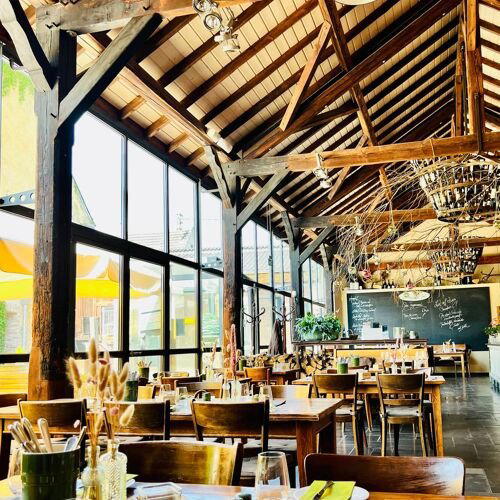
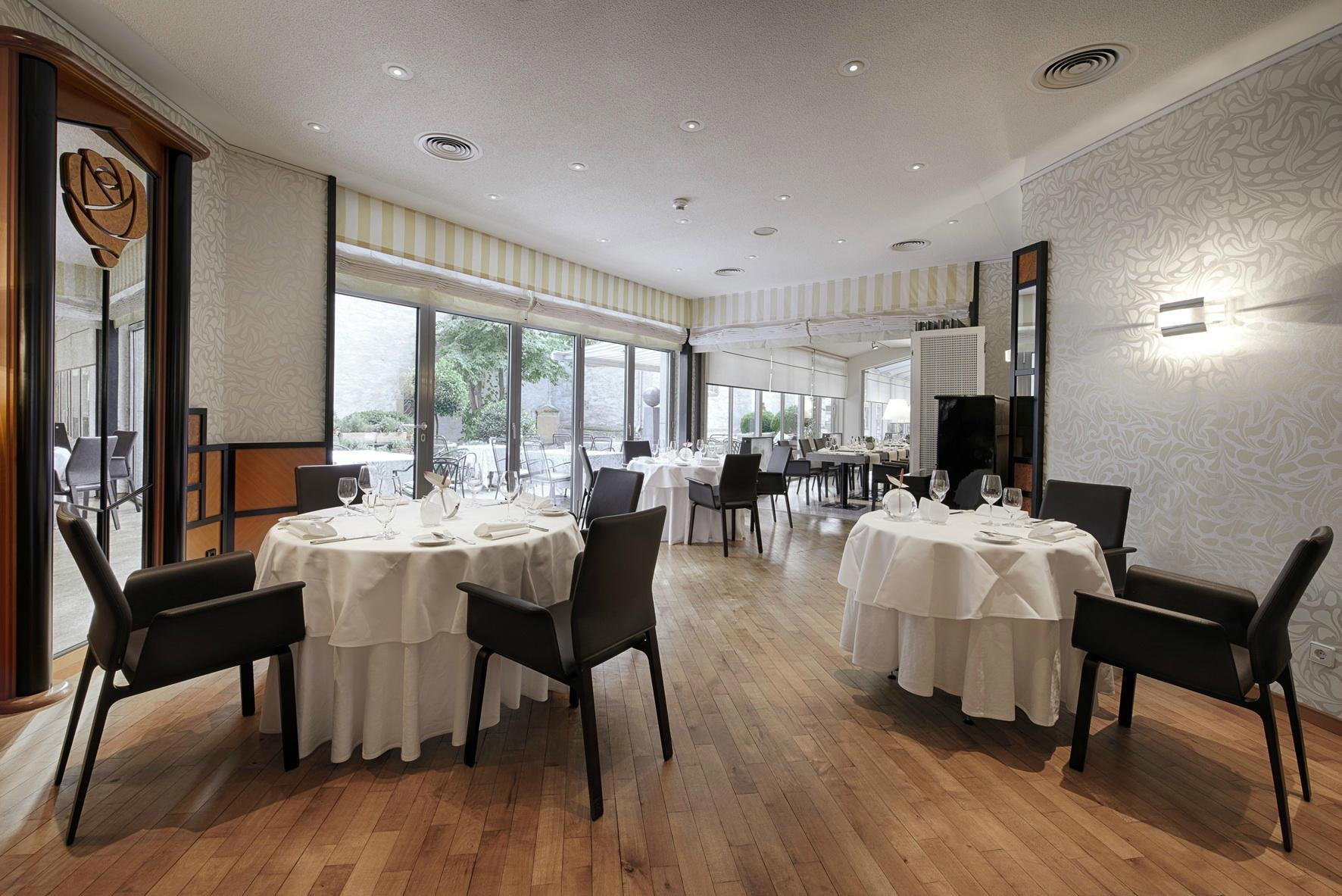
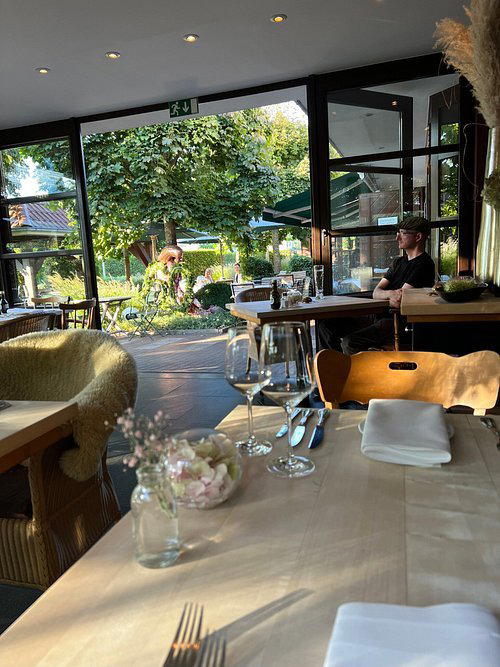
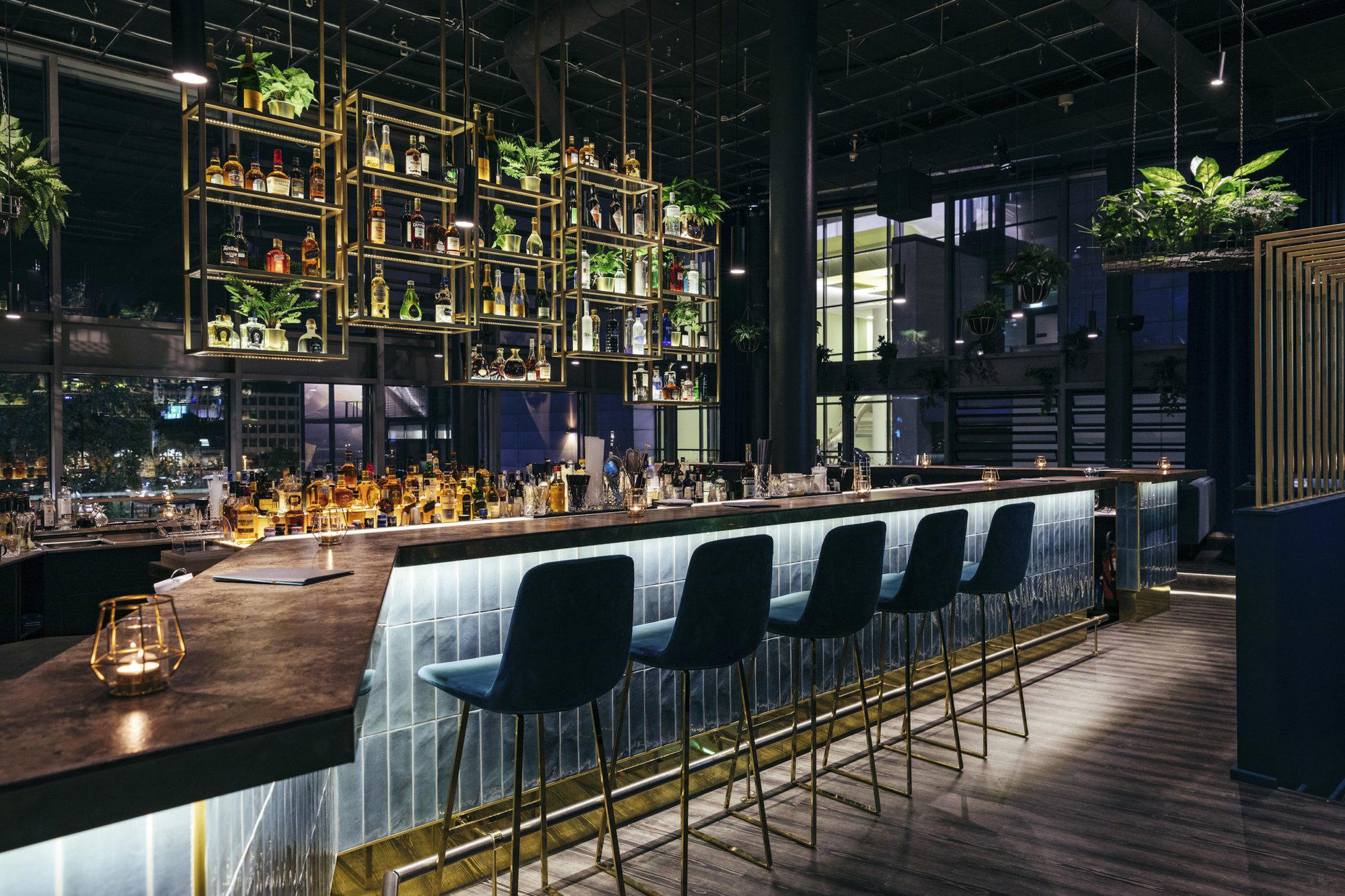
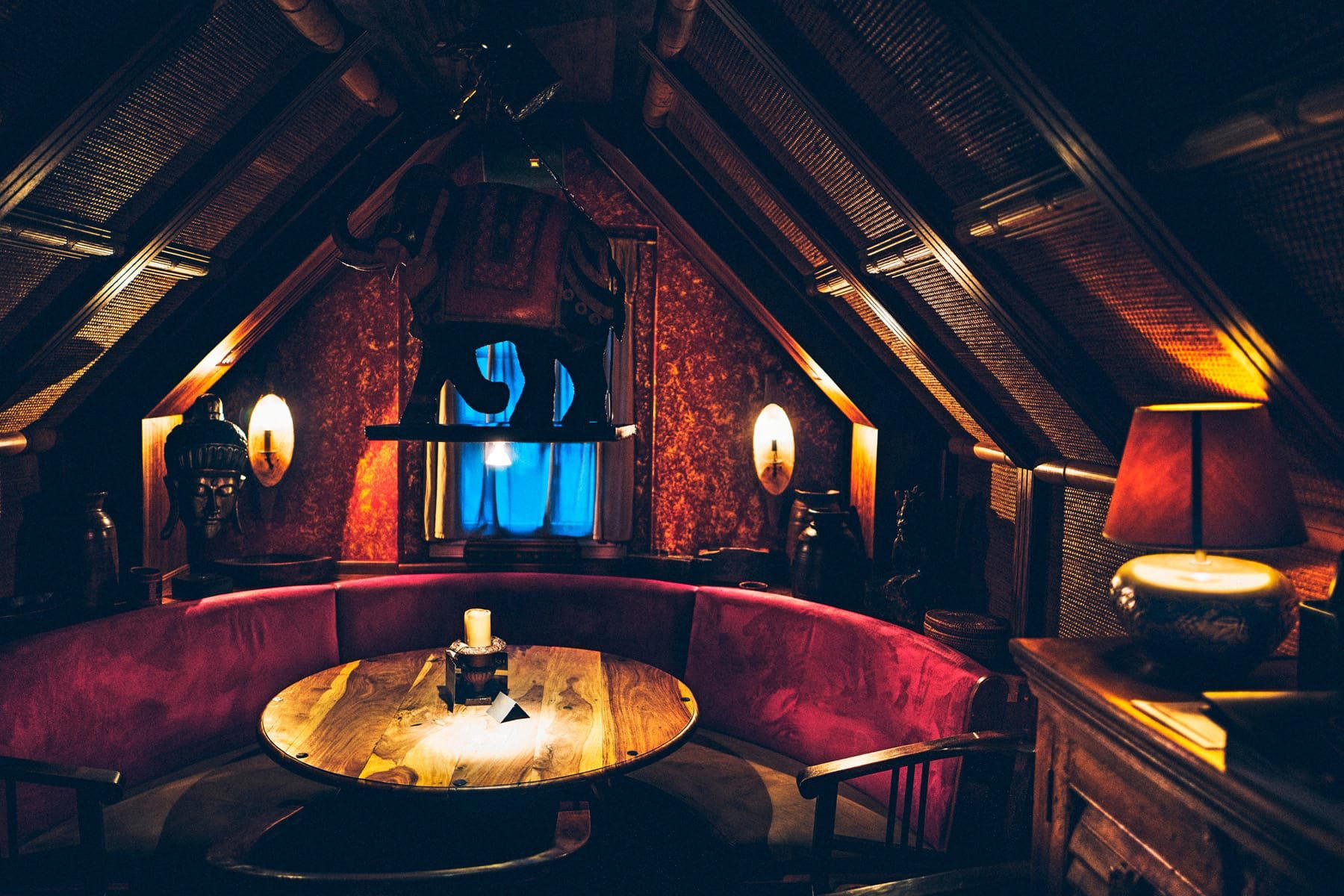
Inside, the atmosphere that draws. Guests at this price tier and in this geography are not paying for a room designed to be photographed. They are paying for the kind of dining room that functions the way a well-run German Gaststätte is supposed to: without ceremony, with confidence, and with cooking that earns its place on the table without announcing itself at volume.
What the Kitchen Sources and Why It Matters
Ostwestfalen-Lippe is a productive agricultural district. The flatlands around Rietberg support arable farming, pig and cattle rearing, and the kind of market-garden vegetable growing that once supplied every town with its own seasonal rhythm. Country cooking in this tradition is not about scarcity or nostalgia, it is about proximity. The strongest regional kitchens in Germany's non-metropolitan centres work in close relationship with growers and smallholders whose output is too small-scale for urban supply chains, but whose produce carries the specificity that larger distribution flattens out.
In the context of a €€ restaurant with Michelin Plate recognition, that sourcing relationship is likely the engine underneath the consistency. Michelin inspectors notice when ingredients carry distinction: when pork tastes of something, when root vegetables have actual texture, when bread is made rather than delivered. German country cooking at its most purposeful is not a simplified version of fine dining. It is its own discipline, one that demands the kitchen know what it is working with and why. For those comparing Domschenke's Westphalian orientation with the classical French register of kitchens like Schwarzwaldstube in Baiersbronn or the creative European idiom of Vendôme in Bergisch Gladbach, the difference is not one of ambition but of frame of reference. Domschenke operates within a German regional tradition that the €€€€ tier tends to move away from, not toward.
For readers curious about where German country cooking sits within the broader national scene, the range is instructive. At one extreme, kitchens like Aqua in Wolfsburg or JAN in Munich operate with three and two Michelin stars respectively, in formats where tasting menus and international technique are central. At the other end, unrecognised local kitchens cook without any external validation at all. Domschenke's position, Michelin Plate, €€, country-cooking format, occupies a specific and underrepresented middle ground. The equivalent category in northern Italy, where locande built on regional produce and multi-generational craft hold their own critical weight, offers a useful comparison: see 21.9 in Piobesi d'Alba or Andrea Monesi - Locanda di Orta in Orta San Giulio for how that tradition plays out across the Alps.
Planning a Visit
Rietberg is not a city that generates its own hotel infrastructure at scale, so visits typically combine Domschenke with a broader Westphalia itinerary or an overnight stop. For those building a longer German restaurant circuit, the western and northern regions offer useful pairings: Restaurant Haerlin in Hamburg and Schanz in Piesport anchor the higher tier, while Domschenke operates as a grounded regional counterpoint rather than a lesser version of the same thing.
Reservations are recommended, and the restaurant is open Monday, Thursday, Friday, and Saturday from 5:30 to 9:30 PM; Sunday from 12 to 1:30 PM and 5:30 to 9:30 PM, with Tuesday and Wednesday closed. The €€ price tier means the bill is unlikely to surprise, but availability during peak local periods, particularly around market days and regional holidays, may warrant advance planning.
Comparable Spots, Quickly
Comparable venues nearby, for context on price, style, and recognition.
| Venue | Cuisine | Price | Awards | Notes |
|---|---|---|---|---|
| DomschenkeThis venue — the venue you are viewing | Regional German Country Cooking | $$ | Michelin Plate | Not listed |
| Gasthaus Spieker | Regional Westphalian-Mediterranean Cuisine | $$$ | Michelin Plate | Hövelhof-Riege |
| Gastwirtschaft Ferdinand Reuter | Regional German Gastwirtschaft | $$ | Michelin Plate | Rheda-Wiedenbrück |
| Gasthof Schütte | Regional German Classic Cuisine | $$$ | Michelin Plate | Schmallenberg |
| SonneStuben | Modern Regional German | $$ | Michelin Plate | Marktplatz |
| Fachwerk | Westphalian with Mediterranean & Eastern Influences | $$$ | Michelin Plate | Untermarkt, Old Town |
Recognition history
Dated appearances from independent guides and award organizations, with the underlying list record or original source where available.
Michelin Plate
Michelin · 2026 Michelin Plate
Michelin Plate
Michelin
Michelin Plate
Michelin
At a Glance
- Rustic
- Cozy
- Classic
- Date Night
- Family
- Group Dining
- Celebration
- Terrace
- Local Sourcing
Current opening hours
- Monday
- 5:30–9:30 PM
- Tuesday
- Closed
- Wednesday
- Closed
- Thursday
- 5:30–9:30 PM
- Friday
- 5:30–9:30 PM
- Saturday
- 5:30–9:30 PM
- Sunday
- 12–1:30 PM, 5:30–9:30 PM
Hours can change for holidays and private events. Last verified .