Domačija Javornik
Set in the Krka valley southeast of Ljubljana, Domačija Javornik represents the farmhouse dining tradition that defines Slovenia's rural interior: produce-led, rooted in the land, and operating well outside the capital's restaurant circuit. The address alone, a working farmstead in Krka village, signals a kitchen built around what grows and grazes nearby rather than what arrives from a central supplier.
Pearl is the En Primeur Club membership app — saves, bookings, and concierge access live there. Same editors, same standards.
- Address
- Krka 27, 1301 Krka, Slovenia
- Phone
- +38631739771
- Website
- slovenskenovice.si
- Directions
- Get directions
 Saves & bookings on Pearl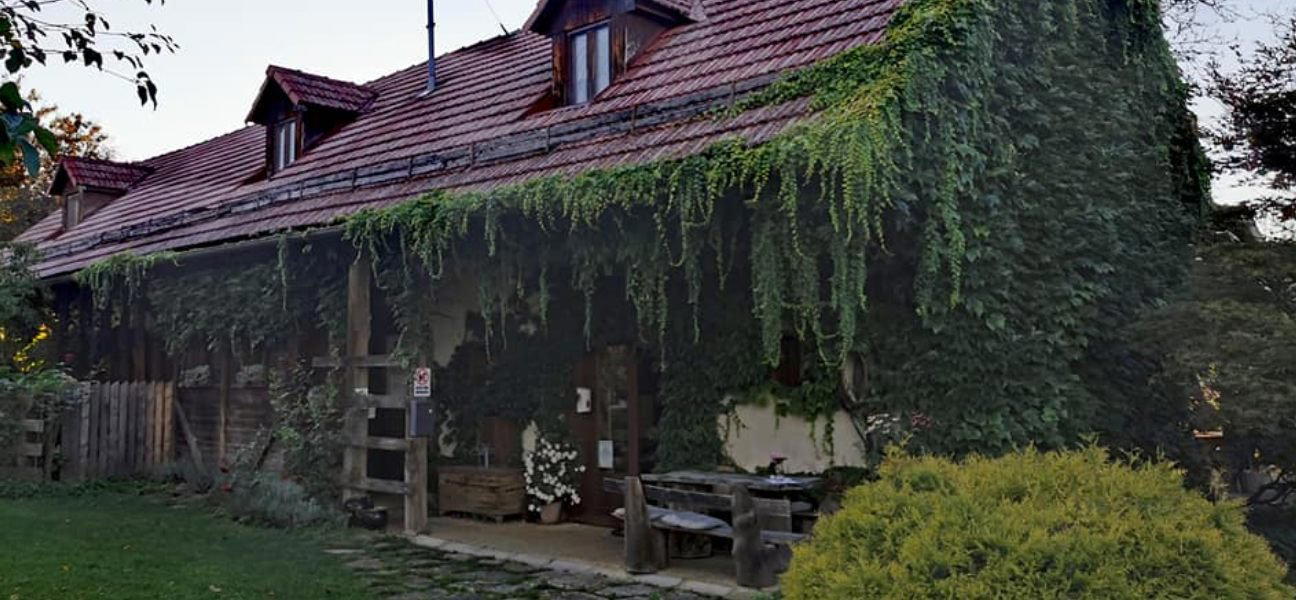
Farmstead Dining in the Krka Valley
The drive from Ljubljana to Krka takes less than an hour, but the transition is more pronounced than the distance suggests. The motorway south gives way to the Krka river valley, a stretch of karst meadows, beehives, and lime-washed farmhouses that belongs to a different register of Slovenian life entirely. Domačija Javornik sits at Krka 27, 1301 Krka, Slovenia, in the agricultural heartland of Ivančna Gorica municipality rather than a curated rural retreat. Arriving here, the surrounding land is not decorative. It is the point.
The Sourcing Logic Behind Rural Slovenian Cooking
Slovenia's farmhouse dining tradition, the domačija format, operates on a premise that predates the locavore movement by generations. A domačija is literally a homestead: an operational farm that feeds its kitchen from its own land, supplemented by neighbours and the seasonal rhythms of the surrounding region. This is not a marketing posture borrowed from fine dining. It is the structural reality of how these places have always worked.
The Krka valley, sitting between the Dolenjska wine region to the south and the forested karst plateau above, produces a recognisable larder. Pork from woodland-raised pigs, game from the surrounding hills, freshwater fish from the Krka river, dairy from small herds, and foraged ingredients from a landscape that shifts meaningfully between spring and late autumn. Kitchens in this tradition do not offer year-round menus in the way urban restaurants do; the dish that exists in October has no equivalent in April, because the ingredients simply are not present.
The comparison is not Hiša Franko in Kobarid or Milka in Kranjska Gora, both of which operate at the creative fine dining tier with international recognition. Nor is it Gostilna Pri Lojzetu in Vipava, which brings structured tasting menu format to a rural setting. The domačija format sits closer to the tradition of the Slovenian gostilna, but without the town-square social function. Its legitimacy comes from the quality and provenance of what it produces, not from a dining room built to impress.
What the Address Tells You
Krka is a village, not a destination in the tourism-infrastructure sense. There is no cluster of wine bars or foot traffic from passing visitors. Restaurants that operate here do so because the land and the people who work it shape the meal. That self-selection matters when assessing what kind of experience this is. Visitors arrive intentionally, by car, knowing in advance that the journey is part of the proposition.
This model appears in pockets across Slovenia's interior, from Gostilna Skaručna in Vodice to Grič in Šentjošt nad Horjulom, each anchored to a specific agricultural microclimate. What distinguishes the Krka valley iteration is the density of primary production in a relatively contained area, the river, the karst edge, the Dolenjska lowlands all feeding into a single local supply chain within a short radius.
Placing Domačija Javornik in the Wider Slovenian Scene
Slovenia's restaurant recognition has concentrated on a handful of headline venues: Restavracija Strelec in Ljubljana, Hiša Denk in Zgornja Kungota, Hiša Linhart in Radovljica. These carry Michelin recognition and operate at a price tier that reflects the full apparatus of fine dining. The domačija format rarely enters that conversation because the evaluation criteria differ. Provenance, hospitality rooted in family continuity, and a direct relationship between farm and table are harder to score on the rubrics that award guides use.
For travellers who have already worked through Slovenia's recognised fine dining tier and are looking for what exists alongside it rather than below it, venues in the Krka valley represent a different argument about what good eating means. Gostilna Francl in Celje, Otočec Castle Restaurant, and Ošterija Debeluh in Brezice each occupy adjacent positions on the map of serious Slovenian eating, and together they sketch the geography of the country's dining culture beyond Ljubljana.
Internationally, the farmhouse-to-table format has found refined expression at places like Lazy Bear in San Francisco, where communal format and producer relationships underpin the experience. The Slovenian equivalent operates with less ceremony but no less seriousness about the supply chain. Le Bernardin in New York City and venues of that register represent the opposite end: ingredient sourcing as a premium signal in a formal fine dining context. The domačija sits between these poles, treating provenance as foundational rather than aspirational.
Planning a Visit
Reaching Domačija Javornik requires a car. Krka village is not served by regular public transport from Ljubljana, and the address at Krka 27 places the property outside walking distance from any nearby town. The drive from central Ljubljana runs approximately 45 to 55 minutes depending on route. Visitors combining this with other Dolenjska destinations, the Krka river gorge, the Žužemberk castle ruins, or wine estates in the Dolenjska wine region, can structure a full day in the valley without backtracking. Given the farmhouse format, advance contact is advisable before any visit, particularly for groups or out-of-season travel. Specific hours, seasonal availability, and booking arrangements are best confirmed directly, as no centralised booking platform or fixed published schedule is available in current records.
The region around Stara Gostilna in Piran or Dam in Nova Gorica draws visitors with coastal and border-town momentum. The Krka valley asks for a different kind of planning: slower, more deliberate, and oriented around what the land produces rather than what the itinerary demands. That shift in approach is, in itself, what this part of Slovenia offers.
Comparable Spots, Quickly
Comparable venues nearby, for context on price, style, and recognition.
| Venue | Cuisine | Price | Notes |
|---|---|---|---|
| Domačija JavornikThis venue — the venue you are viewing | Slovenian Home-Cooked | $$ | Not listed |
| Evino | European Wine Bar | $$ | Bežigrad |
| EK BISTRO | Modern Bistro Brunch | $$ | Petkovškovo nabrežje |
| Nana Bistro & Kavarna | Modern European Bistro | $$ | Glavni trg |
| Krhne | Modern Slovenian | $$ | Vipava Old Town |
| Piazza | Classic Italian Pizzeria | $$ | Central Ljubljana |
Continue exploring
More in Ivancna Gorica
Restaurants in Ivancna Gorica
Browse all →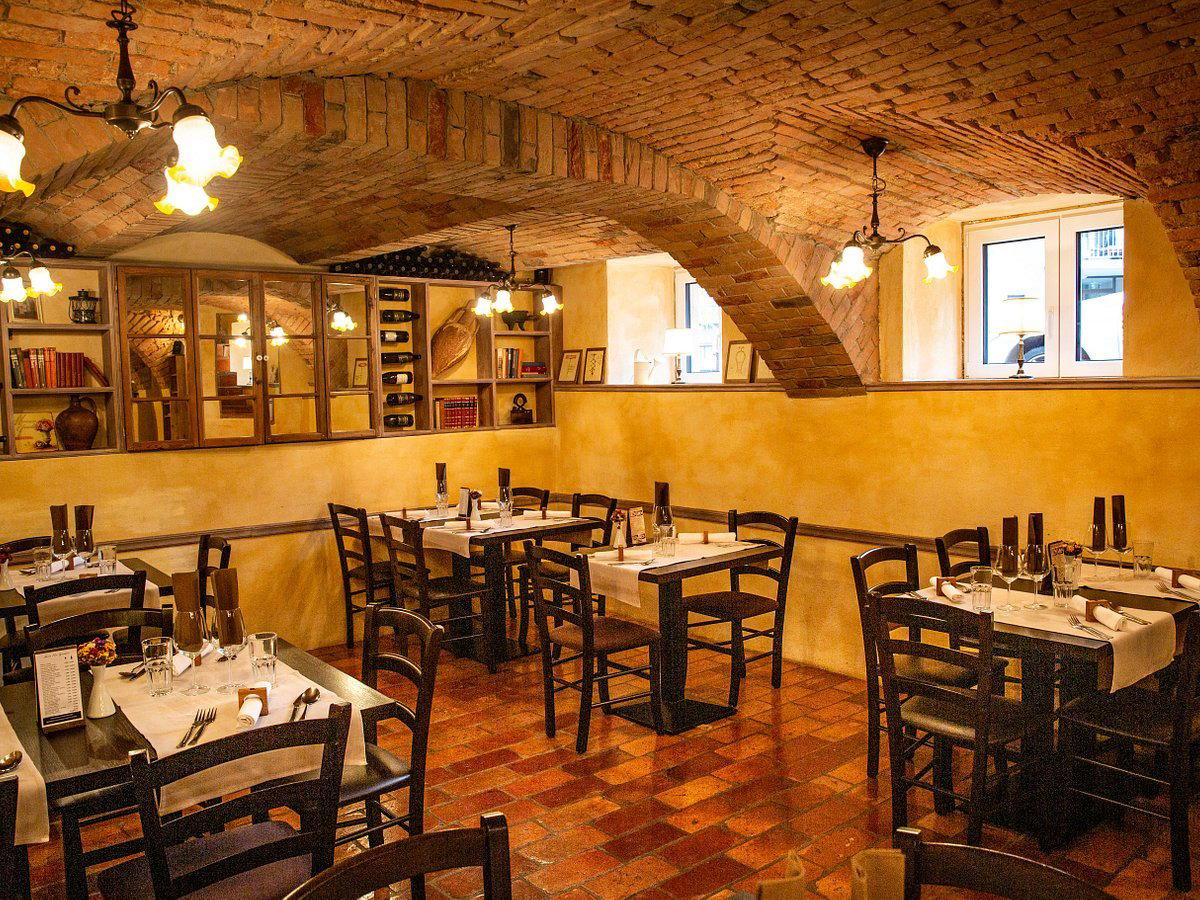
Bars in Ivancna Gorica
Browse all →
Hotels in Ivancna Gorica
Browse all →
Wineries in Ivancna Gorica
Browse all →
At a Glance
- Rustic
- Scenic
- Cozy
- Quiet
- Family
- Casual Hangout
- Garden
- Terrace
- Local Sourcing
- Garden
- Waterfront
Current opening hours
- Monday
- Closed
- Tuesday
- Closed
- Wednesday
- Closed
- Thursday
- Closed
- Friday
- 2–8 PM
- Saturday
- 12–8 PM
- Sunday
- 12–8 PM
Hours can change for holidays and private events. Last verified .
Idyllic and magical ambiance with tables on a shaded lawn near the calmly flowing river, offering complete relaxation.