
Dexcaro & Ossadía belongs to Dénia’s ingredient-led dining conversation: a coastal city where seafood, rice culture and market produce shape the serious end of the table. Its 1 Sol recognition in Guía Repsol 2026 gives it a national signal without turning the experience into ceremony for ceremony’s sake.
 Discover on Pearl
Pearl is the En Primeur Club membership app — saves, bookings, and concierge access live there. Same editors, same standards.
- Address
- Carrer Abu-S-Salt, 1, 03700 Dénia, Alicante, Spain
- Website
- dexcaro.es
Approaching the serious tables of Dénia, the first impression is not luxury theatre but proximity: port, market, fishing culture and the dry inland produce of the Marina Alta all pressing into the same conversation. Dexcaro & Ossadía enters that context as a restaurant to read through sourcing rather than spectacle. In a city where the difference between a good address and a serious one often begins with what arrives from the coast and surrounding huerta, the point is not novelty; it is control over raw material, timing and restraint.
Dénia has a sharper culinary identity than many Mediterranean resort towns because its dining culture is anchored by working traditions as much as by destination gastronomy. Red prawn mythology gets the headlines, but the broader grammar is rice, shellfish, seasonal vegetables, salted fish, grilled seafood and the habit of eating close to the market. Dexcaro & Ossadía’s 1 Sol in the Guía Repsol Soles 2026 places it inside that national recognition tier, below the destination-restaurant stratum but above the casual coastal default. That matters for readers because Repsol’s system tends to reward restaurants that are legible within Spanish regional dining, not merely polished rooms with imported luxury cues.
Dénia's serious tables are judged by supply, not decoration
The city’s dining hierarchy is unusually ingredient-sensitive. A marisquería can outperform a more formal room if the shellfish is stronger; a rice house can justify a detour when stock, grain and fire are handled with discipline. That is why comparisons in Dénia should start by category rather than hype. El Faralló and El Pegoli sit closer to the marisquería tradition, where the argument is made through product and direct cooking. El Baret de Miquel belongs to the tapas register, a format that reads the city through shorter, more elastic eating. Peix & Brases, marked in the €€€ bracket, pushes Mediterranean cooking into a more composed restaurant format. Quique Dacosta occupies the creative end of the spectrum, where Dénia’s local ingredients become a language for high-concept cuisine.
Dexcaro & Ossadía is interesting because it sits in the middle of those pressures: close enough to the city’s ingredient culture to be judged by sourcing, but formal enough for national recognition to matter. That position is useful for travellers who want a meal with local intelligence without committing the evening to a grand tasting-menu temple. The 2026 Repsol Sol is the key trust signal here, but the better reading is comparative: this is not a generic Mediterranean table transplanted to the Costa Blanca. It belongs to a city where the plate is expected to justify its geography.
Ingredient sourcing is the real luxury code in Marina Alta cooking
The Marina Alta gives cooks a compact pantry with unusually clear boundaries. The sea supplies the obvious headline ingredients; the inland valleys add citrus, almonds, vegetables, olive oil and herbs; rice culture supplies the technique and social rhythm. Serious restaurants in Dénia have to decide how loudly to speak that language. Some keep it direct, with seafood and fire. Others abstract it into tasting-menu architecture. Dexcaro & Ossadía’s editorial value is in how it participates in that sourcing-led conversation without needing to be positioned as a laboratory.
For visitors, that distinction matters. Coastal Spain can flatten into a predictable vocabulary of grilled fish, paella promises and terrace views. Dénia resists that when restaurants respect season and supply chain. The stronger meals here tend to feel specific to the city rather than merely Mediterranean in a broad sense. A Repsol-recognised restaurant in this setting signals a kitchen expected to handle product with enough precision for Spanish diners who already know the category well. That is a higher bar than pleasing first-time visitors with familiar coastal comforts.
The absence of publicly listed chef biography or set-price detail should not distract from the core assessment. In Dénia, credentials often sit on the plate and in the supply line. A named chef can add authority, but the city’s restaurant culture is not built only on personality. It is built on purchasing, seasonality, rice discipline, seafood handling and the ability to avoid overworking ingredients that need less intervention than confidence.
How to place Dexcaro & Ossadía in a Dénia itinerary
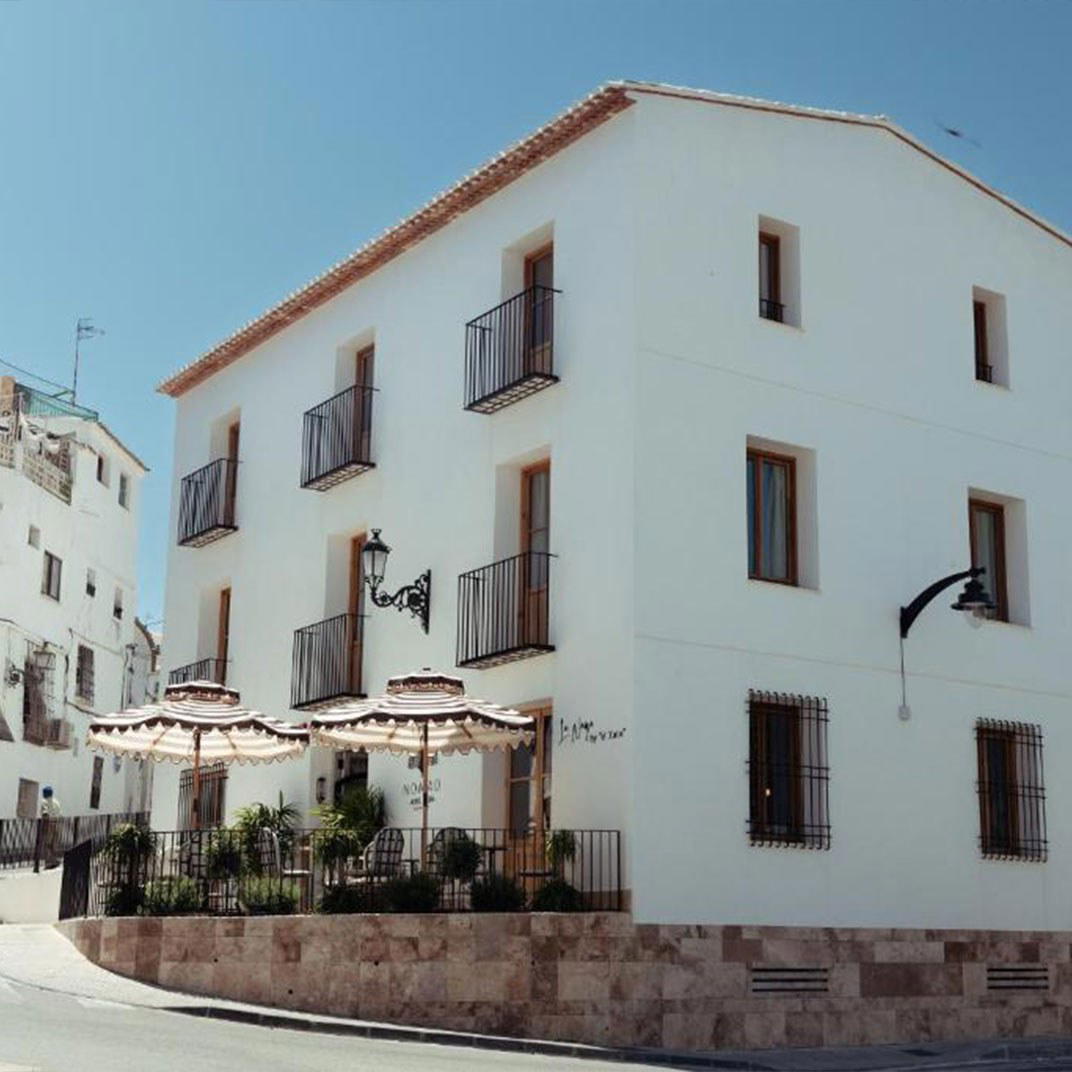
Dexcaro & Ossadía works as a serious restaurant choice within a broader Dénia eating plan, especially for travellers who want one meal that reflects the city’s ingredient economy rather than only its seaside leisure mood. Pair it with a more informal tapas stop at El Baret de Miquel, a shellfish-led meal at El Faralló or El Pegoli, and a more ambitious creative booking at Quique Dacosta if the trip is built around gastronomy. That sequence gives a clearer picture of the city than chasing a single address as a trophy.
Planning should be tighter in high coastal season, when Dénia’s population swells and stronger restaurants absorb both local regulars and visitors. The address places Dexcaro & Ossadía in town rather than as a remote rural detour, so it fits a compact evening without turning dinner into a transfer exercise. Use our full Dénia restaurants guide to map the meal against the city’s broader dining categories, then pair the booking with our full Dénia hotels guide, our full Dénia bars guide, our full Dénia wineries guide and our full Dénia experiences guide for a trip that reads beyond dinner.
Spain’s regional dining map rewards this kind of specificity. A table such as “B de J” in Madrid answers a different urban rhythm, while 12 Tapas in Castilleja de la Cuesta, 144. in Vitoria-Gasteiz, 1742 in Ibiza, 1860 Tradición in Elciego and 1881 per Sagardi in Barcelona each show how place changes the expectations placed on a kitchen. Even farther afield, Jōdo Saké Bar in Los Angeles and Onigiri Time in Pasadena underline the same editorial rule: format matters less than whether a restaurant speaks clearly from its own supply culture. In Dénia, Dexcaro & Ossadía’s case rests on that clarity, supported by a 2026 Repsol Sol and a city that gives ingredient-led cooking little room for disguise.
Comparison Snapshot
Comparable venues by cuisine and price in the same metro.
| Venue | Cuisine | Price | Awards | Notes |
|---|---|---|---|---|
| Dexcaro & OssadíaThis venue — the venue you are viewing | International Fusion Tasting Menu with Mediterranean & Asian Influences | $$$ | , | |
| El Pegoli | Traditional Mediterranean Seafood | $$$ | Les Rotes | |
| El Faralló | Authentic Dénia Seafood | $$$ | Las Rotas | |
| El Baret de Miquel | Modern Spanish Tapas | $$$ | Old Town Denia | |
| Peix & Brases | Modern Mediterranean Grill | $$$ | Michelin 1 Star | Port |
| Quique Dacosta | Avant-Garde Spanish Fine Dining | $$$$ | Michelin 3 Star | El Poblet |
Continue exploring
More in Dénia
Restaurants in Dénia
Browse all →
At a Glance
- Modern
- Trendy
- Intimate
- Lively
- Hidden Gem
- Elegant
- Date Night
- Special Occasion
- Celebration
- Group Dining
- Private Event
- Chefs Counter
- Open Kitchen
- Private Dining
- Standalone
- Design Destination
- Extensive Wine List
- Beer Program
- Local Sourcing
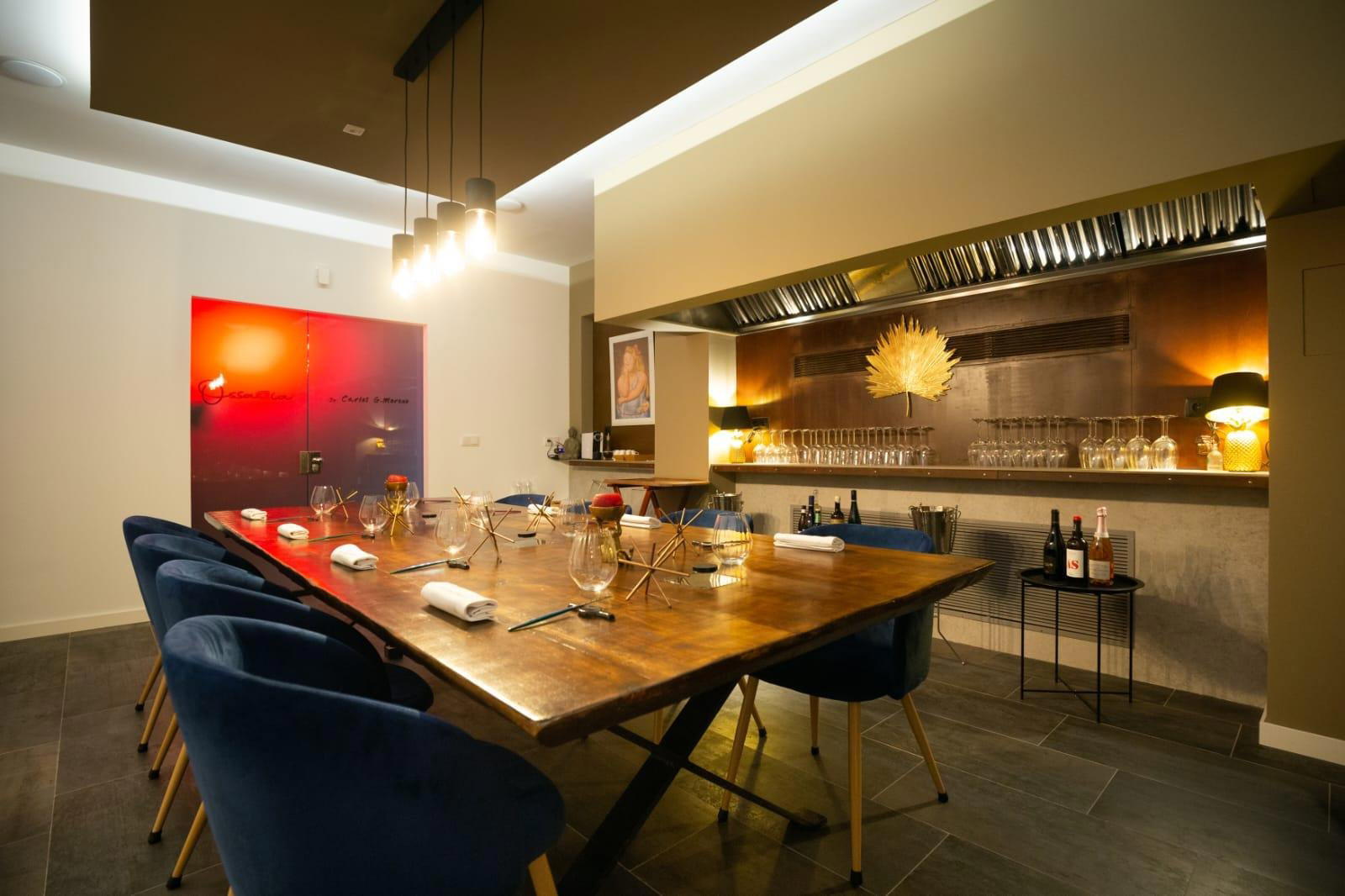
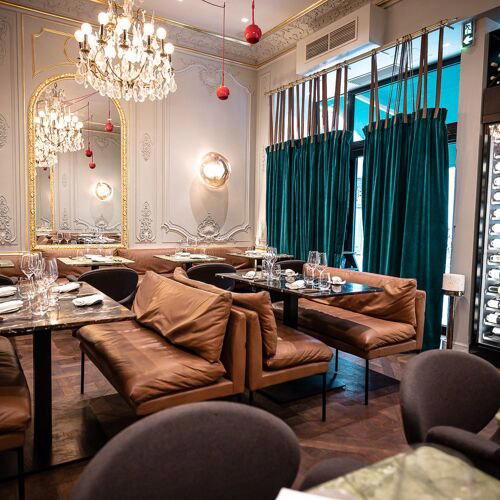
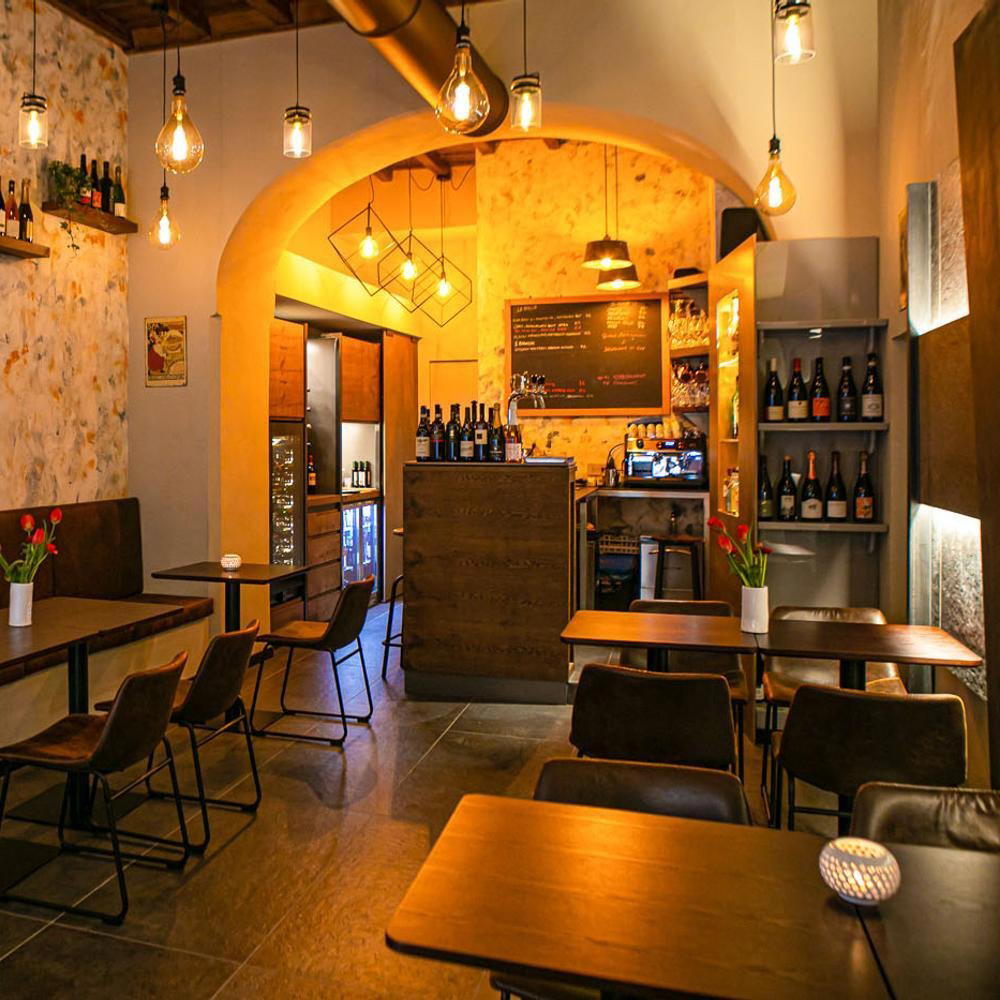
Ultra-modern and individual interior with an imaginative, theatrical atmosphere: guests begin with tapas or an amuse-bouche in the main urban-food dining room before being led through the open kitchen into an intimate private space where courses and pairings are explained table-side by the chef and team.