Devour at The Dyehouse

The Good Food Guide GFG Good
Our verdict
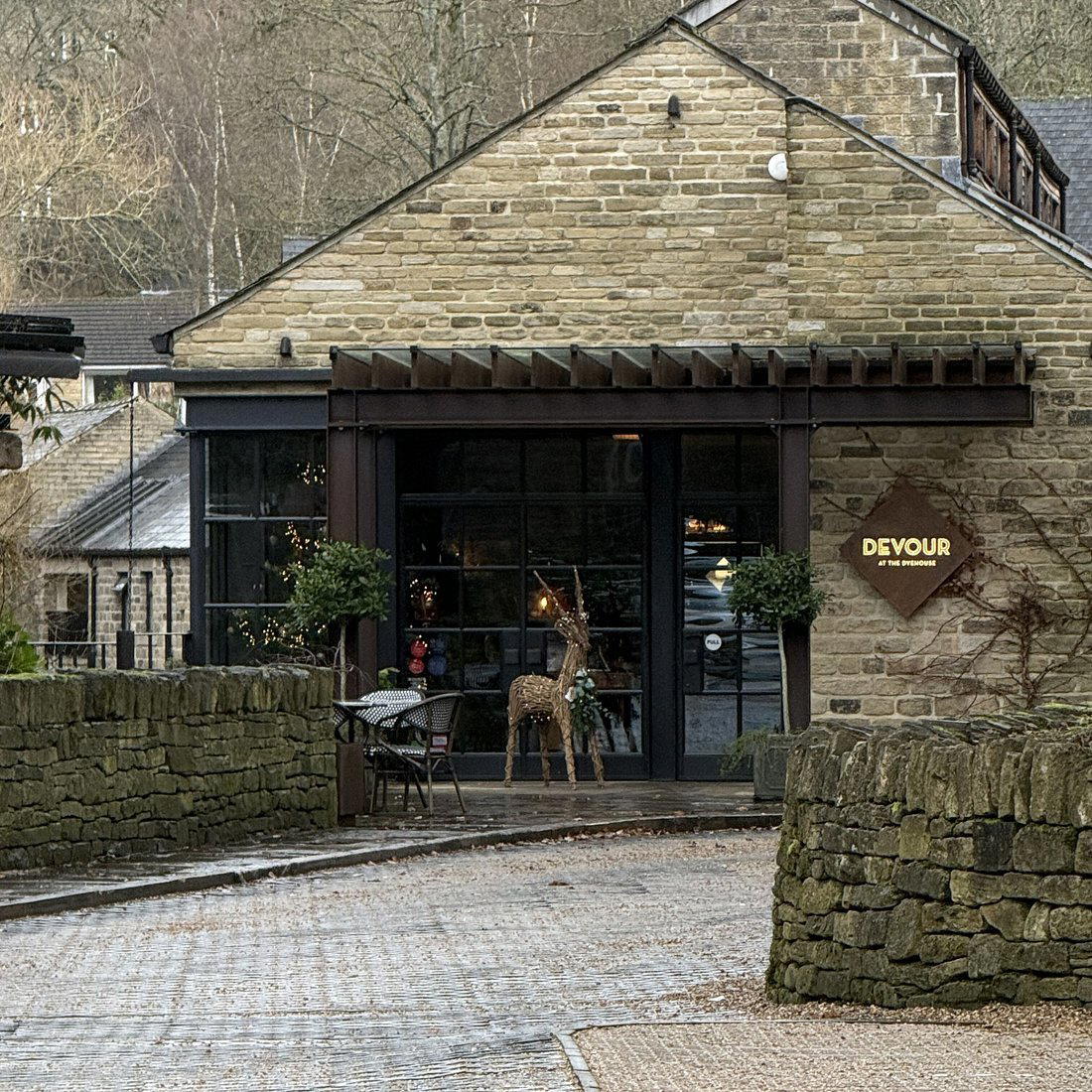
A converted 19th-century dyehouse in Thongsbridge delivers regional Italian cooking with genuine depth, antipasti built on prosciutto and burrata, cicchetti worth ordering liberally, and an all-Italian wine list. Chef Olivia Robinson brings training from the Marche region to the West Yorkshire valleys, and the combination of iron beams, stone floors and a lofted roof gives the room more architectural character than most rural restaurants in the county.

Pearl is the En Primeur Club membership app, where members save venues, book tables and use the concierge.
The menu
What to order
- Handmade Pasta
- Wood-Fired Pizza
- Cicchetti Small Plates
- Fritto Misto
- Panzanella
- Ham Hock Garganelli
Stone Floors, Iron Beams, and the Long Way Round to Italian
The Colne Valley has never been short of converted industrial buildings, but most of them became flats. The dyehouse on Luke Lane in Thongsbridge took a different path. Its iron beams and stone floors remained intact; a lofted ceiling was left to do its structural work; and at some point the building became a restaurant whose reference points sit closer to the Adriatic coast than the Pennine hills. That contrast, between the material weight of a West Yorkshire textile building and the brightness of Italian regional cooking, is what gives Devour at The Dyehouse its particular character.
For readers planning a broader visit, our full Holmfirth restaurants guide covers the wider scene across the valley.
Where the Ingredients Come From, and Why That Framing Matters
Italian regional cooking in the UK divides into two broad camps. The first draws on a general idea of Italy: pizza, pasta, a wine list that runs to Pinot Grigio and stops. The second traces specific provenance, regional technique, ingredient logic, and sourcing that reflects how a dish is actually made in its place of origin. Devour sits in the second camp, with Olivia Robinson's background in the Marche region of central Italy shaping the sourcing instincts behind the menu.
Marche is not Tuscany or Emilia-Romagna in terms of international recognition, which is partly why its culinary logic tends to arrive in the UK intact rather than diluted by trend. The region's cooking is built around slow braise times, sea and land ingredients treated as equals, and a comfort with offal and cured meat that doesn't require apology. All of that shows up in the menu at Devour. The ham hock garganelli, homemade pasta with 12-hour braised pork, is the kind of dish where the ingredient count is low and the time investment is the point. The 'nduja fritters apply the Calabrian-adjacent logic of fermented, spiced pork fat to a format that works well as a shareable first course.
Antipasti extend the sourcing range. Prosciutto and burrata with celeriac rémoulade pairs Italian cured meat with a classical French technique applied to a root vegetable, producing something that reads as European rather than specifically Italian, which is accurate, since Marche cooking has always absorbed influences from the Adriatic trade routes. The scallops with eight-hour braised pig's cheek, budino nero purée and apple crisp push the kitchen's range further: the eight-hour braise on the cheek is a commitment that most casual restaurants don't make, and the budino nero (blood pudding) signals a willingness to use the whole animal.
Reading the Menu Correctly
The menu is structured around Italian categories, antipasti, cicchetti, secondi piatti, but the ordering logic that local regulars have settled on treats cicchetti as the meal's centre of gravity rather than its preamble. That approach makes sense given what the cicchetti section actually contains. The fritto misto alone, king prawns, calamari, whitebait and haddock in a Menabrea beer batter with saffron aïoli, constitutes a serious plate of food. Menabrea is a Piedmontese lager with enough body to hold a batter together without overwhelming the seafood, and saffron aïoli is a southern French register applied to an Italian format. It works.
The secondi piatti operate at a more conventional restaurant tempo. Chicken and pancetta risotto and braised lamb shoulder with mushroom tortelloni are the kinds of dishes that demonstrate technical range without requiring the diner to make adventurous choices. For those who want a direct plate of something well-executed, they serve that function.
Pizza appears on the menu at a scale described as generous. In a room with this much industrial heritage, a large pizza feels contextually appropriate rather than incongruous.
The Room and Its Outdoor Extension
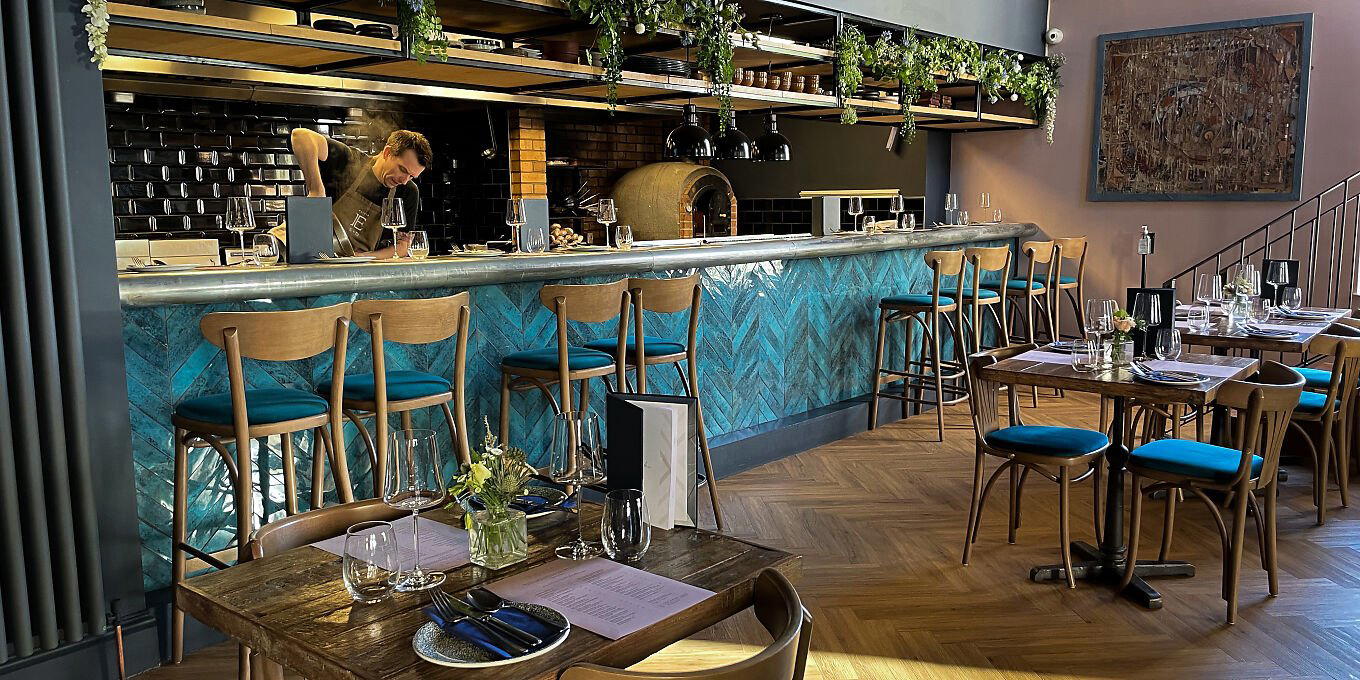
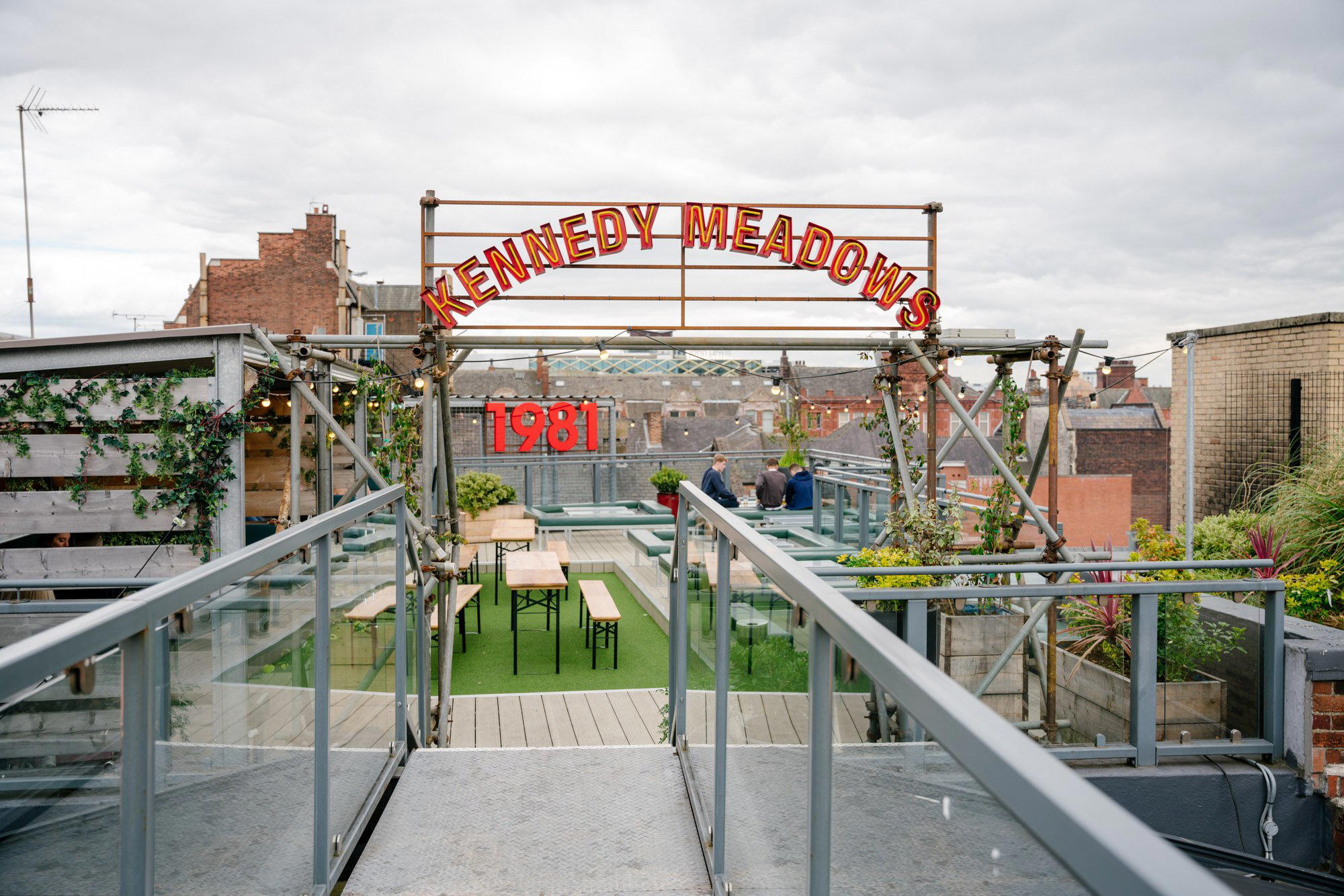
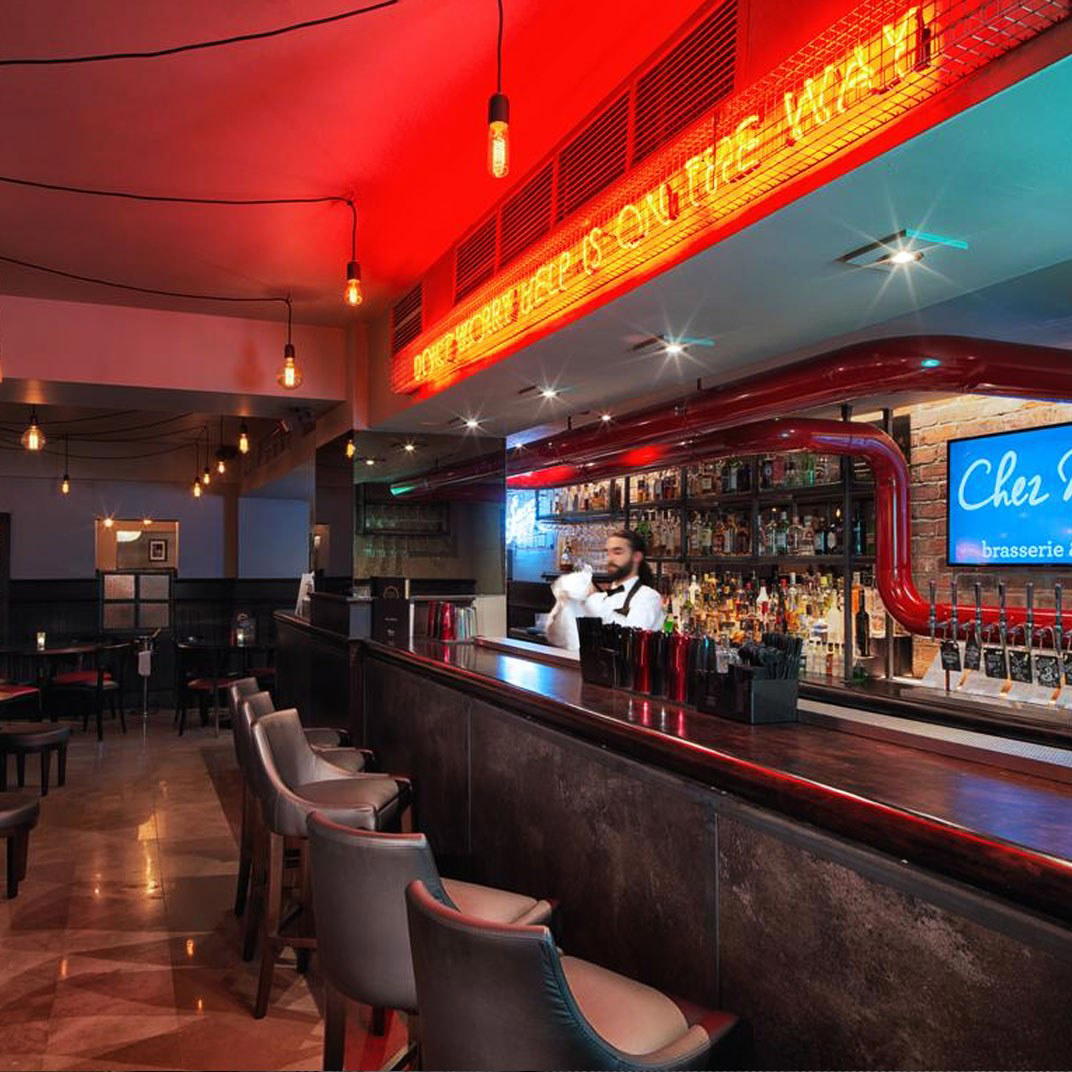
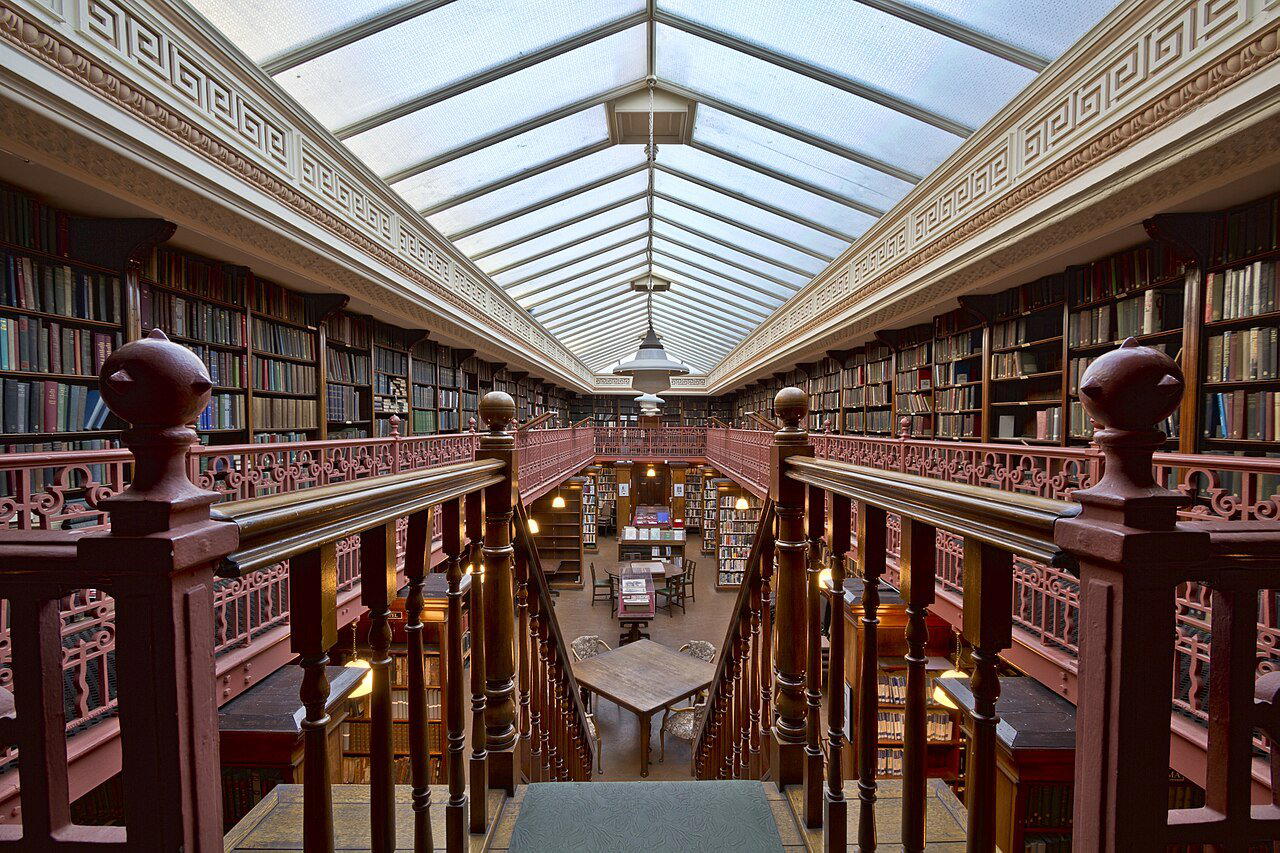
The conversion preserved the building's weight without making it feel austere. Stone floors, exposed iron beams and a high lofted roof create a space that reads as warm rather than cold, a distinction that matters when the architecture could easily tip toward the industrial-minimalist cliché. The outdoor space has its own logic: during the various pandemic lockdowns, it allowed service to continue when indoor dining was not possible, and on a reasonable spring or autumn day in the Holme Valley it remains a credible place to eat lunch rather than a compromise position.
The latitude matters here. Holmfirth sits at roughly 53.5 degrees north, which means that outdoor dining is genuinely seasonal rather than aspirational. From late April through October, the valley gets enough sun and shelter to make the terrace practical. In winter, the interior is the obvious call, and the room is built for it.
Drinks and the All-Italian Wine List
Wine list is an all-Italian programme, which is the right decision for a kitchen working in this register. Italian regional wine, particularly from lesser-known appellations in Marche, Abruzzo and Campania, pairs more precisely with slow-braised pork and cured meat than an international list would, and it gives the room a coherence that mixed-origin lists often sacrifice. The espresso Martini and the Side Car to Italy have both attracted specific local recommendations, which suggests a bar programme operating with some confidence rather than simply running the standard cocktail repertoire.
Where Devour Sits in the Broader Context
Rural England's premium dining scene tends to organise itself around one of two models. The first is the destination-format restaurant that draws from a regional or national catchment, places like L'Enclume in Cartmel or Moor Hall in Aughton that operate at a formal, tasting-menu level. The second is the neighbourhood restaurant that happens to be very good, rooted in a community, offering something genuinely regional, and priced for regular visits rather than occasions. Devour belongs clearly to the second category.
That positioning is not a limitation. London's highest-profile rooms, The Ledbury, Midsummer House in Cambridge, Opheem in Birmingham, occupy a different tier of formality and price. Devour is not competing with them, and shouldn't be read against them.
Planning a Visit
Devour at The Dyehouse is located at Luke Lane, Thongsbridge, Holmfirth HD9 7TB. Holmfirth is accessible by car from Huddersfield in under 20 minutes, and the building's position in Thongsbridge puts it slightly outside the town centre, worth noting for parking and navigation. Given the kitchen's approach to slow cooking and homemade pasta, this is not a restaurant where a walk-in on a busy weekend evening is likely to serve you well; booking ahead is the practical approach. For those building a broader trip to the area, our Holmfirth hotels guide, bars guide, and experiences guide cover the rest of the valley's offerings.
Frequently asked questions
Is Devour at The Dyehouse suitable for children?
One local describes it as a venue suited to the full family as readily as a date night. The generous outdoor space adds practical room for groups of mixed ages, and the menu, spanning pizza, pasta, and sharing plates, covers enough ground to work across generations.
Is Devour at The Dyehouse formal or casual?
The setting is a converted industrial dyehouse on Luke Lane in Thongsbridge, stone floors, iron beams, and a lofted roof, which sets an atmospheric rather than formal tone. The cooking is structured around proper Italian categories (antipasti, cicchetti, secondi piatti), but the ordering style regulars have adopted leans relaxed and shareable.
Is Devour at The Dyehouse Michelin-listed?
Devour at The Dyehouse has received recognition including: 'A perfect venue for a warm atmosphere and stunning food – whether you’re taking the full family or having a date night,' says one lucky local enthusiastically. With generous outdoor space available, Olivia Robinson was able to continue ser….
What's the signature dish at Devour at The Dyehouse?
Regulars consistently direct first-timers toward the cicchetti section: the ham hock garganelli (homemade pasta with 12-hour braised pork) and the 'nduja fritters appear repeatedly in recommendations. The fritto misto, king prawns, calamari, whitebait and haddock in Menabrea beer batter with saffron aïoli, also draws consistent attention.
What's the address for Devour at The Dyehouse?
Devour at The Dyehouse is located at Luke Ln, Thongsbridge, Holmfirth HD9 7TB, United Kingdom, Holmfirth.
What's the best way to book Devour at The Dyehouse?
The venue's direct booking contact is not listed publicly, so checking their current online presence or visiting the Thongsbridge address at Luke Lane, Holmfirth HD9 7TB is the most reliable starting point. Given the scale of the converted space and outdoor seating, booking ahead for weekend services is advisable.
What's the defining dish or idea at Devour at The Dyehouse?
The kitchen is anchored in the regional Italian cooking of Marche, brought to the Colne Valley by owner Olivia Robinson, and the through-line is long-process technique applied to approachable formats: 12-hour braised pork in handmade pasta, eight-hour braised pig's cheek paired with scallops, homemade focaccia in a three-tomato panzanella. The all-Italian wine list reinforces that this is a kitchen with a clear regional reference point, not a generalised Italian menu.
Comparison Snapshot
Comparable venues nearby, for context on price, style, and recognition.
| Venue | Cuisine | Price | Awards | Notes |
|---|---|---|---|---|
| Devour at The DyehouseThis venue (the venue you are viewing) | Italian Trattoria with Yorkshire Provenance | $50–100 | The Good Food Guide GFG Good | Not listed |
| The Whippet & Pickle | Modern British Gastropub | $30–50 | Not listed | Holmfirth Town Gate |
| Osteria Vibrato | Regional Italian osteria & wine bar | $100–150 | National Restaurant Awards Top 100 #69 | Soho |
| Kuro Eatery | Modern Italian | $50–100 | Not listed | Notting Hill |
| Lupo | Authentic Roman Trattoria | $20–30 | Not listed | Prestwich |
| Dalla | Regional Italian Trattoria | $50–100 | National Restaurant Awards Top 100 #70 · The Good Food Guide GFG Good | Hackney Central |
Recognition history
Dated appearances from independent guides and award organizations, with the underlying list record or original source where available.
The Good Food Guide GFG Good
The Good Food Guide
Continue exploring
More in Holmfirth
Restaurants in Holmfirth
All restaurants in Holmfirth →
Bars in Holmfirth
Browse all →
Devour at The Dyehouse
The wine
- Extensive wine list
- Sommelier-led
- Craft cocktails
- Beer program
Details
- Romantic
- Elegant
- Industrial
- Scenic
- Date Night
- Celebration
- Family
- Group Dining
- Special Occasion
- Open Kitchen
- Terrace
- Historic Building
- Design Destination
- Standalone
- Waterfront
- Extensive Wine List
- Craft Cocktails
- Beer Program
- Sommelier Led
- Farm To Table
- Local Sourcing
- Waterfront
- A La Carte
- Small Plates
- Set Menu
- Italian Wine
- Craft Cocktails
- Italian Beer
- Vegetarian Friendly
- Allergy Accommodating
Current opening hours
- Monday
- Closed
- Tuesday
- Closed
- Wednesday
- 5:30–11 PM
- Thursday
- 5:30–11 PM
- Friday
- 5:30–11 PM
- Saturday
- 12–11 PM
- Sunday
- 1–9 PM
Hours can change for holidays and private events. Hours as of .
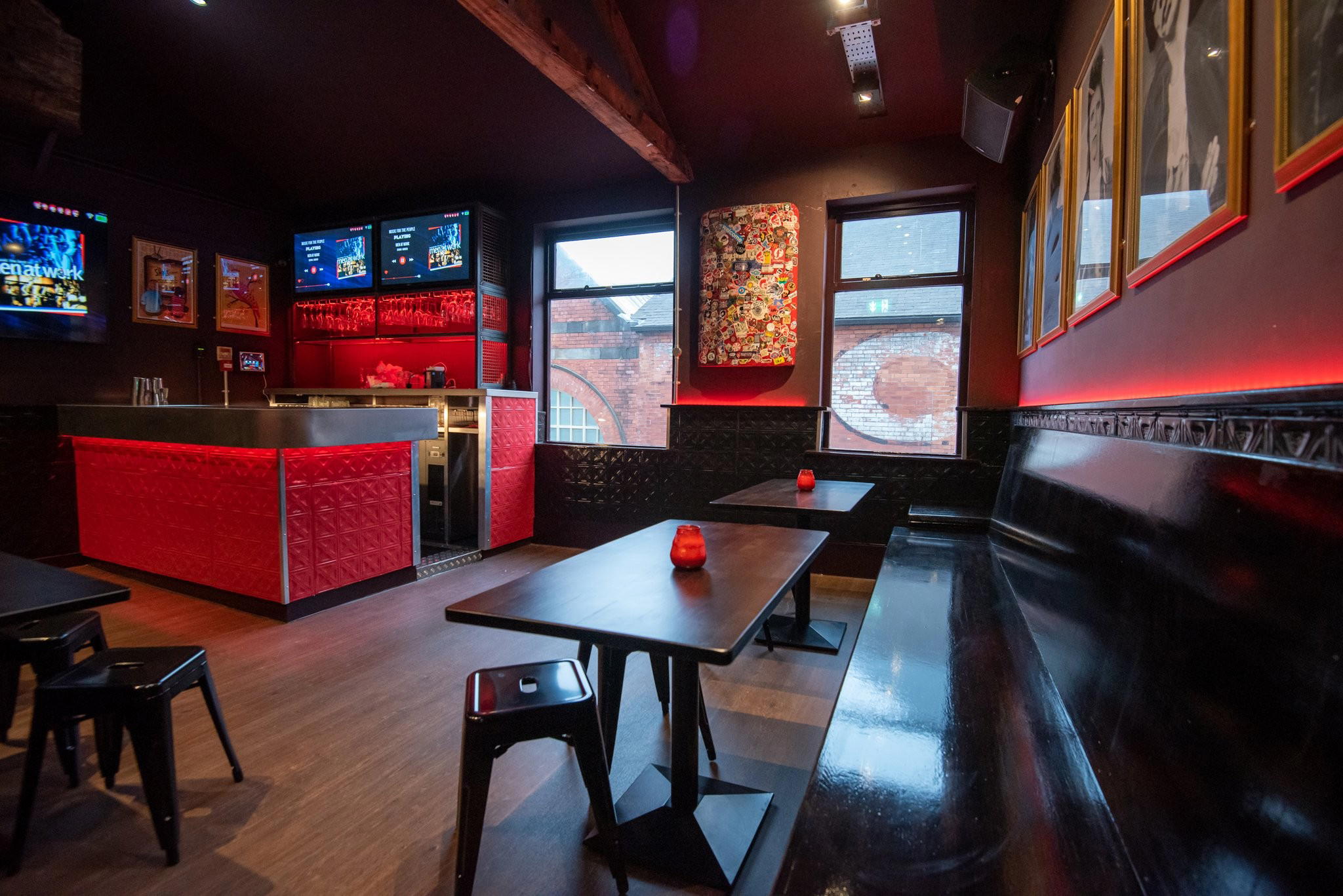
Industrial-chic with exposed brick, high beams, iron beams and stone floors; lively and energetic with modern wall prints and vintage furniture; acoustics create high noise levels despite stylish conversion.