Despaña
"Both a shop and tapas bar, we head here for hard-to-find Spanish ingredients like Bomba rice, excellent Manchegos, smoked paprika, and an endless variety of delicious preserves. It’s nearly impossible to walk away without snacking on one of their well-suited tortillas. There’s also a market in Queens. "
Pearl is the En Primeur Club membership app — saves, bookings, and concierge access live there. Same editors, same standards.
- Address
- 408 Broome St, New York, NY 10013
- Phone
- +1 212 219 5050
- Website
- despananyc.com
- Directions
- Get directions
 Saves & bookings on Pearl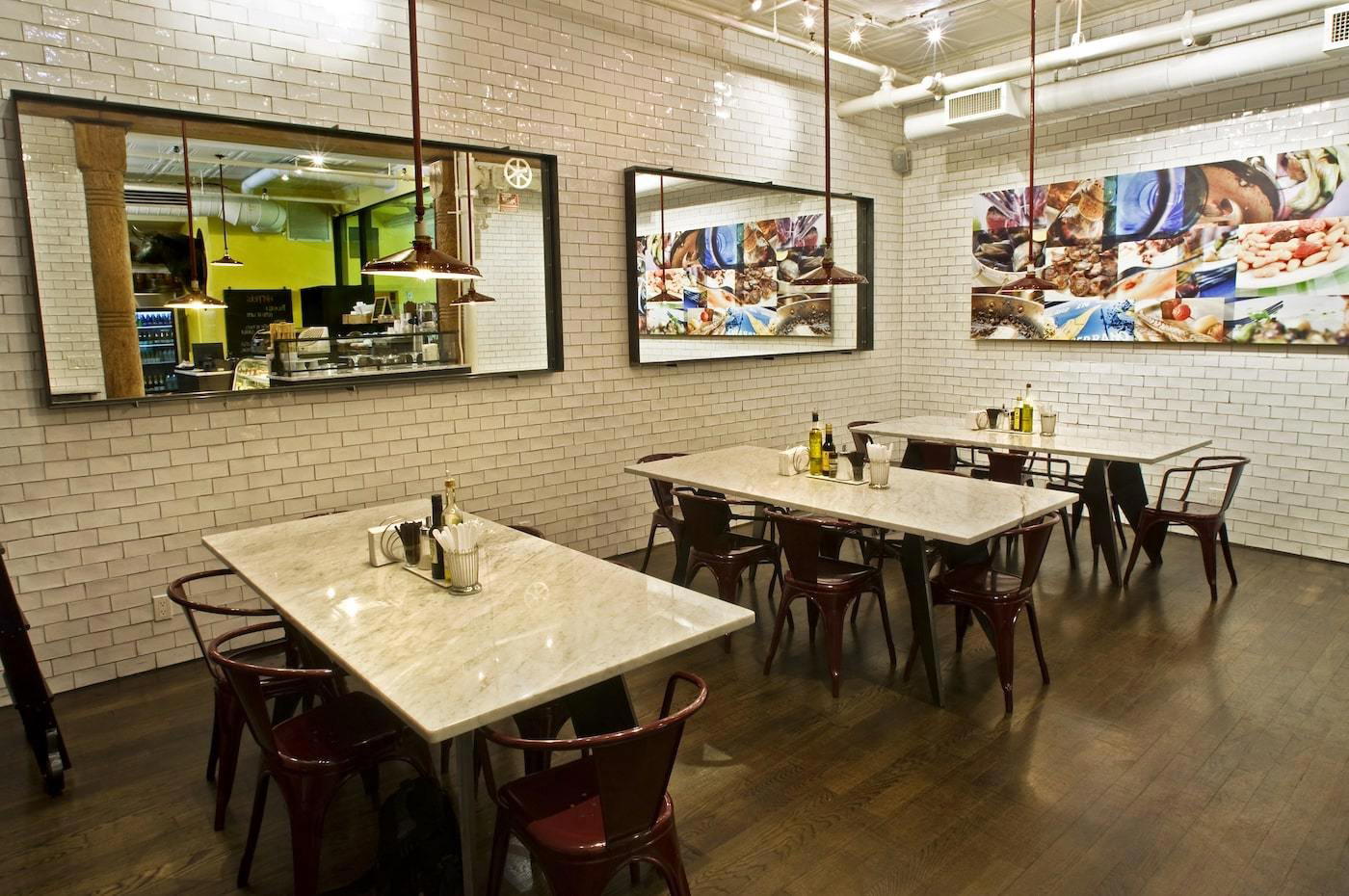
SoHo's Spanish Pantry and What It Represents
When Despaña opened its doors at 408 Broome Street in SoHo, it arrived as something the neighborhood lacked: a serious Spanish provisions shop operating at the level of the market stalls that supply the restaurants of Madrid and Barcelona. That positioning has defined its reputation ever since. In a city where Spanish food had long been refracted through tapas-bar formats or absorbed into broader Mediterranean menus, a store built around the sourcing logic of the Iberian pantry occupied a genuinely distinct position.
SoHo in the early 2000s was already home to destination retail, but the food retail scene skewed Italian and French. Spanish ingredients, particularly the cured meats, aged cheeses, and preserved goods that give Iberian cooking its depth, were either absent or available only in scattered specialty stores without the curatorial rigor that the cuisine deserves. Despaña filled that gap not by replicating a restaurant experience but by prioritizing the source material itself.
The Sourcing Argument at the Center of Everything
The editorial case for Despaña rests almost entirely on where its products come from and how they are selected. Jamón ibérico is among the more geographically and biologically specific luxury ingredients in the world: the breed, the feed regime (acorn-fed pigs produce bellota-grade ham), and the curing duration all determine final quality in ways that make origin documentation non-negotiable. Shops that stock Spanish charcuterie without that sourcing transparency are selling a category, not a product. Despaña has built its operation around the opposite principle.
The same logic applies to the cheese counter. Spanish cheeses occupy a narrow slice of the American specialty food market compared to French or Italian alternatives, which means consumer education is part of what a shop like this provides. A well-sourced Manchego from La Mancha, aged properly and handled correctly through the cold chain, is a different product from the commodity version that appears in supermarkets. The store's reason for existing is to make that distinction legible to buyers who may not have traveled to the regions where these products originate.
This sourcing-first model places Despaña in a comparable set that includes serious import-focused delicatessens rather than restaurants. The comparison is instructive: at the $$$$ tier of New York dining, venues like Le Bernardin, Atomix, Eleven Madison Park, Masa, and Per Se all depend on supplier relationships and ingredient provenance to justify their price points. Despaña operates upstream of those relationships, supplying the pantry logic that serious cooking depends on.
What the Counter Offers
The prepared food counter at Despaña functions as a working demonstration of the import inventory. Bocadillos assembled with jamón ibérico, chorizo, or manchego give customers a way to taste the sourcing argument rather than simply read it on a label. This is a retail format common in European delicatessens, the idea that a counter serving sandwiches is, in effect, a tasting room for the provisions on the shelves beside it.
Spanish charcuterie rewards that format particularly well. Ibérico products, whether lomo, chorizo, or salchichón, carry flavor compounds that emerge at room temperature, making a simple bocadillo a more informative tasting vehicle than a packaged slice taken home. The counter model is also consistent with how these products are consumed in Spain, where a mid-morning stop at a provisions shop for a sandwich and coffee is a social and gastronomic institution rather than a meal replacement.
For the sourcing-conscious buyer, the shop floor offers a range that extends from pantry staples, conservas, olive oils, vinegars, to ingredients that require specialist sourcing and careful handling. The conservas category alone is worth attention: Spanish tinned seafood, particularly from Galicia, has a quality tier that rivals what serious restaurants pay for fresh product, and Despaña's selection reflects that.
SoHo as a Setting and Its Trade-offs
Broome Street puts Despaña inside a neighborhood that attracts both serious local food shoppers and visitors exploring Lower Manhattan. That dual audience is a structural feature of SoHo food retail: weekend traffic skews tourist, weekday traffic skews resident and professional. For a shop built around provisions that reward repeat visits and growing product literacy, the neighborhood creates both an opportunity and a challenge. Discovery is easy; depth requires return trips.
The surrounding food scene offers complementary options that reflect New York's broader import-food sophistication. For readers building a wider picture of the city's dining and provisions culture, our full New York City restaurants guide maps both the neighborhood-level dynamics and the upper-tier restaurant context in more detail.
For comparative reference across American dining scenes, the sourcing-first argument appears in different forms at venues like Blue Hill at Stone Barns in Tarrytown and Single Thread Farm in Healdsburg, where ingredient origin is the central editorial proposition of the menu. The same principle, applied to regional American produce, drives the reputations of Smyth in Chicago, Lazy Bear in San Francisco, Providence in Los Angeles, and Addison in San Diego. Internationally, the conversation extends to places like Atelier Moessmer Norbert Niederkofler in Brunico and Dal Pescatore in Runate, where regional sourcing defines the entire identity of the operation. Closer to Despaña's Spanish register, Frasca Food & Wine in Boulder demonstrates how regional specificity, applied to Italian-influenced dining, creates lasting authority. Emeril's in New Orleans and The French Laundry in Napa anchor opposite ends of the sourcing-first argument in American fine dining, and The Inn at Little Washington shows how that argument sustains long-term institutional reputation.
Know Before You Go
Address: 408 Broome St, New York, NY 10013
Neighbourhood: SoHo, Lower Manhattan
Format: Spanish provisions shop and prepared food counter
Good for: Charcuterie and cheese sourcing, quick bocadillos, Spanish conservas and pantry goods
Hours: Check directly with the shop, as hours are subject to seasonal variation
Booking: No reservations required for the shop or counter; walk-ins only
Price range: Varies by product; premium imports priced at specialty import rates
Reputation First
Comparable venues nearby, for context on price, style, and recognition.
| Venue | Cuisine | Price | Notes |
|---|---|---|---|
| DespañaThis venue — the venue you are viewing | Authentic Spanish Tapas & Fine Foods | $$ | Not listed |
| Sevilla | Authentic Spanish Paella & Tapas | $$ | West Village |
| Marbella | Classic Spanish & Continental Cuisine | $$$ | Bayside |
| EZ Paella & Tapas | Spanish Paella & Venezuelan Tapas | $$ | Hell's Kitchen |
| GAUDIr | Modern Spanish Tapas | $$ | East Harlem (North) |
| Tomiño Taberna Gallega | Galician Tapas | $$ | SoHo-Little Italy-Hudson Square |
Continue exploring
More in New York City
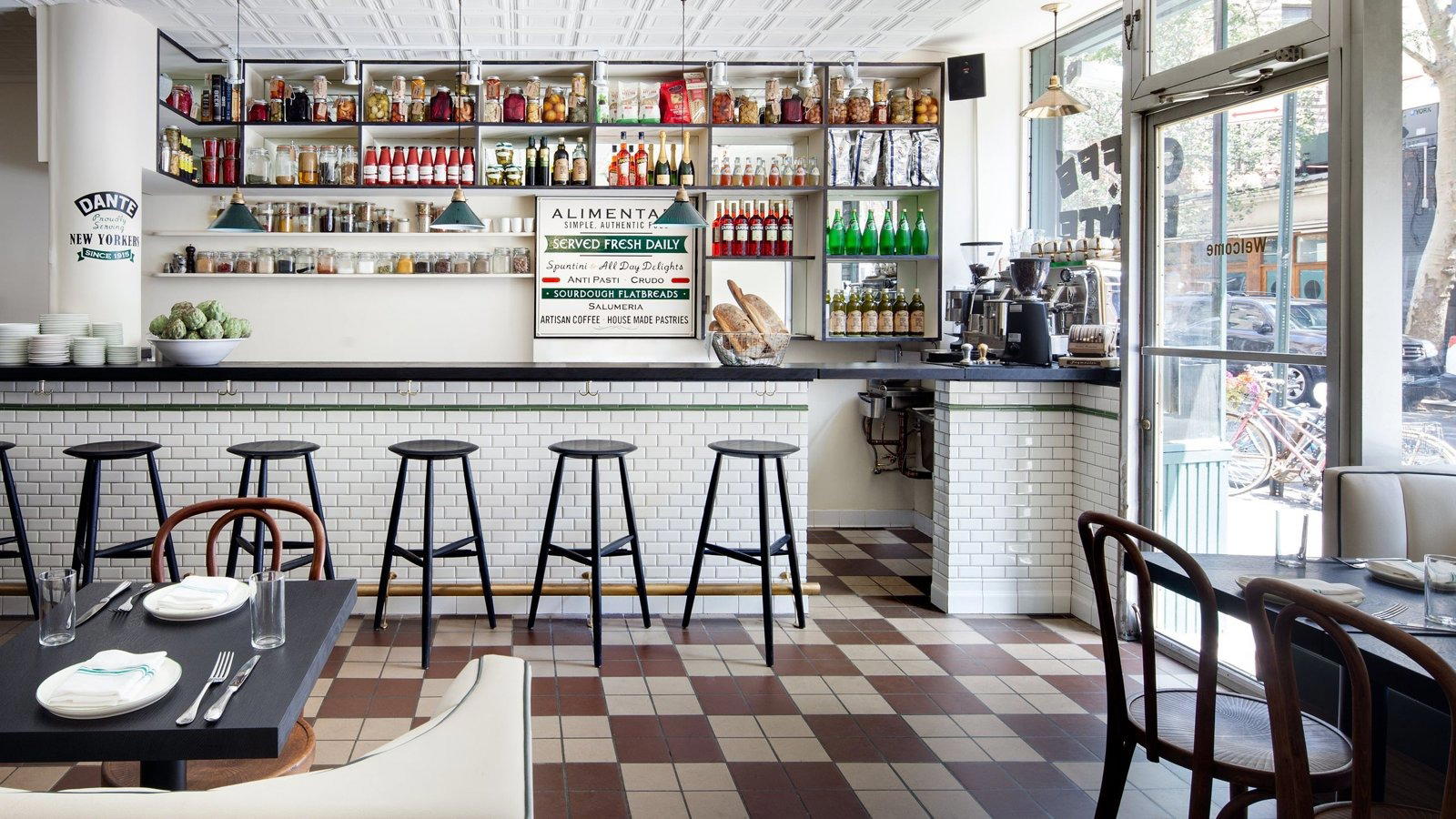
Restaurants in New York City
Browse all →
Bars in New York City
Browse all →
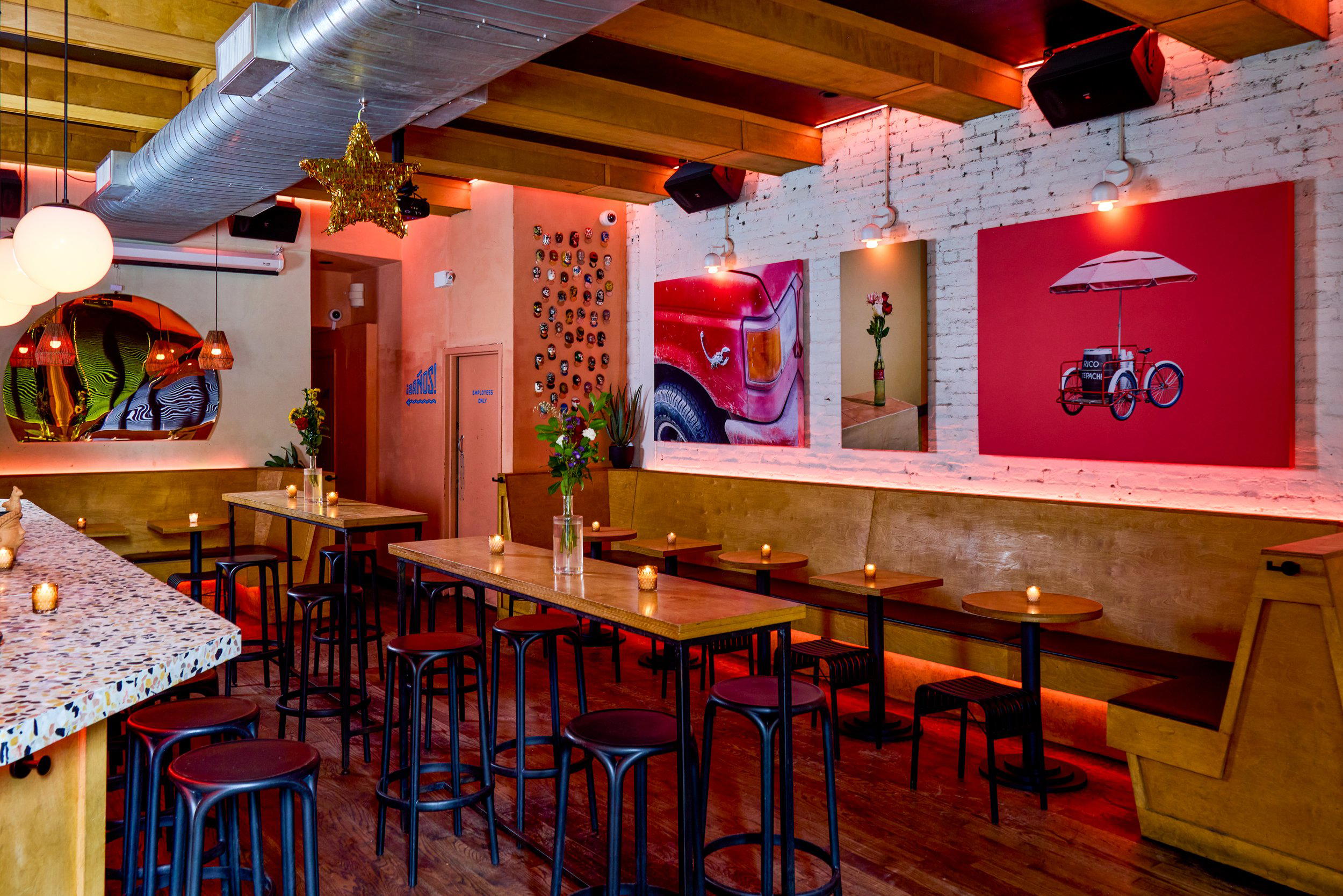
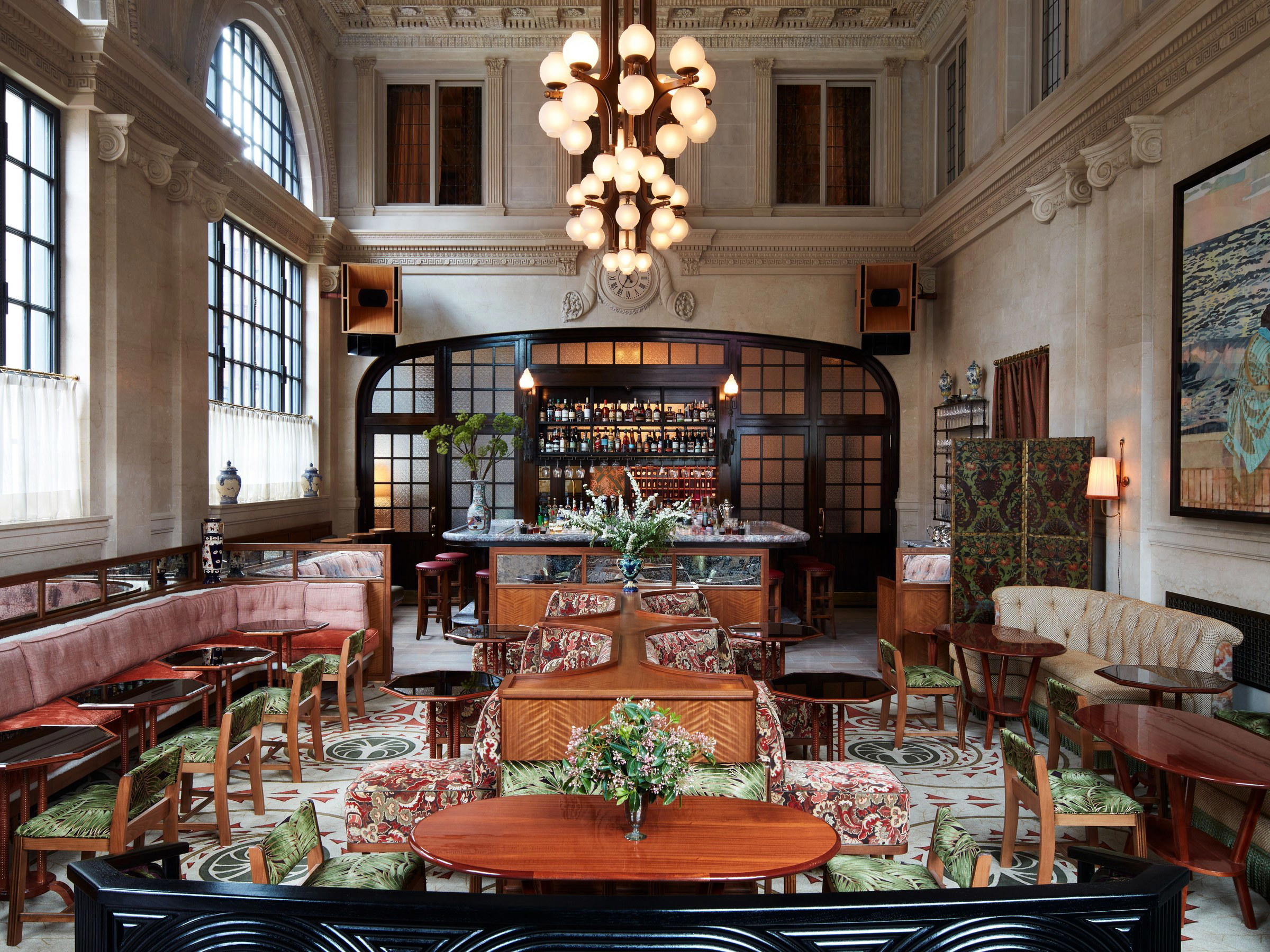
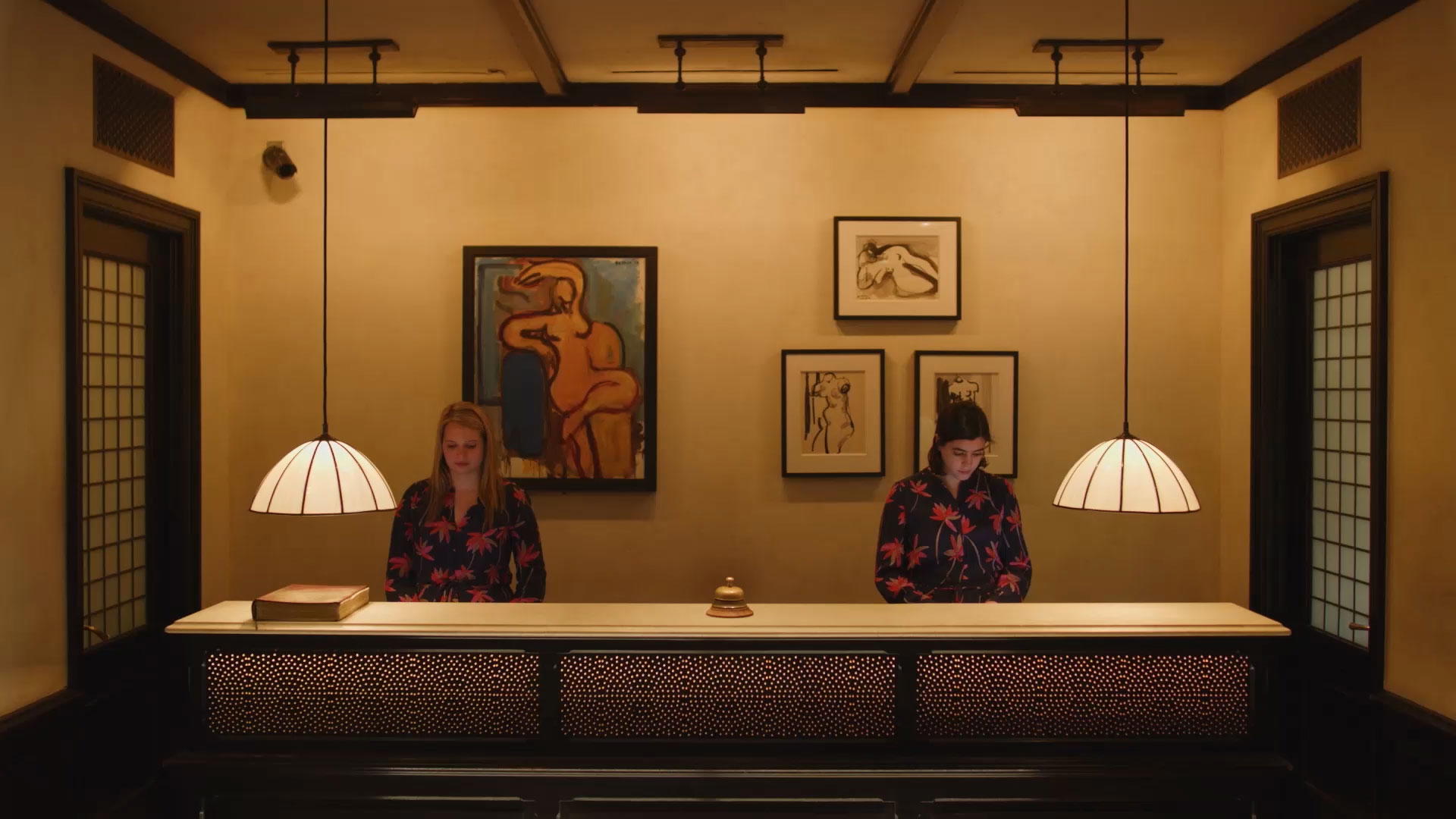
Hotels in New York City
Browse all →






At a Glance
- Rustic
- Cozy
- Intimate
- Casual Hangout
- Brunch
- Standalone
- Extensive Wine List
Current opening hours
- Monday
- Closed
- Tuesday
- 11 AM–6 PM
- Wednesday
- 11 AM–6 PM
- Thursday
- 11 AM–6 PM
- Friday
- 11 AM–9 PM
- Saturday
- 11 AM–9 PM
- Sunday
- 11 AM–6 PM
Hours can change for holidays and private events. Last verified .
Cozy and inviting atmosphere in a small retail space with a casual dining area in the back evoking a taste of Spain.