Our verdict
Der Obere Wirt zum Queri sits in Andechs, a Bavarian village whose identity has long been shaped by the Benedictine monastery brewery on the hill above it. The address places this traditional inn within the orbit of one of Germany's most established brewing traditions, where monastery-sourced ingredients and regional cooking have defined the local table for generations. For visitors making the pilgrimage to Andechs, it represents the grounded, place-rooted side of Bavarian hospitality.

Pearl is the En Primeur Club membership app — saves, bookings, and concierge access live there. Same editors, same standards.
- Address
- Georg-Queri-Ring 9, 82346 Andechs, Germany
- Phone
- +4949815291830
- Website
- queri.de
- Directions
- Get directions
- Booking
- Book on OpenTable
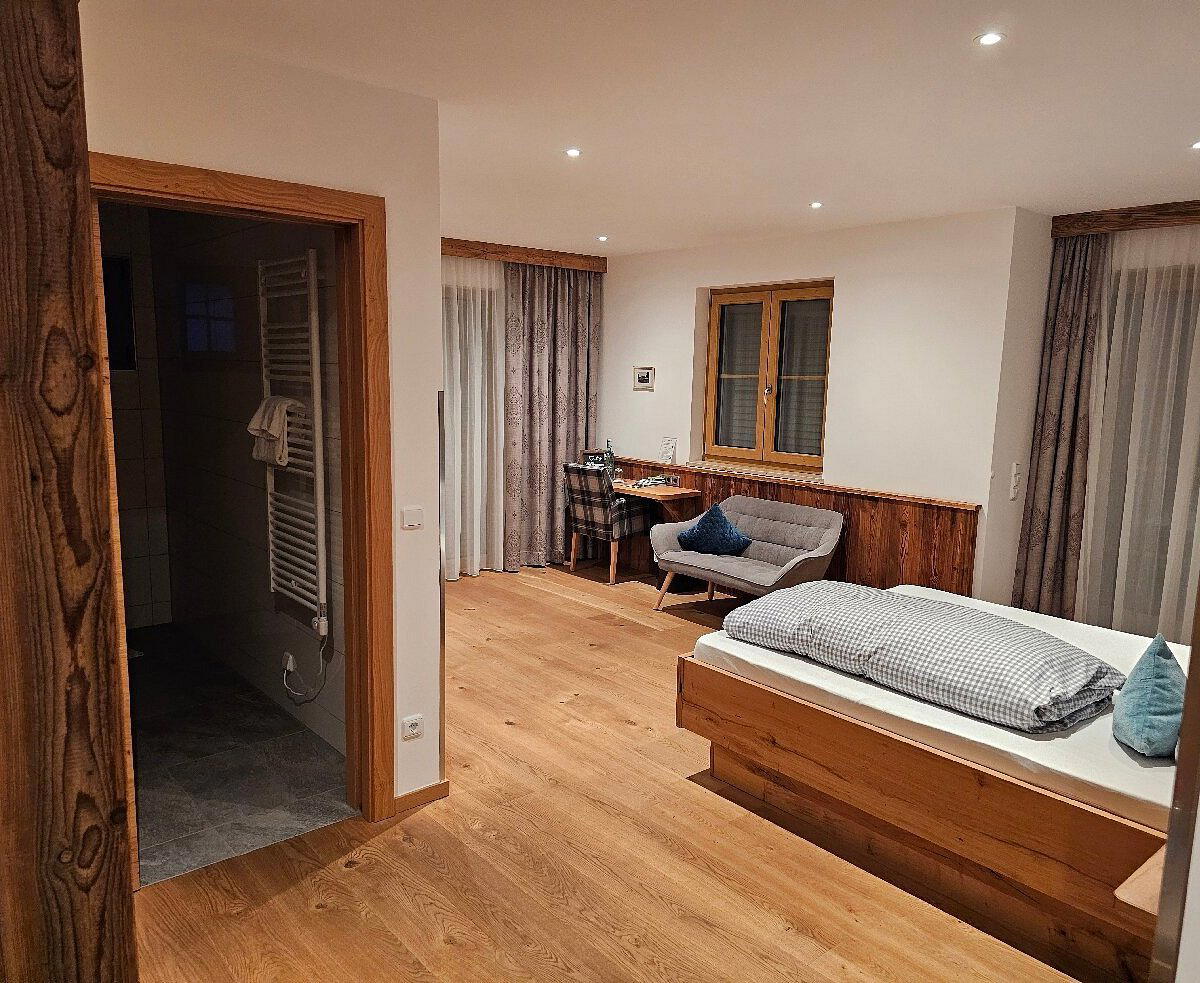
Where the Monastery Hill Shapes What Ends Up on the Plate
Andechs is not a dining destination that announces itself loudly. The village sits roughly 40 kilometres southwest of Munich, and most visitors arrive on foot or by regional train via Herrsching, drawn uphill to the Benedictine monastery that has occupied the ridge since the fifteenth century. The monastery brewery is the reason the village has any culinary gravity at all, and that gravity pulls hard. What has grown up around it is a cluster of traditional Bavarian inns that draw their identity directly from the land and the brewing culture above them, rather than from any metropolitan fine-dining trend.
Der Obere Wirt zum Queri, on Georg-Queri-Ring 9, occupies that specific niche: a regional inn in a village whose culinary character is defined almost entirely by proximity to a working monastic institution and its agricultural surroundings. The name itself gestures toward local literary heritage, Georg Queri being the early twentieth-century Bavarian folk writer who documented the customs and vernacular culture of this part of Upper Bavaria. That rootedness in place is the operating principle here, not a marketing decision.
The Sourcing Logic of Monastic Bavaria
Across the arc of villages that ring the Ammersee and Starnberger See, the most credible traditional kitchens share a sourcing logic that predates any contemporary farm-to-table framing. Monasteries across this part of Bavaria historically maintained gardens, orchards, fish ponds, and livestock, and the inns that grew up in their orbit inherited both the suppliers and the expectation that what appeared on the table came from nearby. That expectation has been under pressure for decades as supply chains consolidated, but Andechs remains one of the places where the short sourcing radius is not aspirational rhetoric. The monastery's own production, including its well-documented brewing operation, gives the village a living reference point for what locally produced actually means.
In practice, that translates to a kitchen tradition built around the ingredients that Upper Bavaria produces with consistency: freshwater fish from the surrounding lakes, pork and poultry from small regional farms, root vegetables and brassicas from the loam-heavy fields of the Fünfseenland, and dairy in forms that range from fresh butter to aged cheeses from alpine producers within a manageable radius. The cooking that frames these ingredients is Bavarian in the unsentimental sense: preparation methods that let the ingredient carry the weight, without the intervention-heavy plating vocabulary of contemporary fine dining.
This contrasts sharply with Germany's headline restaurant tier, where venues like Aqua in Wolfsburg and Vendôme in Bergisch Gladbach operate at the €€€€ level with creative international frameworks, or where JAN in Munich represents the contemporary interpretation of the region's produce within a fine-dining format. The village inn tradition in Andechs sits at a deliberate remove from that conversation, serving a different function and a different audience.
The Physical Approach and What It Signals
Arriving at Andechs by the most direct route from Munich means the landscape changes incrementally: the city's southern suburbs give way to rolling moraine terrain, fields opening between stands of spruce, the Ammersee appearing as a flat grey-blue line before the monastery's baroque towers come into view above the tree line. The village below the hill is compact, its inn culture concentrated along the approach roads. Der Obere Wirt zum Queri sits within this settlement geography, in a position that makes the monastery's presence felt without requiring the climb to the hilltop itself.
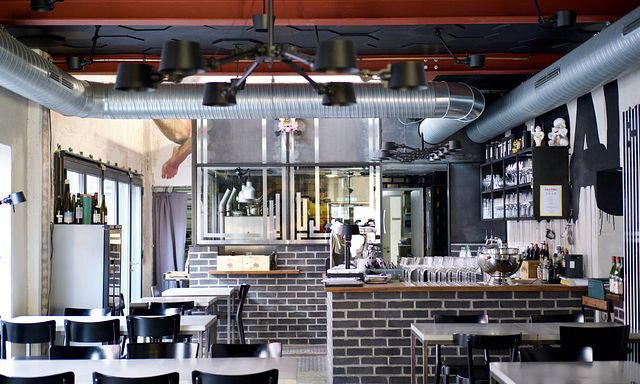
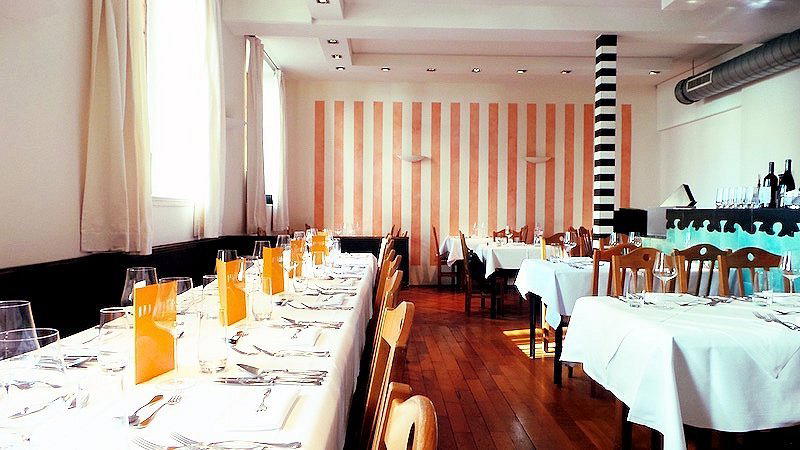
The experience of eating in this kind of setting is inseparable from its physical context. Bavarian inn dining, at its most coherent, functions as an extension of the countryside around it: the ceiling heights, the furniture weight, the tempo of service, and the portion logic all reflect an agricultural culture where a meal is a substantial event rather than a curated sequence of small plates. That format has proved resistant to the kind of concept drift that characterises urban restaurant evolution, which is part of what makes the village inn tradition worth engaging with on its own terms.
Andechs in the Wider German Dining Picture
Germany's serious dining culture tends to concentrate in city destinations or in rural resort areas with strong tourism infrastructure. The Schwarzwaldstube in Baiersbronn represents the latter model at its most developed: a multi-Michelin-starred destination embedded in a spa-hotel complex in the Black Forest. The Waldhotel Sonnora in Dreis and Schanz in Piesport follow comparable logic, with serious kitchens in rural settings that attract destination diners. Village inns in the Andechs mould serve a fundamentally different purpose: they are not destinations in themselves so much as the most authentic expression of what a particular place produces and how its people have historically eaten.
That distinction matters when planning a visit. Travellers coming from Munich for whom restaurant dining is the primary objective will find more ambitious kitchens closer to the city or in the broader region, from the dessert-focused precision of CODA Dessert Dining in Berlin to the technical ambition of ES:SENZ in Grassau, which operates in the Alpine foothills not far from this part of Bavaria. For those whose objective is understanding how the Ammersee region actually eats, the calculus reverses. Our full Andechs restaurants guide maps that picture in more detail, including Bernhardhof, which represents the contemporary end of the local dining spectrum.
Planning a Visit
Andechs is accessible from Munich in under an hour by a combination of S-Bahn and regional bus, or a short drive via the A96 and local roads toward Herrsching. The village sees its heaviest visitor pressure on weekends between late spring and early autumn, when the monastery brewery's outdoor terraces draw crowds that can make the entire area feel considerably busier than its size suggests. Visiting midweek or in the shoulder months of April and October gives a more measured experience of both the village and its inns. For a broader frame of reference on what serious regional dining looks like elsewhere in Germany, the programmes at Restaurant Haerlin in Hamburg, Bagatelle in Trier, and L.A. Jordan in Deidesheim illustrate how regional sourcing operates at different points on the formality spectrum, as do internationally comparable models at Le Bernardin in New York City and Lazy Bear in San Francisco, where the sourcing narrative is central to the dining proposition.
Frequently asked questions
Would Der Obere Wirt zum Queri be comfortable with kids?
A traditional Bavarian gasthaus in a village setting like Andechs is generally well-suited to families. The Georg-Queri-Ring 9 address places the restaurant in a quiet residential-scale part of the village, away from the concentrated foot traffic of the monastery approach, which tends to mean a more relaxed indoor environment.
Is Der Obere Wirt zum Queri better for a quiet night or a lively one?
Andechs draws a steady stream of visitors to its monastery brewery, so atmosphere at village restaurants can shift considerably between midweek evenings and weekend afternoons. Der Obere Wirt zum Queri, positioned at Georg-Queri-Ring 9 away from the main monastery approach, reads more as a neighbourhood local than a tourist-facing beer hall. Weekday evenings are the safer bet for a quieter experience.
How does Der Obere Wirt zum Queri differ from the monastery brewery restaurant at Andechs?
The Andechs monastery operates its own brewery and guest dining facilities on the hill above the village, which function primarily as high-volume beer garden destinations drawing significant tourist traffic. Der Obere Wirt zum Queri at Georg-Queri-Ring 9 sits in the village itself and operates as a separate, independently run gasthaus with a different ownership and service orientation. For visitors seeking a quieter or more local alternative to the monastery crowds, the two represent distinct experiences within the same small commune.
What's the best thing to order at Der Obere Wirt zum Queri?
In the broader context of Bavarian gasthaus cooking around the Ammersee and Starnberger See, traditional kitchens in this area typically anchor menus to regional pork preparations, roast duck, and lake fish from nearby waters.
Where is Der Obere Wirt zum Queri located?
Der Obere Wirt zum Queri is located at Georg-Queri-Ring 9, 82346 Andechs, Germany, Andechs.
In Context: Similar Options
| Venue | Cuisine | Price | Awards | Notes |
|---|---|---|---|---|
| Der Obere Wirt zum QueriThis venue — the venue you are viewing | Traditional Bavarian | Not listed | Not listed | Not listed |
| Schwarzwaldstube | Modern French Fine Dining | $150–200 | 3 Michelin Stars · World's 50 Best #47 | French, Classic French |
| Aqua | Modern European Fine Dining | Not listed | 3 Michelin Stars · World's 50 Best #33 | Contemporary German, Italian/Japanese, Creative |
| Vendôme | Modern German Haute Cuisine | $200–300 | 2 Michelin Stars · World's 50 Best #47 | Modern European, Creative |
| CODA Dessert Dining | Dessert-Inspired Fine Dining | $200–300 | 2 Michelin Stars · World's 50 Best #79 | Creative |
| Tantris | Modern French Fine Dining | $300–500 | 2 Michelin Stars · World's 50 Best #73 | Modern French, French Contemporary |
Details
- Rustic
- Cozy
- Classic
- Group Dining
- Family
- Celebration
- Private Event
- Garden
- Private Dining
- Historic Building
- Hotel Restaurant
- Beer Program
- Farm To Table
- Organic
- Local Sourcing
- A La Carte
- Family Style
- Beer
- Vegetarian Friendly
- Vegan Options
- Allergy Accommodating
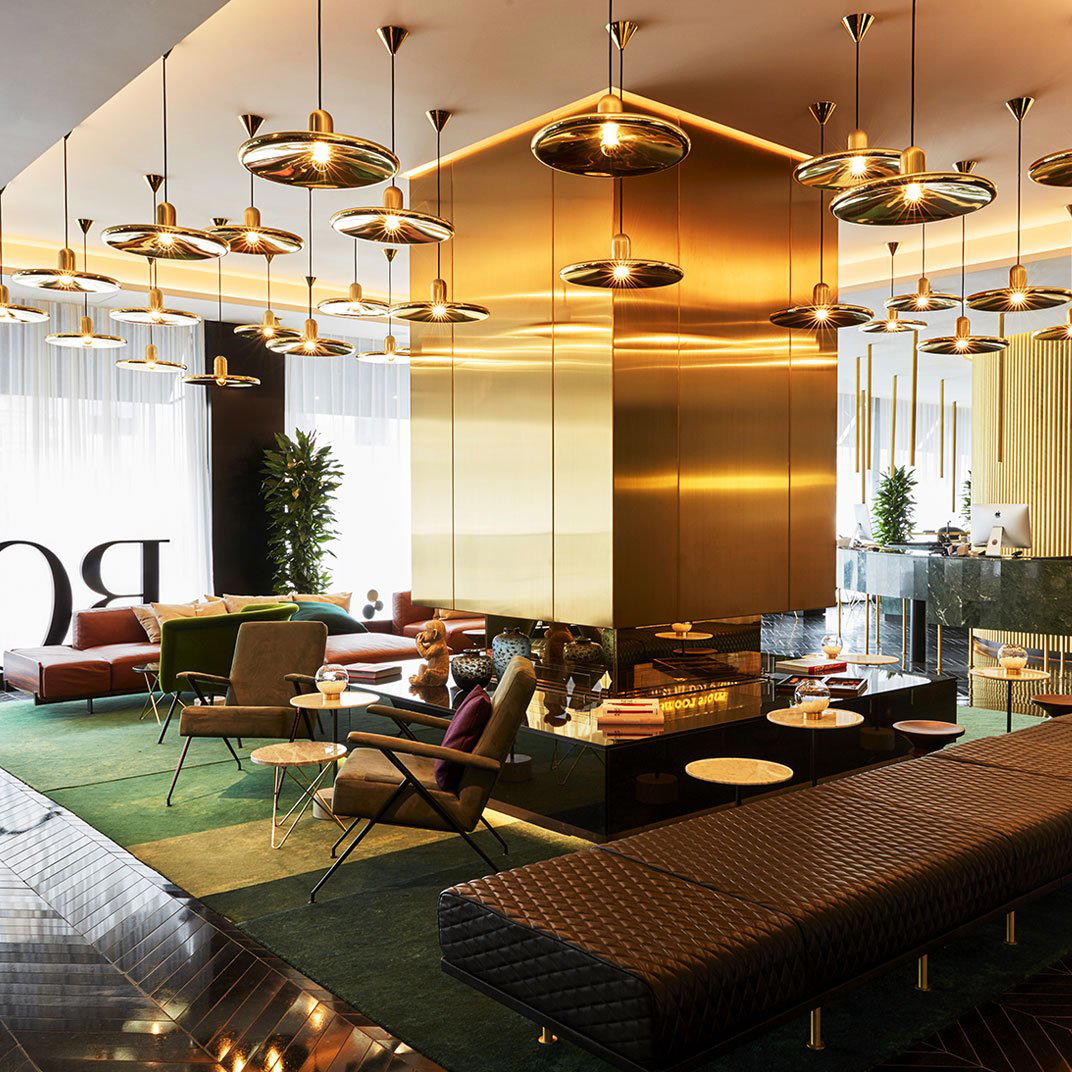
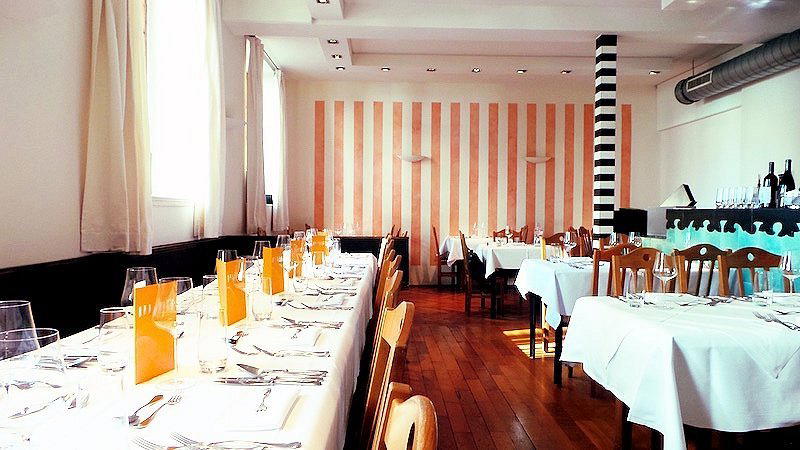
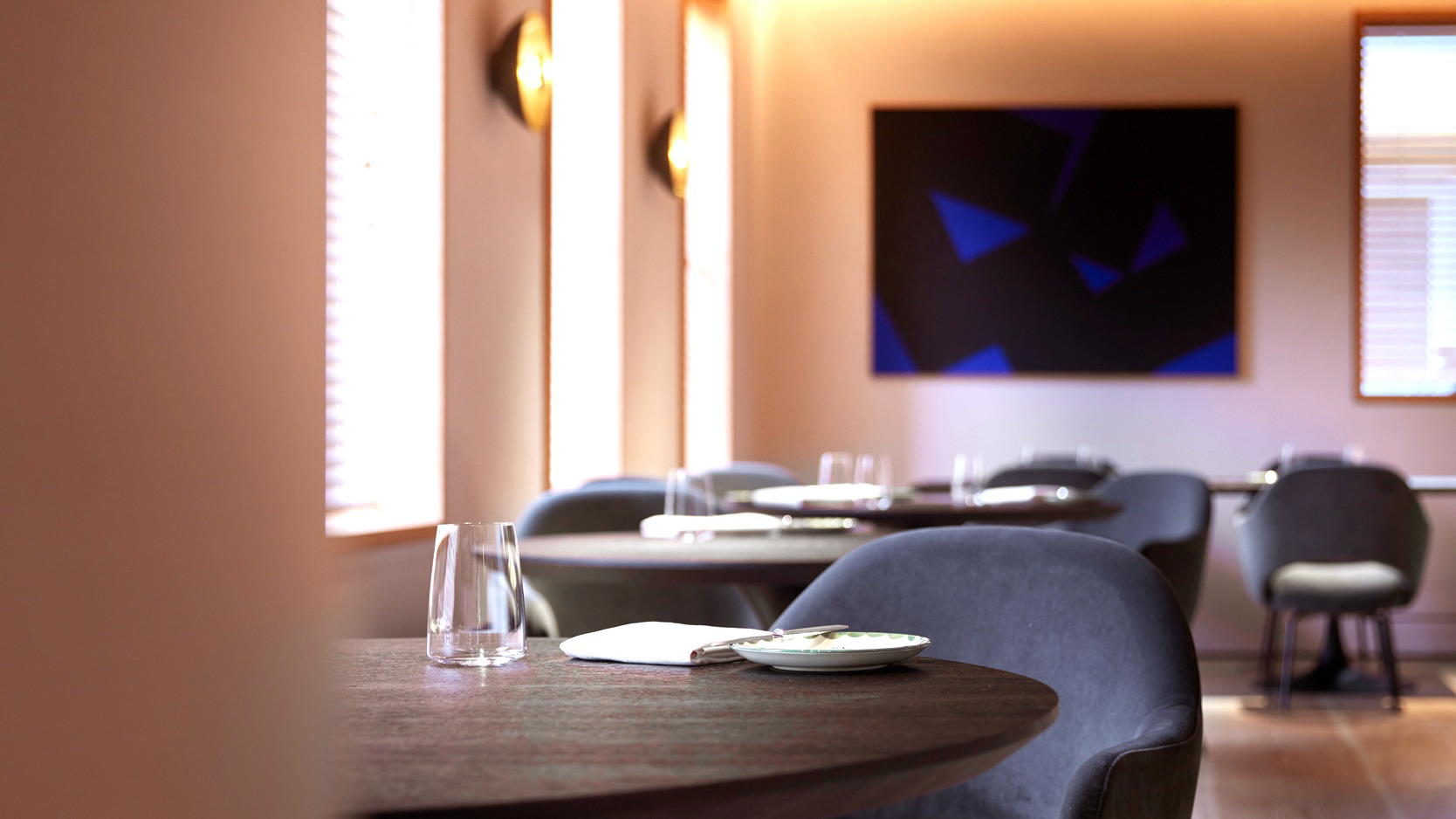
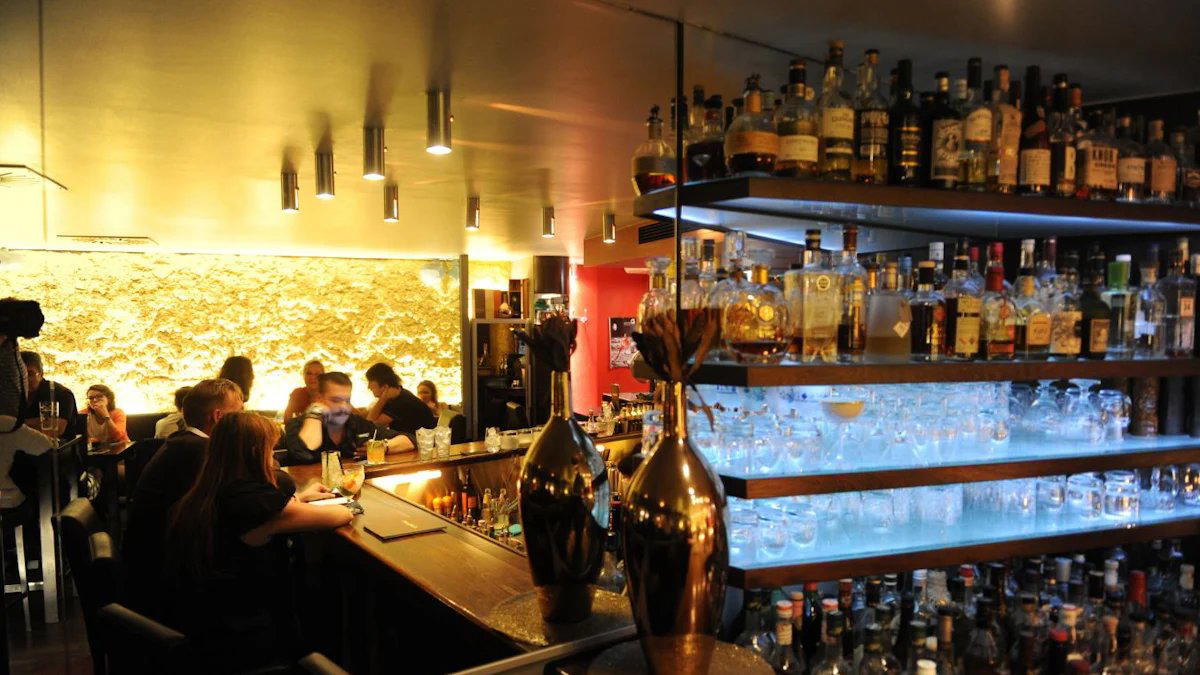
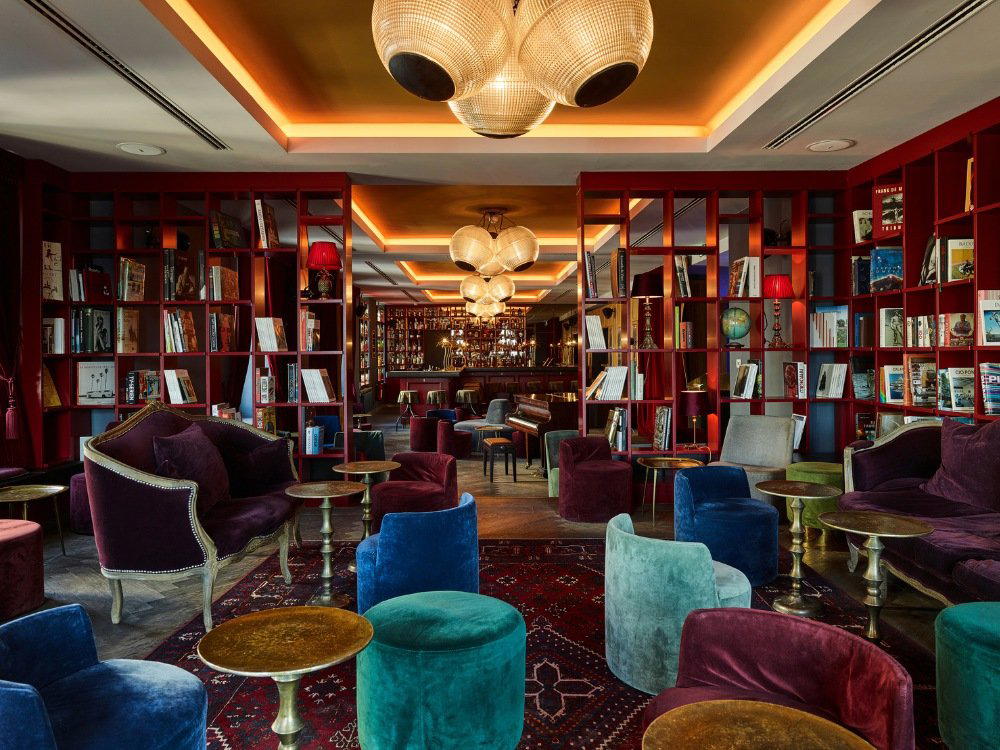
Historic Bavarian country house atmosphere with traditional stubes, beer garden under chestnut trees, and vaulted cellar dining rooms.