Dar Essalam
Dar Essalam sits at 29585 Park Pl. in Wilsonville, Oregon, occupying a quieter corner of a suburb that has seen steady restaurant growth along the I-5 corridor. The name — Arabic for 'house of peace' — signals a North African or Middle Eastern orientation in a market where that cuisine remains underrepresented. For Wilsonville diners looking beyond the familiar, it warrants a closer look.
Pearl is the En Primeur Club membership app — saves, bookings, and concierge access live there. Same editors, same standards.
- Address
- 29585 Park Pl., Wilsonville, OR 97070
- Phone
- +15036823600
- Website
- daressalamrestaurant.com
- Directions
- Get directions
 Saves & bookings on Pearl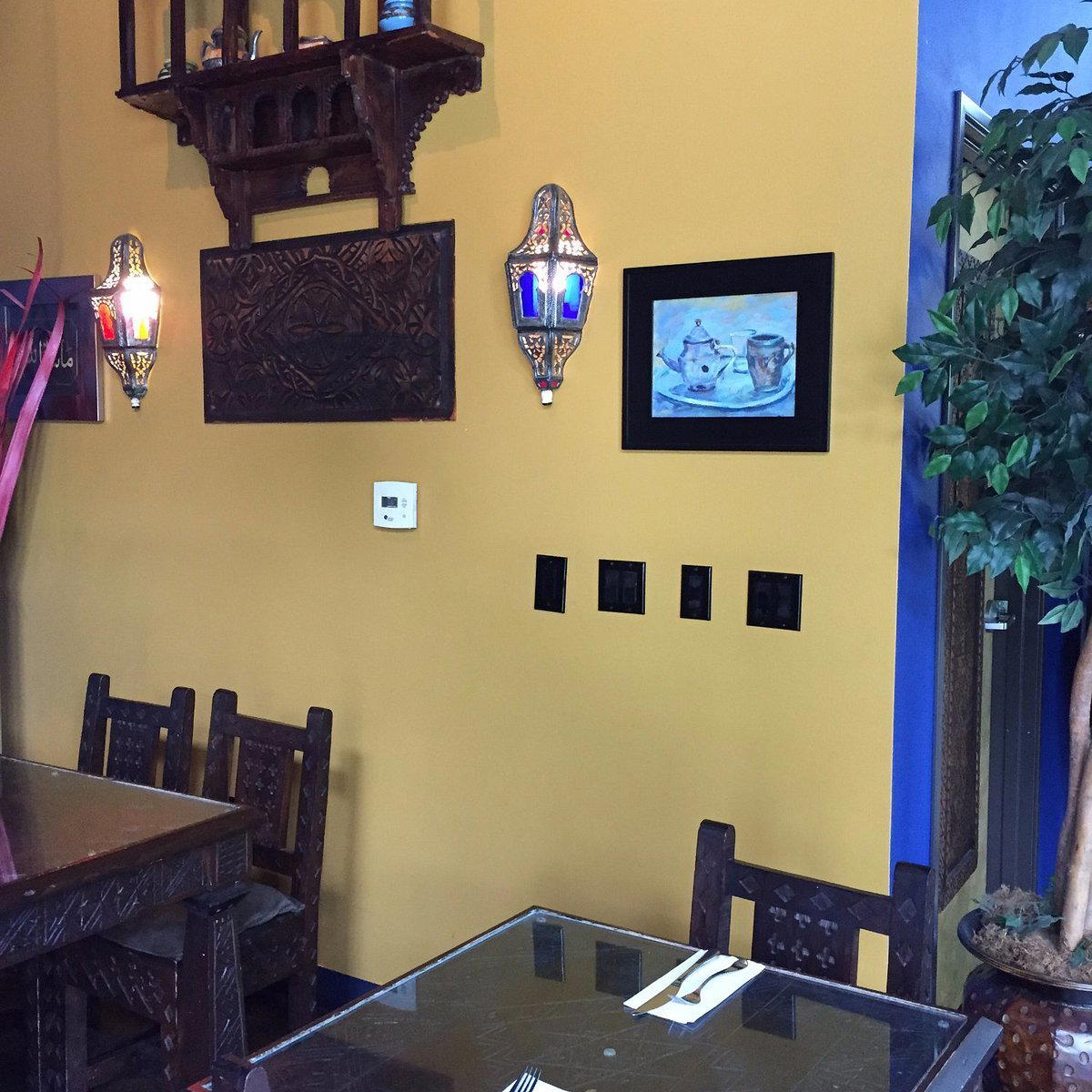
A Quieter Corner of Wilsonville's Dining Scene
Wilsonville sits at an odd crossroads in Oregon's dining geography — close enough to Portland to inherit some of its culinary ambition, but suburban enough that its restaurant scene still skews toward reliable chains and familiar American formats. Along Park Place, the address of Dar Essalam, that tension is visible in the mix: a corridor that serves commuters and local families in roughly equal measure. Within that context, a name like Dar Essalam — Arabic for 'house of peace,' a phrase used across North African and Levantine cultures to denote hospitality and sanctuary, reads as a deliberate choice, not a casual one. It signals a kitchen oriented toward a cuisine tradition that Wilsonville, and much of the outer Portland metro, underserves.
For a sense of how Wilsonville's broader dining options shape up, the our full Wilsonville restaurants guide maps the field. Dar Essalam occupies a different register than the steakhouse-leaning Oswego Grill - Wilsonville or the American-casual Parkway Grille nearby. Where those venues compete on familiarity and portion, a North African or Middle Eastern kitchen competes on spice logic, slow-cooked technique, and the sourcing story behind ingredients that rarely appear on suburban Oregon menus.
What the Name Implies About the Kitchen
North African cooking, Moroccan in particular, is one of the more ingredient-disciplined traditions in the broader Mediterranean family. The spice blends that define it, ras el hanout, chermoula, harissa, preserved lemon, are not pantry shortcuts. They are accumulative, requiring either careful sourcing of individual components or access to blends with genuine provenance. In the Portland metro, a handful of Middle Eastern and North African grocers supply restaurants and home cooks, but suburban kitchens often face a longer supply chain than their urban counterparts. How a kitchen at this address resolves that sourcing challenge tells you more about its seriousness than any single dish.
The broader national picture is instructive here. Restaurants like Single Thread Farm in Healdsburg and Blue Hill at Stone Barns in Tarrytown have made ingredient origin the primary editorial frame for their menus, a format where what arrives at the table is inseparable from where it was grown or raised. North African cuisine operates from a parallel logic, even if it rarely gets framed that way in American restaurant writing. Preserved lemons, slow-braised lamb, and hand-ground spice pastes are all, at their core, expressions of ingredient transformation over time. The technique is the sourcing story.
That same emphasis on provenance shapes celebrated American kitchens across price tiers. Smyth in Chicago and The Wolf's Tailor in Denver both anchor their menus around regional and seasonal sourcing as a structural commitment, not a marketing line. A North African kitchen doing the same, sourcing preserved citrus locally, working with Oregon lamb, or using Pacific Northwest produce through a Maghrebi lens, would occupy a genuinely distinct position in the suburban Oregon market.
The Atmosphere Question
North African restaurants in the American market have historically split between two presentation modes: the full theatrical treatment, low seating, lantern light, ceramic tile, and the plainer neighborhood-restaurant format that lets the food carry the argument. The former format was dominant through the 1990s and early 2000s; the latter has gained ground as diners have grown skeptical of atmosphere as a substitute for kitchen quality. Where Dar Essalam sits on that spectrum matters for how a first visit should be framed.
At 29585 Park Pl. in Wilsonville, the suburban setting makes the theatrical format less likely, the footprint and the neighborhood both suggest something closer to a family-run dining room than a destination supper club. That is not a limitation. Some of the most technically serious North African cooking in the United States happens in exactly that format: low overhead, consistent regulars, and a kitchen freed from the cost of elaborate decor. The analogy holds across other cuisine traditions; venues like ITAMAE in Miami and Frasca Food and Wine in Boulder demonstrate that room size and decor budget are poor proxies for cooking quality.
Placing Dar Essalam in a Wider Frame
The broader American fine dining conversation, anchored by venues like Le Bernardin in New York City, The French Laundry in Napa, and Providence in Los Angeles, operates at a price and formality tier that has little to do with what Wilsonville's Park Place corridor serves. The more relevant comparison set for Dar Essalam is the tier of serious independent restaurants that serve a local community with genuine culinary intent but without the infrastructure of awards recognition or destination dining status. Emeril's in New Orleans, Lazy Bear in San Francisco, and Atomix in New York City all occupy different tiers, but they share a commitment to cuisine identity that a neighborhood restaurant can hold at any price point.
In the suburban Oregon market, a North African kitchen that takes its spice sourcing and braising technique seriously fills a gap that neither Addison in San Diego-style tasting-menu formalism nor chain dining addresses. The question for any first visit is whether the kitchen's execution matches the ambition implied by the name and the address. That is a question only the plate can answer.
Planning a Visit
Dar Essalam is located at 29585 Park Pl. Wilsonville, OR 97070, accessible from the Wilsonville exit off I-5. Current hours, booking options, and contact details are best confirmed directly with the venue before visiting, as this information was not available at the time of writing. Given the suburban setting and the niche cuisine category, weekday visits may offer a quieter experience than weekend service. For visitors coming from Portland, roughly 17 miles north on I-5, Dar Essalam represents a legitimate reason to exit the freeway rather than drive past. For Wilsonville residents, it is one of the more distinct options in a market that otherwise trends predictable. Comparable North African and Middle Eastern options in the broader Portland metro tend to cluster in inner Southeast and Northeast Portland neighborhoods, making the Wilsonville address an outlier worth tracking. Venues like The Inn at Little Washington and Atelier Moessmer Norbert Niederkofler in Brunico operate in destination-dining contexts where the journey is part of the proposition; Dar Essalam is a different kind of discovery, one that rewards proximity rather than pilgrimage.
Continue exploring
More in Wilsonville
Restaurants in Wilsonville
Browse all →
Bars in Wilsonville
Browse all →
Hotels in Wilsonville
Browse all →

At a Glance
- Rustic
- Cozy
- Intimate
- Date Night
- Family
- Group Dining
- Celebration
- Casual Hangout
- Standalone
Current opening hours
- Monday
- 11 AM–8 PM
- Tuesday
- 11 AM–8 PM
- Wednesday
- 11 AM–8 PM
- Thursday
- 11 AM–8 PM
- Friday
- 11 AM–8 PM
- Saturday
- 12–8 PM
- Sunday
- 4–8 PM
Hours can change for holidays and private events. Last verified .
Warm and inviting with carved wooden chairs and tables, ornate tile mosaics, and fountain wall tilework creating an exotic, rustic Moroccan atmosphere with attentive service.
Know Before You Go
- Getting there
- 29585 Park Pl., Wilsonville, OR 97070